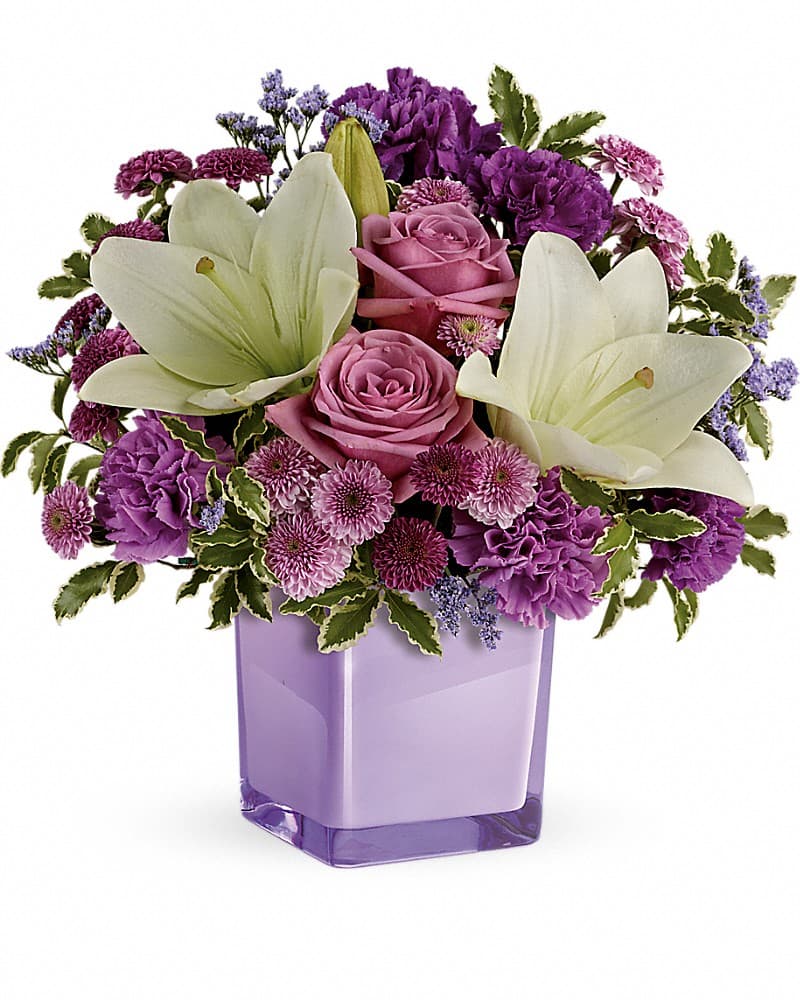
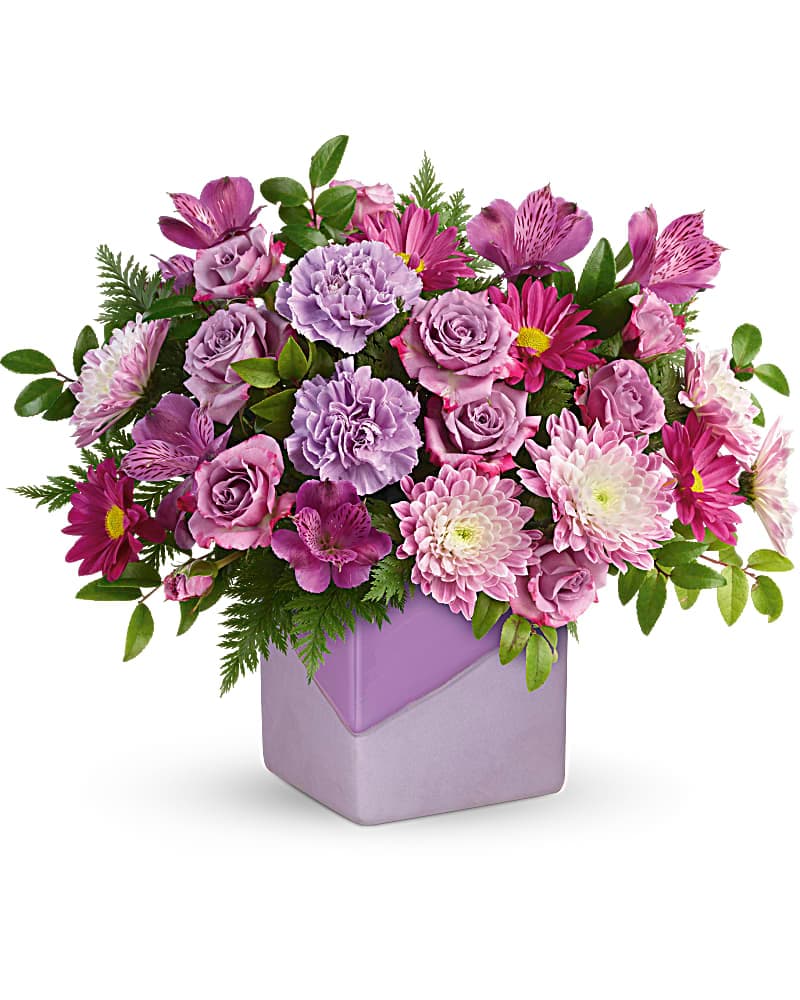
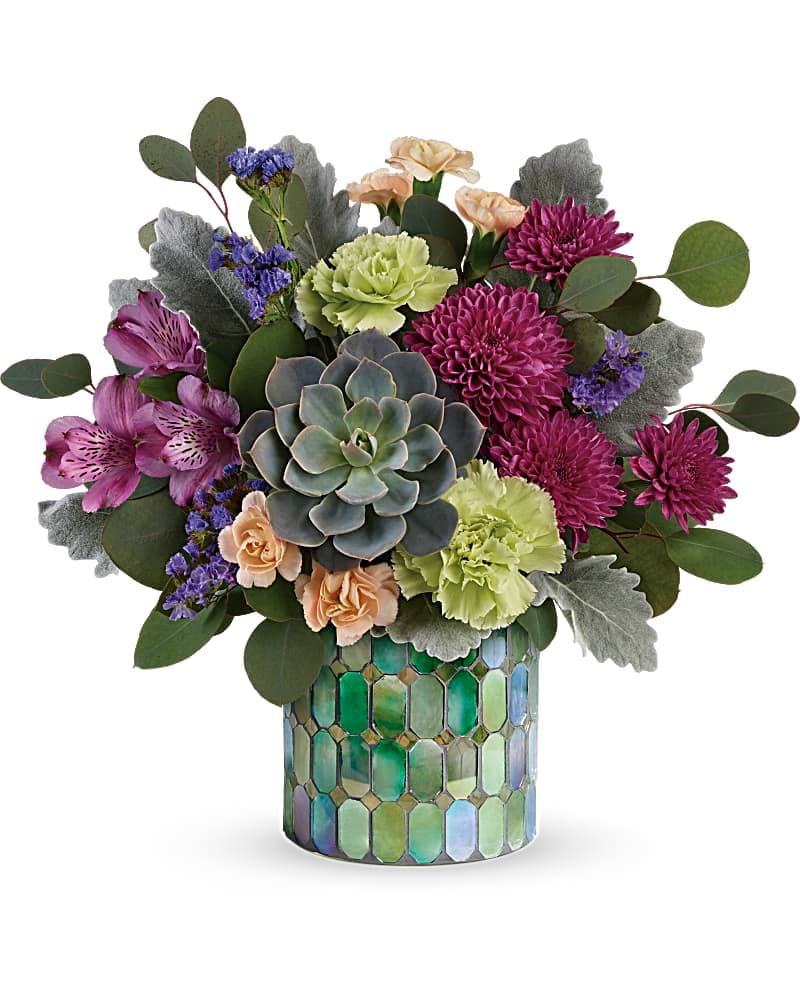
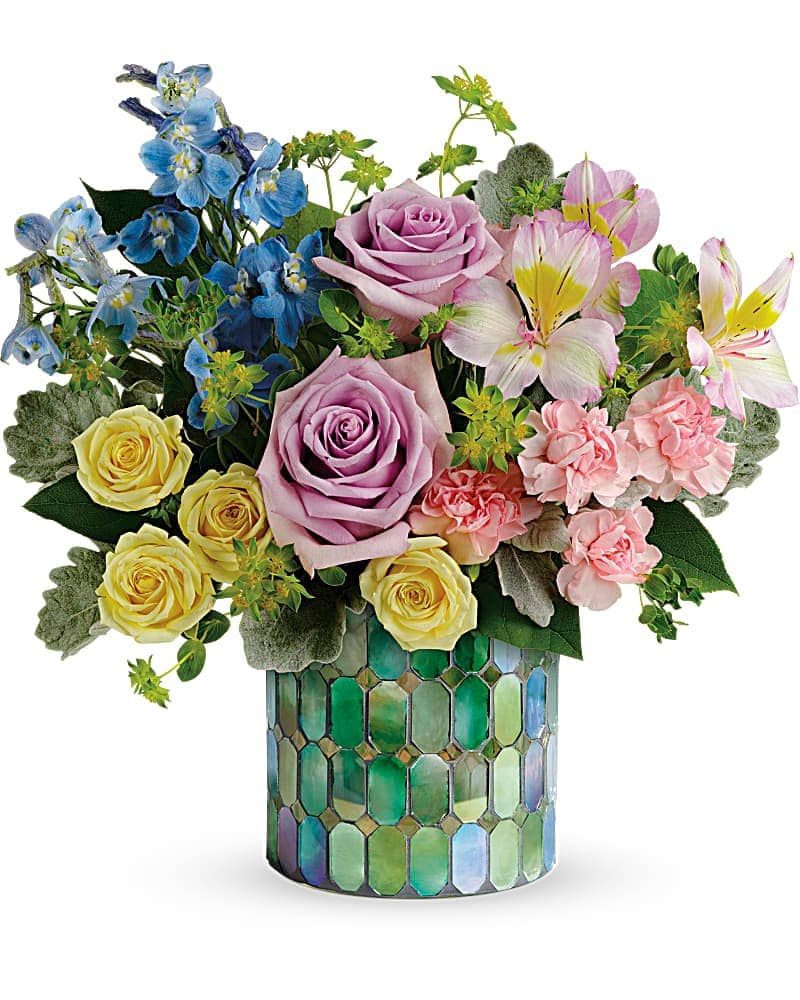
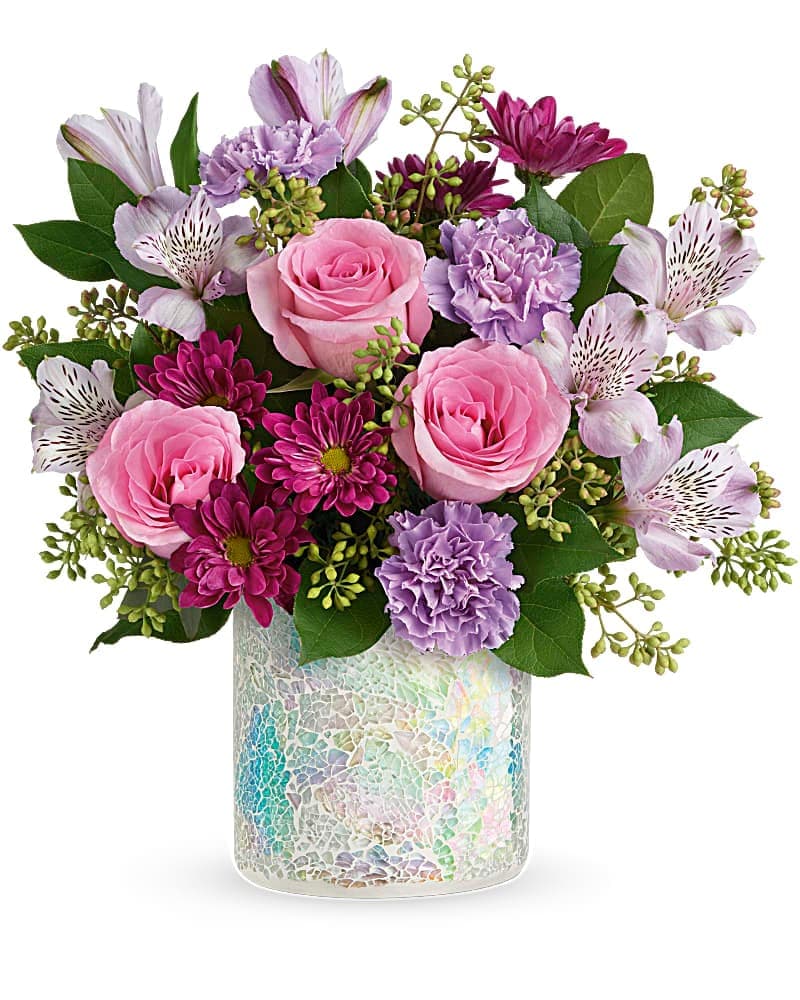
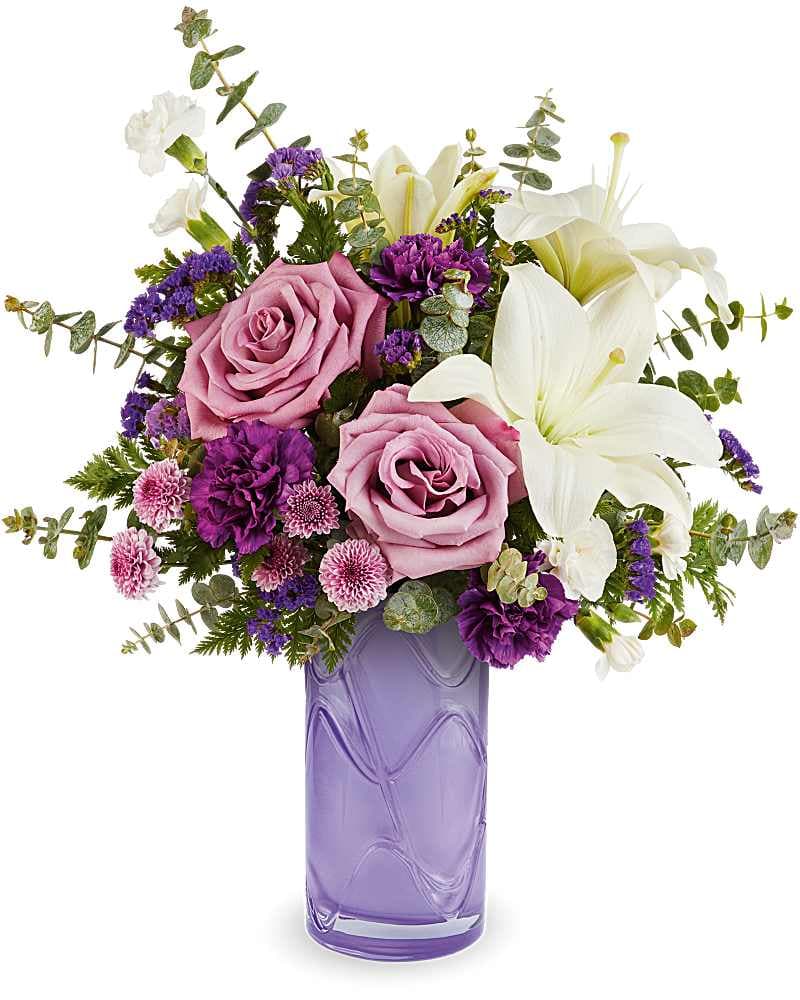
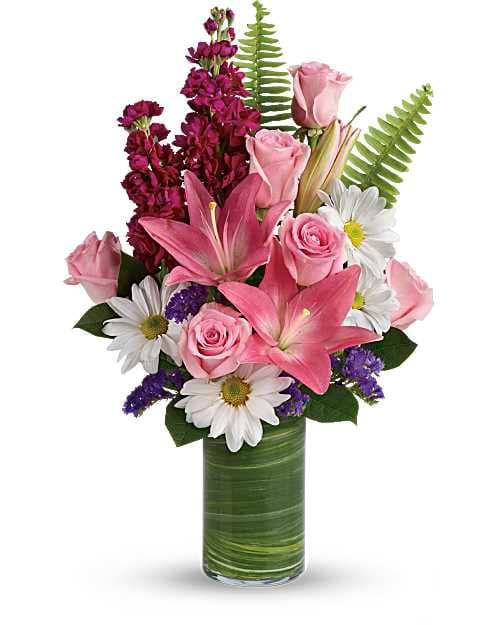
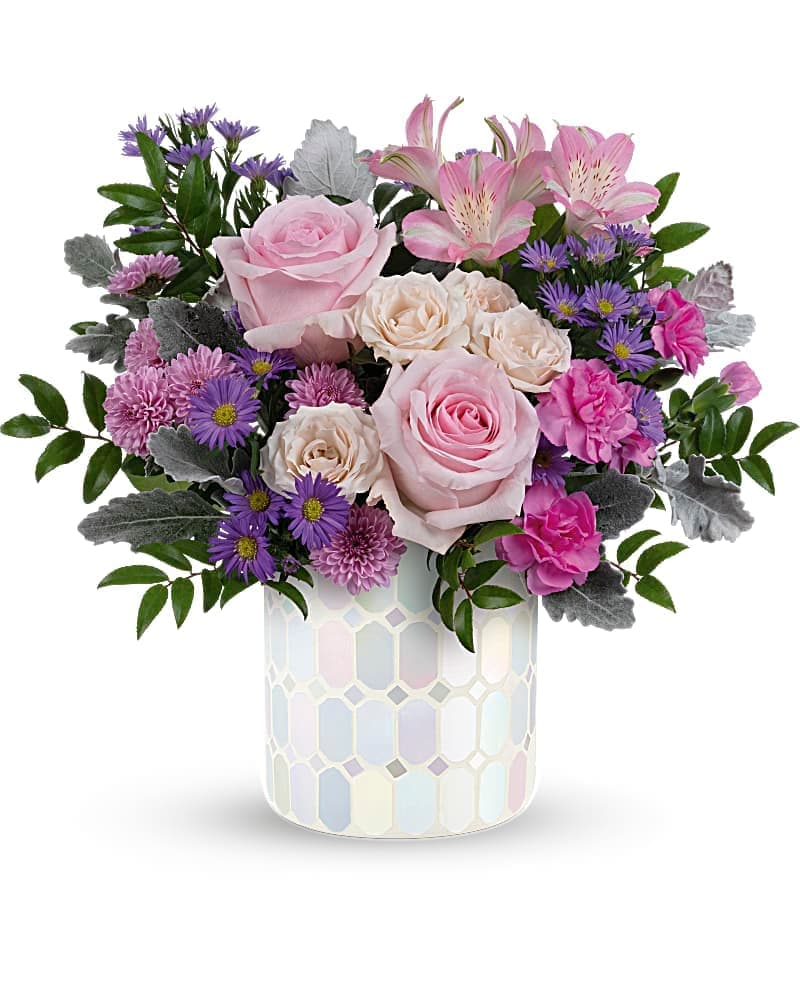
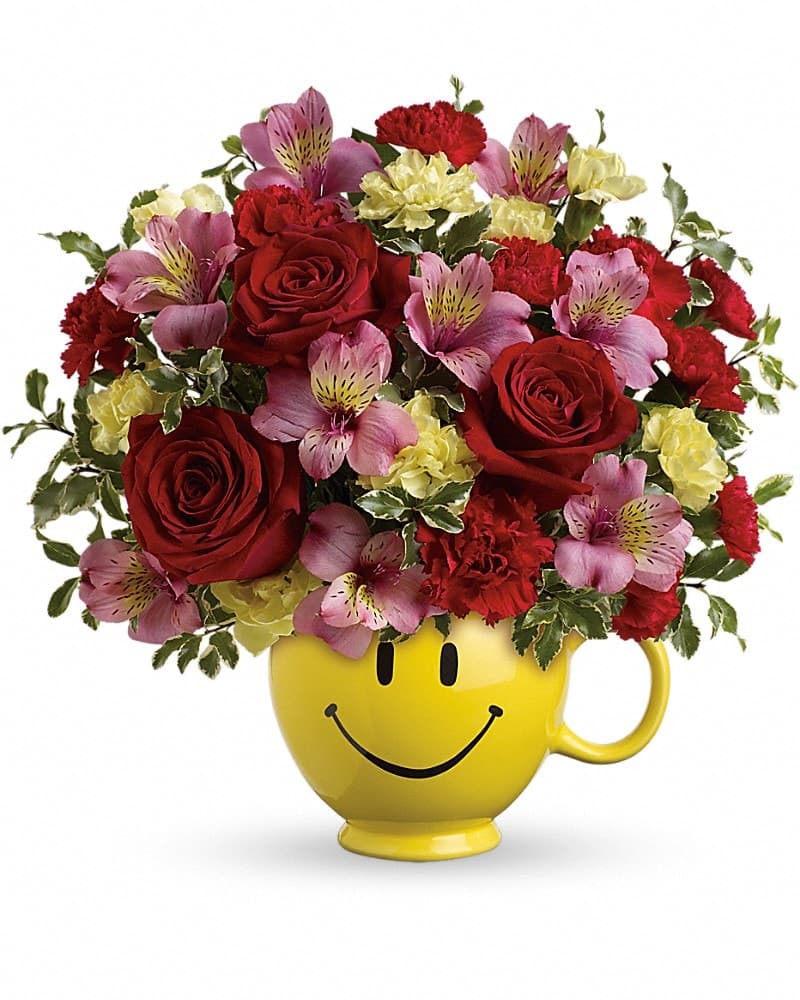
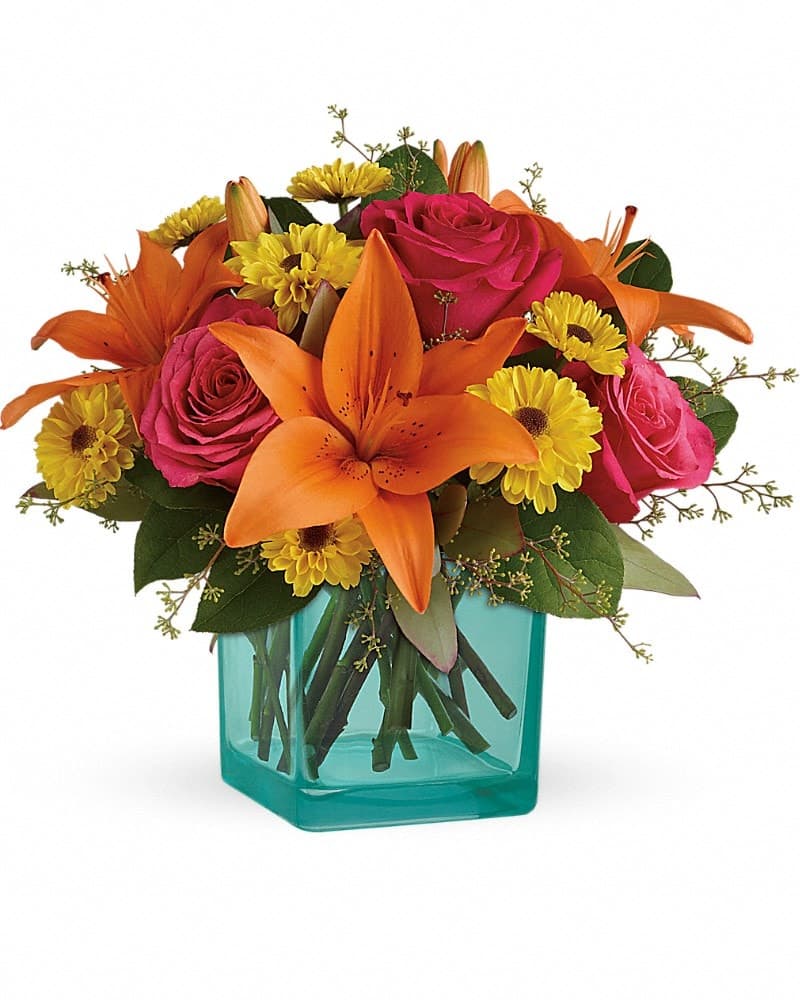
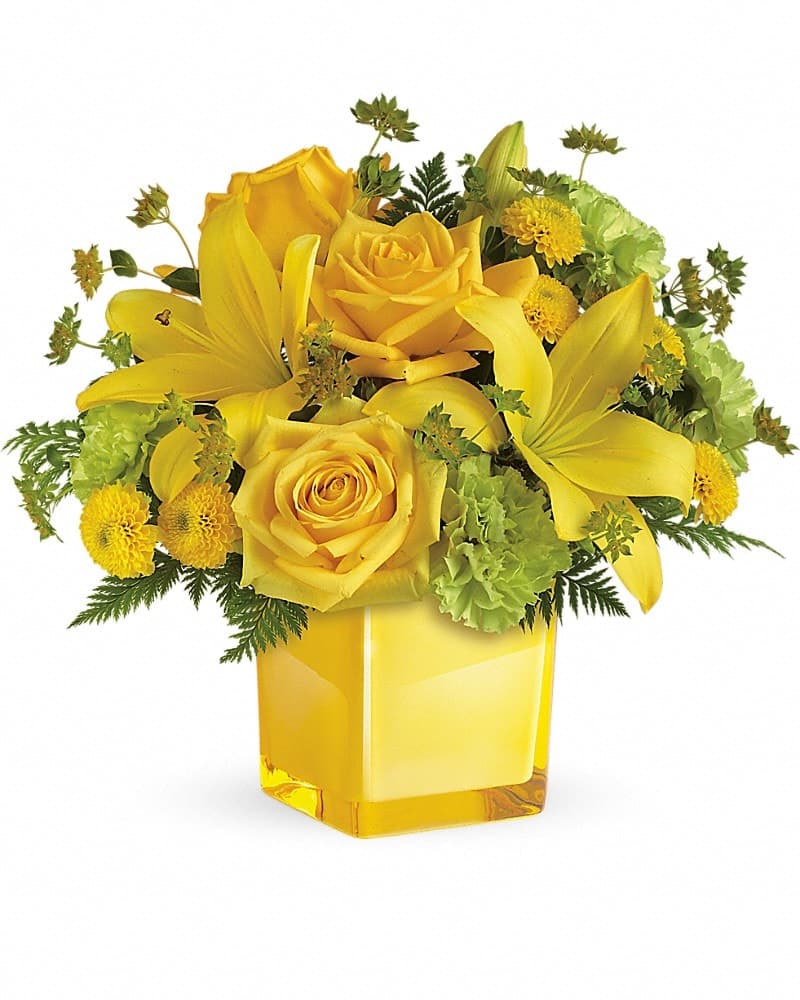
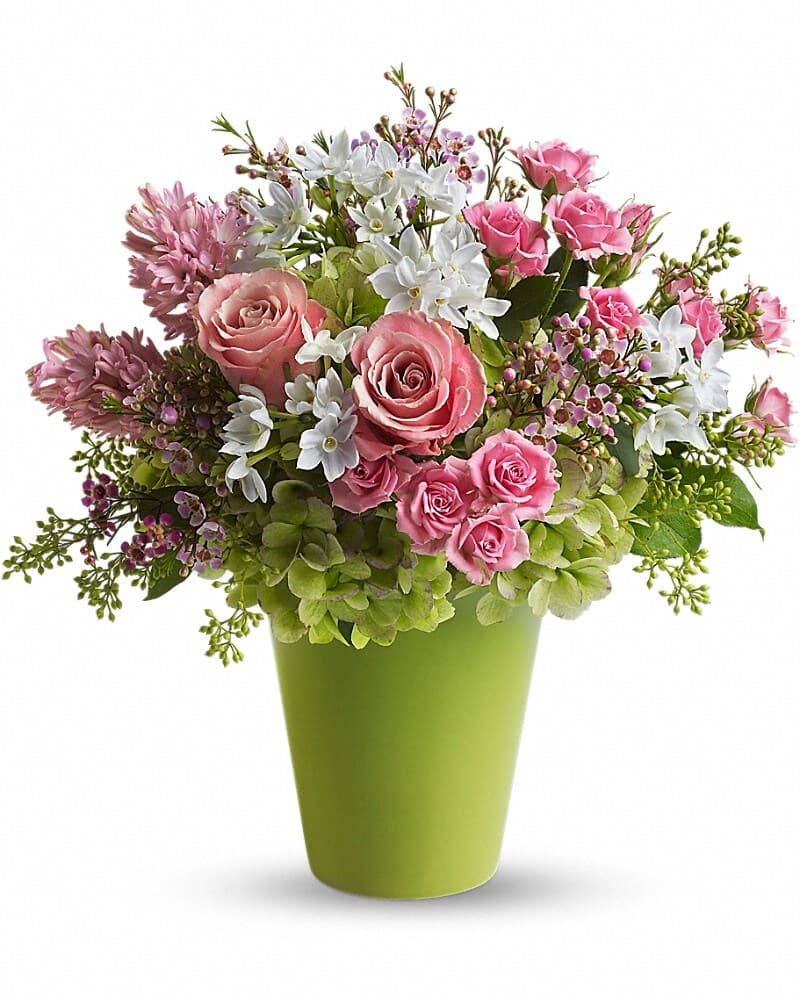
Where these orders actually go here, roughly in order of volume. A parent's or a grandparent's house, which in Wilmington often means a midtown street they have lived on for forty years and a mid-morning window, because retired households are reliably home before noon and reliably out at the beach or the arboretum by two. A friend having a hard month, where an arrangement on a Wednesday with nothing attached to it lands harder than a bigger one on a birthday. A school: New Hanover County Schools runs the buildings everybody here grew up in — New Hanover High downtown, Hoggard, Laney out on North College, Ashley south of town, plus the middle and elementary schools — and every one has a front office that will take a delivery for a teacher or a nurse. A retirement or assisted-living community: Plantation Village and The Davis Community at Porters Neck, Brightmore of Wilmington off Shipyard Boulevard, and the smaller communities across New Hanover and Brunswick, all with staffed desks and residents for whom an unexpected delivery is the event of the week. A new neighbor — and in this market that is a real category, because Brunswick Forest, Waterford, Magnolia Greens and Compass Pointe on the Leland side, and the Porters Neck and Scotts Hill construction on the north side, have been filling with people who arrived knowing nobody. And a small business: a Castle Street antique shop, a Cargo District storefront, a Front Street boutique, a Riverwalk café, a realtor at a closing, a barber — always paired with a person's name.
Two seasonal hazards and one pleasant surprise. The first hazard is the Wilmington summer, which is not a rhetorical complaint: June through September the city sits in the low nineties with the humidity of a coastal marsh and a sea-breeze thunderstorm rolling through most afternoons, and an arrangement left at one in the afternoon on a west-facing step in Monkey Junction or a new Leland subdivision with no shade trees yet will be finished before anyone gets home. Name a shaded entry, a covered side door, a screened porch, a carport, a neighbor, or a window when someone is there — and if the recipient works, a workplace delivery beats a doorstep every time in August. The second hazard is hurricane season, June first through the end of November, September at its worst. This city remembers Florence in 2018, when the storm parked itself on the coast and floodwater cut Wilmington off from the rest of the state for days; a named storm anywhere in the forecast is a reason to send a day early rather than a day late, and it is also a reason a lot of just-because orders happen here at all, since a bouquet to somebody cleaning up a yard is a genuinely useful gesture. The pleasant surprise is the growing season, which is long and showy: camellias from December through late winter, azaleas erupting across the historic district and Greenfield Lake in late March and April around the North Carolina Azalea Festival the city has held since 1948, gardenias and Confederate jasmine in May and June, hydrangeas into summer, crape myrtle lining Oleander Drive from July, magnolia and coastal greens whenever. This is also, as it happens, the only corner of the world where Venus flytraps grow wild — the Green Swamp is half an hour west — which tells you something about how strange and generous the botany is here.