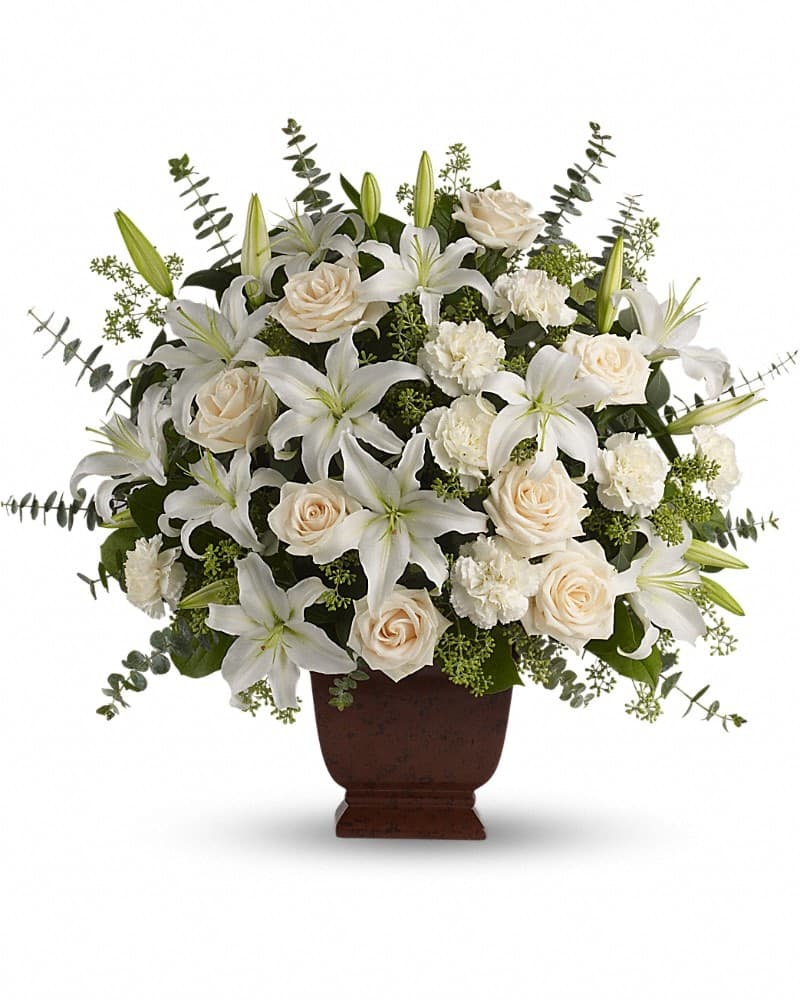
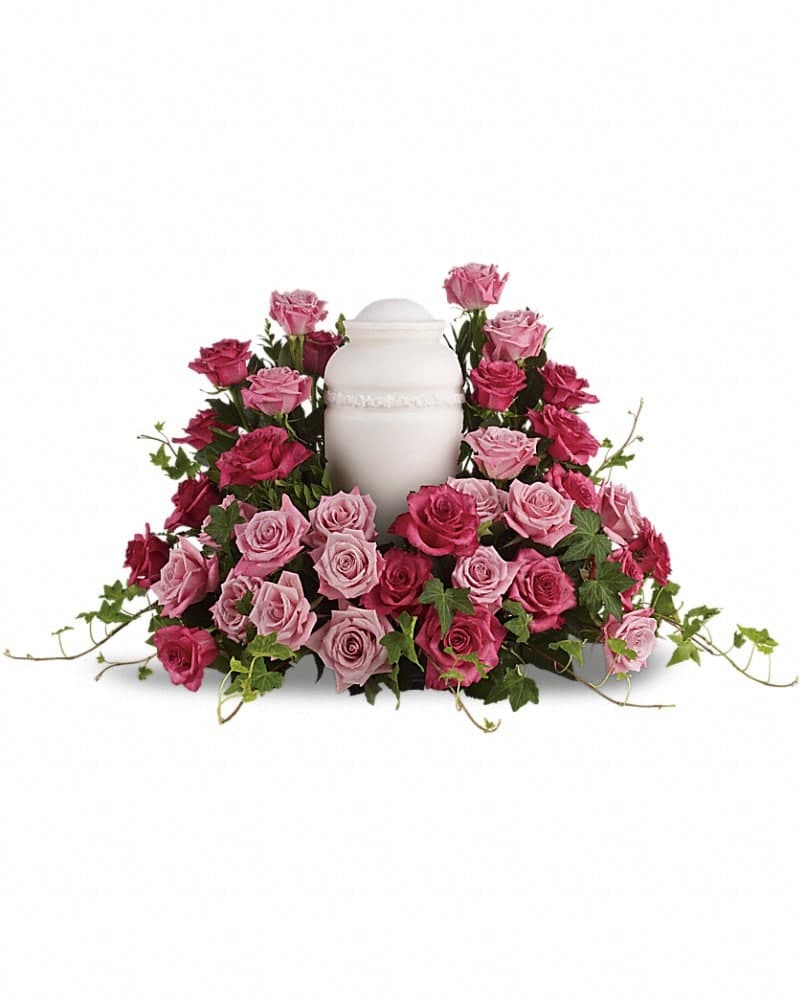
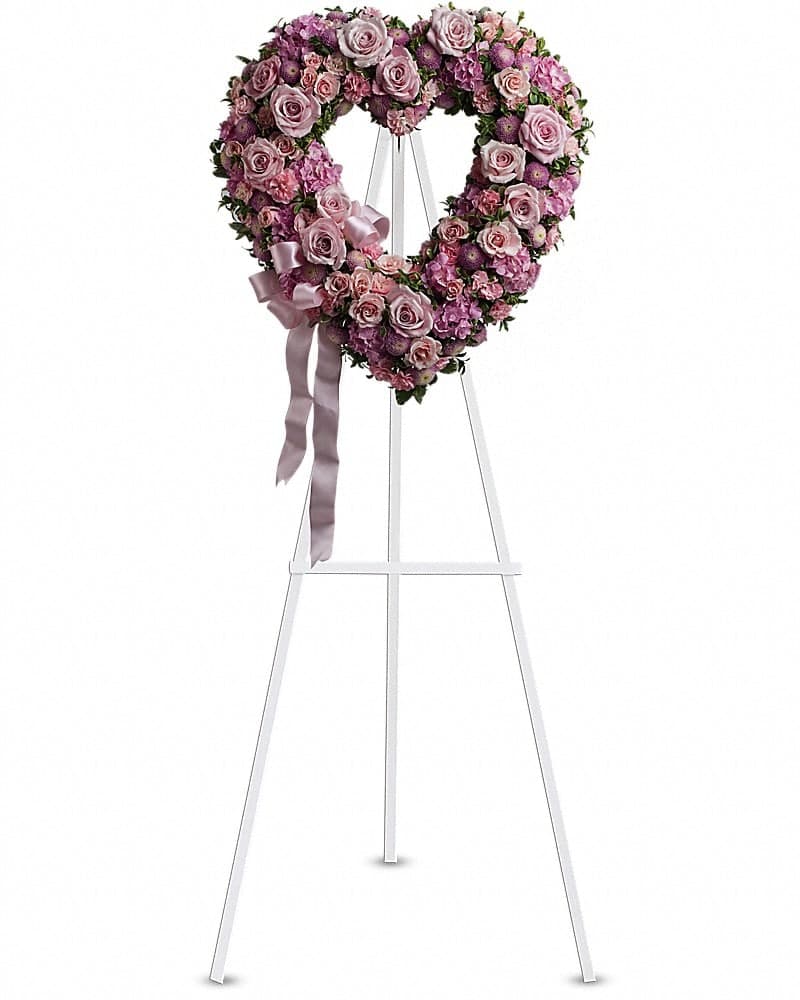
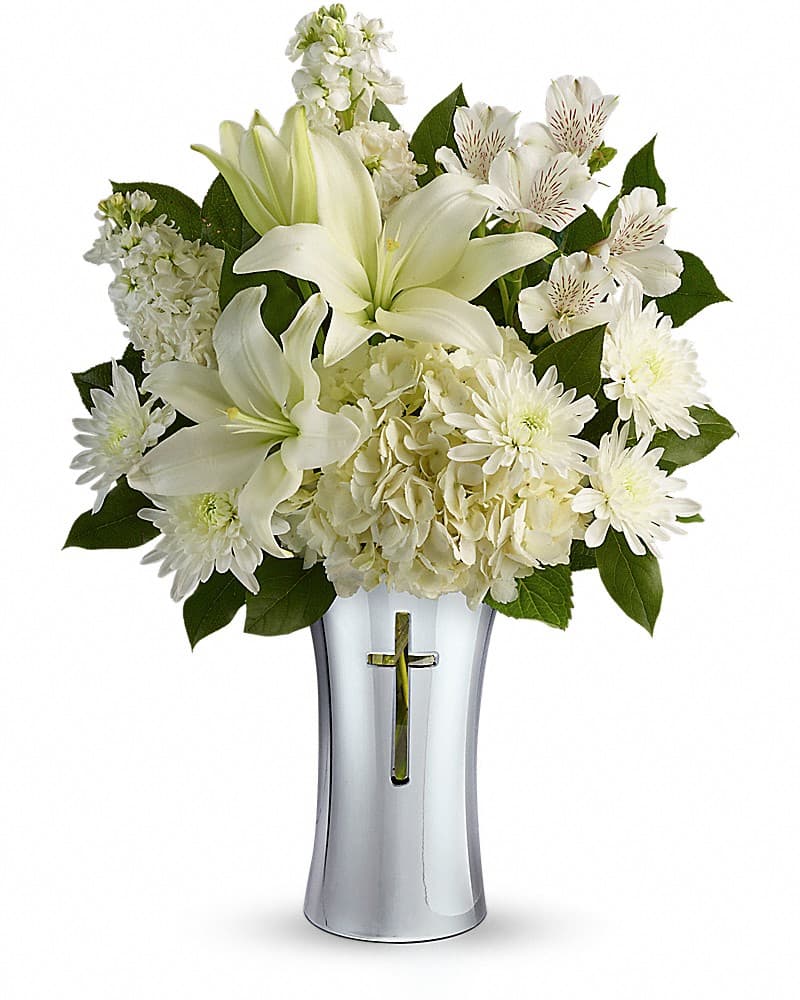
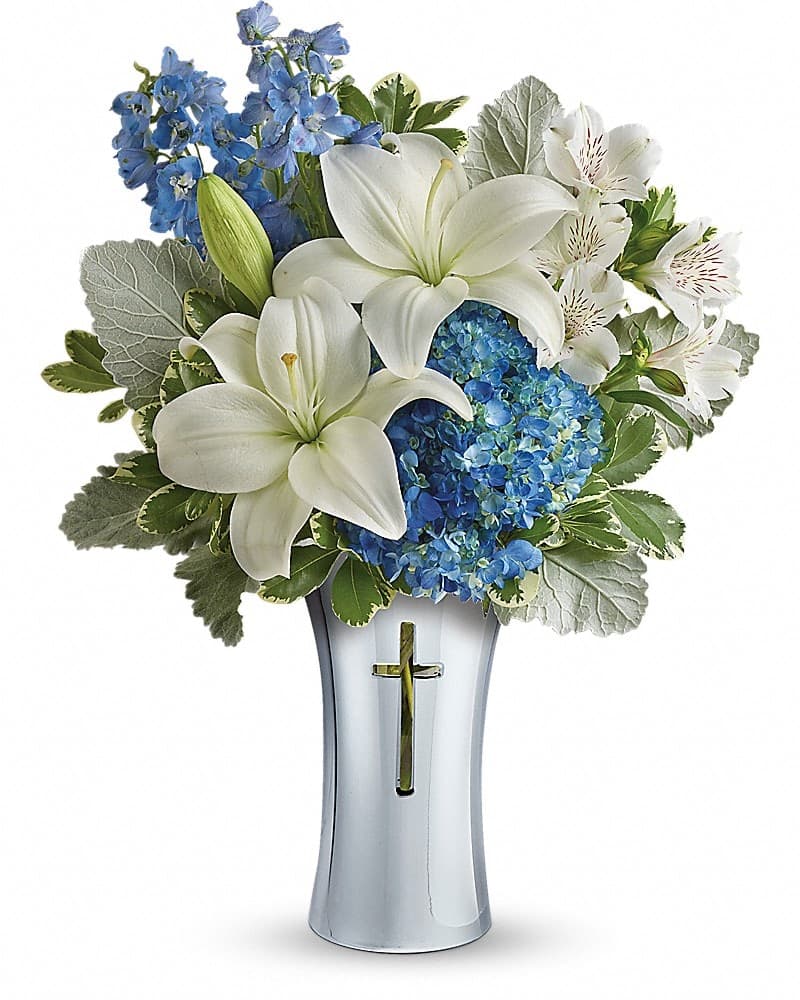
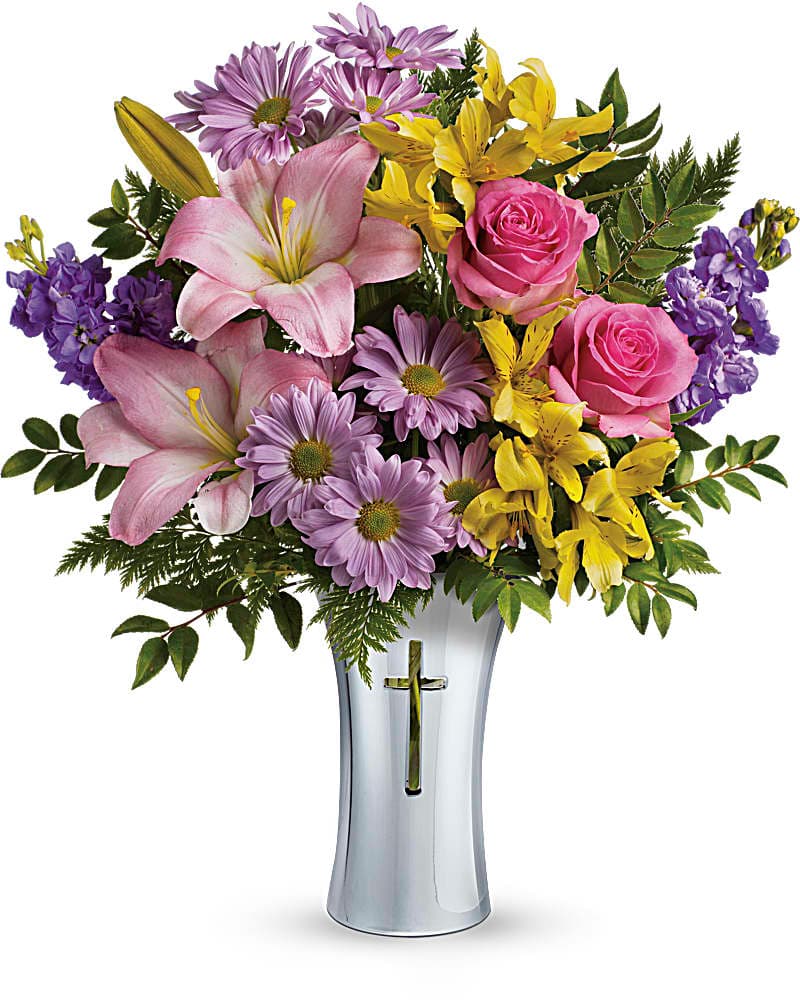
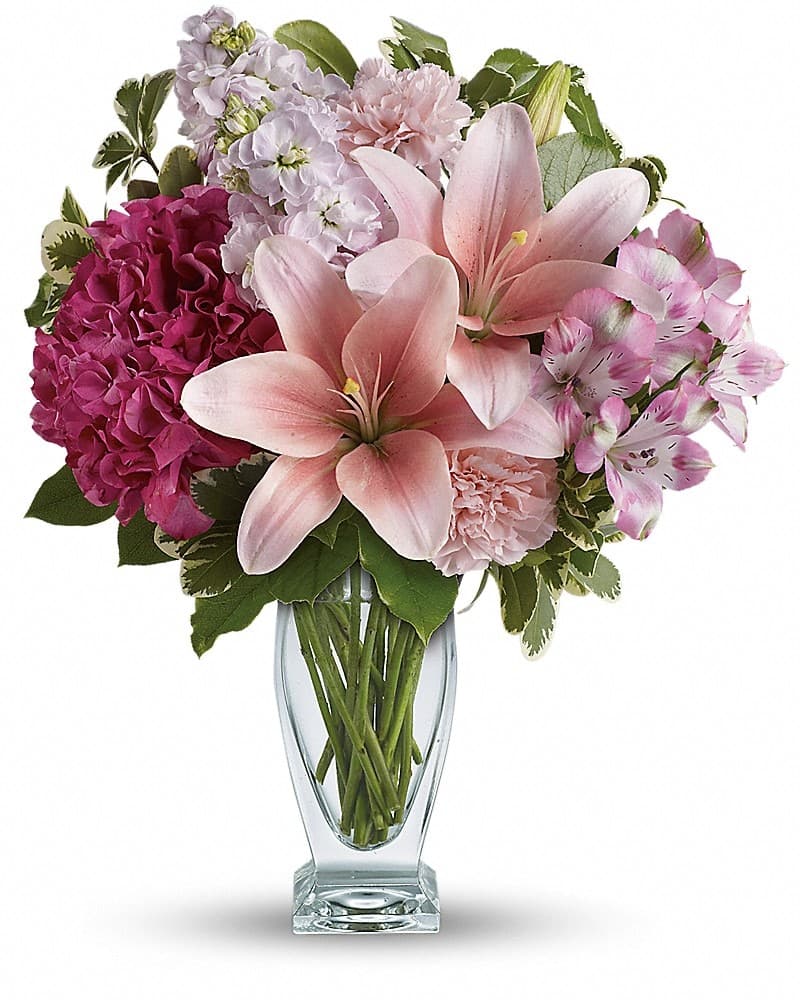
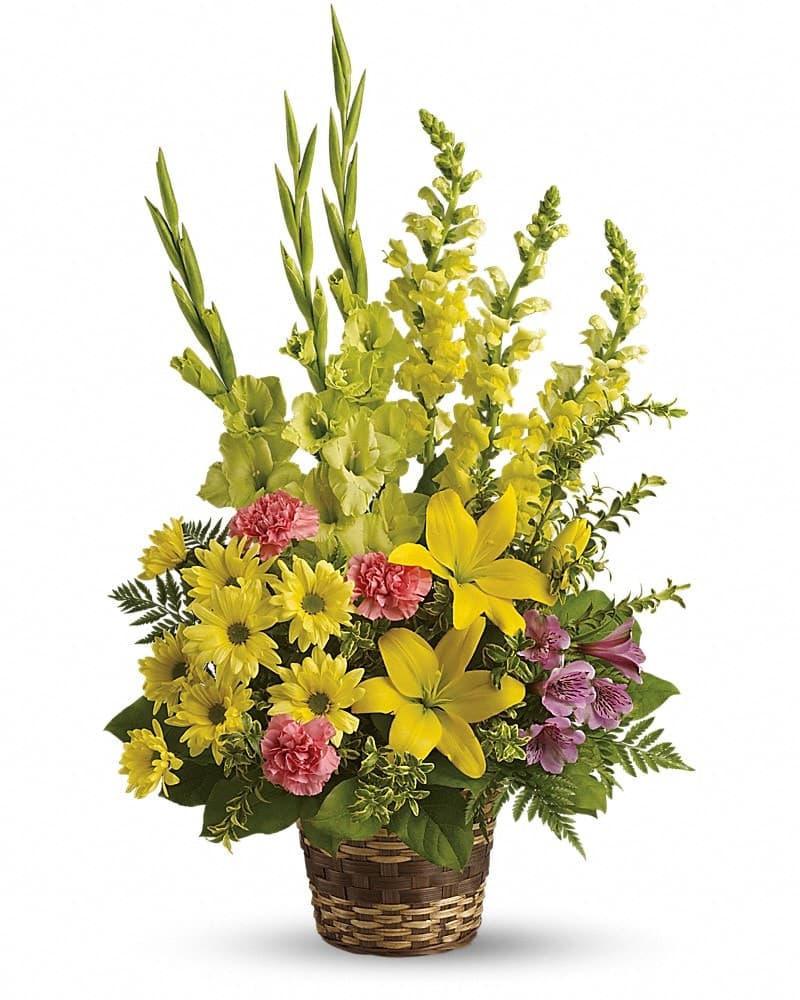
Worcester is the seat of a Roman Catholic diocese, and that shapes the sympathy calendar here more than anything else. Saint Paul Cathedral stands at 38 High Street, a block from the Common, and the funeral Masses that fill it follow the pattern most Worcester families still keep: a wake at the funeral home the evening before, then a morning Mass, then a procession out to a cemetery. Saint John's Church at 44 Temple Street, near Union Station, is the oldest Catholic parish in the city and still holds services for families whose great-grandparents were buried out of it. That two-day rhythm is the whole logistical problem of a Worcester sympathy order: a piece meant to stand at the wake has to be in the chapel by late afternoon the day before, while a piece meant for the Mass or the graveside has to move at eight in the morning and cannot be a same-afternoon order. Ask the family which of the two moments you are sending into, then order for that window rather than for the day of the funeral generally. If you only know the funeral home and the date, the funeral director's office will tell you the viewing hours, and they are the hours that matter.
The chapels are spread across the city and each sits on a different bench's shortest run. Mercadante Funeral Home & Chapel is at 370 Plantation Street on the east side, near the medical spine. Callahan, Fay & Caswell is at 61 Myrtle Street off Main, walking distance from the cathedral. Graham, Putnam & Mahoney Funeral Parlors is at 838 Main Street toward Webster Square, and O'Connor Brothers is at 592 Park Avenue on the west side, on one of the busiest north-south streets in the city. Nordgren Memorial Chapel at 300 Lincoln Street carries the north side and reflects Worcester's Swedish settlement in Greendale and Quinsigamond Village. Athy Memorial Home is at 111 Lancaster Street, Alfred Roy & Sons at 12 Hammond Street, Henry-Dirsa Funeral Service at 33 Ward Street in the old Polish and Lithuanian blocks off Millbury Street, and Dirsa-Morin Funeral Home at 298 Grafton Street up on Grafton Hill. The ring towns add more inside the radius: Mulhane Home for Funerals at 45 North Main Street in Millbury, Britton-Wallace at 91 Central Street in Auburn, Miles Funeral Home at 1158 Main Street in Holden, Roney Funeral Home at 152 Worcester Street in North Grafton, and Chiampa Funeral Home on Church Road in Shrewsbury. Give the chapel name and street on the order and the studio calls ahead rather than arriving at a locked door between viewings.
Worcester's cemeteries are the other half of the route, and two of them are civic institutions in their own right. Hope Cemetery at 119 Webster Street is the city-owned ground and the largest, and the Webster Street corridor around it holds several adjoining burial grounds serving different communities. Rural Cemetery at 180 Grove Street dates to 1838 and is Worcester's nineteenth-century garden cemetery, with the narrow curving lanes that implies — a hearse fits, a delivery van fits, but a driver who has never been in needs the section, not just the name. Saint John's Cemetery at 260 Cambridge Street is the diocesan Catholic ground on the east side, and Notre Dame Cemetery on Webster Street was laid out for Worcester's French-Canadian parishes. Worcester County Memorial Park is out in Paxton, ten minutes past Assumption on Salisbury Street. New England weather adds a wrinkle almost no other region has: when the ground freezes hard, committal is sometimes deferred and a family holds a memorial service in winter with the burial in spring. If the family tells you the burial is later, send to the memorial service or to the house — a graveside piece delivered to a cemetery with no service that day has nowhere to stand.
Worcester's congregations are unusually varied for a city of two hundred thousand, and the differences are practical, not decorative. The Armenian Church of Our Saviour at 87 Salisbury Street is the oldest Armenian church in the Western Hemisphere, founded in 1891, and Worcester's Armenian community has buried out of it for five generations; Armenian services take standing arrangements at the church and mark a seventh-day and fortieth-day remembrance afterward. Saint Spyridon Greek Orthodox Cathedral at 102 Russell Street and Saint George Orthodox Cathedral at 30 Anna Street keep the Orthodox pattern, where the church piece comes early and the forty-day memorial brings a second, smaller order weeks later. At Congregation Beth Israel on Jamesbury Drive and Temple Emanuel Sinai at 661 Salisbury Street, flowers are not the chapel custom; what is welcome is something sent to the shiva house — a plant, or a fruit basket — and burial typically follows within a day or two, which is why a Jewish sympathy order is almost always a next-morning order. At the Islamic Society of Greater Worcester on Laurel Street, burial is likewise prompt and flowers are generally not part of the observance; food to the family's home is. Our Lady of Czestochowa on Ward Street anchors the Polish community, and Worcester's Vietnamese, Ghanaian, Liberian, Albanian, Brazilian, Puerto Rican and Dominican families — the city has been a resettlement city for four decades — each bring their own expectations. When in doubt, ask the funeral director rather than guessing; they answer that question twenty times a week.