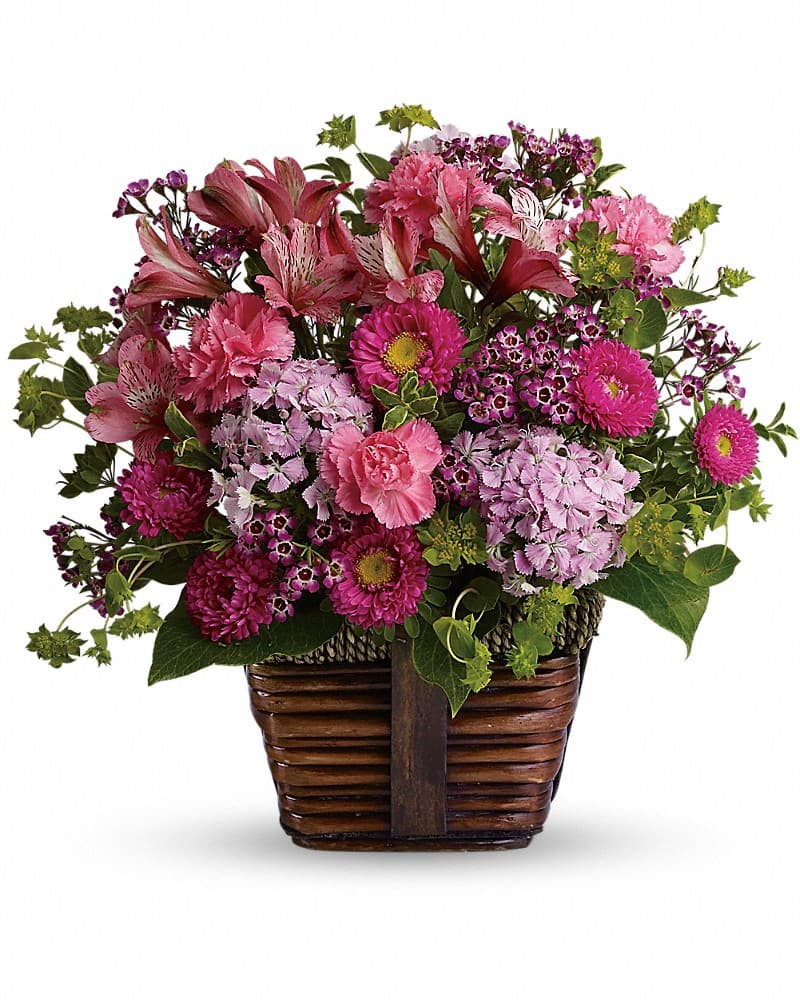
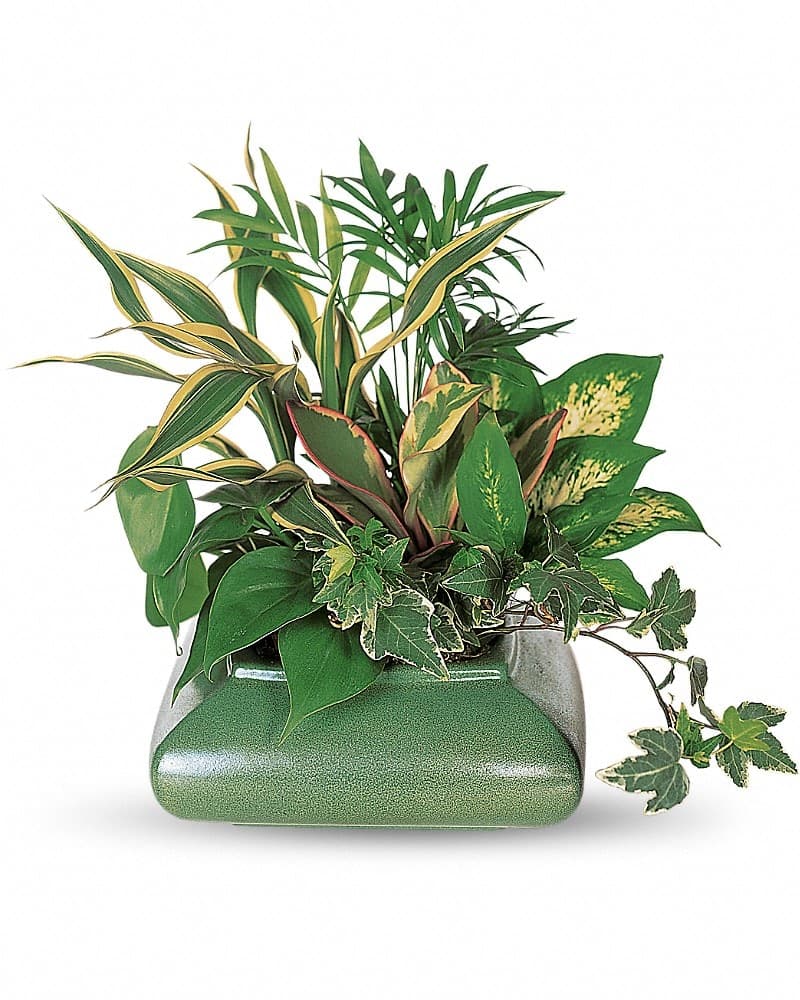
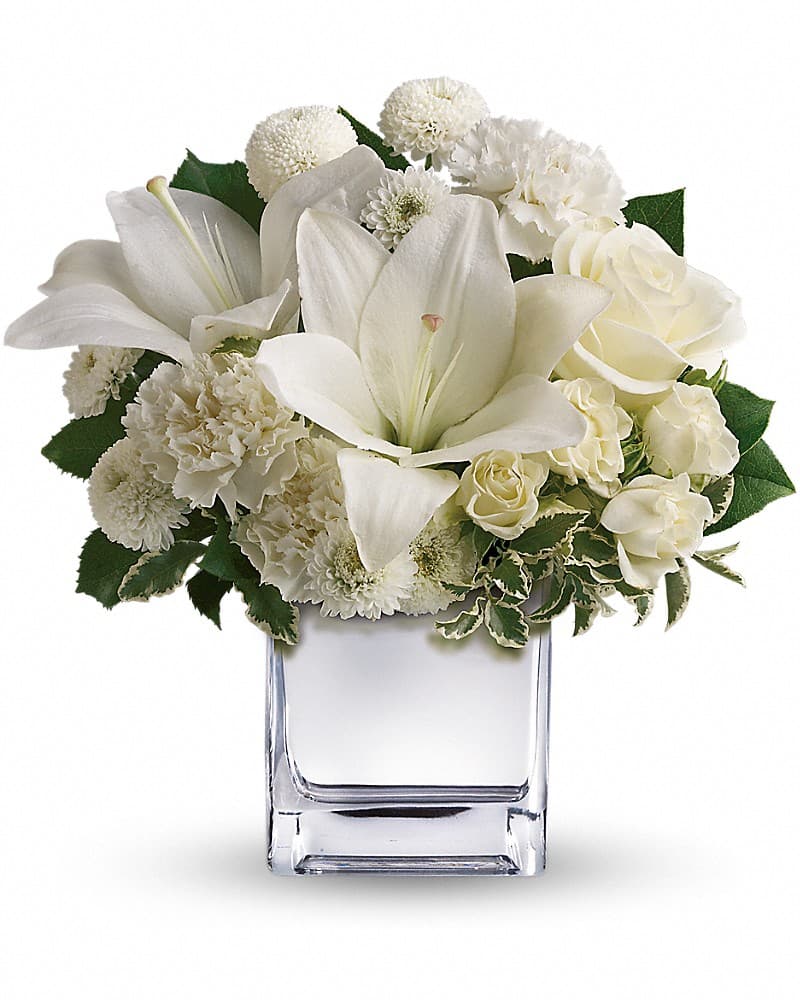
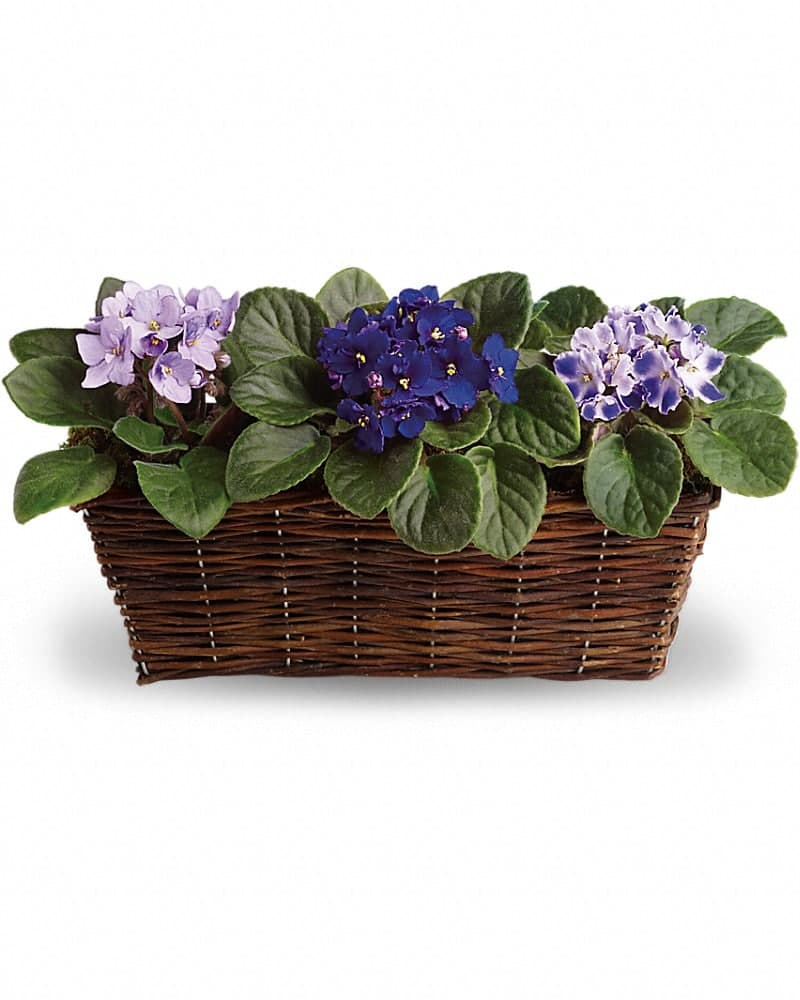
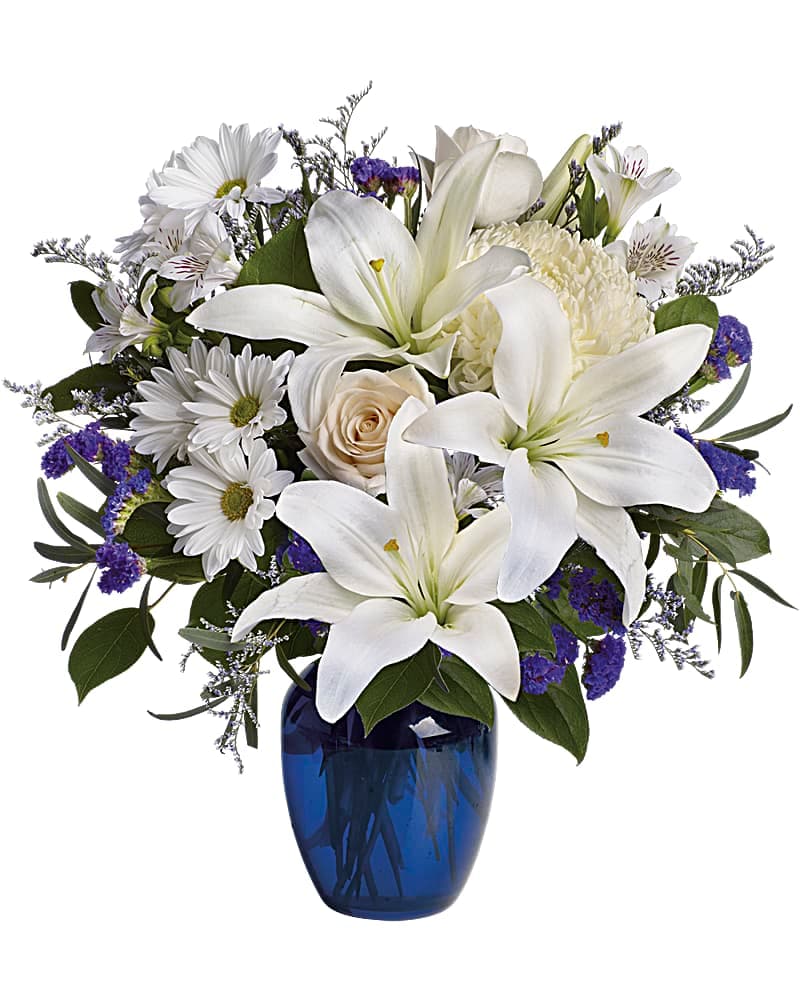
Tucson grieves out loud once a year, and it tells you something about how sympathy works here the rest of the time. In early November tens of thousands of people walk the All Souls Procession through downtown carrying photographs, and marigolds are everywhere, because this is a city where the Mexican-American Catholic tradition of Dia de los Muertos is not an import but the local vocabulary of remembrance. Cempasuchil, the marigold, is the flower of that vocabulary: the color and the scent are what the dead are said to follow home. A family that has just lost someone in Tucson may well be planning a rosary or vigil the evening before the funeral, a Mass the next morning, a graveside committal after it, and a remembrance in November that involves marigolds on an altar. Knowing that is worth more than any list of flower names, because it tells you the sympathy gift here often has three moments rather than one - the chapel, the grave, and the house afterward - and you can choose which of them you are speaking into.
The chapels and cemeteries the shops here run to are a short, well-known list, and each has its own practical shape. Adair Funeral Homes works two chapels, the Dodge Chapel on North Dodge Boulevard in midtown and the Avalon Chapel on North Northern Avenue on the northwest side, and confusing the two is the most common local addressing error in sympathy work. Bring's Broadway Chapel sits well out East Broadway Boulevard on the east side. Carrillo's Tucson Mortuary is downtown on South Stone Avenue, a few blocks from St. Augustine Cathedral, and is one of the oldest family-run mortuaries in the city, long the chapel of choice for Tucson's Mexican-American Catholic families. Evergreen Mortuary and Cemetery and, a little further along, Holy Hope Cemetery and Mausoleum, the Catholic Diocese of Tucson's cemetery, both sit on North Oracle Road. East Lawn Palms Mortuary and Cemetery is on East Grant Road in 85712, which happens to put it within a few blocks of Anna's Flower Shop and directly across the midtown hospital corridor. South Lawn Cemetery serves the south side off South Park Avenue. Mission San Xavier del Bac, the White Dove of the Desert, stands south of the city in the San Xavier District of the Tohono O'odham Nation and holds funerals for that community. And the Arizona Veterans Memorial Cemetery at Marana, the state's veterans cemetery northwest of town, sits beyond our 18-mile live radius, which is a fact worth planning around rather than discovering at checkout.
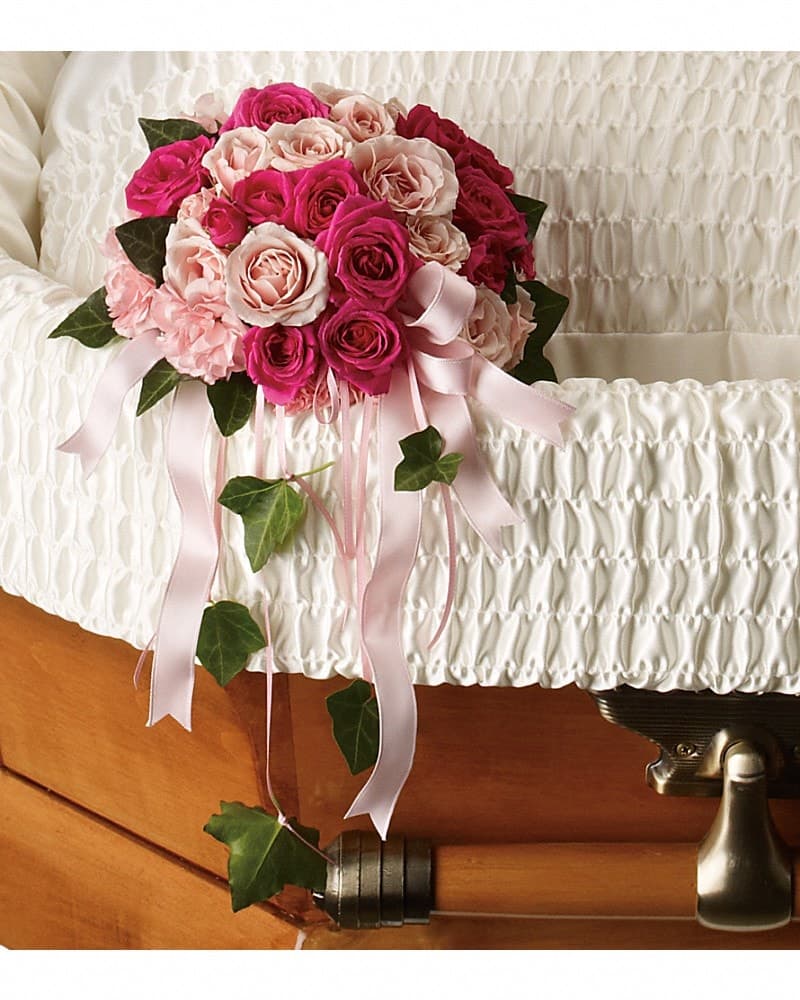
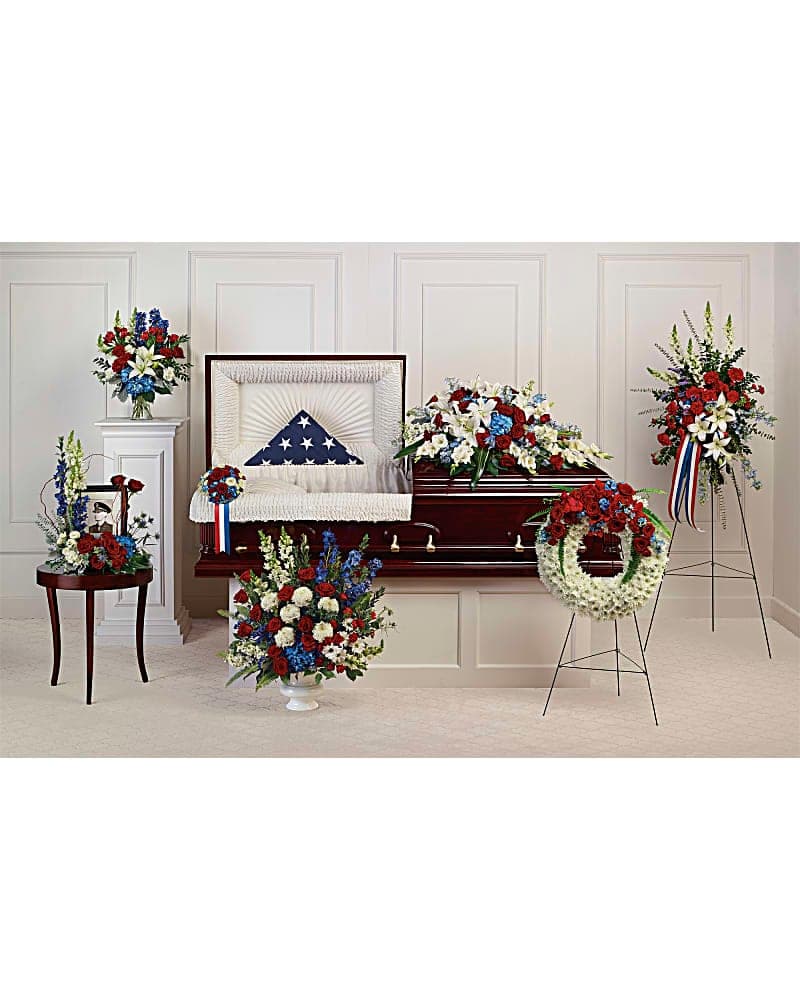
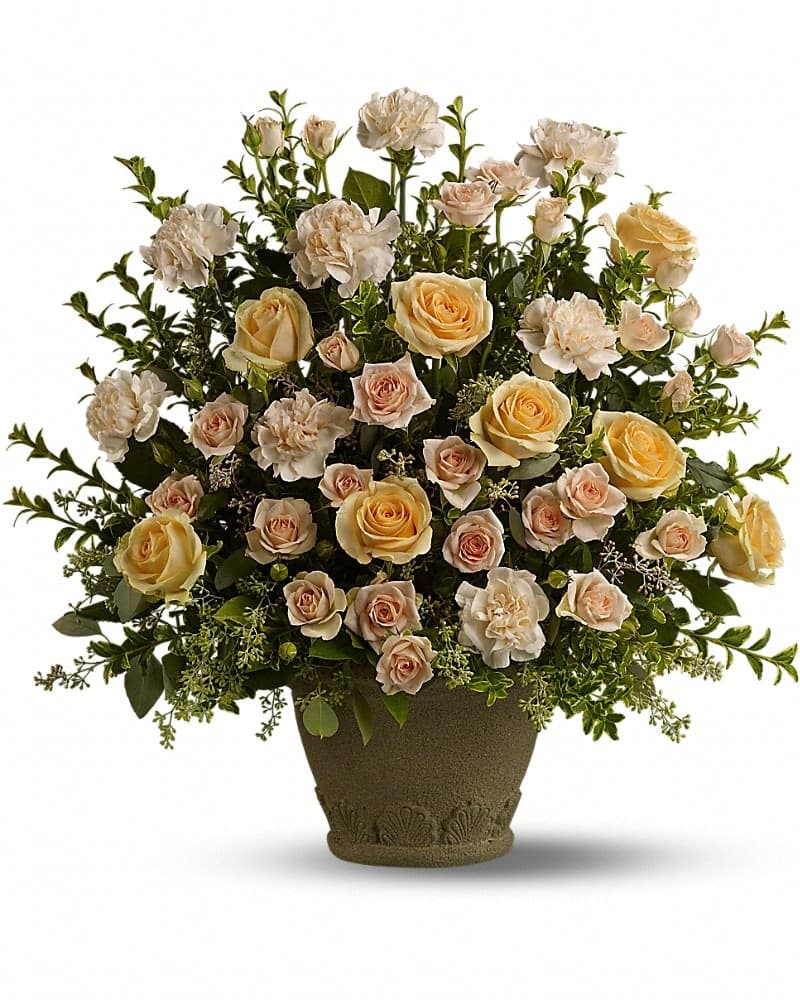
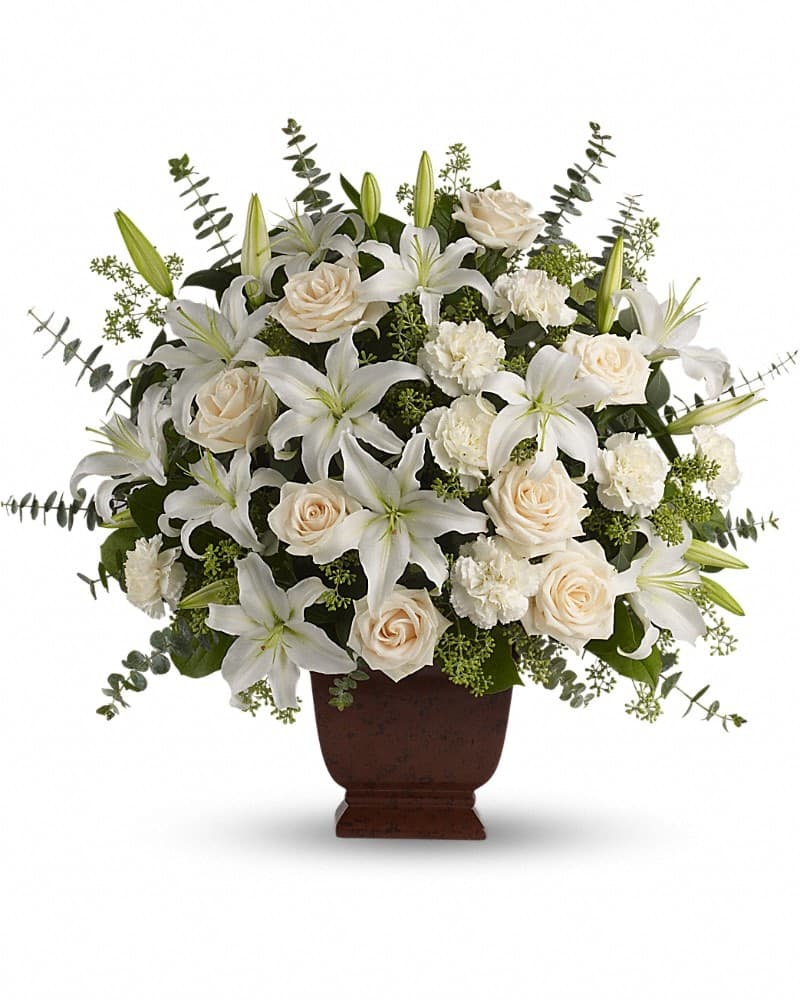
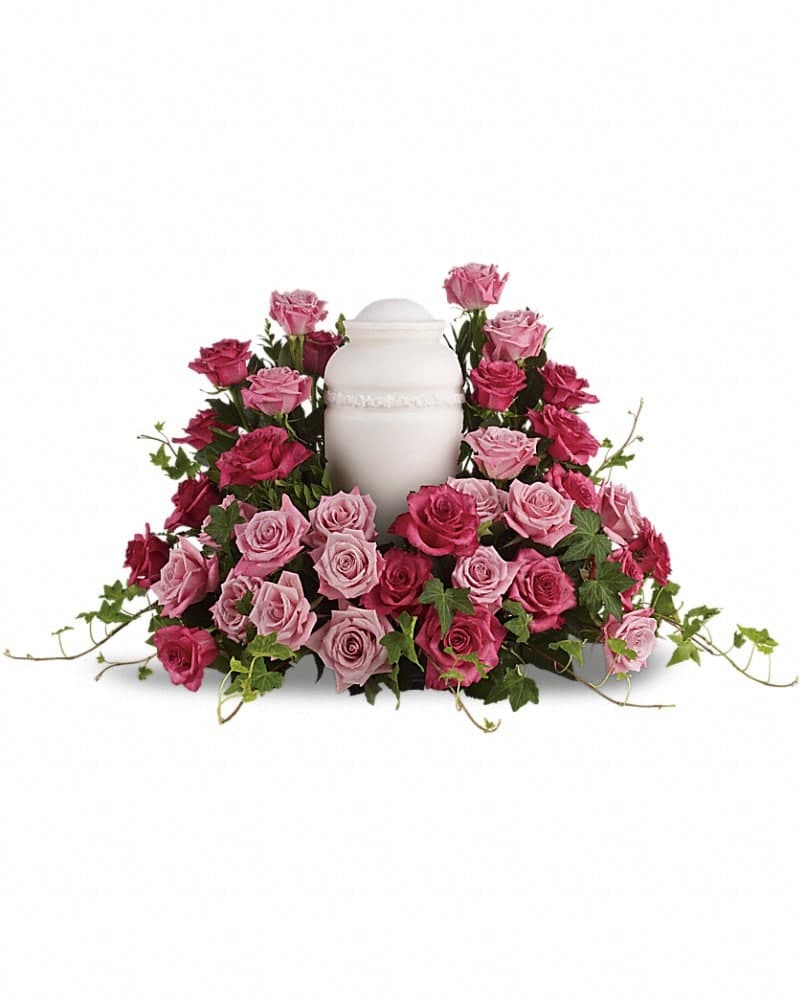
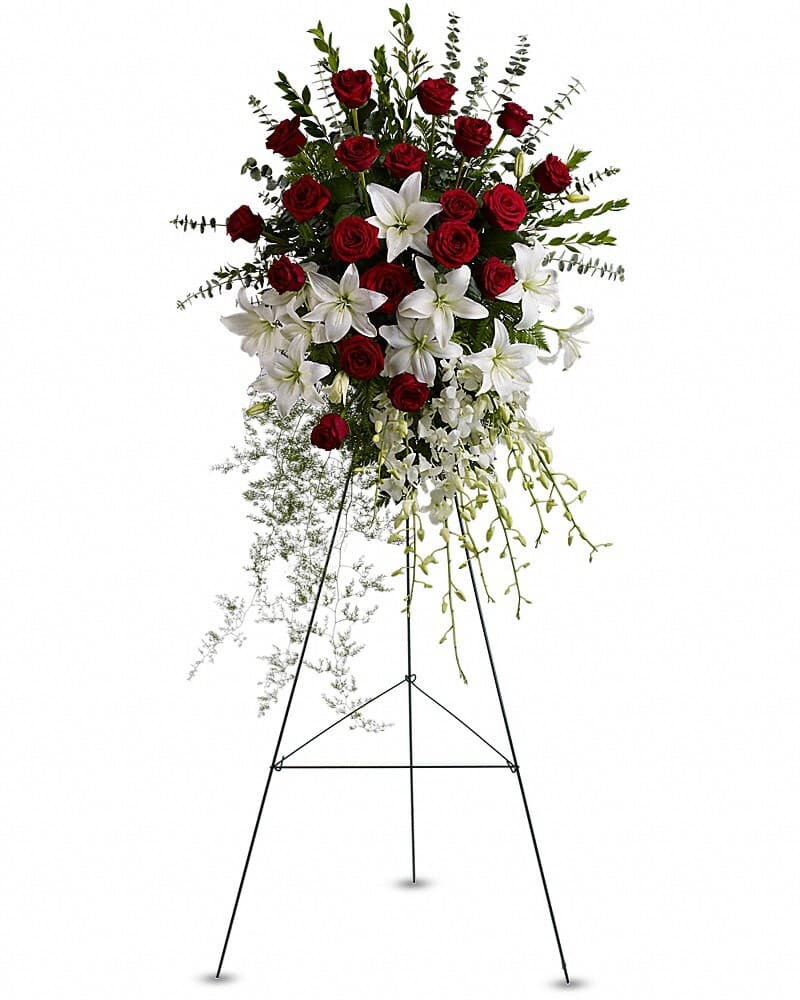
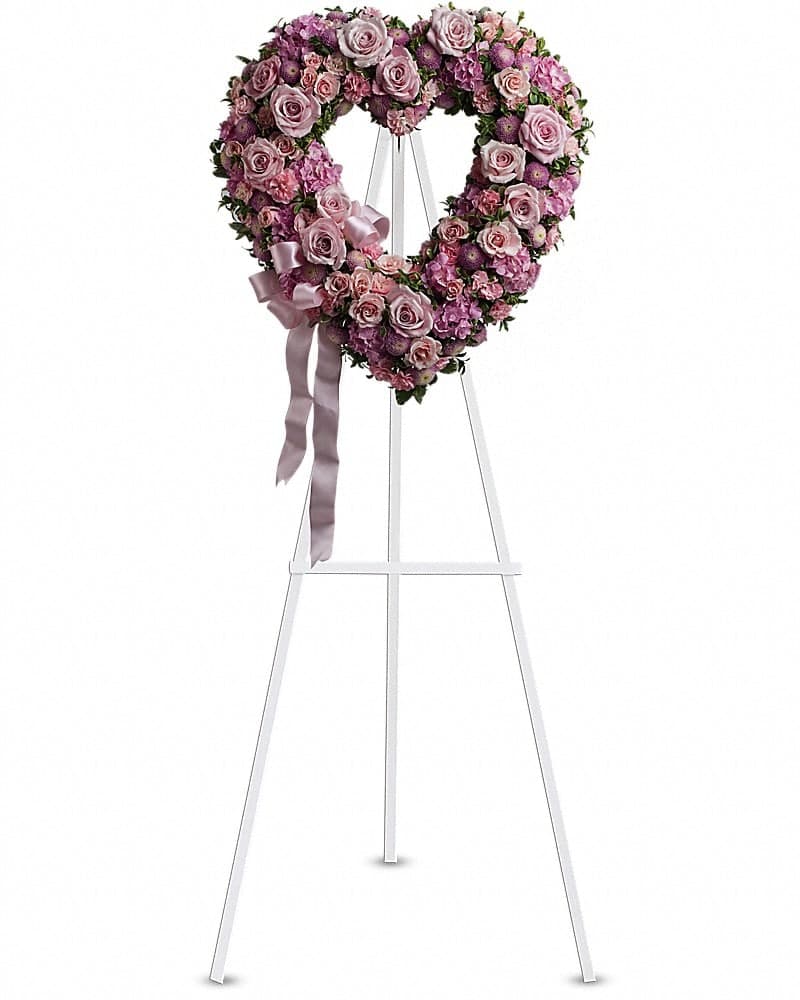
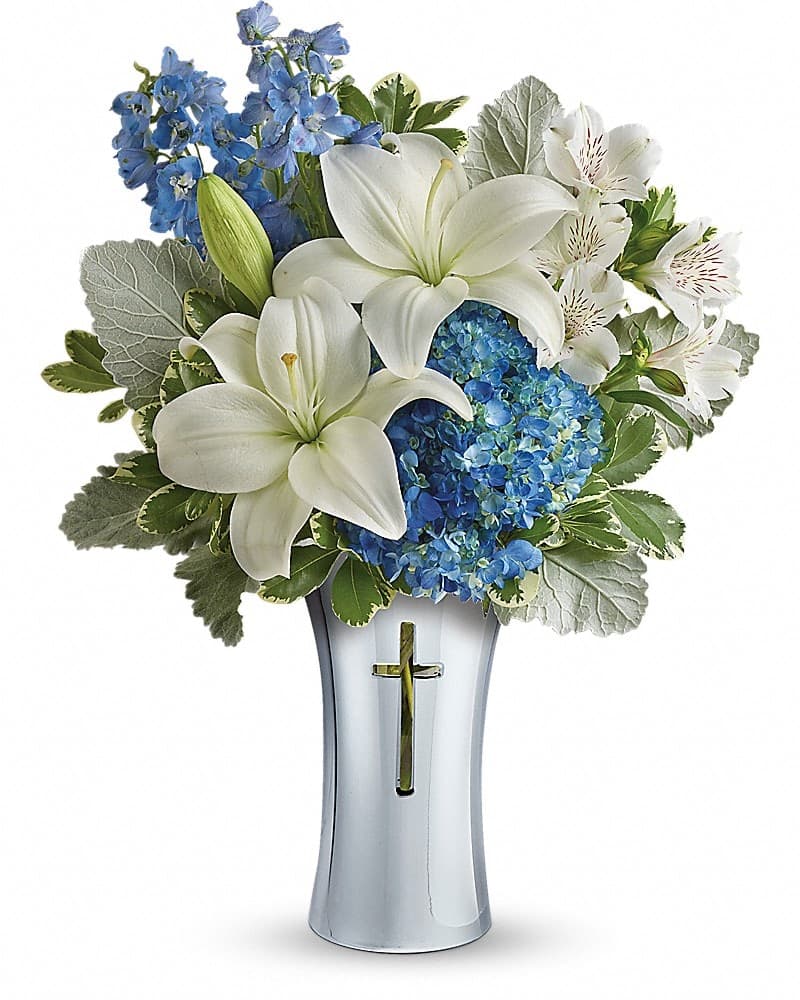
Tucson's traditions sit side by side, and sending well means knowing which one you are sending into. For Catholic families, which is the largest share of sympathy work in this city, standing sprays, easel pieces, wreaths and casket flowers are all expected and appropriate; a vigil or rosary the evening before usually happens at the mortuary chapel, the funeral Mass the next morning at the parish or at St. Augustine Cathedral downtown, and flowers move with the family between them. For Jewish families, flowers are generally not the custom: burial happens quickly, often within a day or two, and the traditional gesture is a donation in the person's memory, or food and a plant sent to the shiva house afterward rather than an arrangement at the chapel. Tucson has a long-established Jewish community centered on congregations including Temple Emanu-El on North Country Club Road, the city's oldest, and Congregation Anshei Israel on the east side; if you are unsure, ask the funeral home, and nobody will be offended by the question. For Tohono O'odham and Pascua Yaqui families, practices are the community's own and vary by family; the right move is to ask what the family wants rather than to assume flowers are welcome. And for the city's large veteran population - Davis-Monthan Air Force Base has anchored the southeast side for generations - military honors services run to a fixed schedule at the state veterans cemetery, where late flowers simply miss.