The hospital map is worth learning because the buildings do not follow the same rules. Banner University Medical Center Tucson on North Campbell Avenue is the region's academic hospital and Level 1 trauma center, with Diamond Children's Medical Center for pediatrics and the University of Arizona Cancer Center on the same Campbell corridor. Banner University Medical Center South on East Ajo Way serves the south side and carries a large behavioral-health service. Tucson Medical Center on East Grant Road is the big community hospital, with one of the busiest birthing programs in southern Arizona and a pediatric emergency department. The Carondelet hospitals split east and west: St. Joseph's on North Wilmot Road, and St. Mary's on West St. Mary's Road, which is the oldest hospital in the city, founded by the Sisters of St. Joseph of Carondelet in the nineteenth century. Northwest Medical Center sits on North La Cholla Boulevard, with Oro Valley Hospital further up on East Tangerine Road at the edge of our 18-mile live radius. The Southern Arizona VA Health Care System on South Sixth Avenue is a full inpatient hospital, not a clinic - which matters in a city with this many veterans.
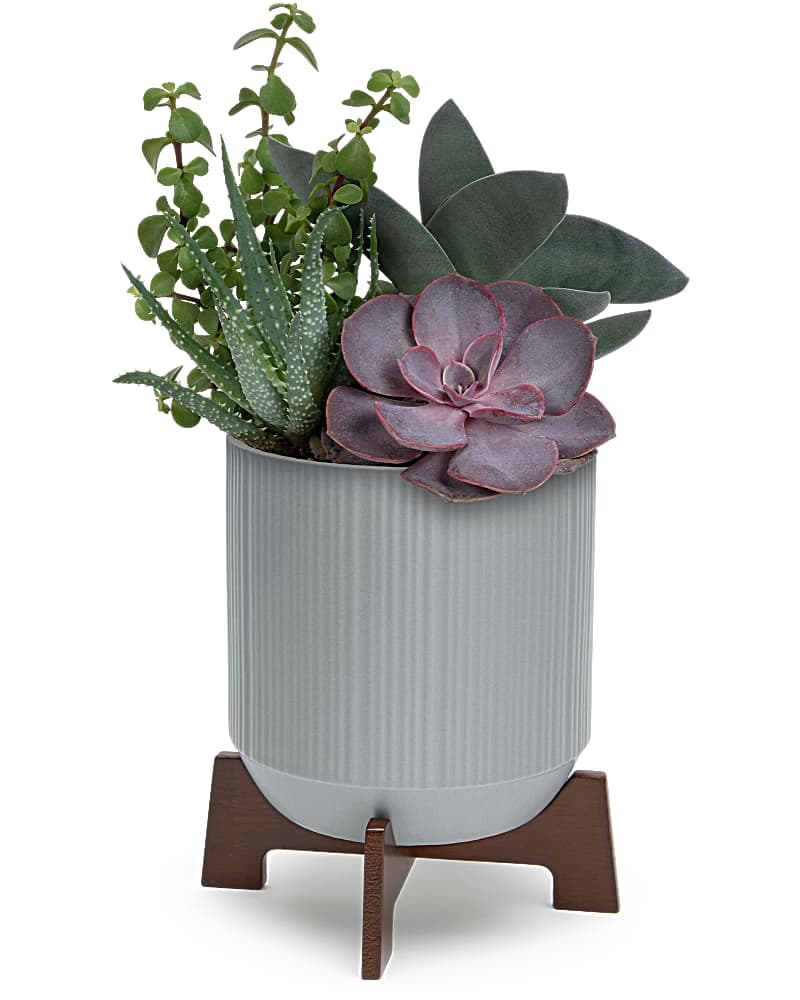
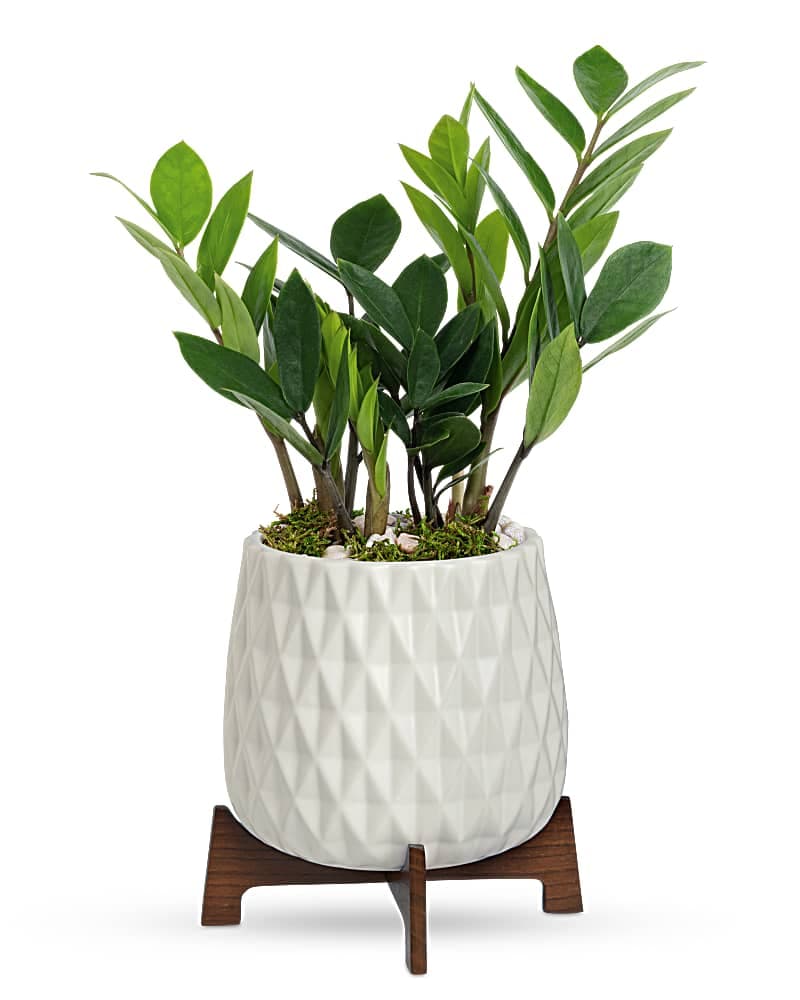
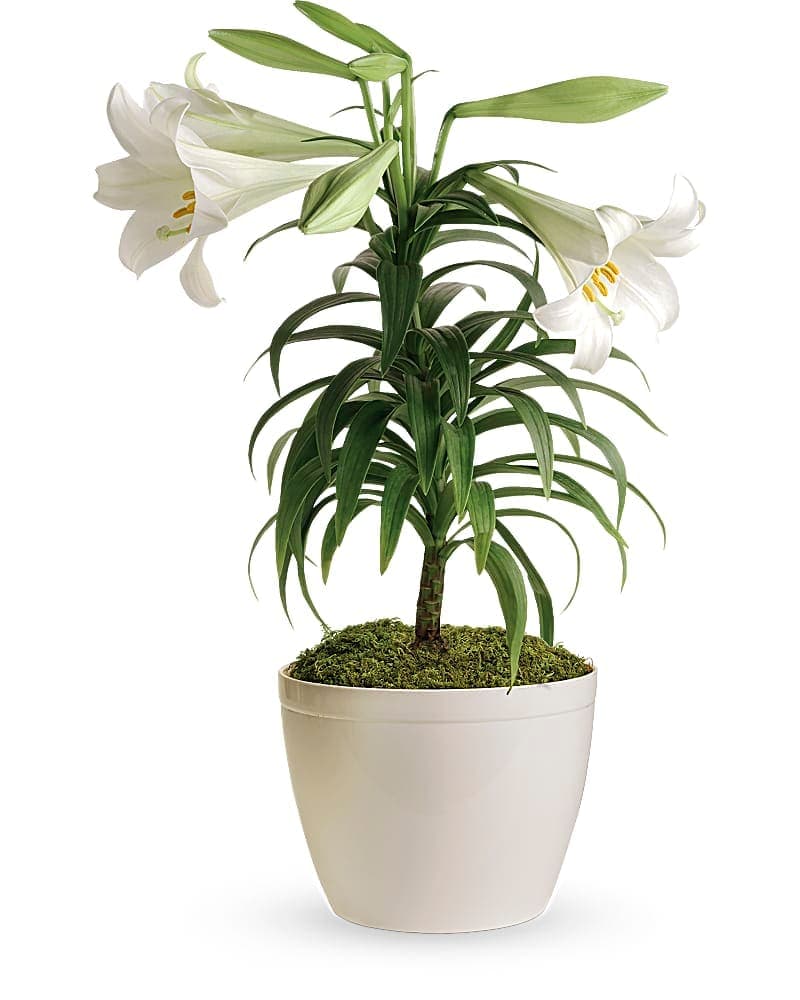
Here is what a Tucson florist plans around before touching a single stem. Intensive care, cardiac intensive care and neonatal units generally do not accept flowers at all; an arrangement sent to an ICU bed at Banner UMC or to the NICU is held at the unit desk or the lobby, and the family collects it on the way out. Oncology, transplant and other immunocompromised floors restrict fresh flowers and, more strictly, potted plants, because the soil rather than the petals is the concern. Lilies come off the list almost everywhere: the pollen stains bedding and the scent saturates a small room where a patient may already be nauseated. Strongly fragrant stock and hyacinth fall in the same category. Latex balloons are banned in most hospitals on allergy grounds, while mylar is usually fine. Behavioral health units, including the large service at Banner South, are the strictest of all - no glass, no wire, no ribbon, and often no flowers whatsoever. What clears any floor in this city is a compact, low-fragrance, lily-free arrangement in a vessel a nurse can move with one hand, short enough for a crowded window ledge, and light enough to ride home in a car with a discharge bag.
Two things make get-well delivery in Tucson genuinely different from other markets. The first is heat. From May into September the basin runs 100 to 108 degrees in the afternoon, and the vulnerable part of the journey is not the hospital room, which is cooled, but the van, the parking structure walk and the ten minutes at a security desk. Local drivers stage these runs for the shortest possible time out of the vehicle and prefer morning windows in summer for exactly that reason. The second is dust and soil. Southern Arizona is Valley fever country - the fungus lives in disturbed desert soil - and while a florist's potting mix is not the source of it, the general hospital caution about soil on immunocompromised floors carries extra weight here. Nurses in Tucson are practiced at saying no to potted plants, so if the patient is on an oncology or transplant unit, send cut flowers in water or nothing at all and save the plant for the house. Add the monsoon from July into September, when afternoon storms flood washes and underpasses with almost no warning, and the case for ordering in the morning makes itself.