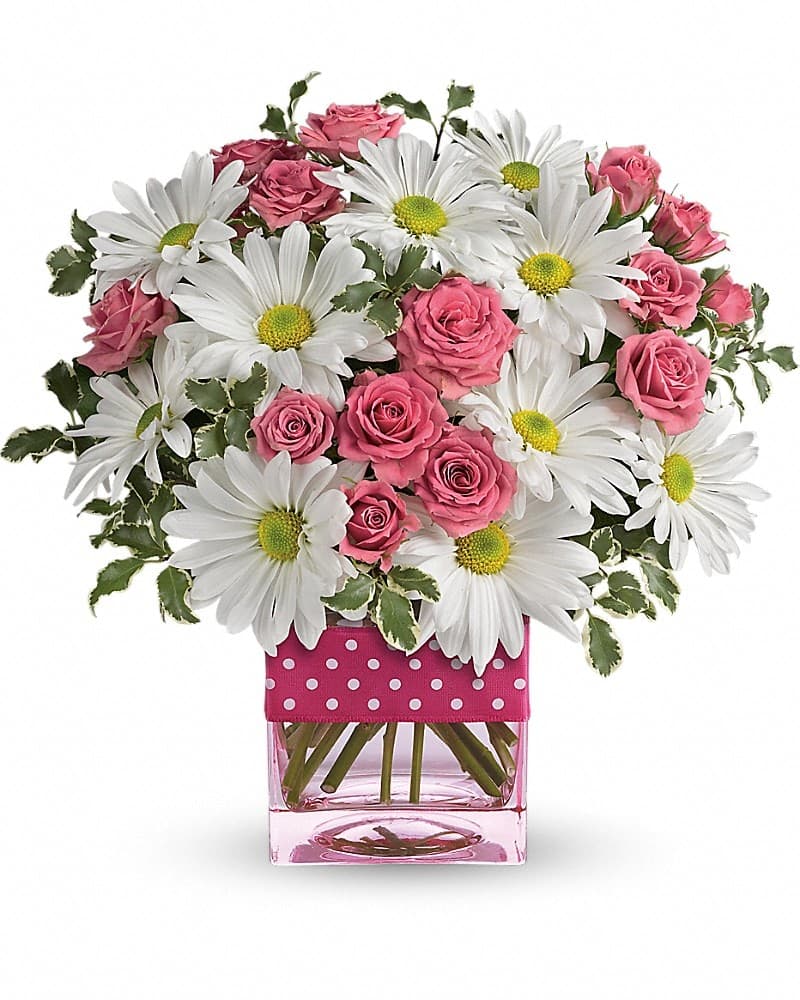
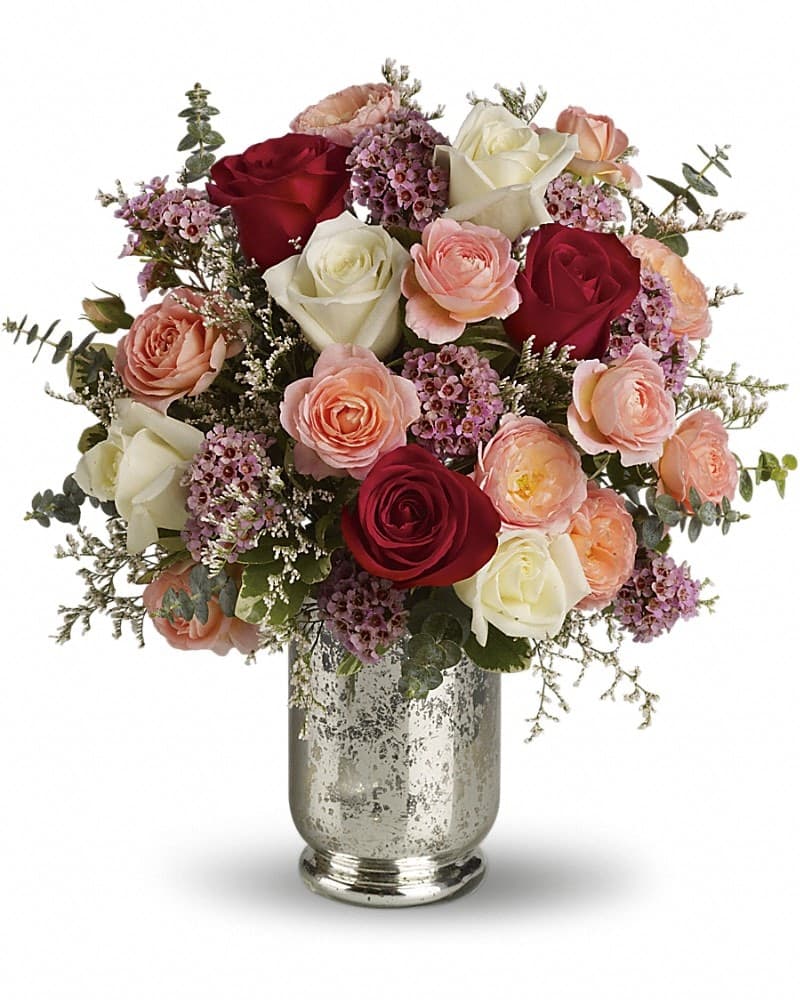
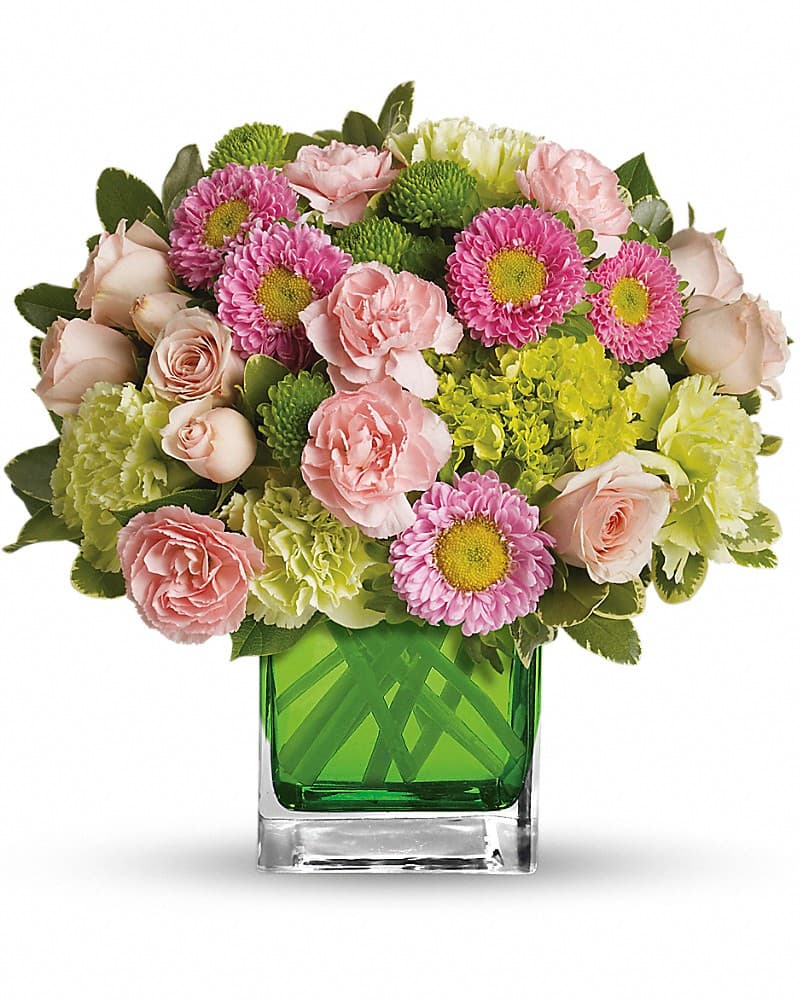
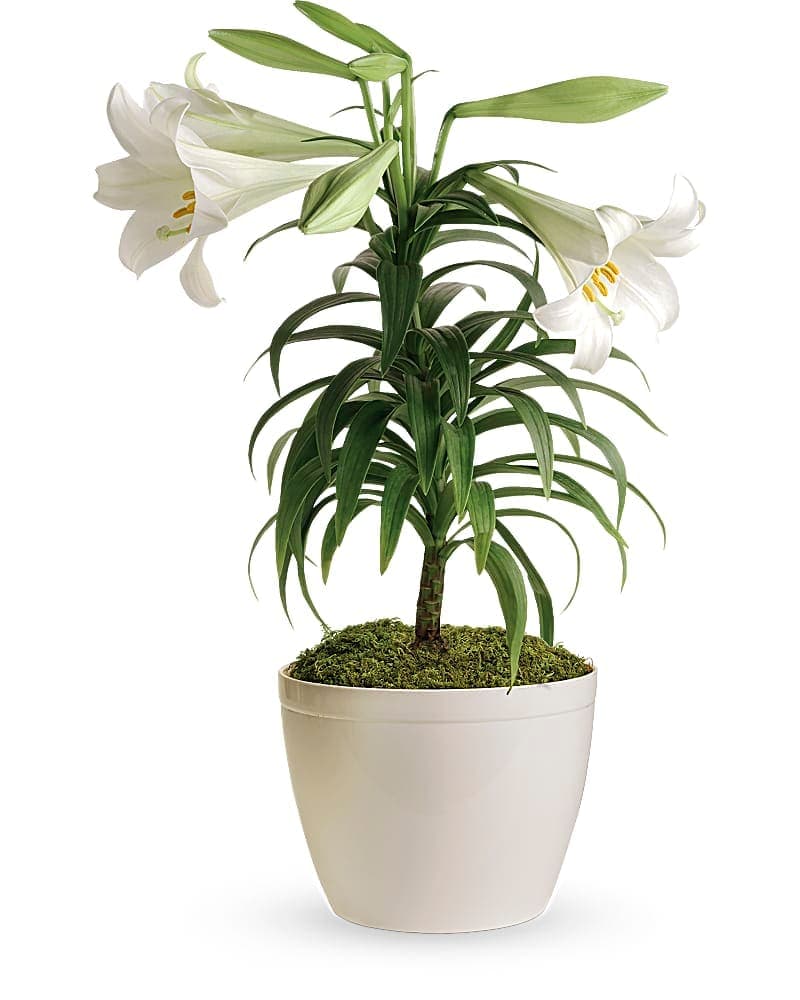
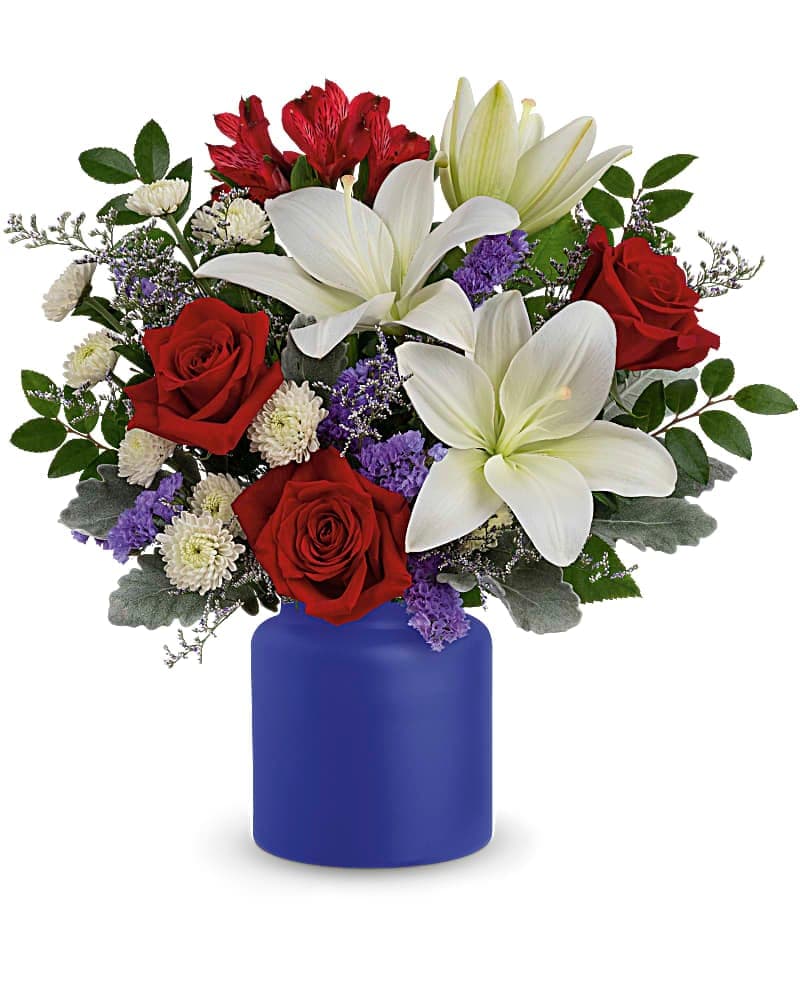
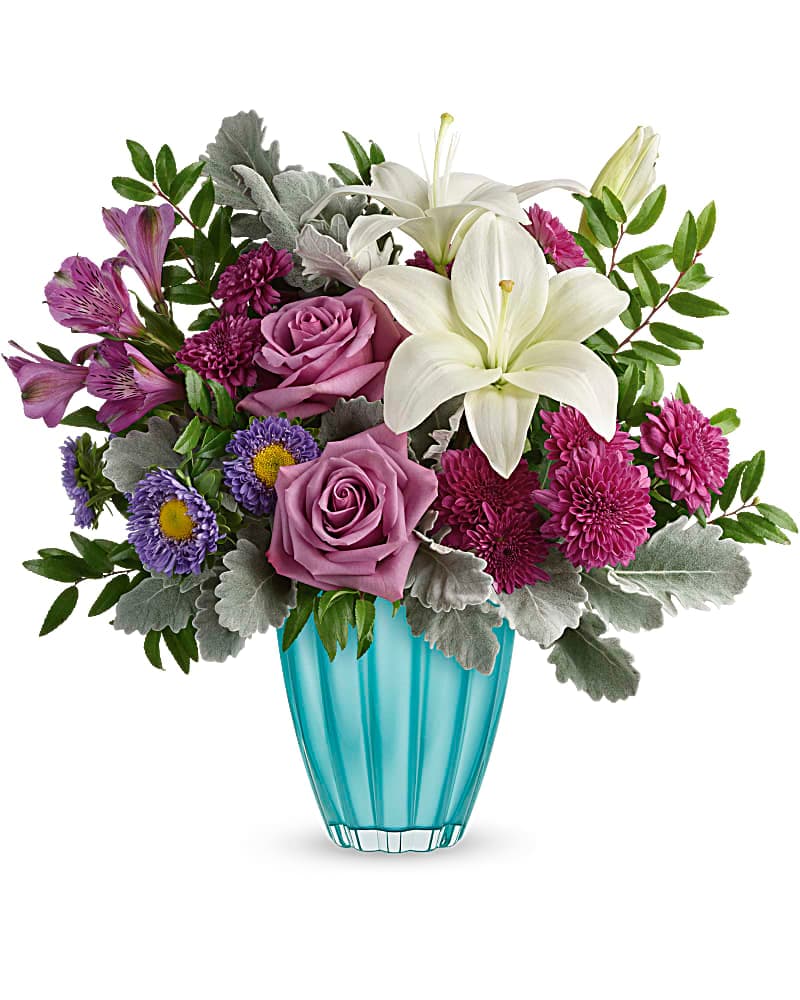
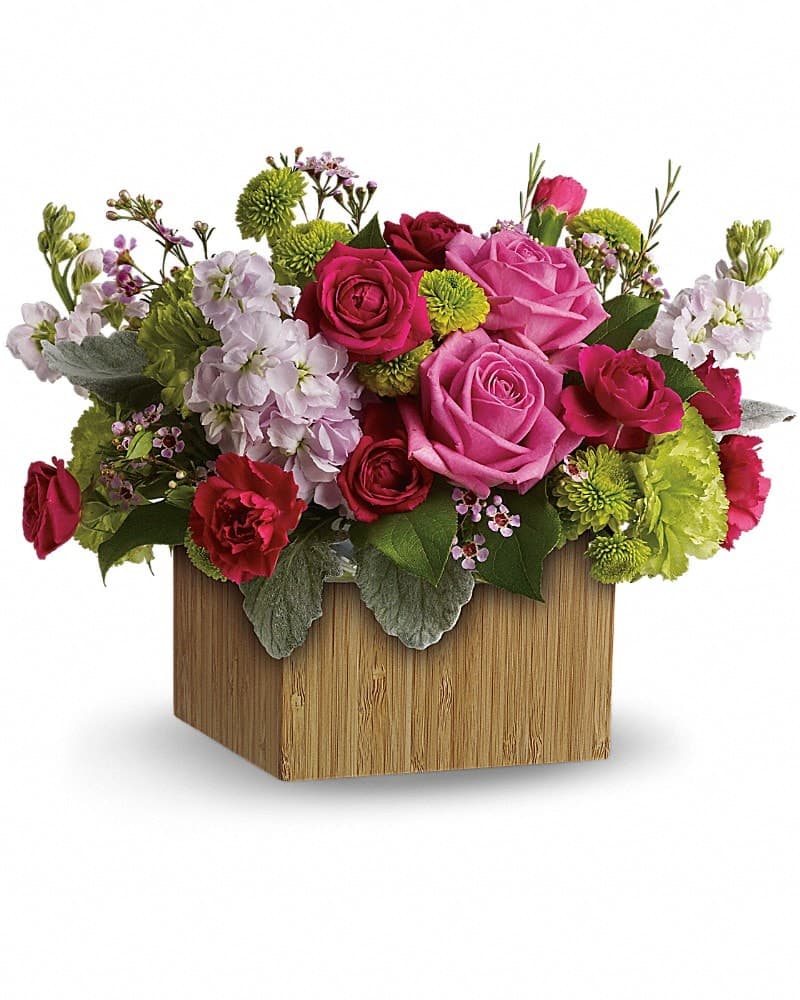
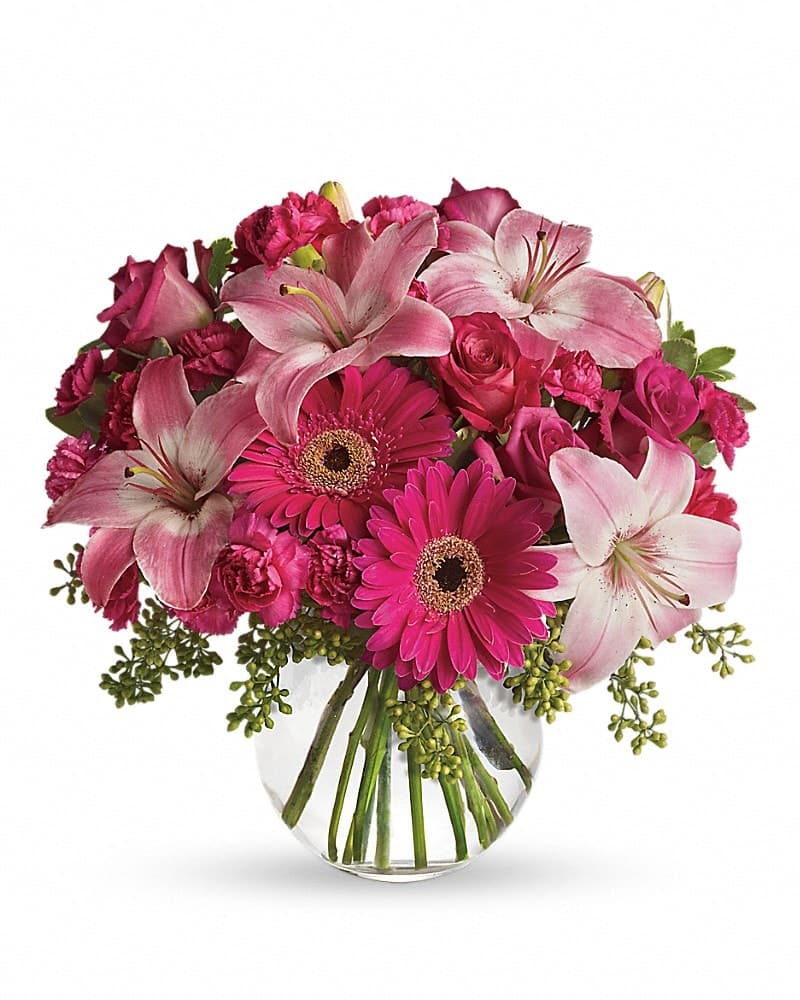
Floor rules are not decoration, and a get-well order that ignores them gets left at a desk or refused outright. The restrictions are broadly consistent across the Jackson and Madison hospitals. Oncology and hematology units almost always exclude lilies in every form, because the pollen is both an irritant and a mess on a unit where a patient may be neutropenic, and many of them exclude heavily scented stems for the same reason — chemotherapy makes smell intolerable long before it makes flowers unwelcome. Bone marrow transplant and other protective-isolation units typically bar fresh flowers and live plants altogether, since potting soil and standing water are recognized fungal risks. Intensive care, cardiac intensive care and most neonatal units follow the same logic: no flowers, no plants, no exceptions, because the rooms have no surface to spare and the population cannot tolerate the risk. Pediatric floors, including Children's of Mississippi, generally allow flowers but ban latex balloons outright because of allergy risk, so if you want a balloon, it has to be mylar. Behavioral health units restrict glass and long ribbon. The practical translation for a Ridgeland order is simple: ask for a low-pollen, lily-free design in a small, stable vessel that fits a crowded windowsill, name the unit in the order so the studio designs to it, and if the patient is anywhere near intensive care, oncology or transplant, send to the family's home or the waiting room instead. Every studio on this grid builds hospital-appropriate designs routinely; they just need to be told which floor.
A get-well order does not have to be a hospital order at all, and in Ridgeland a good share of them are not. Recovery happens at home off Pear Orchard Road, Old Canton Road, Lake Harbour Drive, Rice Road, Old Agency Road and the Olde Towne streets, and it happens at rehabilitation and skilled-nursing facilities along the Old Canton and County Line corridors, where staff will accept a delivery at the front desk and carry it to a resident's room. Home recovery changes what is worth sending. A person who is three weeks into a slow recovery does not need a dramatic bouquet on day two; they need something on the kitchen table in week four, when the visitors have stopped coming. Green plants and low-maintenance designs do that job better than cut flowers, and a smaller arrangement sent twice beats one larger arrangement sent once. For a coworker out on medical leave, a bouquet sent to the house rather than to the desk at Butler Snow, C Spire or one of the Colony Park suites is the kinder version — a desk delivery announces a private situation to a whole floor. If the illness is serious, keep the card plain. Get well soon reads badly to someone managing a chronic diagnosis; thinking of you carries the same warmth without promising a recovery nobody controls. Cards are hand-written and free at every studio on this grid, substitutions are like for like at equal value to protect your palette, and delivery confirmation goes to your email rather than to the patient.