A sympathy order in Omaha is almost always a timing problem before it is a flower problem. The metro's mortuaries publish tight windows — a visitation from five to seven the evening before, a funeral Mass or a chapel service at ten the next morning, then a procession to a cemetery that may sit twenty minutes away on the other side of the city. The chapels that carry most of that volume are Heafey-Hoffmann-Dworak-Cutler, with its West Center Road chapel serving the western half of the city; John A. Gentleman Mortuaries, with the long-standing North 72nd Street chapel and a west location; Roeder Mortuary, which runs chapels on Ames Avenue and North 108th Street; Korisko Larkin Staskiewicz on F Street in South Omaha, the chapel most familiar with the Czech, Polish and Latino families of the old packinghouse neighborhoods; Braman Mortuary on the north side; Crosby Burket Swanson Golden; Reichmuth Funeral Homes on the Elkhorn and west Omaha side; Forest Lawn's funeral home on the grounds of Forest Lawn Memorial Park off Mormon Bridge Road; and Bellevue Memorial Chapel for Bellevue, Offutt families and the Sarpy County parishes. Aaron's Flowers, on Giles Road in La Vista, is the closer shop for anything in Bellevue, Papillion, La Vista or Gretna; Stemsomaha at 120th and Blondo is the shorter run for the West Center, 108th Street, Elkhorn and Millard chapels.
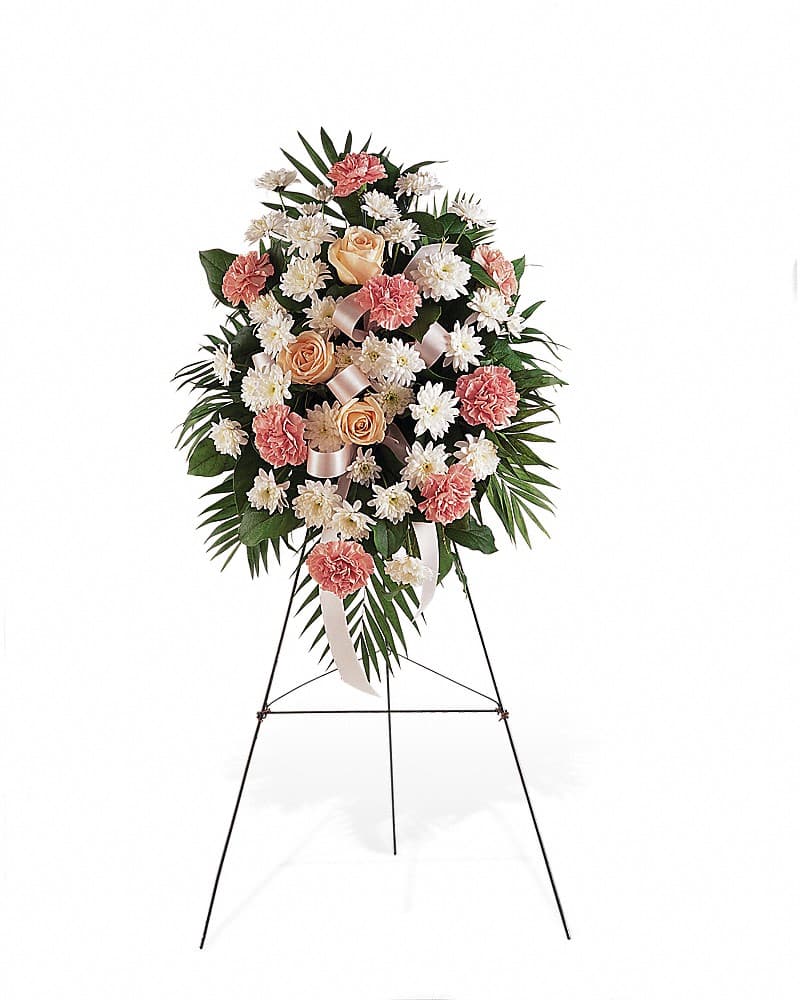
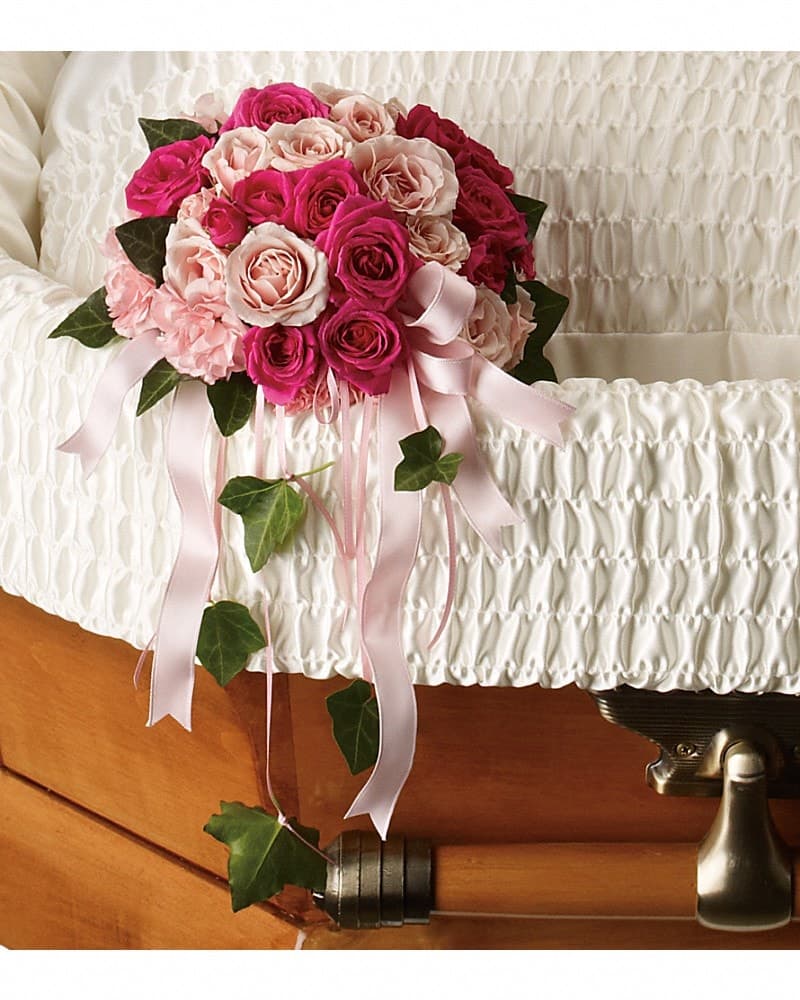
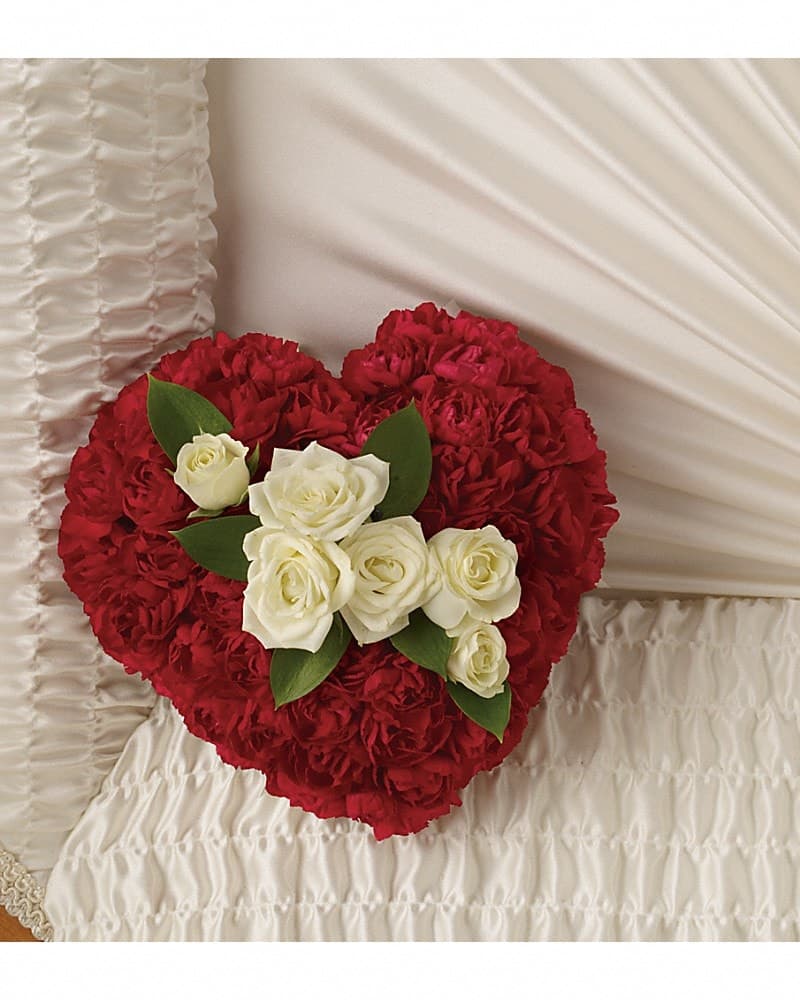
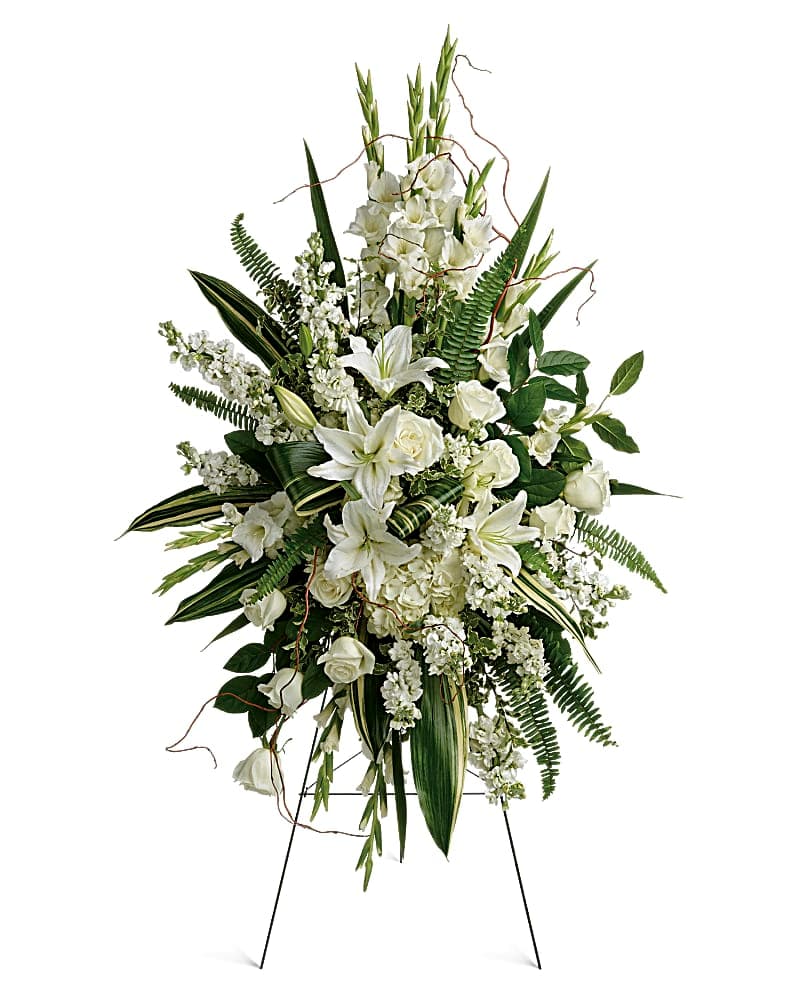
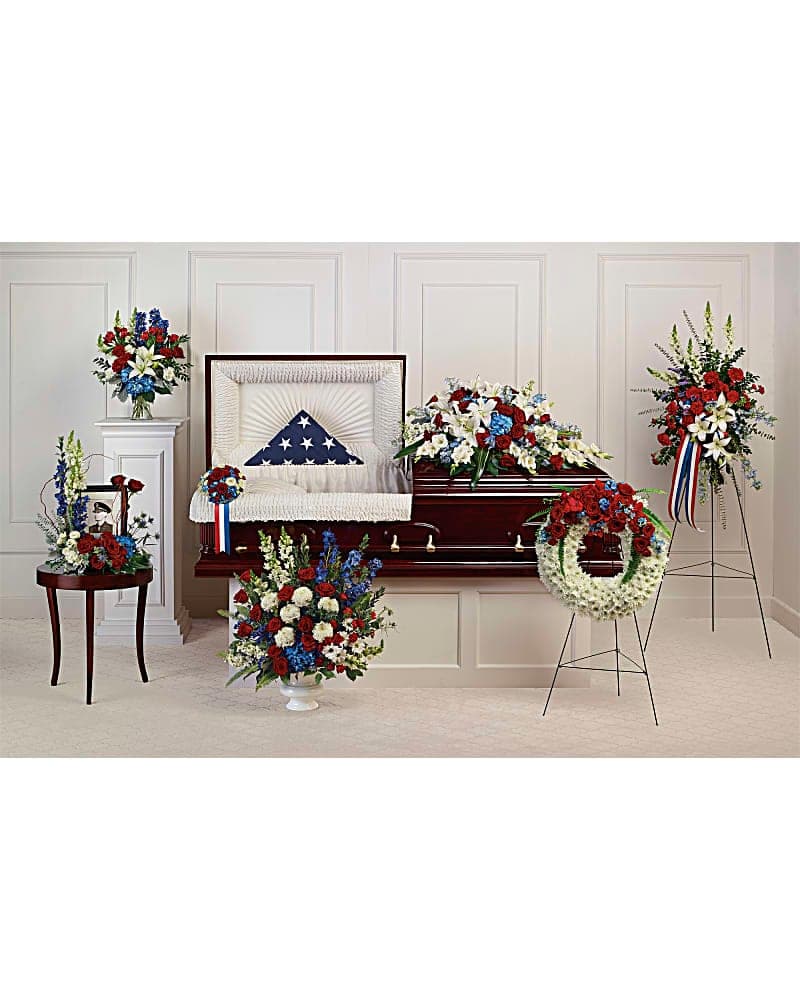
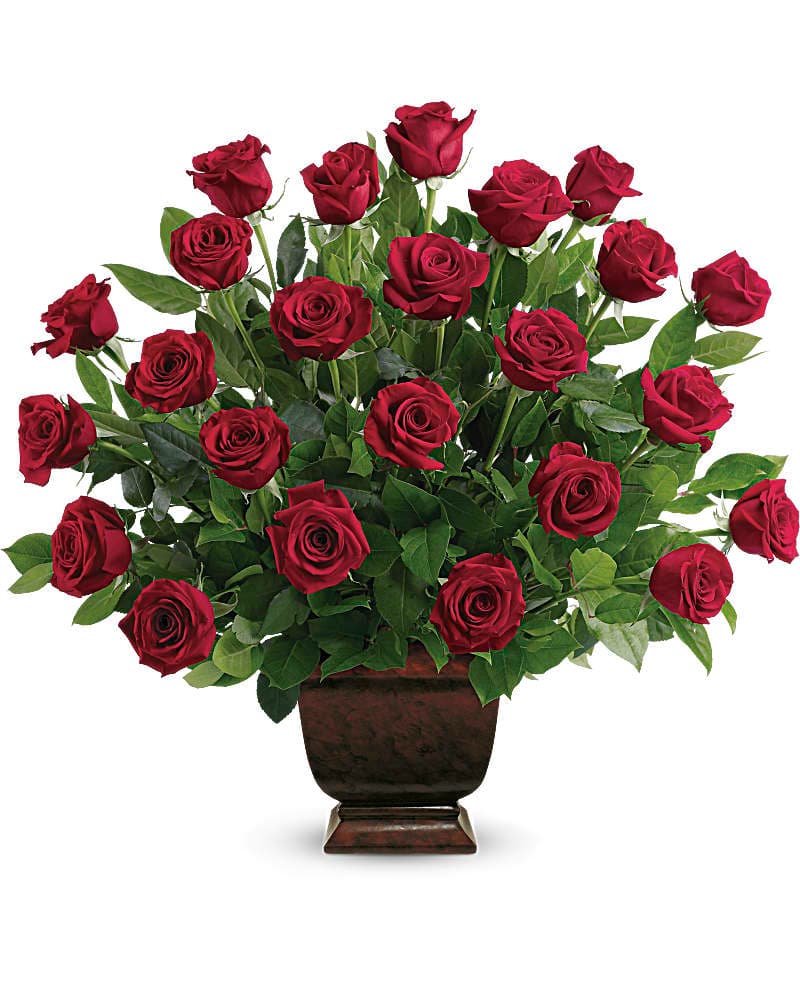
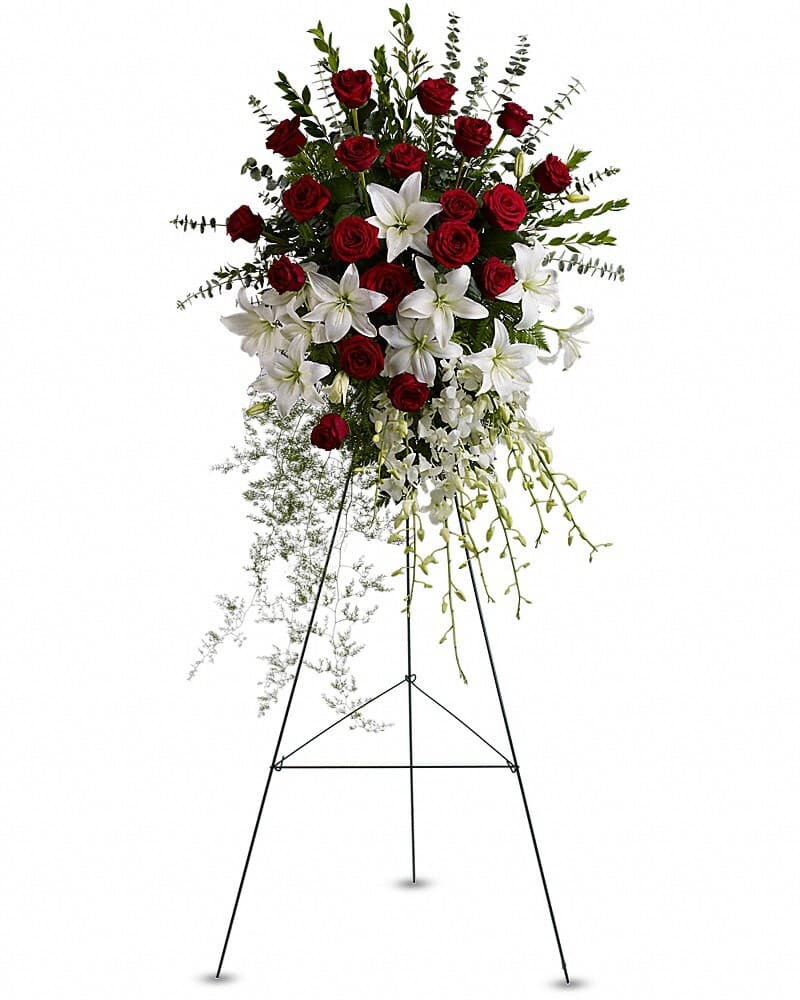
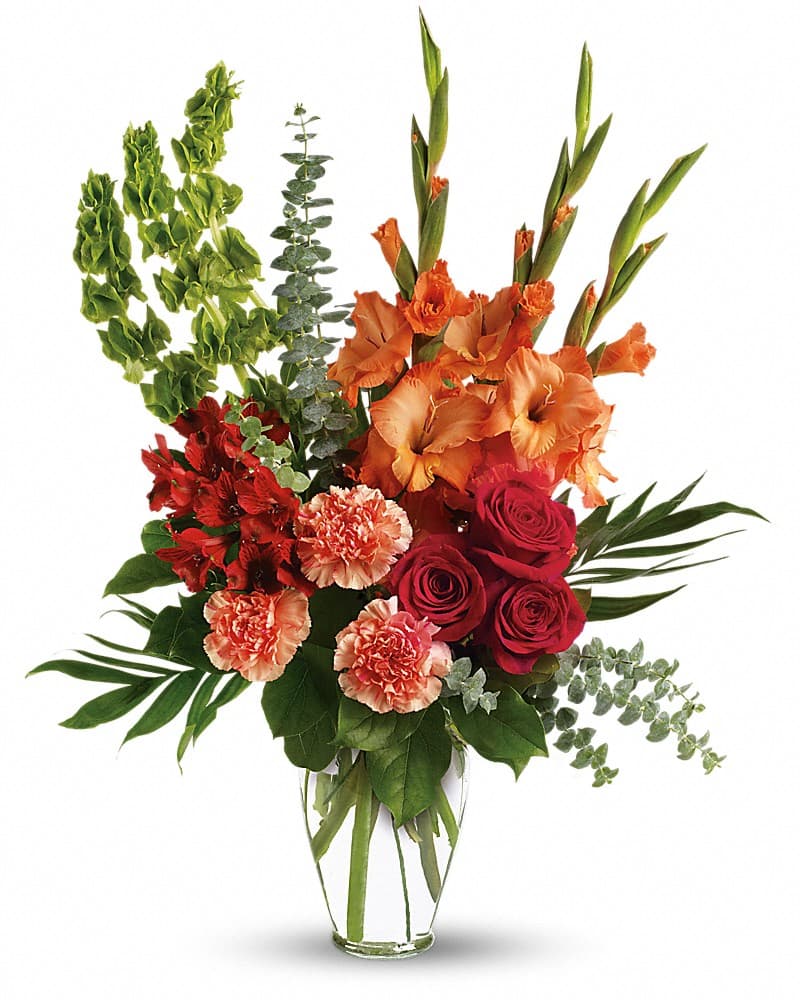
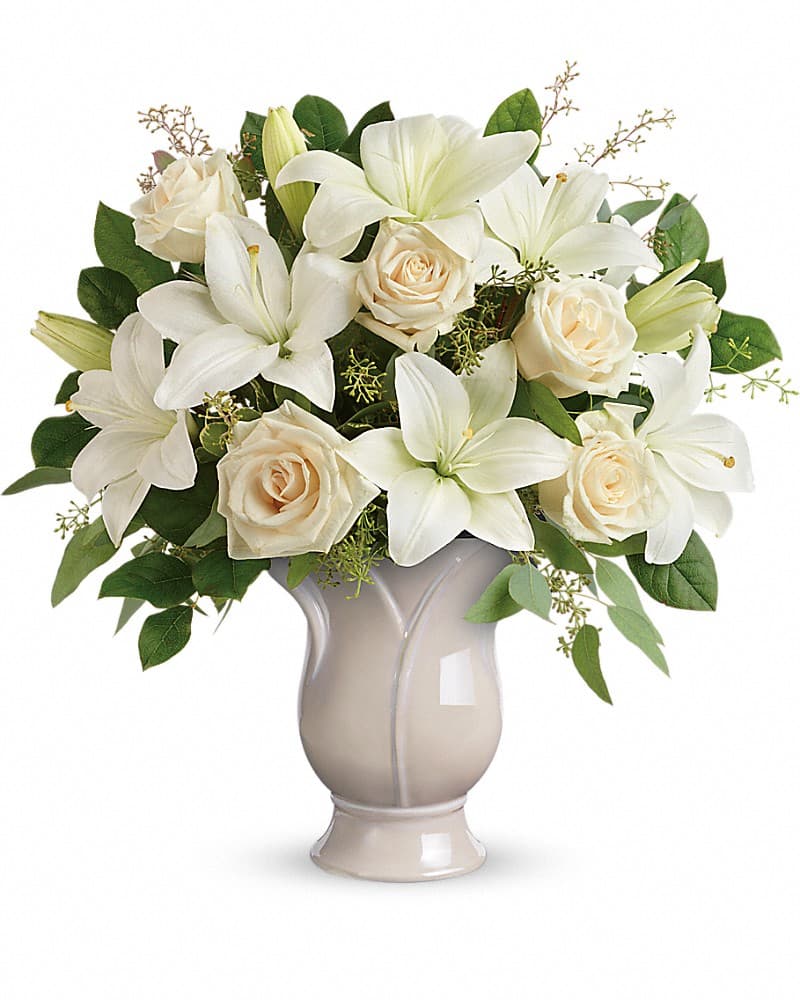
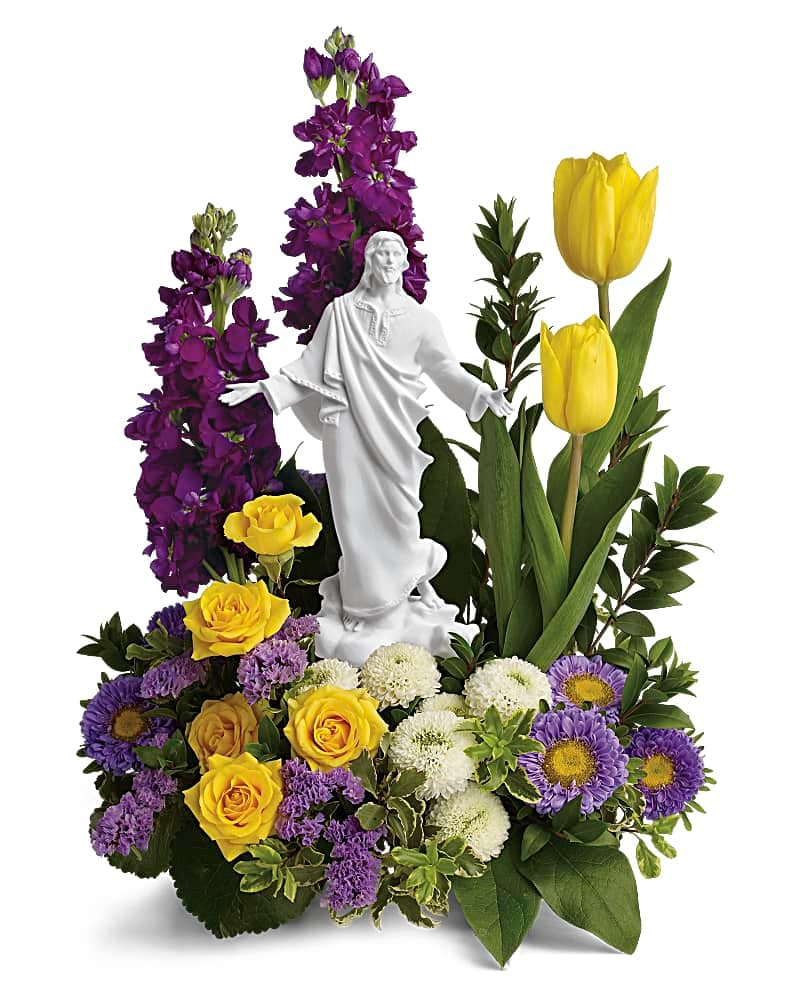
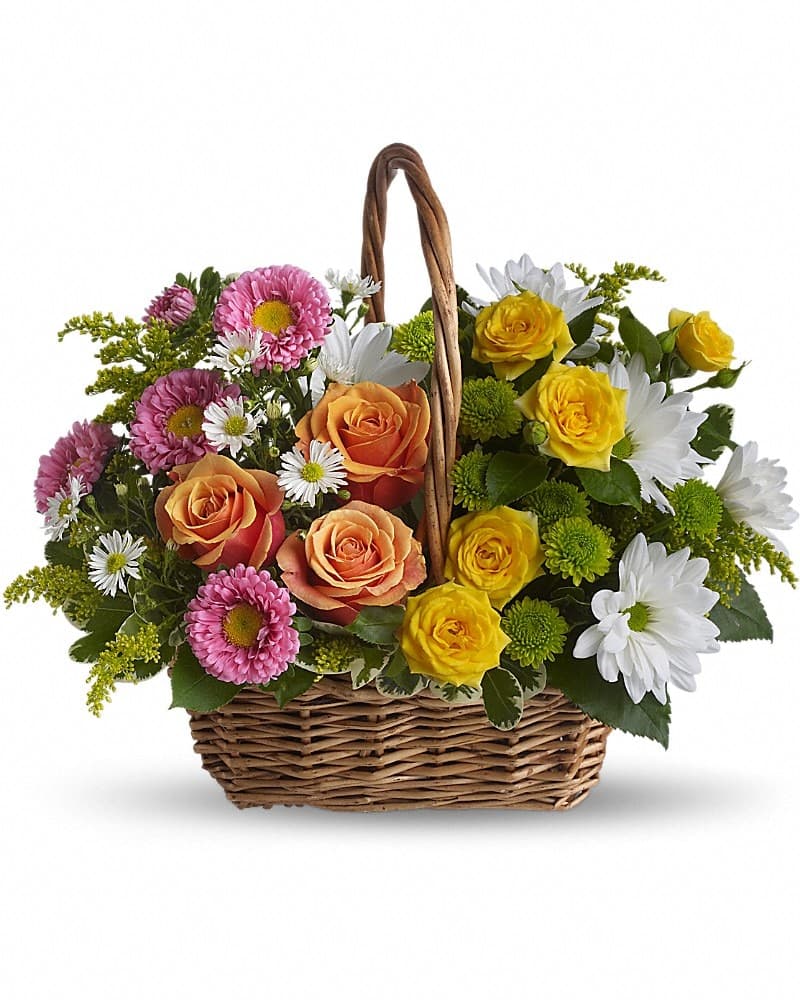
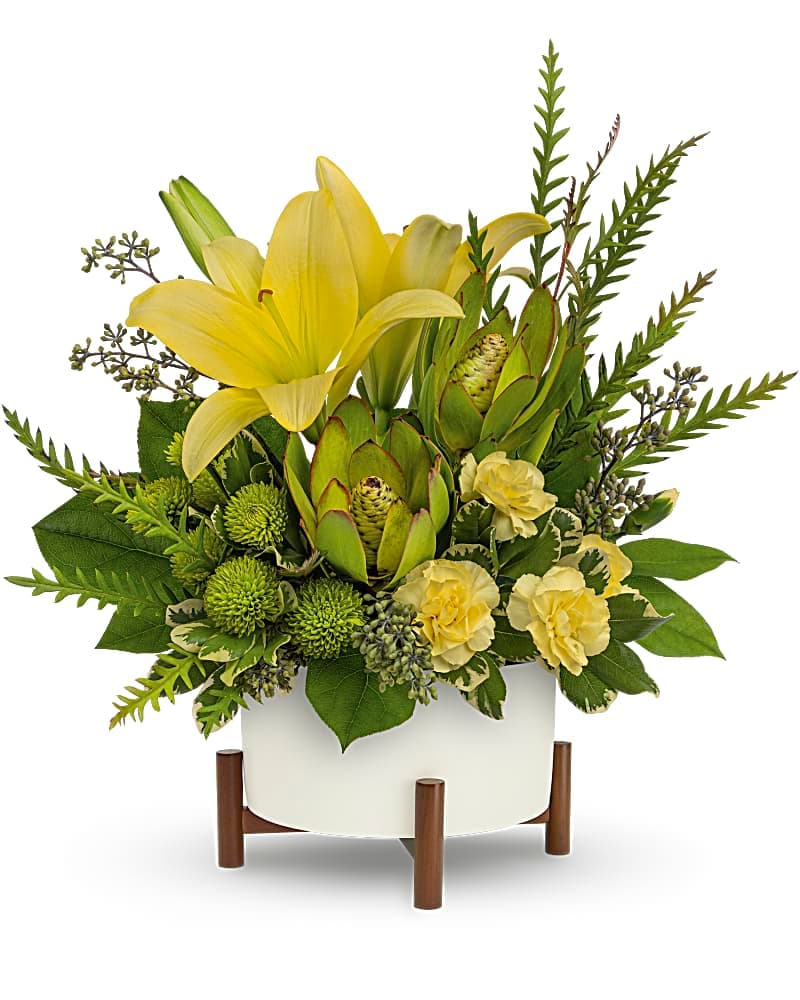
Where the service is held tells you what to send and when to send it. Omaha is an archdiocesan city with a deep Catholic rhythm: a rosary or vigil the evening before, a funeral Mass the next morning at the parish, then the graveside. St. Cecilia Cathedral on North 40th Street is the mother church, and the parish list that matters for sympathy work runs from St. John's on the Creighton campus and St. Frances Cabrini in Little Italy to Our Lady of Guadalupe in South Omaha and the big western parishes out past 120th. Standing easel work and sprays go to the chapel or the church before the service, addressed to the family name and the service time, never just to the building. The Lutheran and United Methodist congregations that fill out the rest of the metro — Kountze Memorial on Farnam is the historic anchor — generally take arrangements at the church on the morning of the service. On the north side, Salem Baptist, St. John AME and the Missionary Baptist churches run services that are frequently Saturday morning and frequently much longer than an hour, and the family expects flowers at the church rather than at a home. Add the family surname, the deceased's name, the chapel or parish and the service start time to your order notes, and the shop will build backward from that clock.
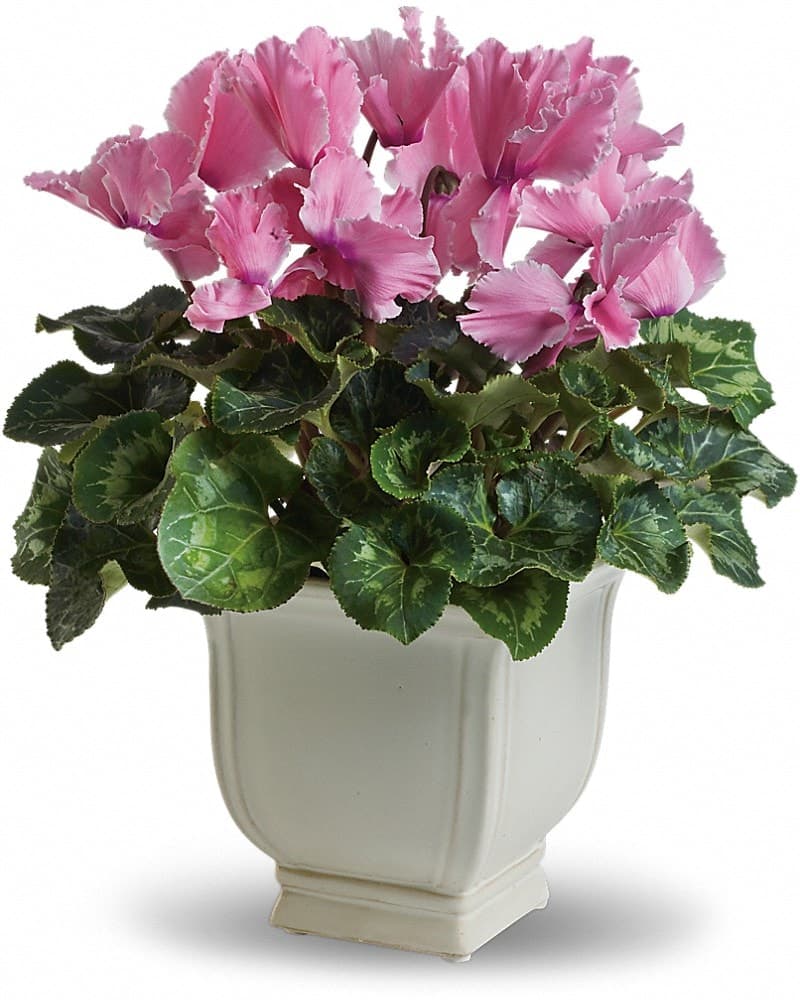
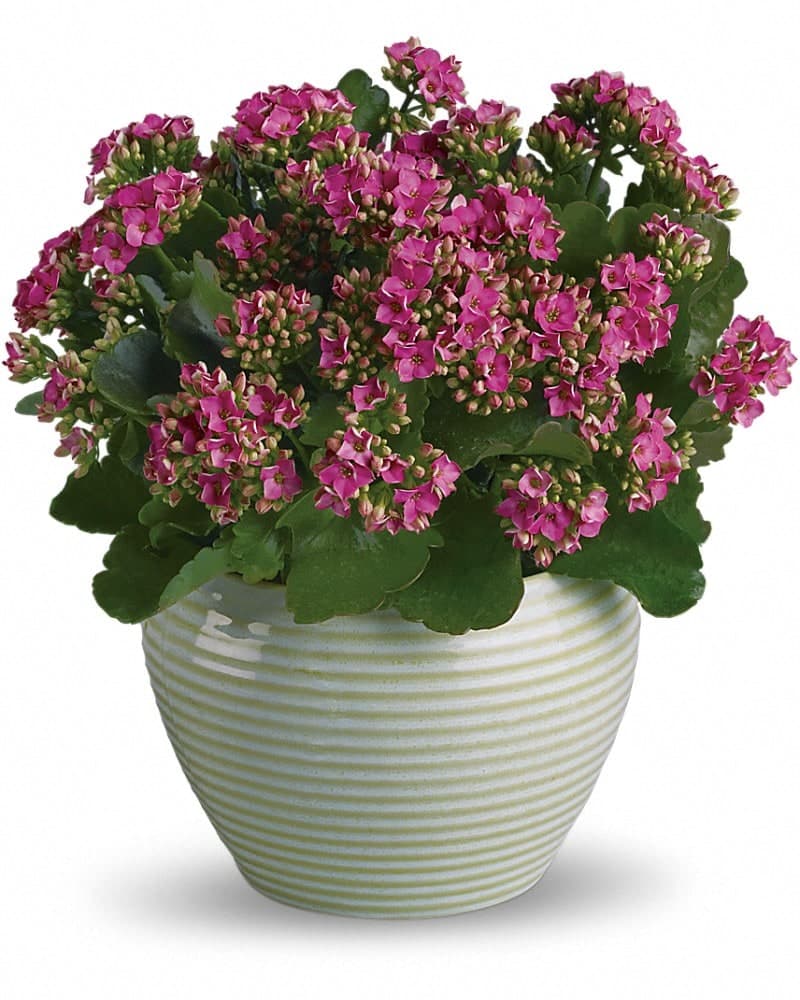
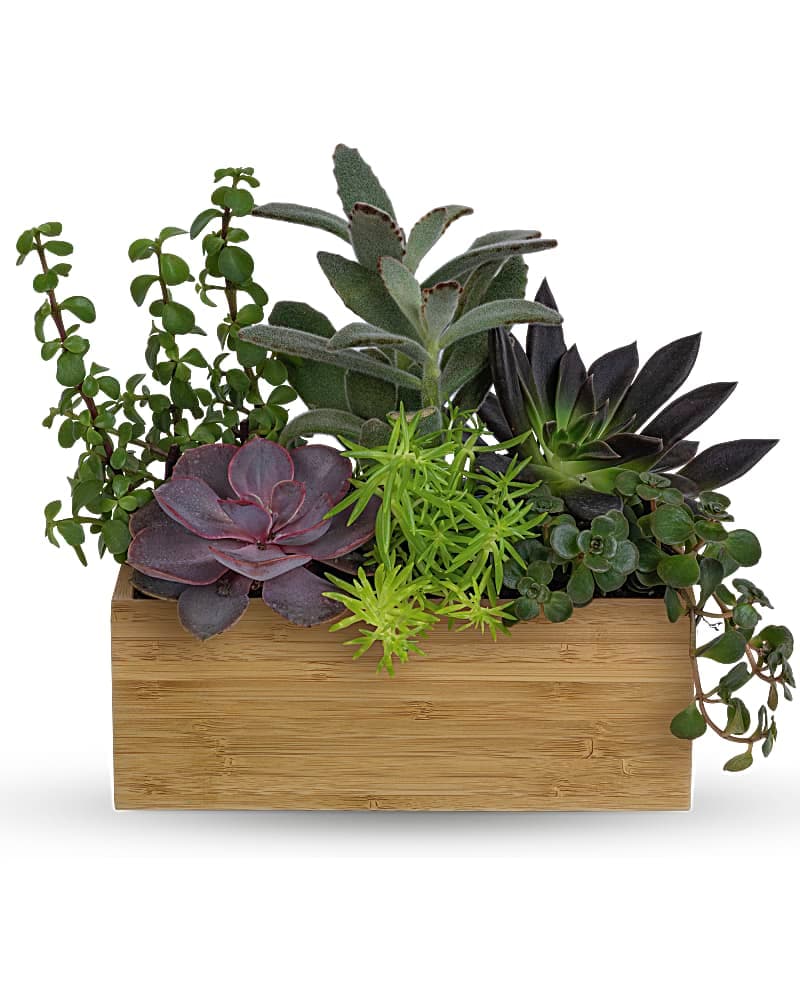
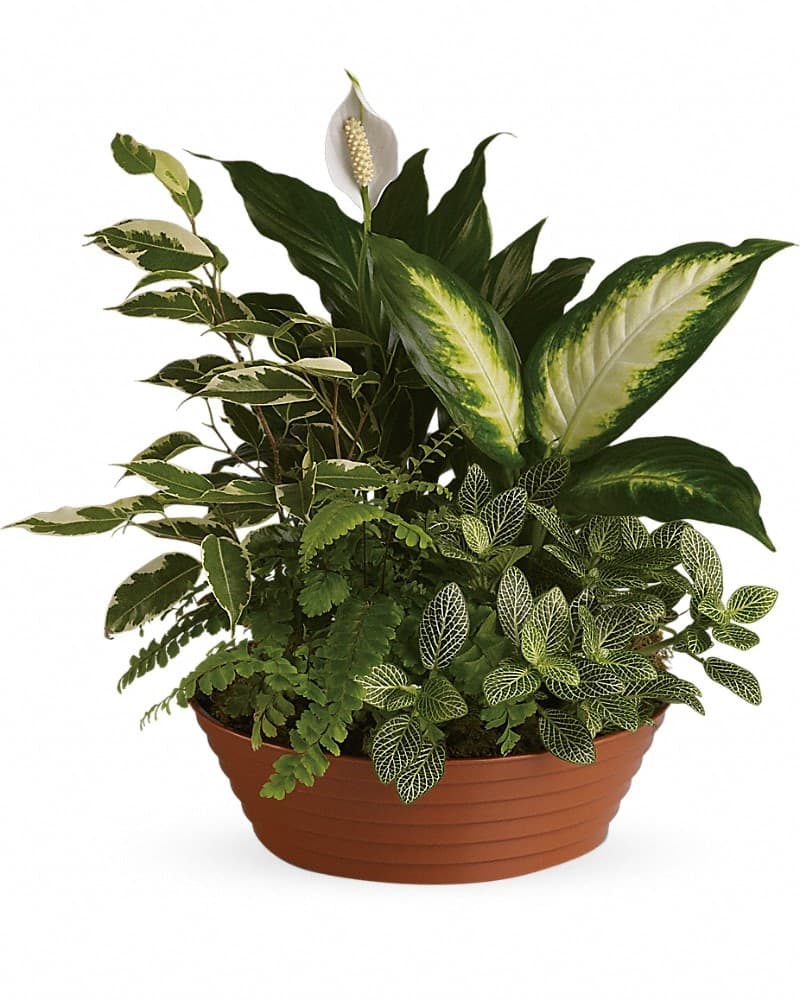
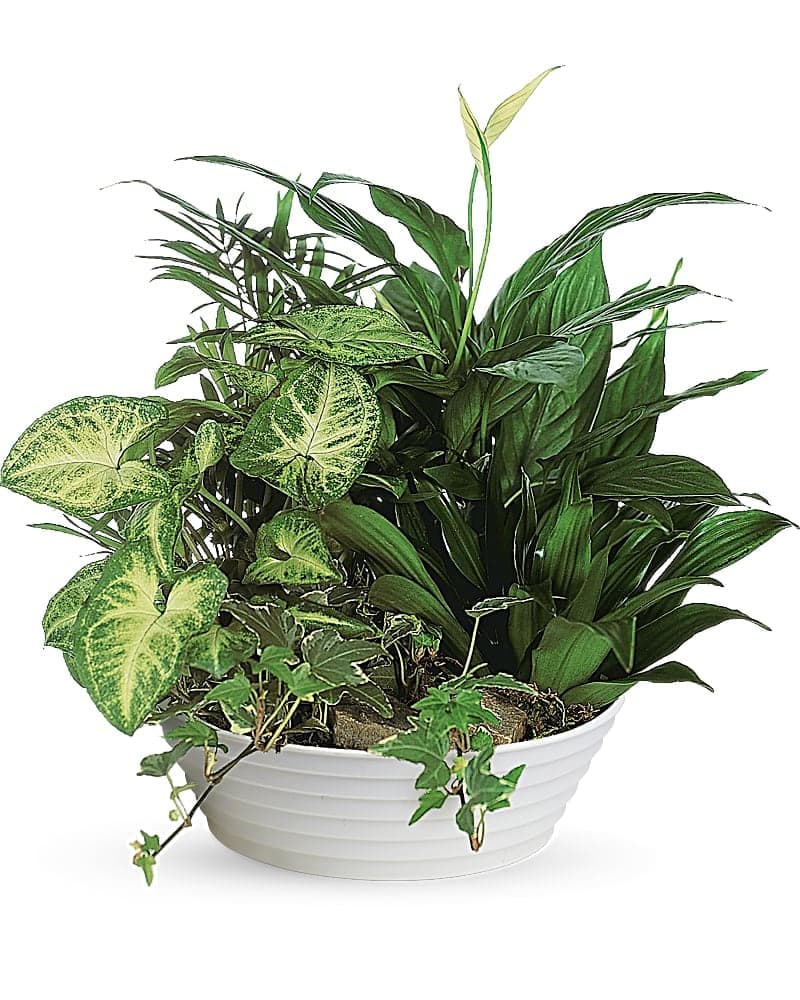
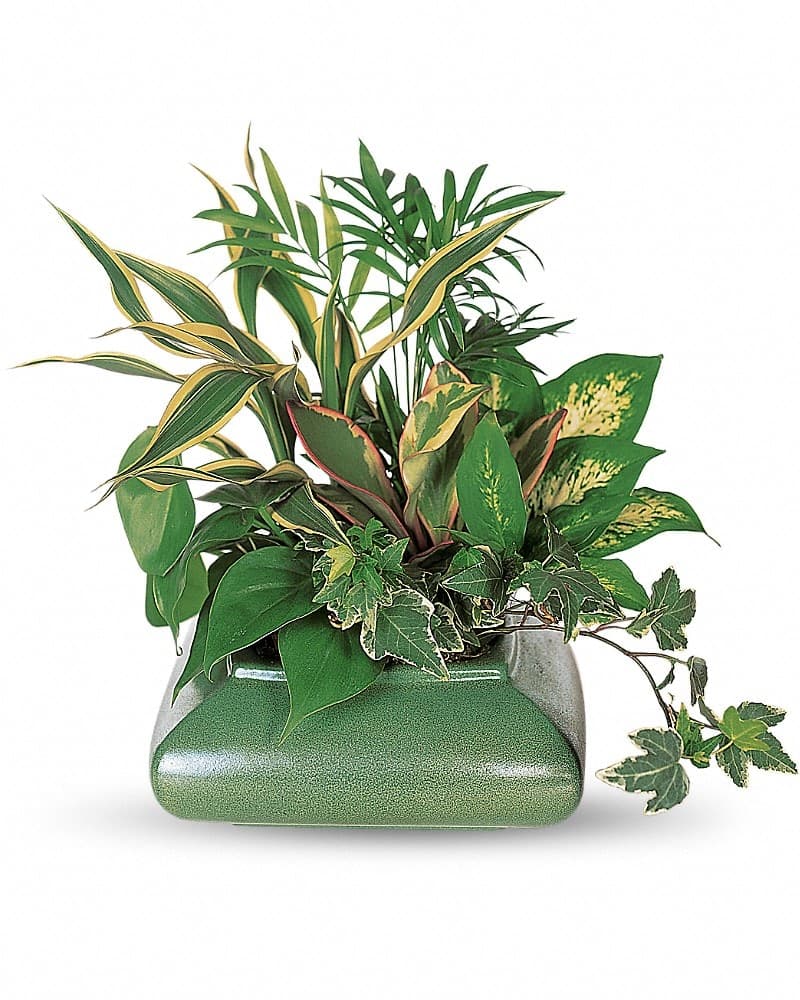
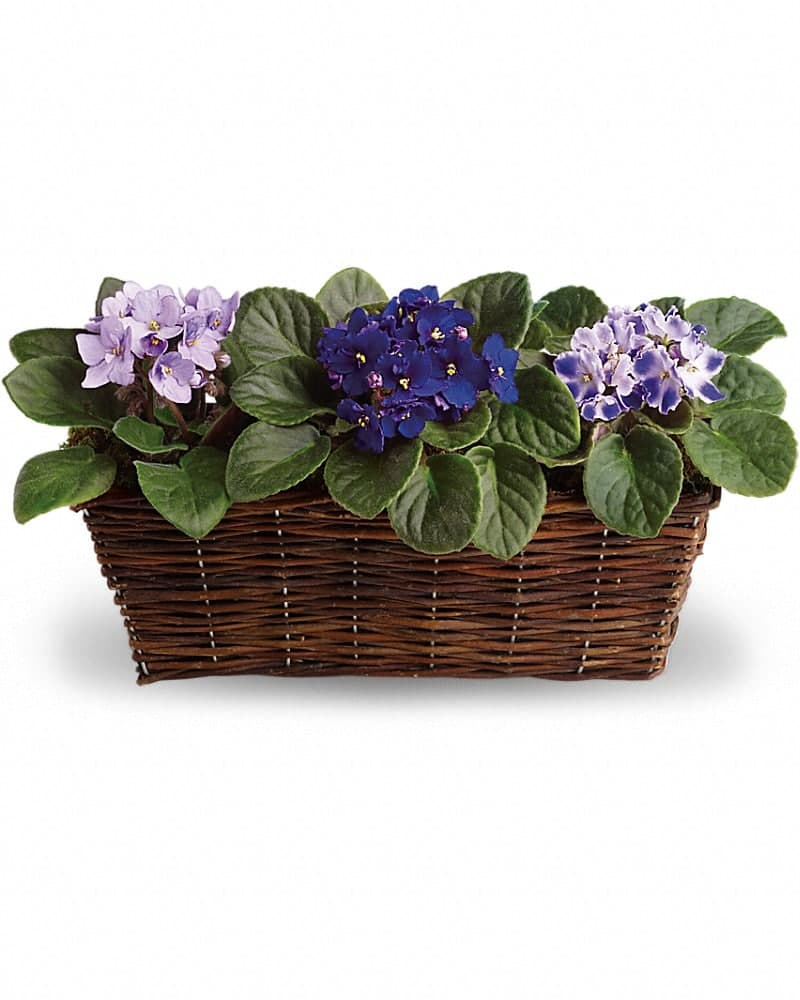
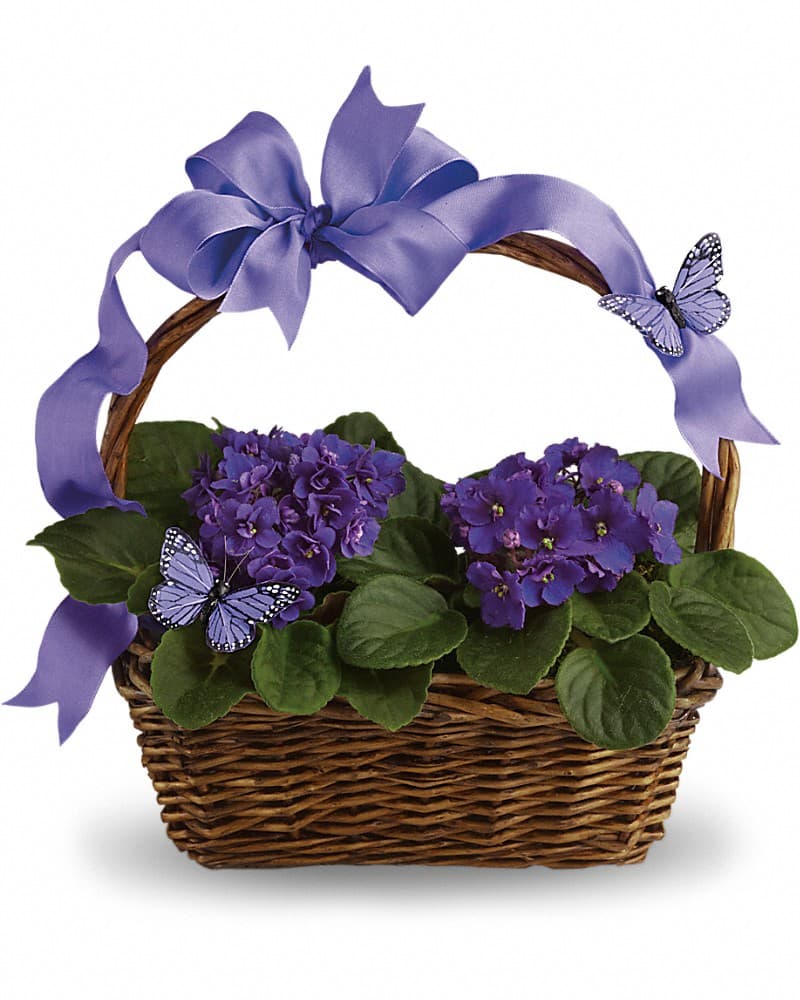
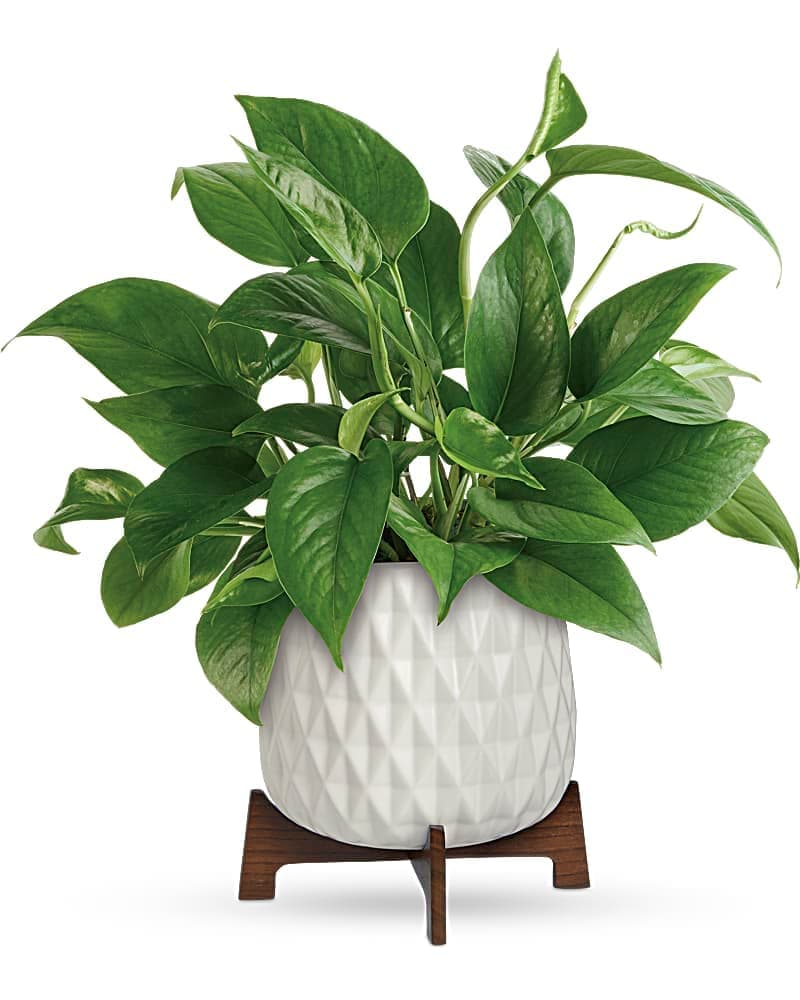
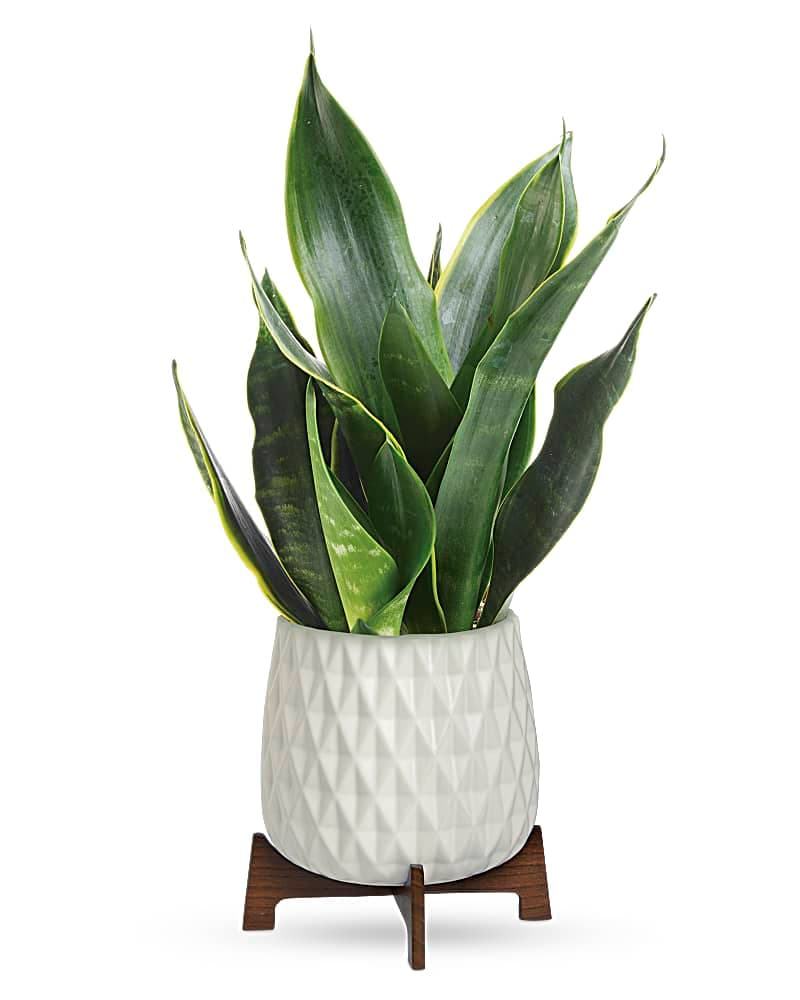
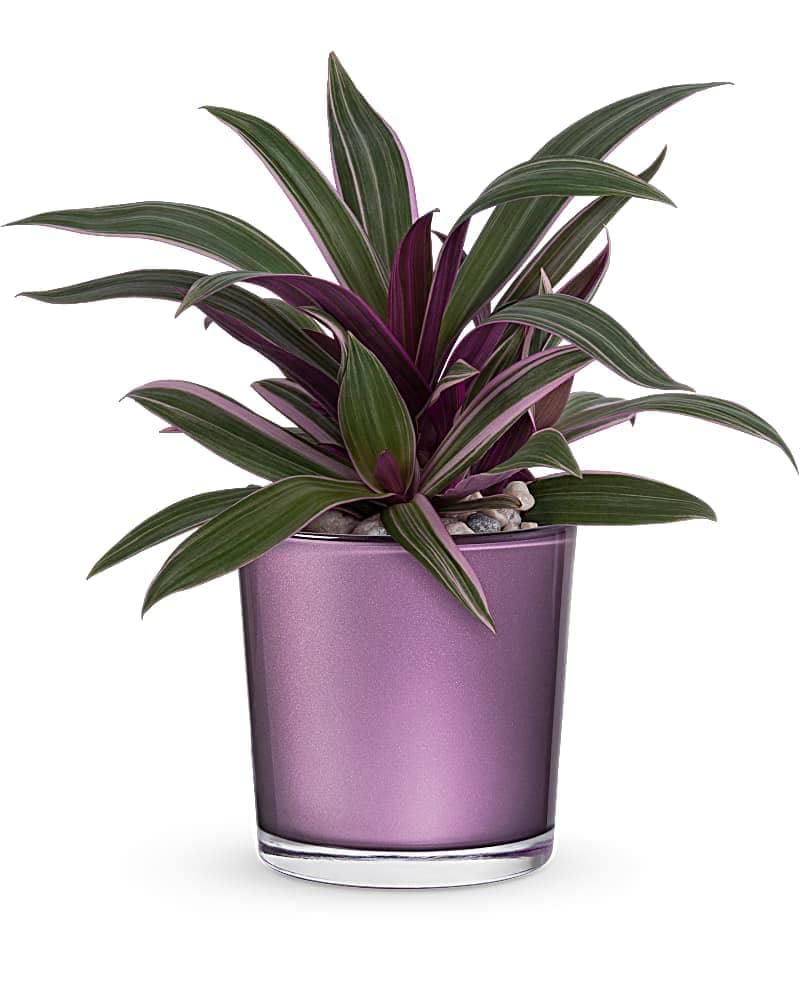
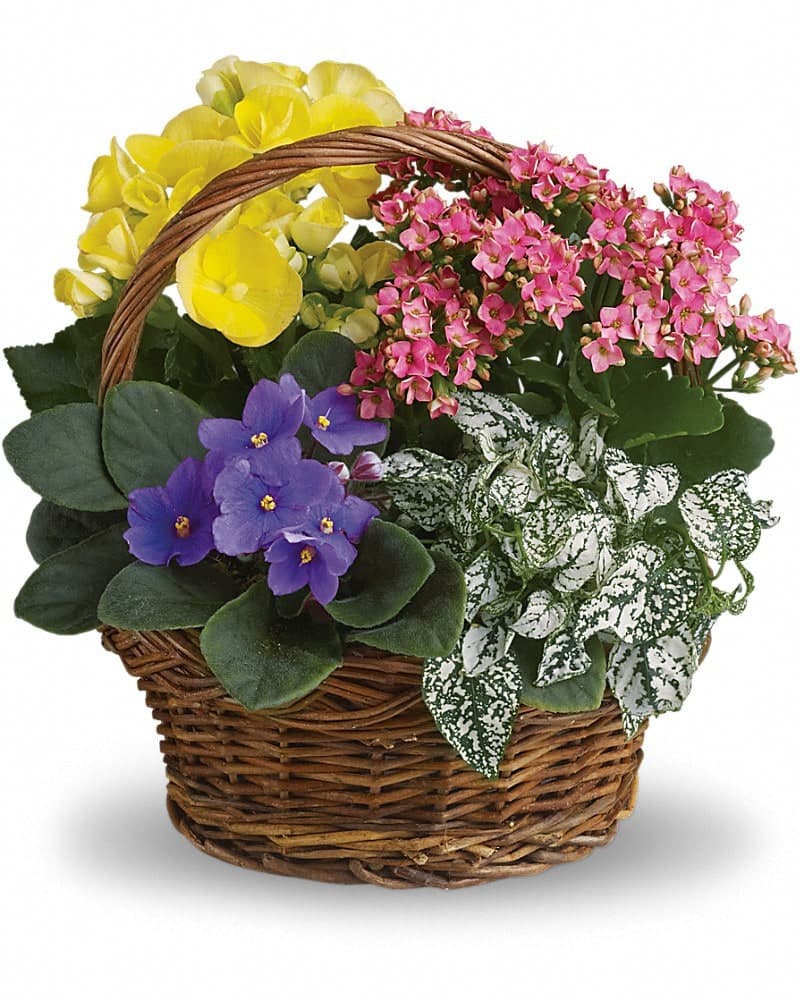
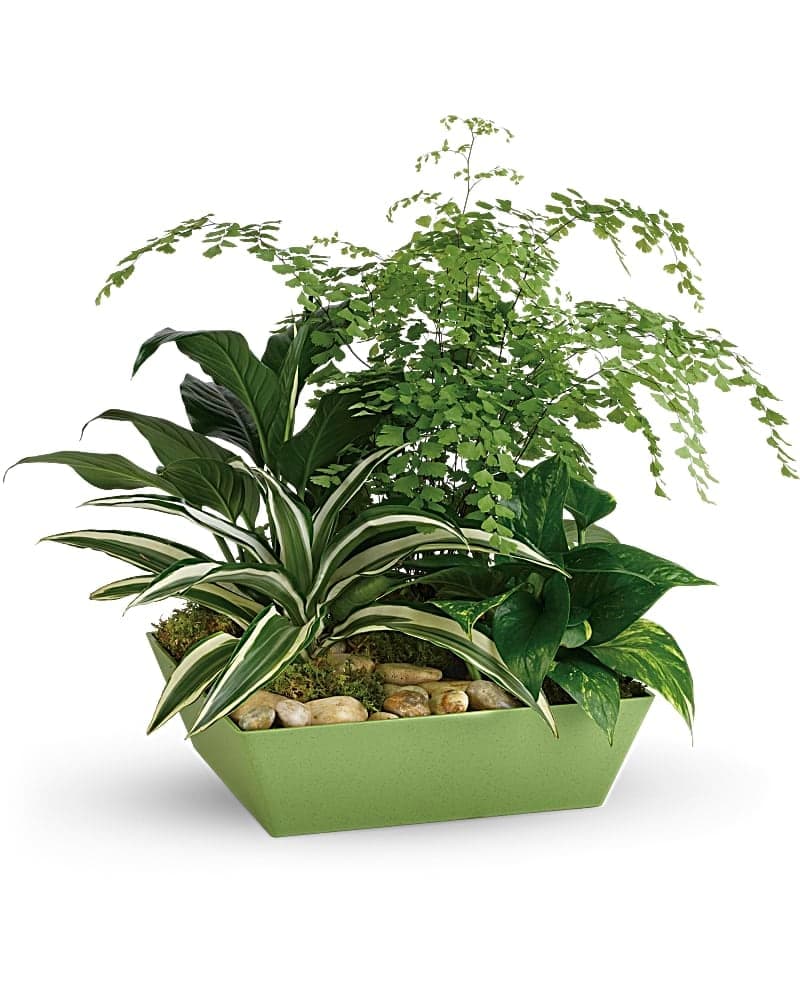
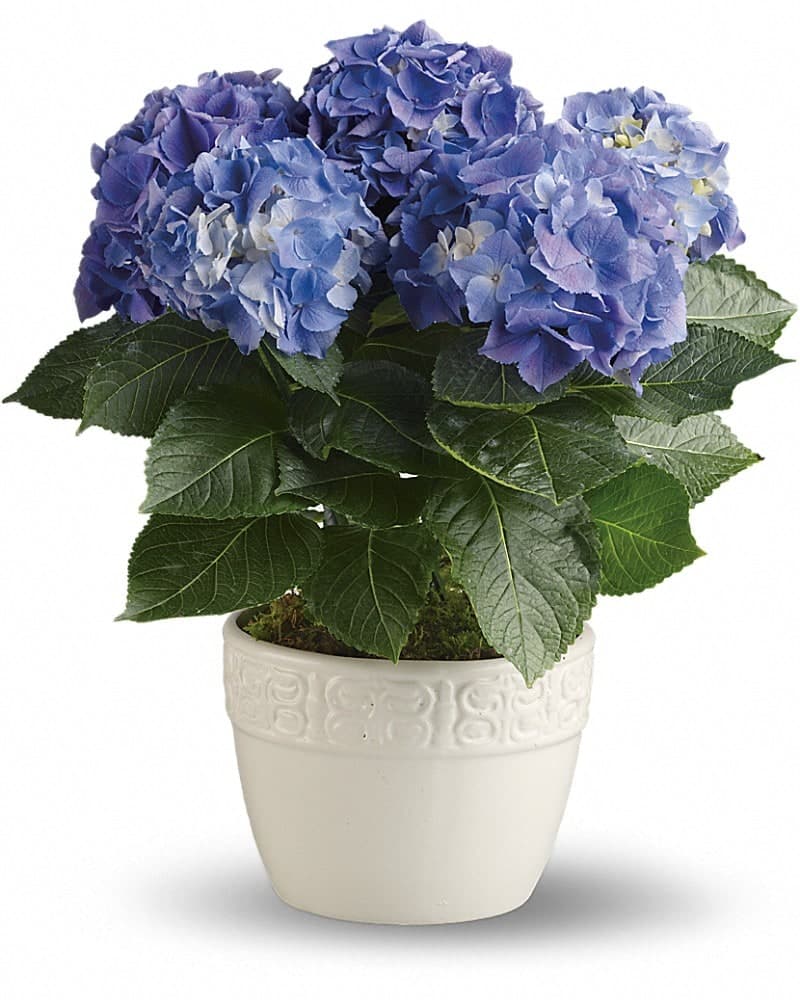
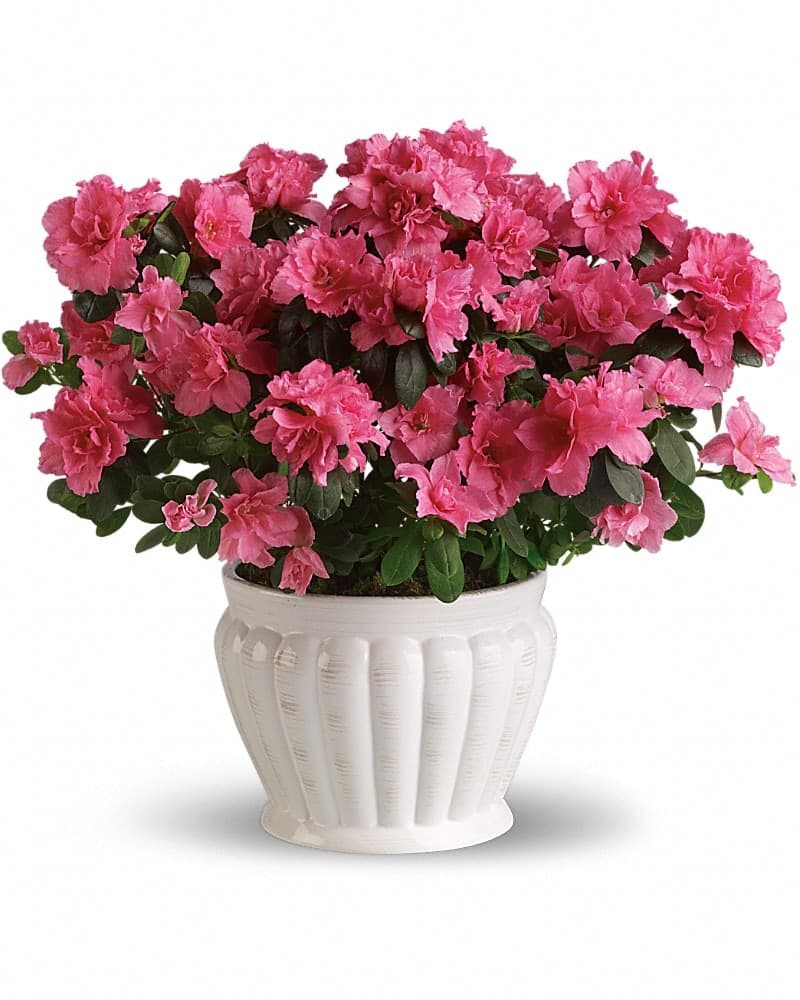
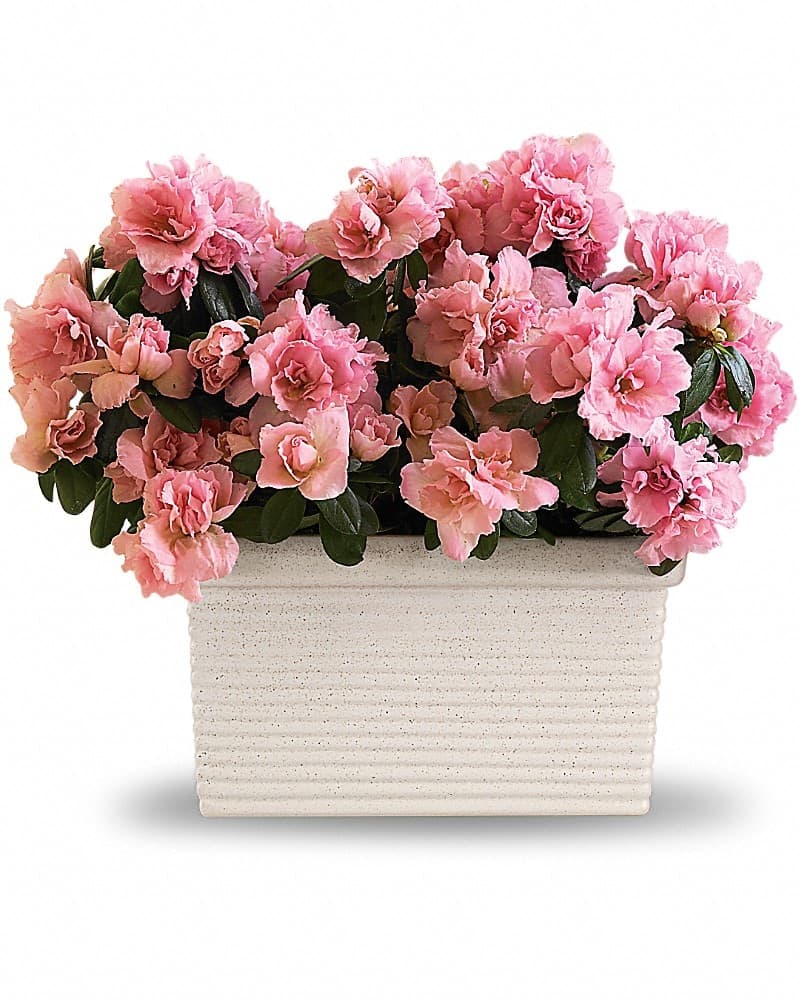
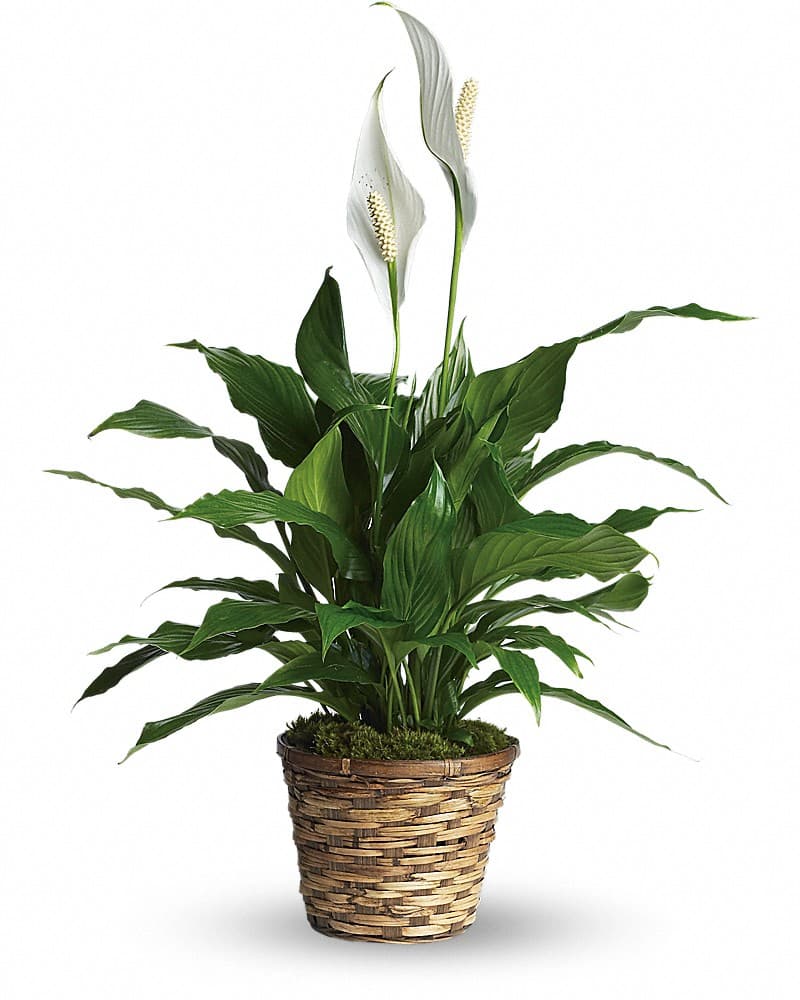
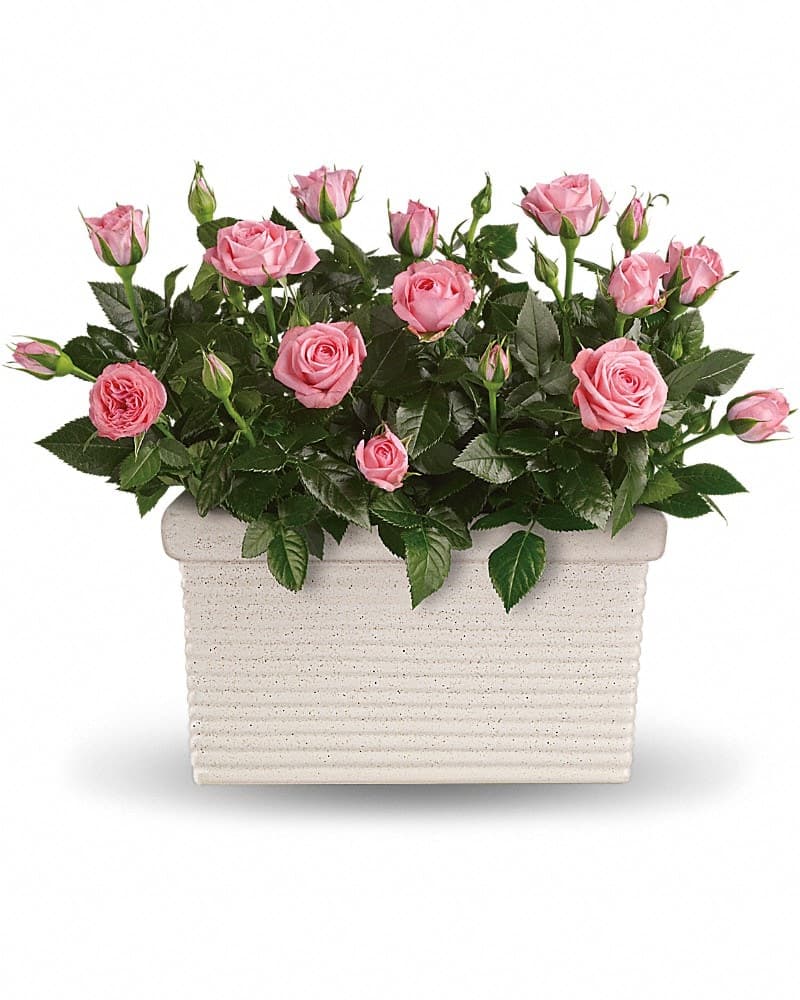
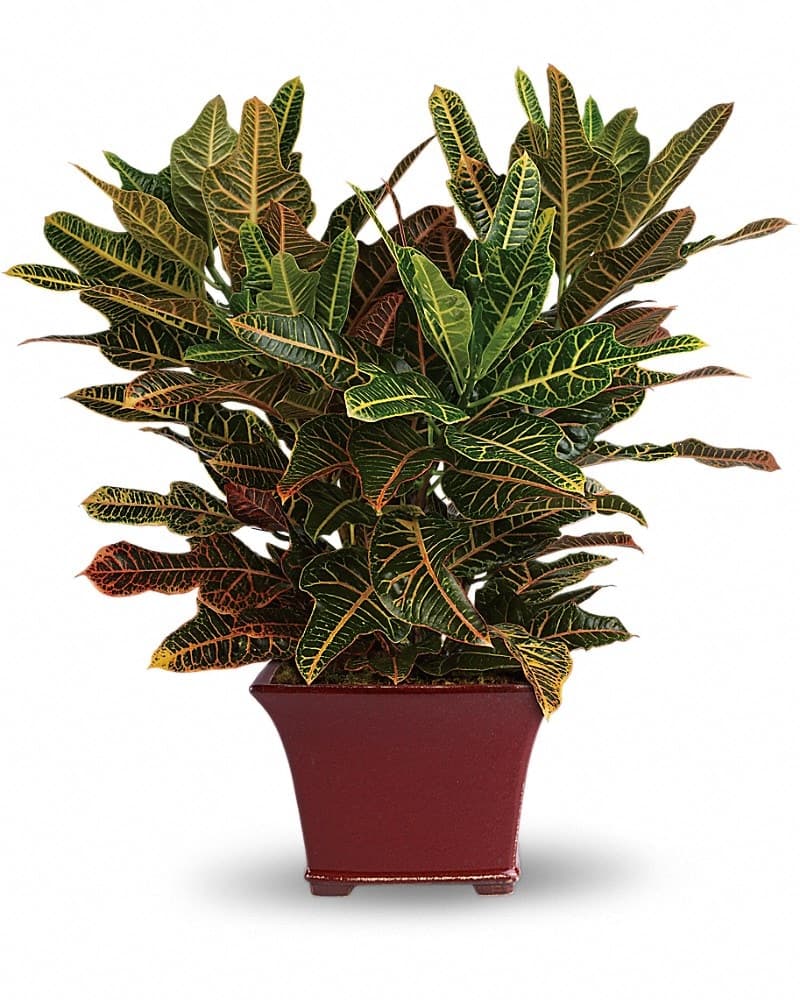
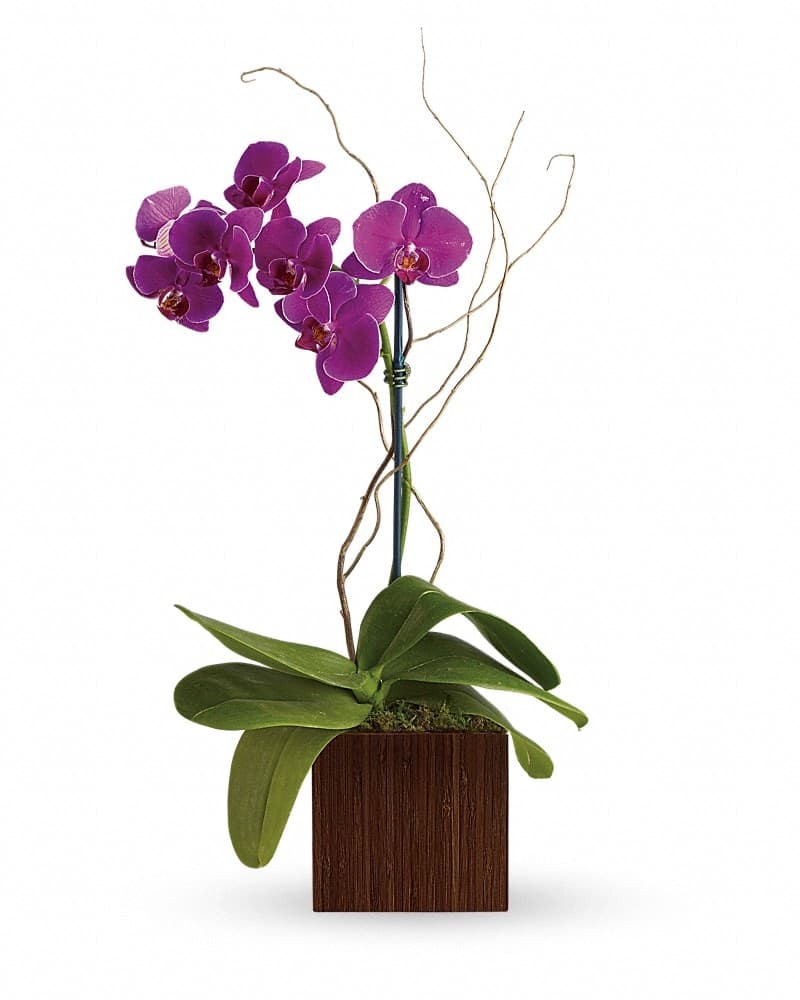
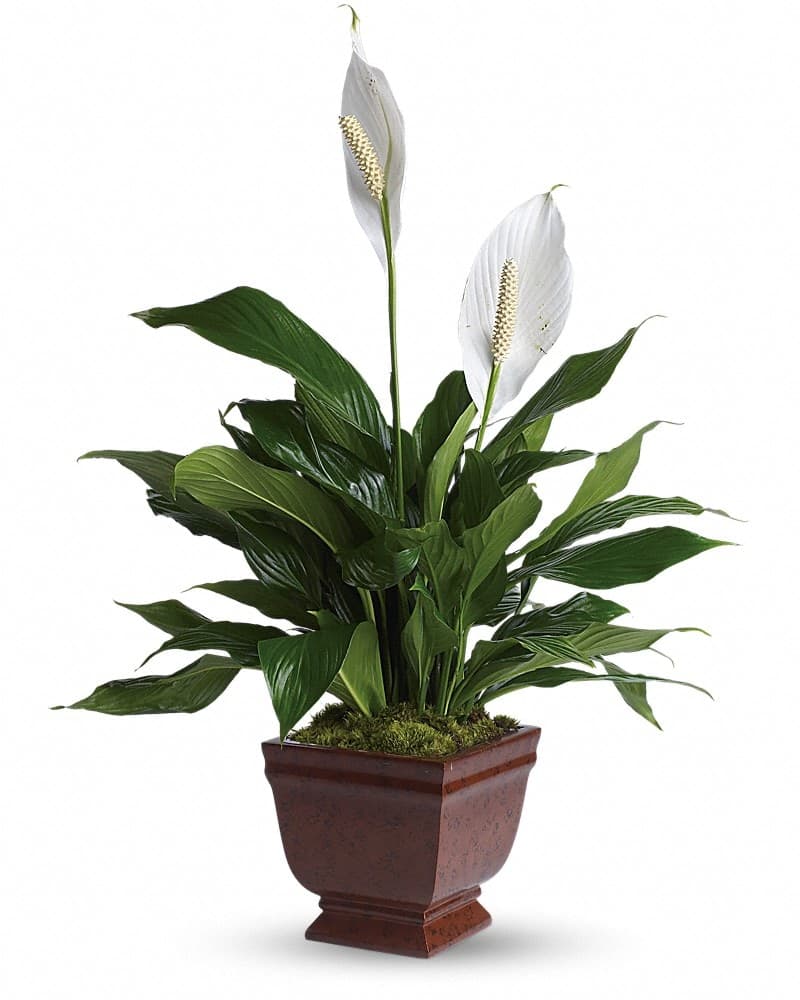
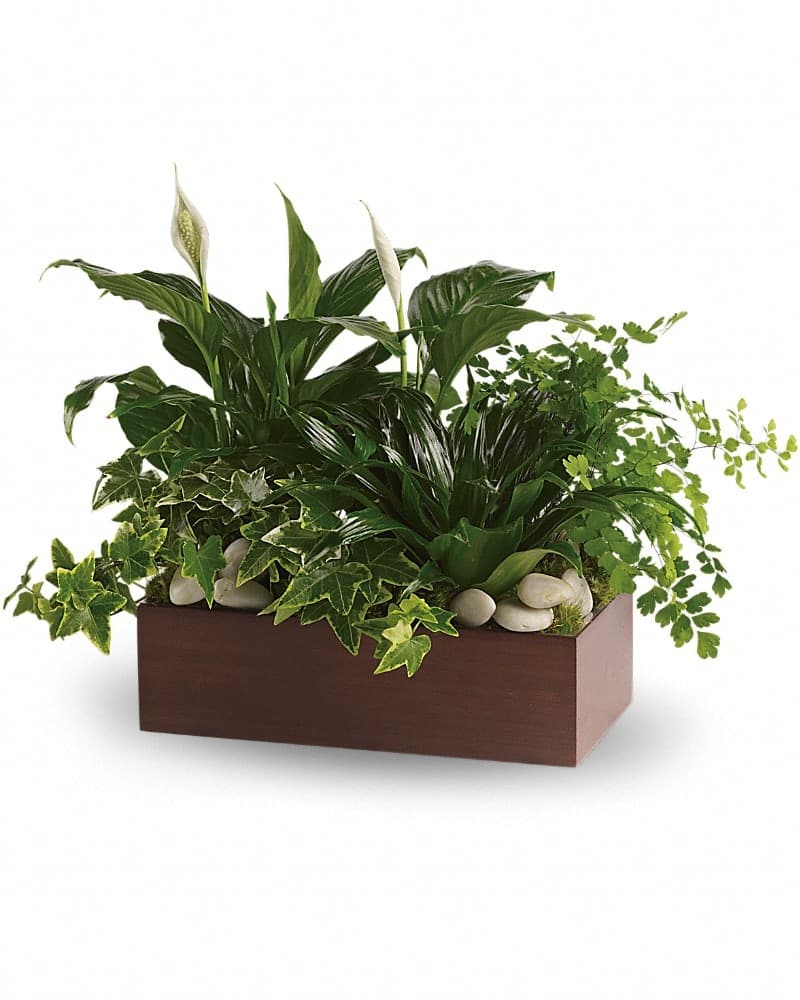
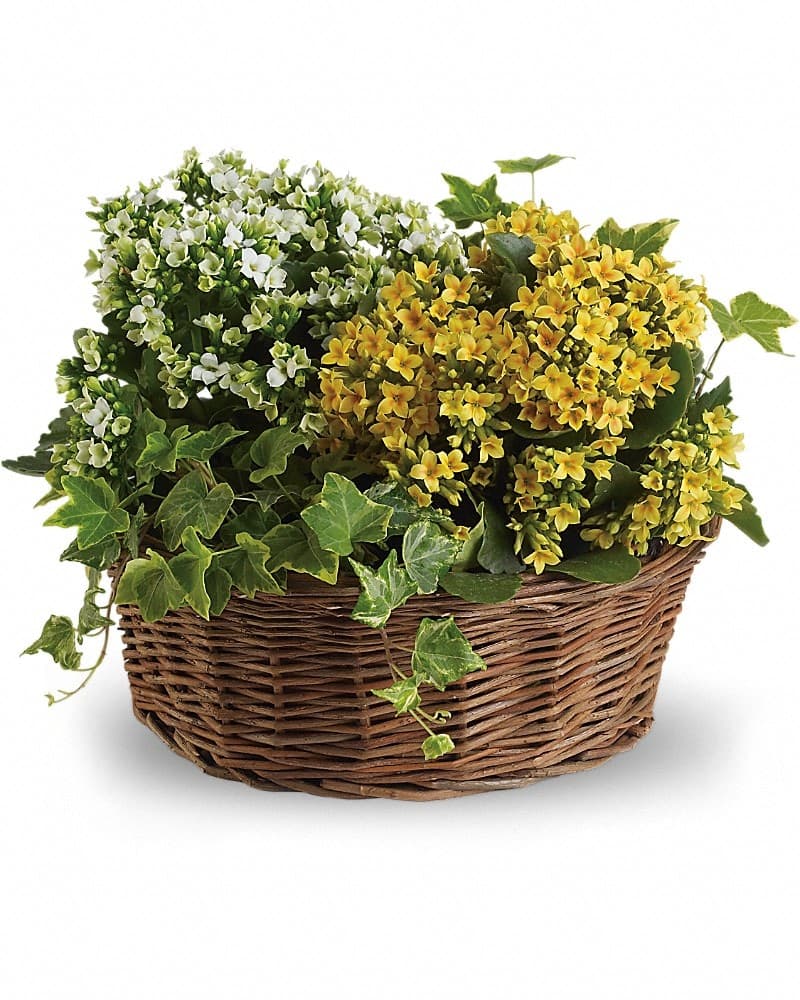
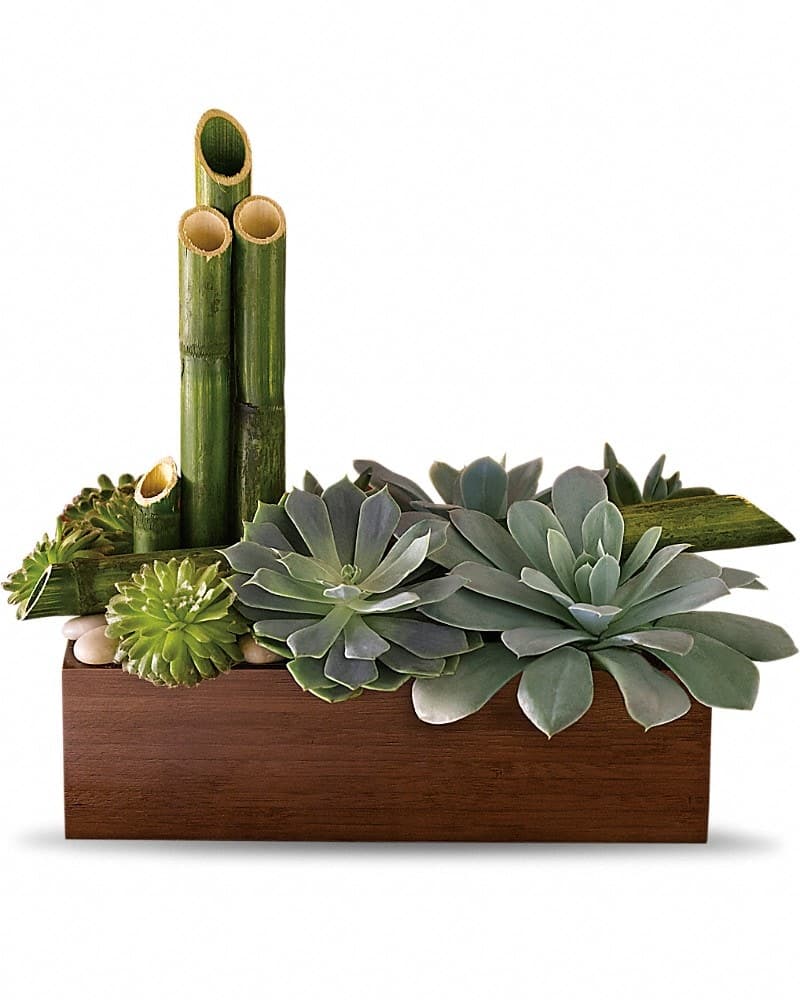
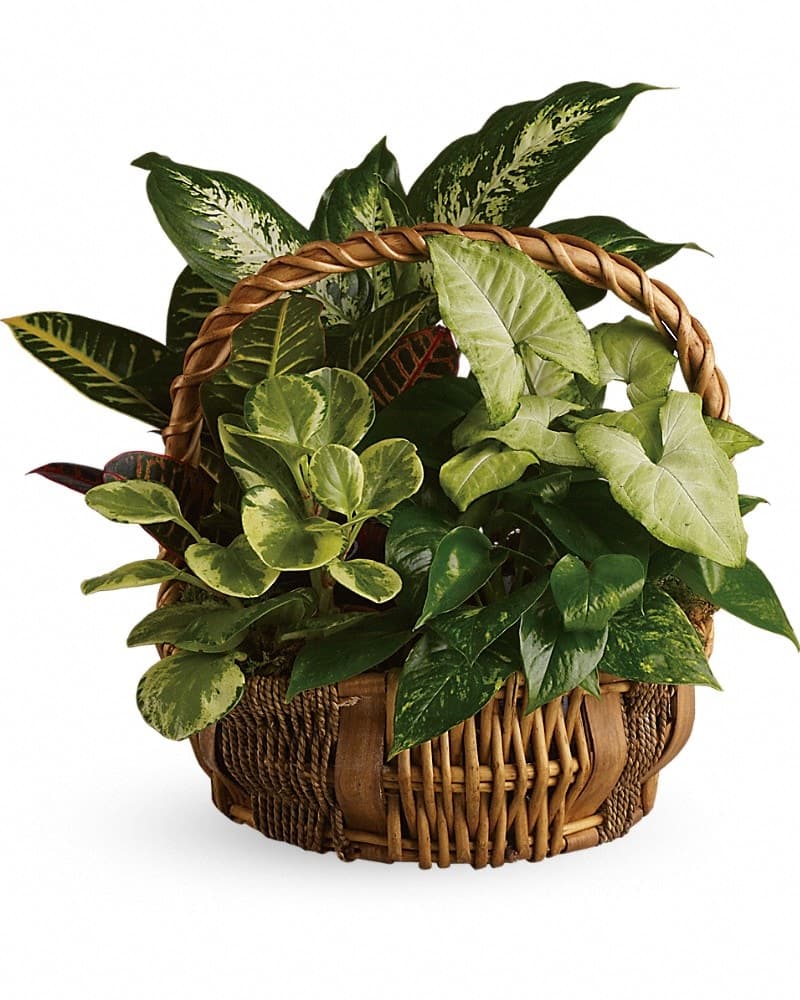
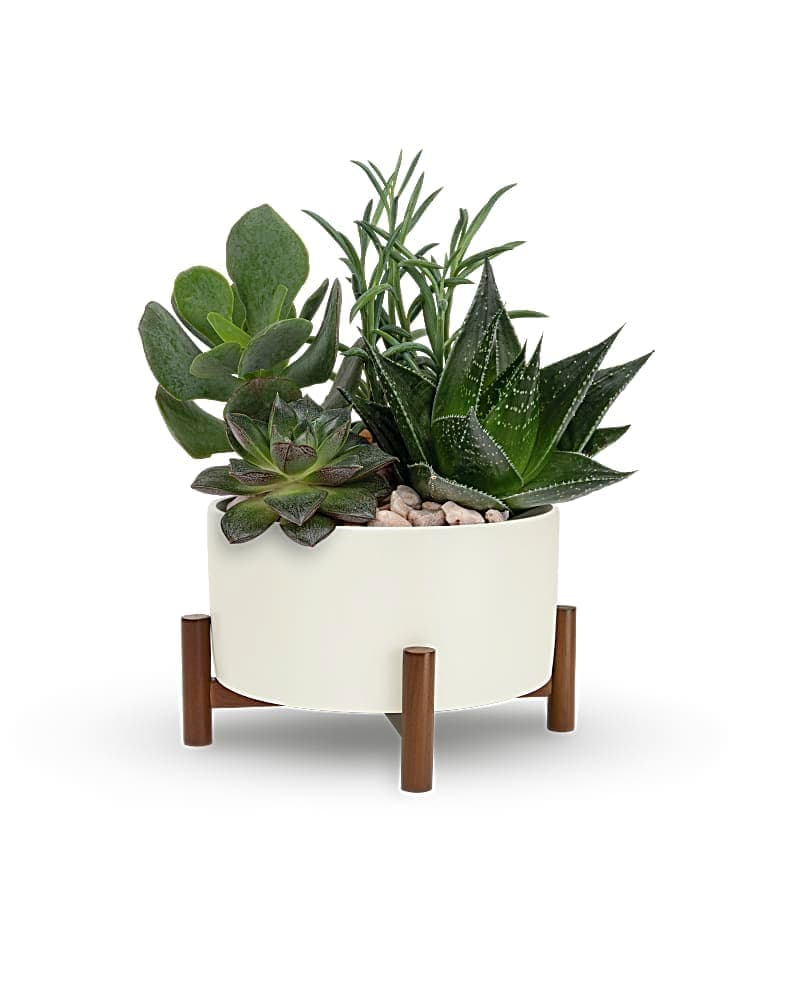
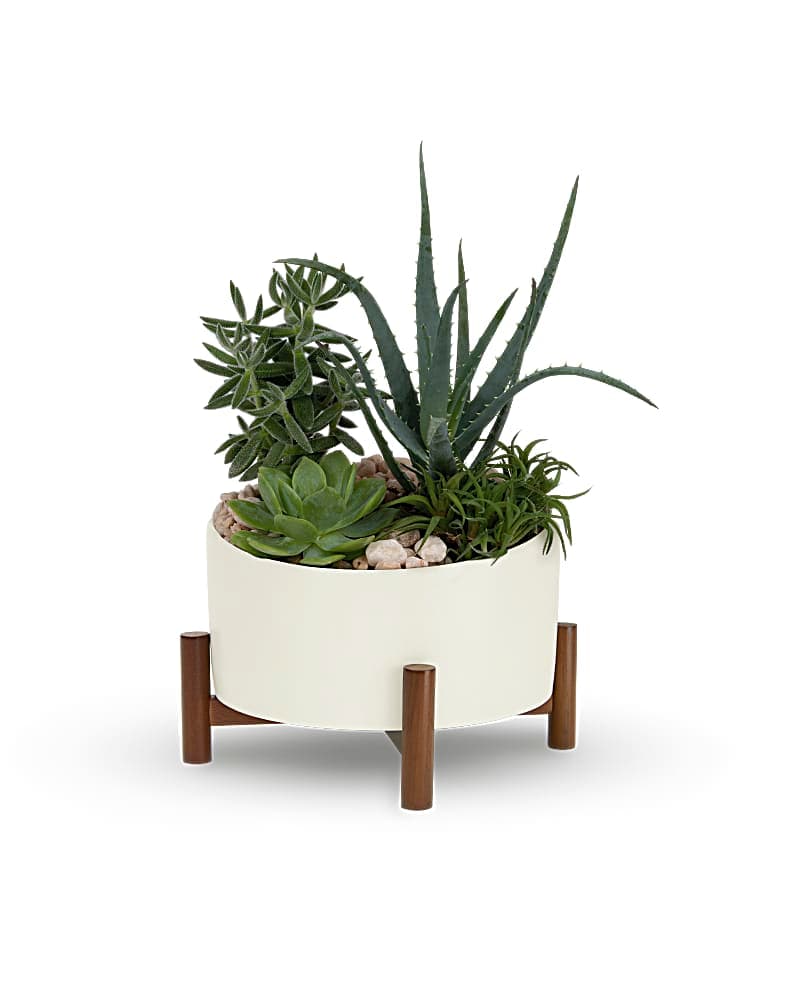
Some Omaha traditions ask for something other than cut flowers, and knowing that is part of doing this right. At Temple Israel, Beth El and Beth Israel, and out at the Tri-Faith Commons campus at 132nd and Pacific where Temple Israel sits alongside the American Muslim Institute and Countryside Community Church, Jewish practice generally directs mourners toward a donation or toward food for the shiva house rather than flowers at the chapel; a living plant sent to the home where the family is sitting is the appropriate gesture, and a plant is exactly what the live board here does well. Muslim funerals, which move quickly — often within a day — do not center on floral tribute either, and a condolence plant or a meal delivered to the family's home afterward is the better choice. Omaha also carries one of the largest South Sudanese communities in the United States, along with substantial Karen, Burmese, Vietnamese, Mexican and Guatemalan communities, and the church-based services in those communities vary enough that the useful move is simply to ask the family or the funeral director what they want at the front of the room. A Greek Orthodox service at St. John the Baptist has its own conventions again, with the forty-day memorial mattering as much as the funeral itself. Nobody is offended by a question; several traditions are quietly offended by the wrong arrangement arriving at a chapel.