Omaha treats a much larger area than it contains, and that changes what a get-well order looks like here. A patient in a room on the UNMC campus may have driven in from Scottsbluff, Sioux City, Grand Island or western Iowa, which means the person sending flowers is frequently six hours away and has never seen the building. The anchor is the Nebraska Medical Center at 42nd and Emile, the teaching hospital of the University of Nebraska Medical Center, with the Fred and Pamela Buffett Cancer Center, the Lauritzen Outpatient Center and one of the country's larger transplant programs on the same ground, plus the biocontainment unit that made the campus internationally known a decade ago. Two more hospitals sit almost side by side further west on Dodge: Children's Nebraska at 8200 Dodge, which Omaha spent years calling Children's Hospital and Medical Center, and Methodist Hospital at 8303 Dodge with the Methodist Estabrook Cancer Center on its campus. North of them, CHI Health Immanuel sits on North 72nd near Sorensen Parkway; CHI Health Bergan Mercy, the Creighton-affiliated campus, is on Mercy Road; CHI Health Lakeside is out near 168th and West Center; and Methodist Women's Hospital anchors the far west near 192nd and Dodge. Stemsomaha, at 120th and Blondo, is a few minutes from the Dodge Street pair and from Lakeside; Aaron's Flowers on Giles Road in La Vista is the shorter run to Nebraska Medicine Bellevue and CHI Health Midlands in Papillion.
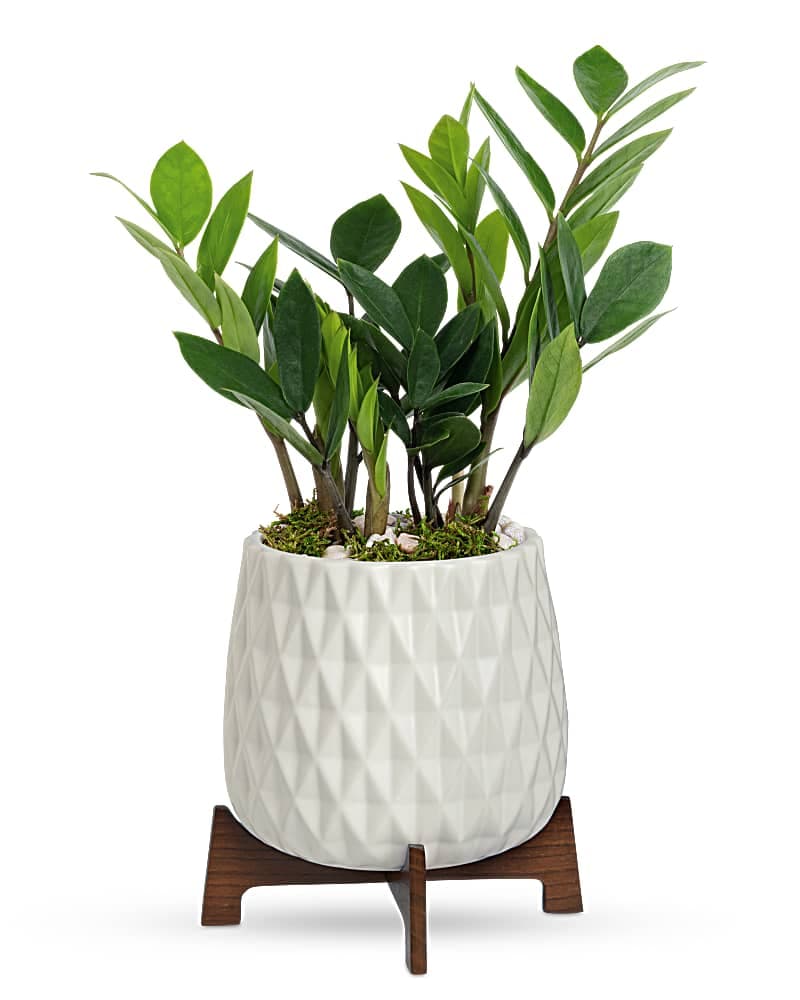
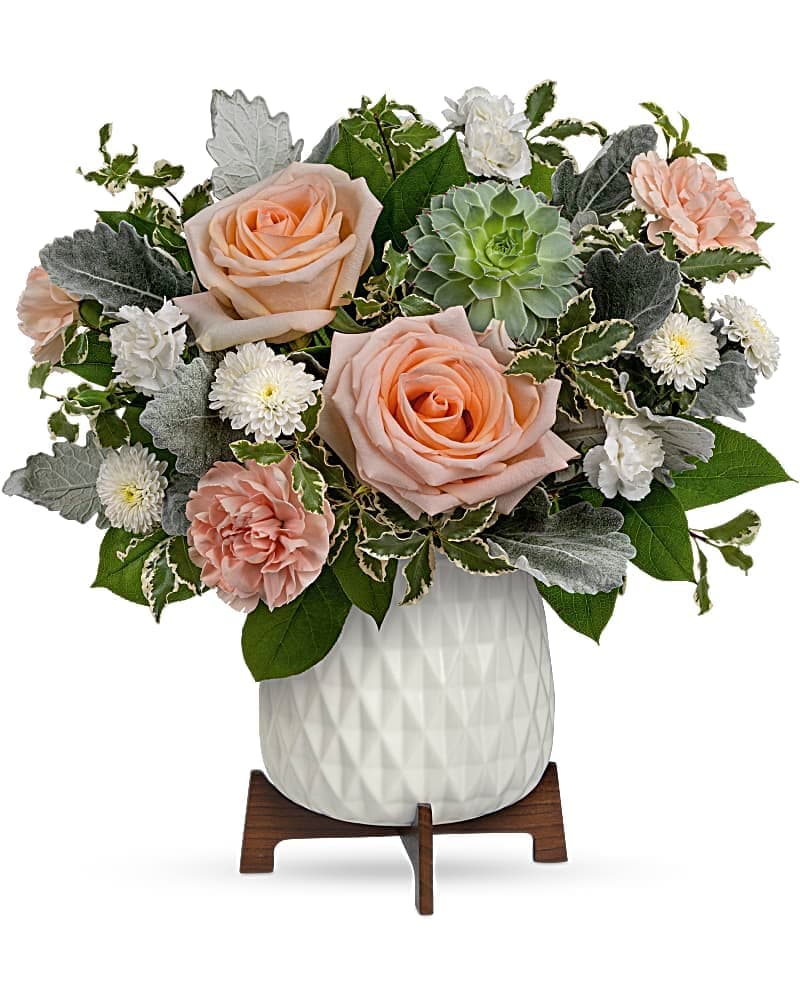
What determines whether an arrangement actually reaches a bedside is not the hospital, it is the floor. Oncology and transplant units are the strictest, and Omaha has a lot of both: the Buffett Cancer Center, the Methodist Estabrook Cancer Center, the CHI Health cancer programs and the transplant floors all restrict pollen-heavy stems, with lilies first on the list, because pollen and strong fragrance are a genuine problem for an immunocompromised or nauseated patient. Some of those units also decline potted plants entirely because of soil spores, so a plant that would be perfect for a home recovery is the wrong choice for a transplant floor. Intensive care is stricter again: most adult and cardiac ICUs do not permit flowers in the room at all, so the right move is a delivery addressed to the family waiting area, or one held at the unit desk for a relative to carry out. Pediatrics at Children's Nebraska and at Boys Town National Research Hospital adds a separate rule set — no latex balloons anywhere near the units because of allergy risk, no lilies, and a small footprint, because a pediatric room is already full of equipment and a parent's cot. Behavioral-health units, Lasting Hope Recovery Center included, generally decline glass vases, wire, ribbon and anything with a hard edge. The default that clears nearly every floor in this metro is a low, compact, lily-free, low-scent arrangement in a sturdy non-glass vessel that fits on a tray table without blocking a monitor.
Timing around a procedure is the judgment call people most often get wrong, and it costs them the whole gesture. Surgery day is the worst day to send: the patient is in recovery, the room may not even be assigned, and the family is migrating between waiting areas. Day two is the good day — the room is settled, the patient is awake enough to notice, and the boredom has arrived. Outpatient care is a different case entirely. An infusion appointment at the Buffett Cancer Center, a session at the Estabrook, dialysis, imaging or same-day surgery all mean the recipient is in a chair for a few hours and then driving home, so send to the house rather than to the campus. It is also worth saying plainly that the person who most needs flowers during a hospital stay is often not the patient. Omaha's regional role means families camp here: a parent living out of a room at Children's for two weeks, a spouse sleeping in a chair on a cardiac floor at Bergan Mercy, a family staying at the Ronald McDonald House near the medical center or in a hotel off Dodge while someone is in the biocontainment or transplant unit. A small arrangement addressed to them — at the hotel front desk, at the family waiting area, or at the home three hundred miles away where the rest of the household is holding things together — often lands harder than another vase on a crowded windowsill. When you are unsure what a specific floor allows, call the unit and ask; nursing staff answer that question plainly, and our shops build to whatever they tell you. Put your own phone number on the order too, so a driver can reach you instead of making a judgment call in a corridor.