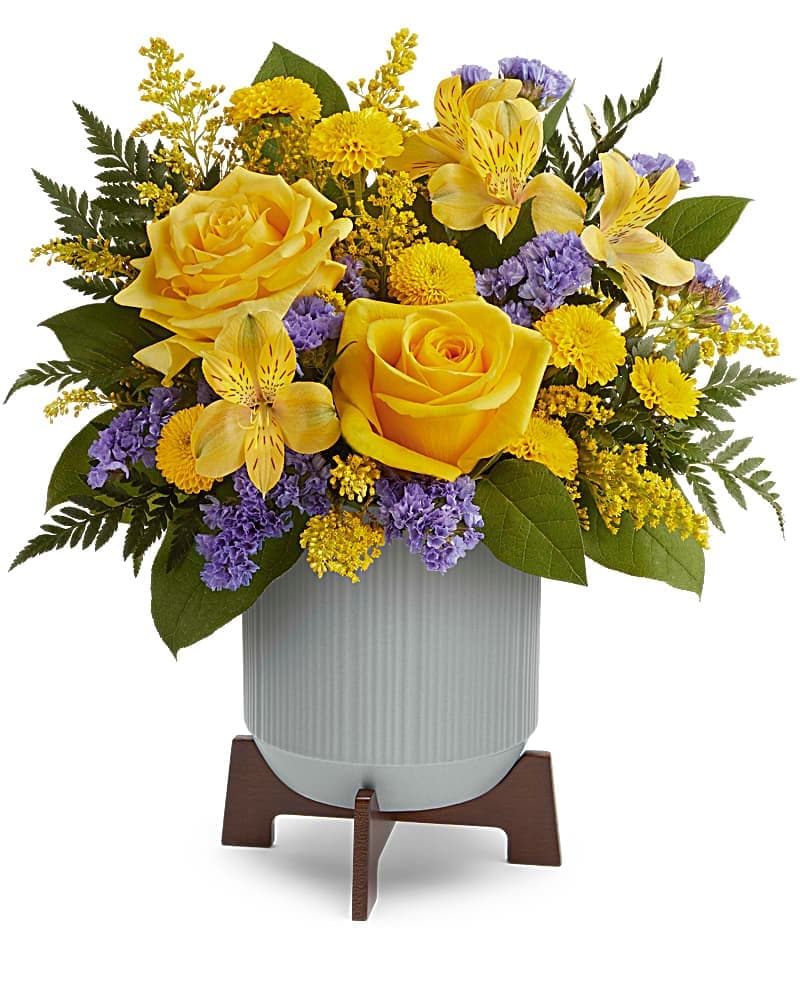
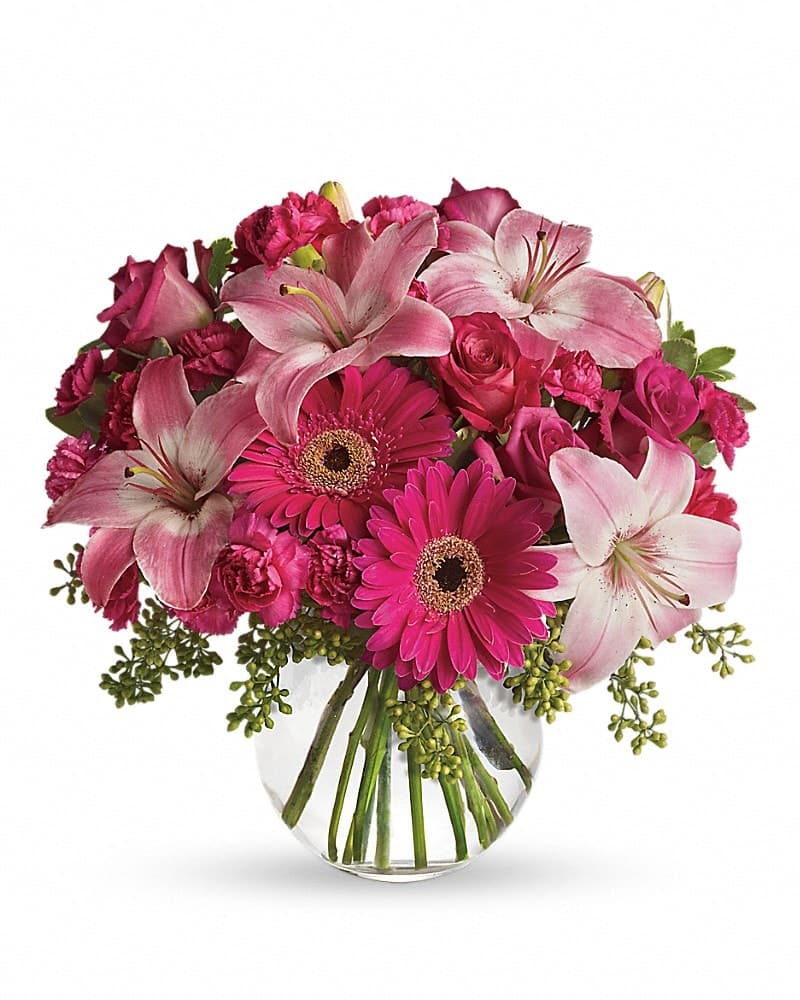
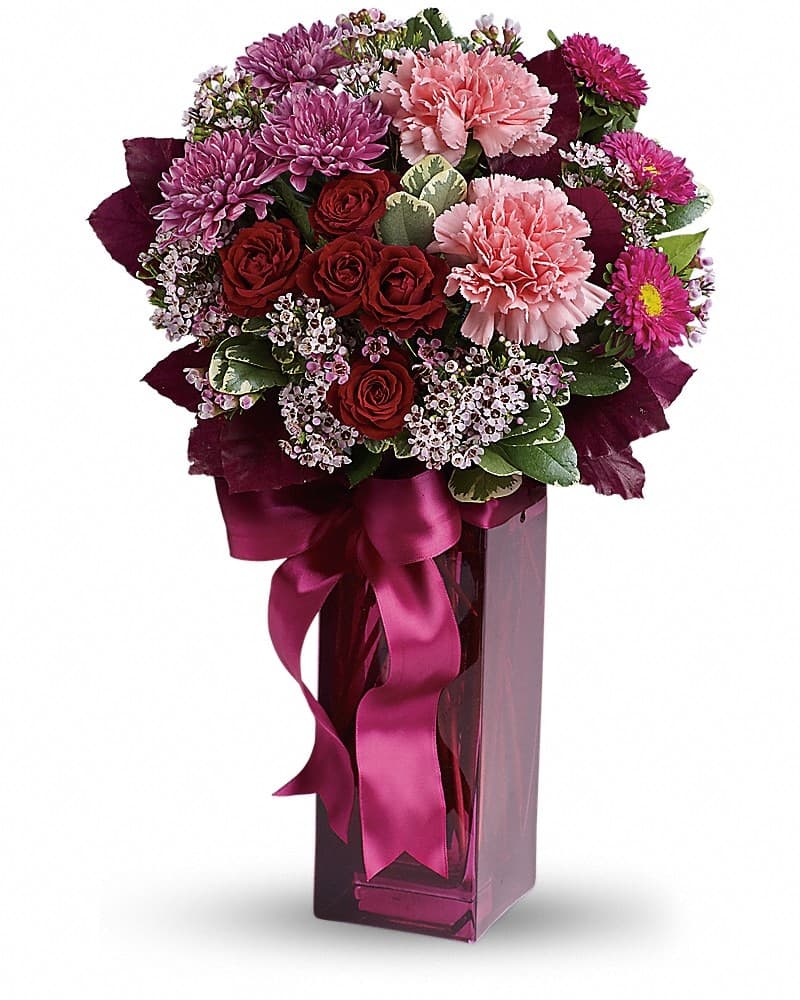
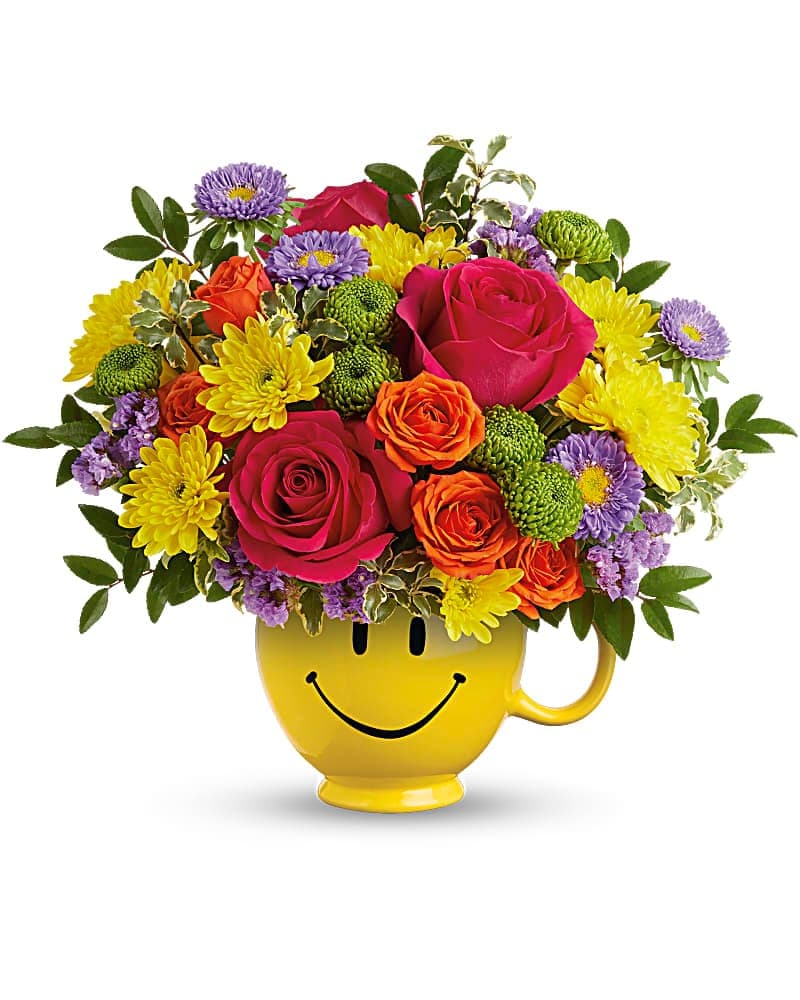
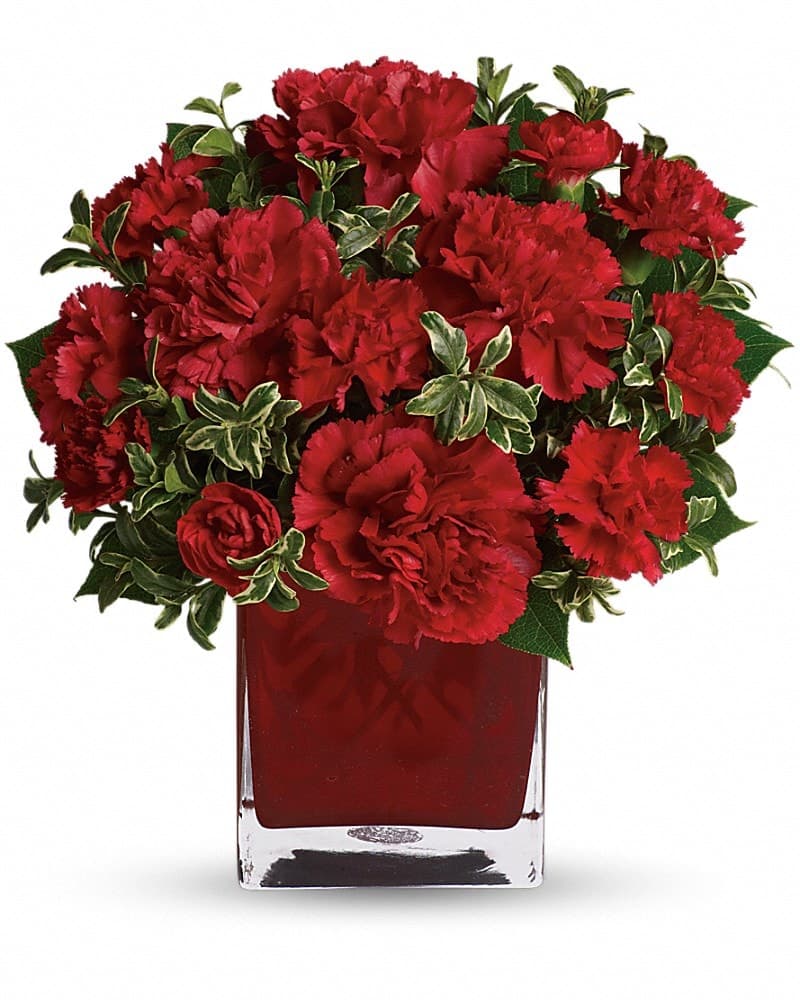
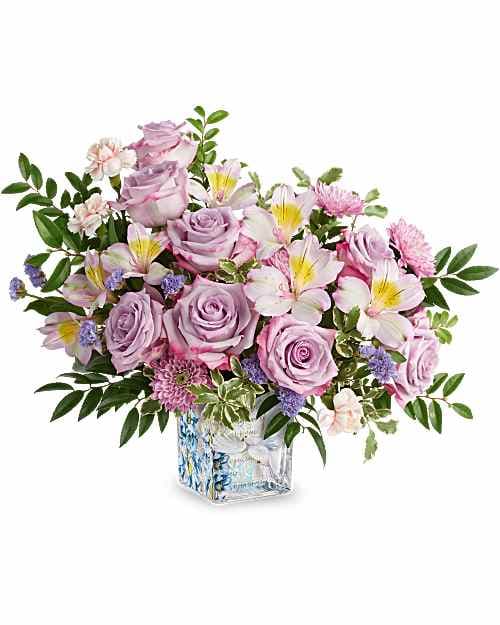
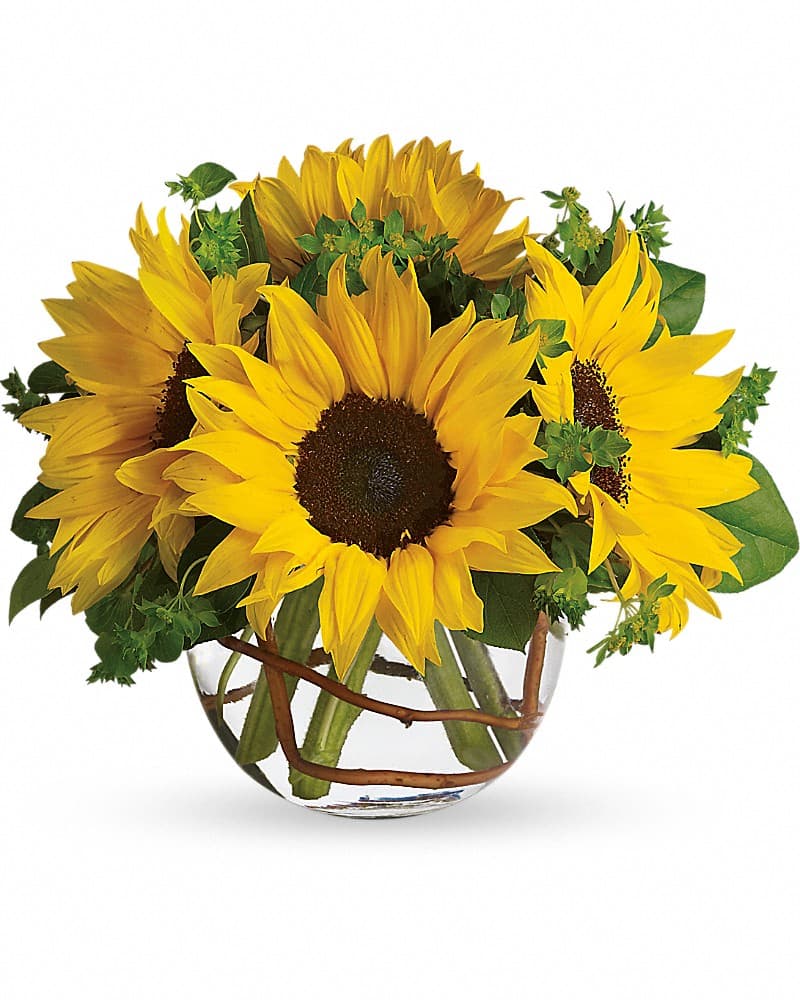
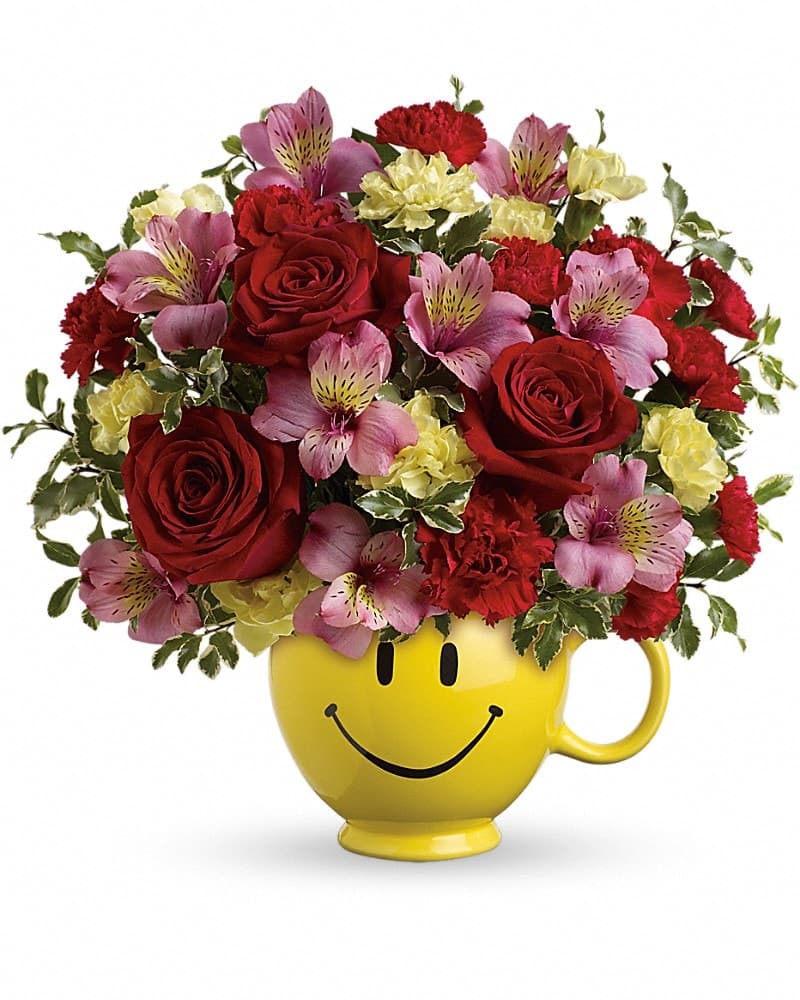
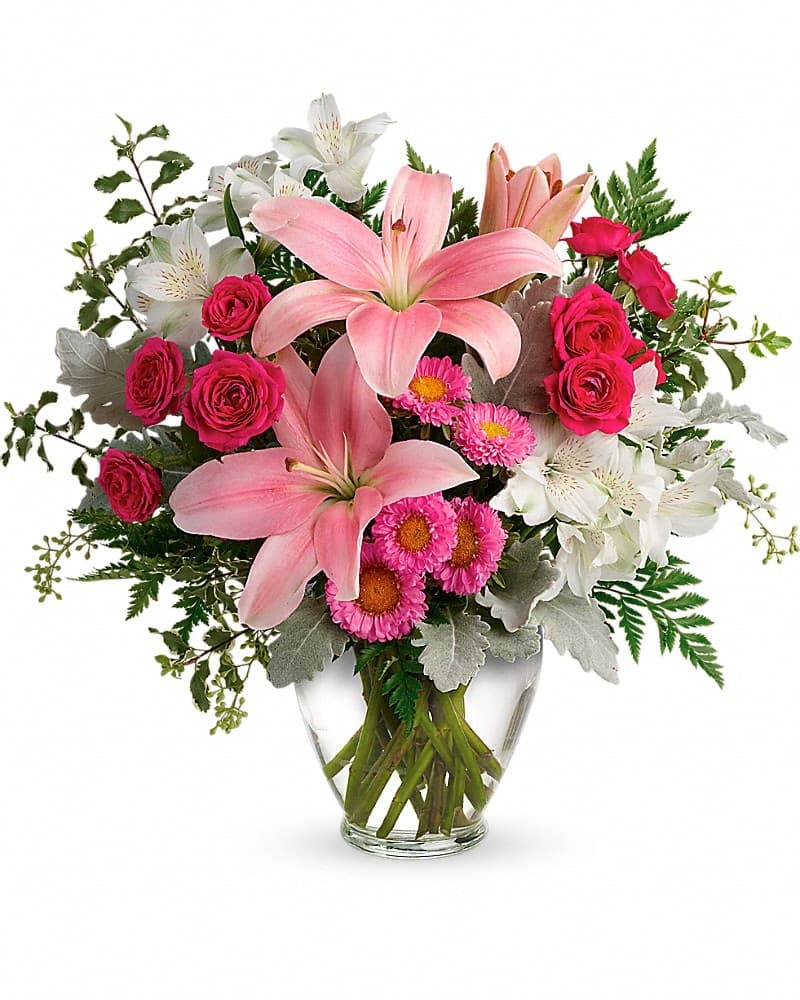
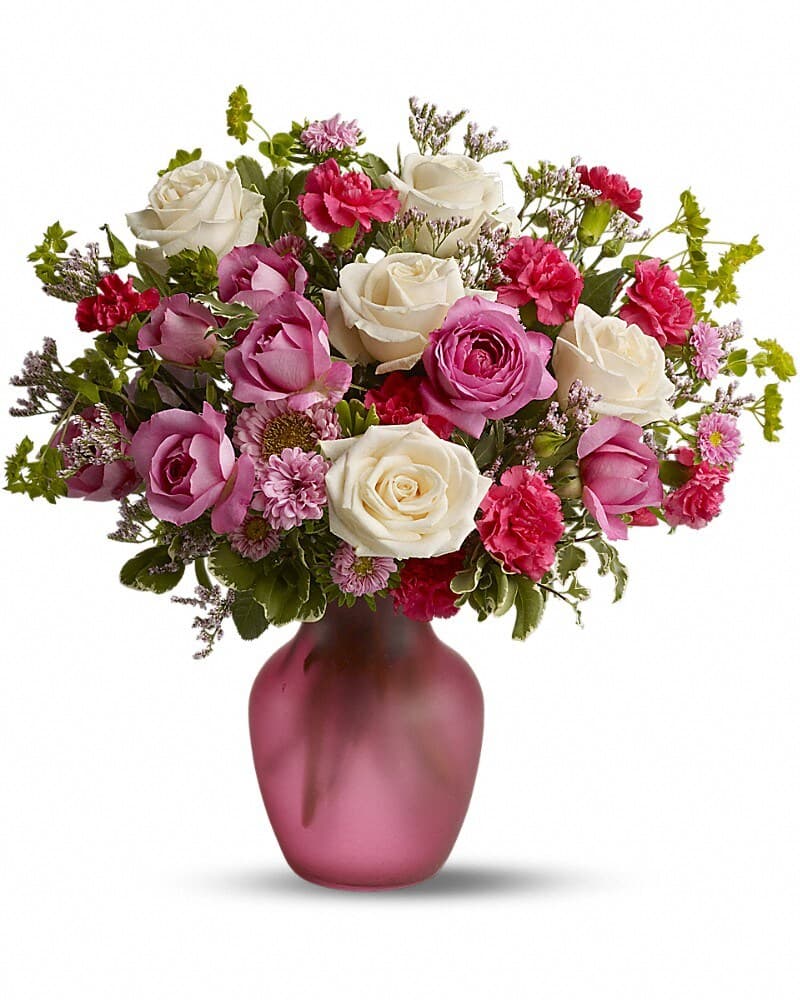
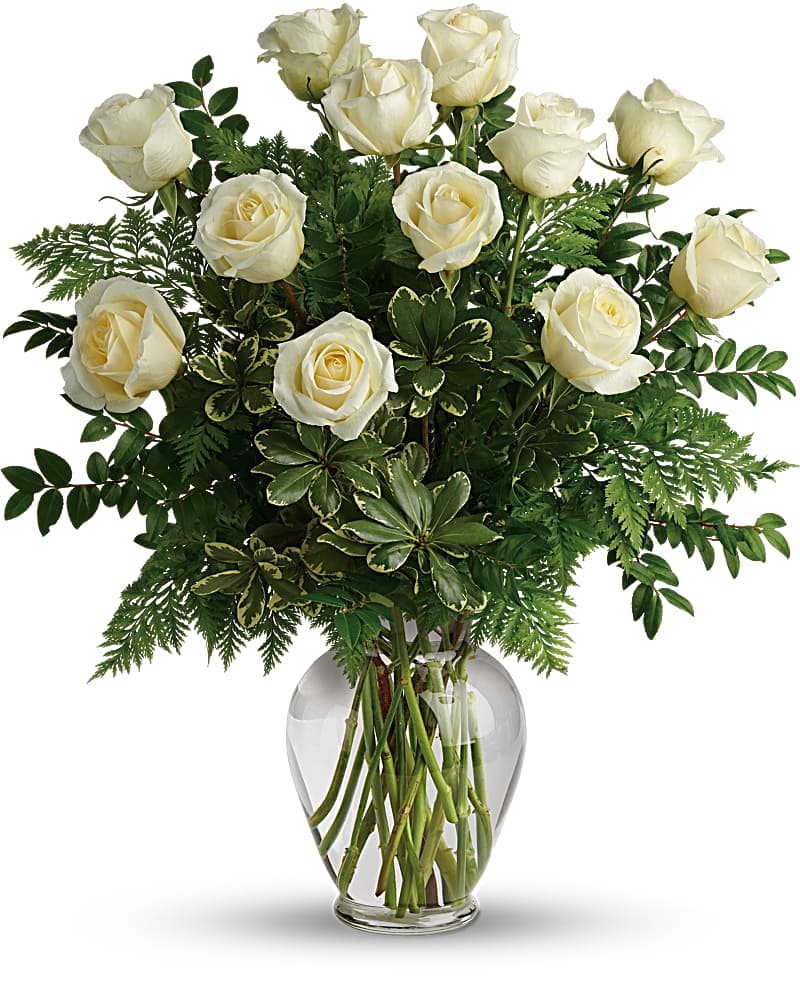
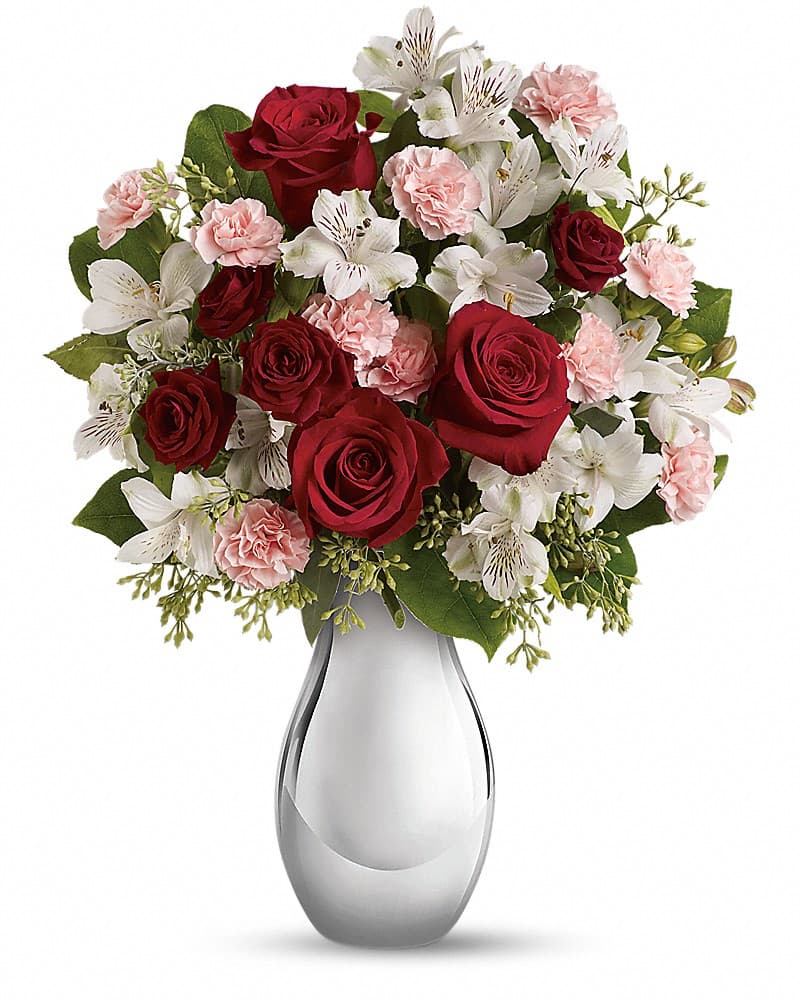
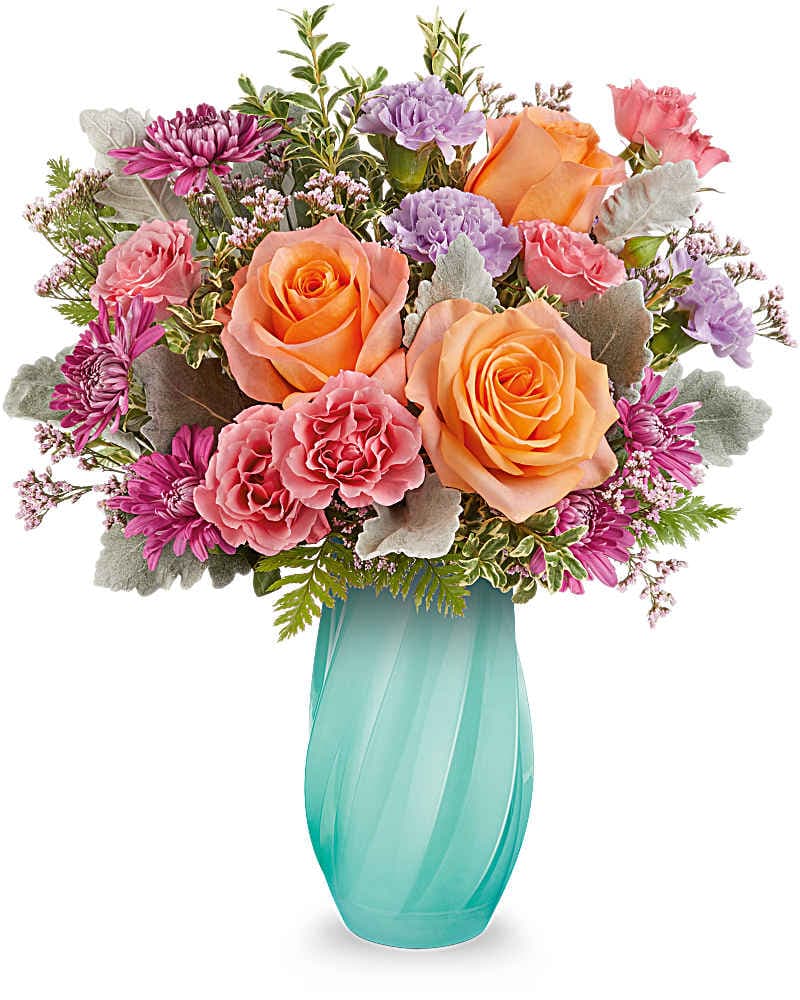
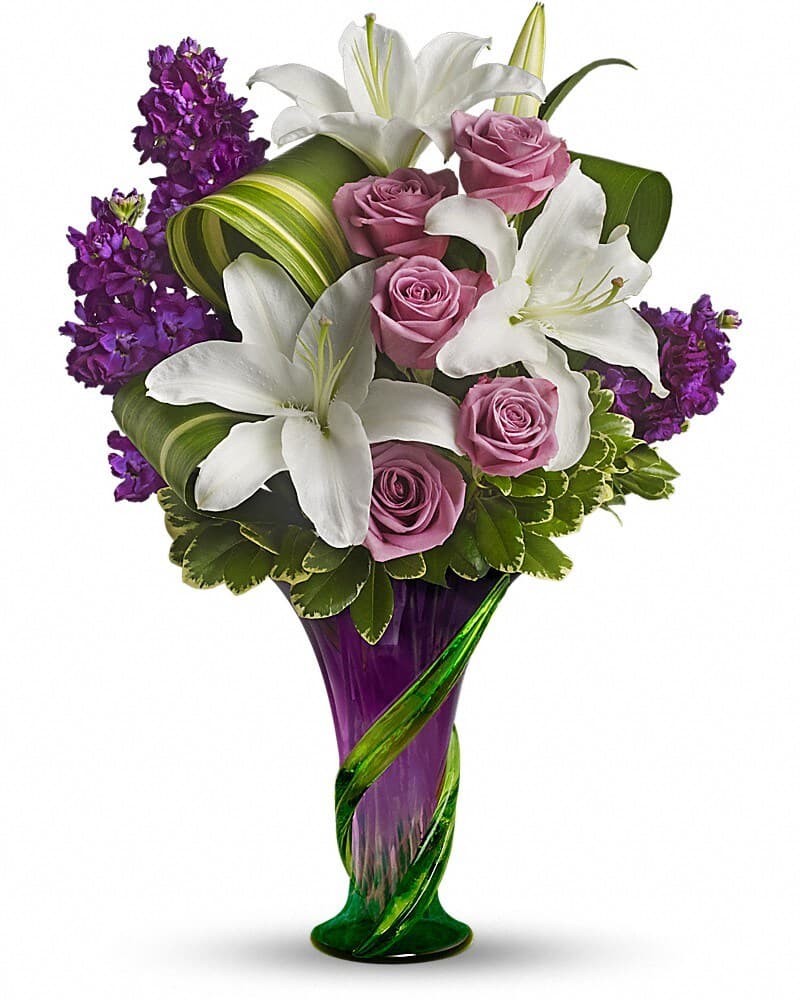
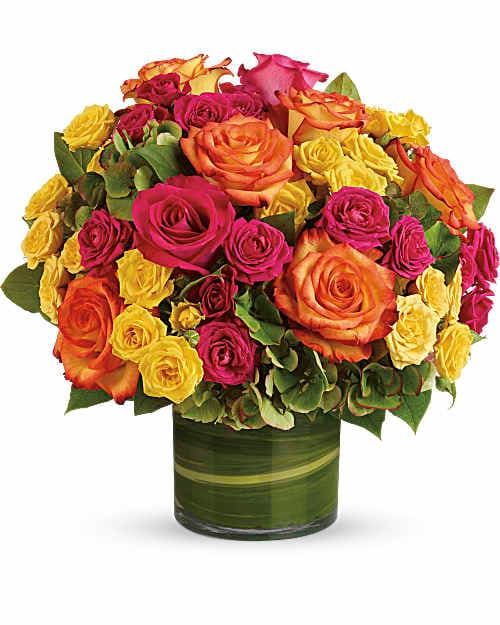
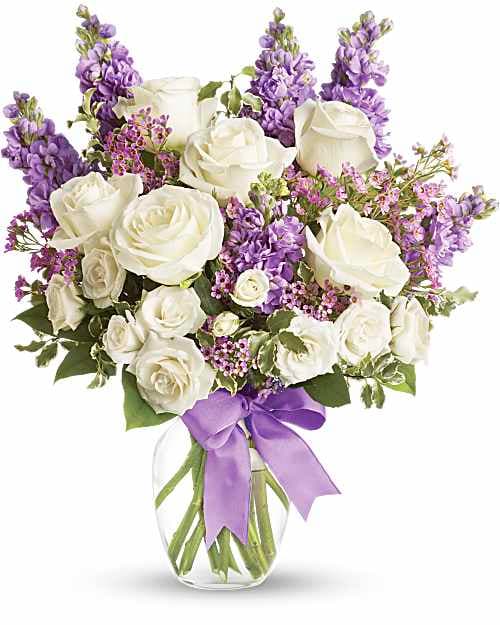
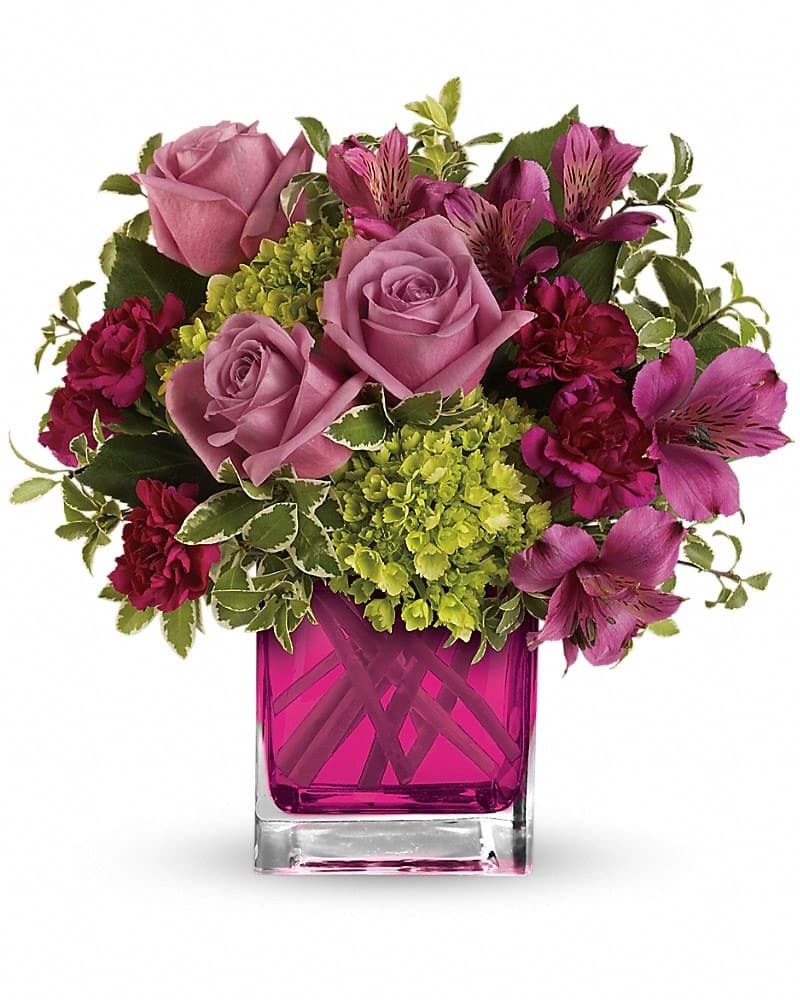
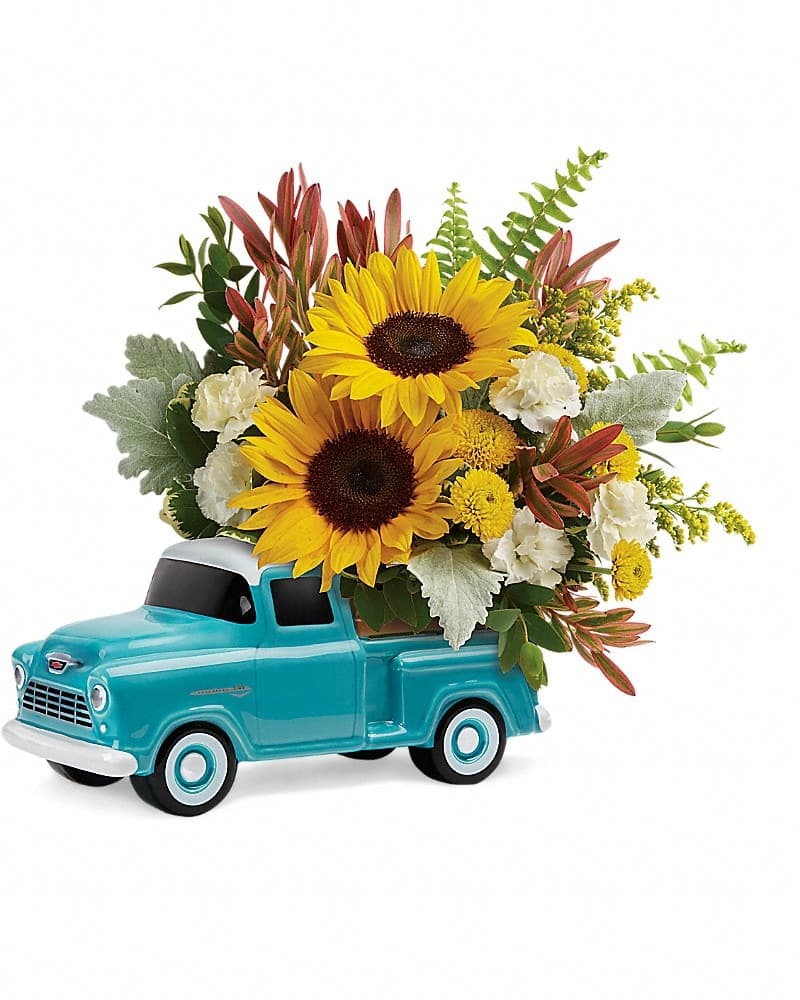
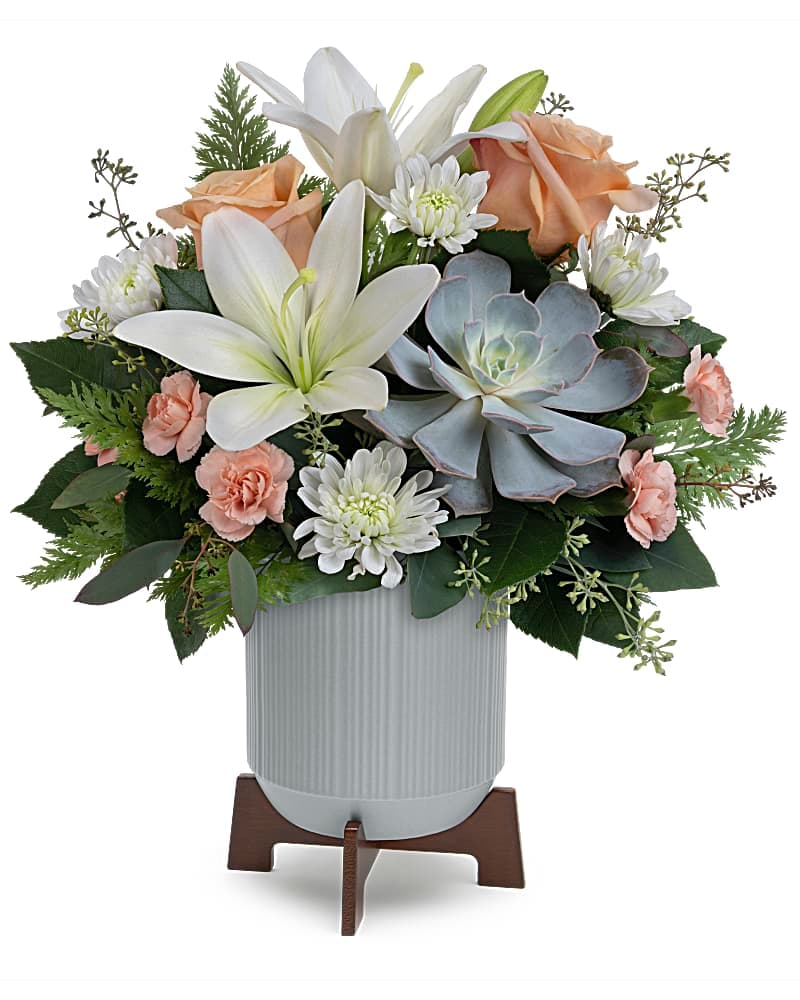
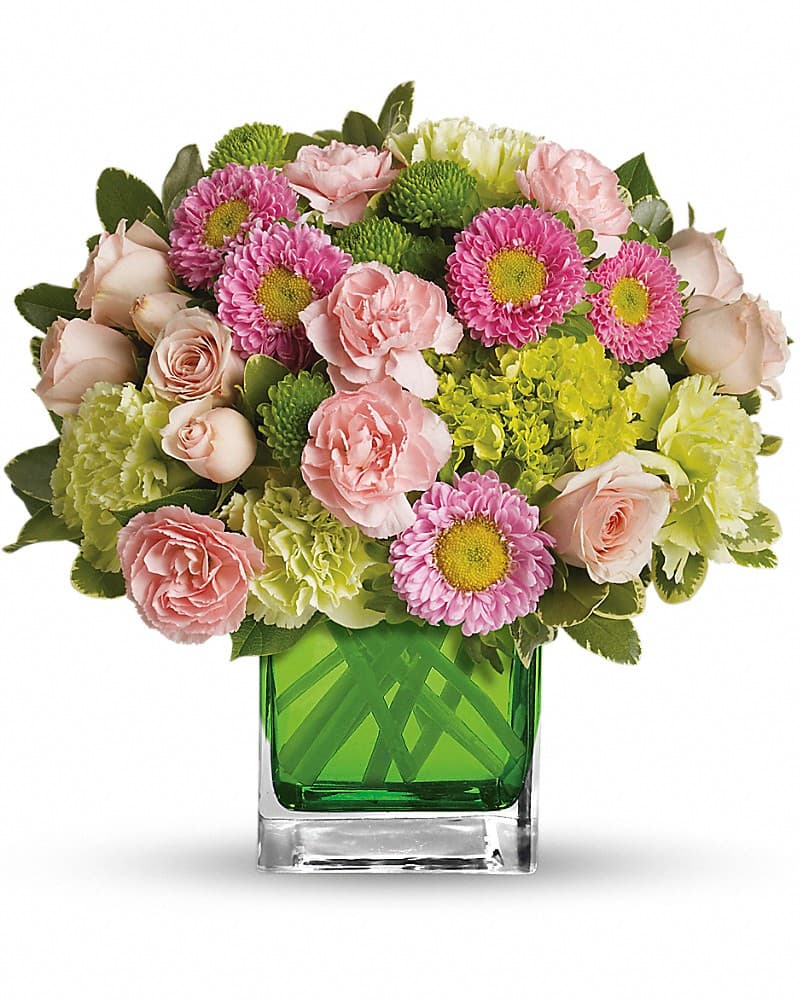
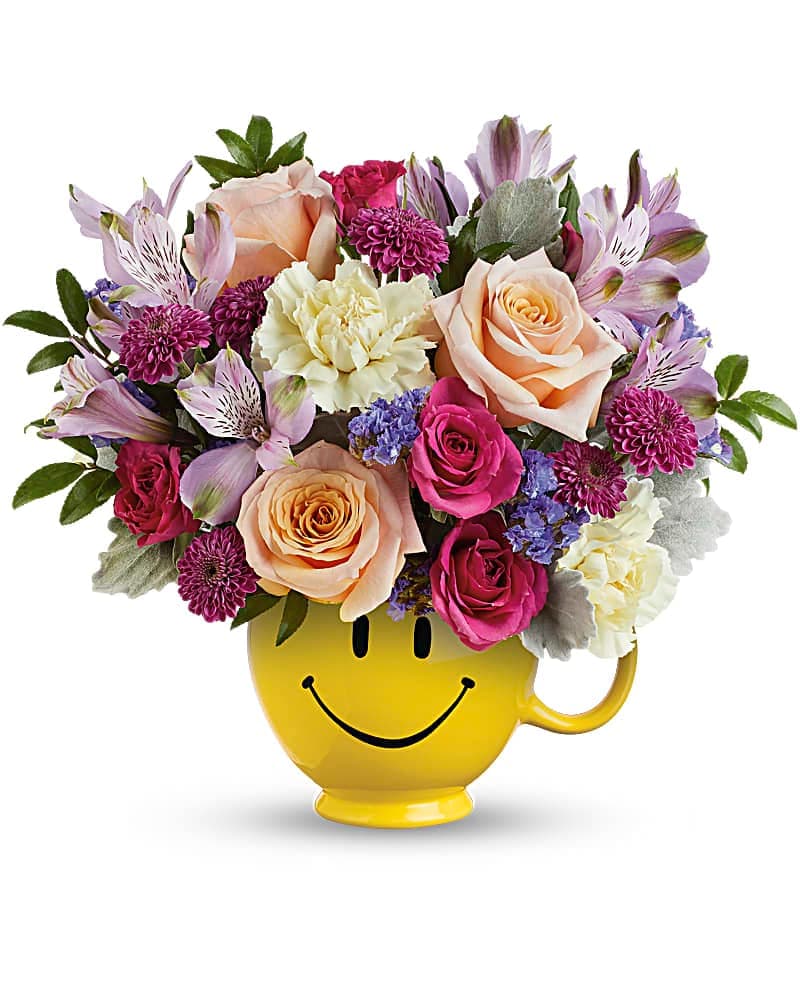
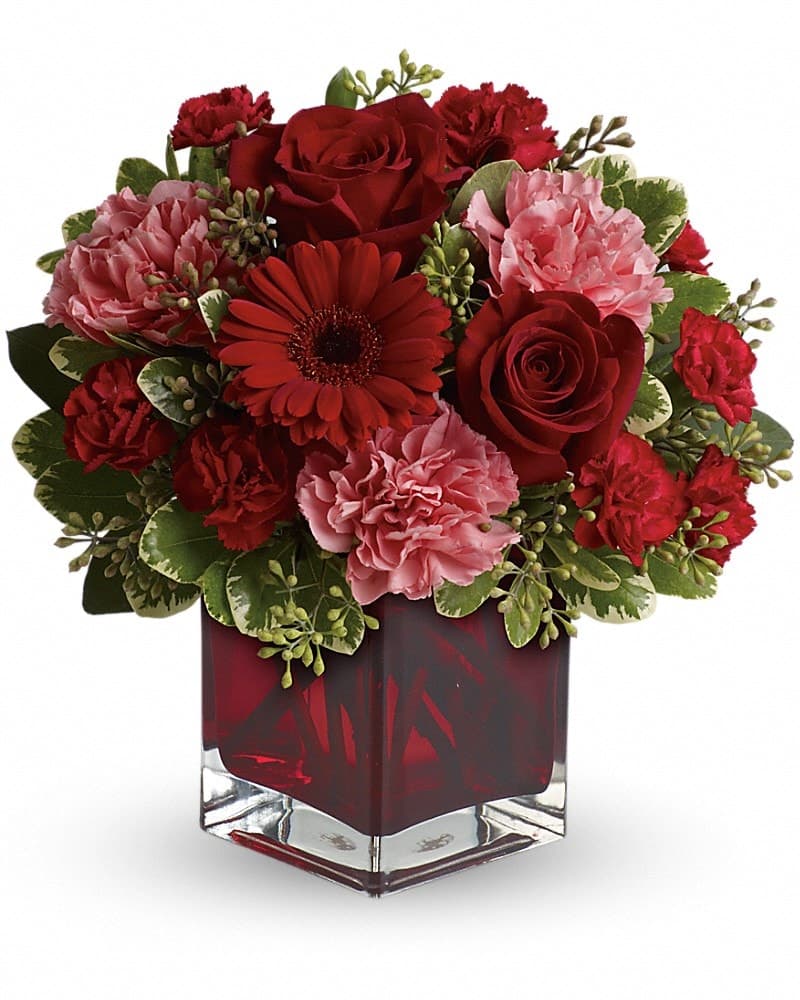
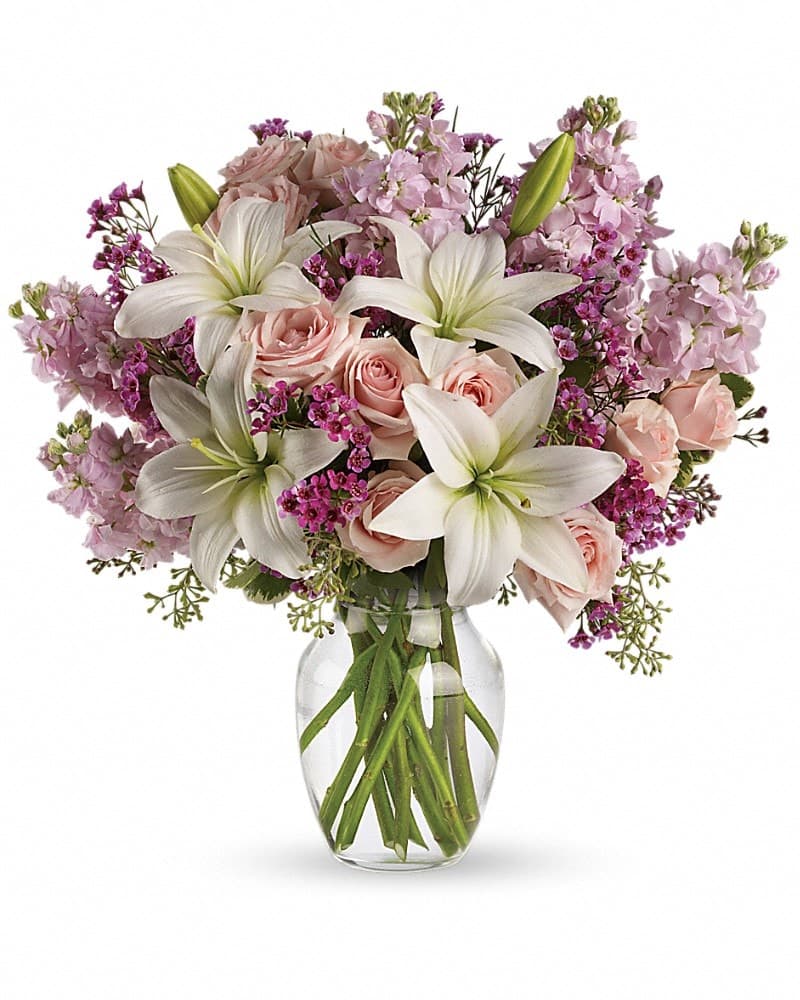
Romance in Madison has a temperature problem for four months of the year, and pretending otherwise is how flowers get ruined. A February bouquet cannot sit in a vestibule, cannot wait on a step, and cannot ride in the back of a car while someone finishes an errand: at single digits, exposed stems blacken within a quarter hour, and the isthmus is the windiest part of the city because there is open lake on both sides of it. Everything about a good winter romance order follows from that. Put a working mobile number on the order so the driver can hand it to a person. Choose an address where a human is standing — a workplace lobby, a residence hall desk, a staffed condo front desk — over a porch. And remember that the cold works in your favor once the vase is indoors: a bouquet delivered on a January Friday to a warm apartment on Gorham Street will still look right on Monday, which is not true in a July heat wave.
The romance map itself is compact and unusually walkable, which is why so many Madison couples meet here and stay. The Memorial Union Terrace on Lake Mendota, with the pier and the sunburst chairs, is the city's default romantic address from May through October. Olbrich Botanical Gardens and its Thai Pavilion off Atwood Avenue is where a lot of Madison proposals happen. The UW Arboretum off Seminole Highway, with the Longenecker collection in lilac season, is the quiet alternative. Add the Monona Terrace rooftop over the lake, the State Street walk from the Capitol down to campus with the Overture Center and the Madison Museum of Contemporary Art on it, the Wednesday Concerts on the Square in summer, Tenney Park's lagoon and the Yahara locks, and the long loop around Lake Monona. Push out on the 60-mile radius and the weekend-away options open up: Wollersheim Winery in Prairie du Sac, the Swiss village of New Glarus, Frank Lloyd Wright's Taliesin at Spring Green, Devil's Lake near Baraboo, the caves at Blue Mounds.
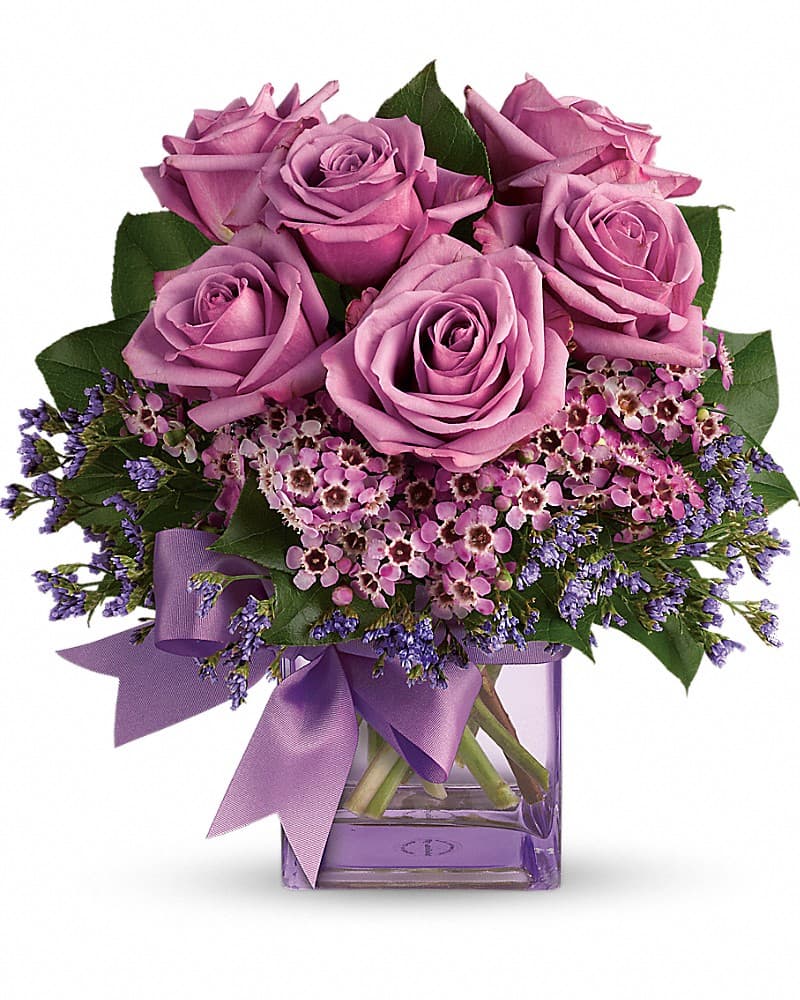
One last Madison-specific thing that changes what you should order: a large share of recipients here do not drive to work. This is a bike-and-bus city with commuter paths running the length of the isthmus and out along the old rail corridors, a campus where most students walk, and a downtown where parking is expensive enough that people leave the car at home. A tall vase delivered to a desk on State Street or a state office on Webster has to be carried onto a bus, wheeled along the Capital City path, or balanced on a bike — which is how thoughtful gifts turn into a logistics problem someone resents by the second block. If the recipient commutes without a car, either send to the home address or ask for a compact, low arrangement in a stable vessel that fits in a backpack-sized footprint. It is a smaller gesture that survives the trip intact.