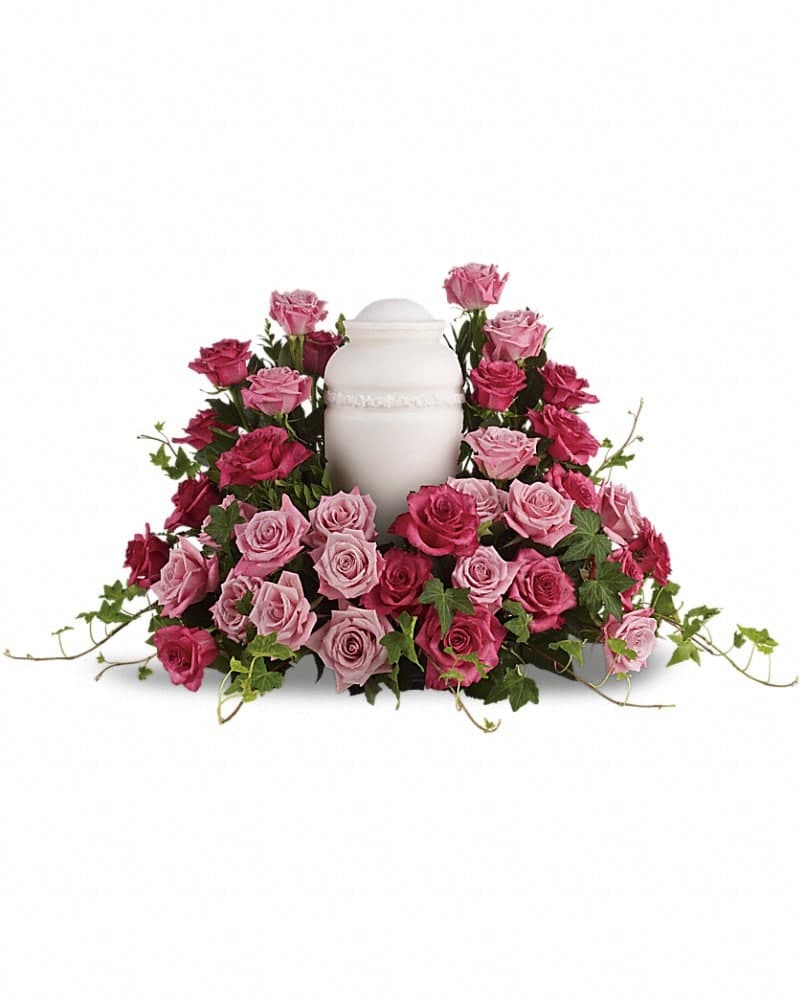
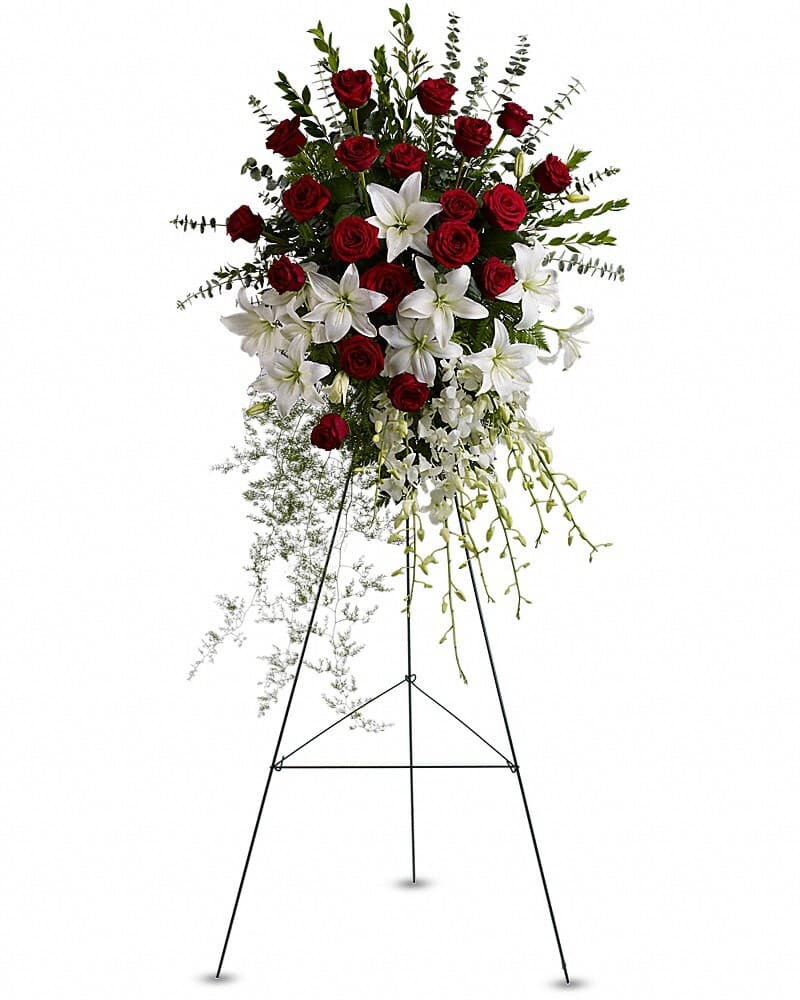
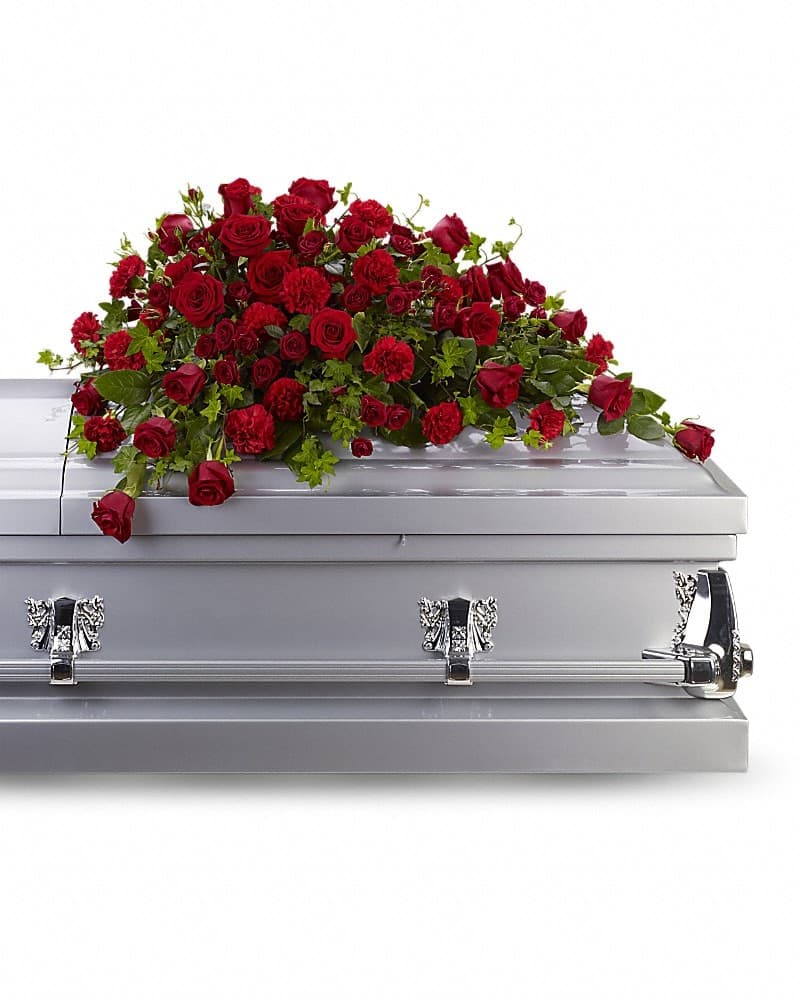
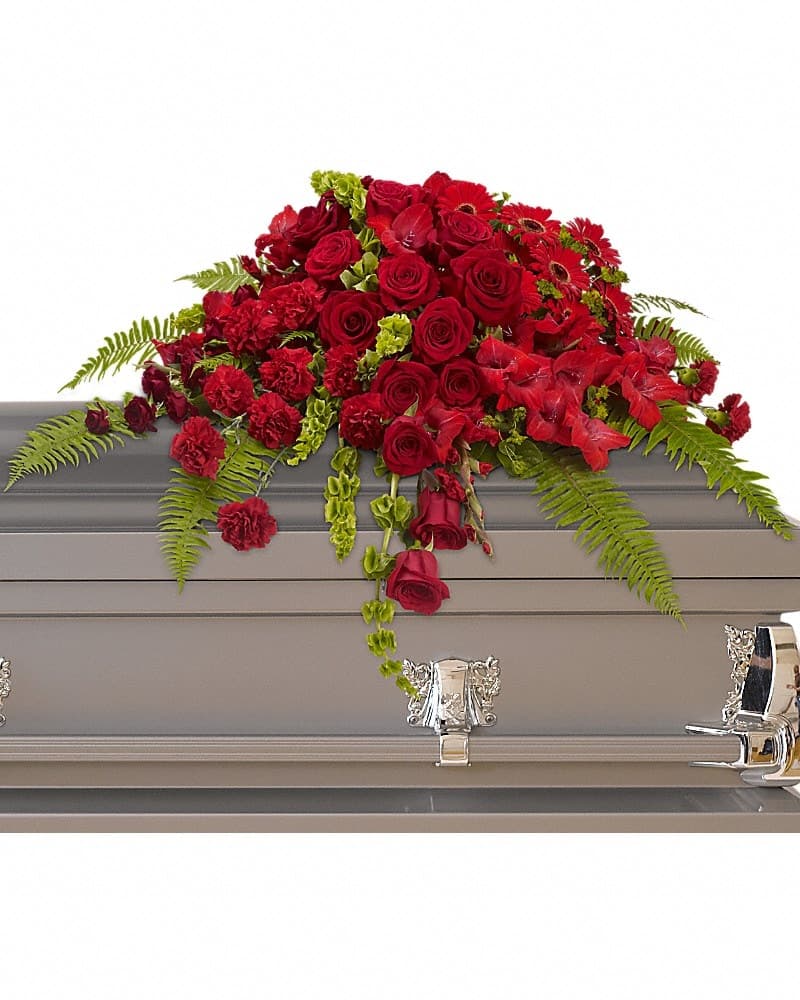
One downtown block explains a good deal about how Lafayette buries its dead. The Cathedral of St. John the Evangelist on St. John Street is the seat of the Diocese of Lafayette; the live oak beside it is older than the parish itself and is a charter member of the Live Oak Society; and St. John Cemetery occupies the same ground, so a funeral Mass and an interment can happen within a few hundred feet of each other. That compression is not the norm anymore — most Lafayette families now use a funeral home chapel on one side of town and a memorial park on the other — but it sets the rhythm. Acadiana keeps an older sequence than most American cities: the obituary runs in the Daily Advertiser and on the funeral home's own site, Catholic families gather for a rosary at the funeral home the evening before, visitation resumes the morning of the Mass, and the procession forms afterward to carry everyone out to the burial ground. Which means an arrangement has two or three plausible addresses and exactly one hour it has to beat — and that hour is the opening of visitation, not the start of the Mass.
There are not many chapels in this city, most have been run by the same families for generations, and each has its own room shape and its own door for deliveries. Delhomme Funeral Home on Bertrand Drive handles a large share of the west and central city. Martin & Castille runs two chapels — the downtown location on St. Landry Street and the Southside chapel on East Farrel Road — which matters when somebody hands you a family name and no address, because the two sit fifteen minutes apart and nobody is going to drive a tribute across Lafayette at nine in the morning to fix the mistake. Fountain Memorial Funeral Home holds service and burial on the same grounds at Fountain Memorial Gardens, so a chapel arrangement and a graveside piece can be timed to one visit. Walters Funeral Home on North University Avenue serves the north side and the Carencro corridor. Syrie Funeral Home on Surrey Street serves much of Lafayette's Black community, where the service is longer, the printed program carries the scripture and the names the family chose, and the flowers are part of what the room is saying. Out in the parishes: Melancon Funeral Home across St. Martin Parish and Breaux Bridge, Pellerin Funeral Home in New Iberia, and David Funeral Home on the Iberia side.
Churches fill in around the chapels, and in this diocese most services are Catholic. Besides the Cathedral, the recurring addresses are Our Lady of Fatima on Johnston Street, St. Pius X off East Bayou Parkway, St. Genevieve, St. Mary, Mother of the Church, and Our Lady of Wisdom at the university, which handles student and faculty funerals. Outside the city: Sacred Heart of Jesus in Broussard, St. Peter in Carencro, St. Bernard in Breaux Bridge, St. Martin de Tours in St. Martinville — a parish founded in 1765 and one of the oldest in Louisiana, with its historic churchyard directly behind it — St. Landry and Holy Ghost in Opelousas, the latter one of the largest historically African American Catholic parishes in the country, and the Academy of the Sacred Heart grounds at Grand Coteau. Protestant services run through Asbury United Methodist, First Baptist Lafayette, The Bayou Church on Kaliste Saloom, Our Savior's Church and the Baptist congregations along Moss Street and the north side. Do not send anything into a sanctuary without asking first: nearly every church on that list has a standing rule about what may be placed near the altar during a funeral, and an unannounced arrangement gets carried out to a vestibule table.
Burial here happens in three different kinds of place, and each changes the delivery. The memorial parks — Lafayette Memorial Park Cemetery, Fountain Memorial Gardens, Calvary Cemetery — run on a schedule and have staff who will accept and place an arrangement timed to the committal. St. John Cemetery downtown is the historic Catholic ground, tighter and older, with narrow lanes rather than drive-up rows. And then there are the country churchyards, which is where a great many Acadiana families are still buried: behind the parish church in Scott, Carencro, Milton, Cankton, Grand Coteau, Cecilia or Duson, often with no tent, no staff on site and no one to hand a piece to. For those, the arrangement travels with the family or arrives at the funeral home and rides in the procession, and that has to be arranged rather than assumed. Two Acadiana driving realities also affect rural timing: grinding season from October into the winter puts loaded sugarcane trucks on LA 92, LA 182 and the two-lane stretches through Vermilion and Iberia parishes, and while the 60-mile radius technically reaches toward Baton Rouge, the Atchafalaya Basin bridge on I-10 makes an East Baton Rouge address a next-day run, not a same-day one.