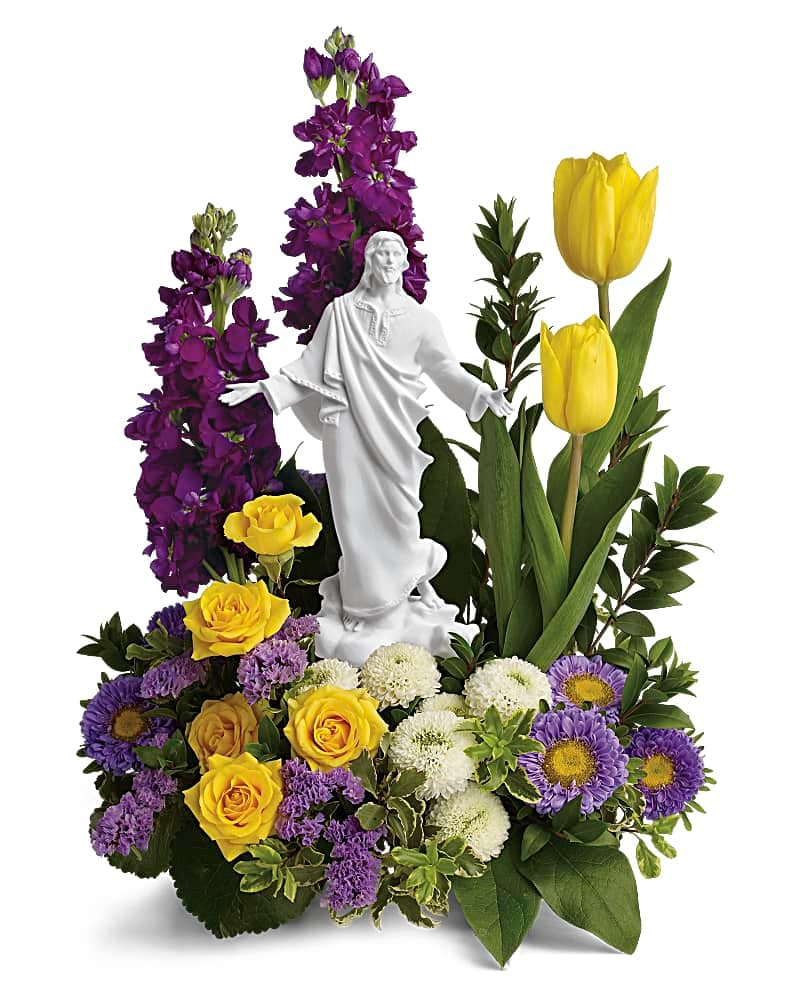
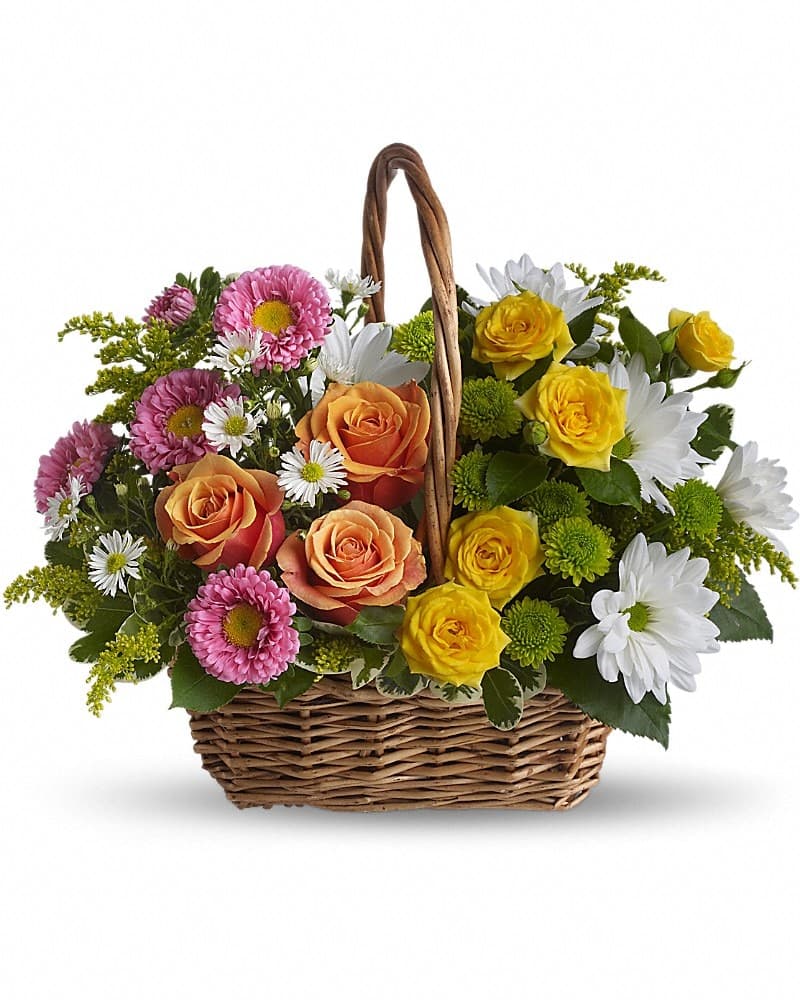
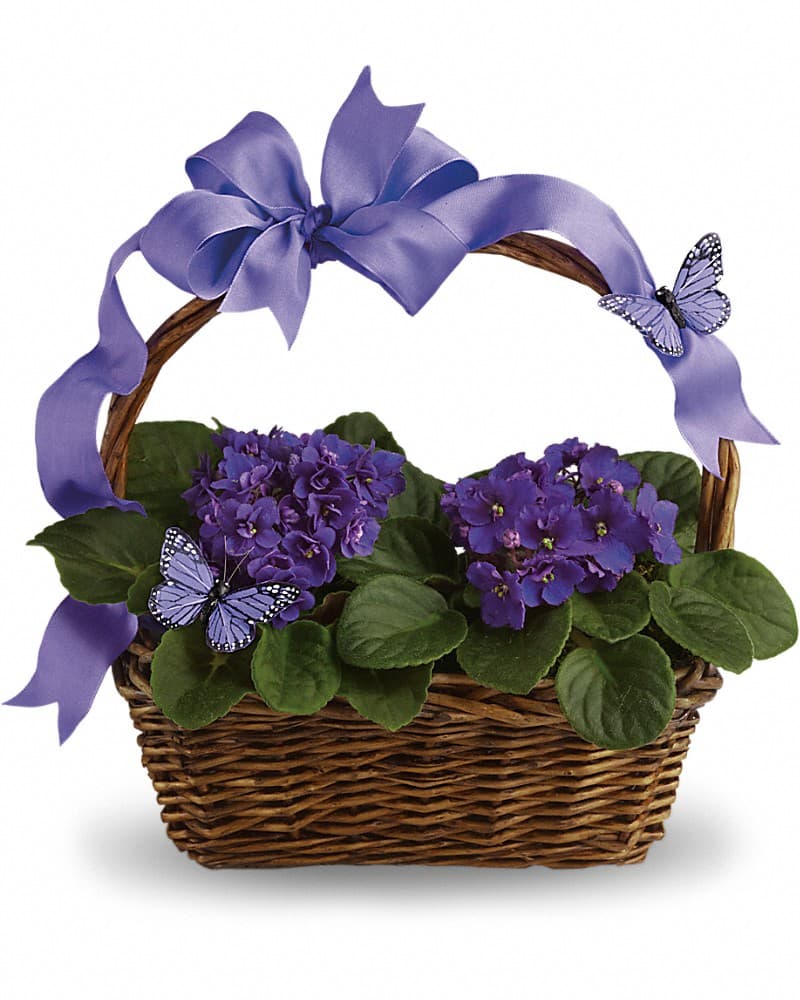
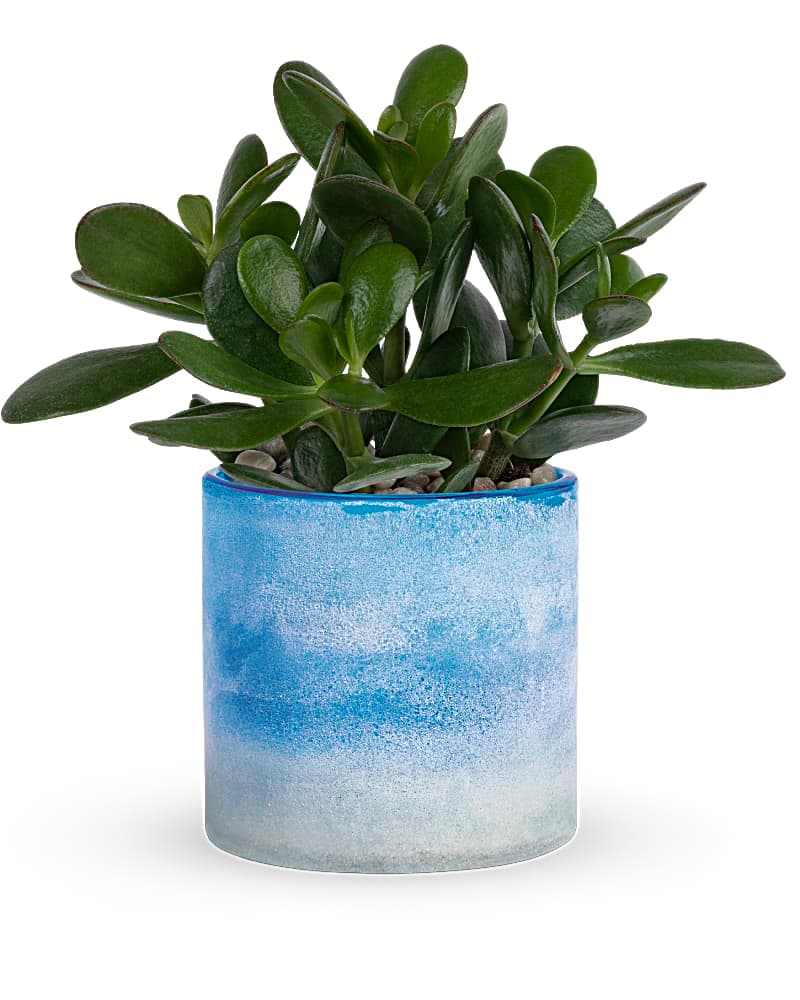
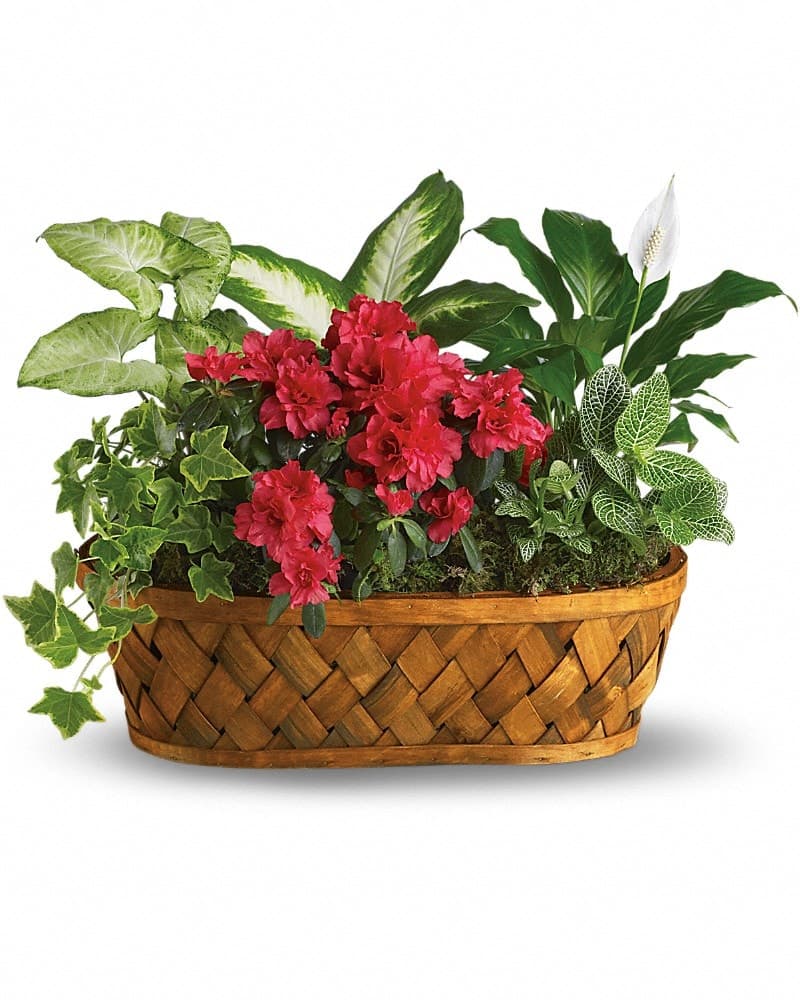
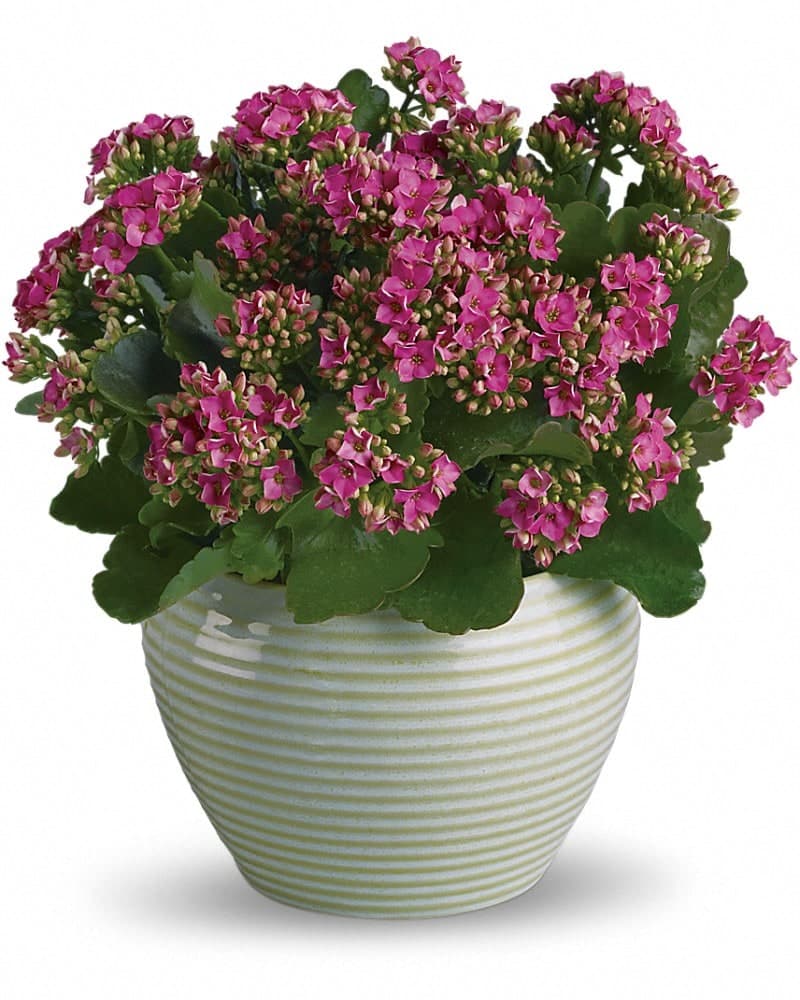
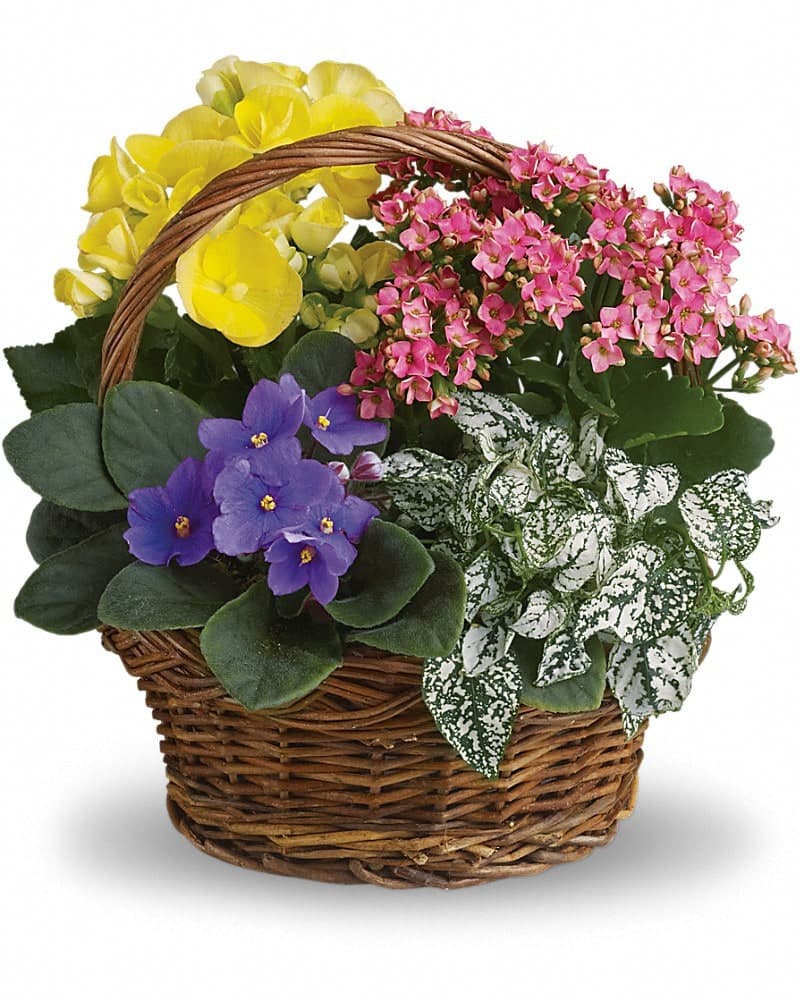
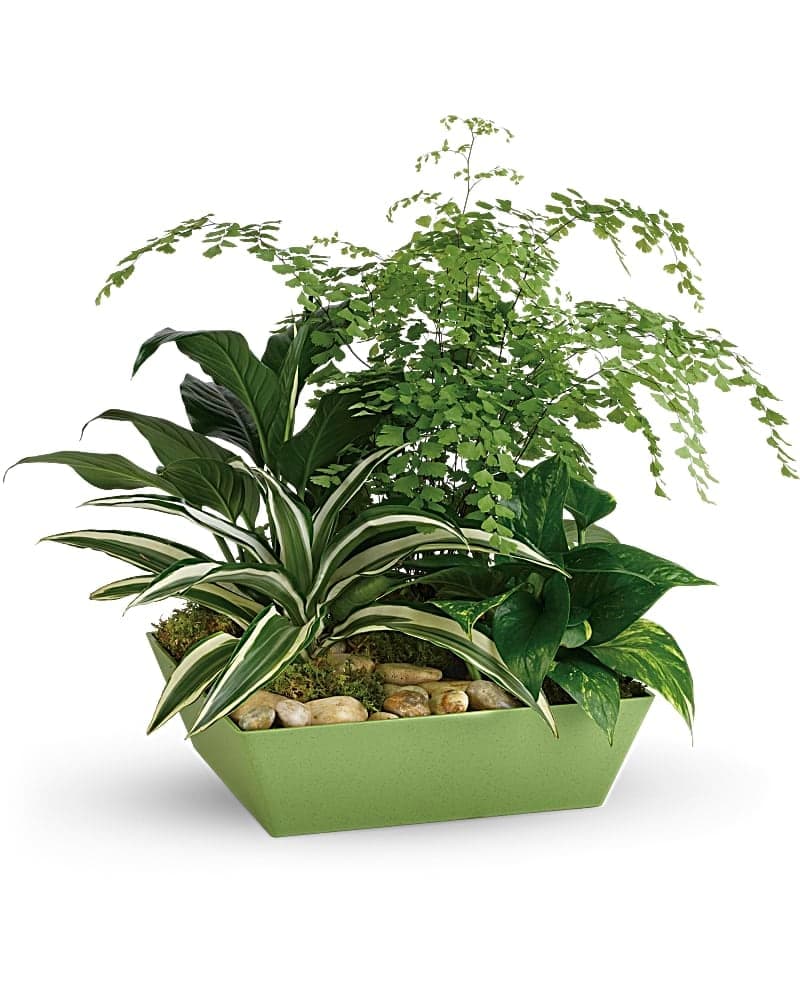
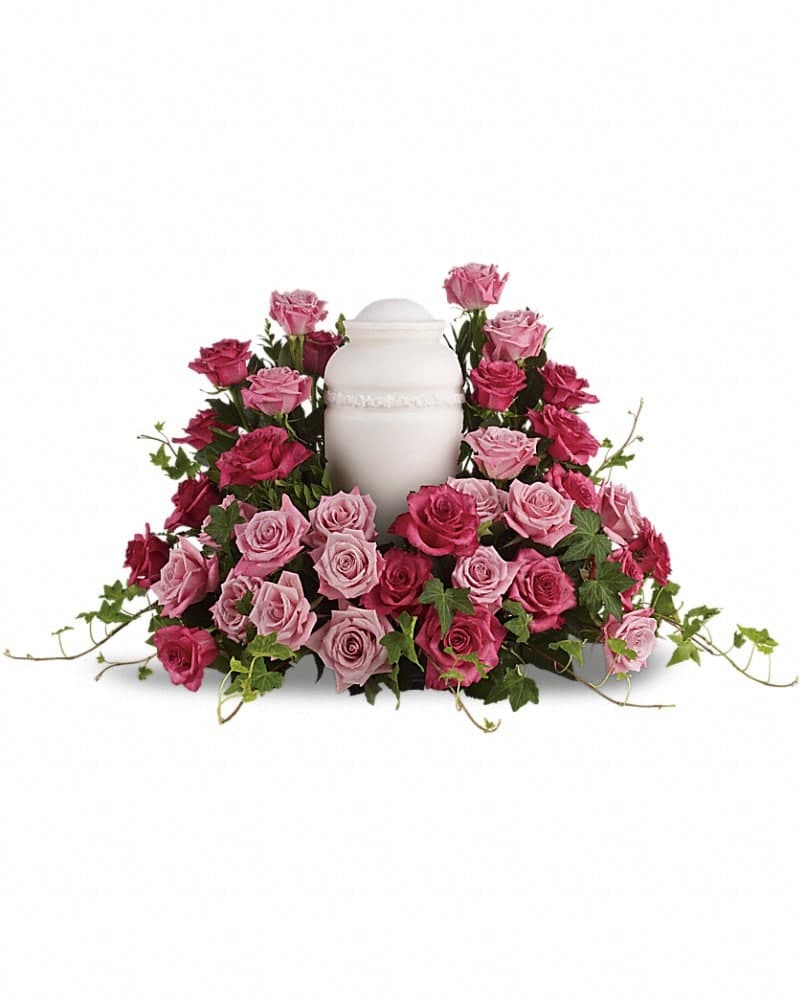
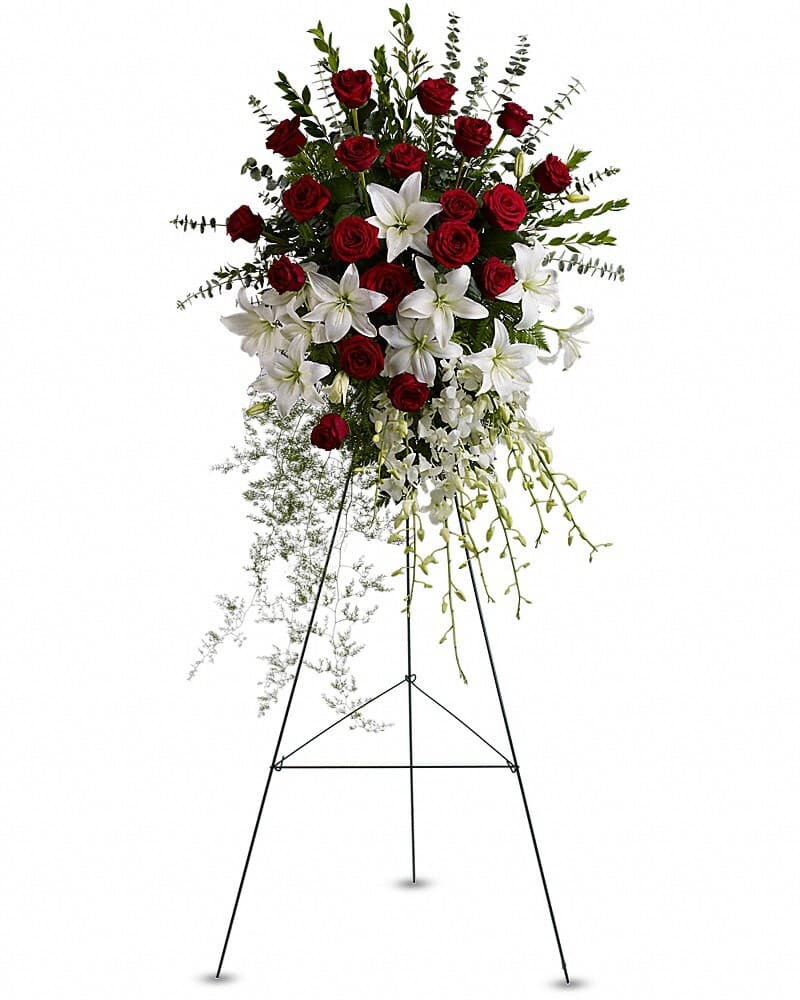
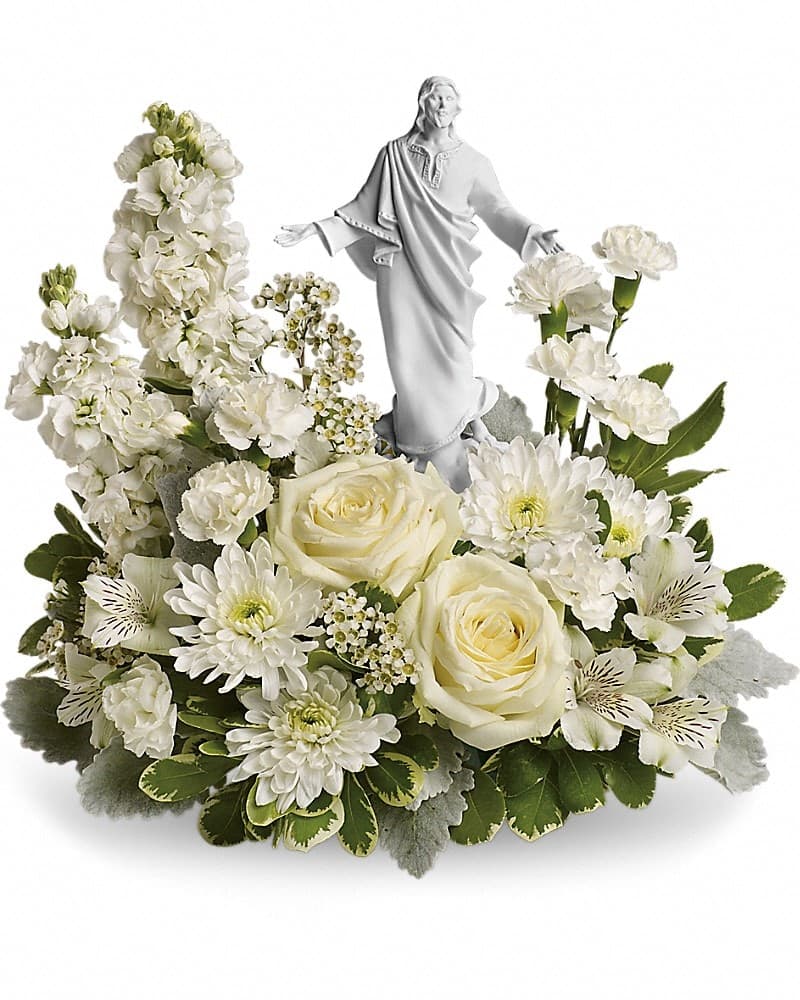
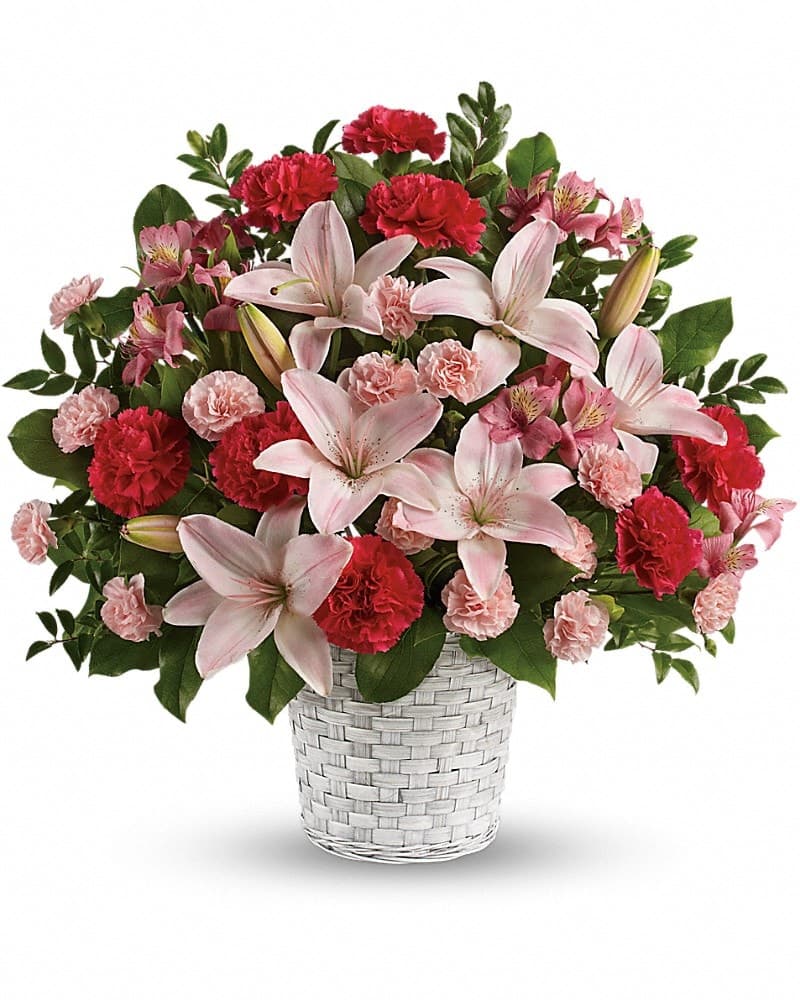
The rhythm of a Cabell County funeral is two days long, and the flowers are wanted on the first of them, not the second. Visitation runs the evening before — commonly a two-hour window, six to eight, sometimes with a shorter family hour ahead of it — and that is the room where the arrangements are looked at, photographed, and read. By the morning service the pieces are already placed. The chapels that run this schedule are the ones Huntington families have used for generations: Klingel-Carpenter Mortuary, Chapman's Mortuary, Beard Mortuary, Henson and Kitchen Mortuary and Reger Funeral Home inside the city, and Wallace Funeral Home and Chapel out in Barboursville, which draws the Route 60 corridor and the Ona and Milton families. A meaningful share of services in this market never touch a church building at all — the chapel room at the funeral home does the whole job, and a graveside-only service is common, particularly for older mourners and for families spread across three states. When a church is used, it is generally one of the long-established downtown and neighbourhood congregations: Johnson Memorial United Methodist and First Presbyterian on Fifth Avenue, Trinity Episcopal downtown, St. Joseph Catholic a few blocks over, Our Lady of Fatima out Norway Avenue, Fifth Avenue Baptist. If the family belongs to B'nai Sholom Congregation, the city's Jewish congregation, expect the notice to ask for a donation rather than flowers, and send food or a plant to the house instead of an arrangement to the service.
Spring Hill Cemetery is the fact that changes the design. It is not a flat lawn cemetery; it climbs the hillside above the city in terraces, with narrow drives, sections that face out over the valley, and wind that comes up the slope in a way it never does on Fourth Avenue. An arrangement built tall and light for an indoor chapel room will lie down flat within twenty minutes of being set at a graveside up there, so a piece intended for the hill wants low weight, a heavy base, and stems bound tight rather than loose. The other burial reality in this radius is the family cemetery. Across Wayne, Lincoln and Boone counties — up the creek roads off Route 152, off Route 10, off the two-lane branches that leave US 52 — a great many families still bury on ground the family has held for a century, at the end of a mile of gravel with no address a GPS will confirm. We do not try to meet a procession at a place like that. The arrangement goes to the funeral home the day before and travels with the family, which is also how it stays upright. For services across the river, the same rule holds and adds a bridge: Lawrence County, Ohio and Boyd County, Kentucky mourners come back over the Robert C. Byrd at Sixth Street, the East Huntington span at 31st, or the crossings downriver, and a timed graveside delivery on the far bank needs a morning order rather than an afternoon one.
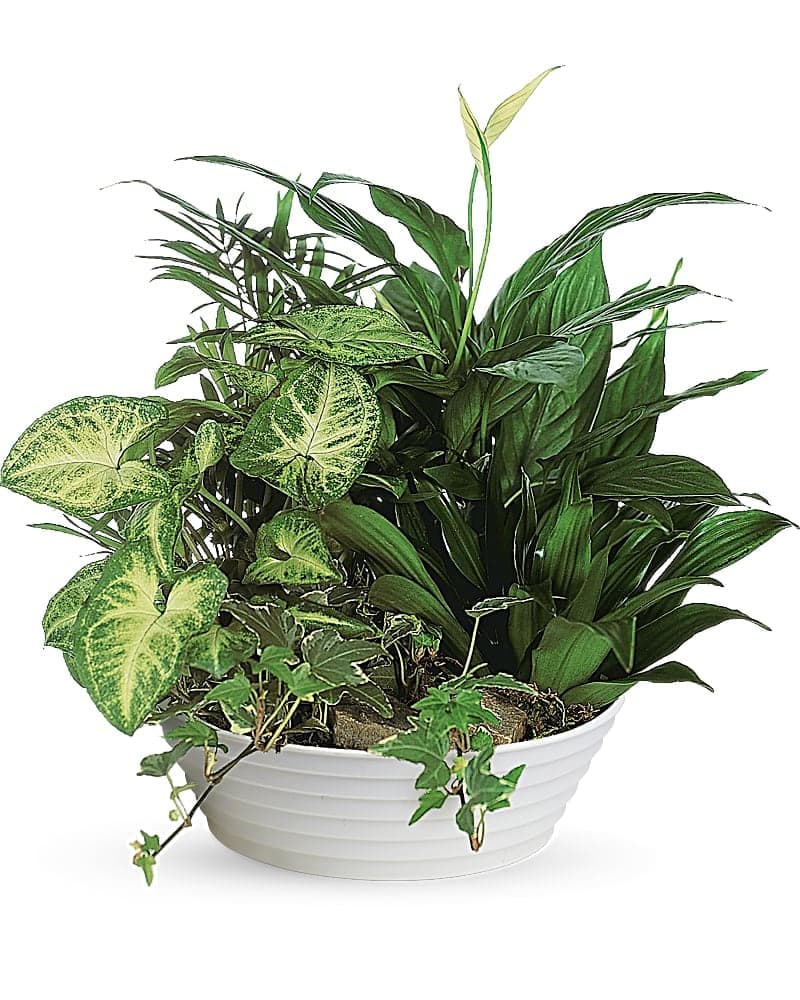
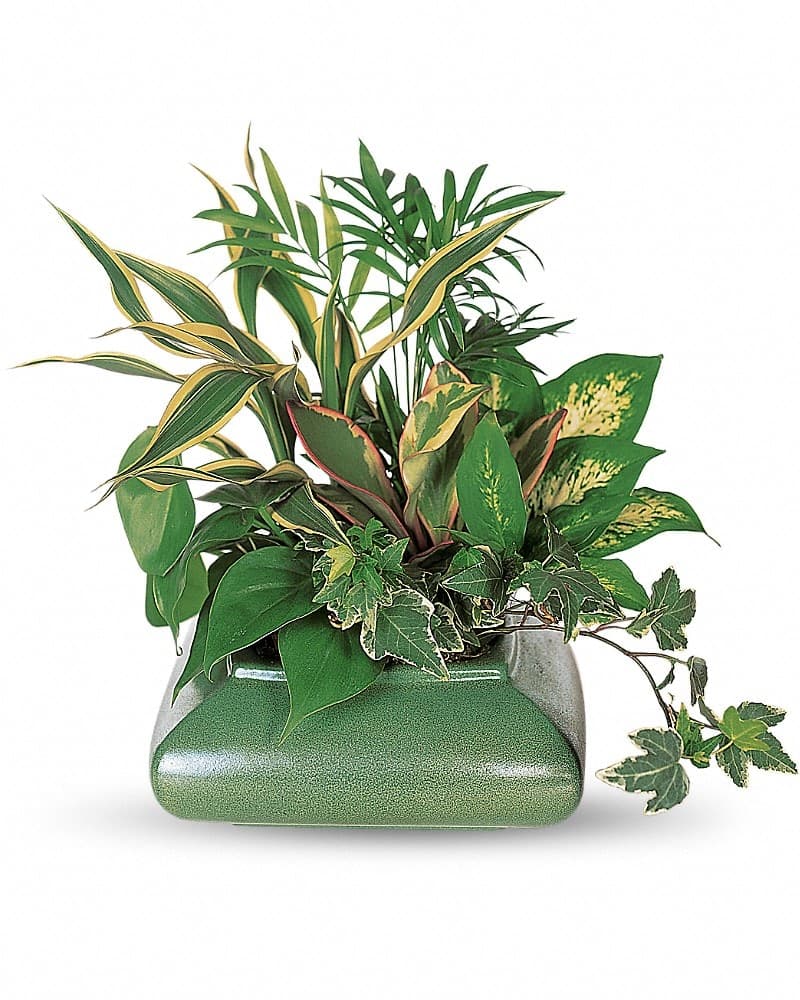
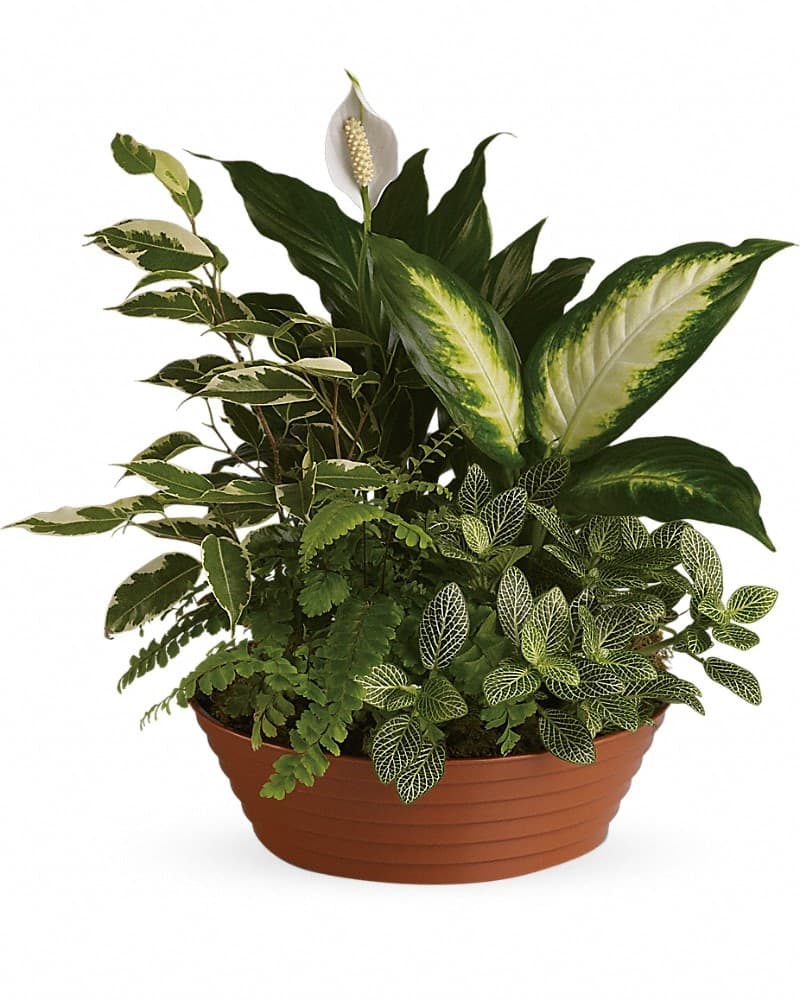
The single most useful thing on this page has nothing to do with the service. Huntington has been an exporting city for two generations — the young leave for Columbus, Cincinnati, Charlotte, Raleigh, Northern Virginia, and they come back for funerals — and that means the house fills for three days and then empties completely. Casseroles arrive on day one. Everyone who is going to say something says it at the visitation. By the following Tuesday the out-of-town children have flown home, the church women have stopped coming, and the widow is alone in a kitchen with a refrigerator full of food she cannot eat. An arrangement delivered to the house eight or ten days after the burial is the one that gets remembered, and it costs no more than the one at the chapel. If you can only send one thing, send it late and send it to the house. The address you want is the residential one — the Southside blocks around Ritter Park, the west-end streets toward Camden Park, Altizer, Guyandotte, a Barboursville subdivision, a hollow in Wayne County — and the card should name the person who died, out loud, rather than working around the fact. People here say the name.