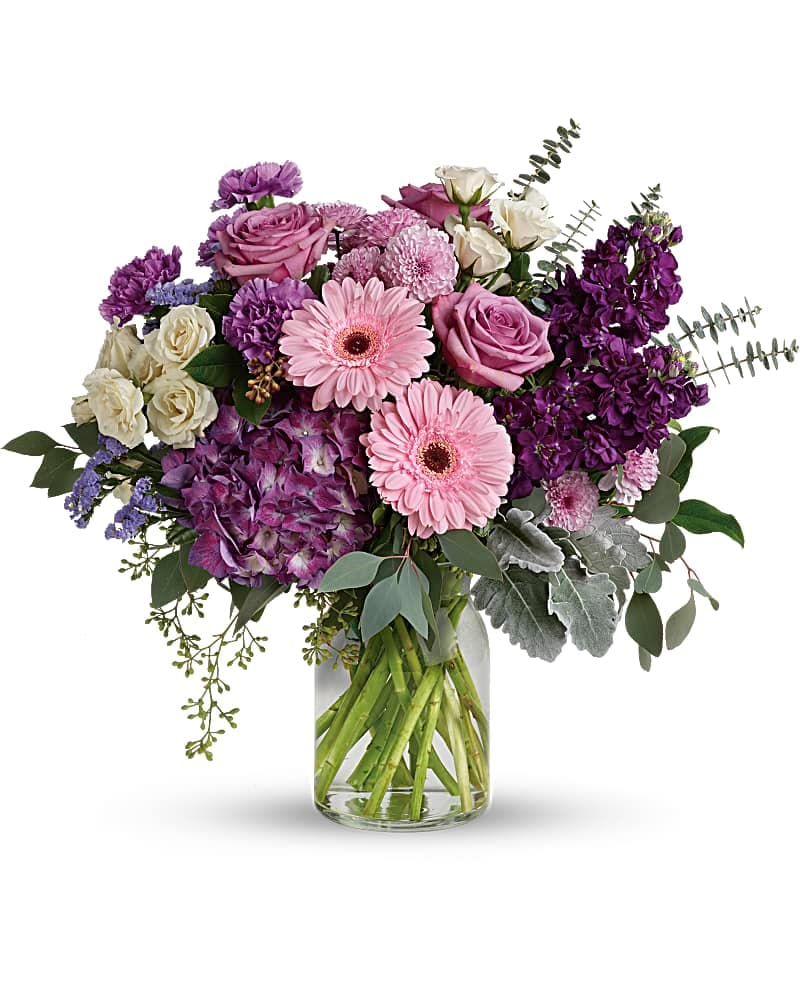
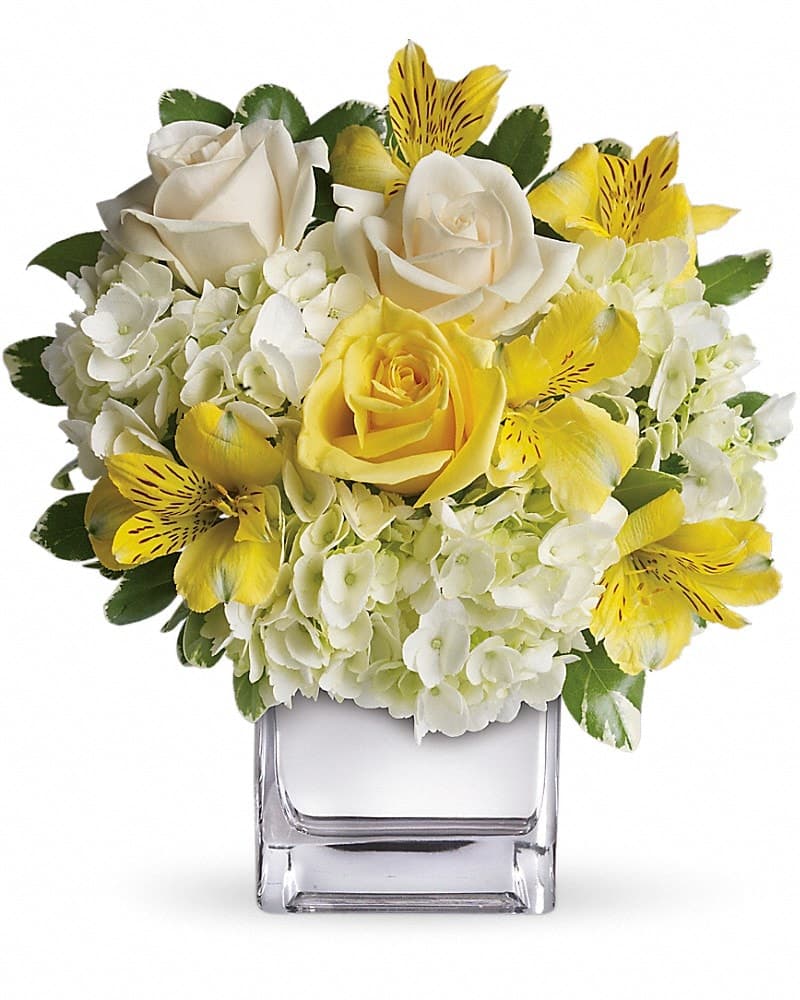
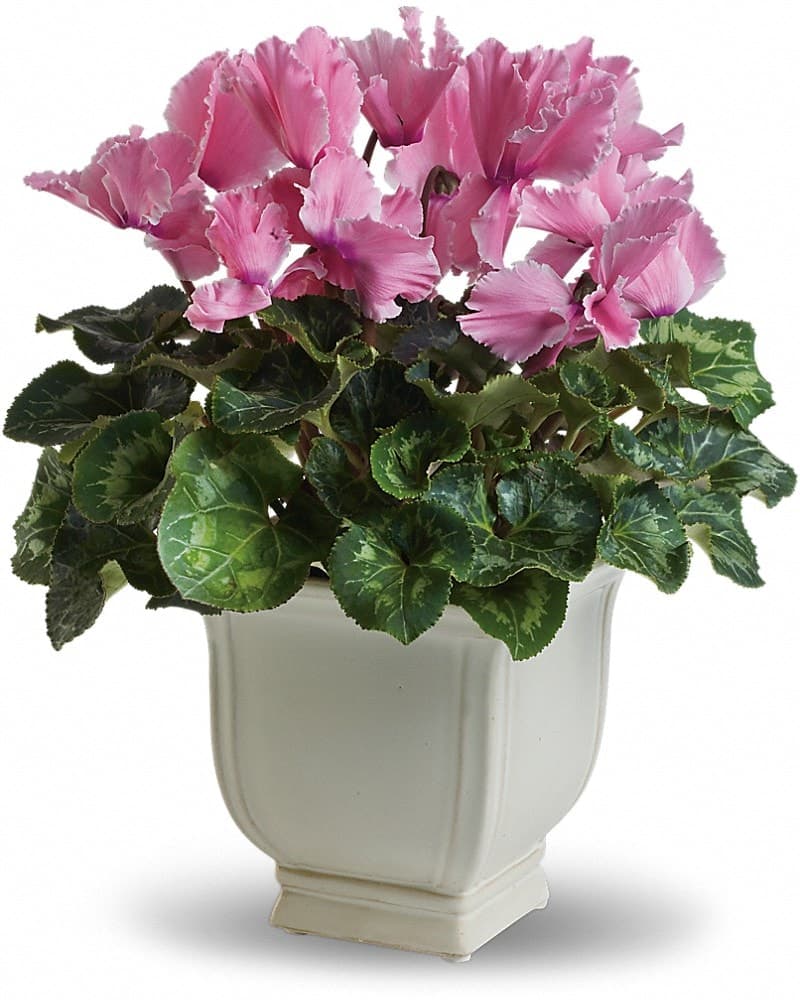
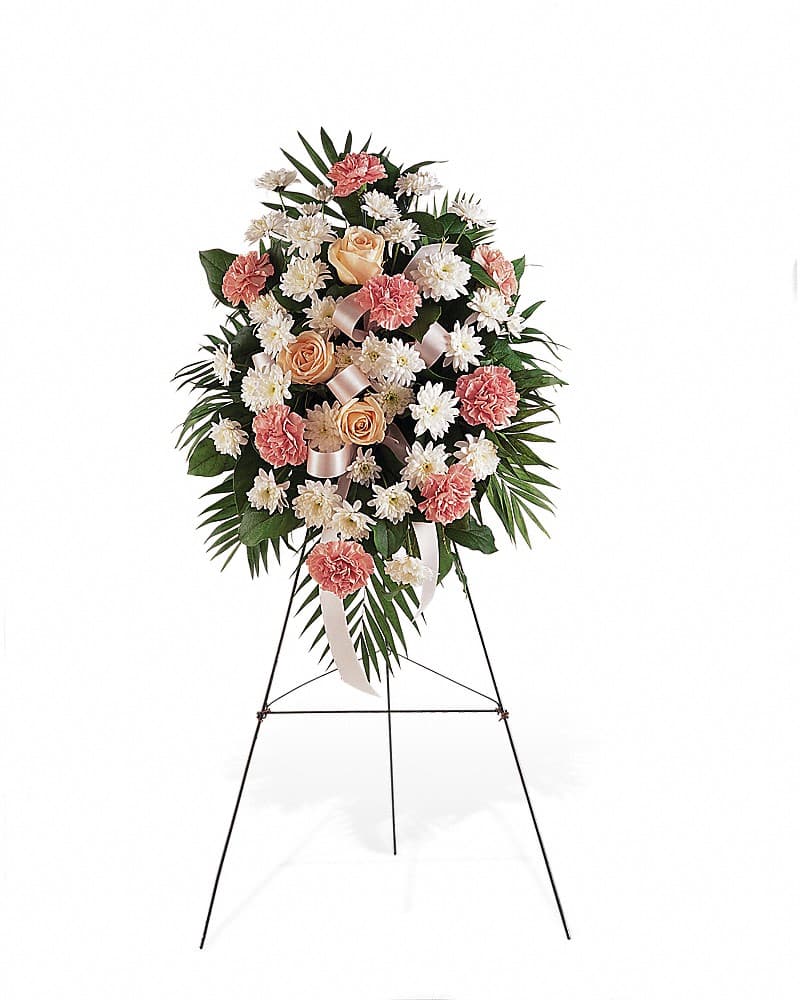
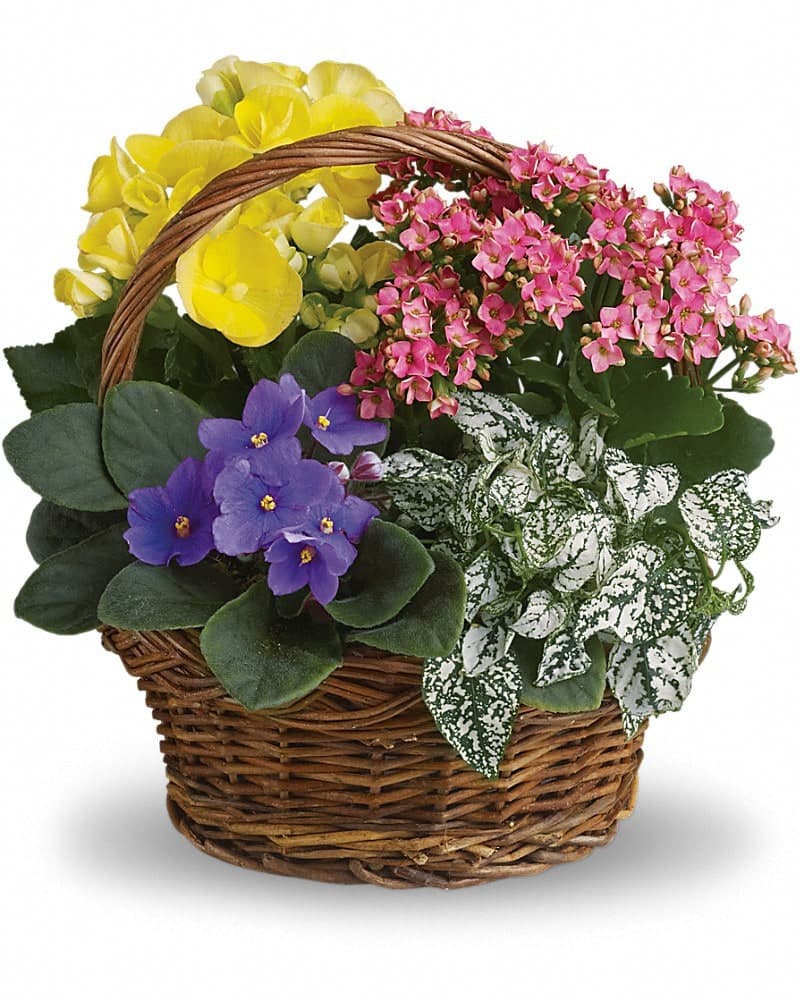
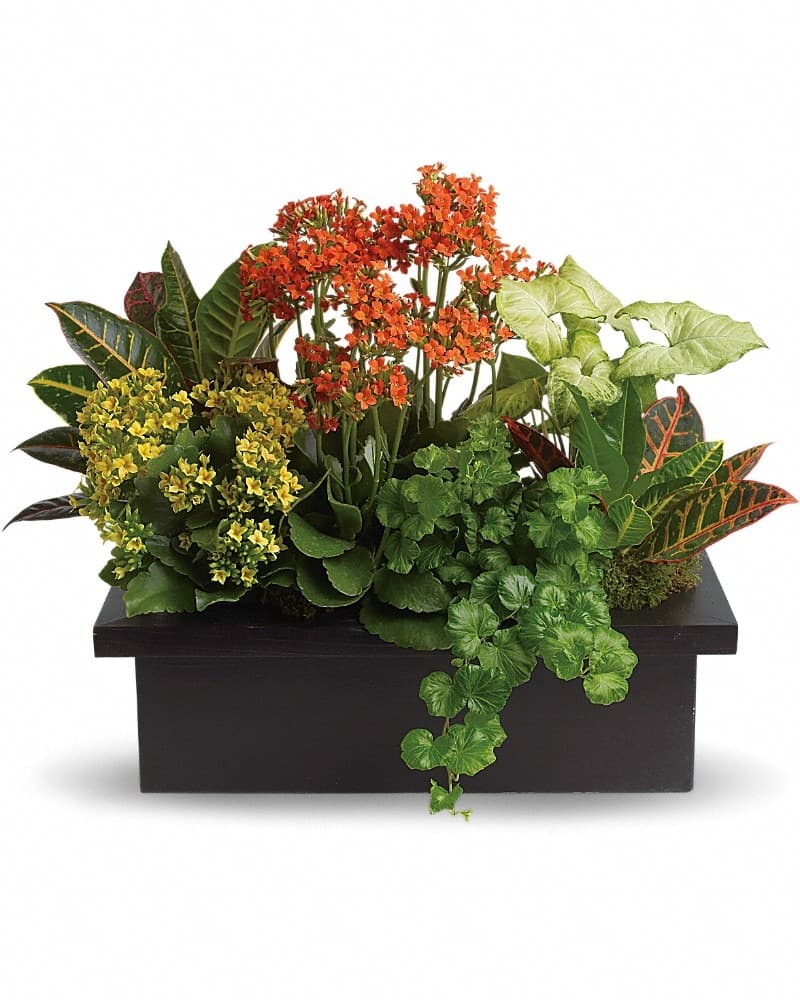
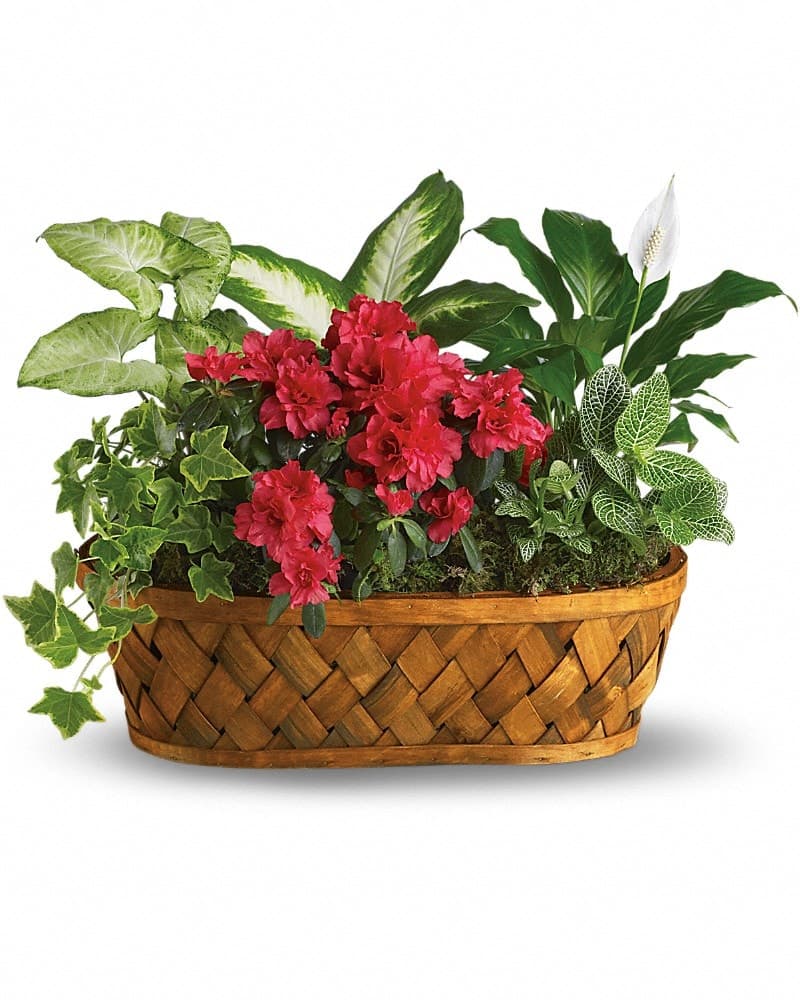
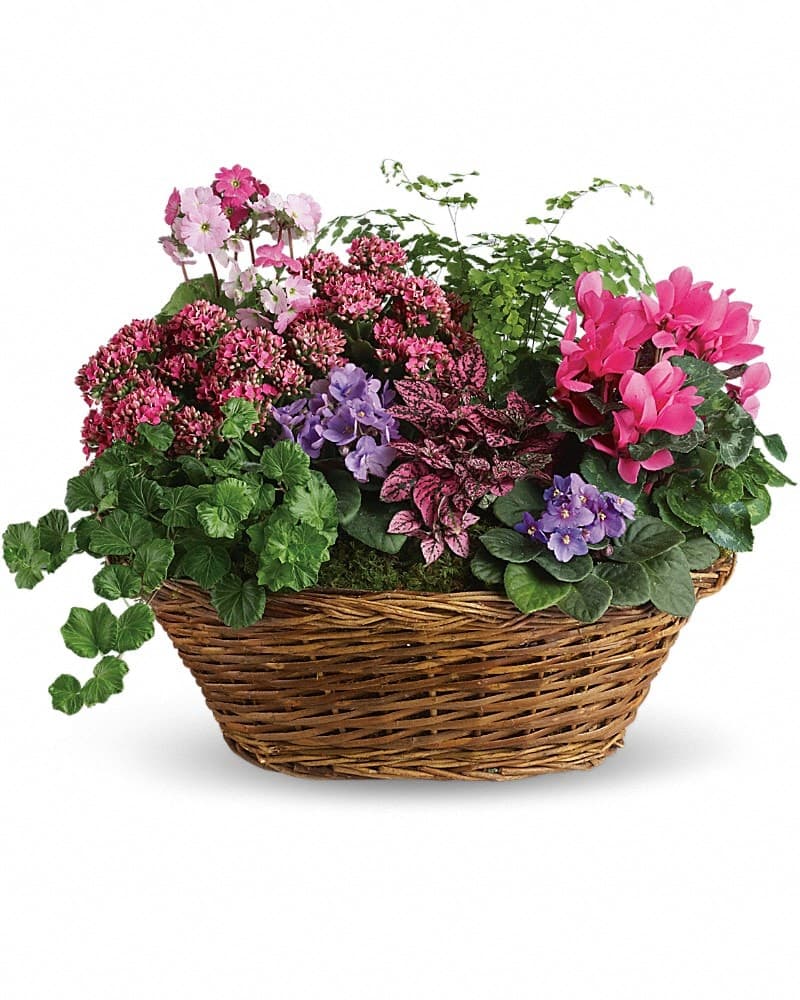
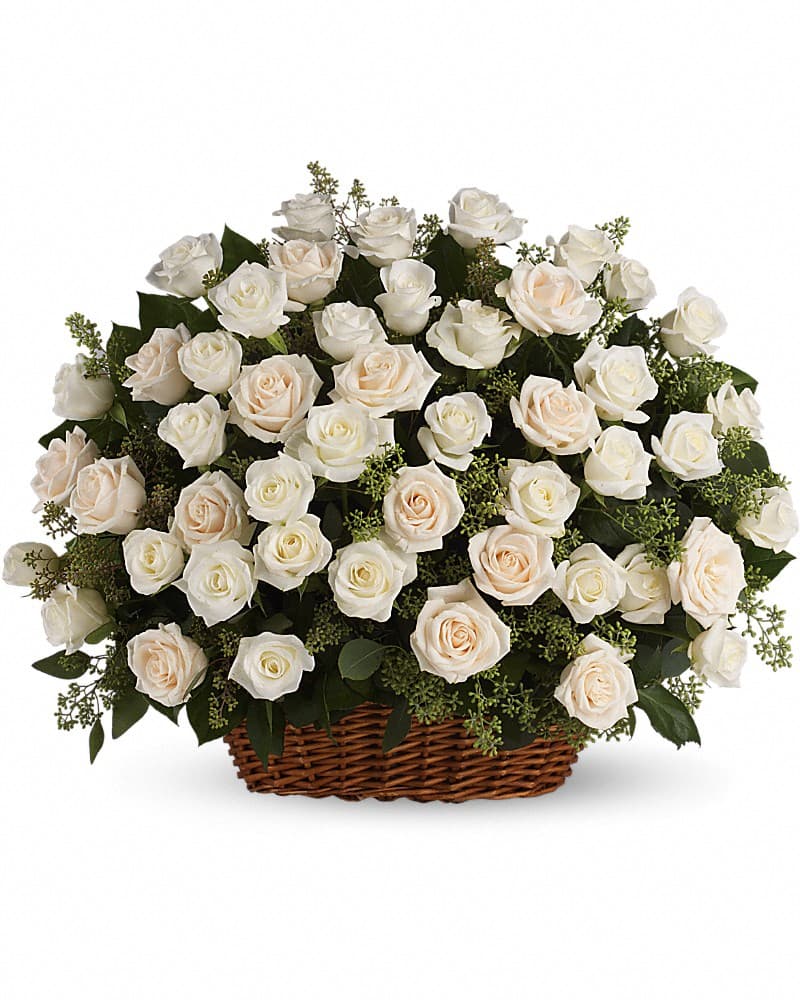
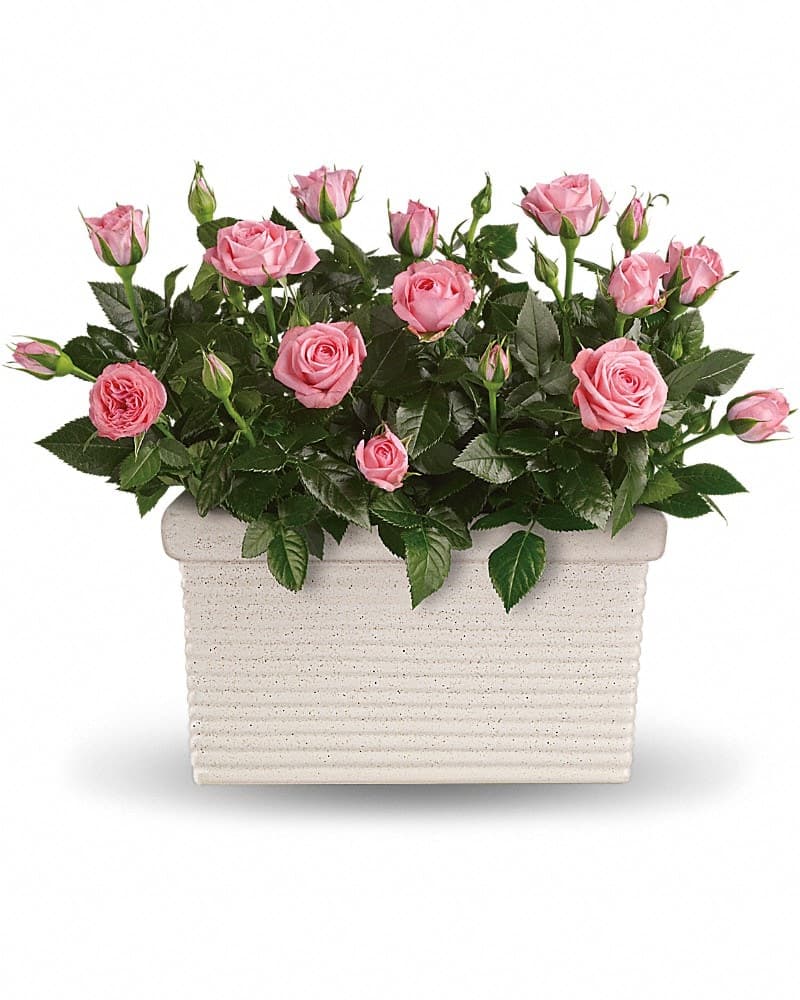
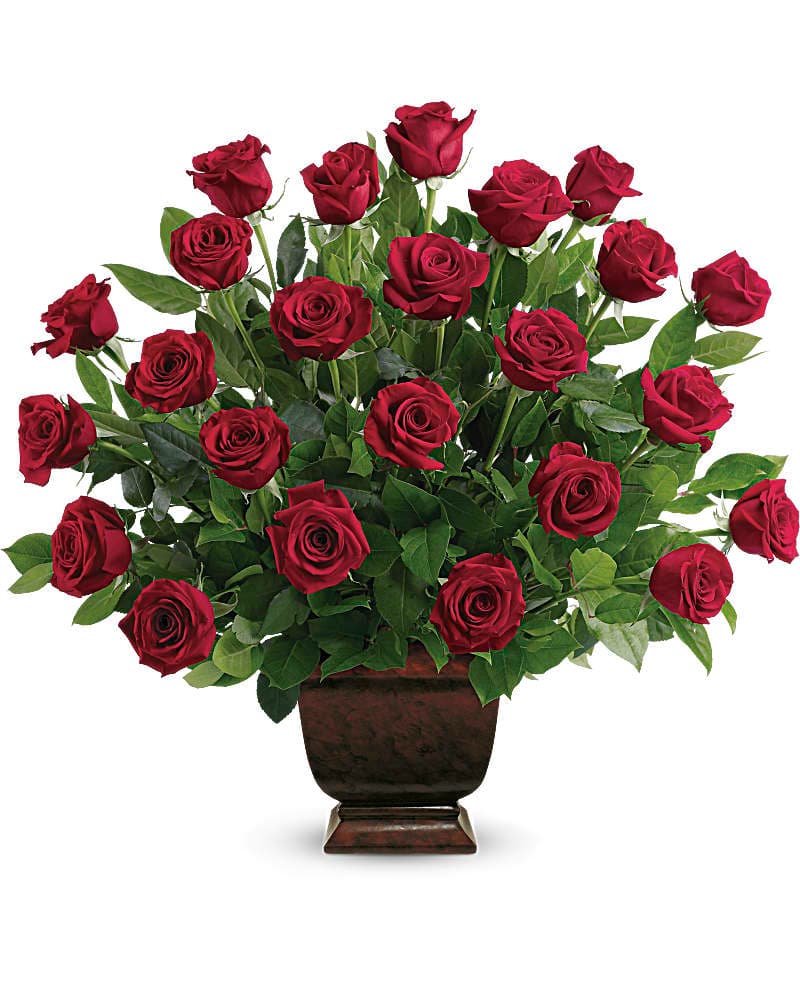
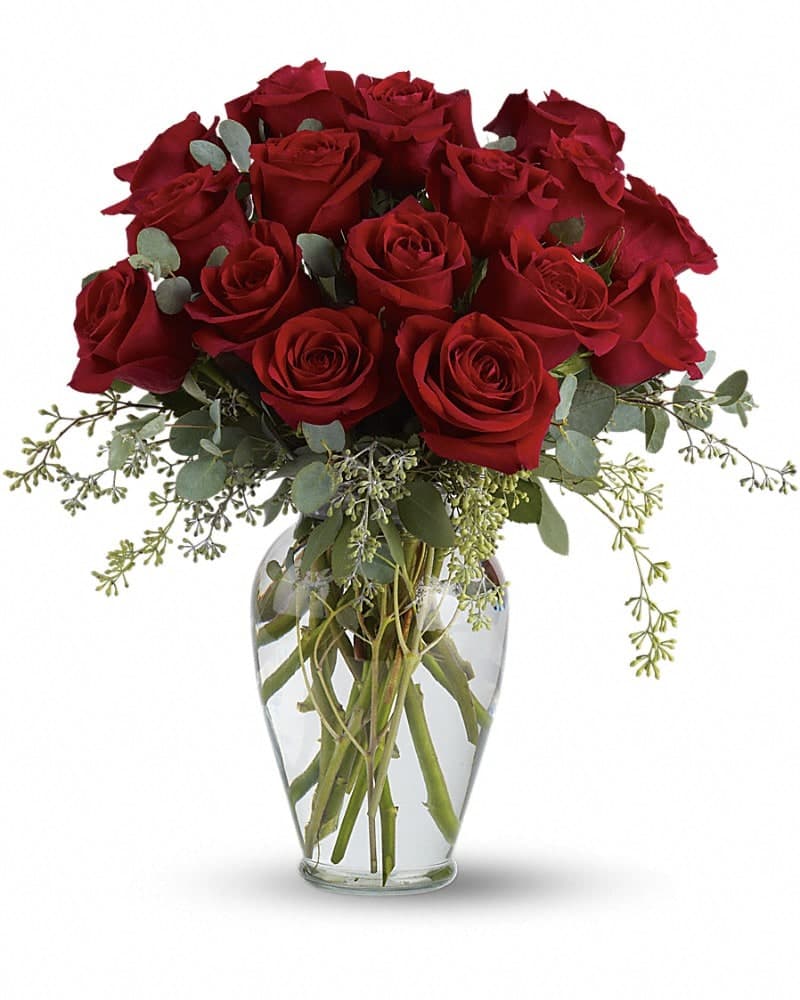
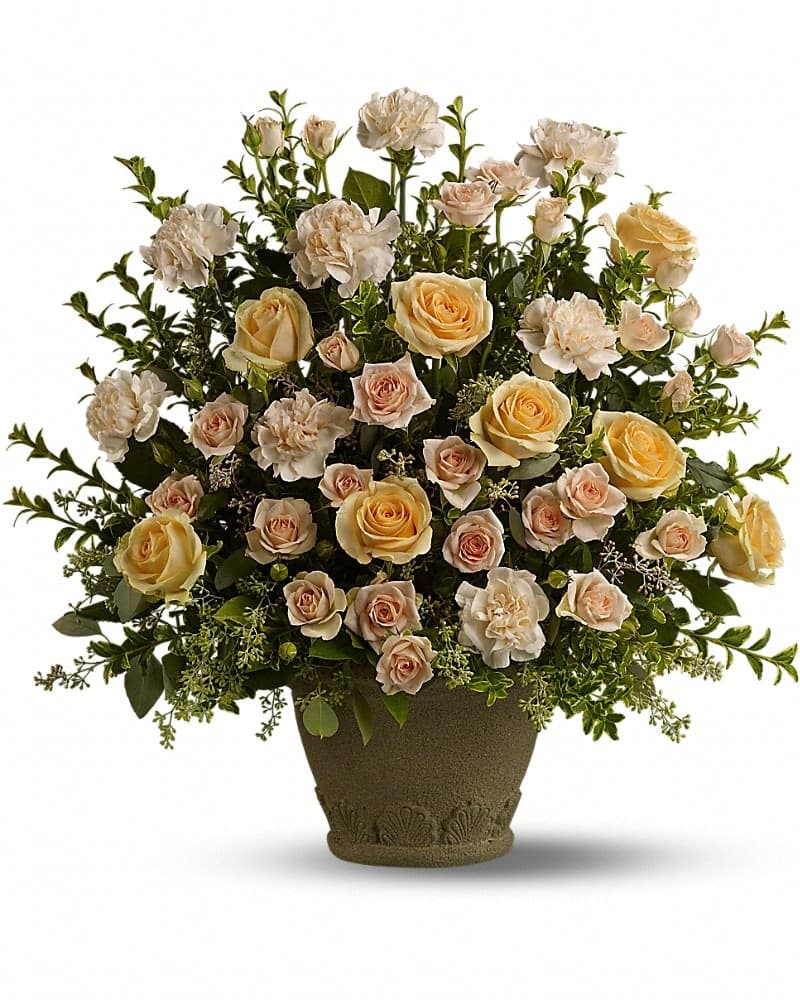
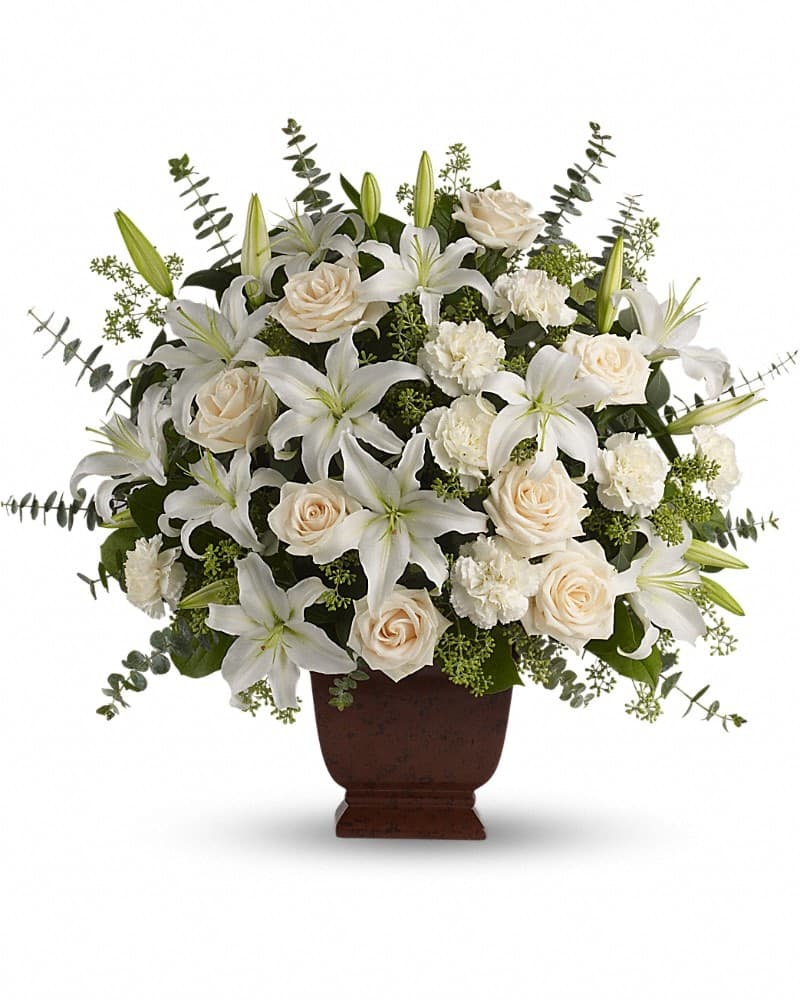
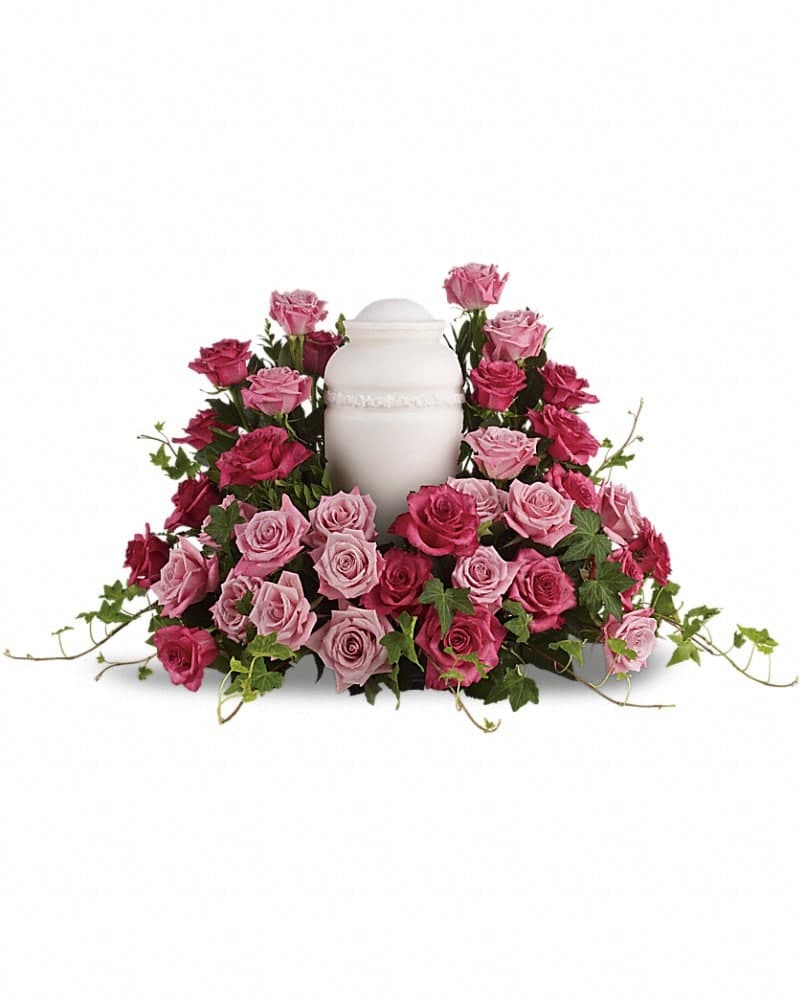
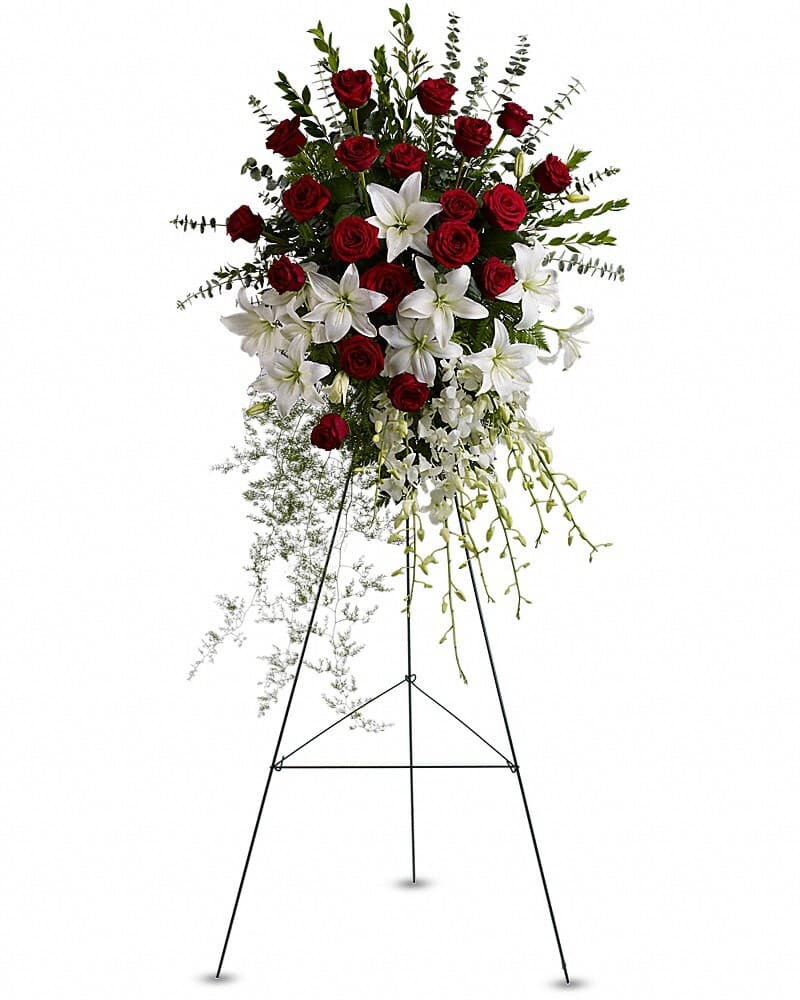
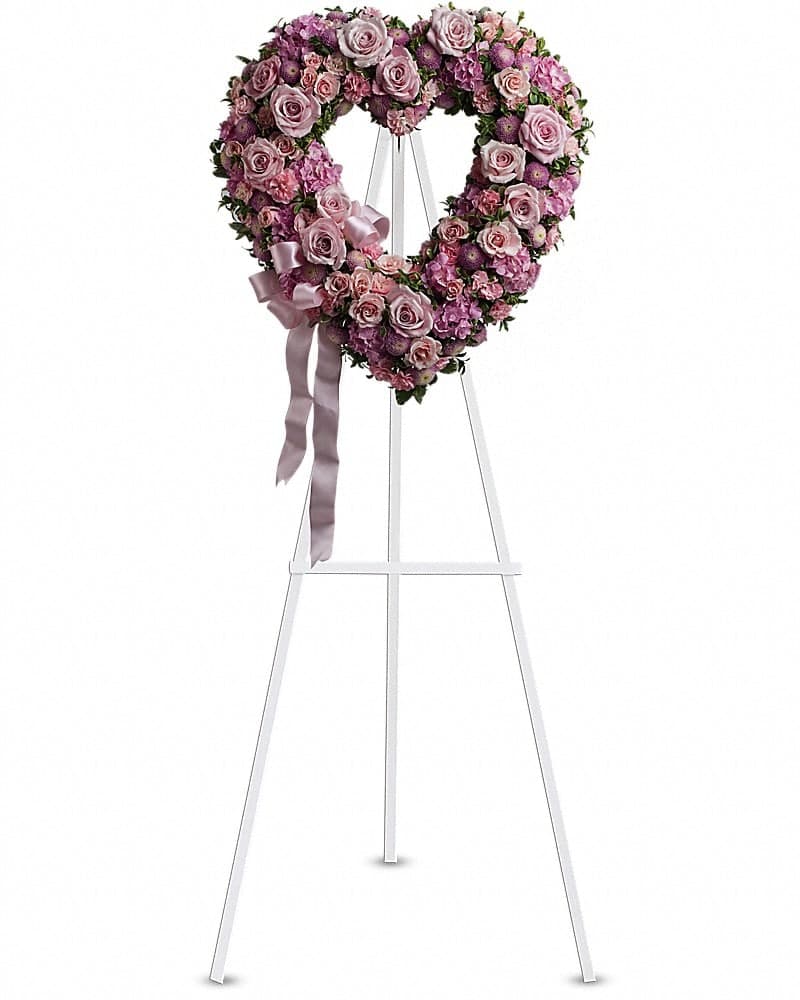
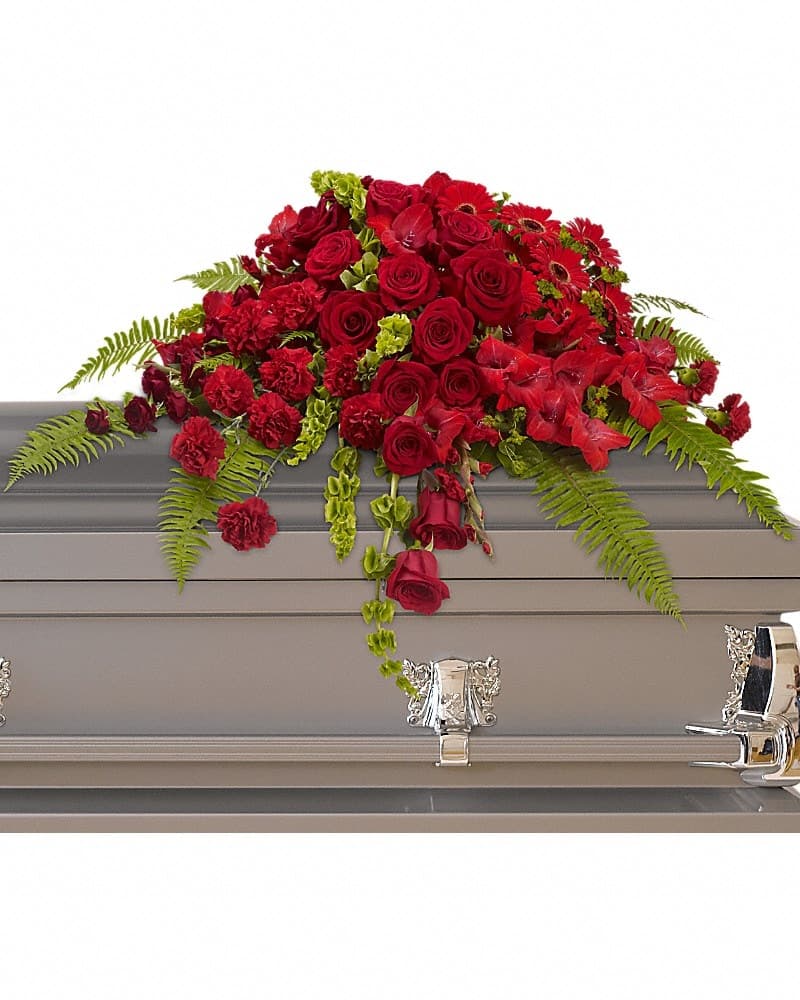
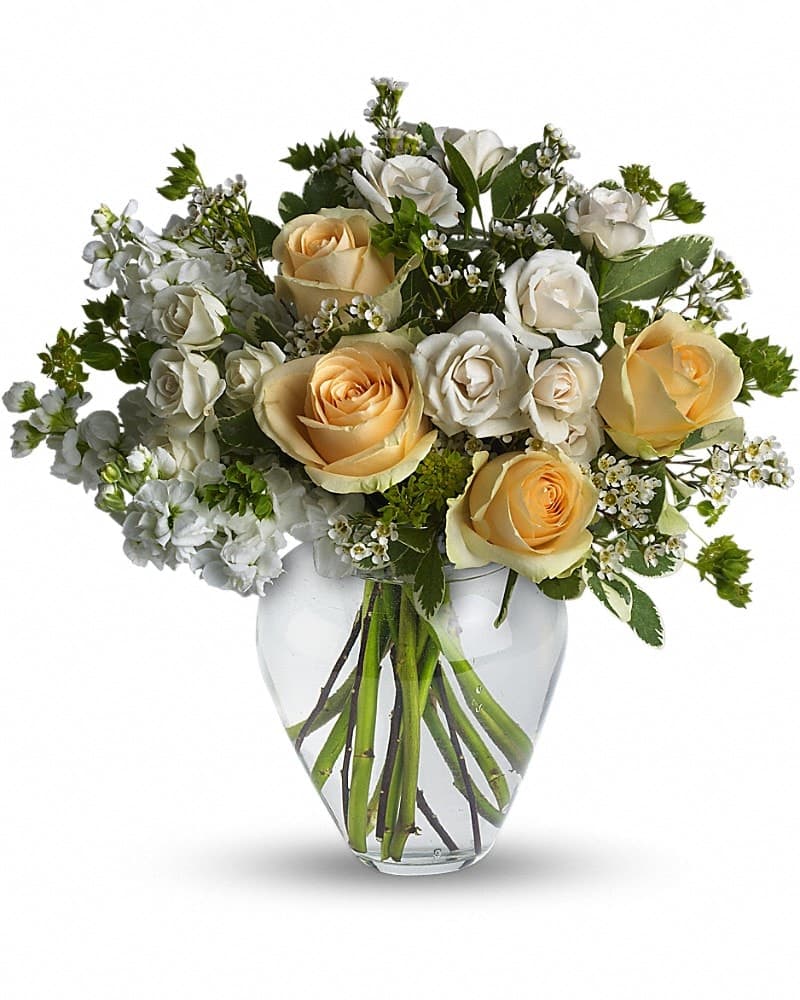
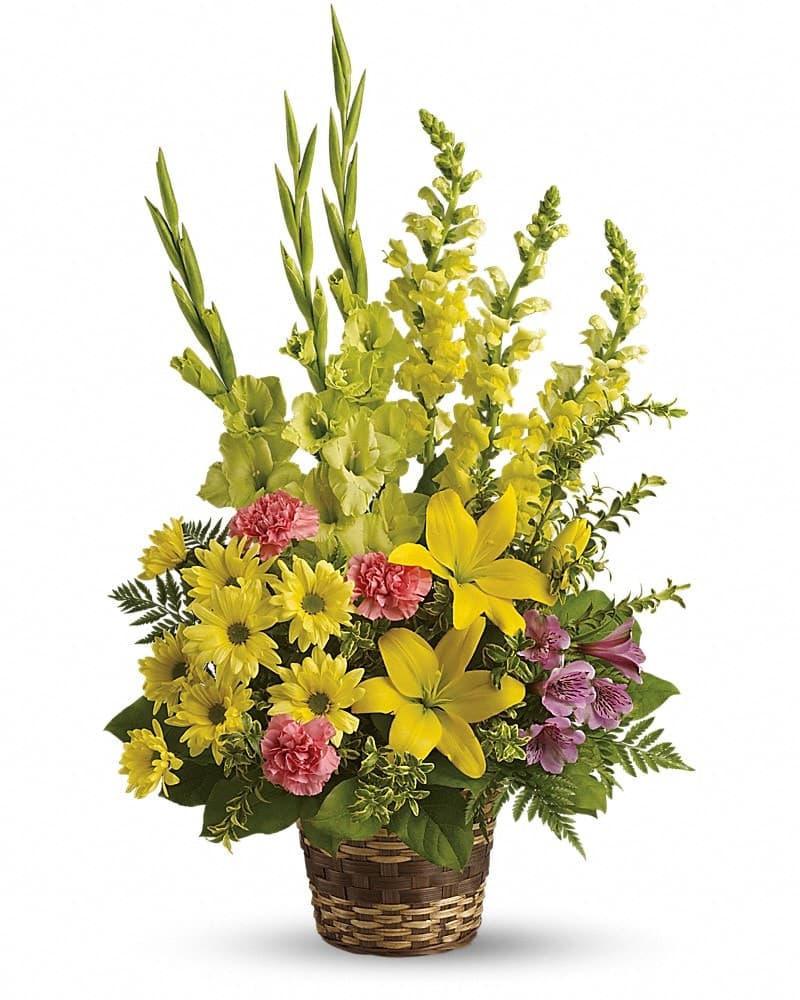
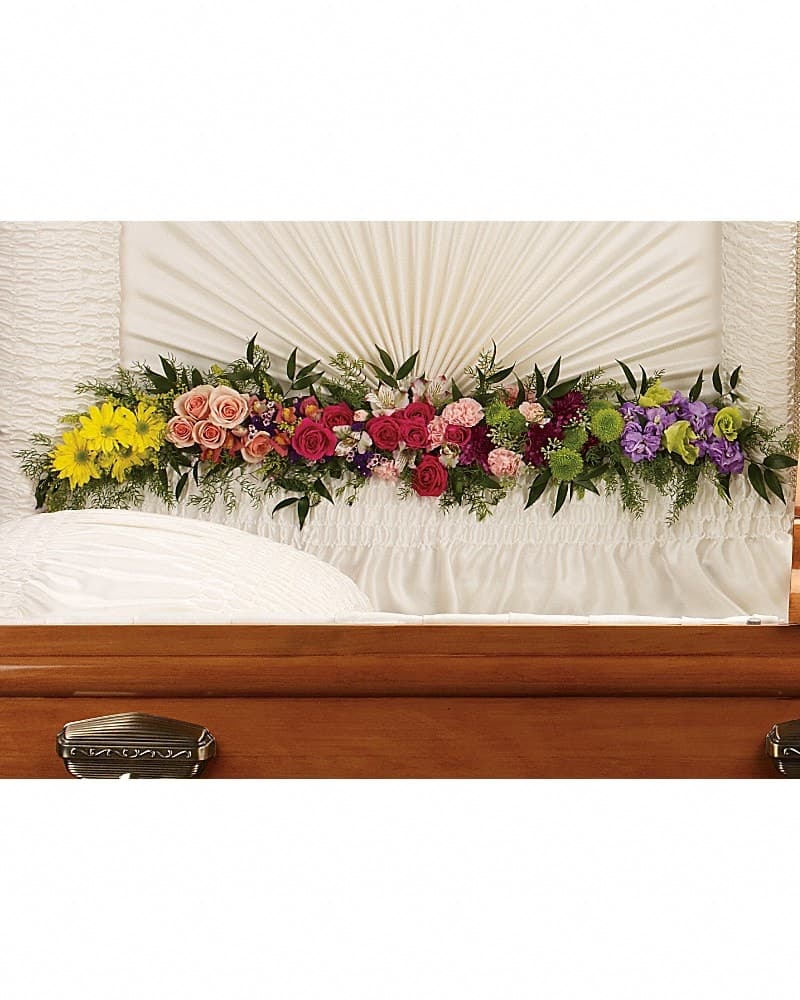
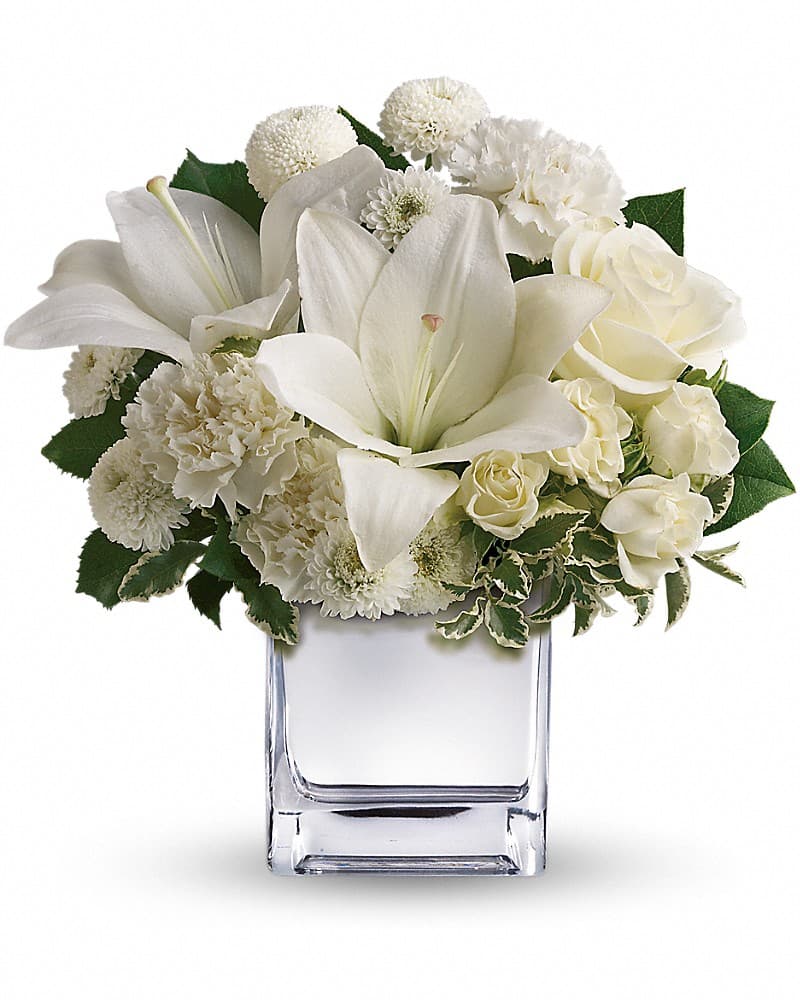
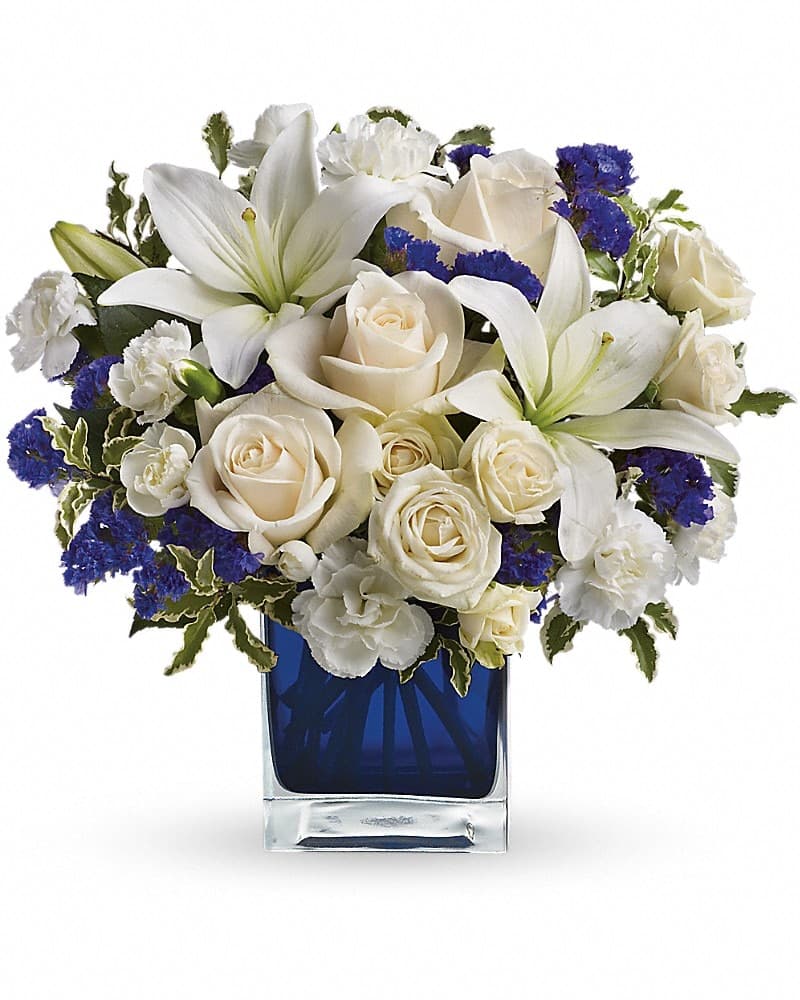
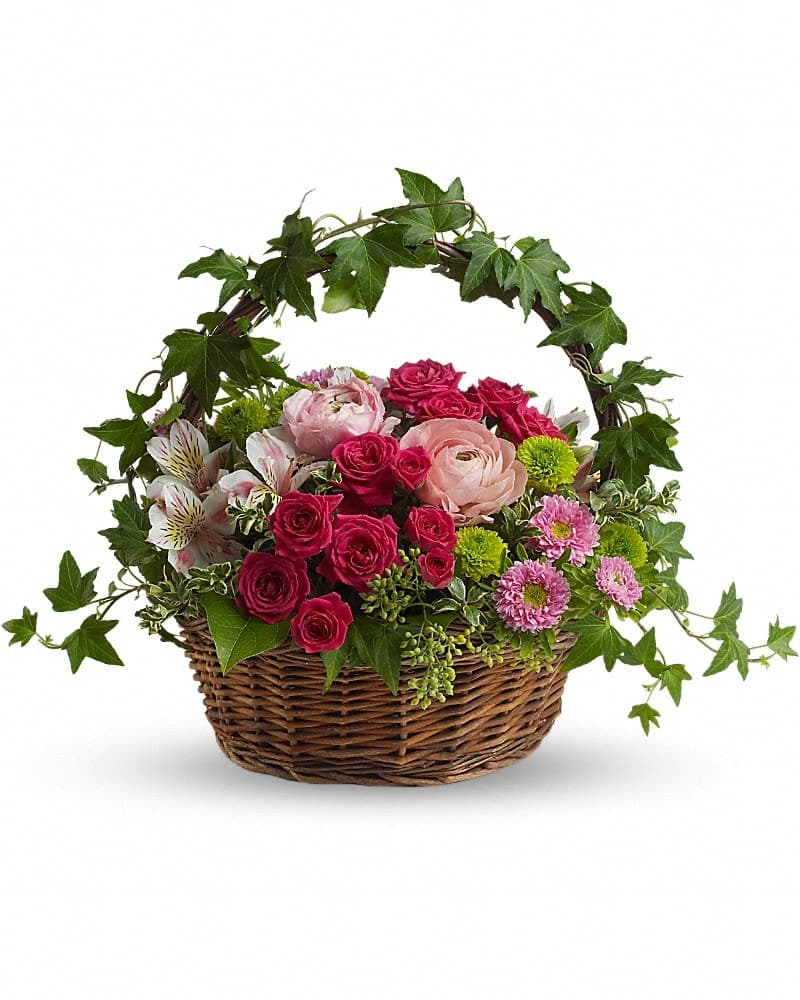
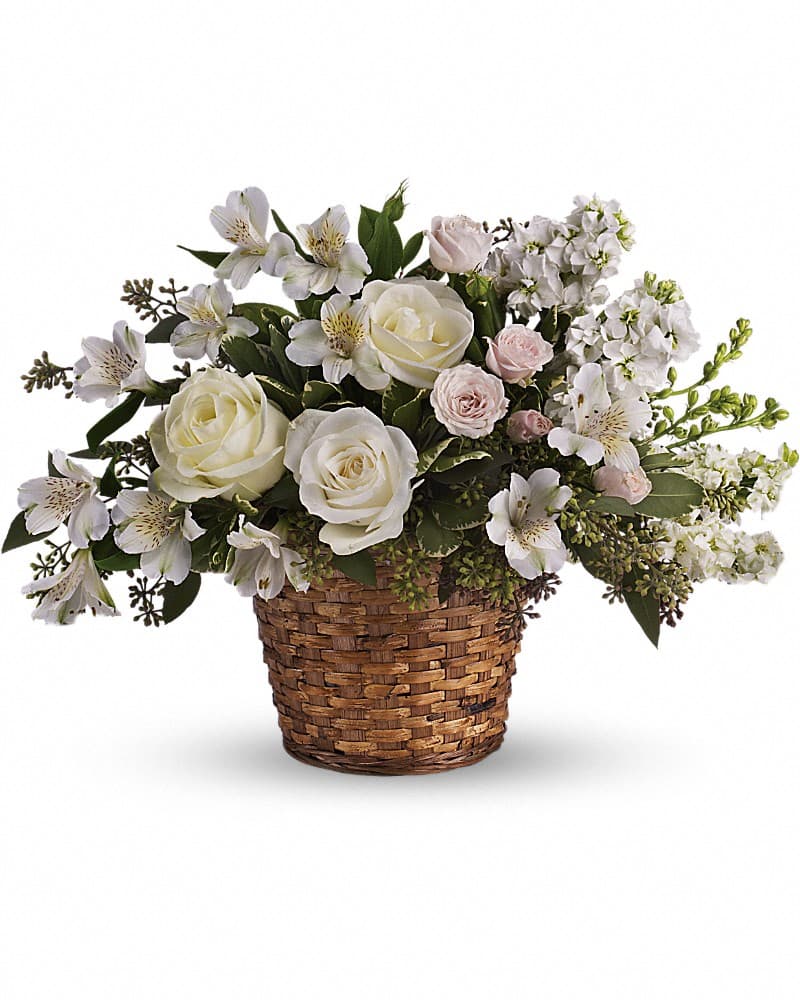
Greenville's religious map shapes what is appropriate as much as the timing does. The Upstate is heavily Protestant — First Baptist Greenville, Buncombe Street United Methodist, Springfield Baptist with its deep roots in the city's Black community, Allen Temple AME, and a dense network of Baptist, Methodist, Presbyterian and non-denominational congregations from Berea to Taylors to Simpsonville. Catholic families gather at St. Mary's on Hampton Avenue downtown and Prince of Peace in Taylors. St. George Greek Orthodox Cathedral, the congregation behind the city's long-running Greek festival, follows Orthodox funeral customs with their own forty-day and one-year observances. Two conventions are worth knowing before you order. First, Upstate obituaries very often carry an 'in lieu of flowers' line directing memorials to a church fund, a hospice, or a disease foundation; when you see that, a single tasteful arrangement to the family's home after the service, or a plant that lasts, reads better than a large piece at the chapel. Second, funeral directors here place flowers by size and by family instruction, so the card matters: give your full name the way the family knows you, and your relationship if it is not obvious. For Orthodox and for some Jewish families in the Greenville area, flowers at the service are not the custom at all and a food or charitable gift to the home is the correct gesture — say so in the order notes and the shop will redirect rather than deliver something out of place.
Two timelines after the service matter more than most senders realize. The first is the second week. The casseroles stop, the out-of-town relatives fly home, the visitation crowd disperses, and the house goes quiet — an arrangement that arrives at the family's address eight or ten days later is consistently the one people remember, precisely because nothing else is arriving then. The second is the later memorial, which is common in the Upstate when a death falls near a holiday or when family has to travel in: ask before you assume the service has already happened, because a graveside burial in October and a memorial gathering in December are two separate occasions and both take flowers. Grieving colleagues are their own category, and sending to work spares a household one more doorbell — the county's largest employers all have front desks that will take a delivery, including Prisma Health, Greenville County Schools, Michelin, the GE campus on Garlington Road and Bon Secours St. Francis. On the card, write plainly, sign the name the family knows, and if you knew the person who died, name them and say one true thing rather than a formula; a line about a specific memory is worth more than a sympathy verse. Two cautions to close on. Do not send to a chapel without the service date and time in the order — a funeral home cannot hold an unlabeled arrangement for a service it does not know about. And when you are unsure of a family's tradition, or the obituary's wording leaves you guessing, send to the home instead of the service: it is never wrong, it never competes with the chapel's floor plan, and it arrives when the family is actually together.