701 Grove Road does more get-well volume than any other address in this market. Prisma Health Greenville Memorial Hospital is the Upstate's largest hospital and its trauma center, it carries the University of South Carolina School of Medicine Greenville on the same campus, and the Prisma Health Children's Hospital and Roger C. Peace Rehabilitation Hospital sit there as well — which means a single Grove Road run can involve a surgical floor, a pediatric unit and a rehab wing with three different sets of rules. From there the Upstate hospital map fans out in every direction: Prisma Health Patewood on the eastside for orthopedic, surgical and women's care; Prisma Health Hillcrest on the Main Street corridor in Simpsonville; Prisma Health Greer Memorial up toward the airport; Prisma Health Baptist Easley on the western side; Shriners Children's Greenville on West Faris Road for pediatric orthopedics; the Prisma Health Cancer Institute on Faris Road; the Greenville VA clinic; the long-term acute care hospital in Travelers Rest; and Bon Secours St. Francis with its Downtown campus on St. Francis Drive near the West End plus the Eastside and Millennium locations. Inside the 60-mile radius you also reach Pelham Medical Center in Greer, Spartanburg Regional, and AnMed in Anderson. Our three-shop bench maps onto that geography usefully rather than accidentally: Touchofclassltd at 306 Mills Avenue in 29605 is a short run from both Grove Road and St. Francis Downtown, Southernbelle Flowers at 917 Old Pendleton Road is the closest shop to Baptist Easley, and Simpsonville Florist at 1209 NE Main Street sits on the same Simpsonville main-street corridor as Hillcrest.
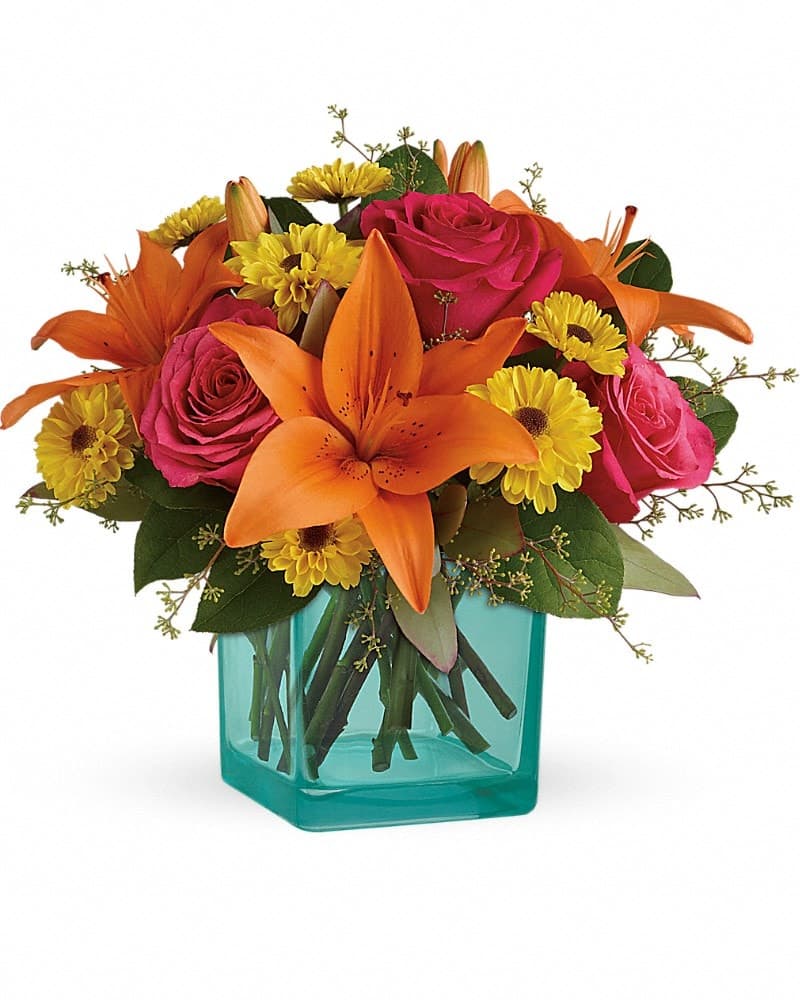
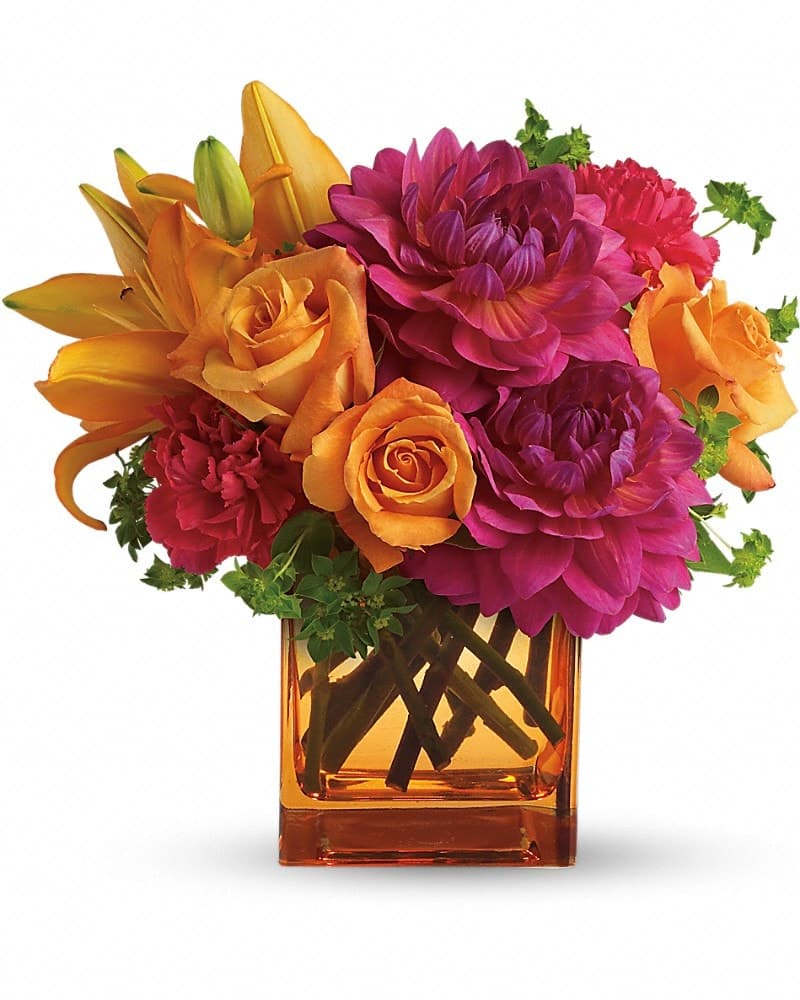
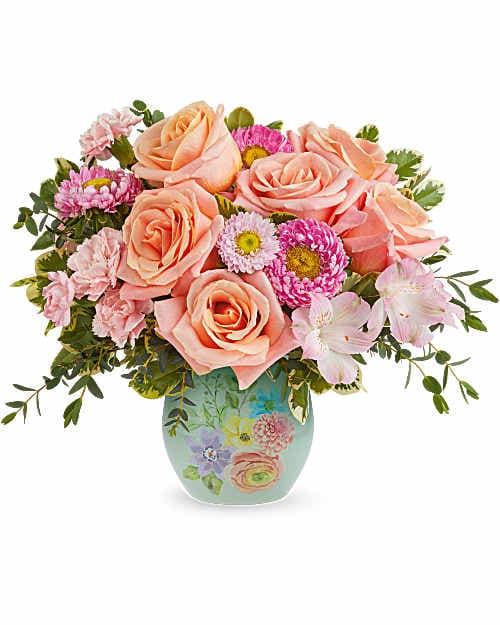
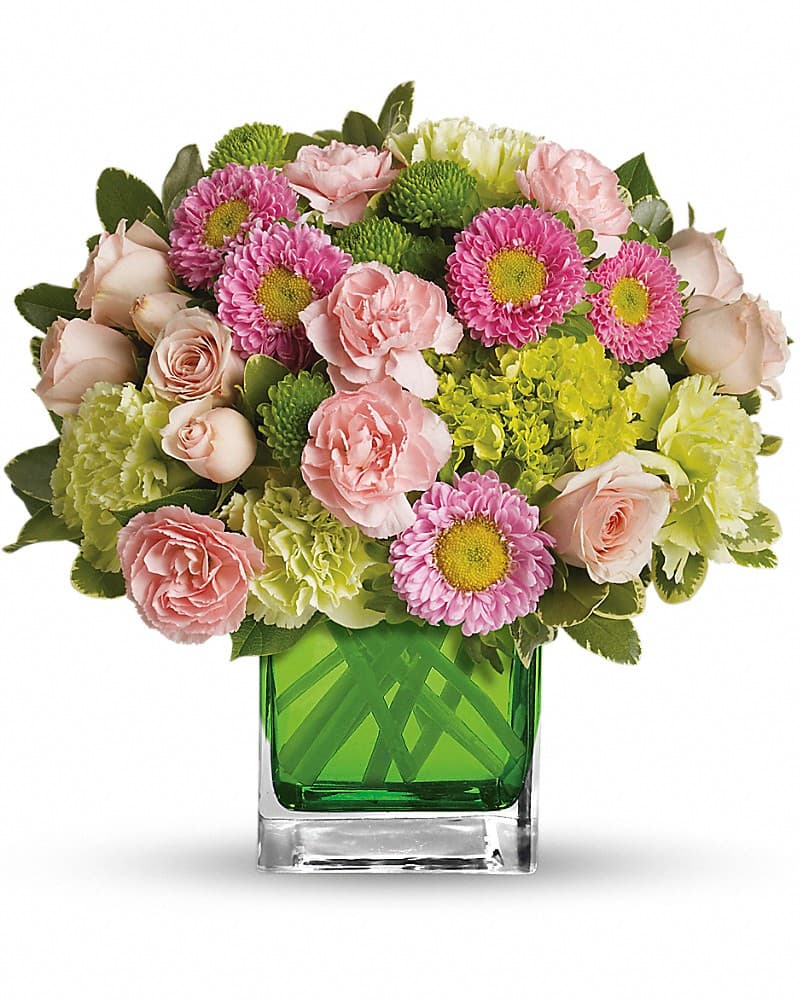
What you can send is governed by the floor, not by the hospital's front door, and this is where most get-well orders go wrong. As a general rule across Upstate units: no lilies, because the pollen stains, the scent carries down a hallway, and lily pollen is a known problem for cats when the arrangement eventually goes home; pollen-bearing stems de-anthered; nothing strongly fragrant anywhere near oncology, post-surgical or respiratory patients, since scent tolerance collapses during chemotherapy and after anesthesia; and a small footprint, because a hospital bedside tray is already carrying a water pitcher, a phone, a call button and a meal tray, and an arrangement wider than a dinner plate ends up on the floor or in the hallway. Intensive care units frequently do not allow flowers at all, neonatal units very often prohibit them outright, and units caring for immunocompromised or transplant patients commonly refuse live plants and potting soil rather than cut flowers. Balloons are their own issue: many hospitals restrict latex entirely, so if you want a balloon, ask for mylar and ask the unit first. None of that is a rule we set, and it varies by unit and by day — the single most useful thing you can do is call the nursing station, ask what that floor accepts, and then put the unit name and room number in the order so the driver reaches the right desk instead of a central lobby. If the answer is no flowers, a keepsake arrangement sent to the family's house so the patient comes home to it is the better version of the same gesture.
Three people are usually worth considering besides the patient, and Greenville senders miss all three. The first is the caregiver — the spouse sleeping in a recliner on the fifth floor at Grove Road, the parent who has not left the Children's Hospital in four days, the adult child driving in from Easley or Greer every evening. An arrangement addressed to them, at their own house or at the hospital, lands harder than one more vase in a room nobody is looking at. The second is whoever is keeping the household running: the neighbor feeding the dog, the sister managing the calendar. The third is the group. Office collections are common here — Prisma Health is itself one of the Upstate's largest employers, and Greenville County Schools, Michelin and the GE campus all run them — and one properly built arrangement with a card listing the team reads better than four small ones competing for the same tray. Before you send anything to a home rather than a hospital, ask two questions: allergies, and pets. Lily pollen is genuinely dangerous to cats, which is the practical reason lily-free is the default on this page rather than a stylistic preference. Keep the card short and easy to read from a bed — large handwriting, a few words, your full name — because a patient on pain medication will not work through a paragraph. And if the family tells you the floor has said no flowers at all, take the answer at face value and switch to a discharge-day delivery at the house; coming home to something alive on the kitchen counter is the version of this gift that people actually describe later.