Columbus concentrates its inpatient care in a short list of named buildings, and knowing which one the patient is in changes the order more than any choice of flower. Piedmont Columbus Regional Midtown at 710 Center Street is the big one — the region's trauma center and the largest inpatient census in the Valley, the campus most Columbus people still call the Medical Center. Piedmont Columbus Regional Northside, the former Doctors Hospital in north Columbus, takes a second share and is the shorter run from Flowers Byunique's bench on Moon Rd. St. Francis-Emory Healthcare at 2122 Manchester Expressway sits inside 31904, the same ZIP as this page's centroid, which makes it the closest hospital to the middle of this market. The John B. Amos Cancer Center on Fifth Avenue handles oncology and infusion; it carries the name of Aflac's founder, whose company still runs its worldwide headquarters a mile away on Wynnton Road. The Hughston Clinic on Veterans Parkway is the orthopaedic practice founded in Columbus and known well beyond Georgia for sports-medicine work, and Jack Hughston Memorial Hospital is its counterpart across the Chattahoochee in Phenix City, Alabama. Martin Army Community Hospital serves the Fort Benning population. Out on the sixty-mile edge, East Alabama Medical Center in Opelika and Wellstar West Georgia Medical Center in LaGrange are both reachable, though an edge run needs a day's notice.
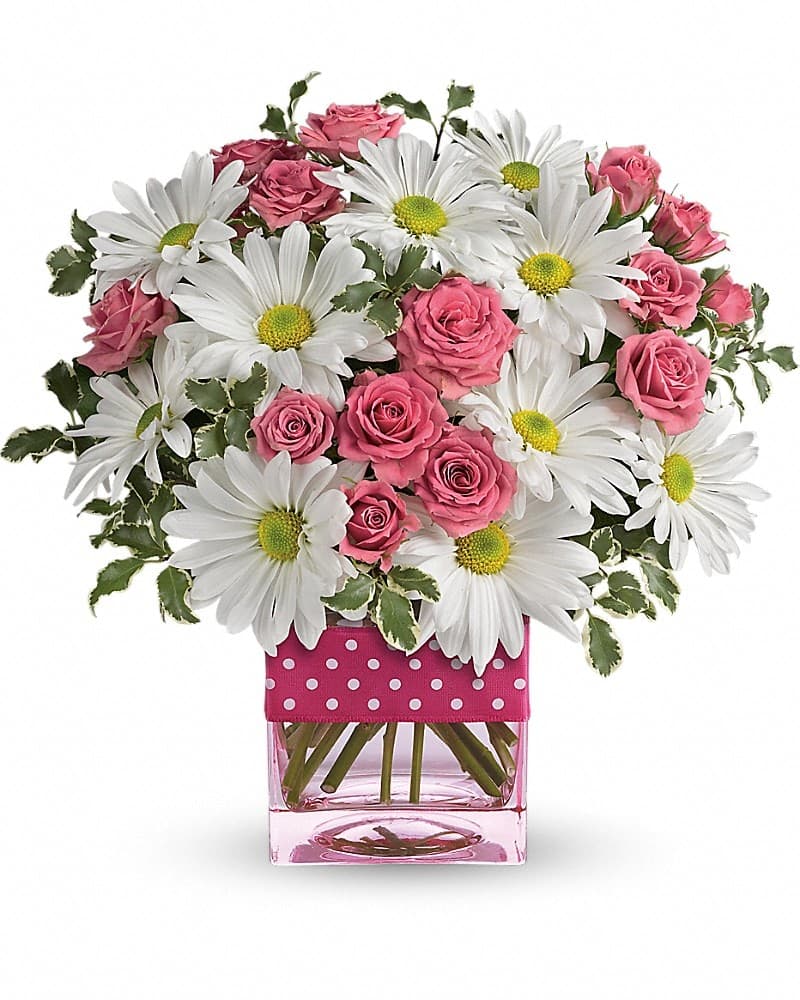
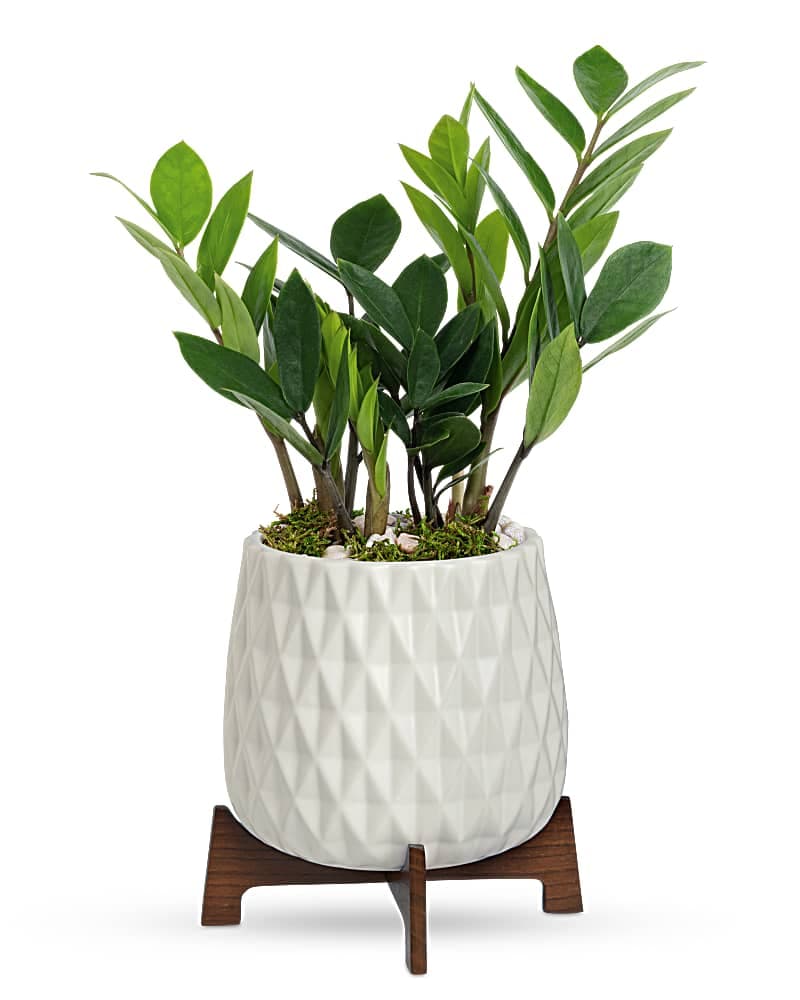
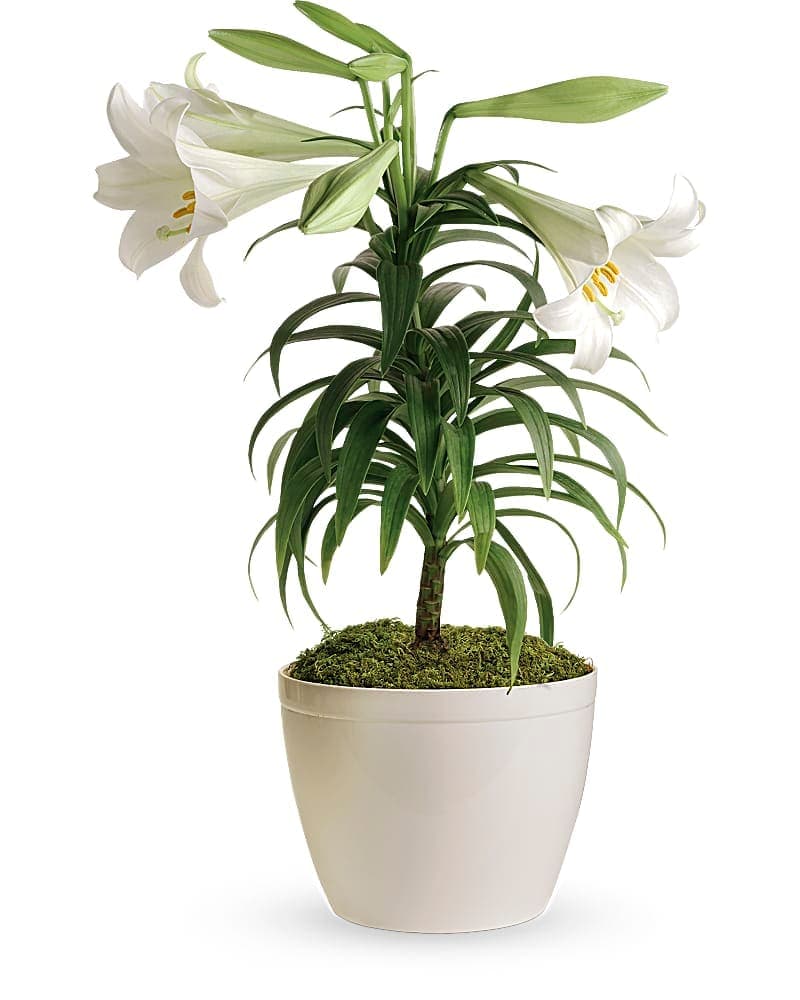
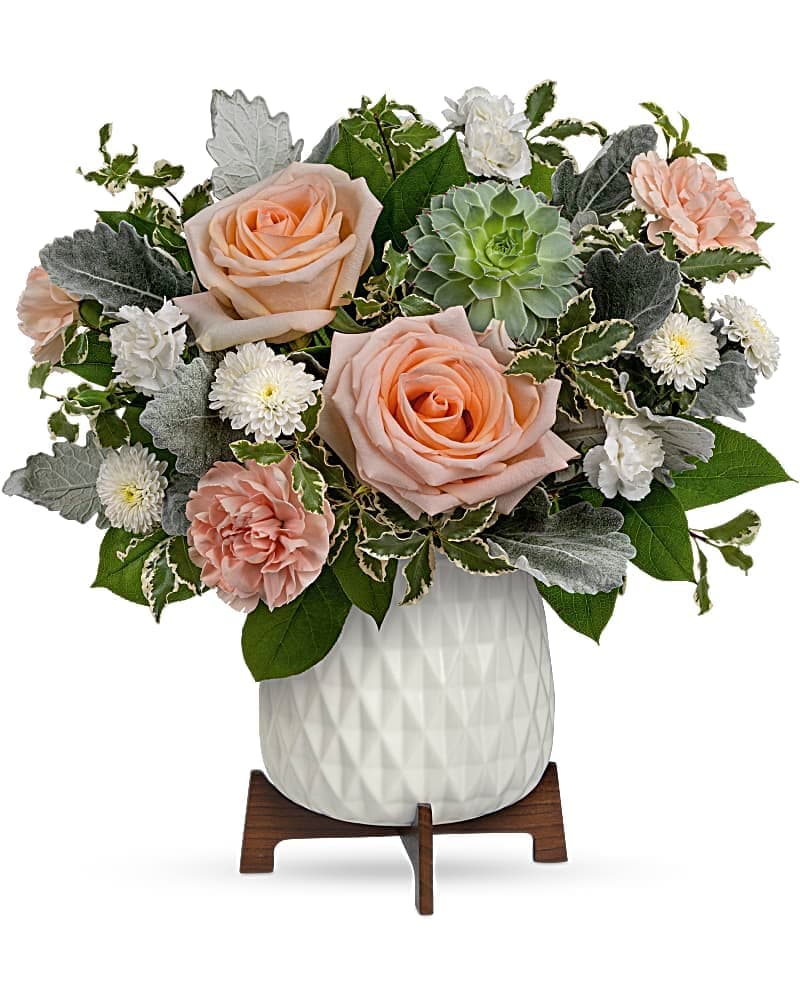
The floor decides what can come through the door, and in Columbus the two places you must ask first are the Amos Cancer Center and the intensive-care units at Midtown. An oncology or infusion patient is usually restricted on live soil and on anything that throws pollen, which flips the normal advice: the potted designs that are the most durable gift in this market are frequently the wrong gift for that floor, and a clean vase arrangement is the safer send. An infusion chair is not a place to put a vase at all — if the patient is coming in for a treatment day rather than an overnight stay, send to the house instead and let it be waiting when they get home. In an intensive-care unit the answer is often no flowers of any kind; the honest move is to have the family ask the unit clerk, and if the answer is no, redirect the delivery to the family's house or to whoever is holding the waiting room. Two smaller rules apply almost everywhere here: keep the footprint small, because a hospital tray table already holds a water jug, a phone, a call button and someone's coffee, and keep the scent down, because a semi-private room puts a stranger's face two feet from your lilies. If you are unsure, write lily-free and low-pollen in the notes and the studio will design to it.
The failure mode nobody warns you about with hospital flowers is discharge. Columbus stays are short, room assignments move overnight, and a bouquet that arrives on the afternoon a patient goes home is a bouquet that gets left at an information desk. Every hospital here runs deliveries through a central desk where a volunteer or a runner carries them up, which means the order needs the patient's full name exactly as it is registered and, if you have it, the room number; a partial name at a desk holding forty arrangements is how a delivery dies. Before you order, have the family confirm two things: that the patient is still admitted, and that the campus is the one you think it is — Midtown on Center Street and Northside in north Columbus are eight miles apart and easy to confuse over the phone. If discharge is tomorrow, skip the room entirely and send to the house, timed for a morning window. That matters more here than in a cooler city: Columbus afternoons from June into September run into the upper nineties, and anything left on a sunny porch at three o'clock will not be worth having by dinner. A shaded side door, a screened porch or a neighbor who is home turns a failed delivery into a good one.