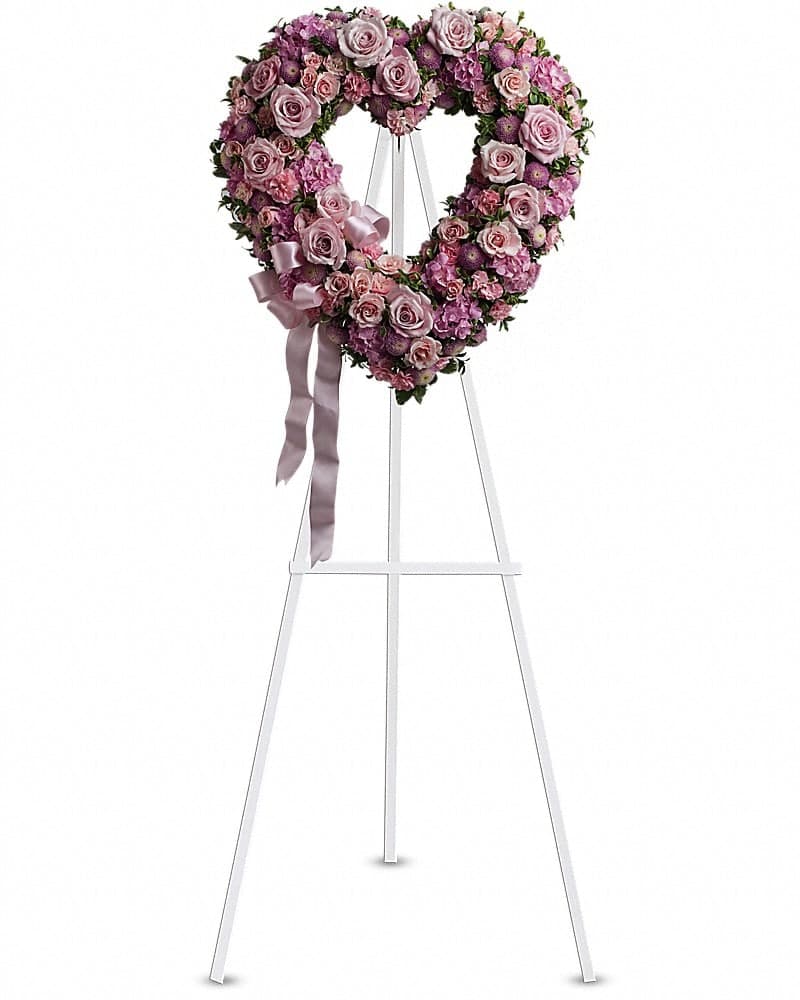
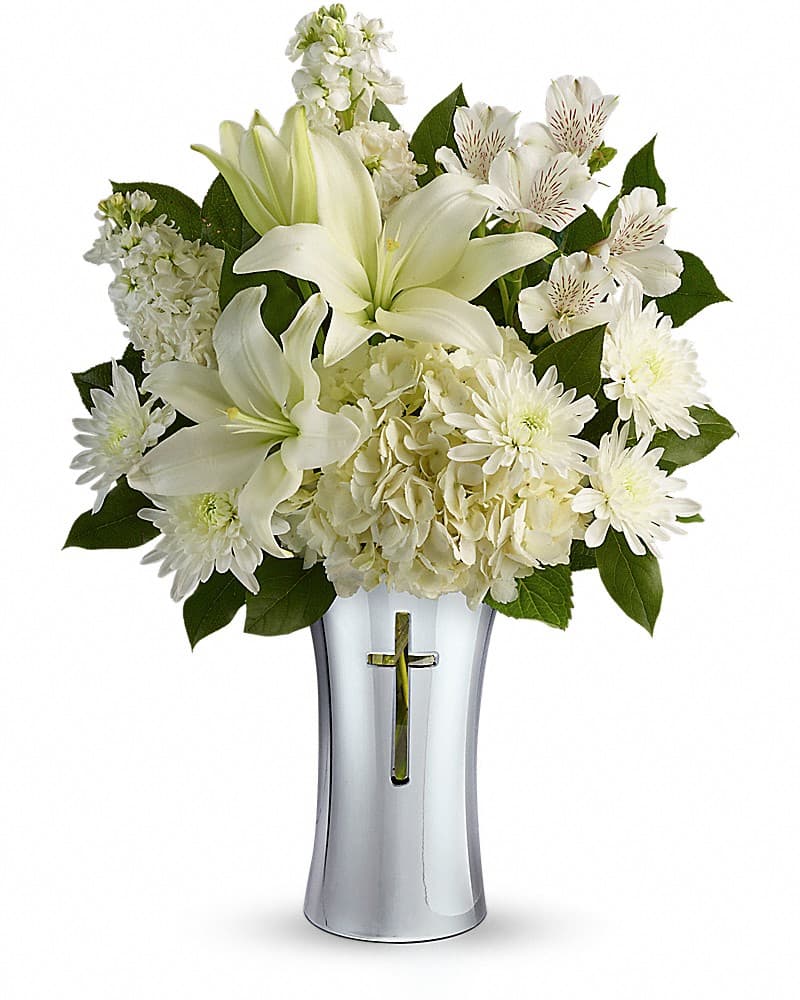
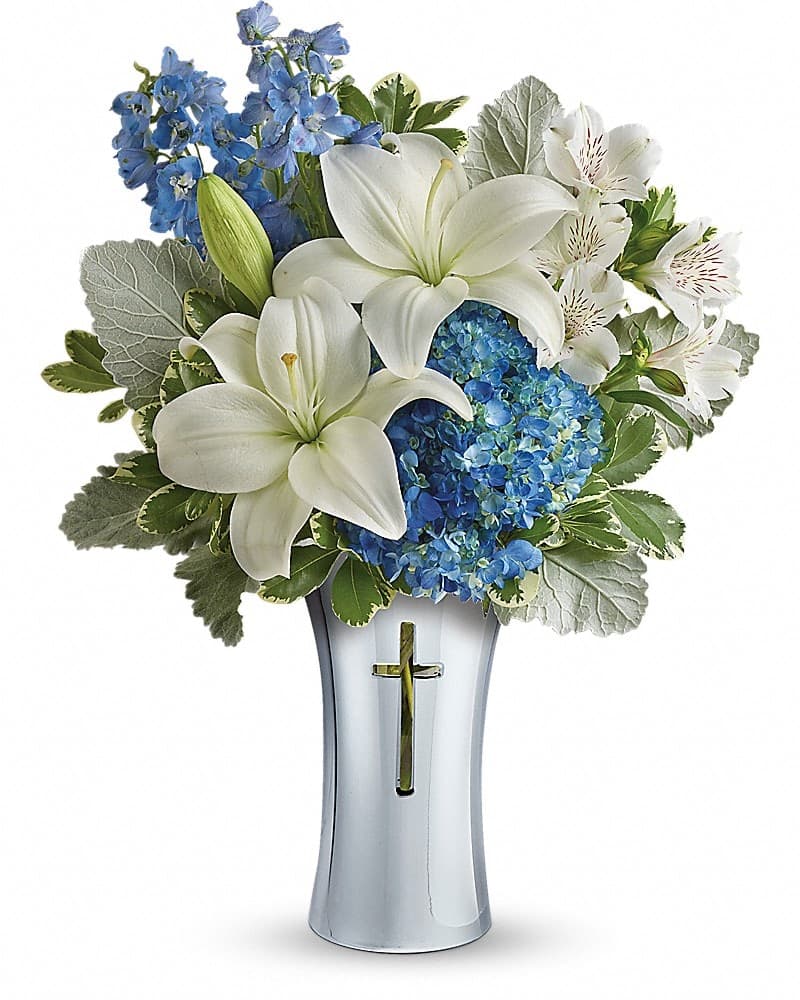
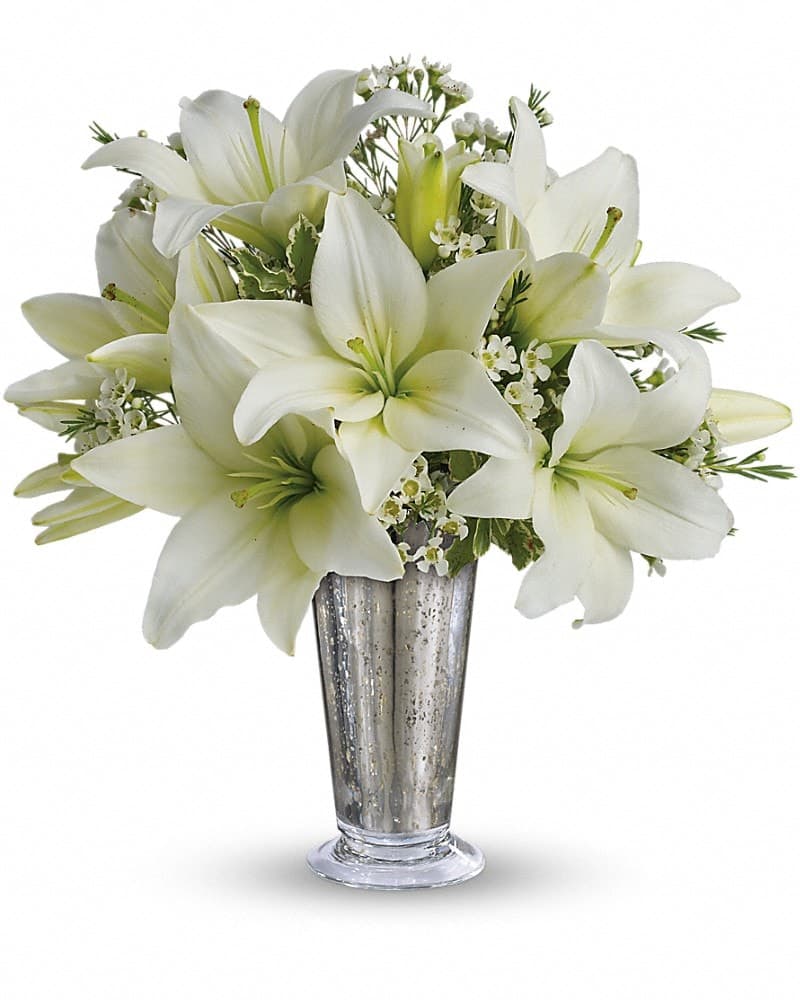
Canton is a city where the presidential tomb and the working city cemetery share one hillside. The McKinley National Memorial stands above Monument Park on the west side, William and Ida McKinley interred inside the dome, and West Lawn Cemetery runs along the slope right next to it — so a Stark County family arranging a graveside service is often standing a few hundred yards from the most visited landmark in the county after the Hall of Fame. That proximity is not sentiment; it is routing. West Lawn, Forest Hill and North Lawn all sit inside the city, Sunset Hills Burial Park sits north toward Plain Township, and the township burying grounds scatter out through Perry, Canton, Lake and Nimishillen townships. A sympathy delivery in Canton therefore almost never has one address. It has a chapel address for calling hours, a church address for the service the next morning, a cemetery for the committal, and — most importantly and most often forgotten — a family home where food and flowers keep arriving for a week afterward. Get the sequence right and the flowers land where somebody is standing. Get it wrong and a spray sits in an empty visitation room at four in the afternoon.
Stark County's religious map shapes what is appropriate more than the price does. The Catholic presence is deep and old — St. Peter Catholic Church downtown is one of the city's oldest parishes, Central Catholic anchors the diocesan school tradition, and full floral tributes, standing sprays and casket work are entirely conventional at a Catholic Mass and committal here. Canton is also a national center of the Evangelical Friends tradition: Malone University sits on Cleveland Avenue NW, the Friends heritage runs through the city's church life, and Friends memorial meetings tend toward plainer, smaller arrangements and a preference for gifts to a named cause. The county's Greek Orthodox community keeps the Orthodox sequence — the trisagion, the forty-day and one-year remembrances — where a tribute sent at forty days often means more than one sent in the first week. Canton's Black congregations on the southeast and near-northeast sides run repasts where flowers to the church hall or the family home are the useful gift, not a second piece at the chapel. Reform and Conservative Jewish practice in the county follows the usual convention: flowers are generally not sent to the funeral, and a plant to the shiva home with a gift to charity is the correct gesture. And southwest of Stark County, past Wilmot and Beach City toward Sugarcreek, Walnut Creek and Holmes County, the Amish and conservative Mennonite communities generally do not use florist flowers at a funeral at all — a food gift or a donation is the right call, and a delivery attempt there is a kindness that misfires. If you are unsure which tradition applies, say so in the order notes; the studio would rather ask than guess.