Start with the word on the order, because in Stark County it is the word that fails, not the flowers. Aultman is the hospital on Sixth Street SW in 44710, the largest in the county, with Aultman College of Nursing and Health Sciences sharing its campus — but the same name also belongs to a hospital in Alliance, a hospital in Orrville, and AultCare, the insurer it owns. Cleveland Clinic is vaguer still: here it means the hospital on Mercy Drive NW in 44708, while the identical two words also mean Union Hospital down in Dover, Akron General up the interstate, and Medina beyond that. And almost nobody in Canton uses those two words anyway. They say Mercy, because it was Mercy Medical Center until the 2021 merger, and the name now on the building is one the family calling you will never say out loud. So skip the brand and send the street. Sixth Street SW puts a driver on the southwest side, below Tuscarawas, in the blocks residents still call the Aultman district. Mercy Drive NW puts him on the opposite corner of the city, up in the parkland ridge that runs from the McKinley National Memorial across to the Pro Football Hall of Fame — the most photographed mile and a half in the county, and from the other campus a fifteen-minute drive straight through downtown. Two buildings, one small city, no overlap.
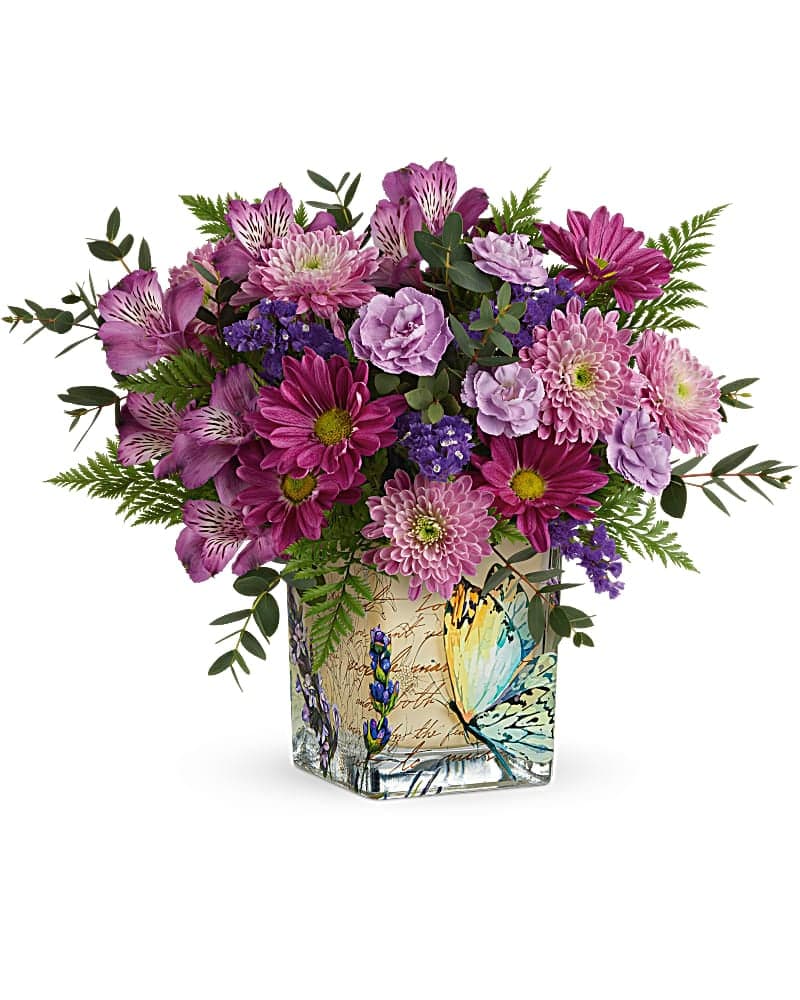
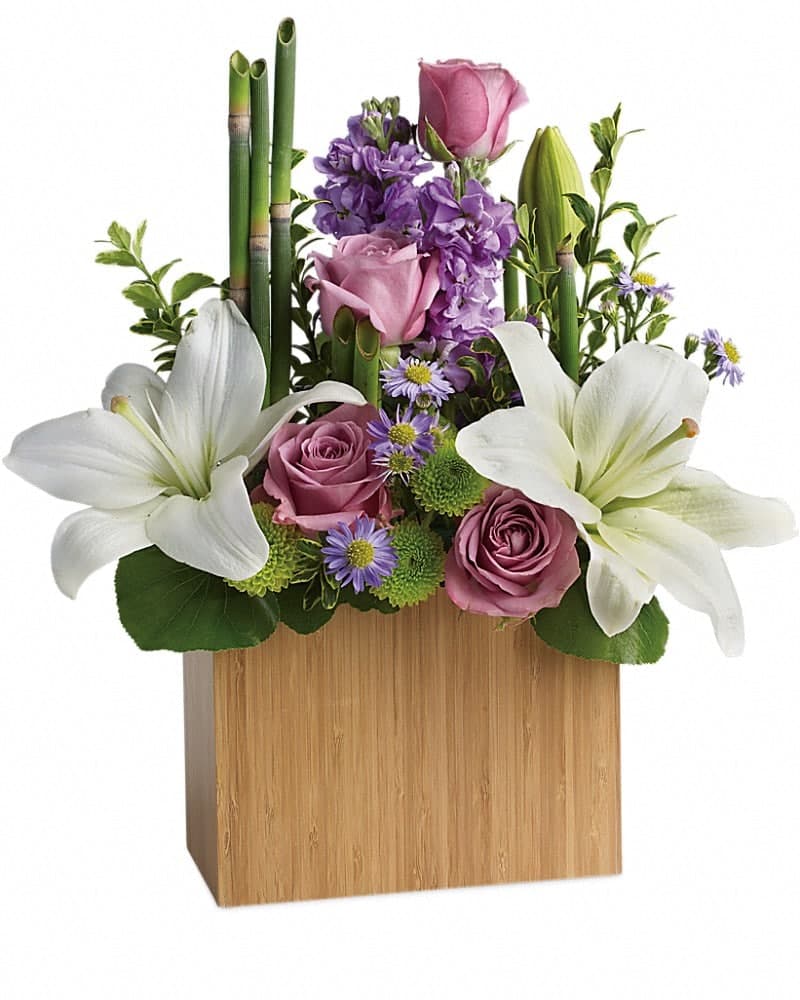
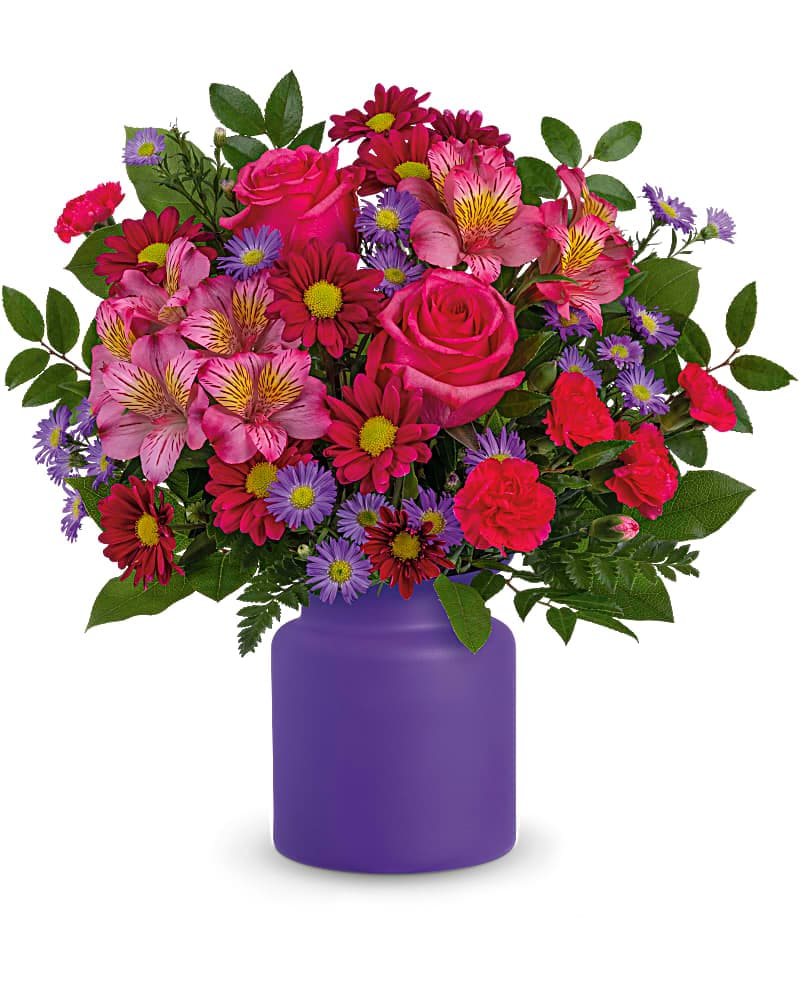
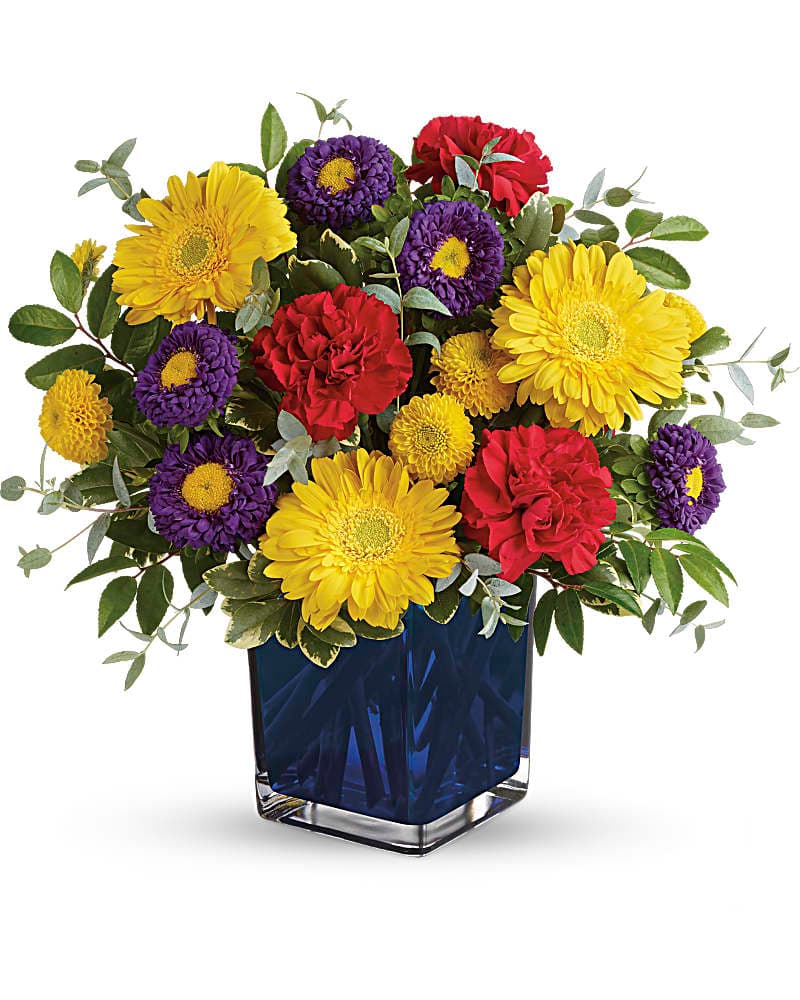
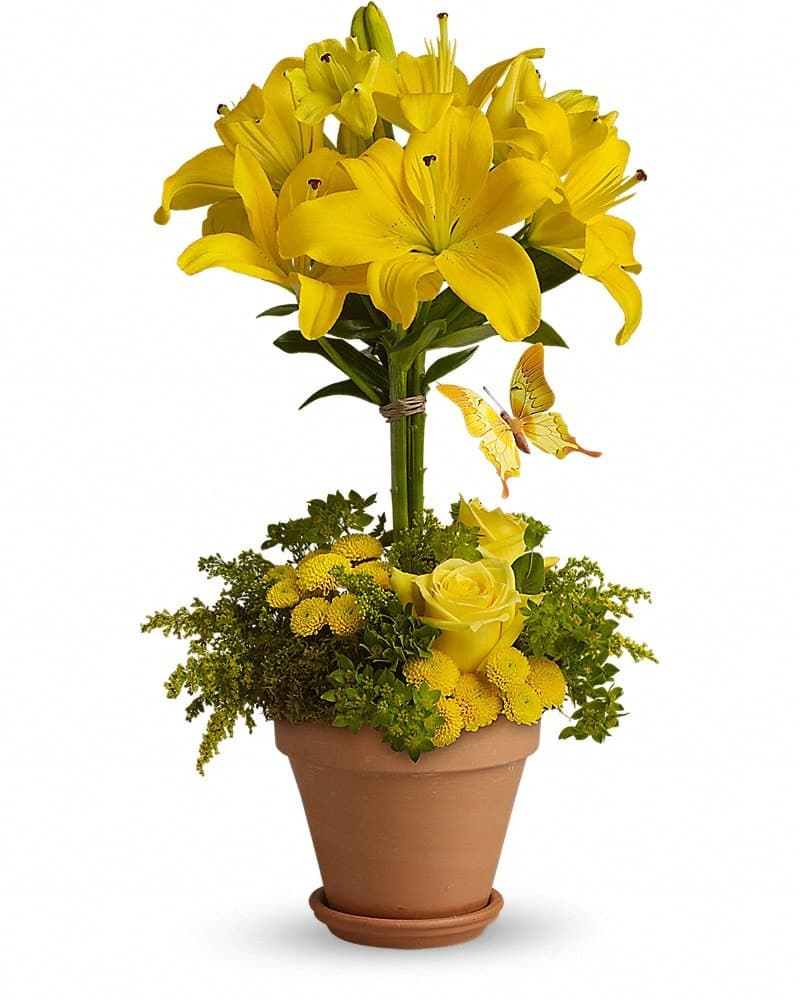
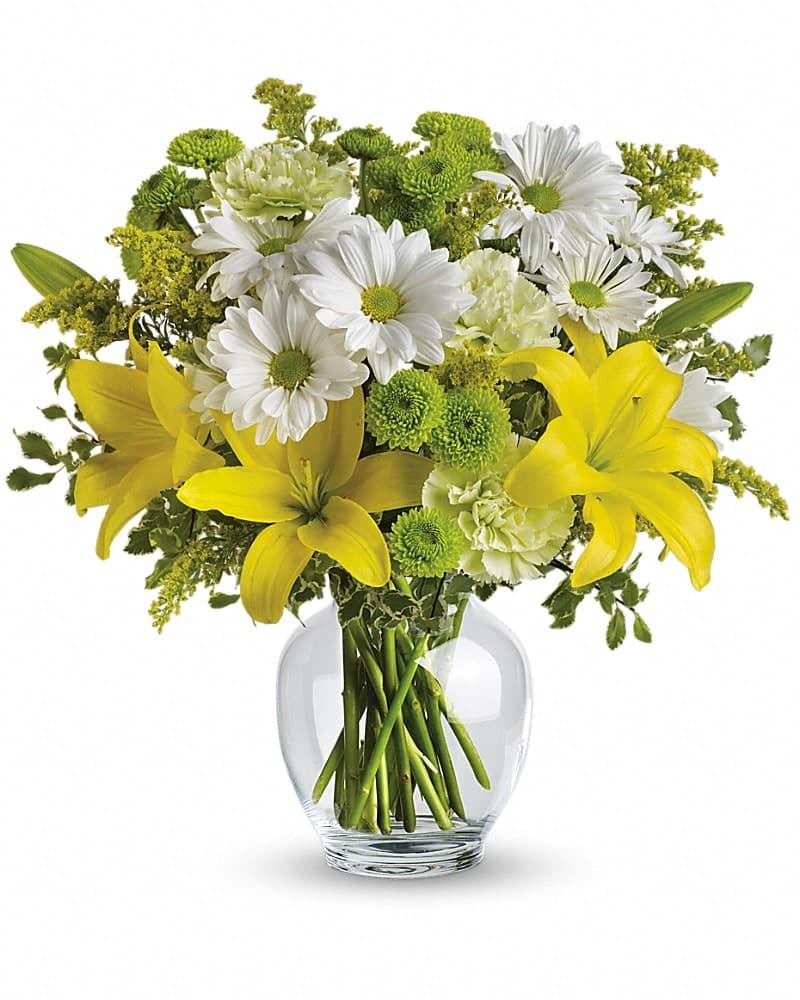
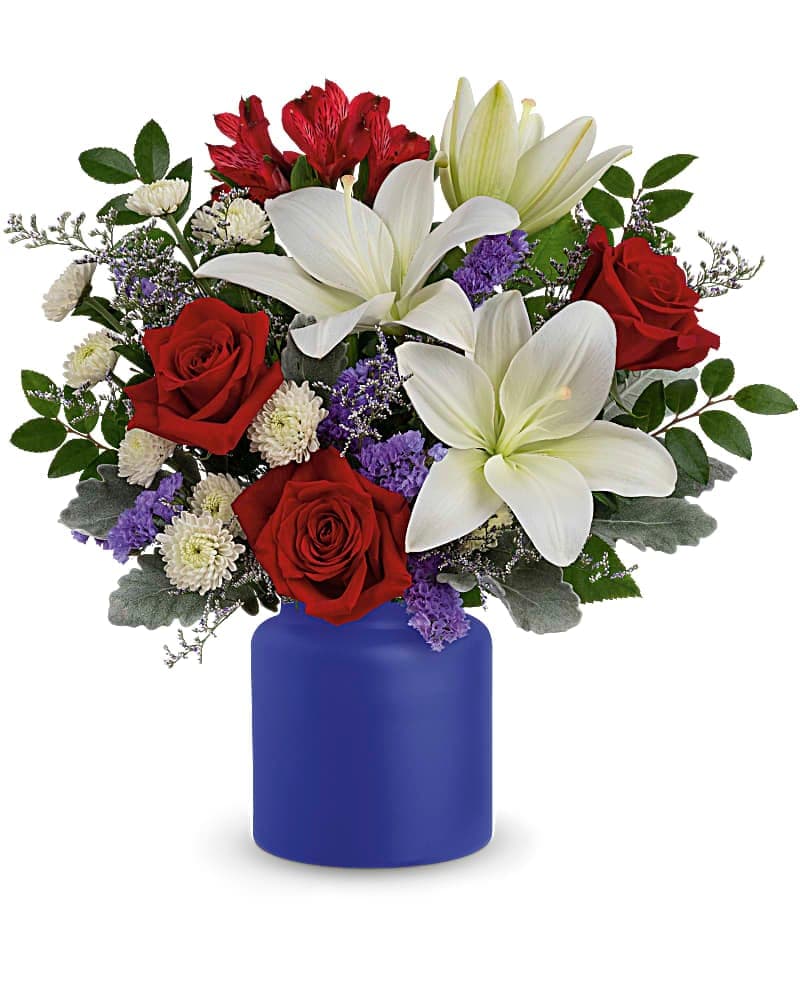
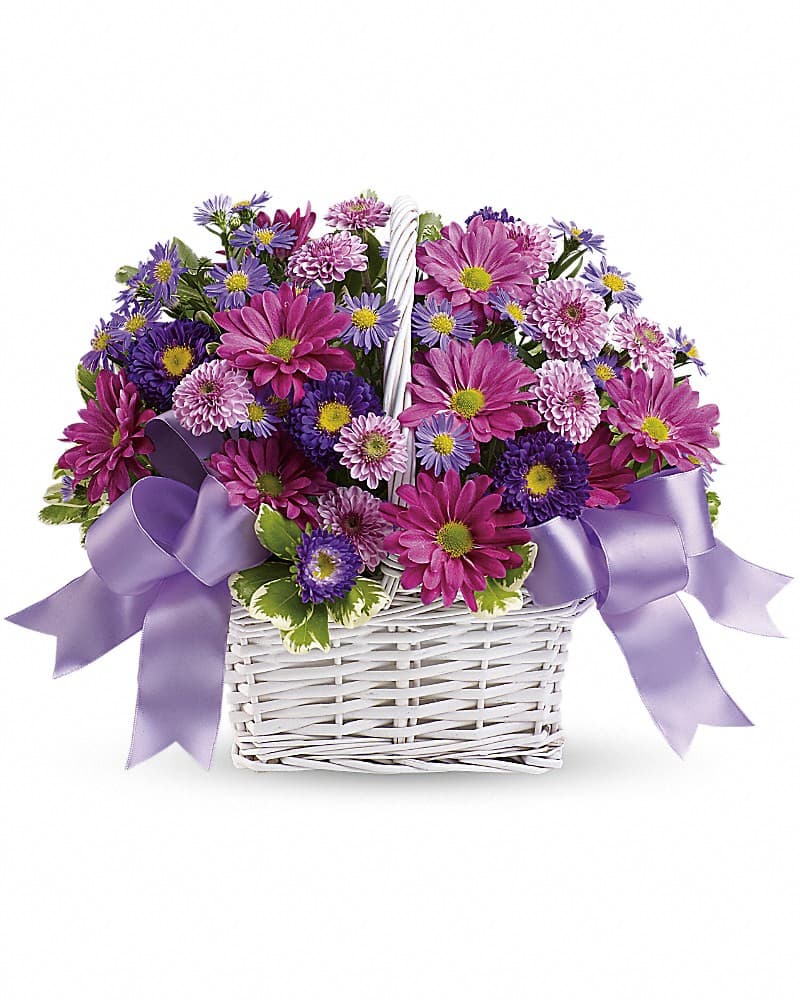
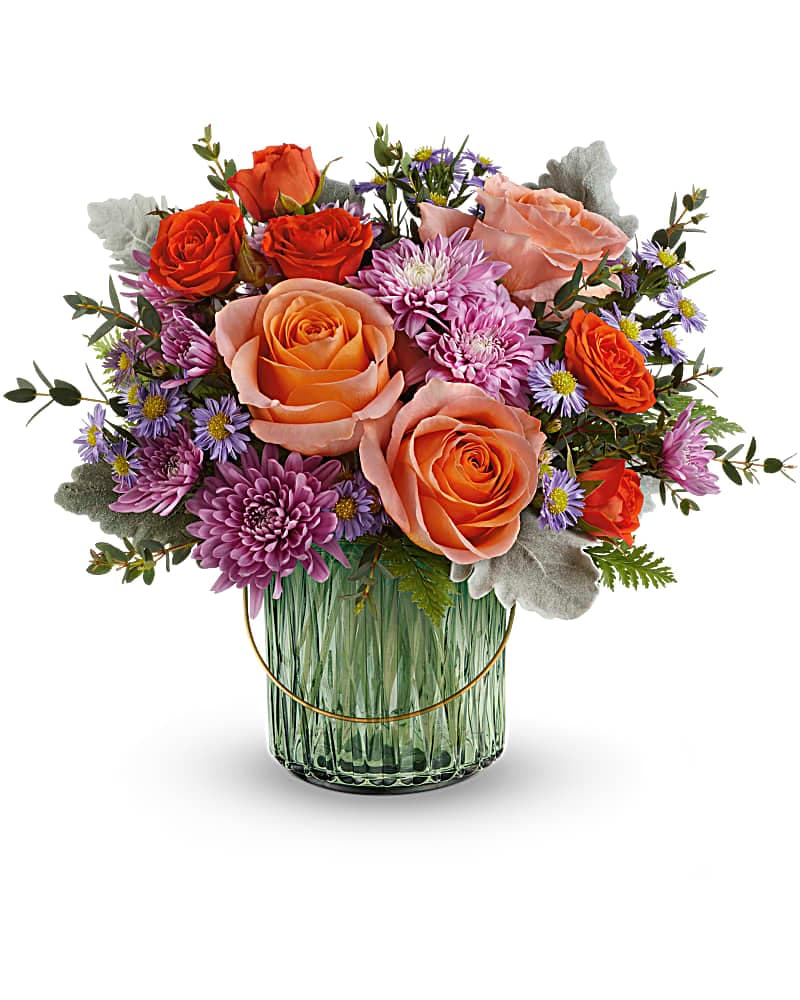
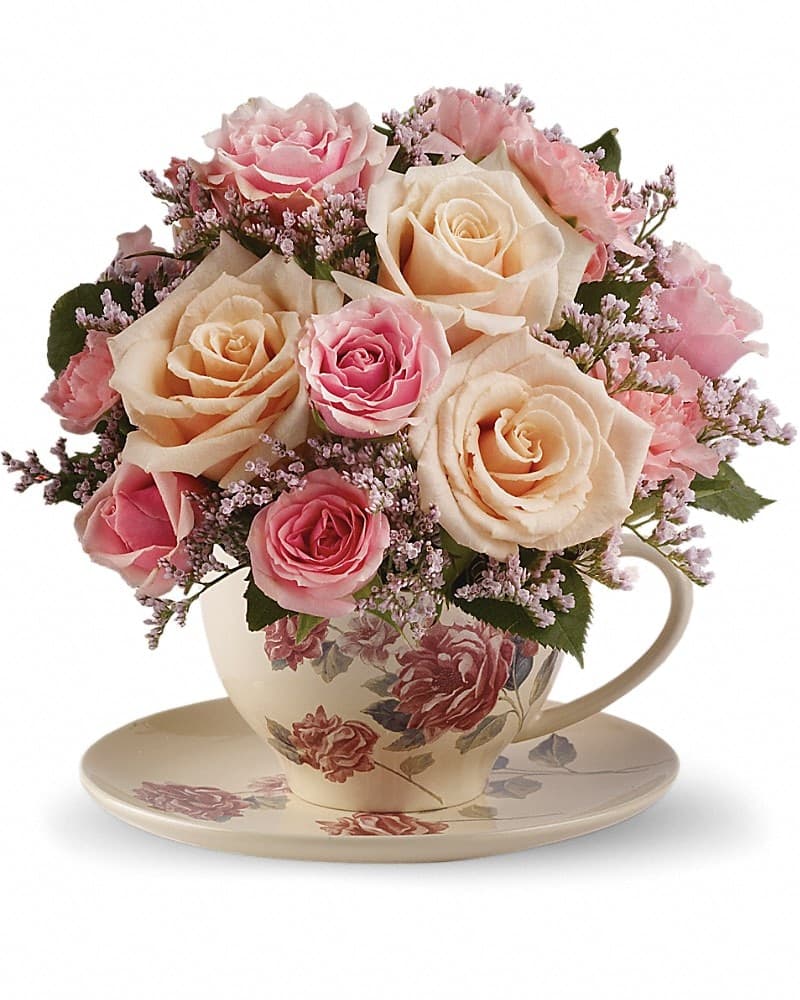
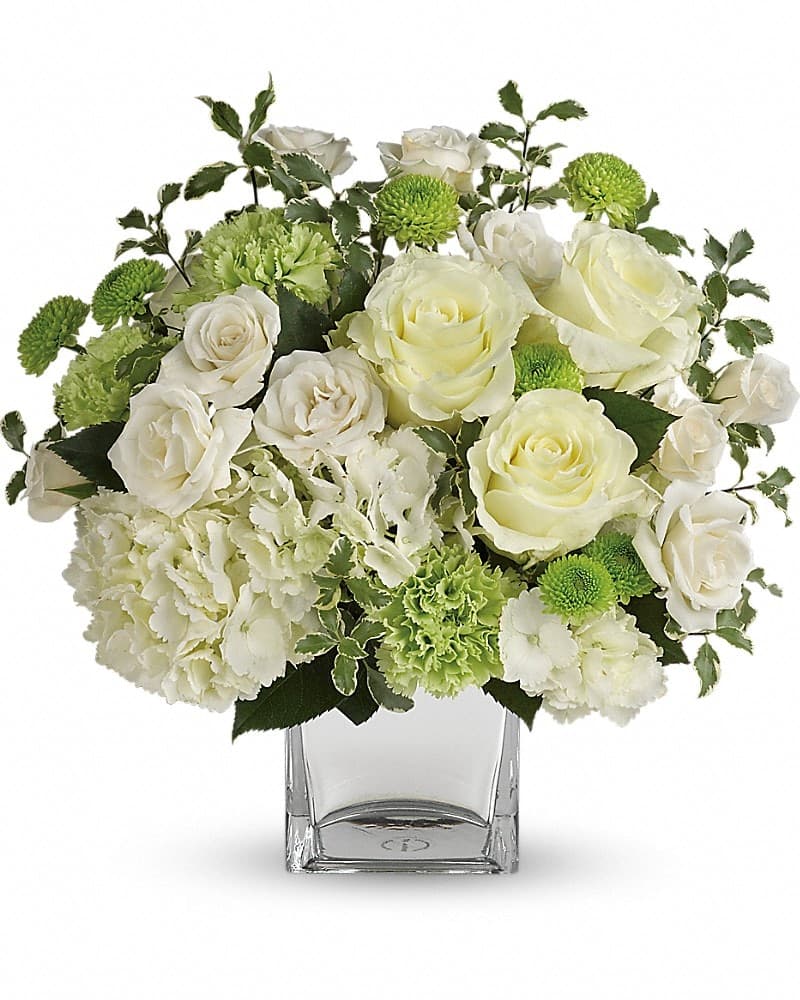
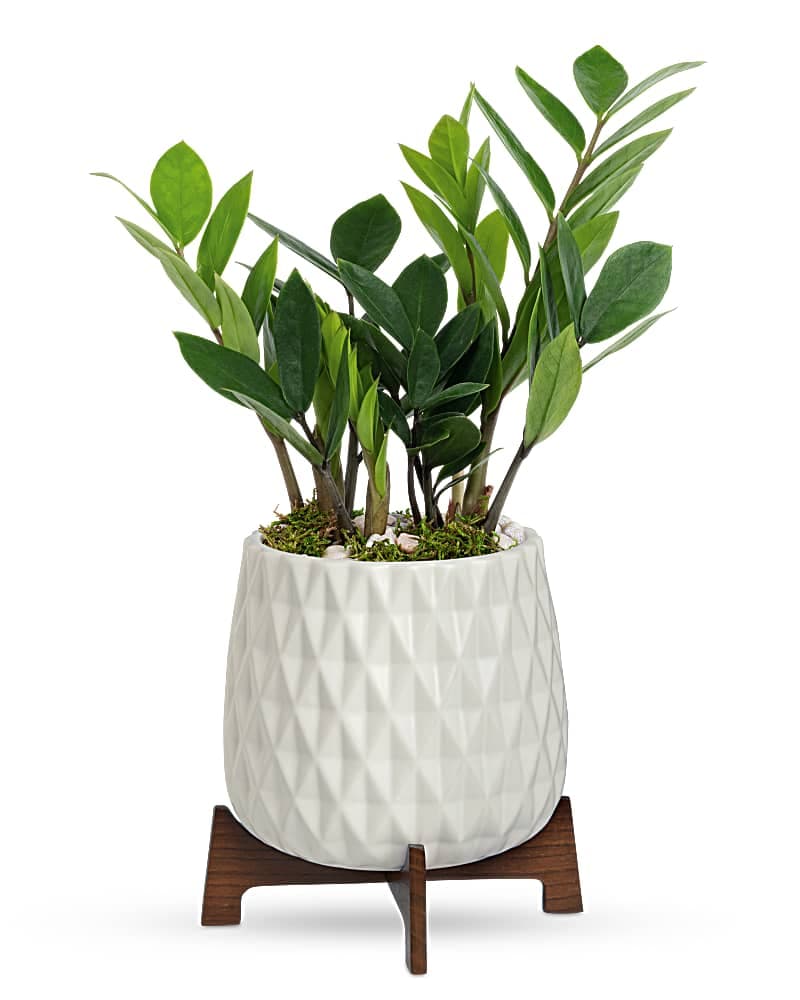
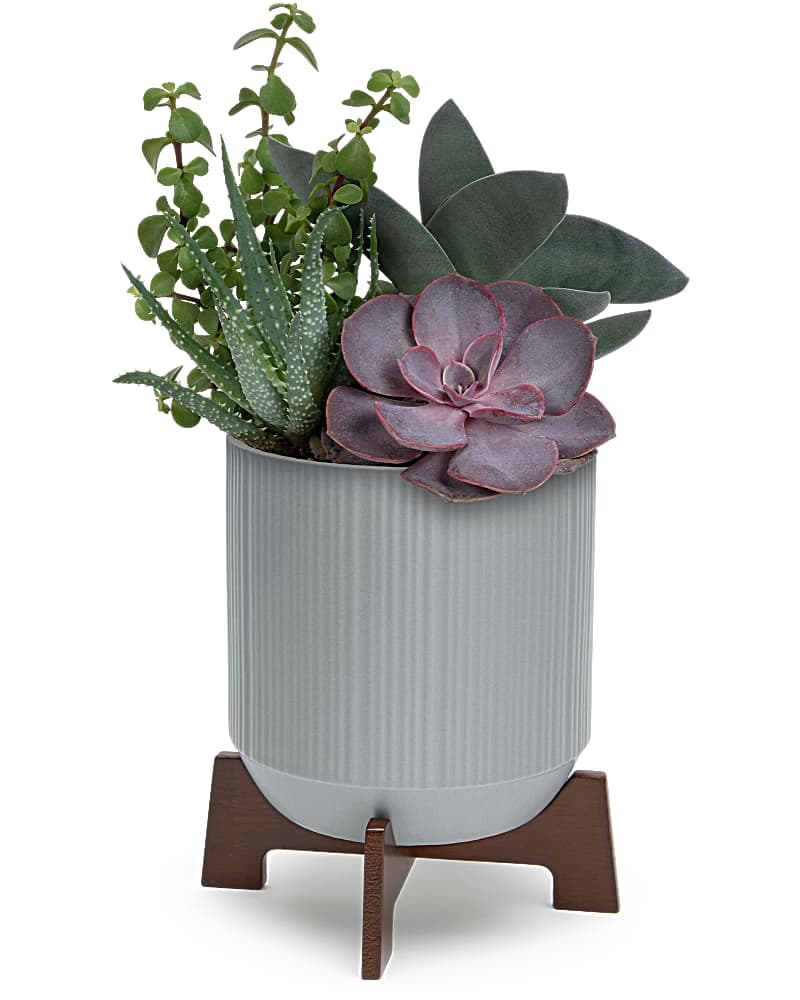
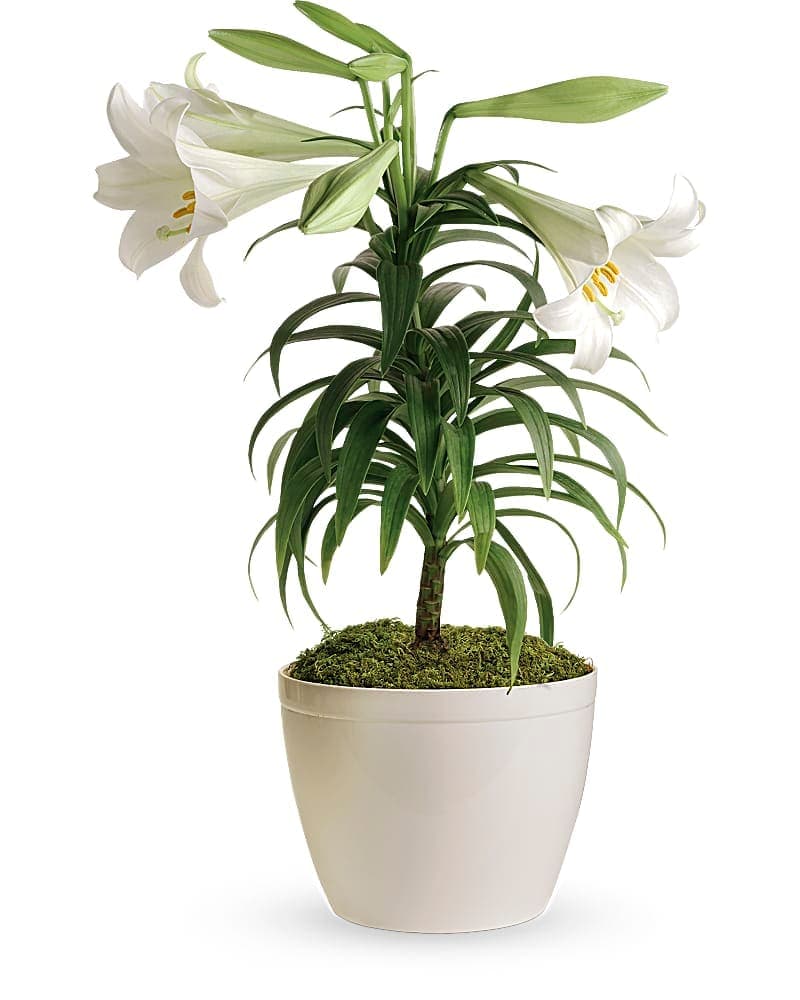
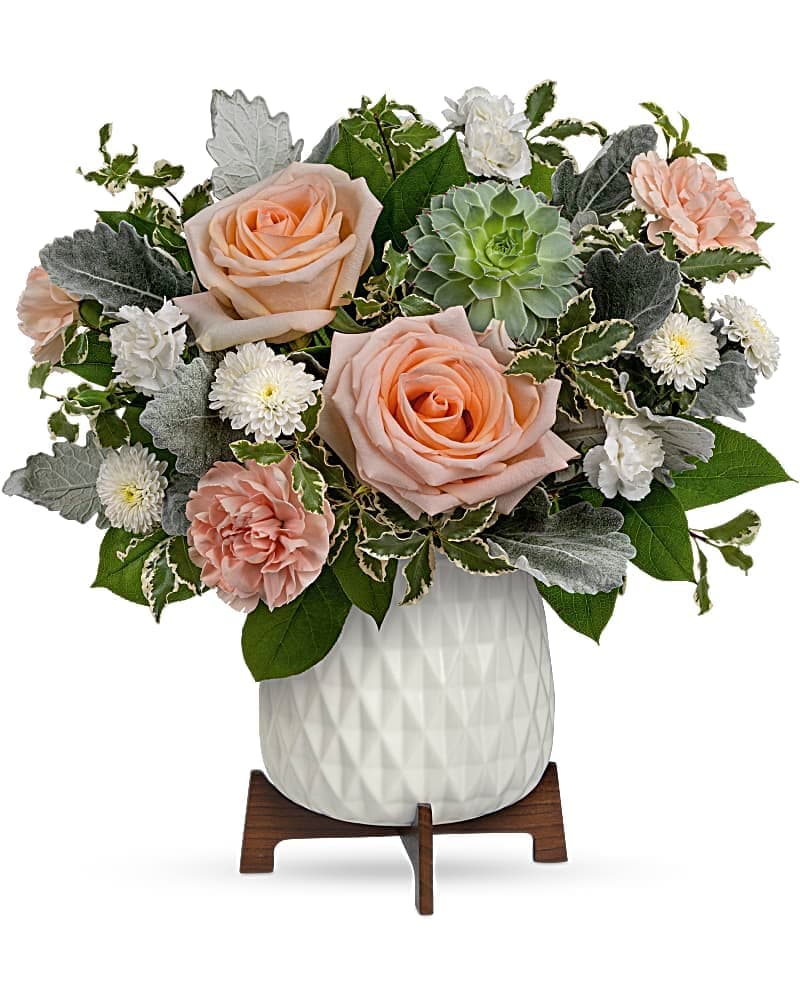
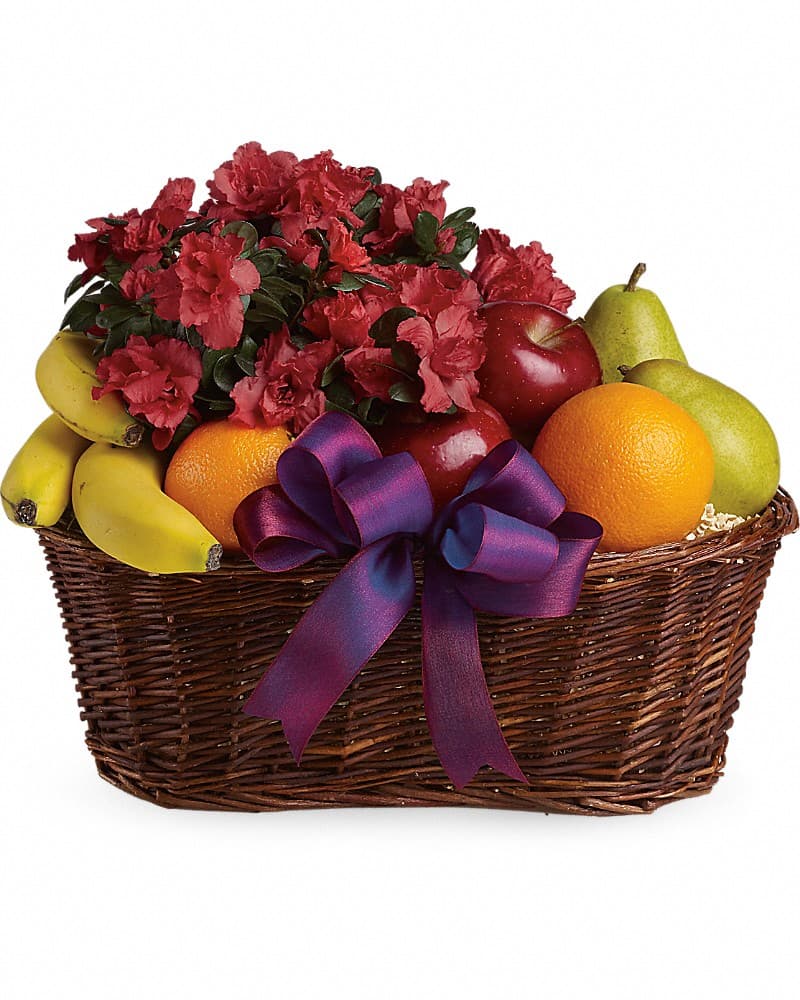
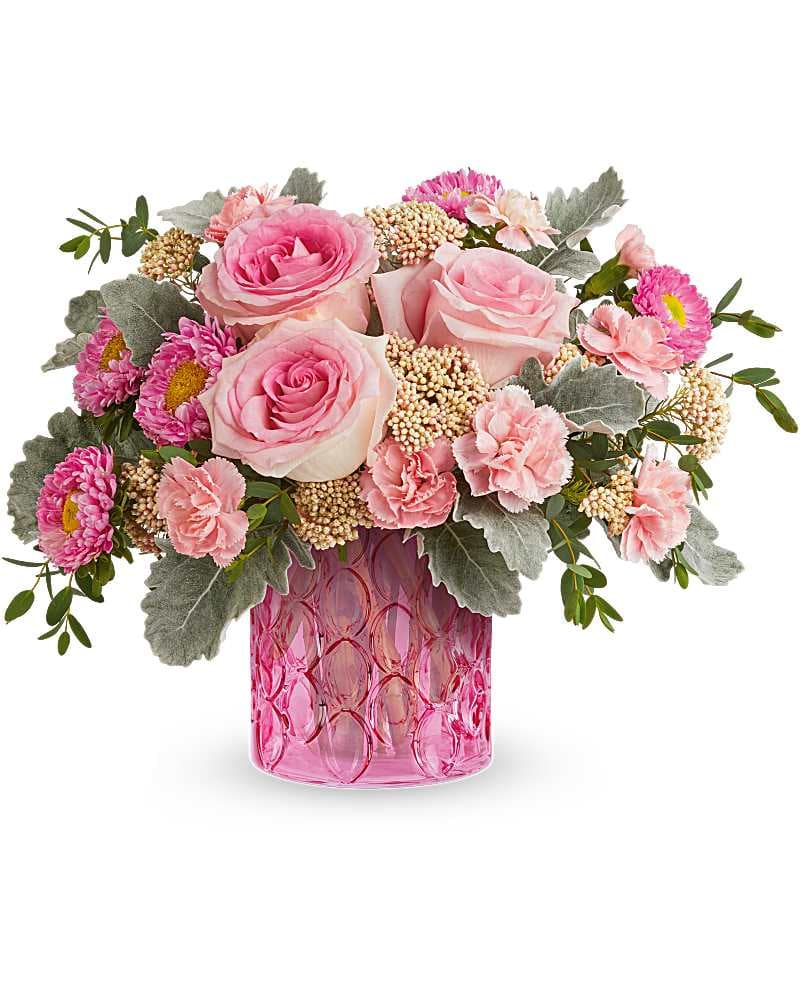
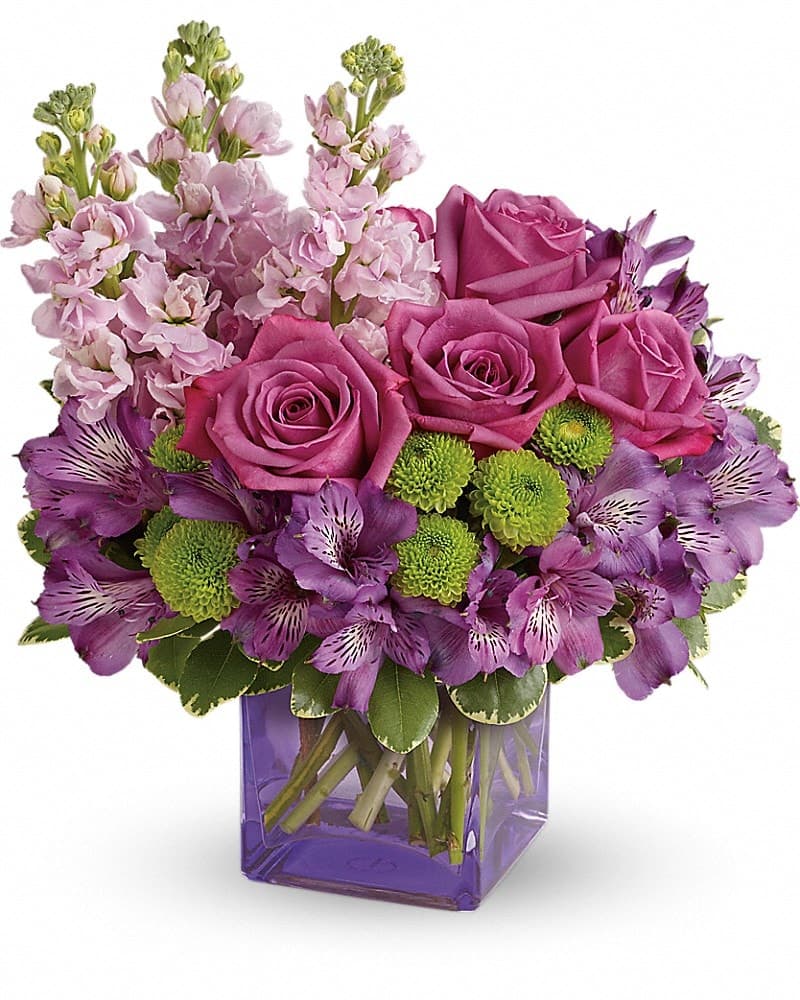
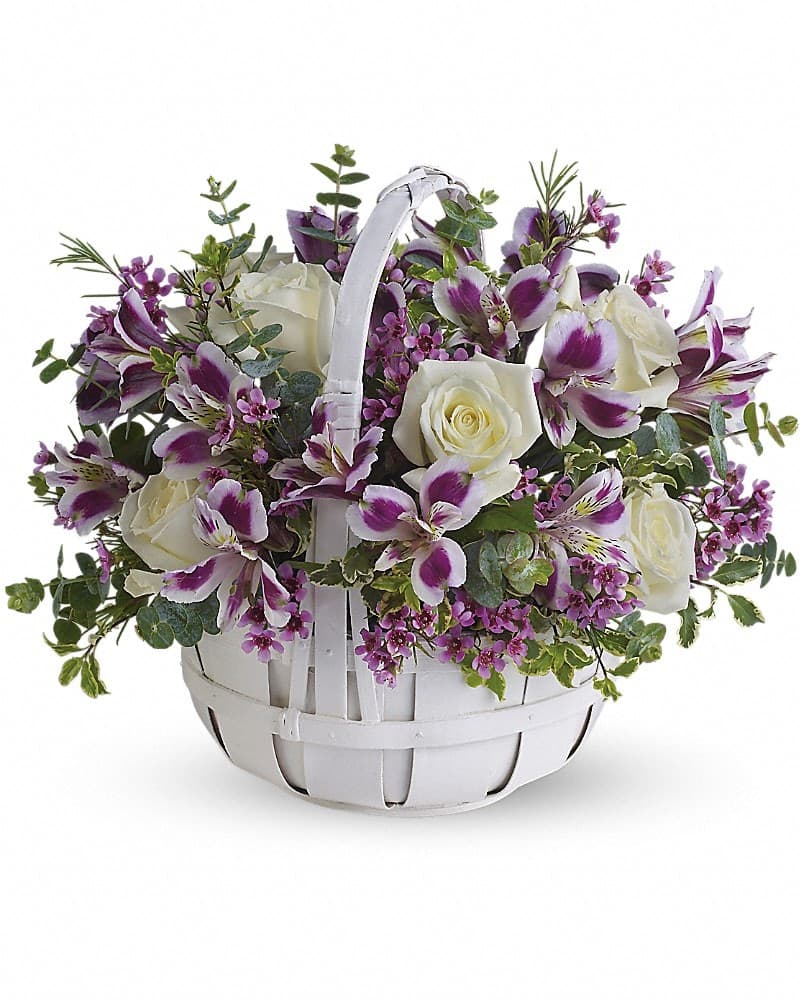
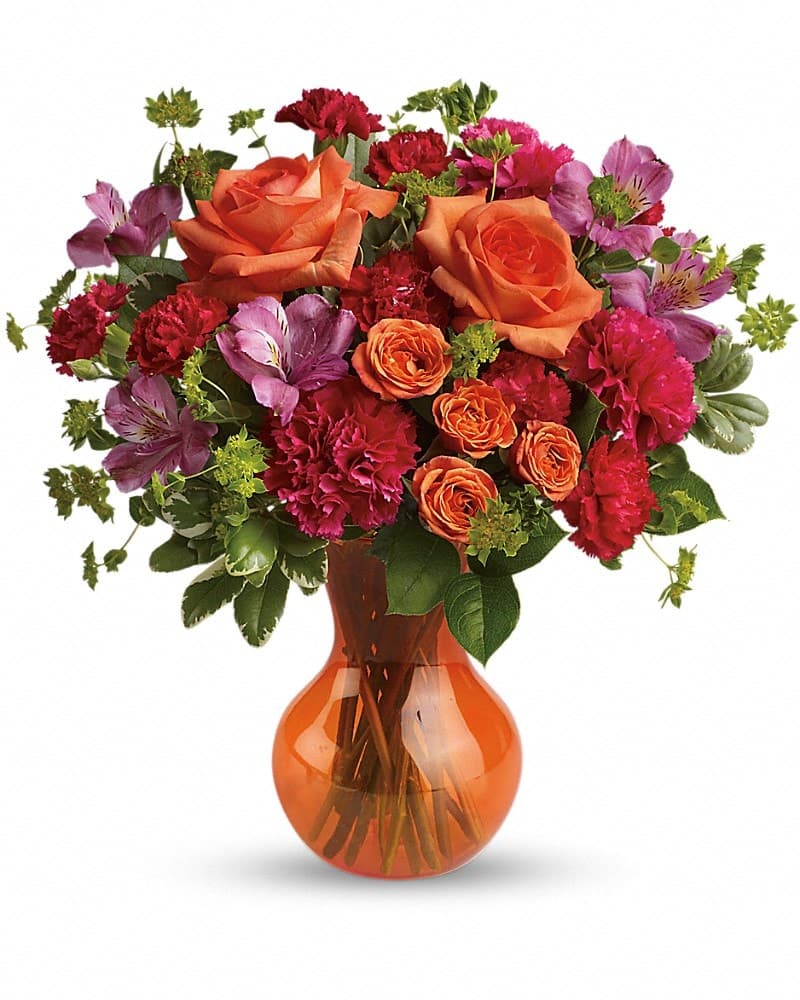
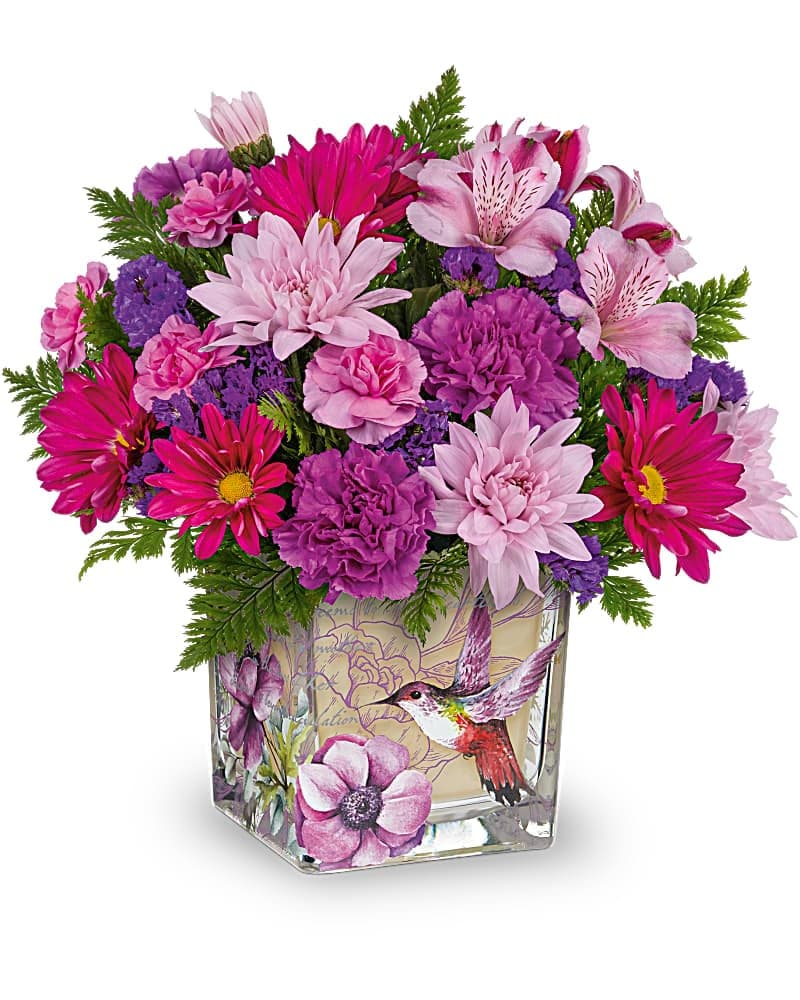
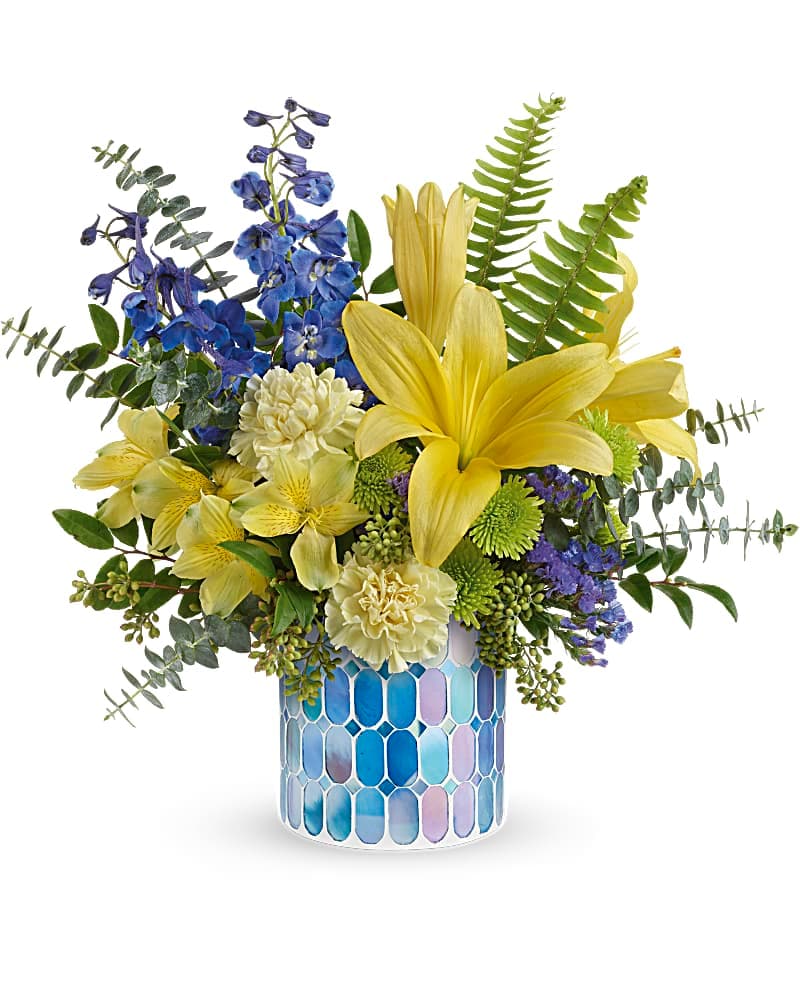
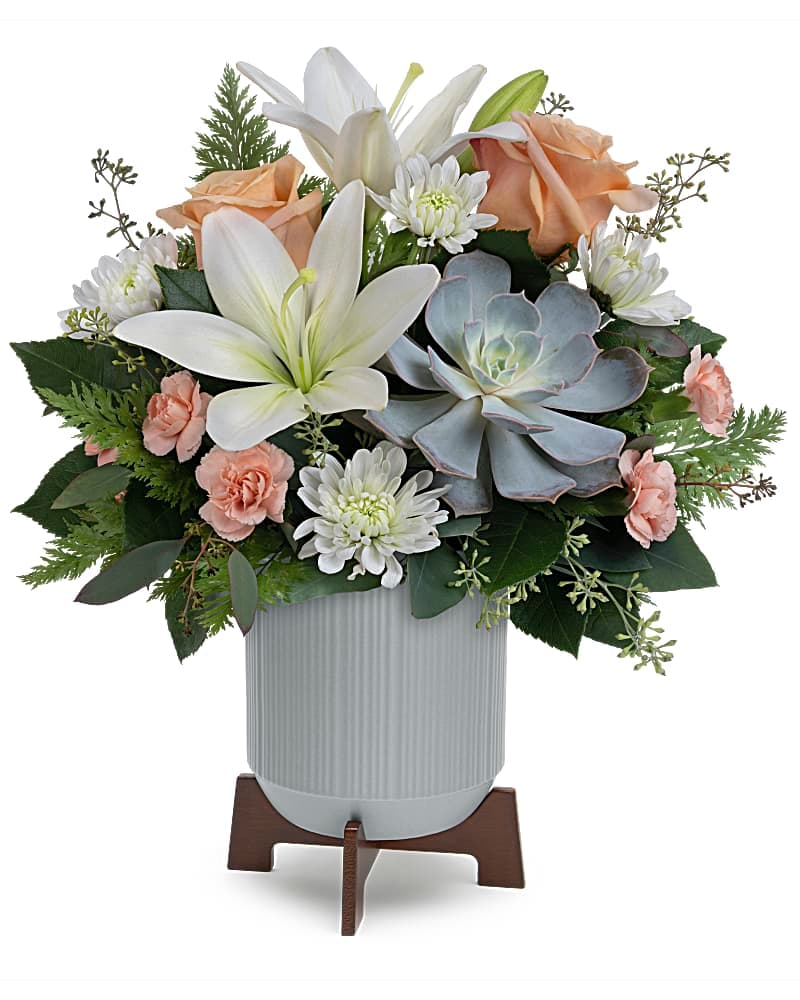
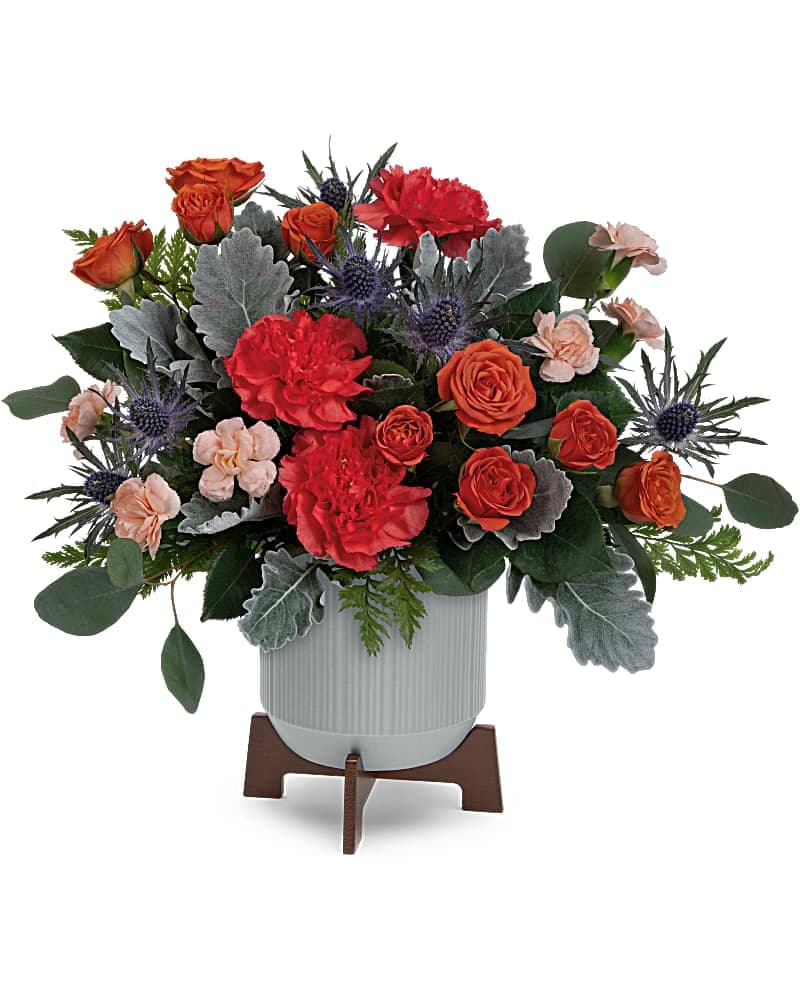
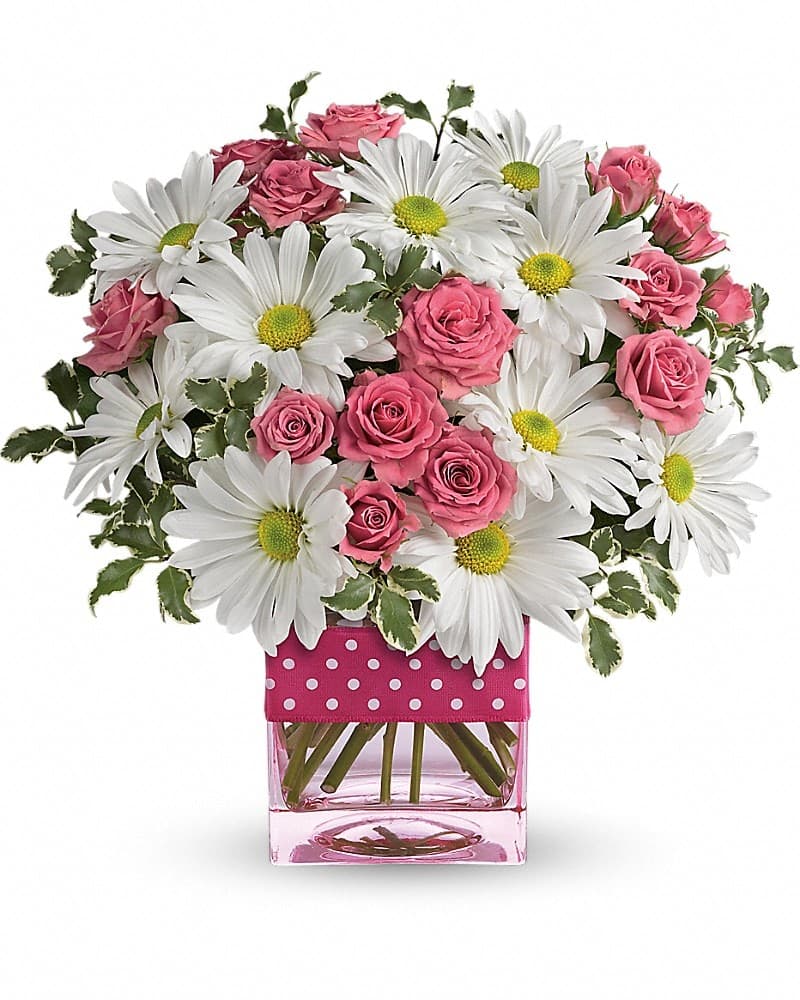
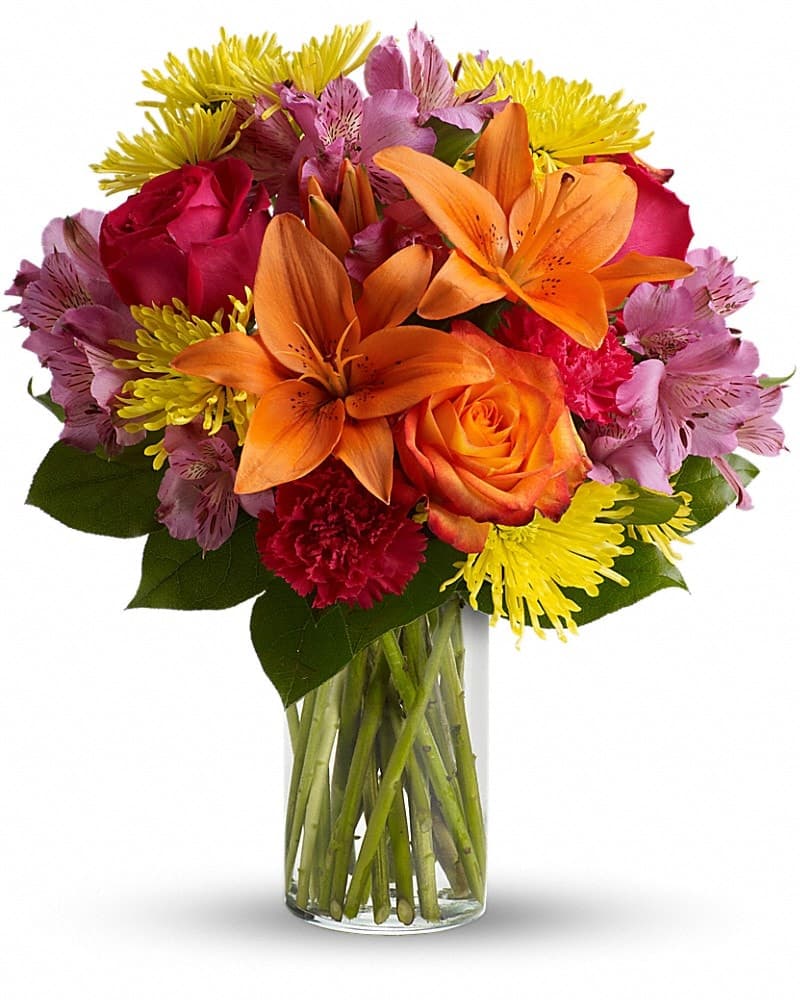
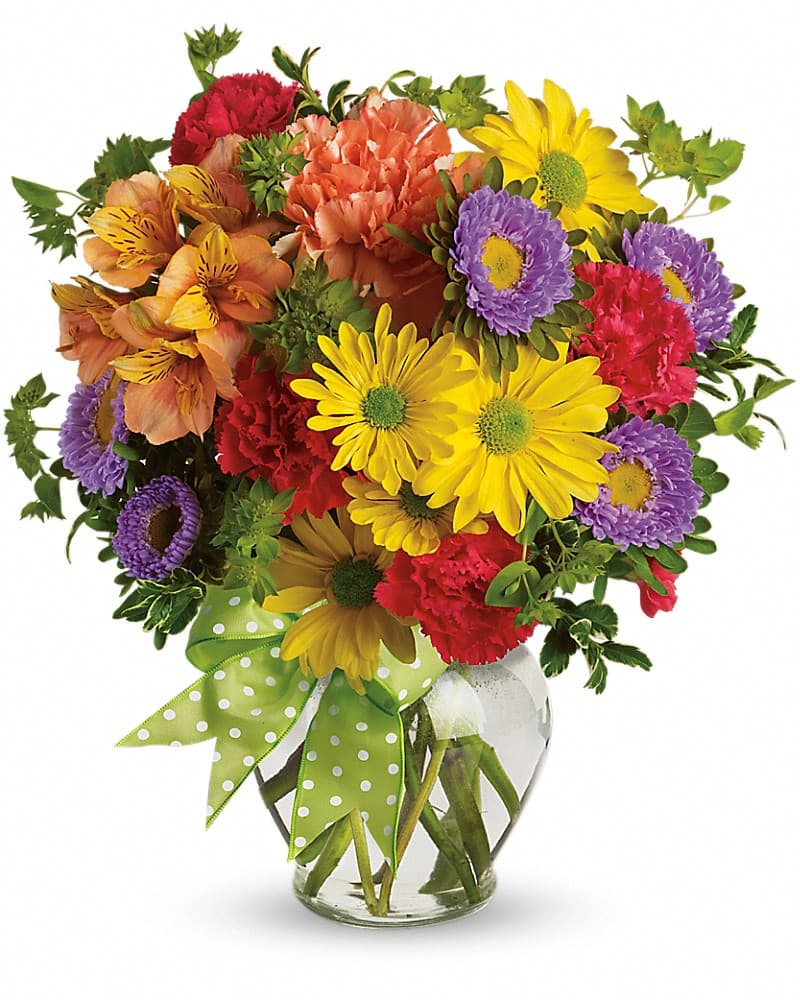
What a floor will take is settled inside the building, and the two campuses are not one policy. The birthing service at Aultman is the most relaxed room in the county and quietly produces a large share of Canton's flower traffic; colour, height and a mylar balloon are all welcome there. Its cancer and infusion floors are the opposite end of the same building: no lilies, nothing bred to scent a room, and while a patient's counts are down, no live soil either — which removes the potted plant that would otherwise have been the better gift. Intensive care and step-down at both hospitals often take nothing at all through the door, and the fix is identical at each: name a family member on the order and hand it over in the waiting area instead. Orthopaedic and post-surgical rooms accept a vase gladly, but the working surface is a rolling tray table already carrying a water jug, a phone charger and three meals a day, so build to fourteen inches in something that will not shatter when it is pushed aside. Alstroemeria, lisianthus, spray roses, carnations, gerbera, solidago and whatever green is in the cooler clear every desk on this grid.
Then there is the desk itself, which defeats more Canton deliveries than any allergy rule. Both hospitals register patients under a full legal name, and both let a patient stay out of the published directory; when someone has done that, the volunteer at the information window is not permitted to confirm or deny that they are upstairs, and a driver standing in the lobby with a vase has no fallback. Give us the legal name, the building, the unit and the room. Three of those four will usually work. If the only thing the family can supply is a first name, take a mobile number instead and aim at the house. Timing is the other quiet failure. Stays at both campuses are counted in nights rather than weeks — a stent, a knee, an appendix, forty-eight hours of observation — and an arrangement that arrives at ten on the morning of discharge is carried out at noon, wedged into a footwell against a duffel bag, and reaches the kitchen looking like it lost a fight. If the surgery was yesterday and they are talking about going home tomorrow, aim the delivery at their kitchen table two days out; the recovery half is longer, duller and the part nobody sends anything for. Write the card for that week rather than for the ward: a date does more than an adjective, and "first home game, I'm driving" reads better from a tray table than anything about strength. Our studios hand-write it and wire it on — between a lobby desk, a unit clerk and the room there are three sets of hands for a loose card to slip out of.