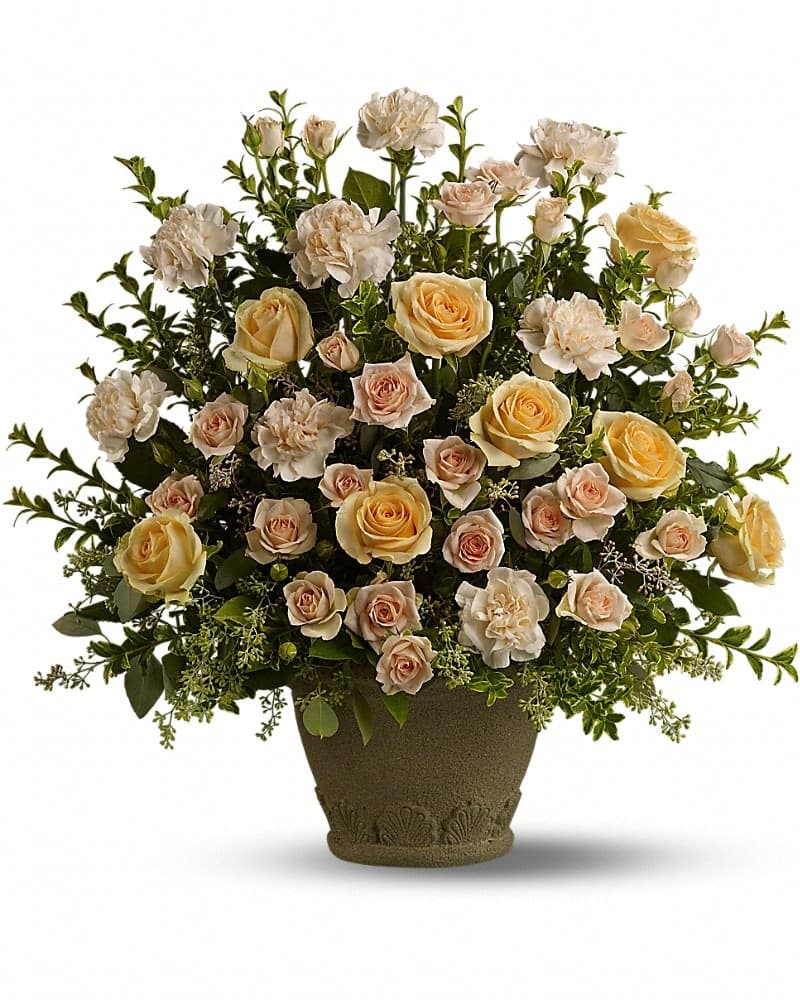
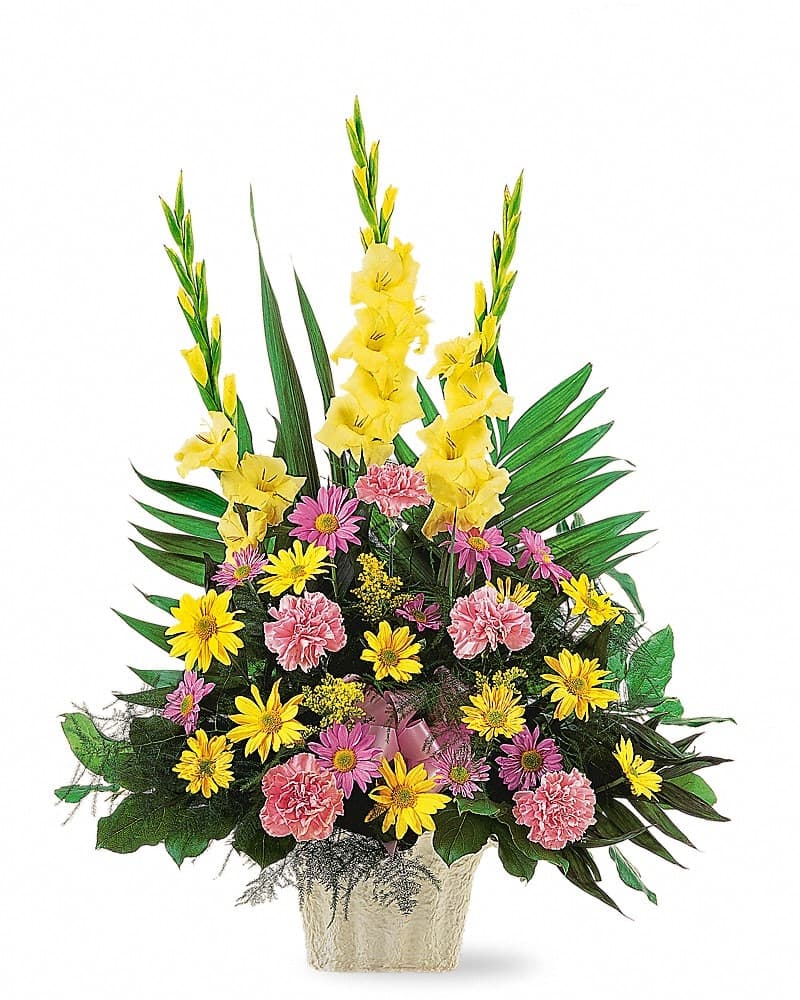
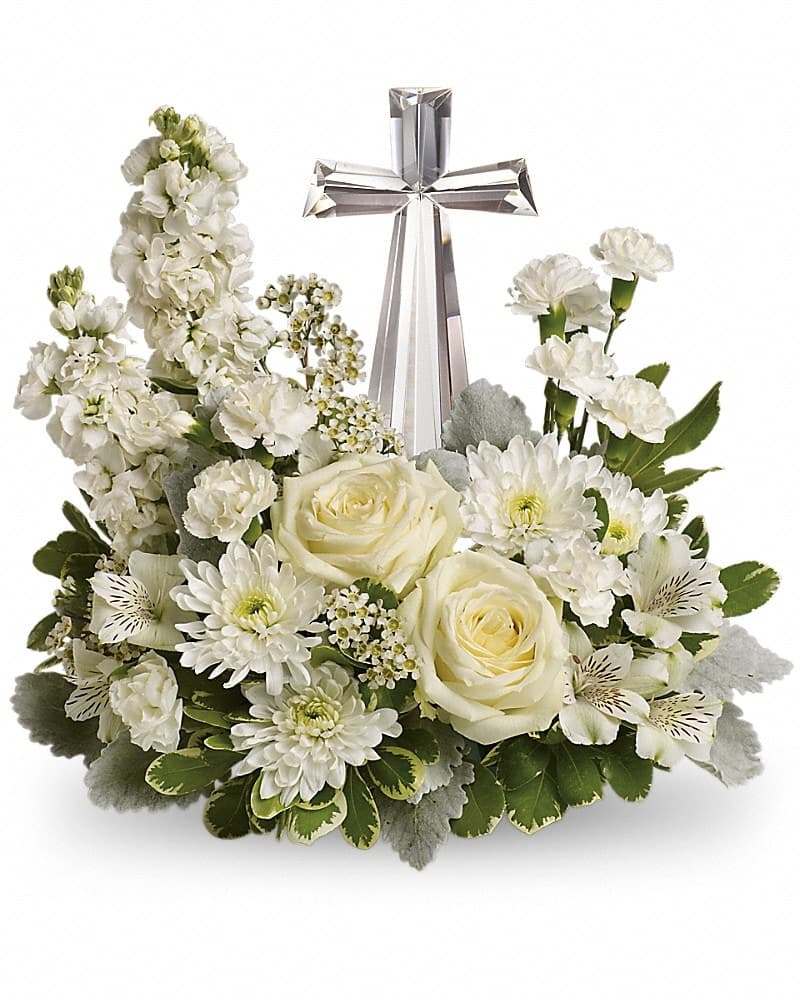
Sympathy is the one order where the clock belongs to somebody else. In Jefferson and Shelby County the sequence is usually a visitation the evening before or an hour before the service, then the service itself in a chapel or a church, then a graveside — and flowers have to be standing in the room before the family walks in, not while they are already seated. So the first thing to settle is not the arrangement, it is the address and the hour. A funeral home may run three services in a day, which means the order needs the deceased person's full name and the date and time of the service written into it, or your piece ends up in the wrong parlor. Ridout's carries much of this work across the metro — the Valley Chapel on Oxmoor Road in Homewood, the Trussville chapel, Southern Heritage in Pelham, and the Johns-Ridout's rooms in town — alongside Jefferson Memorial in Trussville with its Pelham gardens, Davenport & Harris, one of the oldest Black-owned firms in Alabama, and Poole in Gardendale on the north side.
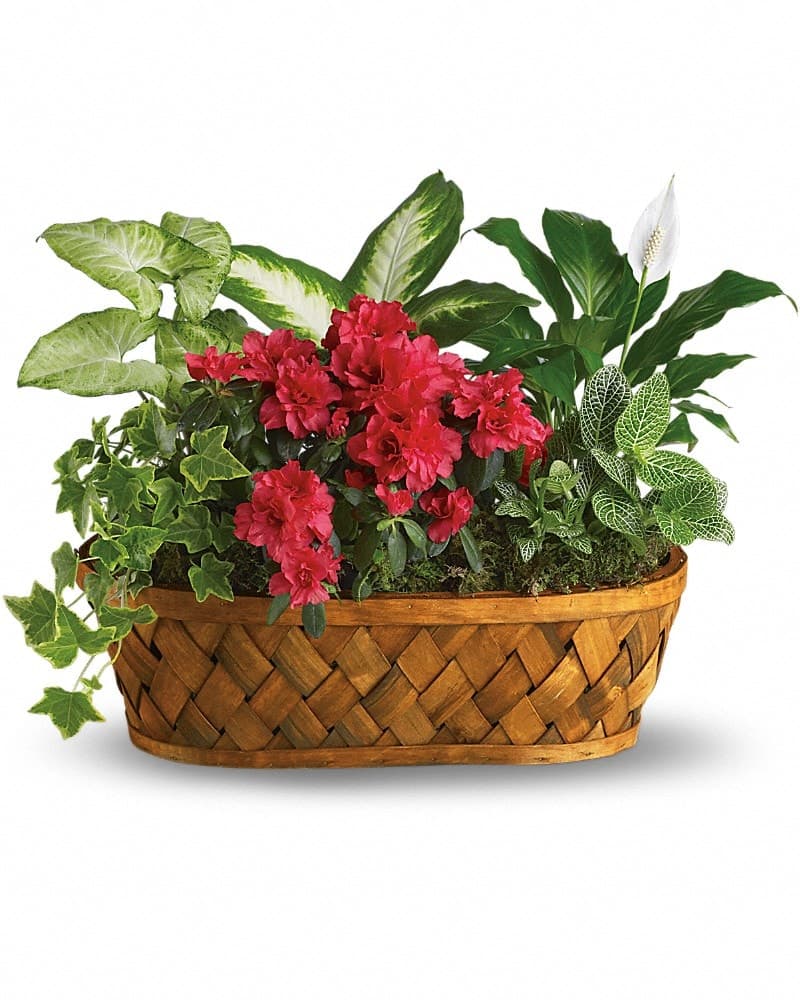
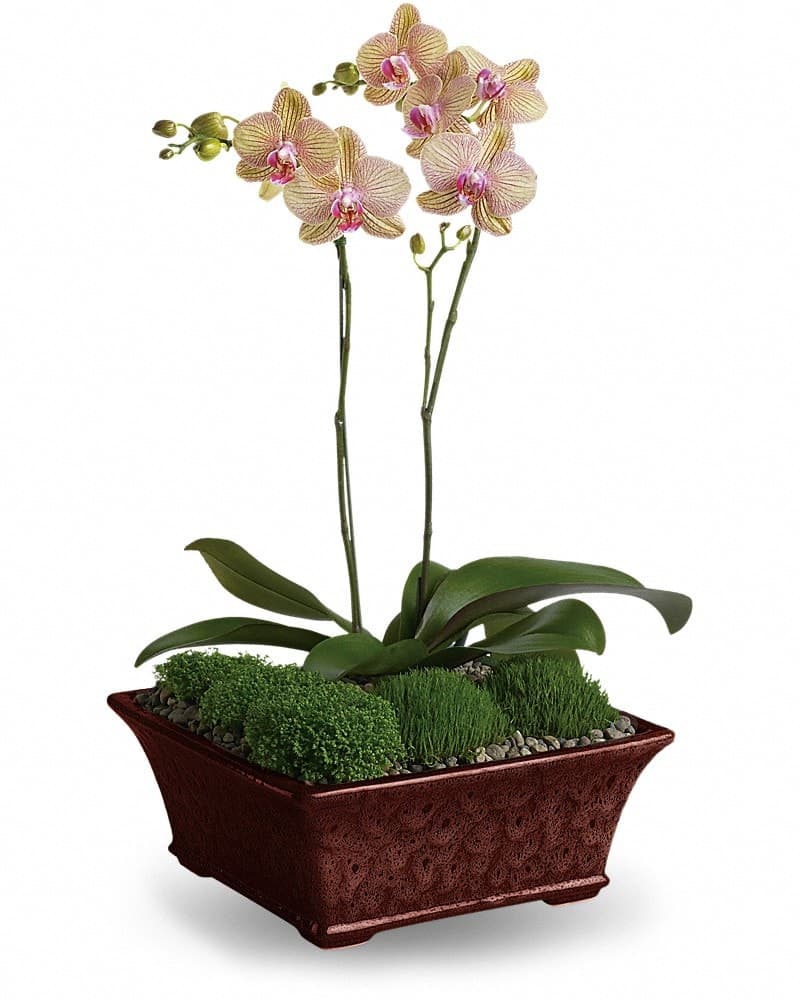
Read the obituary before you order, because in Birmingham it usually tells you what the family wants. When it says in lieu of flowers, take that at face value: give to the named charity, the church, the scholarship fund or the hospital foundation, and then send a plant or a meal to the house a week later instead. Practice varies by congregation across this metro, and the shops know the difference. A Catholic service at St. Paul's Cathedral downtown or Our Lady of Sorrows in Homewood accepts arrangements at the church and often moves them to the graveside afterward. Episcopal services at the Cathedral Church of the Advent, Presbyterian services at Independent Presbyterian on Highland Avenue or Briarwood out on 280, Methodist services at Canterbury in Mountain Brook, Baptist services at Dawson Memorial in Homewood or at the historic downtown and Titusville congregations including Sixteenth Street Baptist and Sixth Avenue Baptist — each has its own preference on how much goes in the chancel, and the church office will tell you in one sentence.
Two traditions here specifically ask for something other than flowers, and knowing that in advance saves an awkward delivery. At the Reform and Conservative congregations on the Southside and Highland Avenue — Temple Emanu-El, Temple Beth-El — and at the Orthodox community, flowers are not customary at a Jewish funeral; donations in the person's memory are the convention, and what belongs at the shiva house is food or a plant rather than a cut arrangement, delivered to the home during the mourning week rather than to the chapel. Greek Orthodox services at Holy Trinity-Holy Cross follow their own order in which the family's piece and the church's arrangements are handled by the parish. In the metro's Muslim community, burials are prompt, often within a day, and flowers are generally not part of the graveside; condolences go to the family's home afterward. In every one of those cases the right move is the same: one phone call to the funeral home or the congregation office before you order.