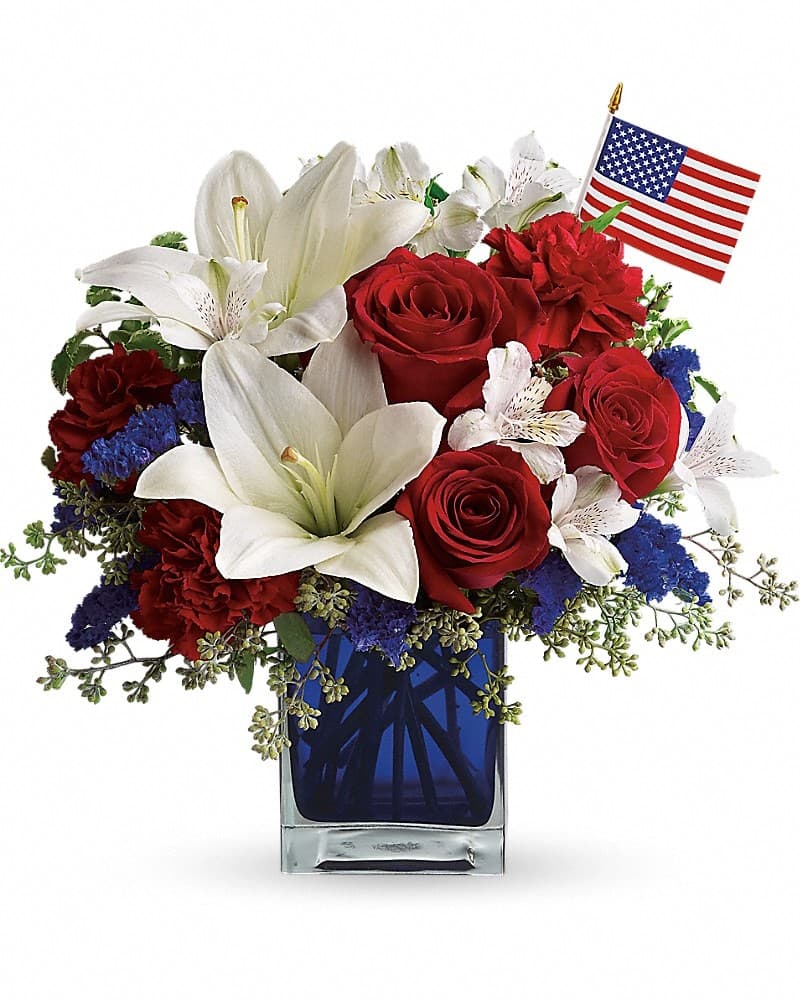
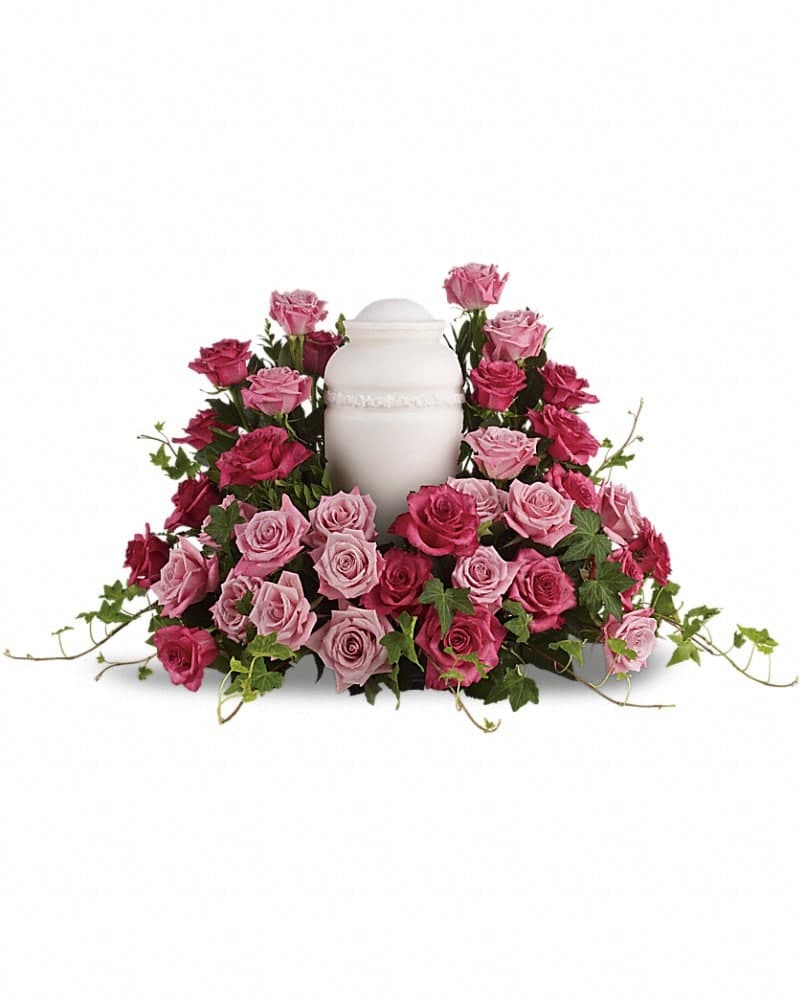
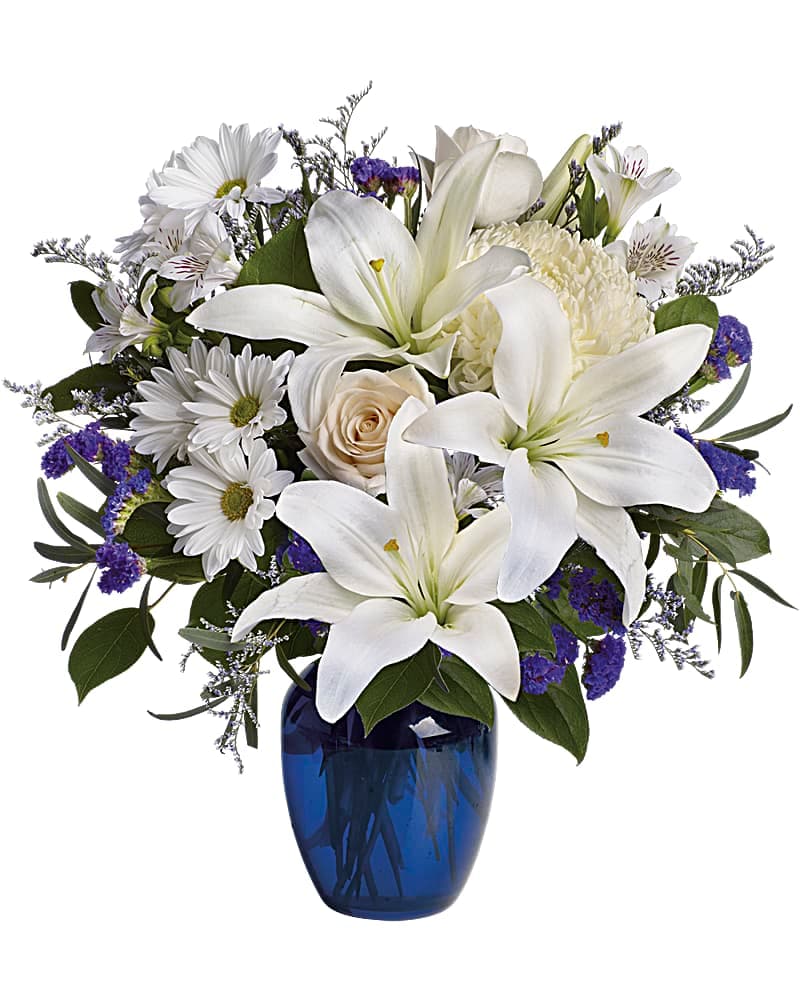
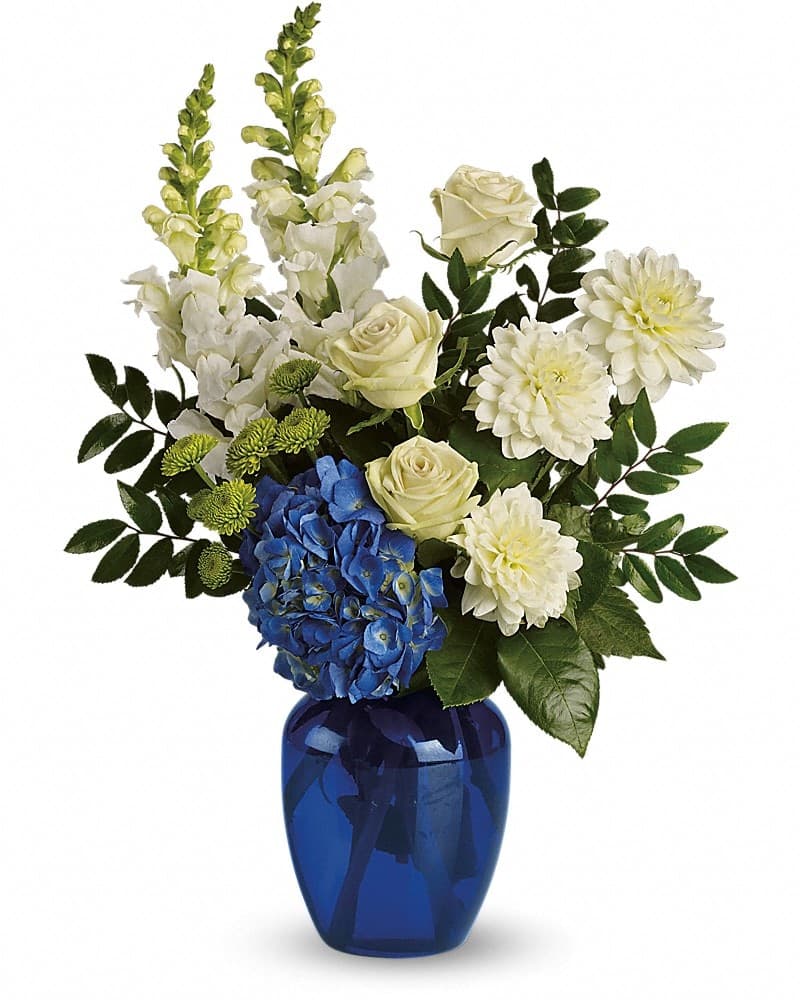
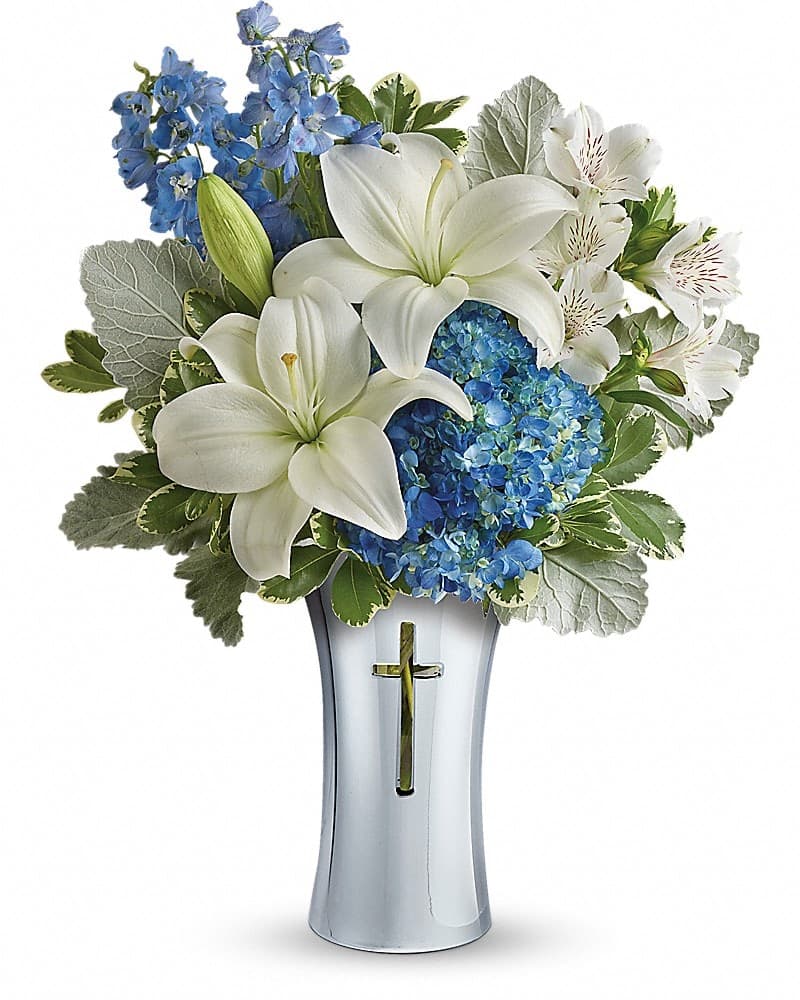
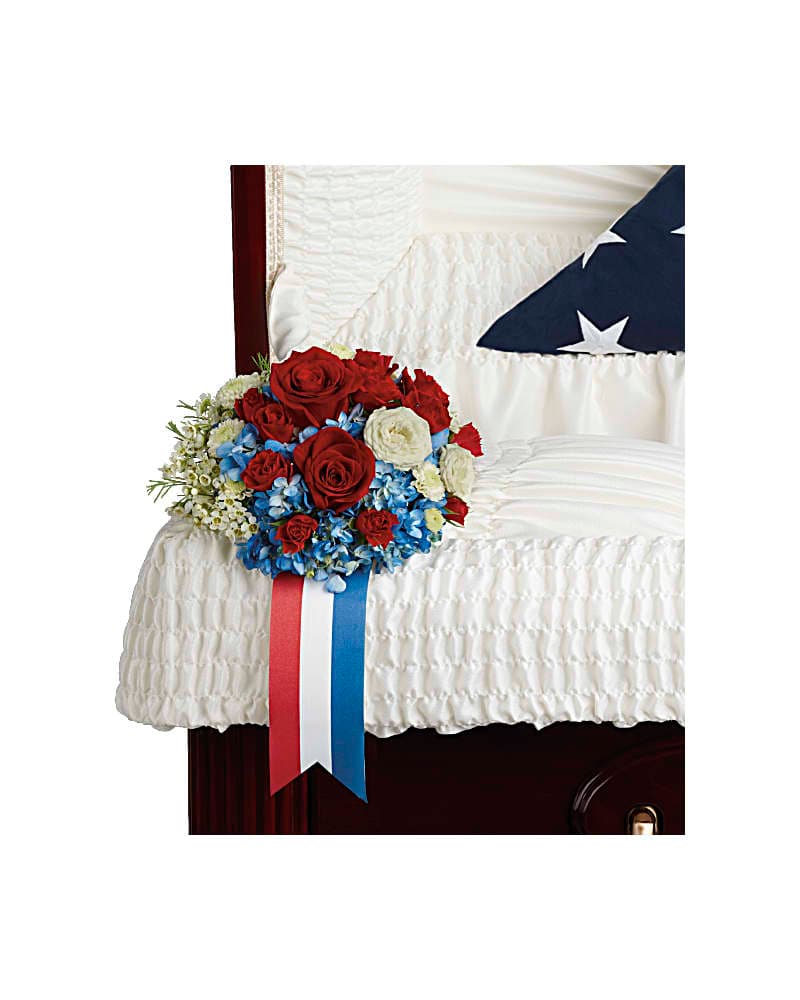
Biloxi has one institution that changes the arithmetic of sympathy here, and out-of-state senders almost never account for it. Biloxi National Cemetery, on the grounds of the Biloxi VA Medical Center on Veterans Avenue, is a national cemetery — and this is a coast dense with veterans, because generations of airmen who trained or served at Keesler Air Force Base retired within a few miles of it, and the Gulf Coast Veterans Health Care System kept them here. National cemeteries do things their own way. Committal services are generally held on a fixed schedule in a committal shelter rather than at the graveside, the interment itself may happen after the family has left, and floral practice follows VA-wide rules rather than the wishes of whoever is sending: fresh flowers are welcome, glass and breakable containers are not, arrangements are removed once they wilt or when grounds crews need the section, and artificial flowers are restricted to set periods of the year. What that means in practice is simple. For a national-cemetery service, the reliable destinations are the funeral home handling the arrangements and the family's home, not the cemetery section — and if you want something at the grave, send a modest, stable, unbreakable piece, and confirm the day's schedule with the funeral director first. Military honors, a flag presentation and a rifle detail compress a committal into a short and very structured ceremony; flowers arriving mid-ceremony help nobody.
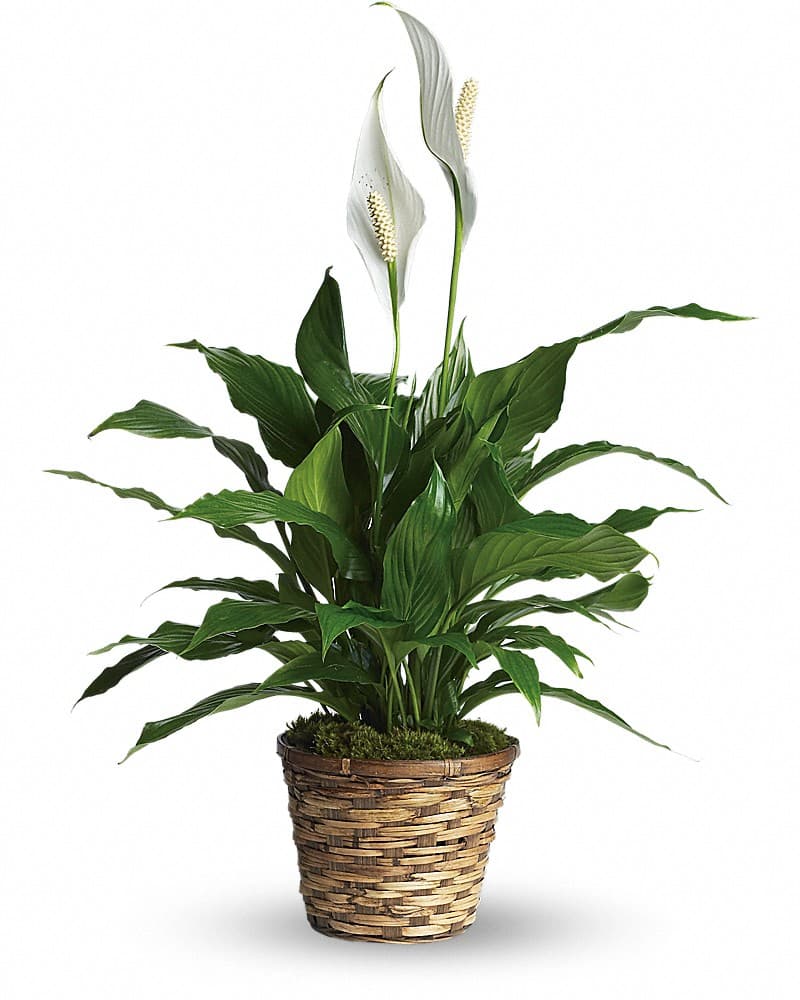
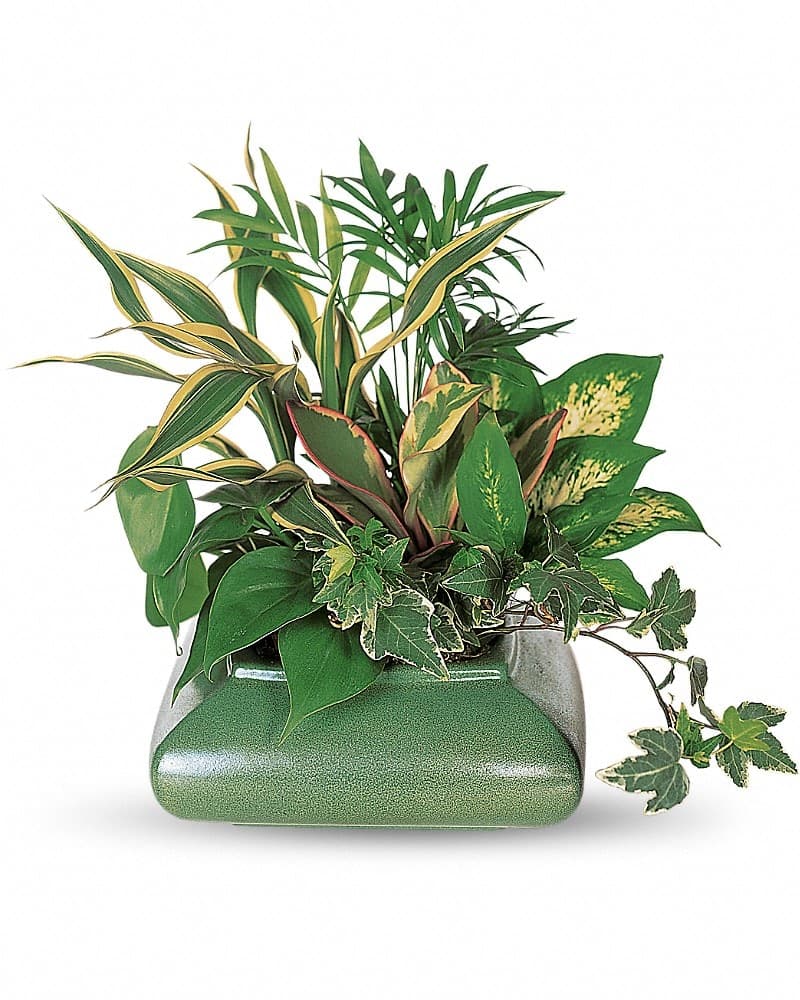
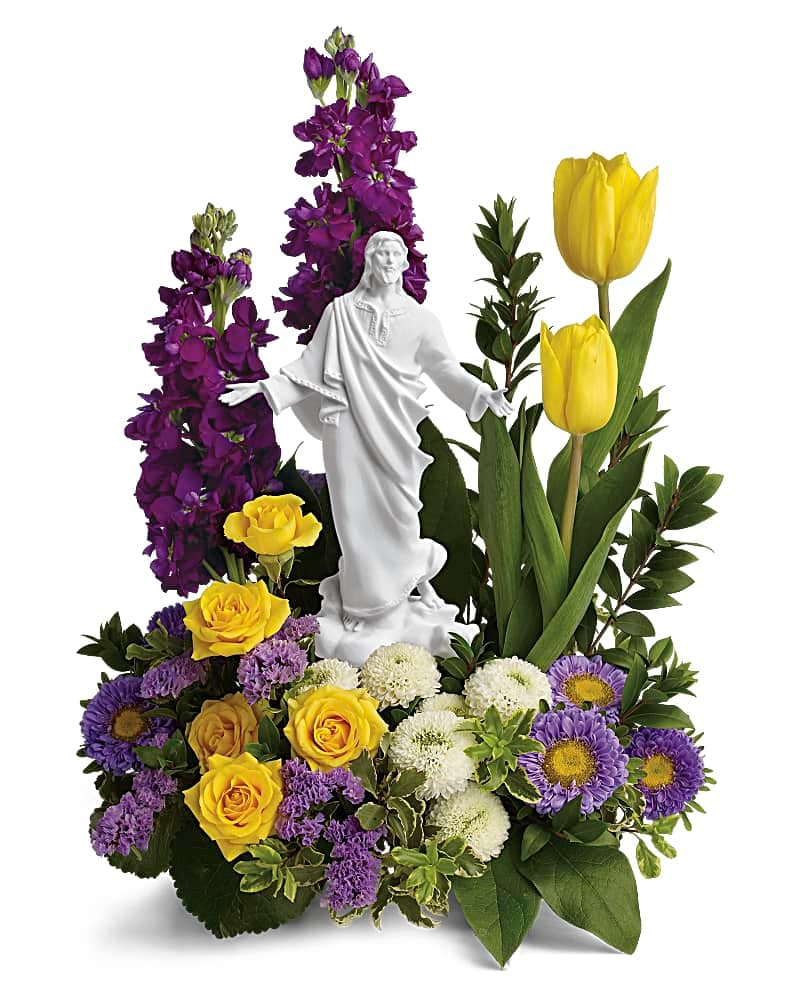
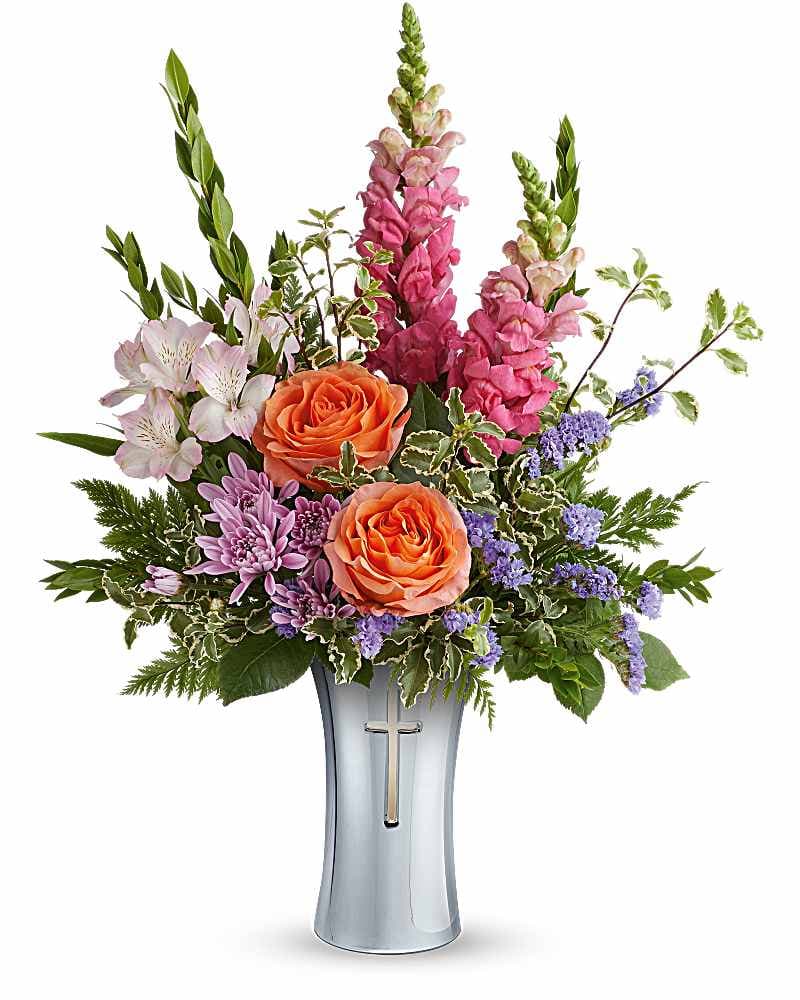
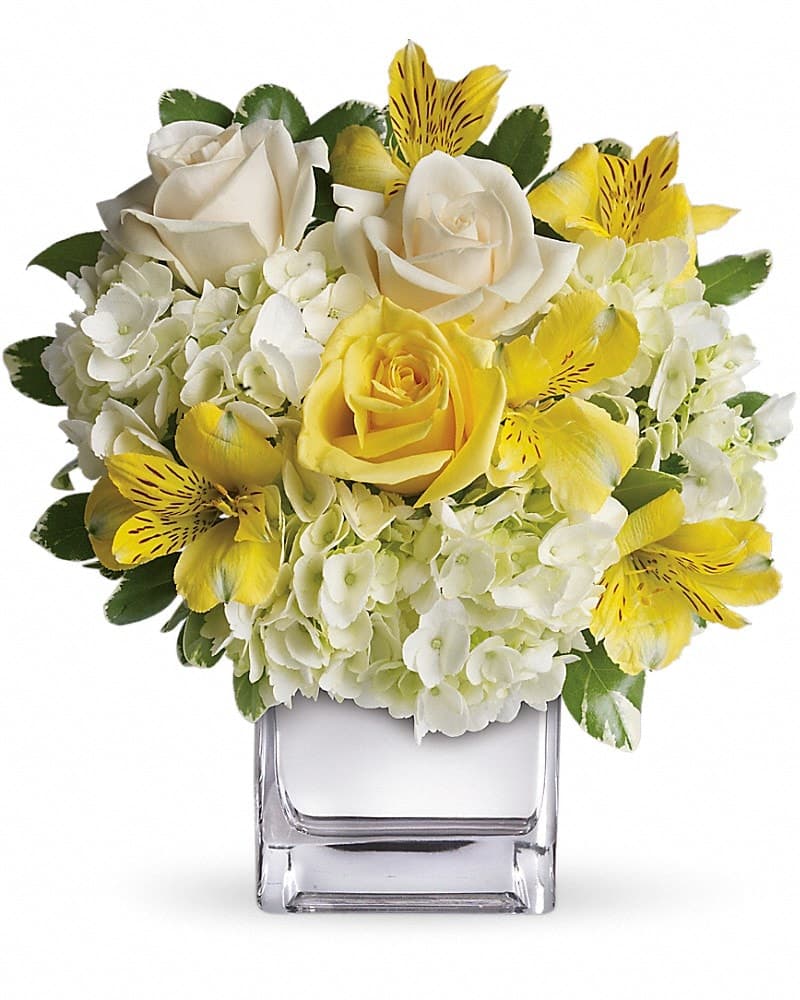
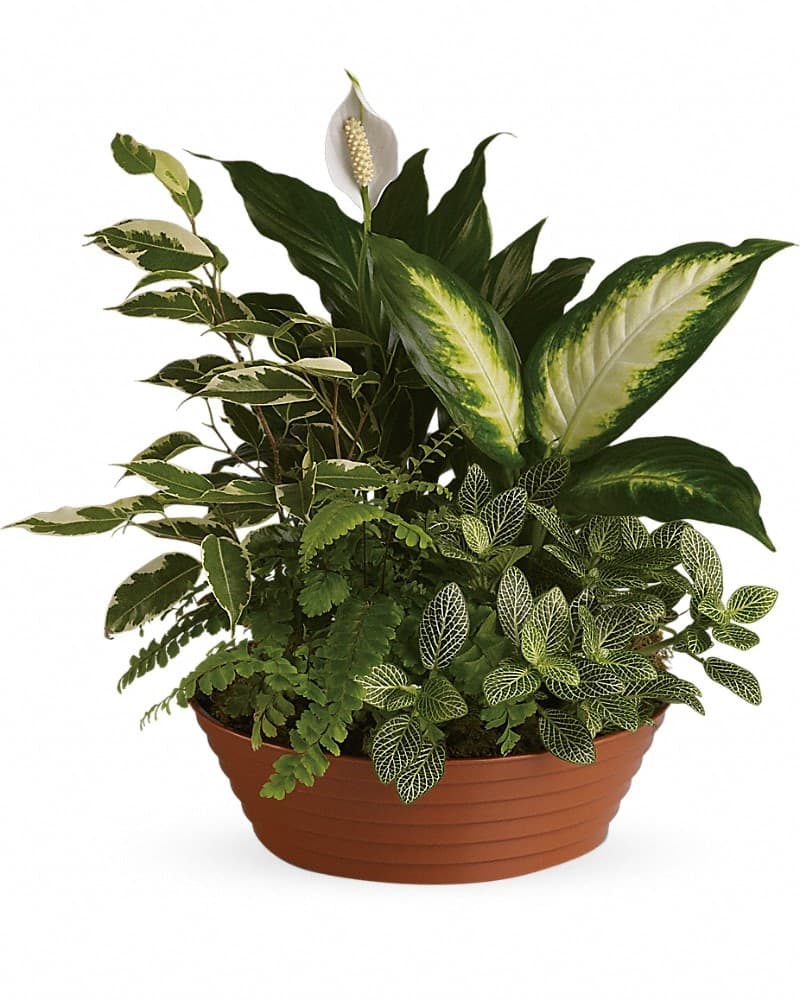
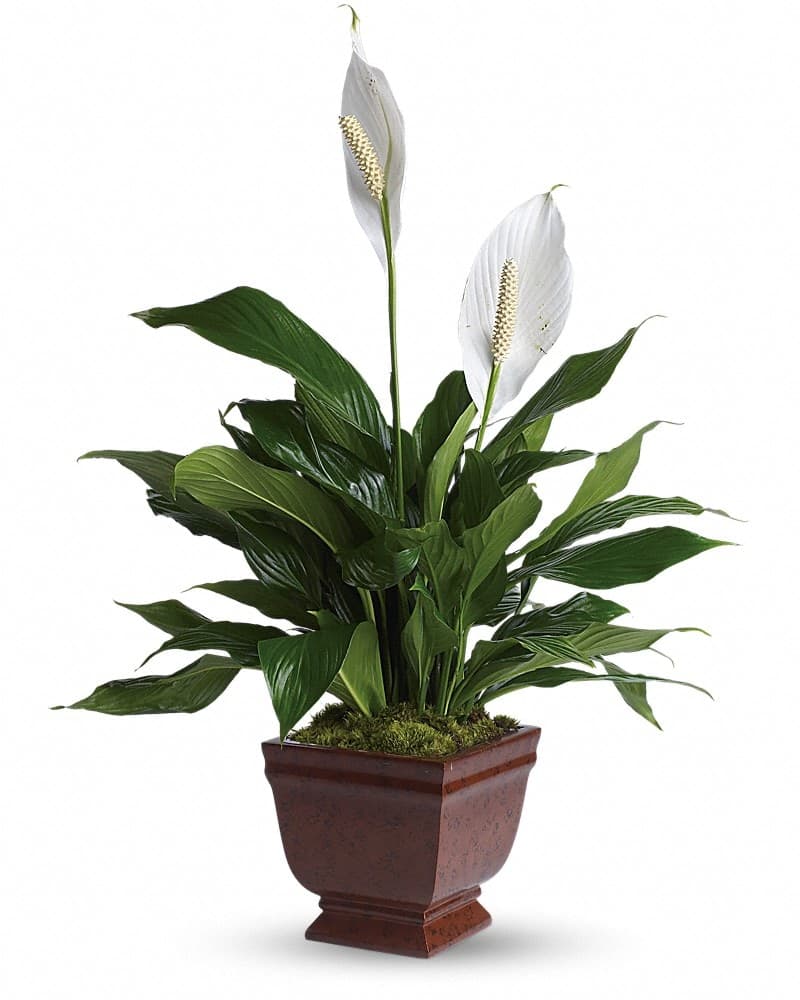
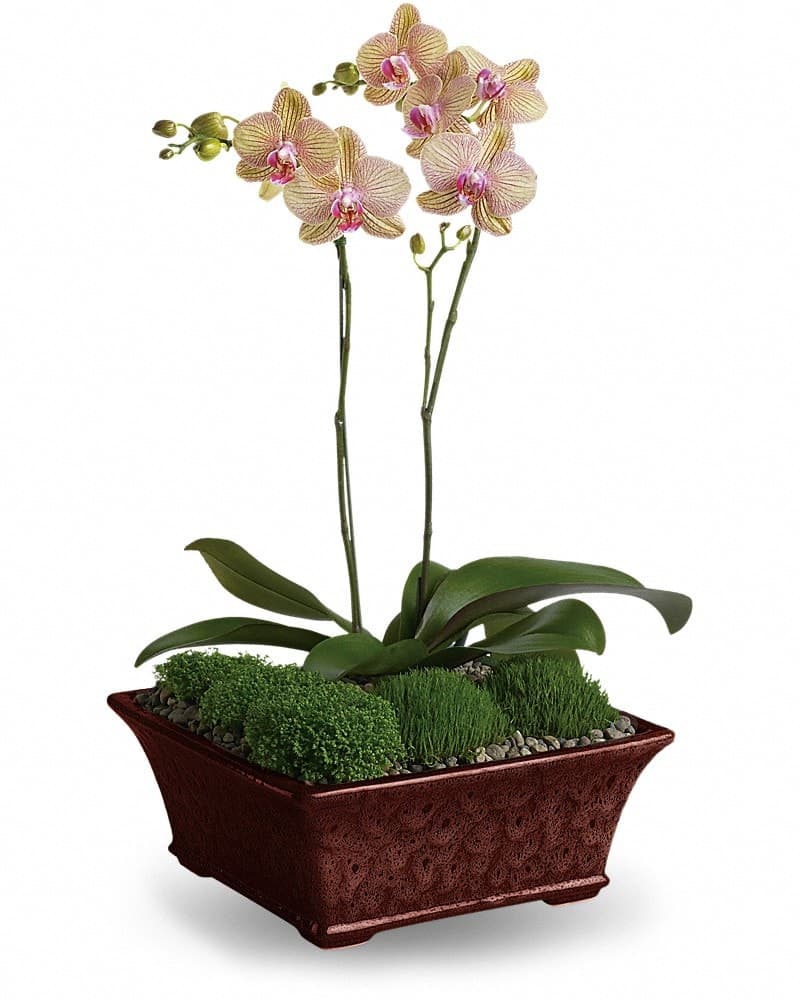
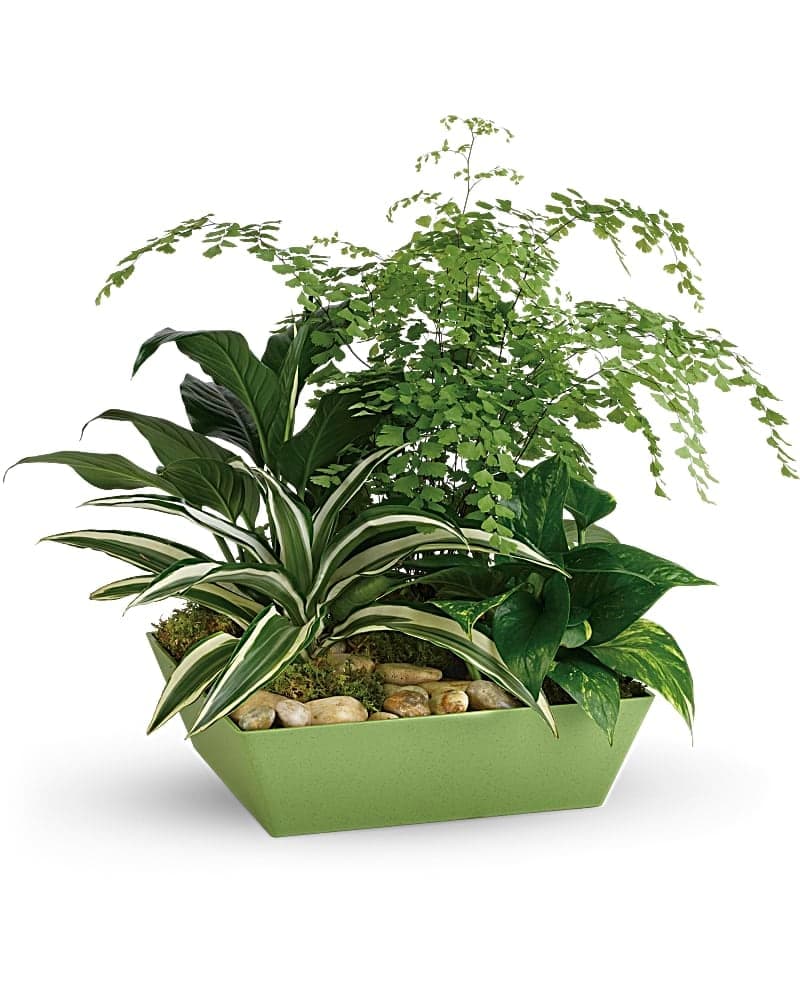
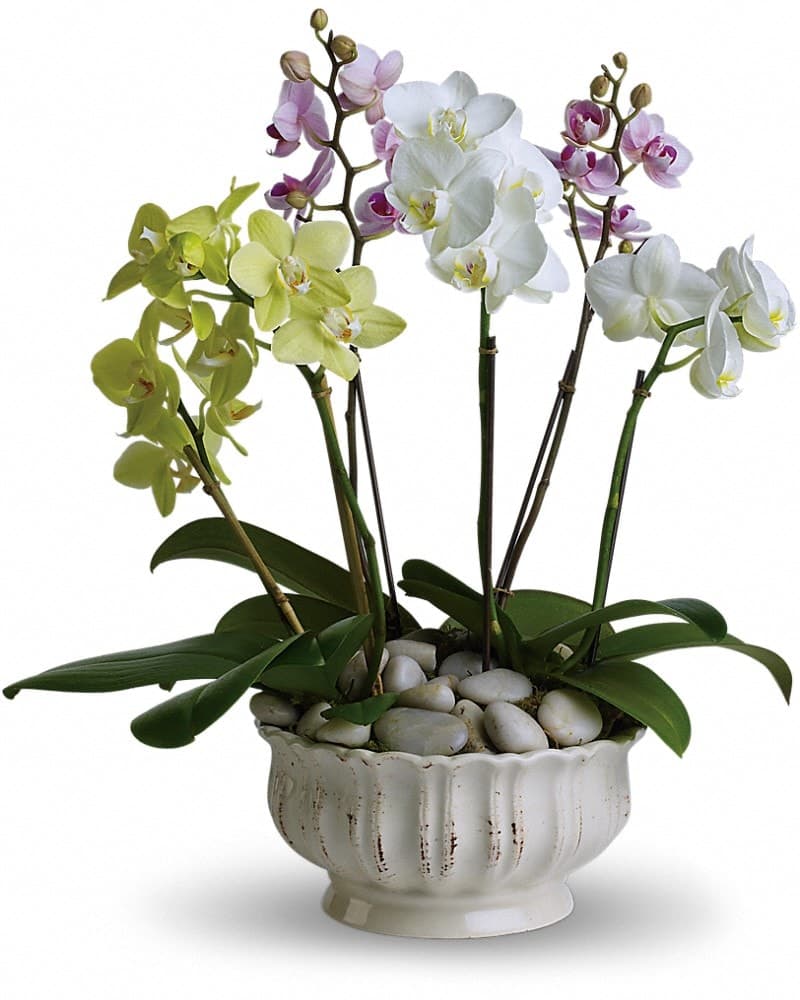
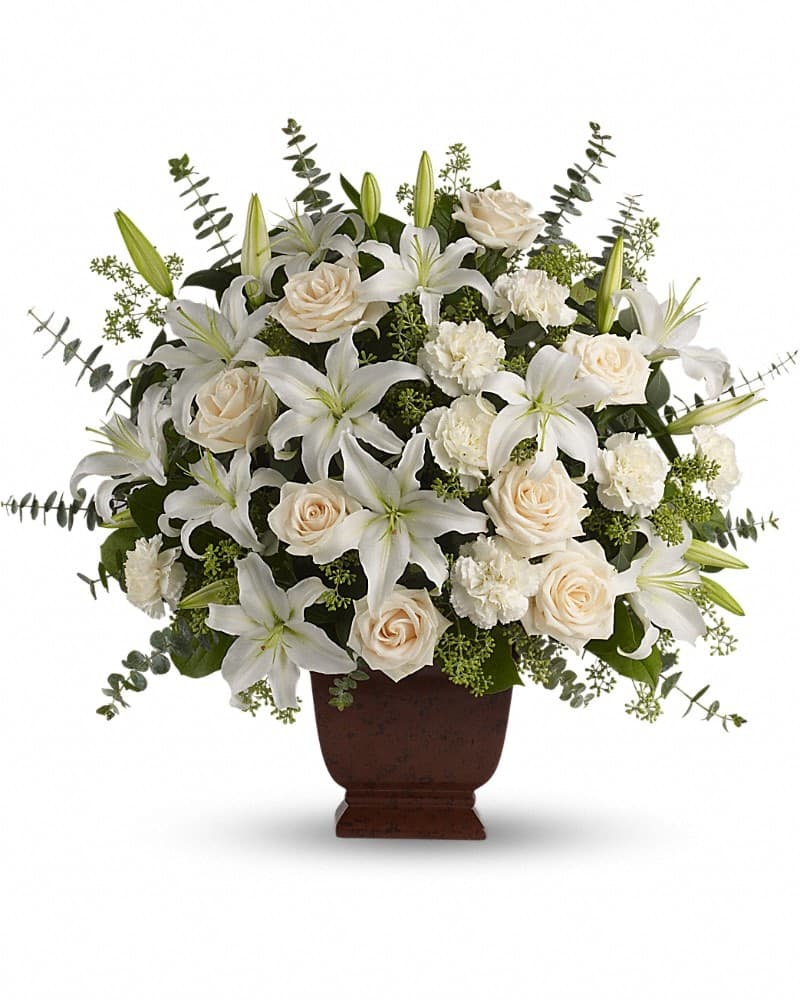
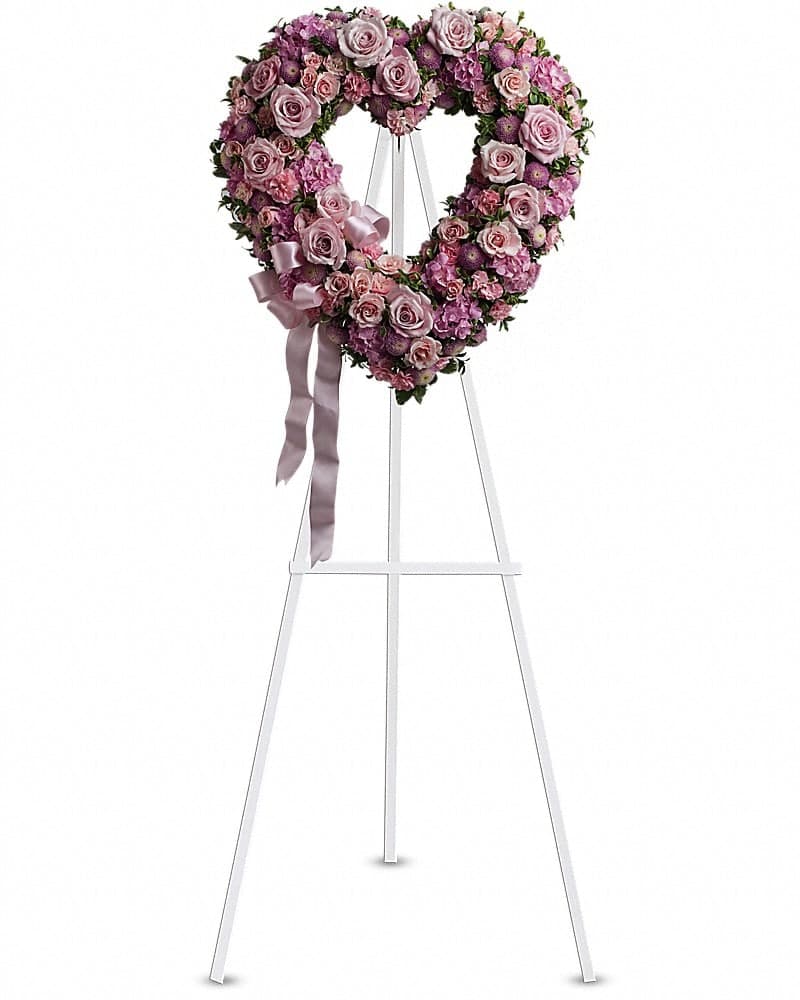
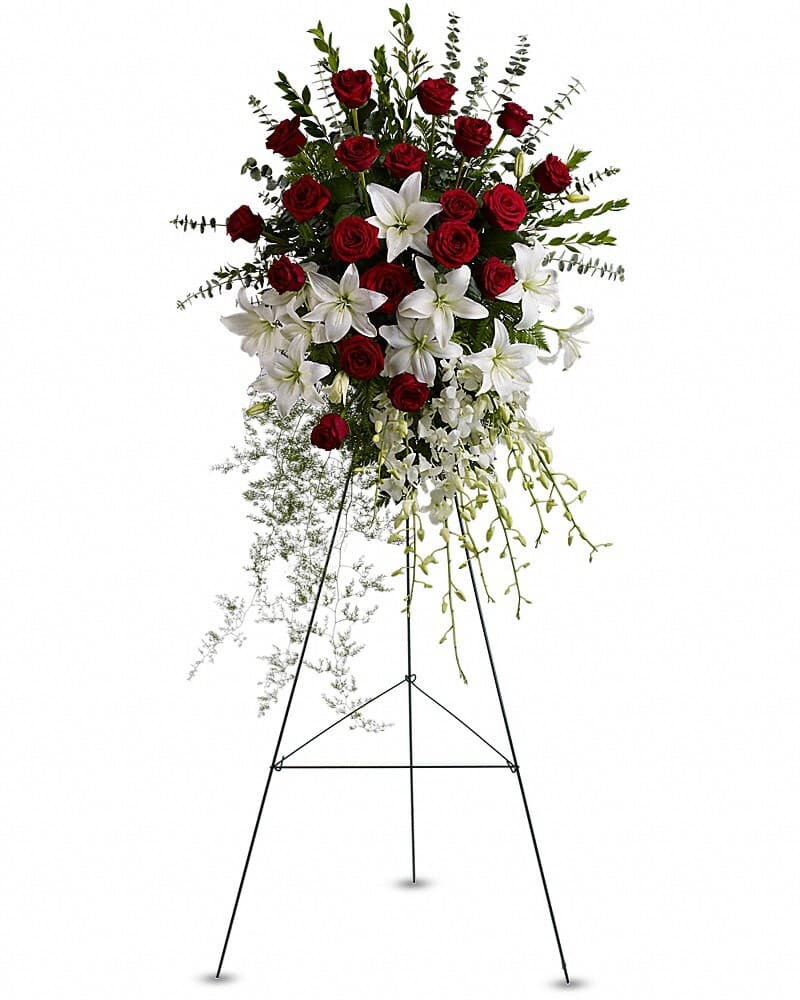
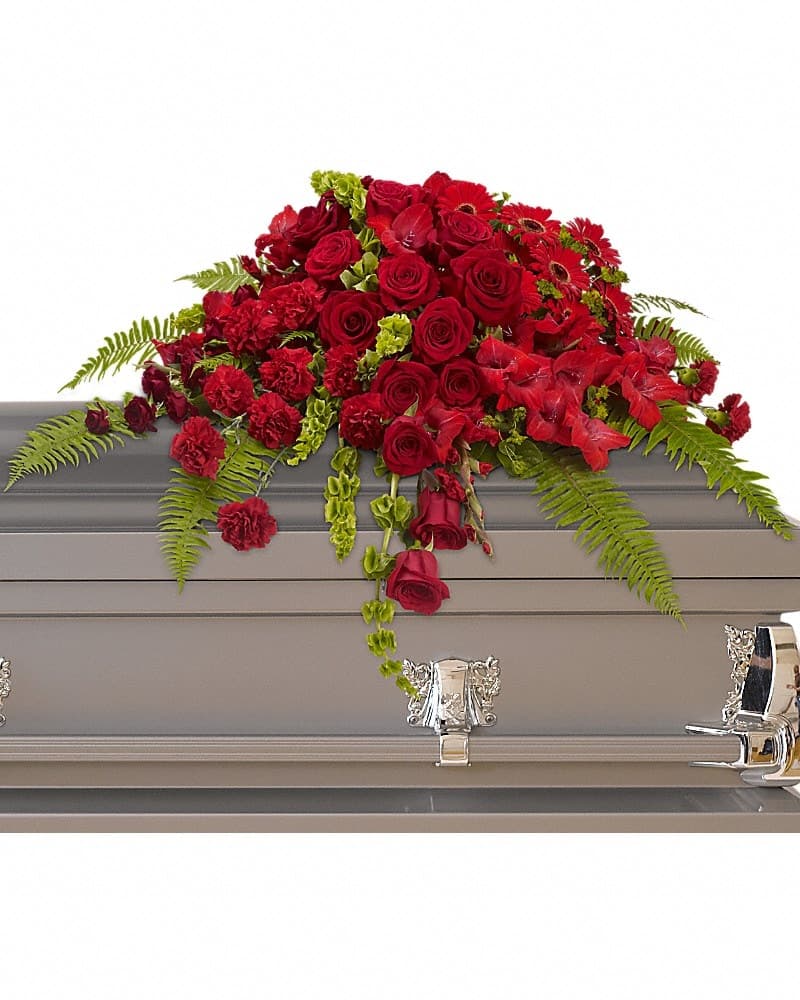
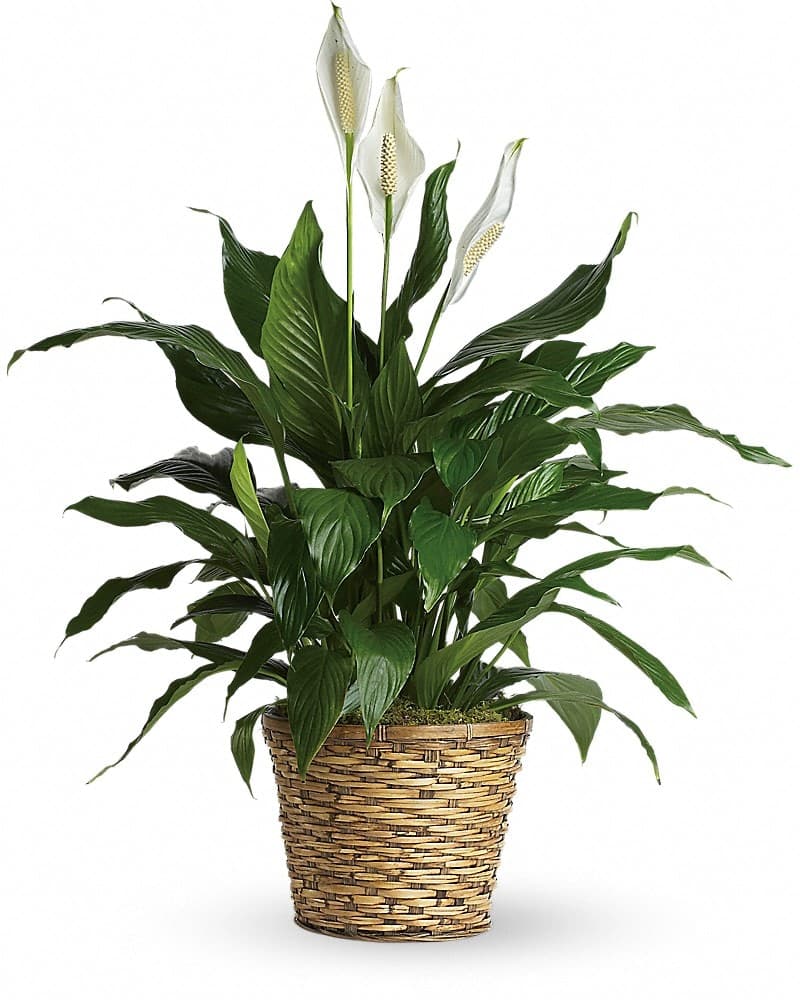
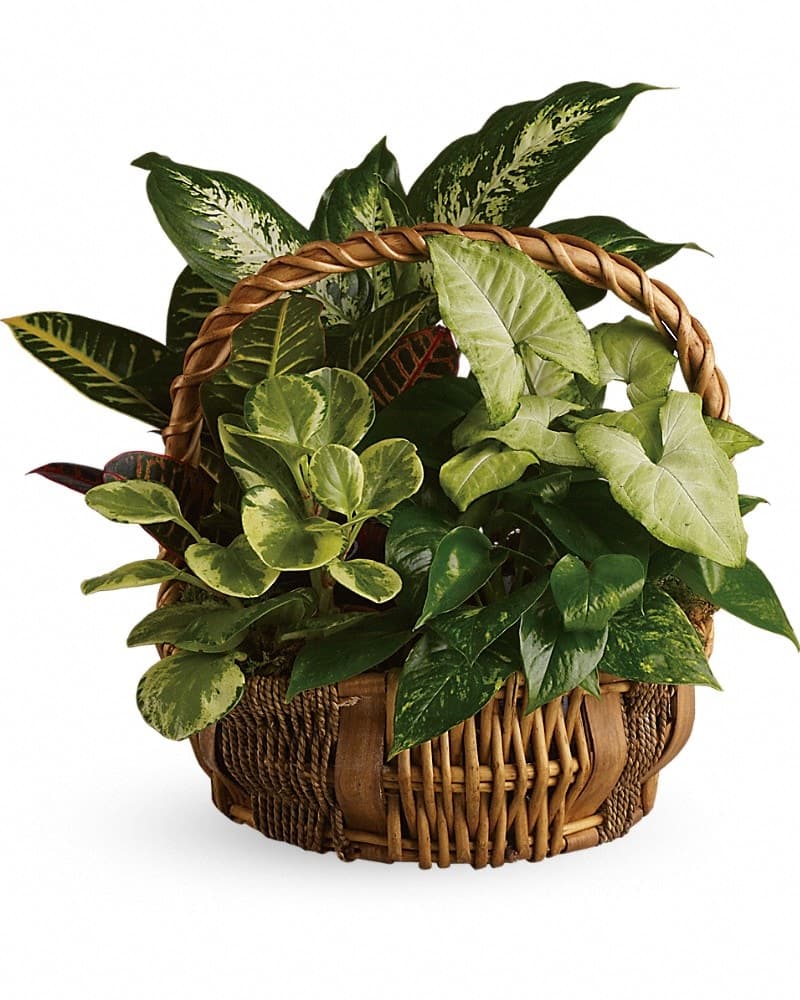
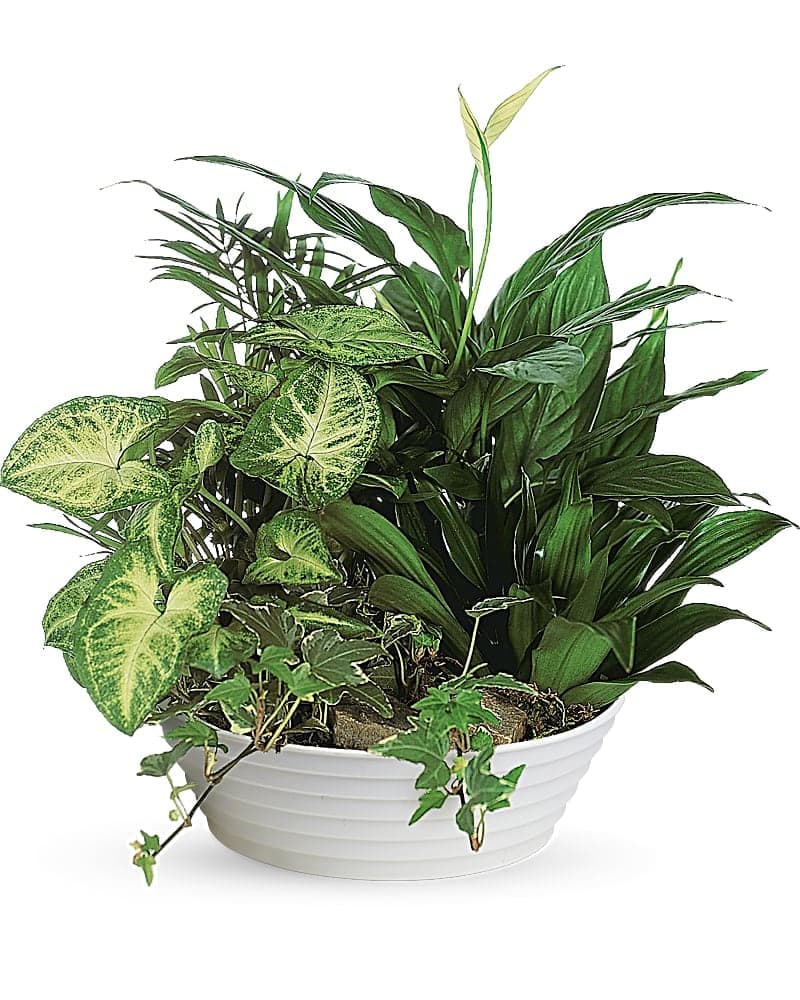
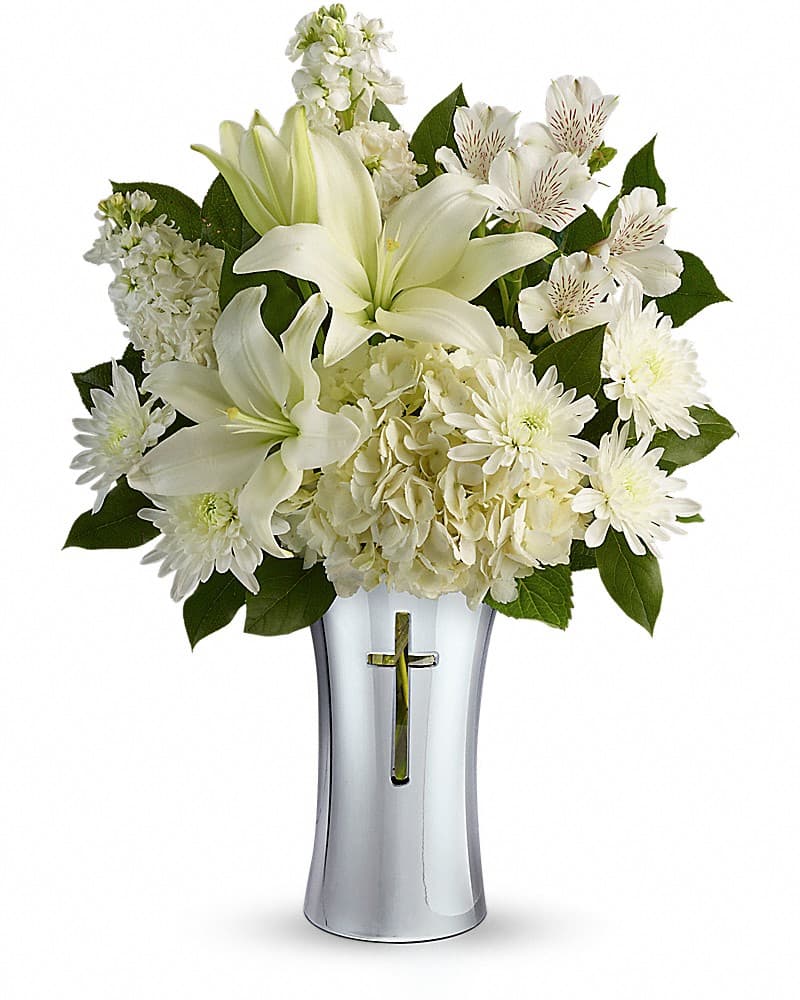
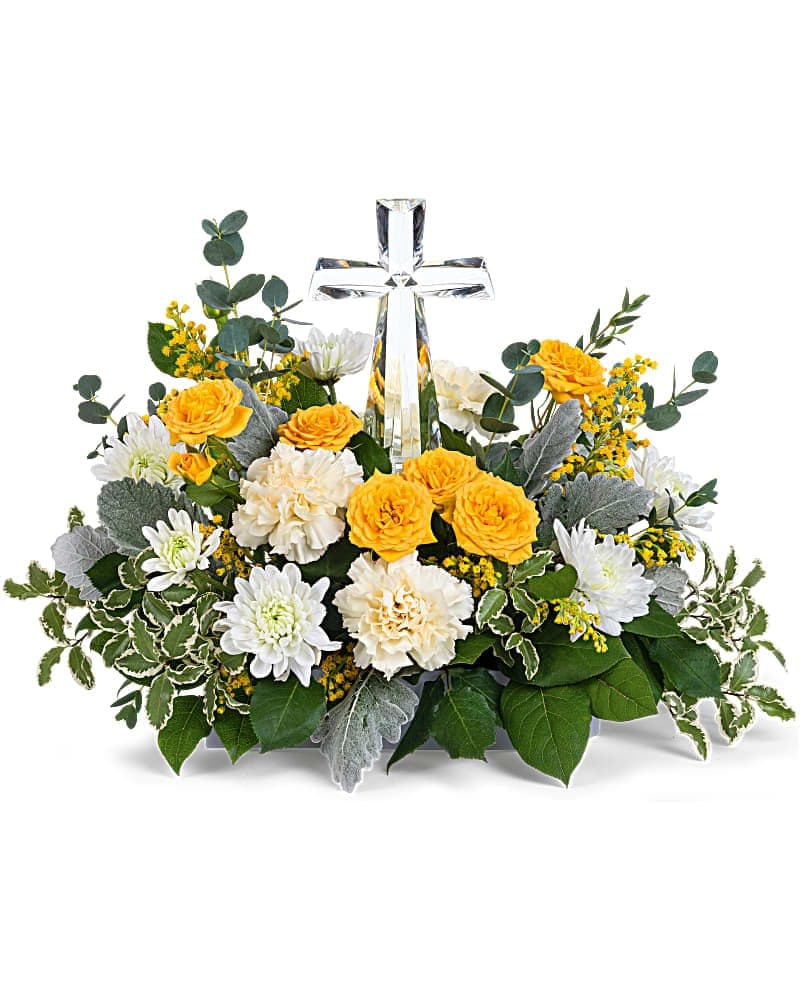
The traditions along this stretch of shoreline are specific, and the studios here work all of them in the same week. Catholic practice runs deep: the Cathedral of the Nativity of the Blessed Virgin Mary on Howard Avenue in downtown Biloxi is the seat of the Diocese of Biloxi, and St. Michael Catholic Church out on the Point Cadet end is the parish woven into the shrimping community and the Blessing of the Fleet. For a funeral Mass the convention is a standing spray or easel arrangement delivered to the chapel or the church for the visitation; the casket spray is traditionally the immediate family's to choose, so ask before you order one. In Point Cadet and East Biloxi the seafood industry built two communities whose funerals still look like themselves: the Croatian and Slavonian families whose lodges date to the 1880s, and the Vietnamese-American families who have worked the shrimp and oyster boats here since the late 1970s. For Vietnamese Catholic and Buddhist families, white and yellow chrysanthemums are the traditional register rather than the bright mixed palette, observances often extend well past the funeral day, and a plant or a later delivery to the home is frequently more welcome than another chapel arrangement. Black Baptist, AME and COGIC congregations across East Biloxi, North Gulfport and Moss Point tend toward larger standing pieces, with homegoing services often set on a Saturday — which is the busiest delivery morning of the week here and the best argument for ordering on Thursday. And read the obituary before you buy anything: when a coast family writes in lieu of flowers, they mean it, and the graceful answer is the donation plus a card, or a single plant to the house later.