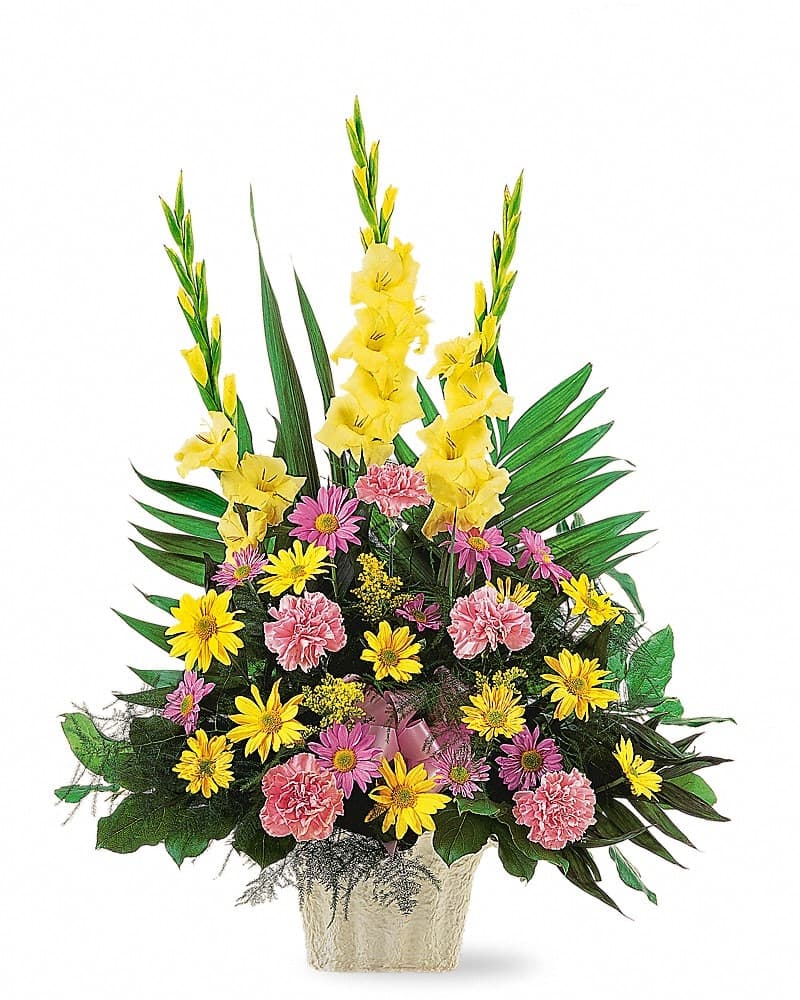
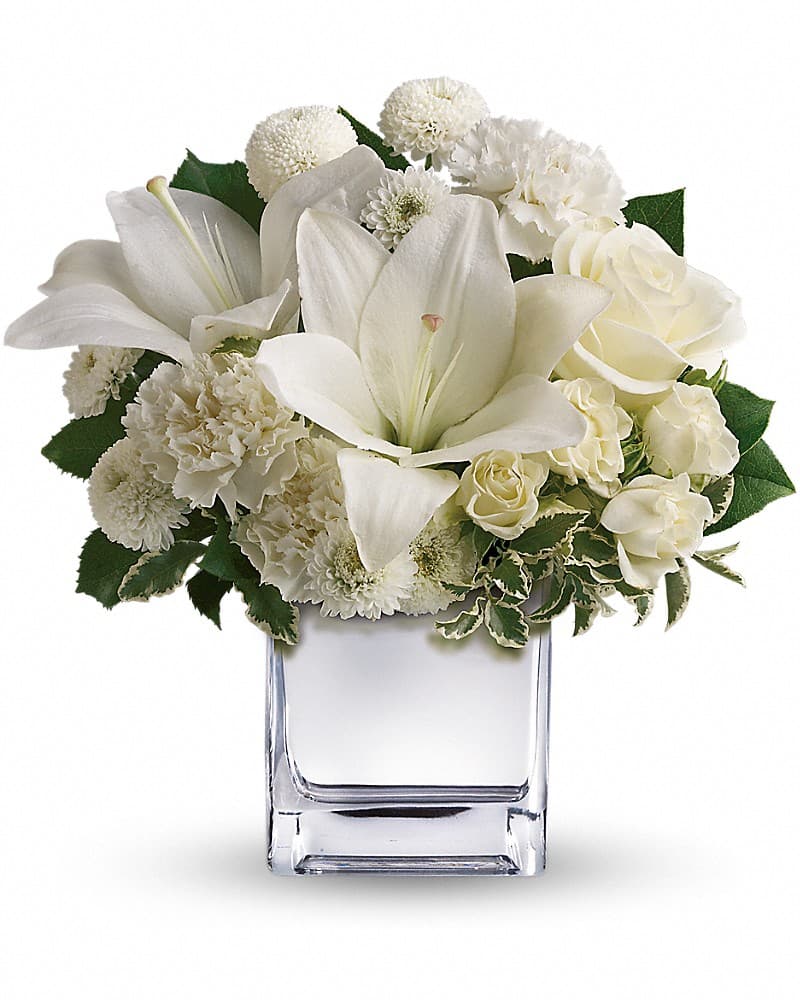
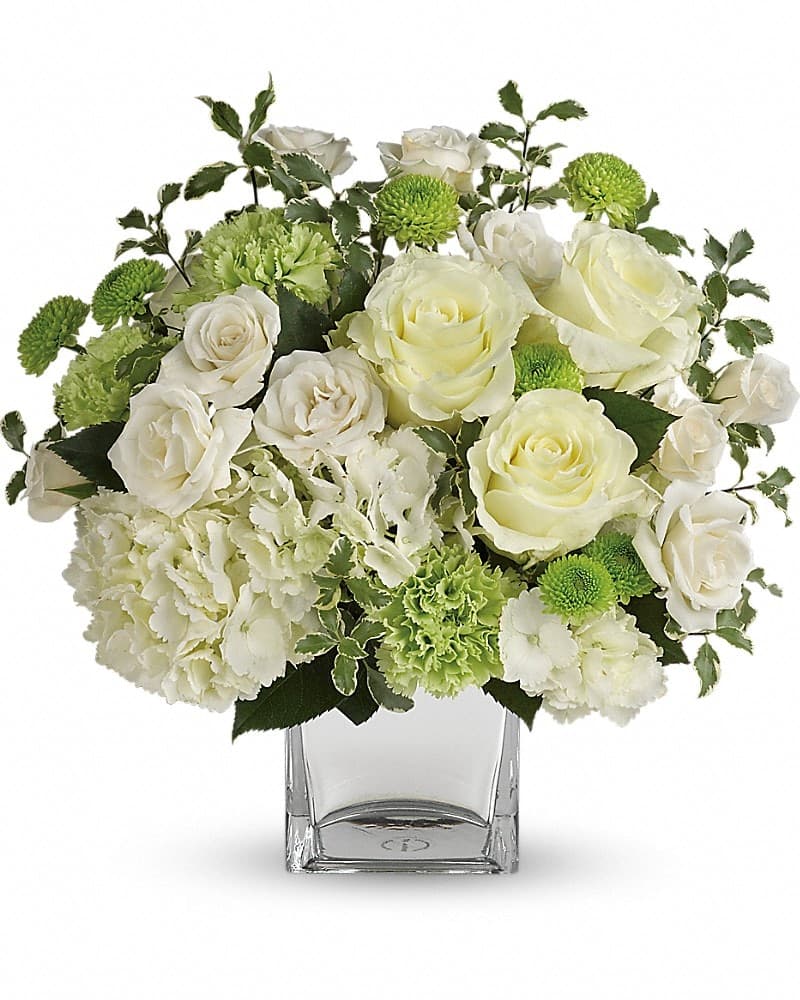
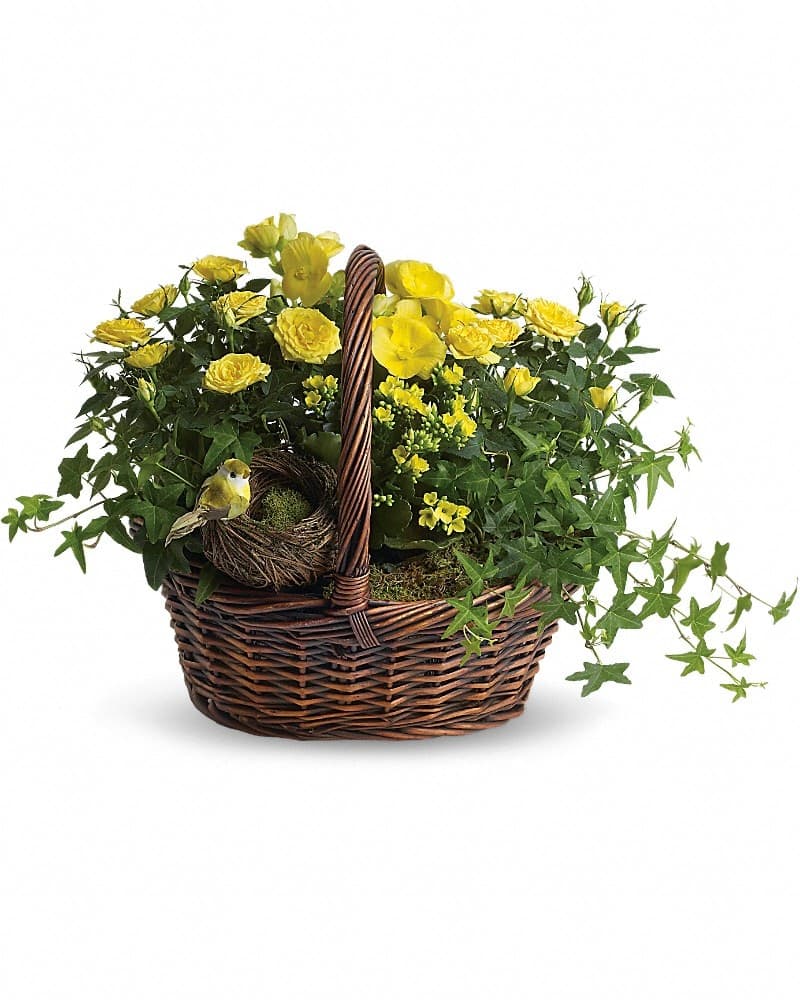
The first thing to understand about sympathy flowers in Aurora is that the service and the burial are usually in two different cities. Aurora grew outward across the eastern plains after the war and has comparatively little consecrated burial ground inside its own limits, so families here hold the vigil or the funeral at an Aurora chapel or parish and then drive west or south for the committal. Fairmount Cemetery and Mausoleum sits at 430 S Quebec Street in 80247, directly on the Aurora–Denver line and dating to 1890 — for a huge share of east-metro families it is the nearest historic burial ground and the most common graveside address on this page. Fort Logan National Cemetery on South Sheridan Boulevard is the other anchor, and it matters more in Aurora than almost anywhere else in Colorado: between Buckley Space Force Base and the Rocky Mountain Regional VA Medical Center on the Anschutz campus, this is one of the most veteran-dense cities in the state. Add Mount Olivet in Wheat Ridge for Archdiocese of Denver Catholic burials, Olinger Crown Hill in Wheat Ridge, Chapel Hill Memorial Gardens on South Colorado Boulevard in Centennial, and Riverside Cemetery, Denver's oldest, established in 1876. A sympathy order in Aurora is therefore a two-address question: where is the service, and where is the burial.
The funeral homes doing the volume for Aurora families are metro-wide operators with locations on Aurora's doorstep. Horan & McConaty is the long-standing Denver-metro family firm and the one Aurora families name most often, with an Aurora location on East Dartmouth Avenue and a Centennial location near County Line Road, plus Denver chapels. Chapel Hill Mortuary in Centennial pairs a chapel with its own memorial gardens, which makes it the simplest logistics case on this list — one address for both halves of the day. The Olinger chapels, including Olinger Crown Hill in Wheat Ridge, handle a large west-metro share. Feldman Mortuary on York Street in Denver is the metro's Jewish funeral home, with Golden Hill Cemetery in Lakewood as the corresponding burial ground. A great many Aurora services, though, are not held in a funeral home at all: they are held in a parish or congregation — Catholic parishes across the city, the Baptist, AME and non-denominational churches along the Colfax and Peoria corridors, and the Ethiopian Orthodox and Korean congregations that make Aurora what it is.
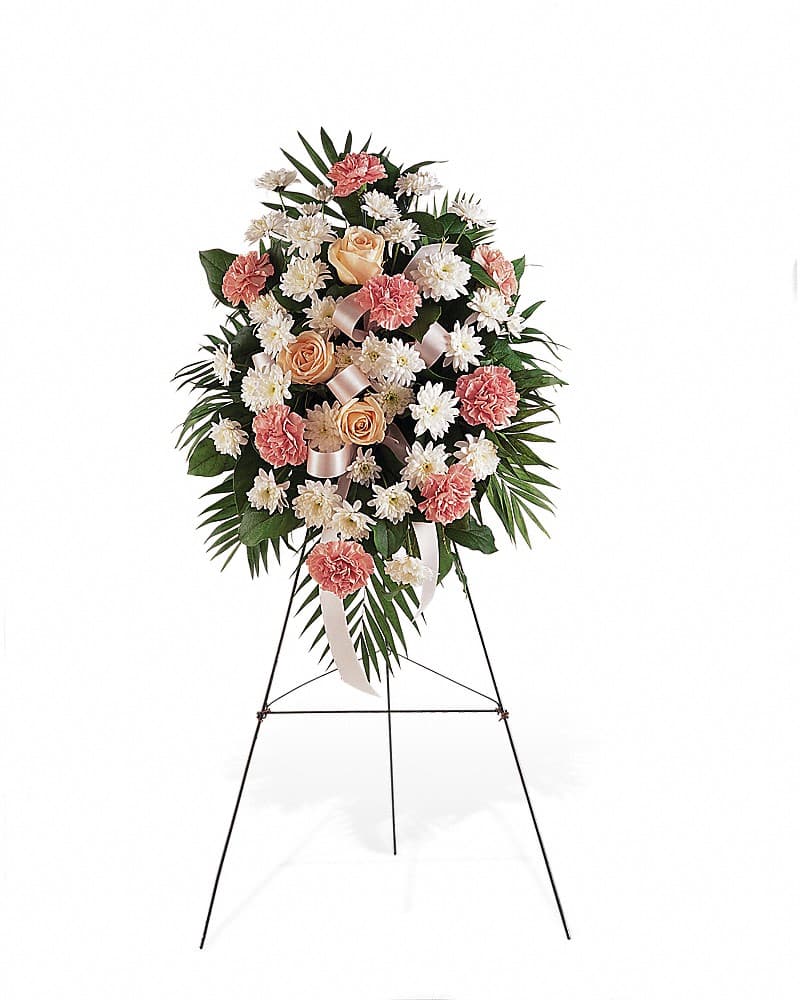
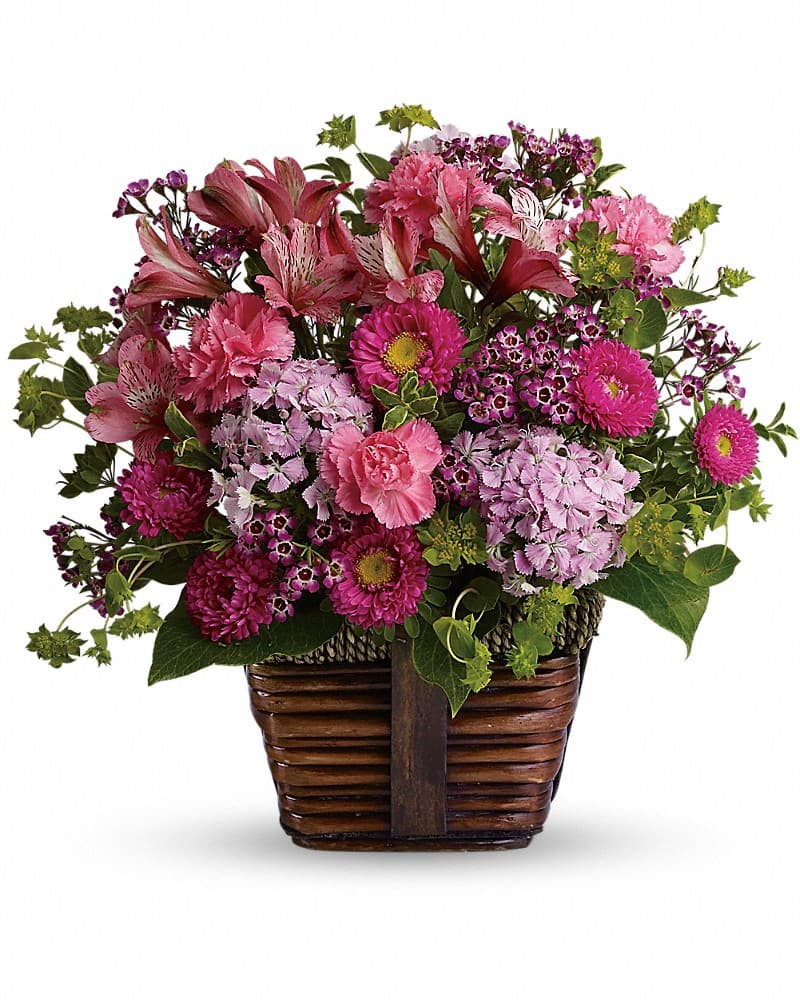
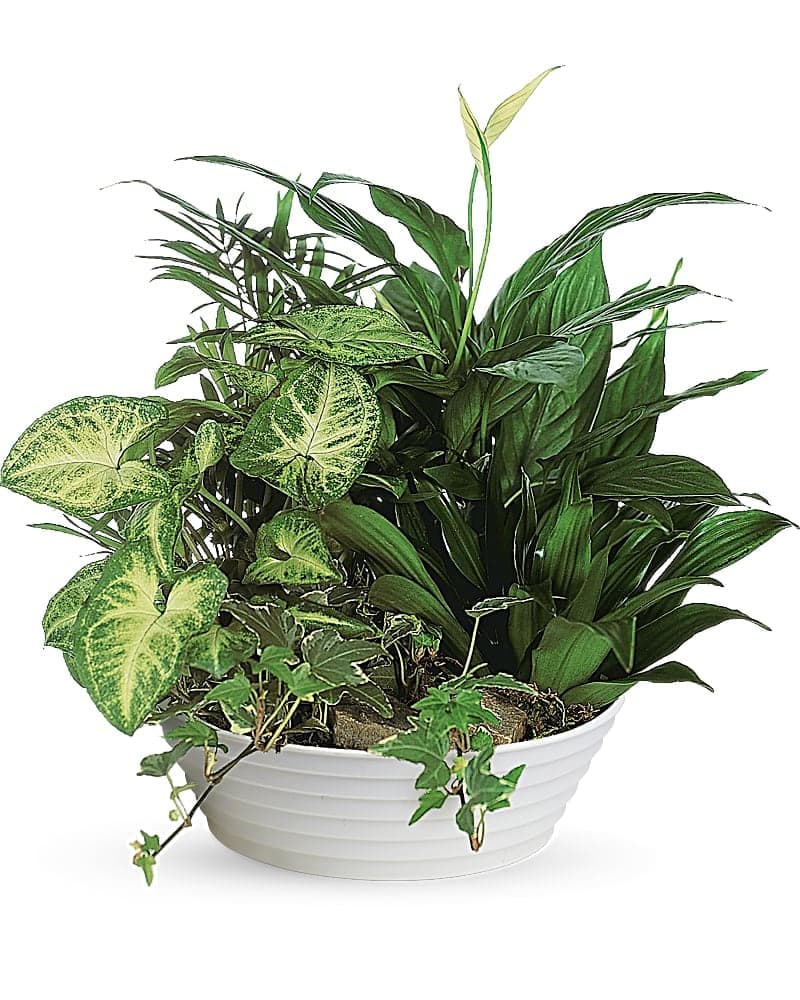
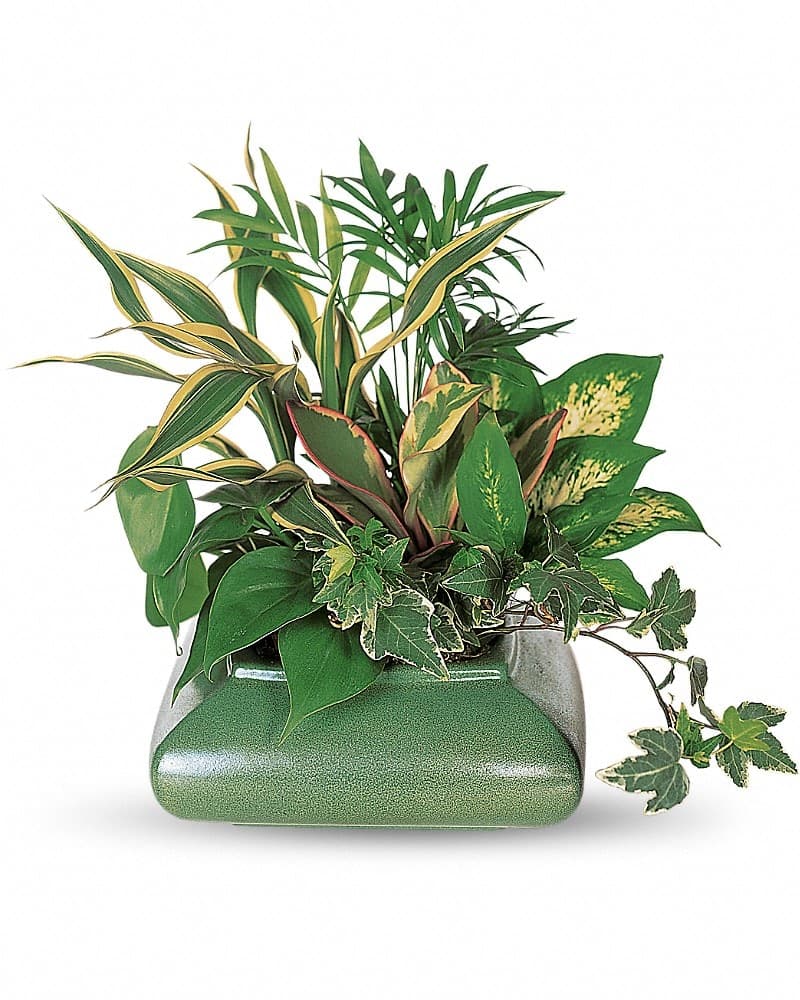
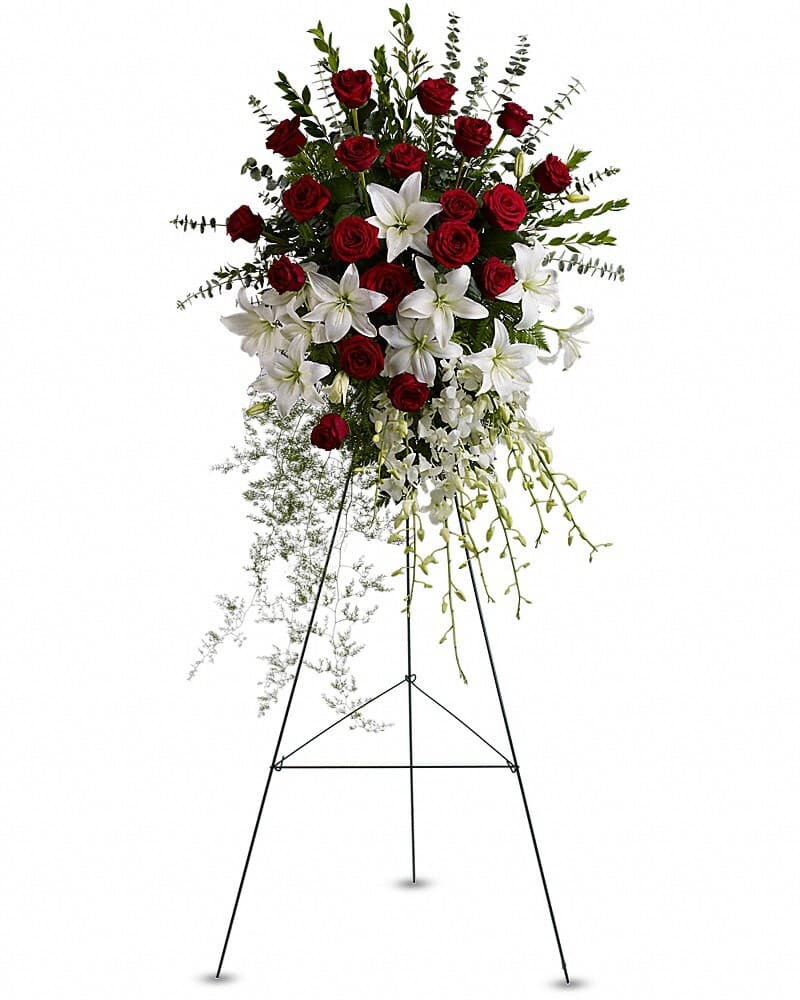
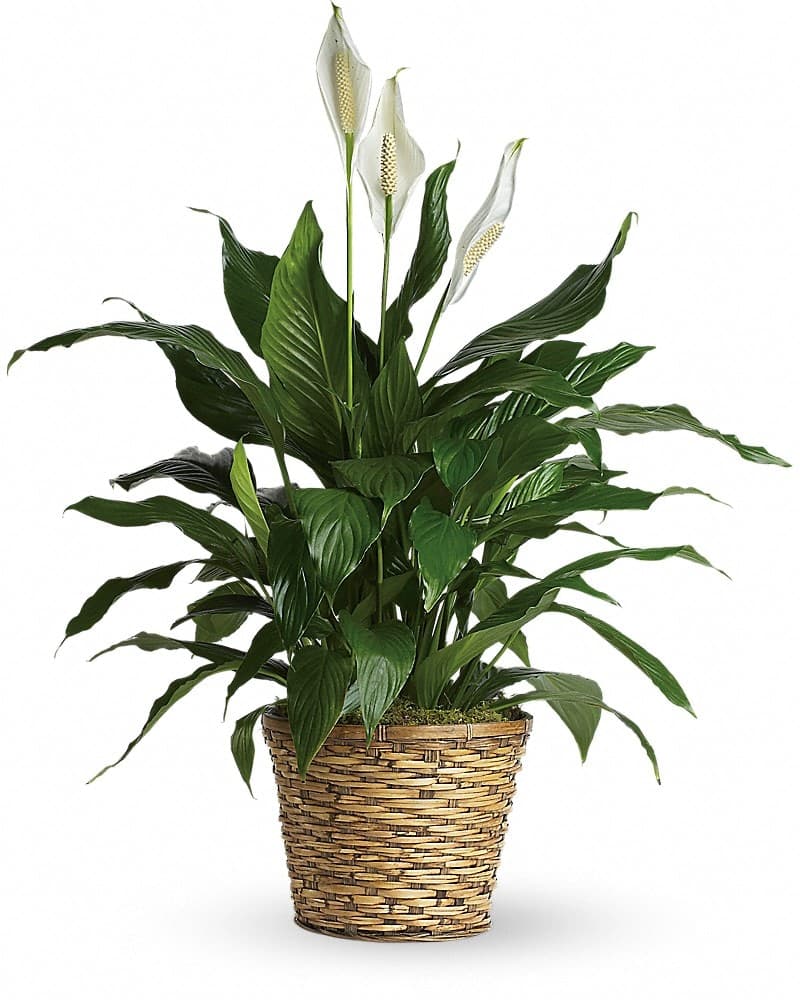
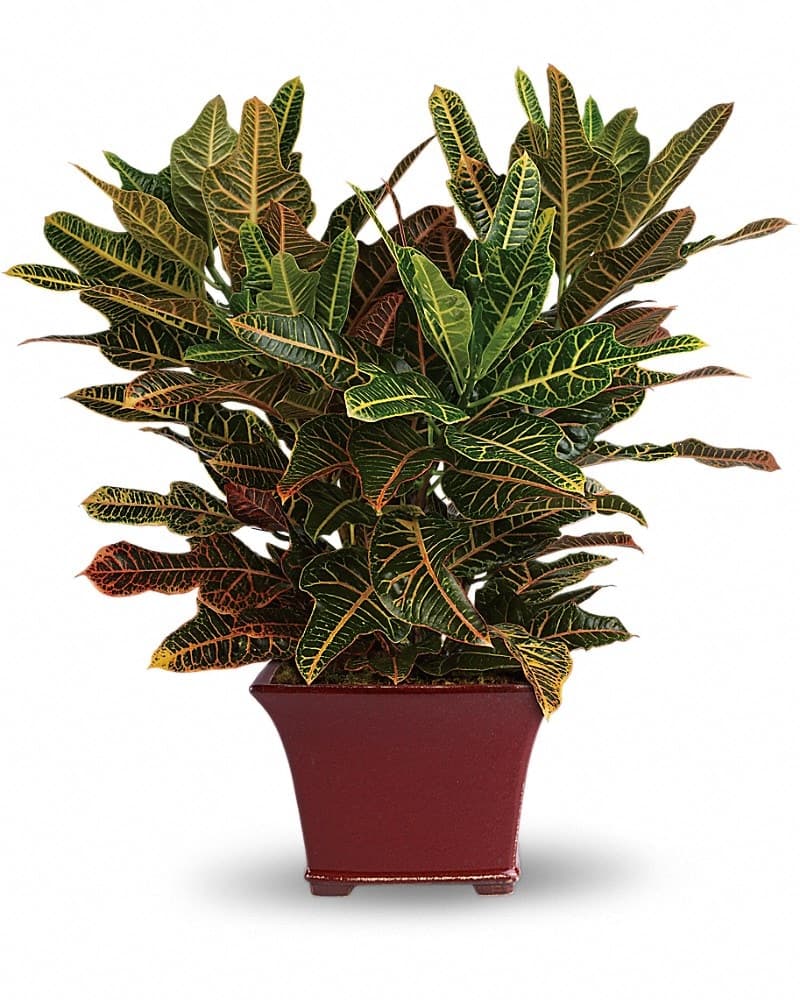
Aurora is one of the most culturally layered cities in the Mountain West, and sympathy convention here is not one convention. The city's Ethiopian and Eritrean community is among the largest in the United States, concentrated along the Colfax and Havana corridors; Orthodox Tewahedo mourning runs long — days of gathering at the home, a formal memorial at forty days and again at a year, and community burial-society support that handles much of the practical cost. Flowers are welcome, but the arrangement that gets used is one that survives a week of visitors in a crowded living room, not a one-day chapel piece. Jewish convention, through Feldman and Golden Hill, is that flowers are generally not brought to the funeral; a plant or a fruit arrangement sent to the shiva home, or a donation in the deceased's memory, is the correct gesture. Muslim families — Aurora has substantial Somali, Afghan and Eritrean Muslim communities — bury within about twenty-four hours where possible and do not use flowers at the janazah; food sent to the family home and presence at the gathering are what is wanted. Mexican and Central American Catholic families frequently hold a nine-day novenario after the burial, which extends the useful window for a home delivery well past the funeral. Korean Christian and Catholic families along the Havana corridor use standing pieces at the chapel in a pattern closer to the Catholic norm. If you tell the studio which tradition you are sending into, they will build to it; if you say nothing, they build the general-purpose piece.