Almost no American city of Aurora's size has this much hospital in it. The Anschutz Medical Campus in 80045 occupies the grounds of the former Fitzsimons Army Medical Center — the Army hospital where President Eisenhower was treated after his heart attack in 1955 — and it now holds three separate hospitals within a few blocks of each other. UCHealth University of Colorado Hospital on East 16th Avenue is the academic flagship. Children's Hospital Colorado, also on East 16th, is the region's pediatric referral centre for a multi-state catchment. The Rocky Mountain Regional VA Medical Center on North Wheeling Street, which opened in 2018 and replaced the old Denver VA hospital, sits on the same campus; together with Buckley Space Force Base a few miles east, it makes Aurora one of the most veteran-dense cities in Colorado. The University of Colorado Cancer Center on the campus is the state's only NCI-designated comprehensive cancer centre. Two miles south of the centroid, The Medical Center of Aurora on South Potomac Street in 80012 — the centroid ZIP itself — is the Level II trauma hospital for the east metro, with a rehabilitation hospital on the same campus.
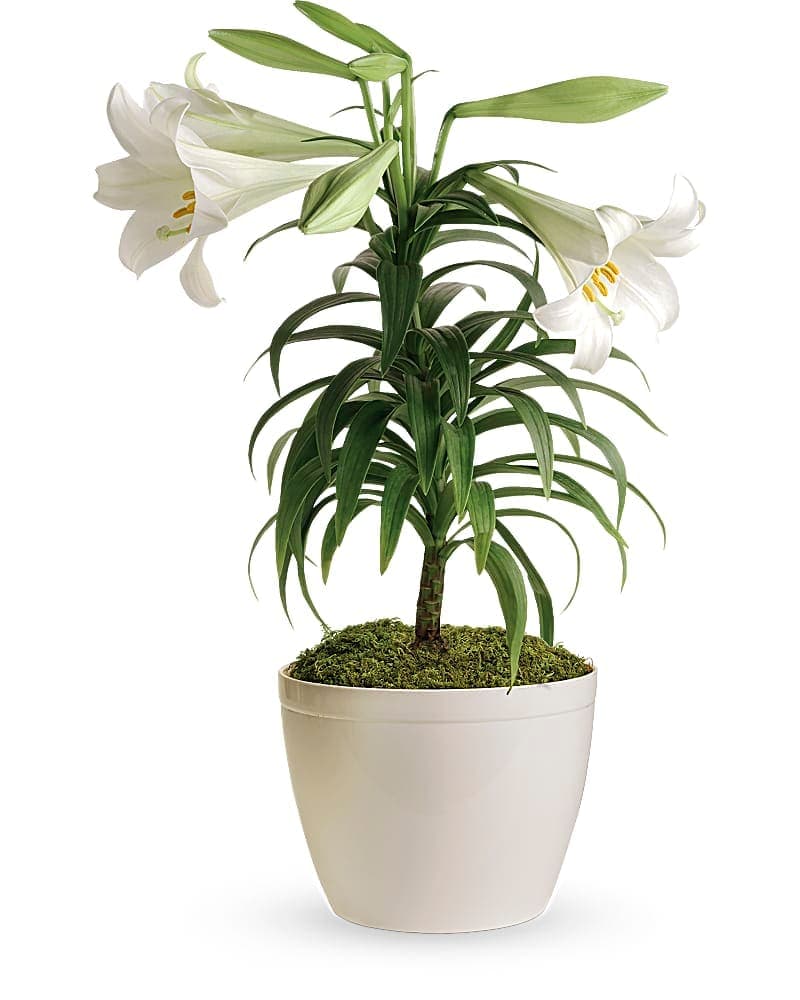
The floor rules are the actual content of a get-well order here, and they are not uniform. Blood and marrow transplant and other stem-cell units are the hard no: these units routinely accept no fresh flowers and no live plants at all, because both carry mould spores that matter enormously to a patient with no immune system. Oncology and infusion, at the CU Cancer Center and everywhere else, means no lilies of any kind, no heavily pollinated stems, no fragrance, and frequently no potting soil in the room either. Intensive care, neurological and burn units across all three Anschutz hospitals and The Medical Center of Aurora are generally flower-free by policy, with a lobby or family-lounge handoff the only route in. Children's Hospital Colorado adds a pediatric layer: latex-free is absolute — no latex balloons — and the neonatal intensive care unit normally accepts nothing at all — where a baby is in the NICU, the gift that actually arrives is one addressed to a parent lounge or to the family's own front door. Maternity and general post-surgical floors are the permissive end and take almost anything within reason.
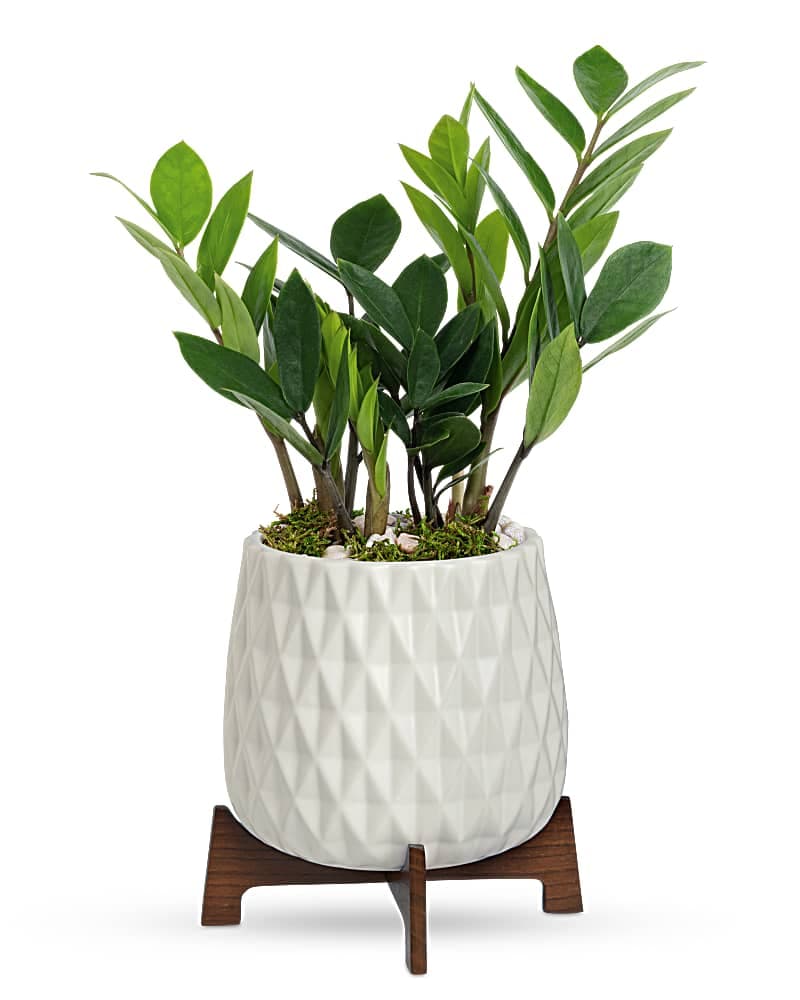
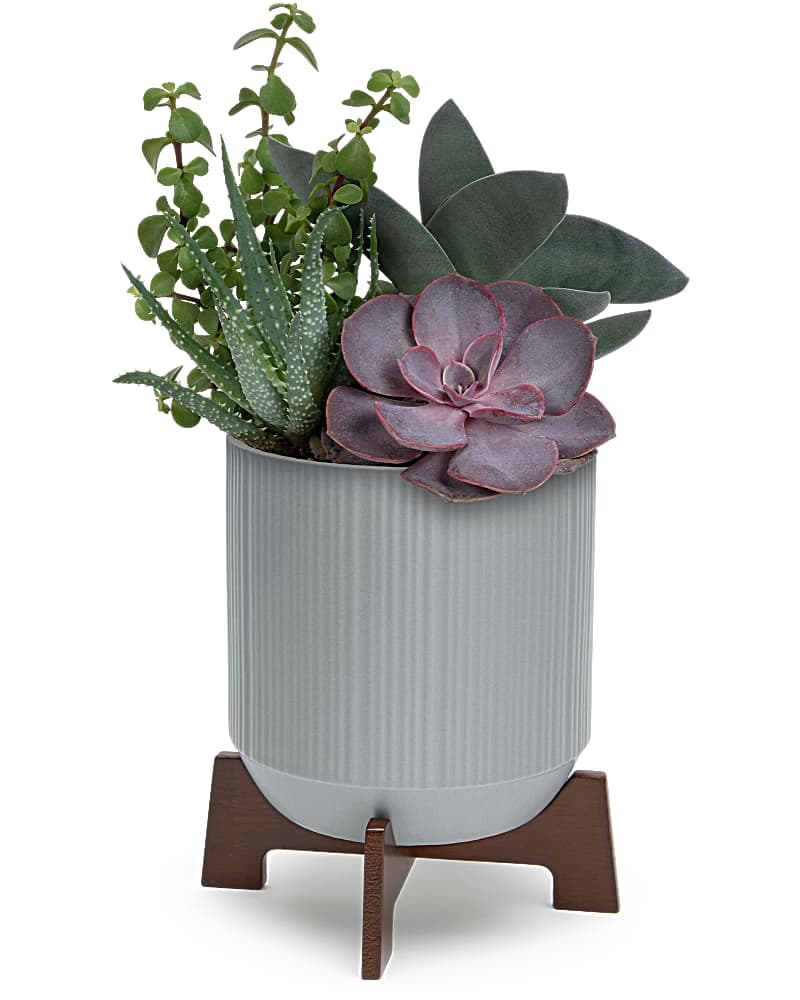
Getting the arrangement to the right bedside is the other half. A hospital will not run a census search on a first name, and if the patient has opted out of the facility directory nobody there can even confirm they are admitted — so an order carrying a building but no unit and no full legal name has nowhere to land. Before ordering, get three facts out of the family: which hospital, which unit, which room. Two out of three is not enough for a bedside delivery, and at that point the home address is the better target. At the Rocky Mountain Regional VA, deliveries route through the main information desk and volunteer services rather than straight to a floor, so allow for an internal hop. Anschutz has a further quirk: it is a campus, not a building, laid out on the old post street grid, and the same street name recurs, so give the hospital name as well as the address. Craig Hospital in Englewood, one of the best-known spinal-cord and brain-injury rehabilitation hospitals in the country and well inside our radius, is the case where stay length changes the gift entirely — rehabilitation there is measured in months, not days, so a potted plant that lives in the room and then goes home beats a cut arrangement that has to be replaced four times.