The first thing to settle about a sympathy order for Audubon Park is that the service is almost certainly not in Audubon Park. The borough is two tenths of a square mile of housing with no funeral home, no cemetery and no church inside the line — it was built in 1941 as Audubon Park Homes, federal defense housing for the New York Shipbuilding Corporation's Camden yard, and it has stayed residential ever since. So the chapel address in the obituary will read Audubon, Haddon Heights, Mount Ephraim, Haddon Township, Collingswood or Gloucester City, and the family's address will read Audubon Park. Those are two separate municipalities and, in the case of Audubon, the same ZIP code: 08106 covers both. Every year people order a chapel piece using the family's ZIP and a driver ends up in the wrong borough with the right five digits. When you place a sympathy order from an obituary, copy the funeral home's street address and its town exactly as printed, and give us the service date and hour separately from the delivery window. That one habit fixes most of what goes wrong on this grid.
Where people are buried, by contrast, is a short and knowable list. Harleigh Cemetery at 1640 Haddon Avenue in Camden is roughly four miles up the same Haddon Avenue that runs past Westmont and Collingswood — it is the Victorian garden cemetery where Walt Whitman's granite tomb stands, and it still takes Camden County committals every week. New St. Mary's Cemetery in Bellmawr is about two miles down the Black Horse Pike, which makes it the nearest Catholic burial ground to the borough and the usual end point of a procession out of Mount Ephraim or Runnemede. East, in Cherry Hill, are Locustwood Memorial Park and the old Colestown Cemetery near Kings Highway. And for veterans there is Beverly National Cemetery up in Burlington County, twenty-odd miles out. Cemeteries are the one sympathy destination where flowers routinely go wrong: the office closes mid-afternoon, a graveside committal lasts twenty minutes, and nobody is there before or after it. Send the arrangement to the funeral home instead and let the directors carry it out with the family — that is what they do, and it is the only way a piece reliably reaches the grave.
The shipyard origin is worth knowing about because it still shapes the sympathy calendar here. A borough created to house defense workers, and then incorporated in 1947 as those workers stayed on, produced generations of veterans and of households that never left; the Audubon Park Mutual Housing Corporation's members have often been in the same courts for forty and fifty years, and grandchildren have moved into the same rows. Practically, that means two things for an order. First, military honors and a national-cemetery committal are a normal part of a service in this part of Camden County, and at a national cemetery the committal happens in a shelter on a fixed schedule with the burial itself following later — so a standing piece sent to the shelter has no one to receive it. The chapel, or the family's own unit, is the target. Second, the news of a death travels the whole borough in a day. A family of a thousand neighbours produces a great many arrangements arriving at one door over three days, which is the single best reason to think about what shape you send.
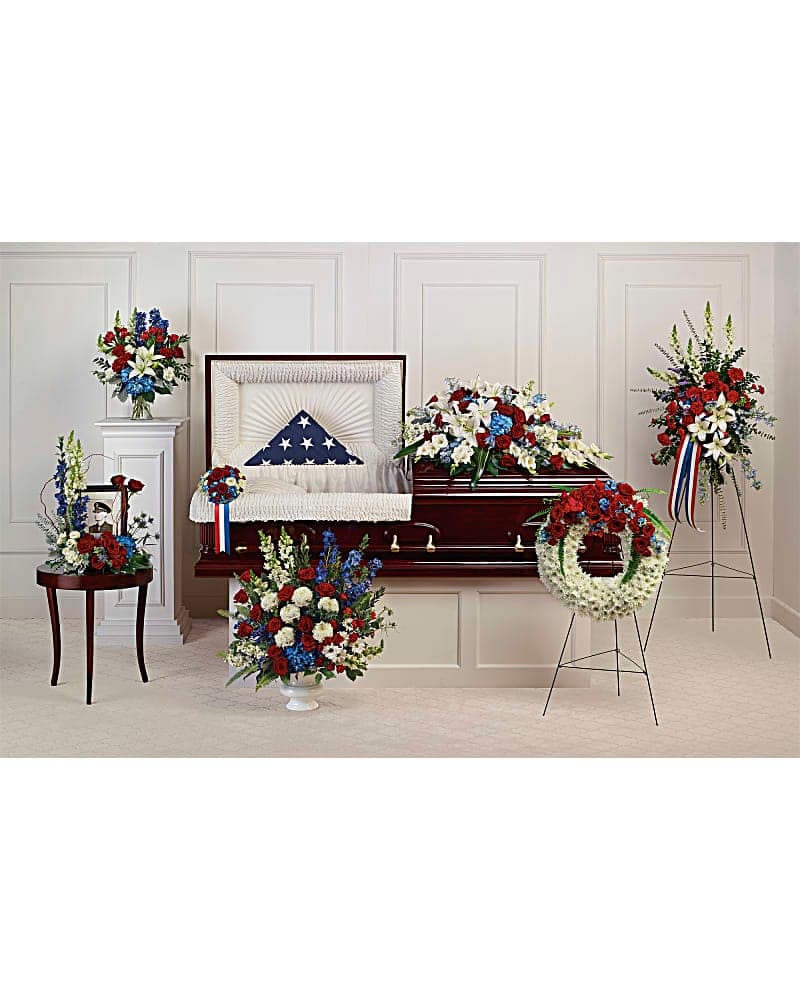
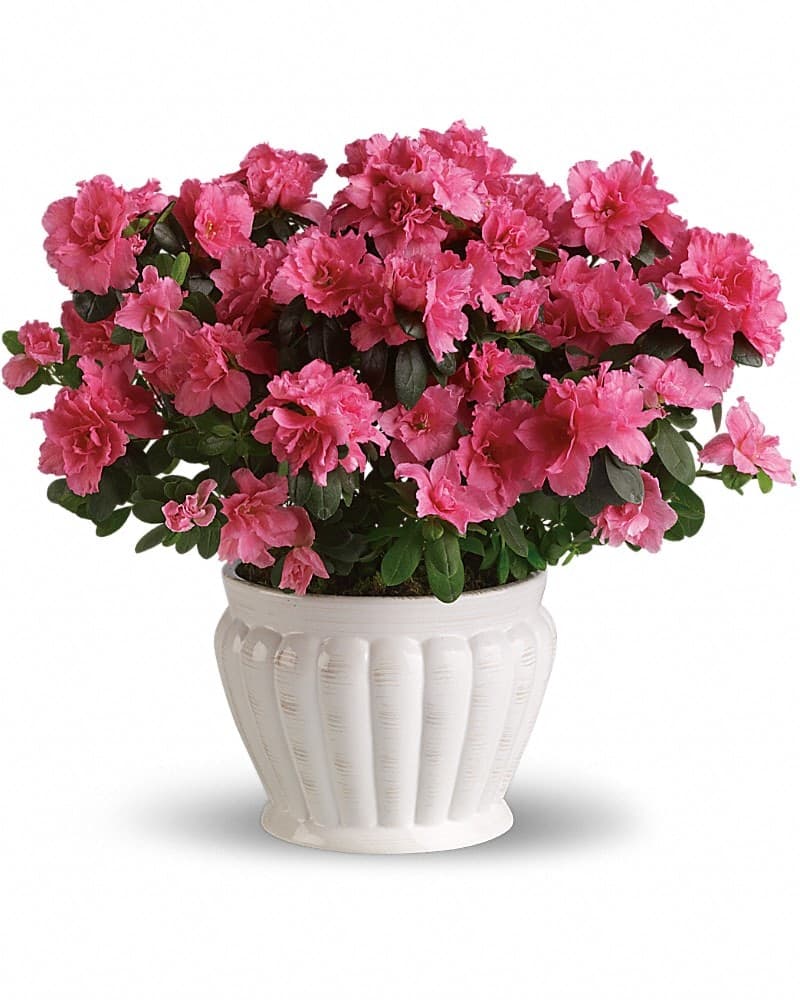
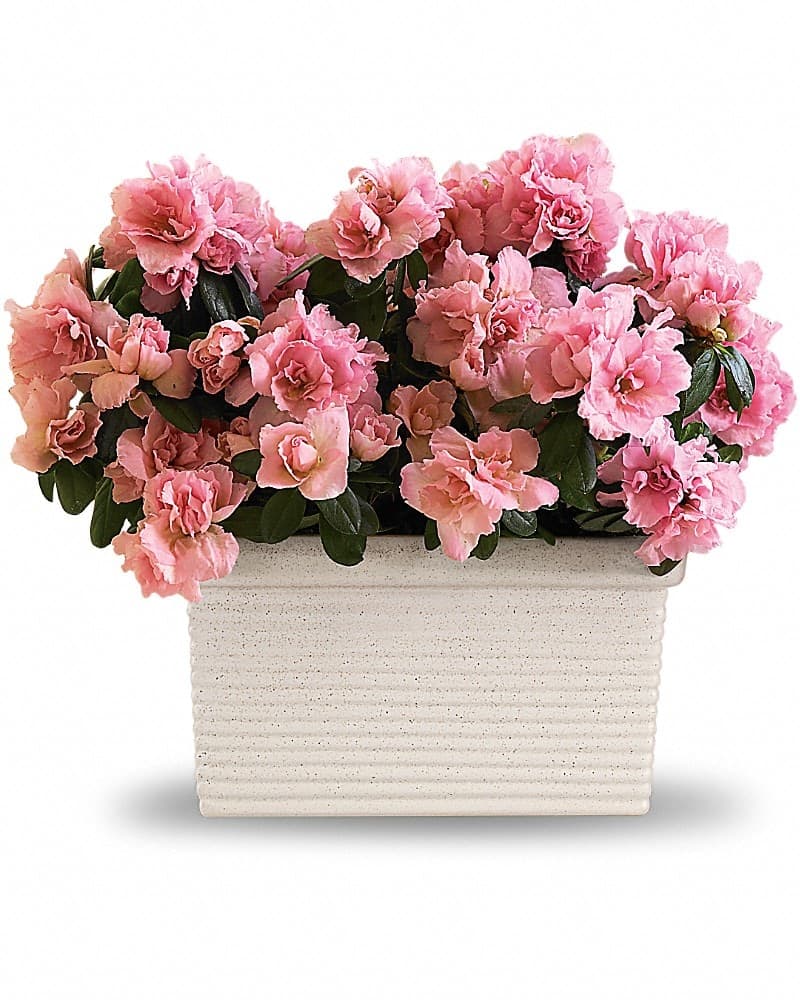
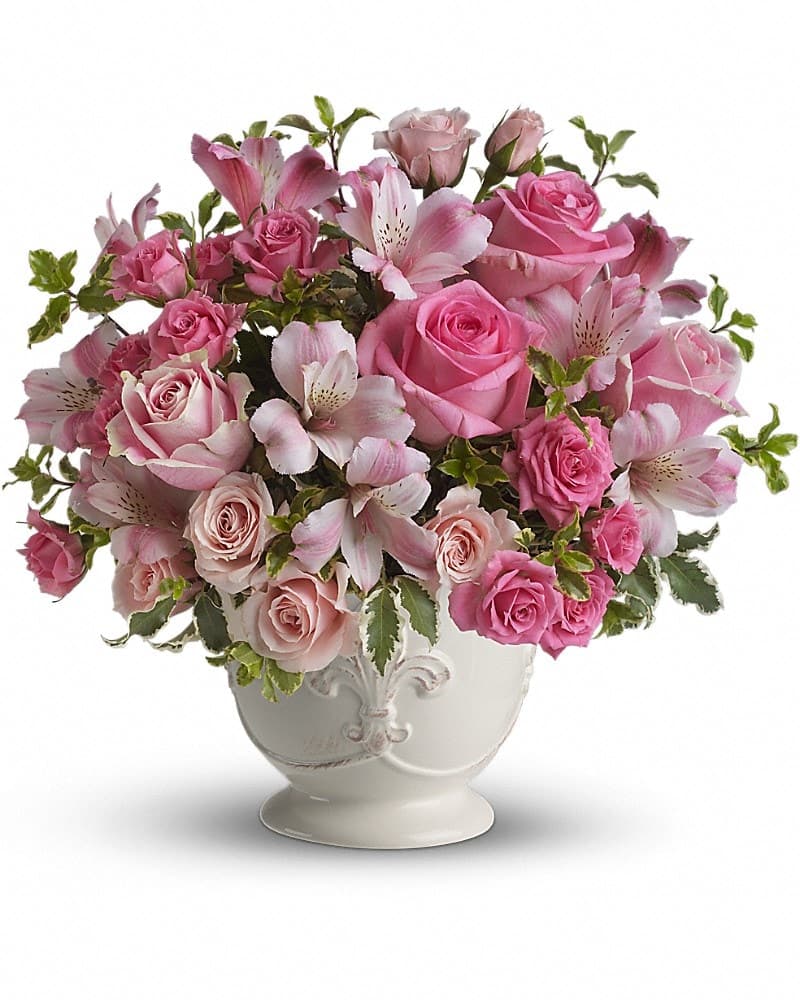
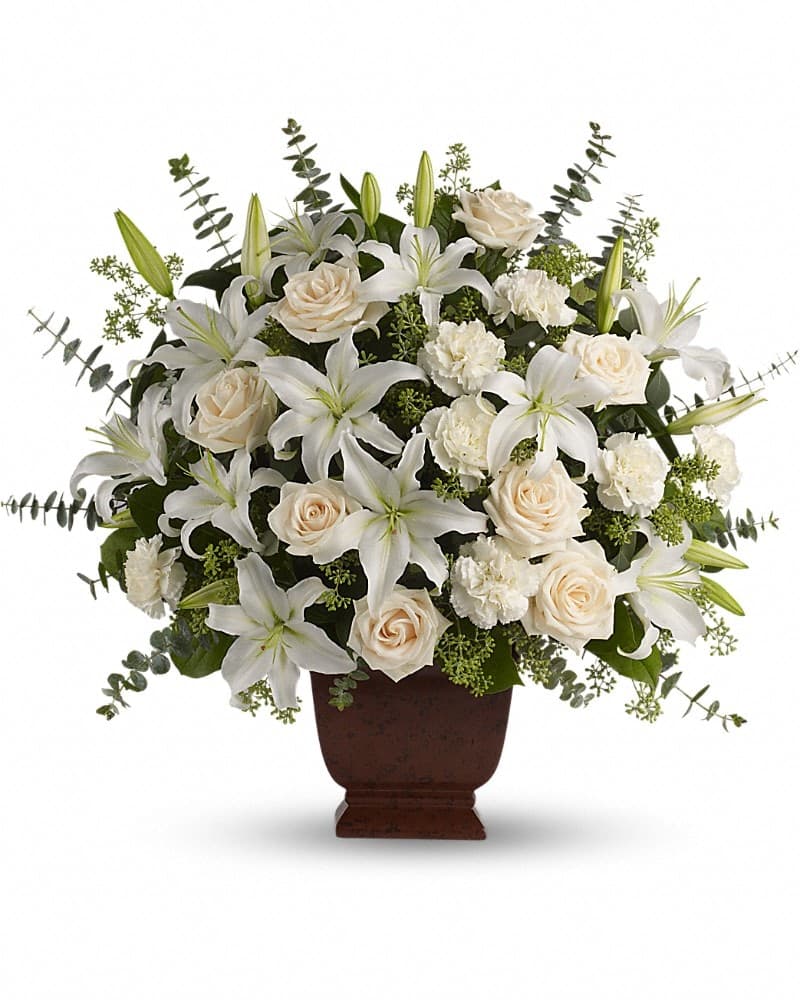
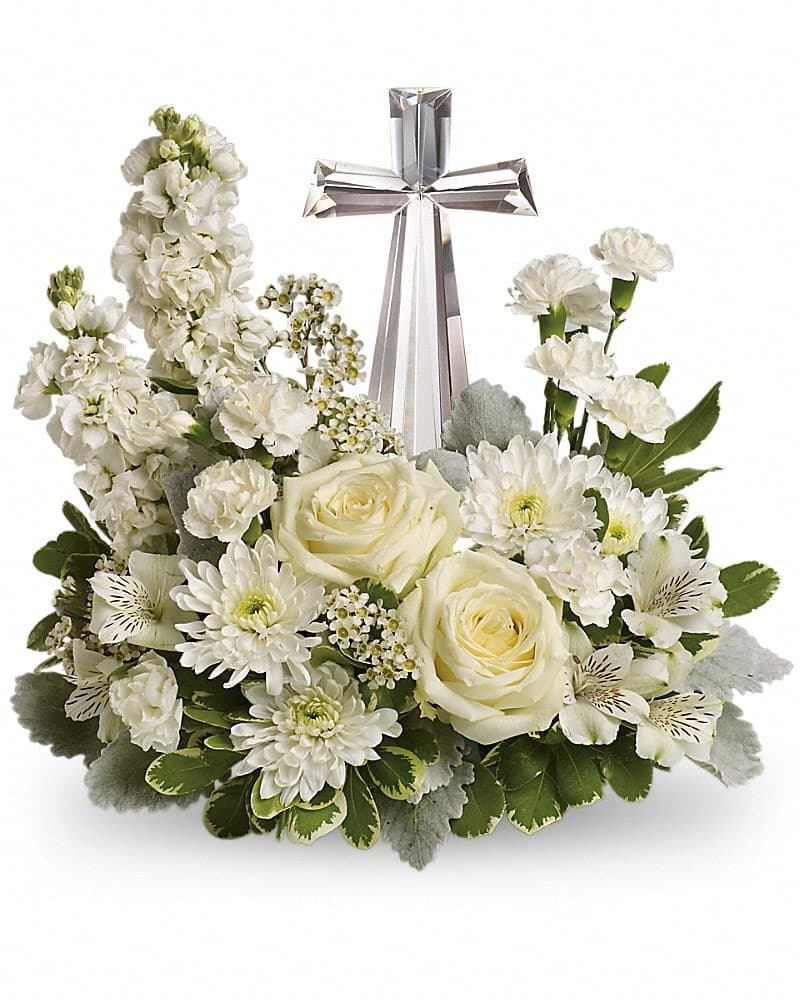
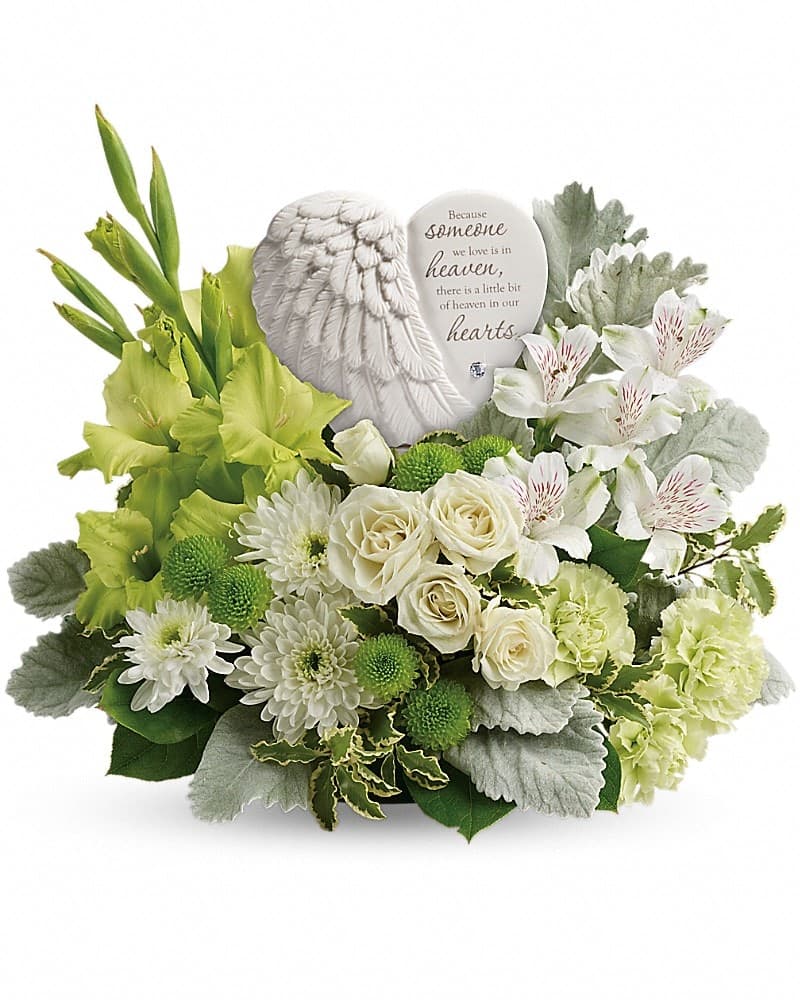
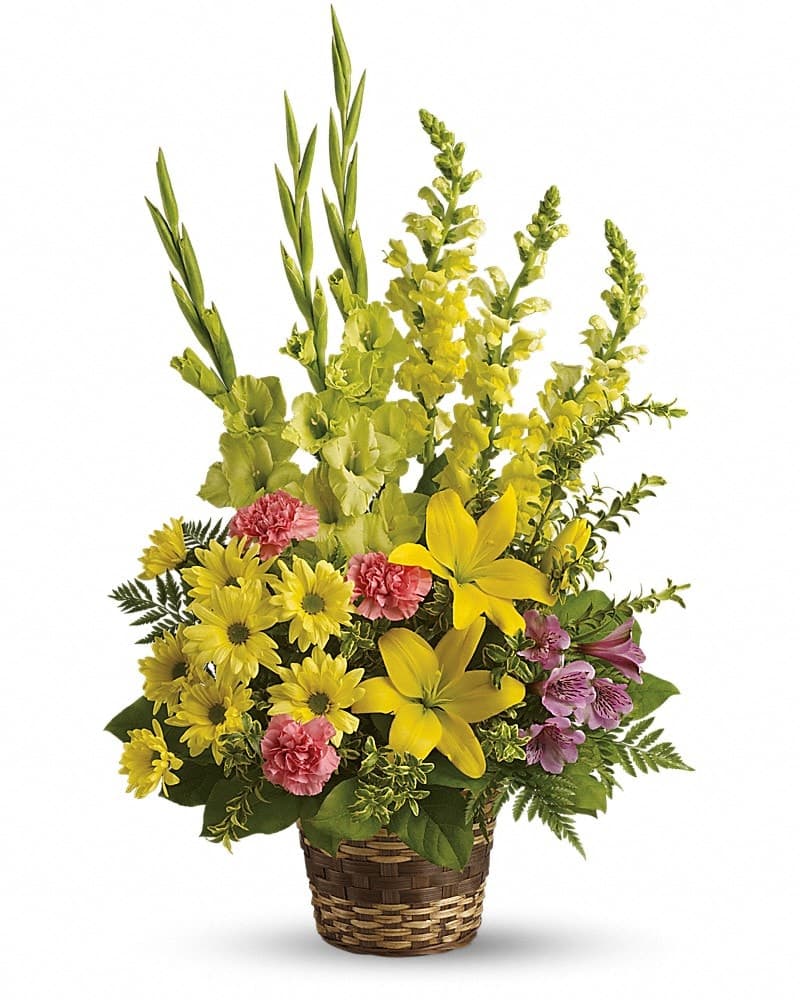
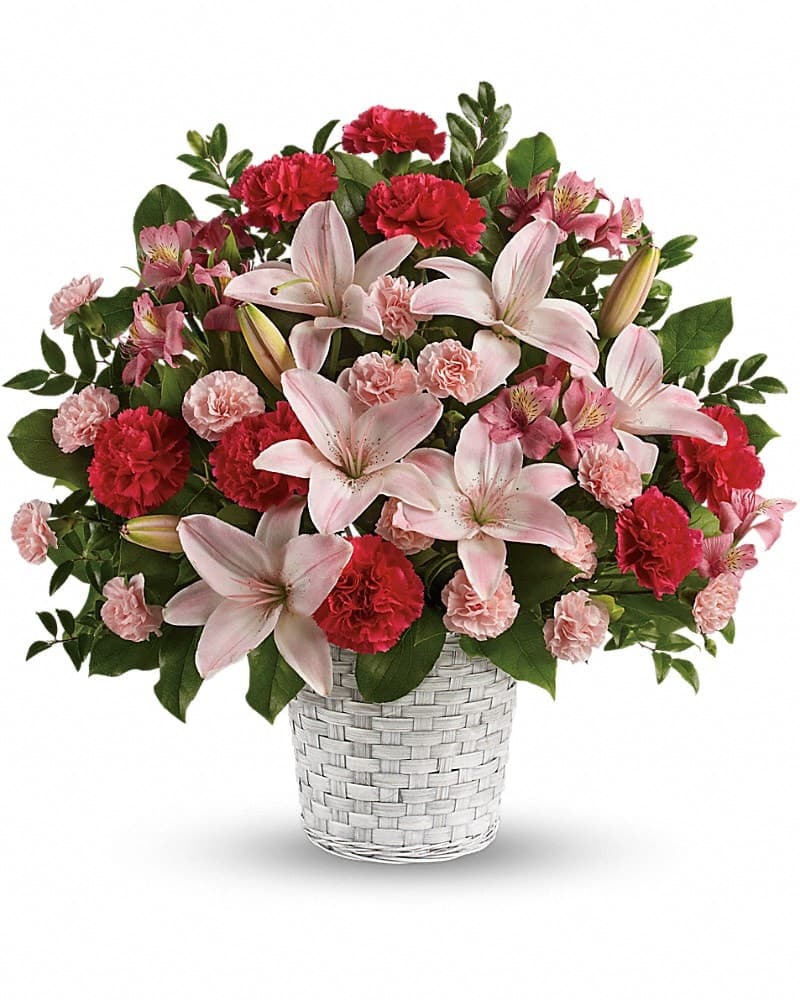
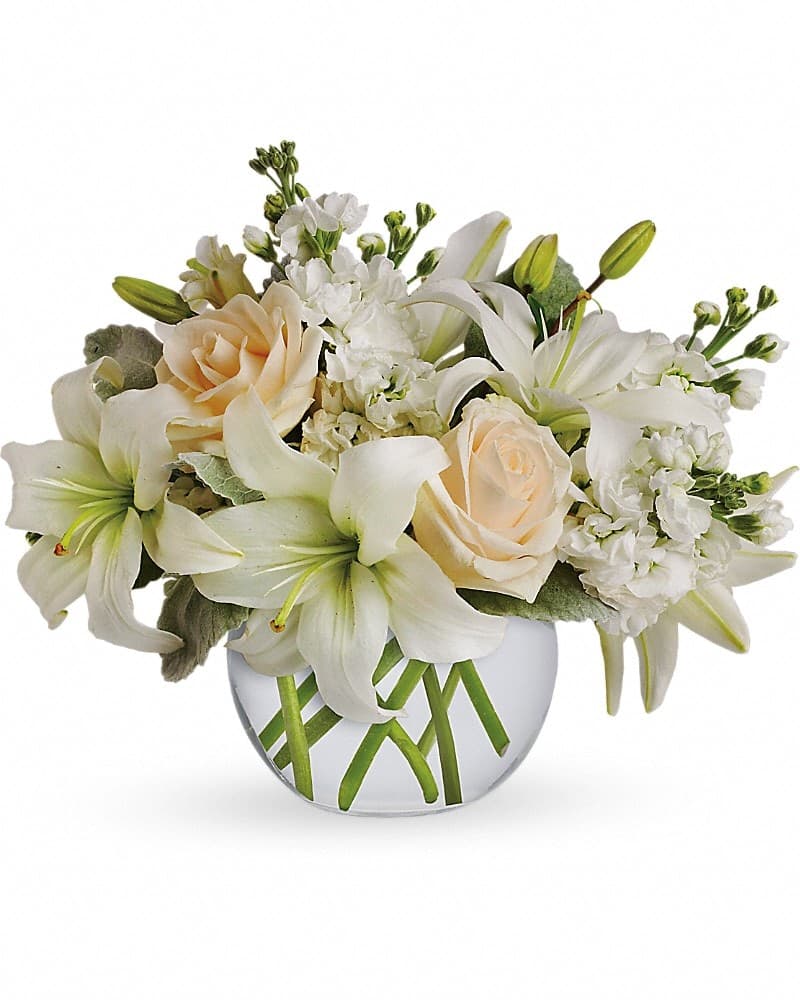
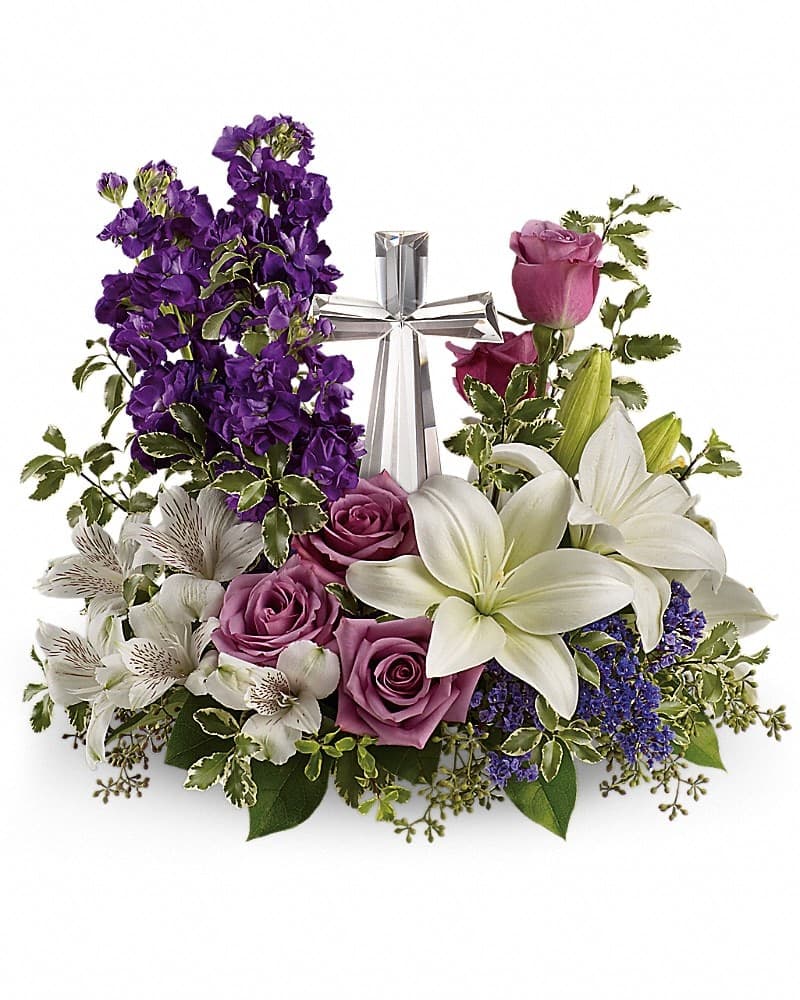
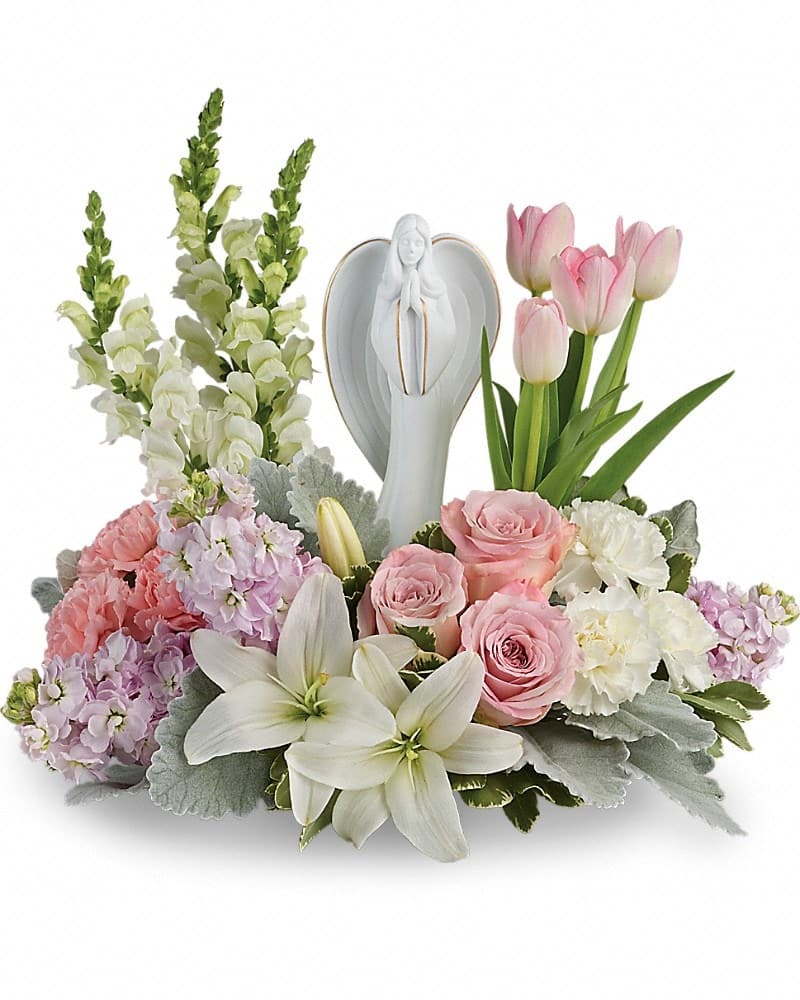
Shape matters more here than it would in a detached-house suburb. An easel spray on a wire stand is built for a chapel: it needs floor space in front of a casket and a room with height. Audubon Park's mutual-housing units are compact two-story rows, and an easel piece in one of those living rooms has to be leaned against a wall where it blocks a doorway, then carried out again. For the home, send something that sits: a low garden basket, a peace lily or another green plant that the household keeps long after the week is over, or a contained hand-tied arrangement in a vessel that does not need trimming and re-watering by people who are not thinking about flowers. Keep the easel work, the standing sprays and the larger casket pieces for the chapel, where the directors will place them and where the family will see them together. And on timing: the day everybody sends is the day of the viewing, and the day the house is emptiest and the arrangement matters most is the day after the funeral. If four people are already sending for the service, be the one who sends on Saturday.