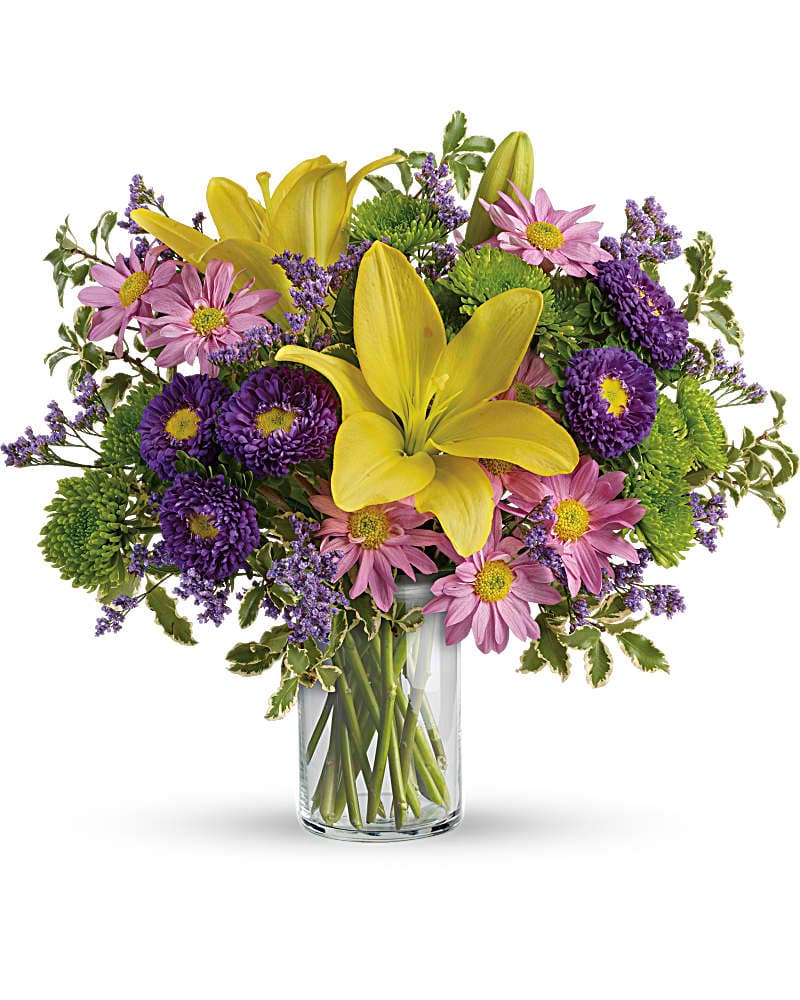
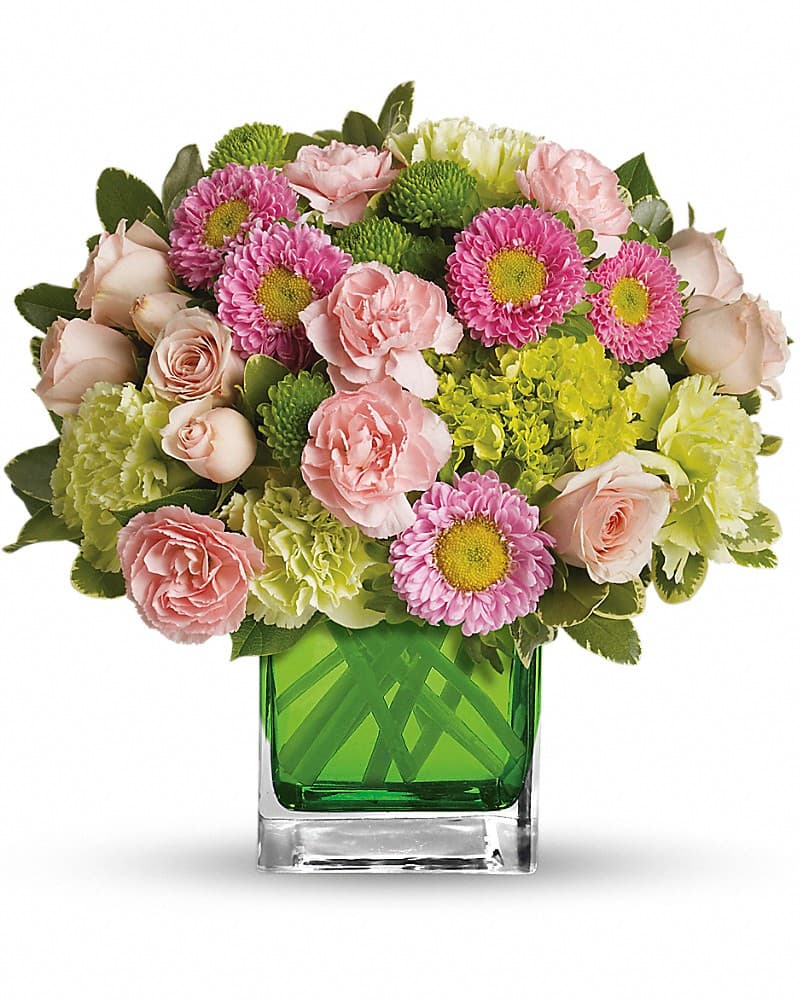
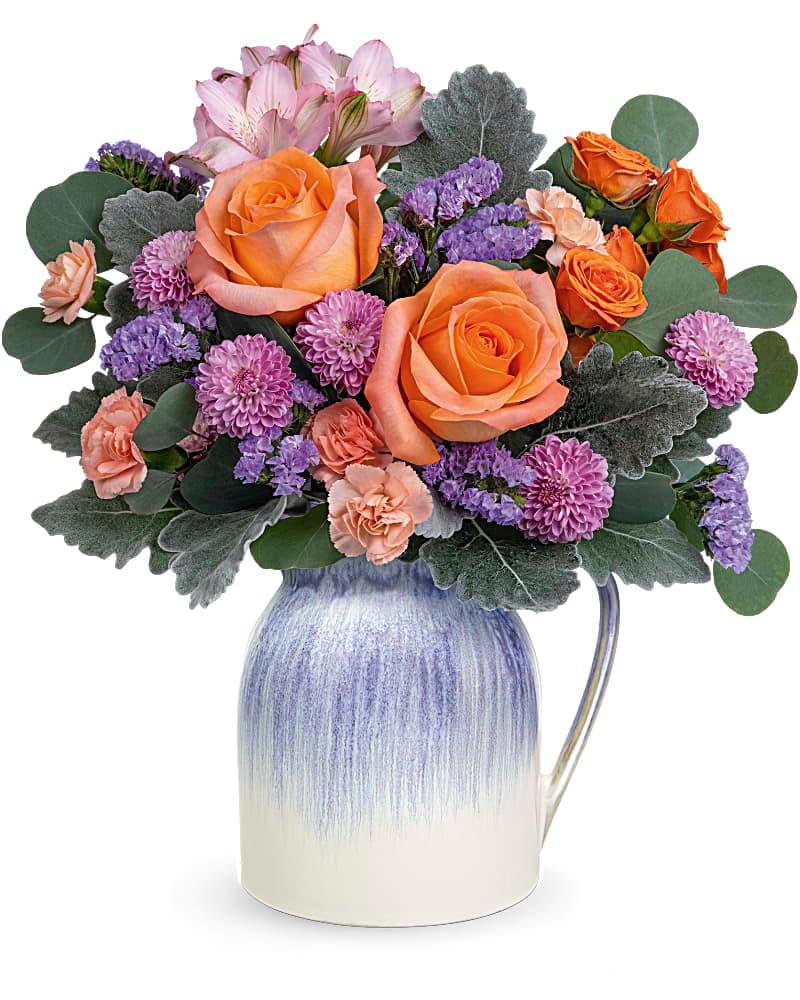
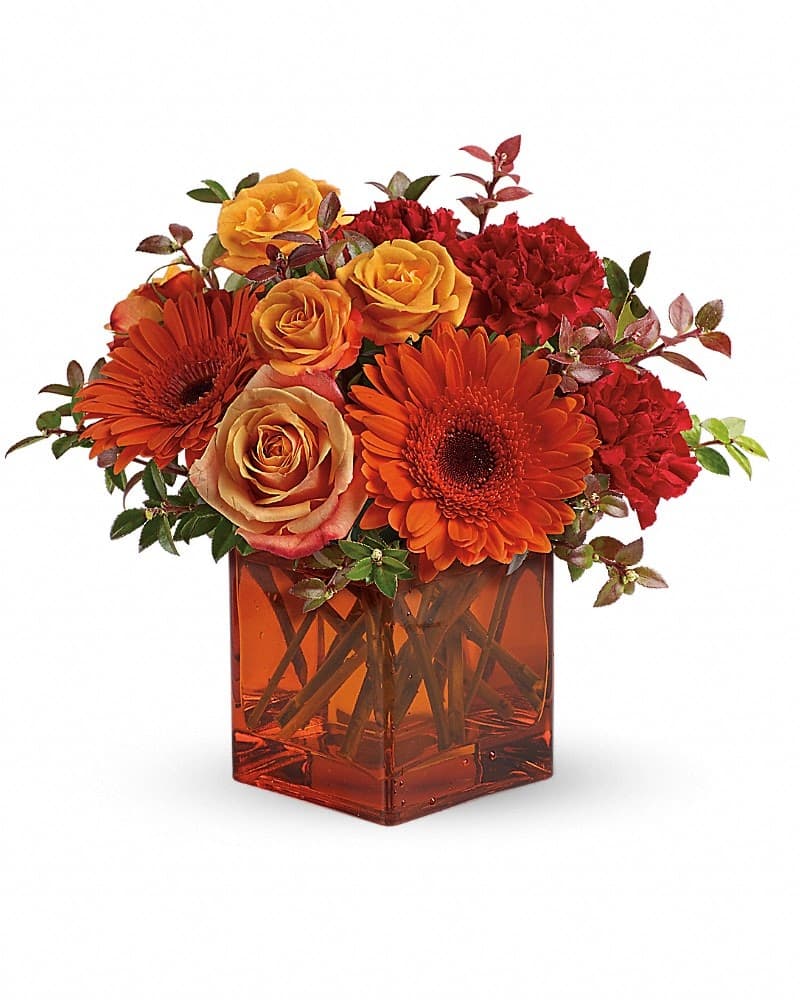
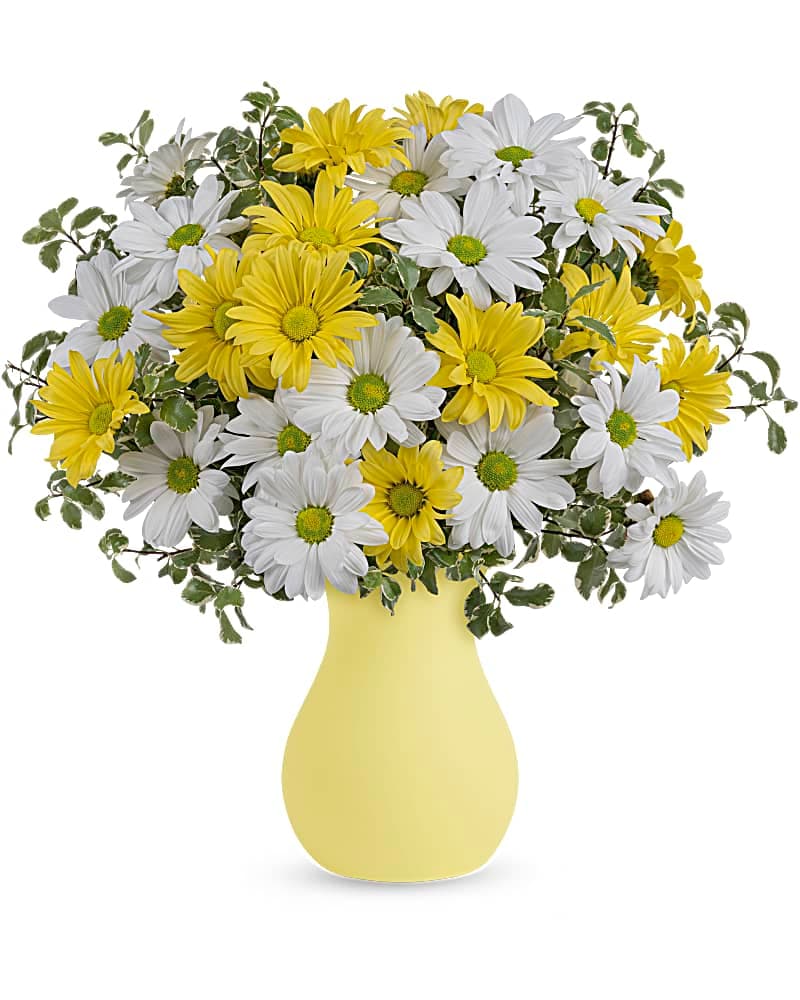
Get-well flowers in Anchorage carry a weight they do not carry anywhere else, and the reason is a map. The hospitals here are not city hospitals; they are the state's hospitals. Providence Alaska Medical Center on Providence Drive in 99508 is the largest hospital in Alaska, and it holds the referral services — cancer care, cardiac, intensive care, trauma, and Providence Alaska Children's Hospital, which is the only children's hospital in the state. Alaska Native Medical Center on Diplomacy Drive, operated by the Alaska Native Tribal Health Consortium and Southcentral Foundation, serves Alaska Native and American Indian people from every region of Alaska. What that means in practice, and what it means for your order, is that a very large share of the patients recovering in Anchorage on any given day did not come from Anchorage. They flew in from Bethel or Nome or Kotzebue or Dillingham, from Kodiak or Utqiagvik or Unalakleet or a village of three hundred people that has no road to anywhere. They may be a thousand air miles from their own bed. Their family may be staying in patient housing near the campus rather than in a house across town. Flowers sent into that room are not a small courtesy; for a patient two weeks into a stay in a city they have no other reason to be in, they are one of the only things in the room that is theirs.
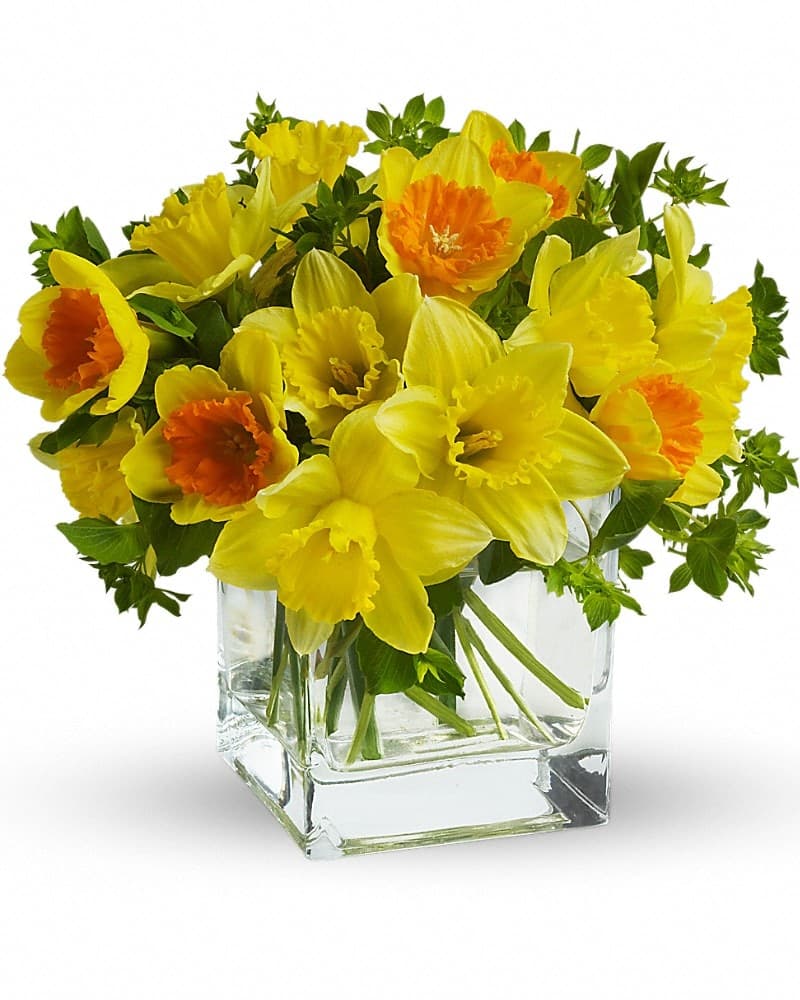
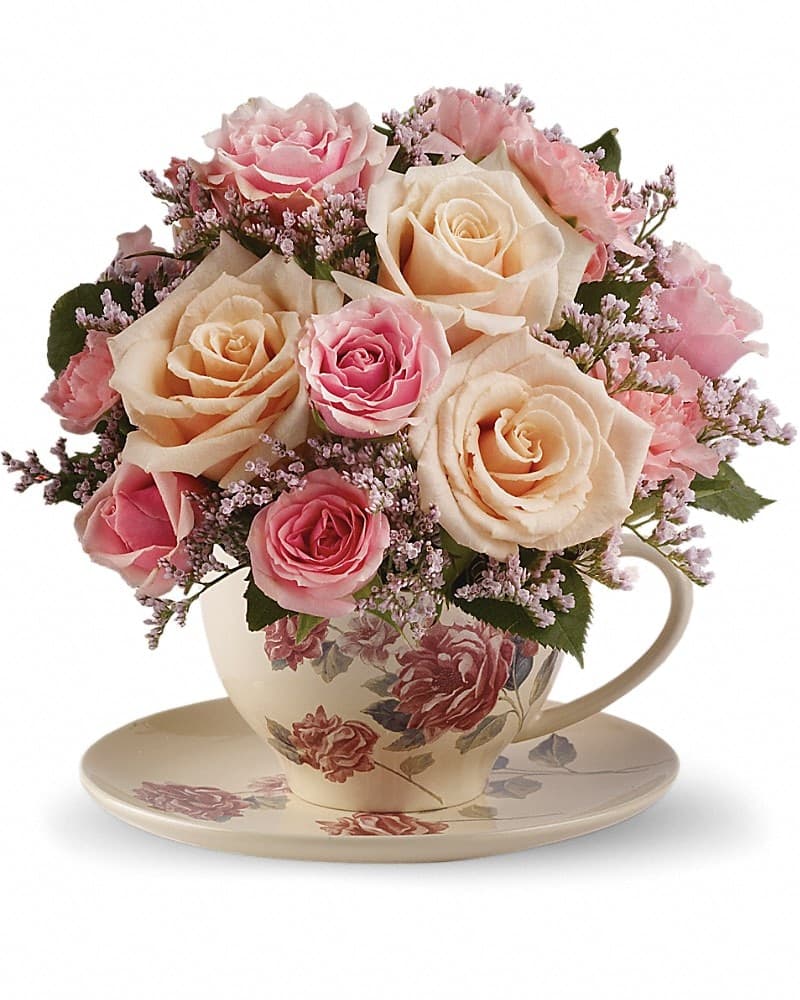
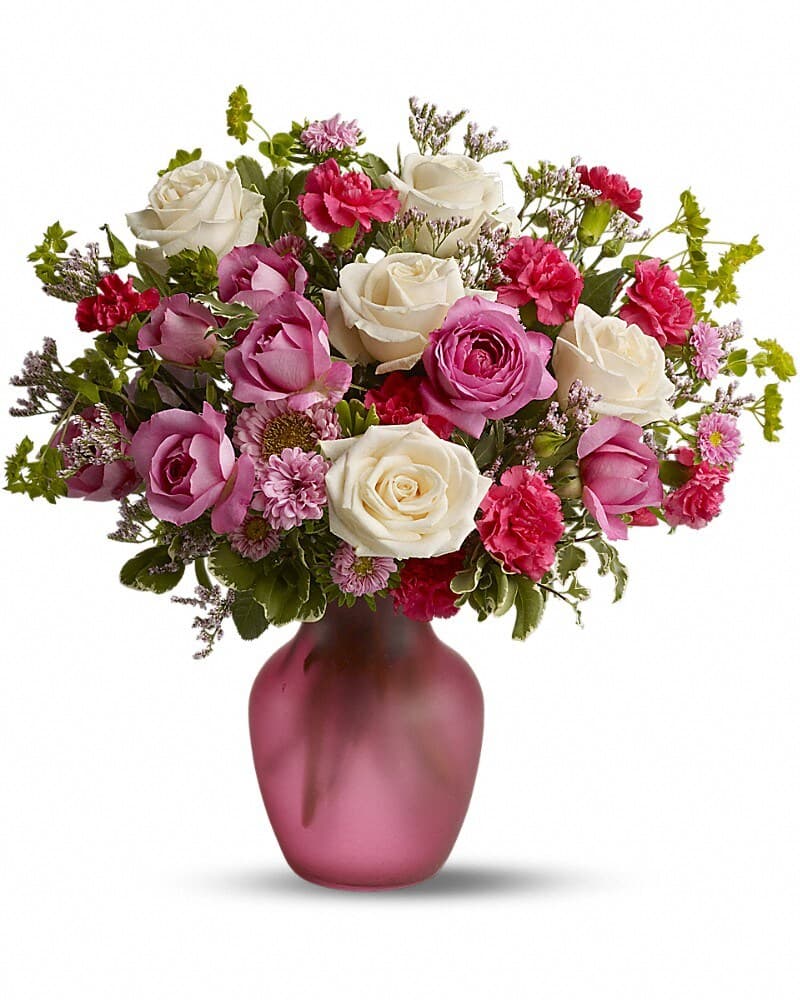
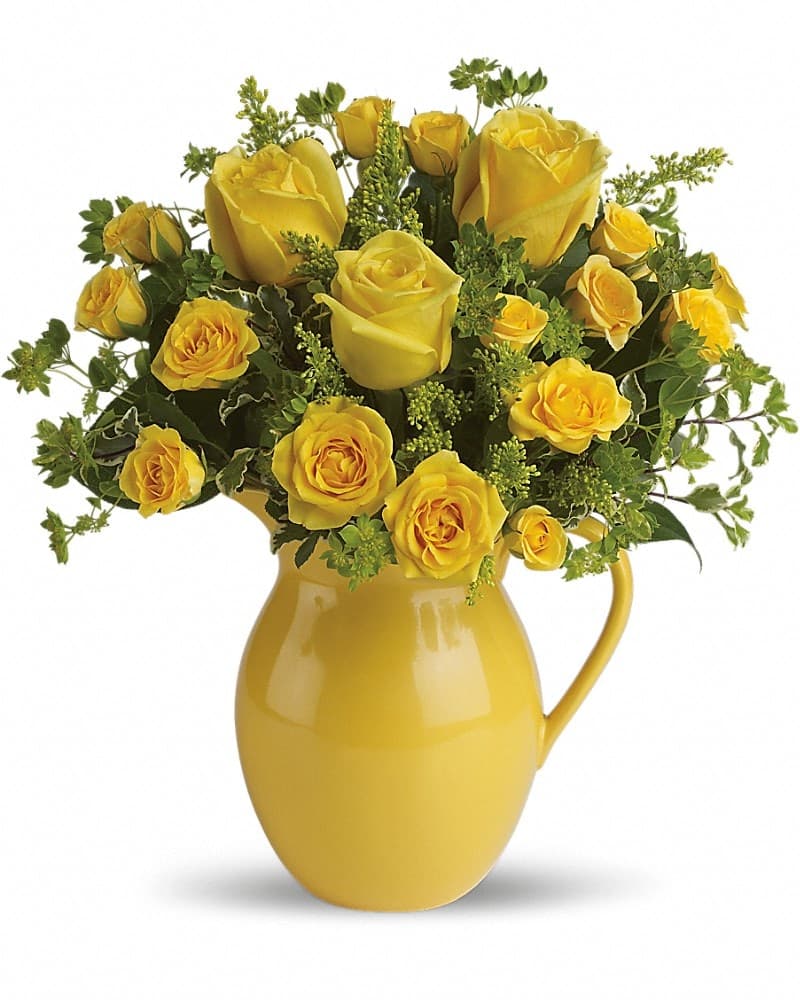
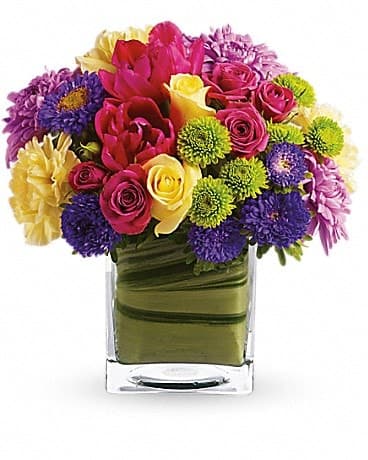
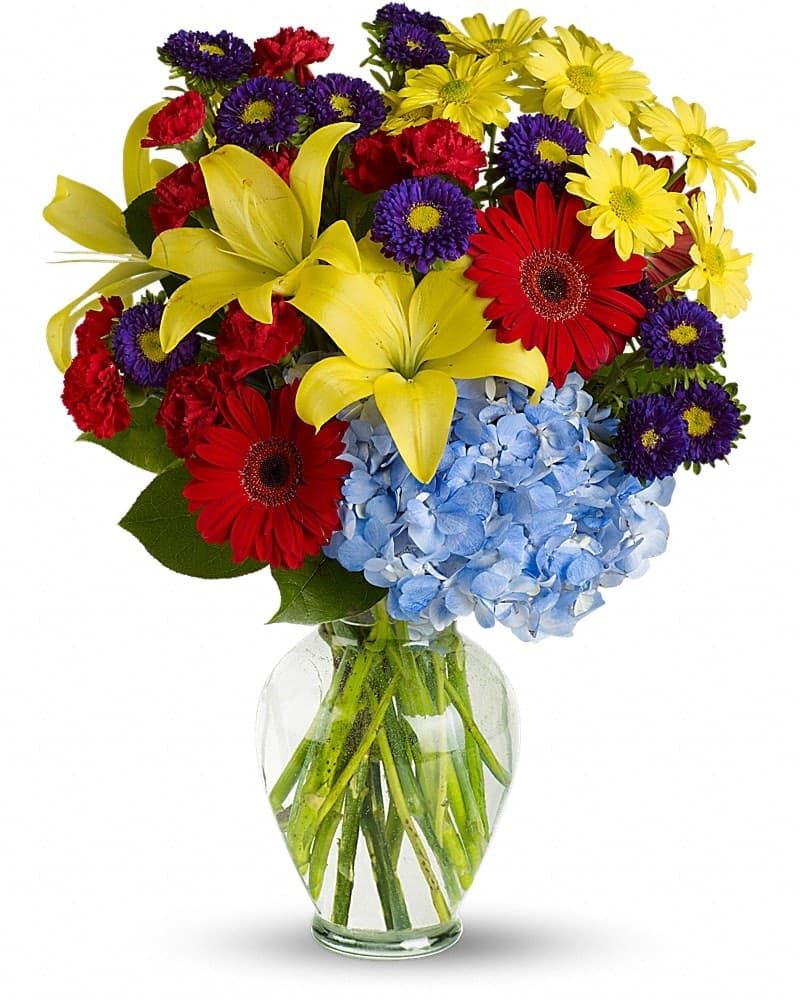
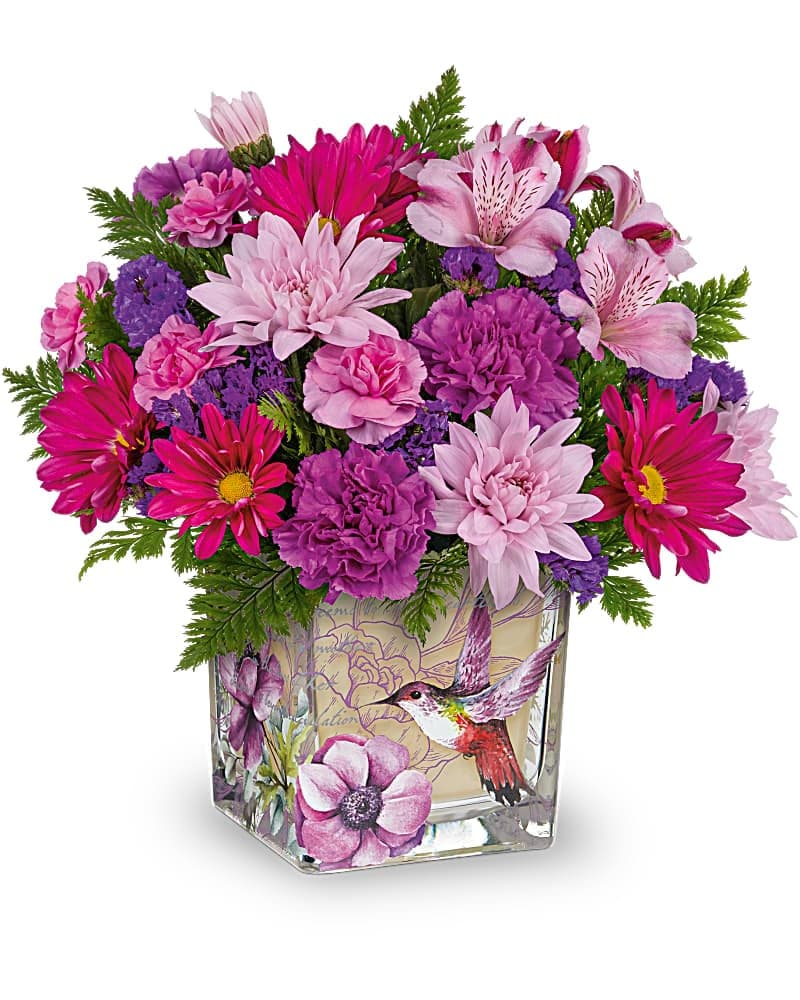
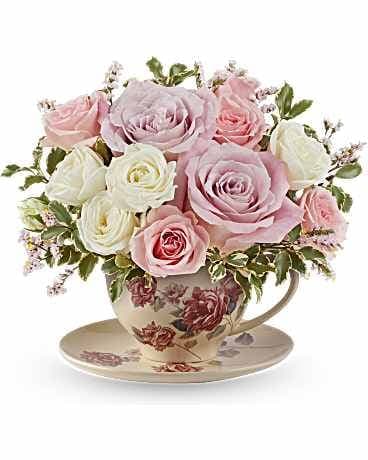
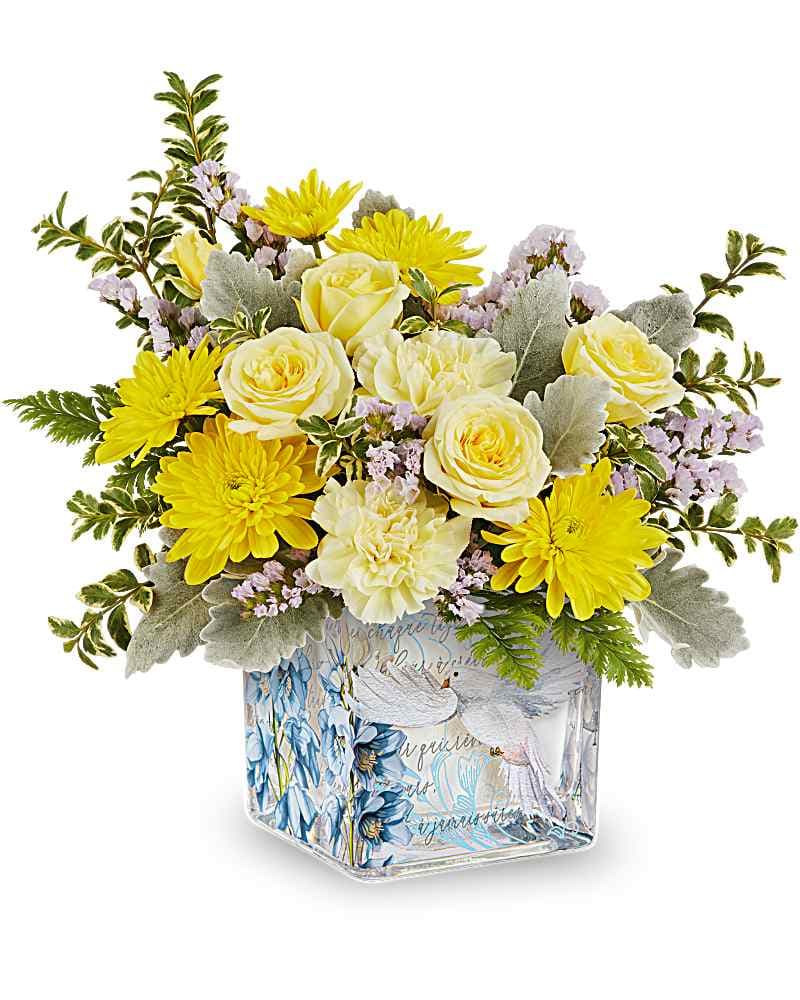
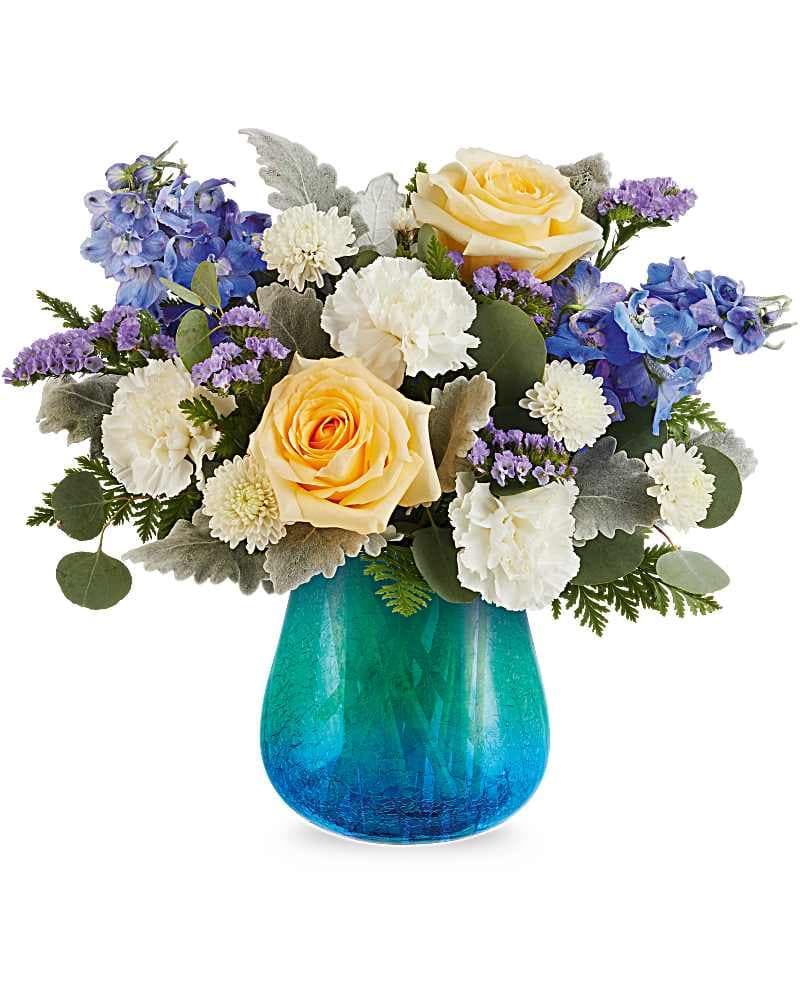
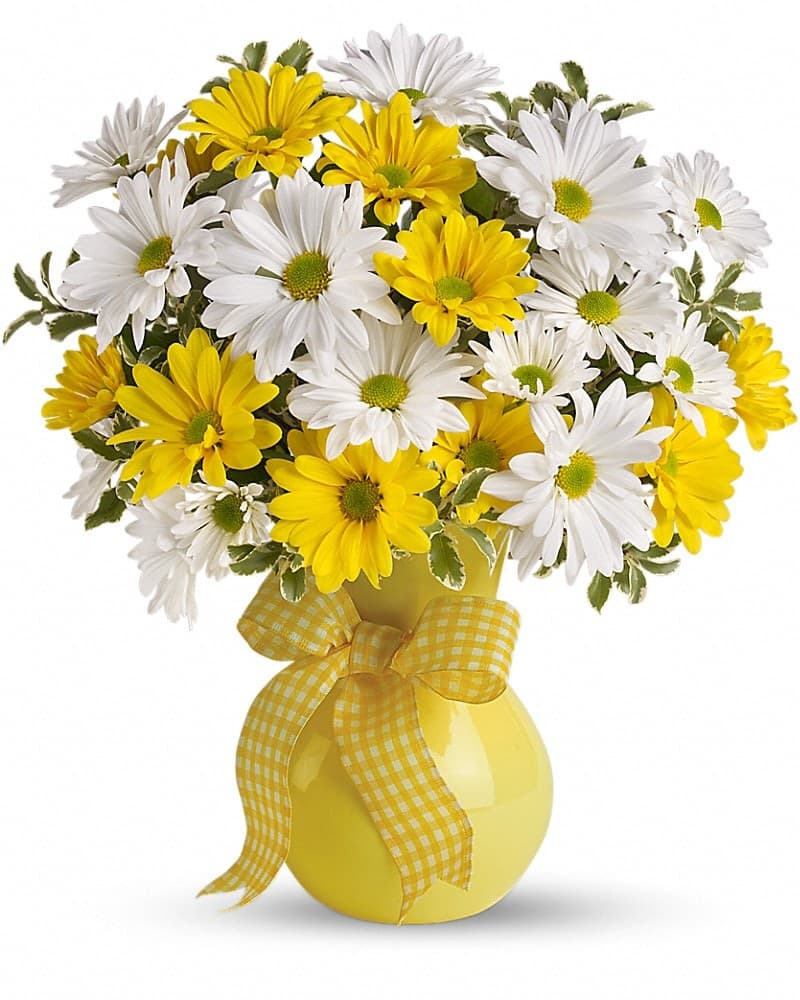
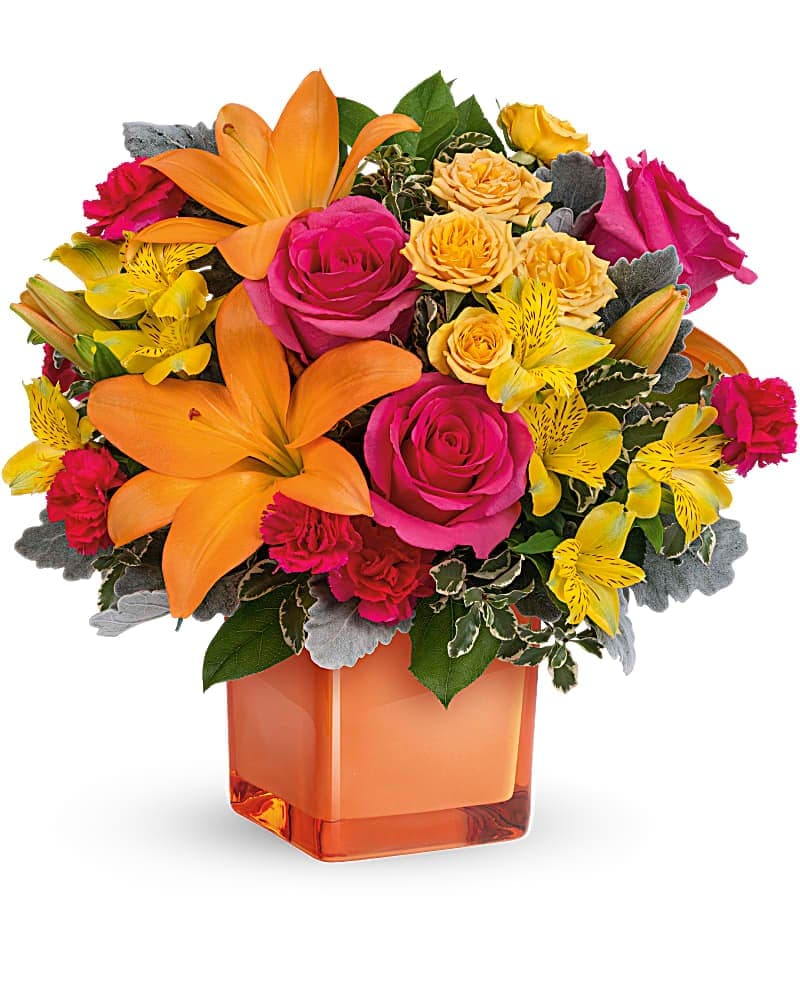
That fact should change what you send, and this is the practical part. A patient who flew in from a village cannot take a vase home on a small aircraft on the way out — weight and space on Bush flights are genuinely tight, and a glass vessel is not going to make the trip. So the useful gift is one that does its work in the room and then gets given away at discharge: a compact arrangement in a light, unbreakable vessel rather than a tall glass piece, or something the patient can hand to a nurse, a roommate or the family in the next chair. If you know the family is staying in patient housing, that address is often the better destination than the bed — the person who has been sleeping badly in a strange city for ten nights is the one who most needs a table with something living on it. And use the hospital or housing address rather than a home address you are not sure of. A village address you half-remember will not deliver; the Anchorage campus will.
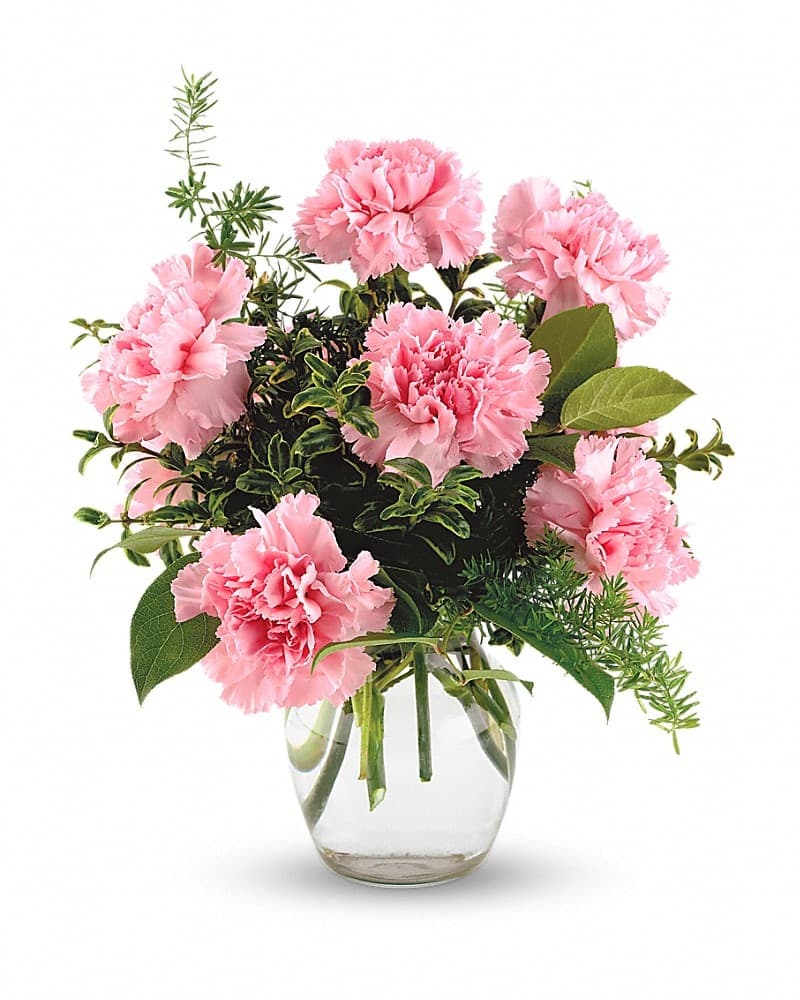
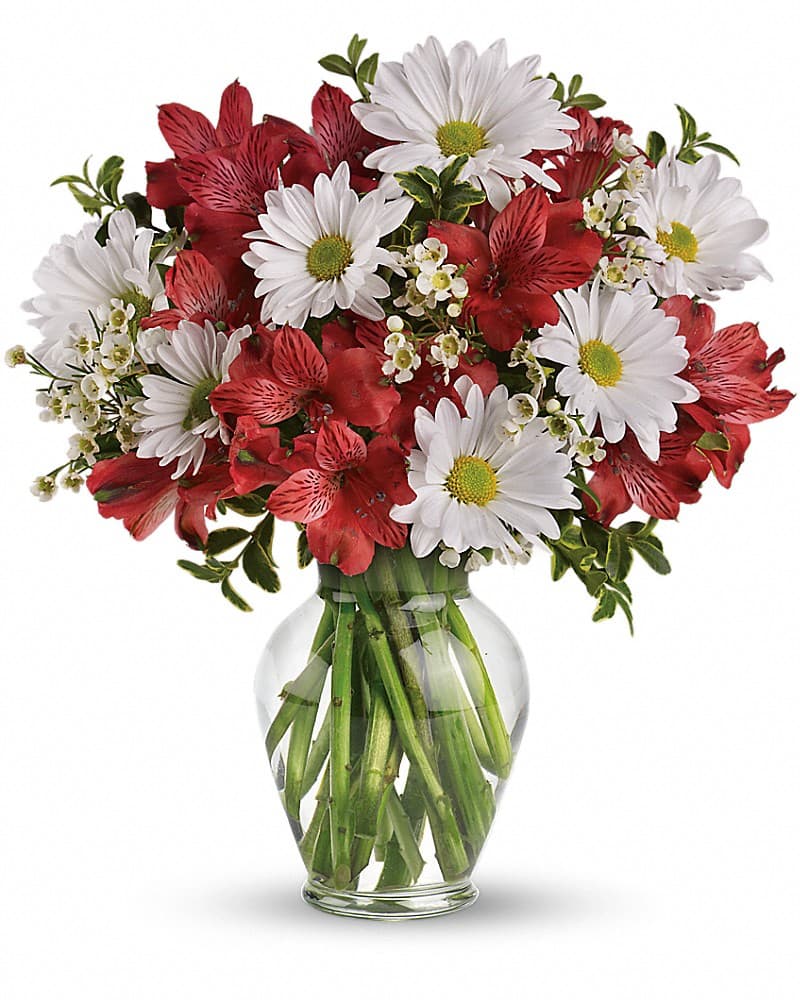
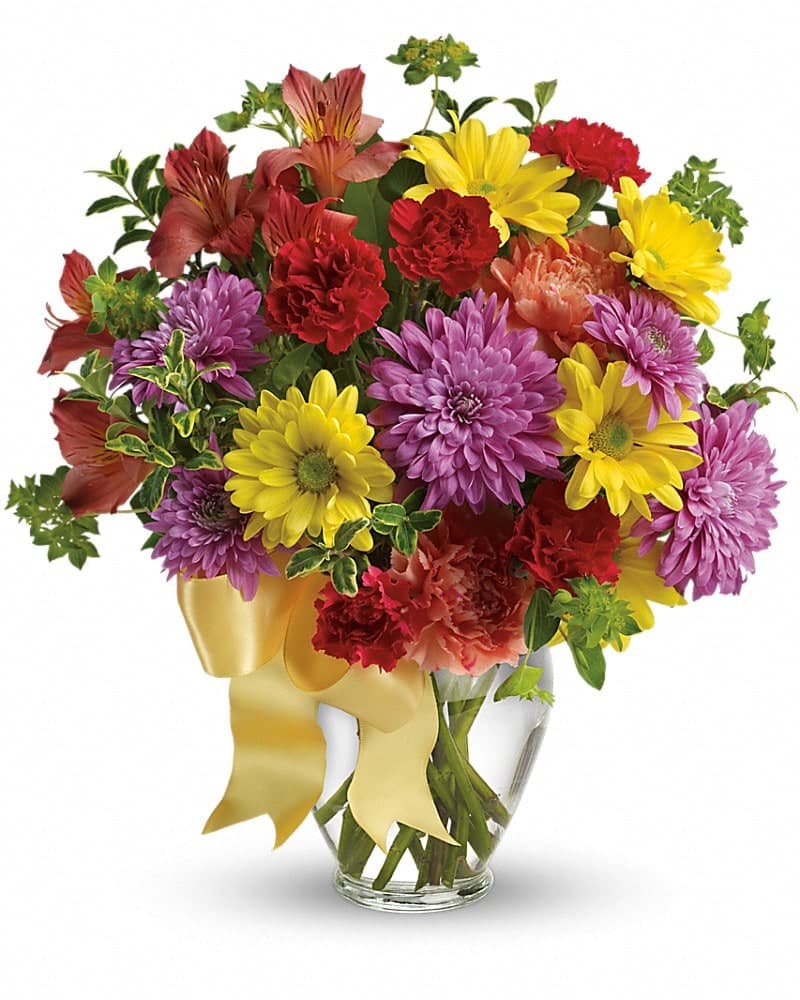
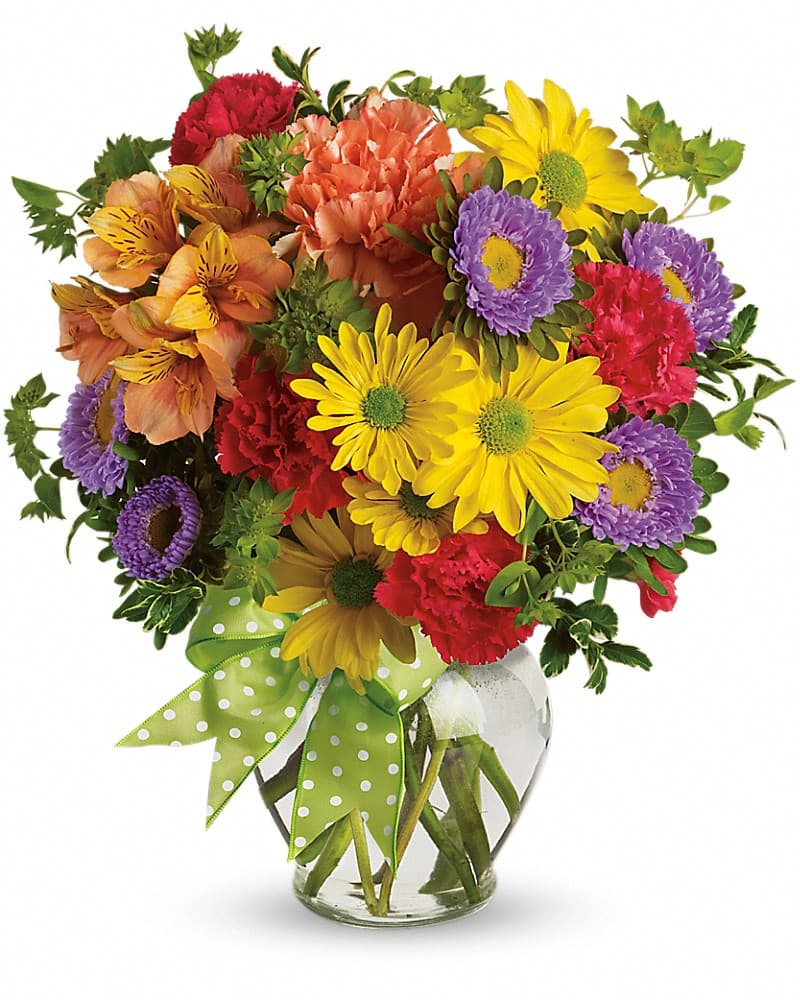
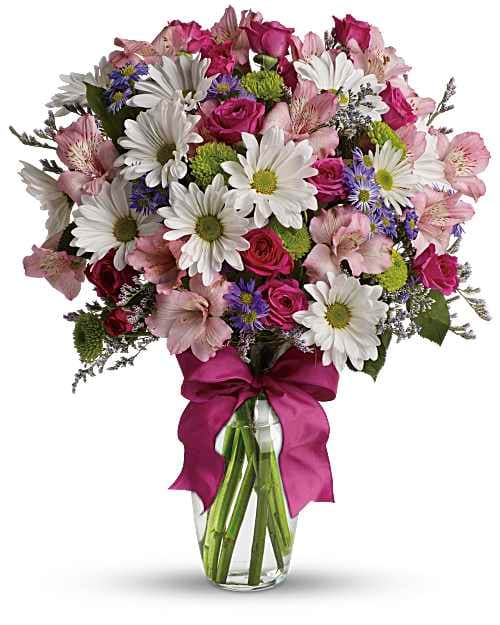
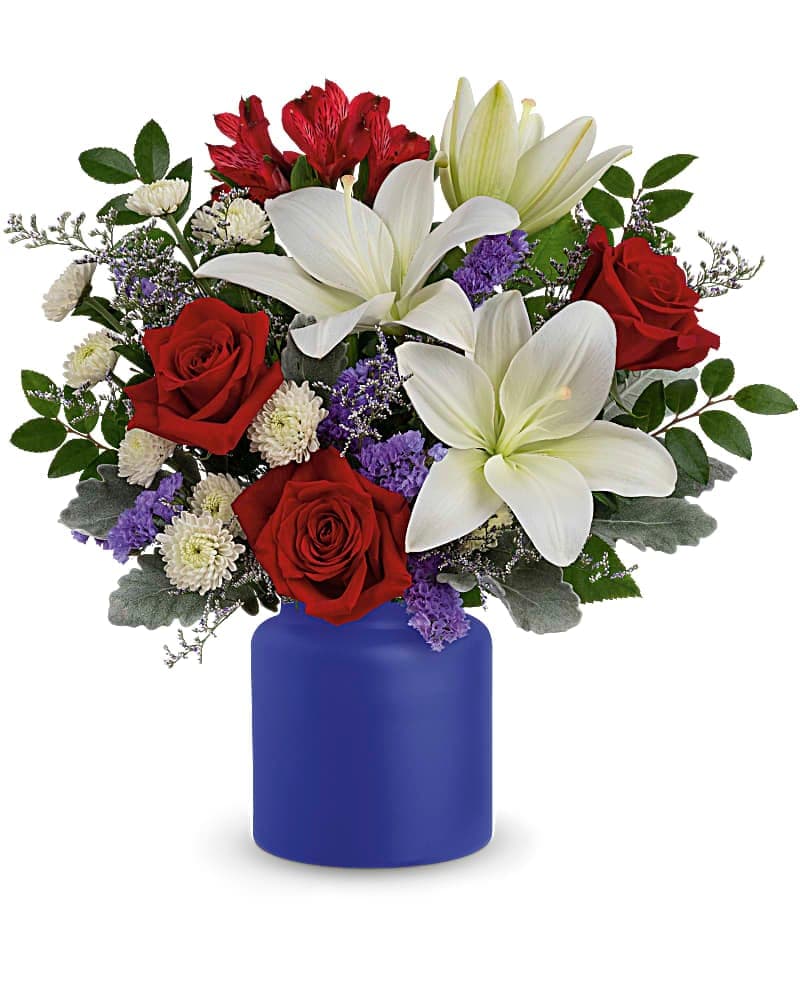
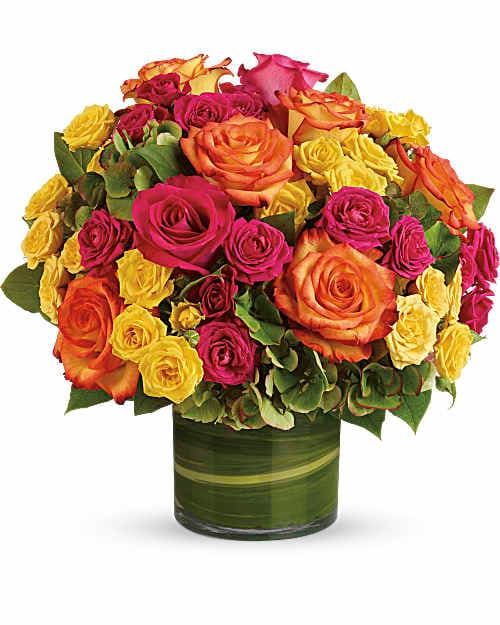
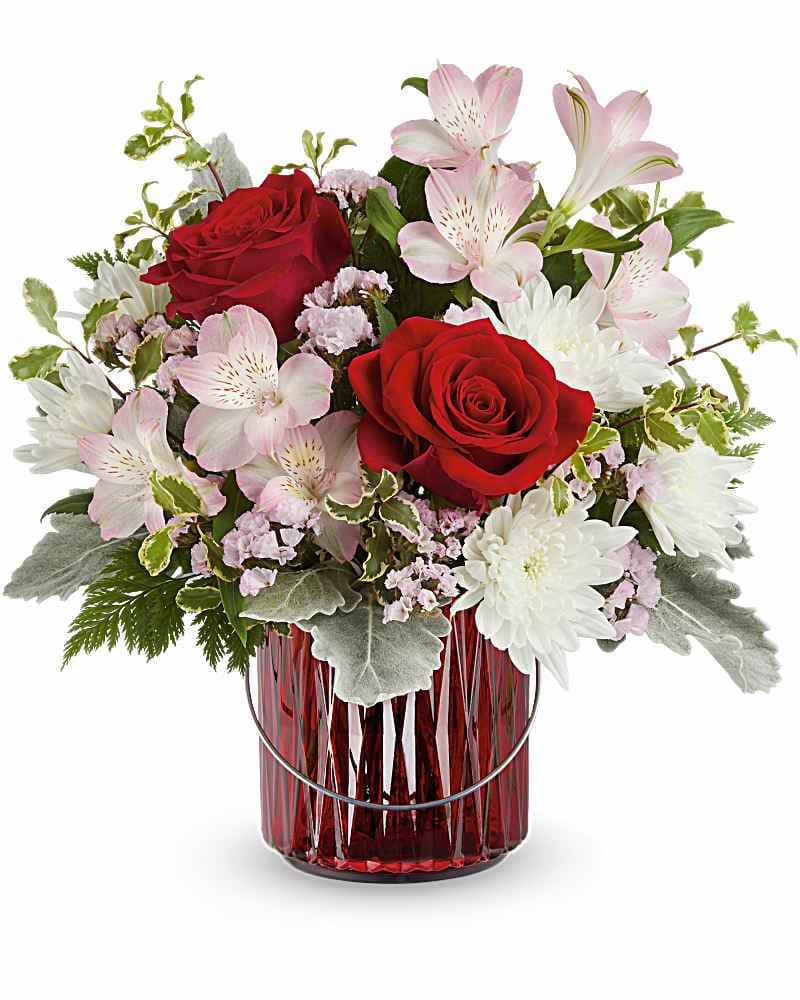
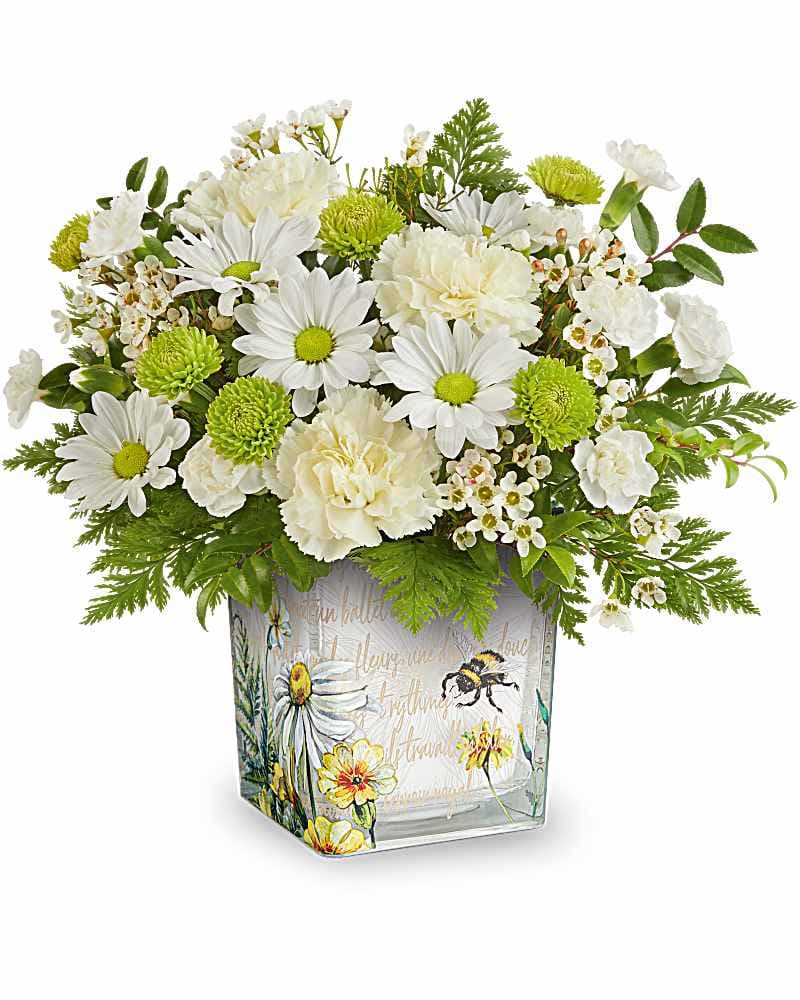
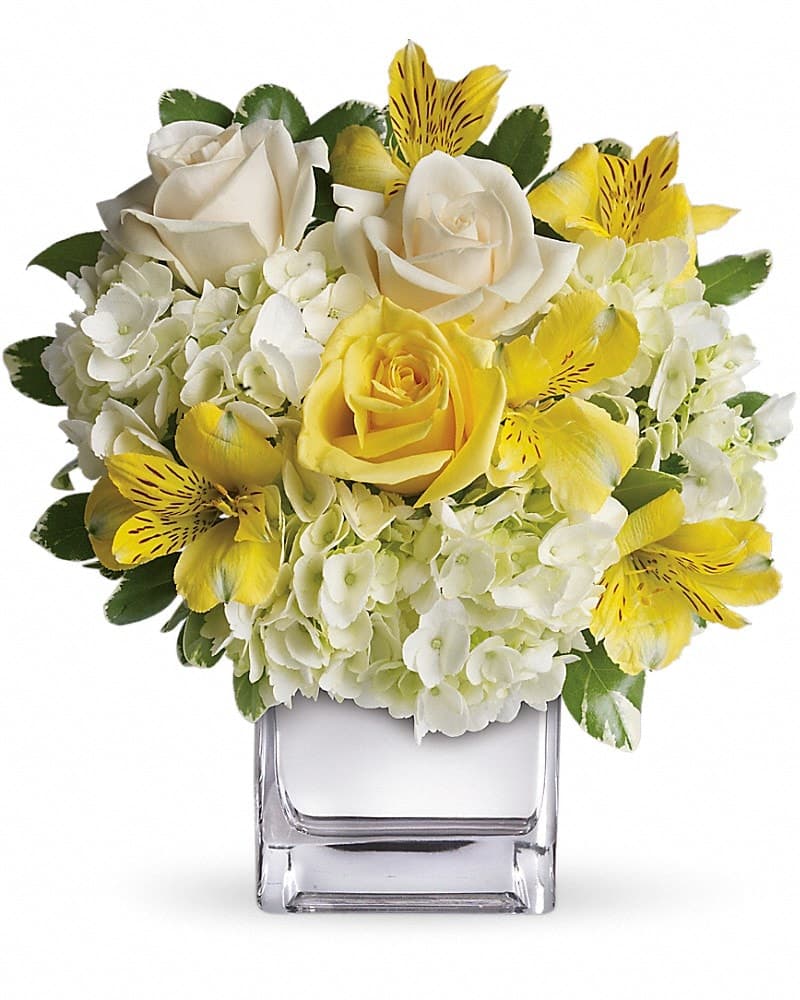
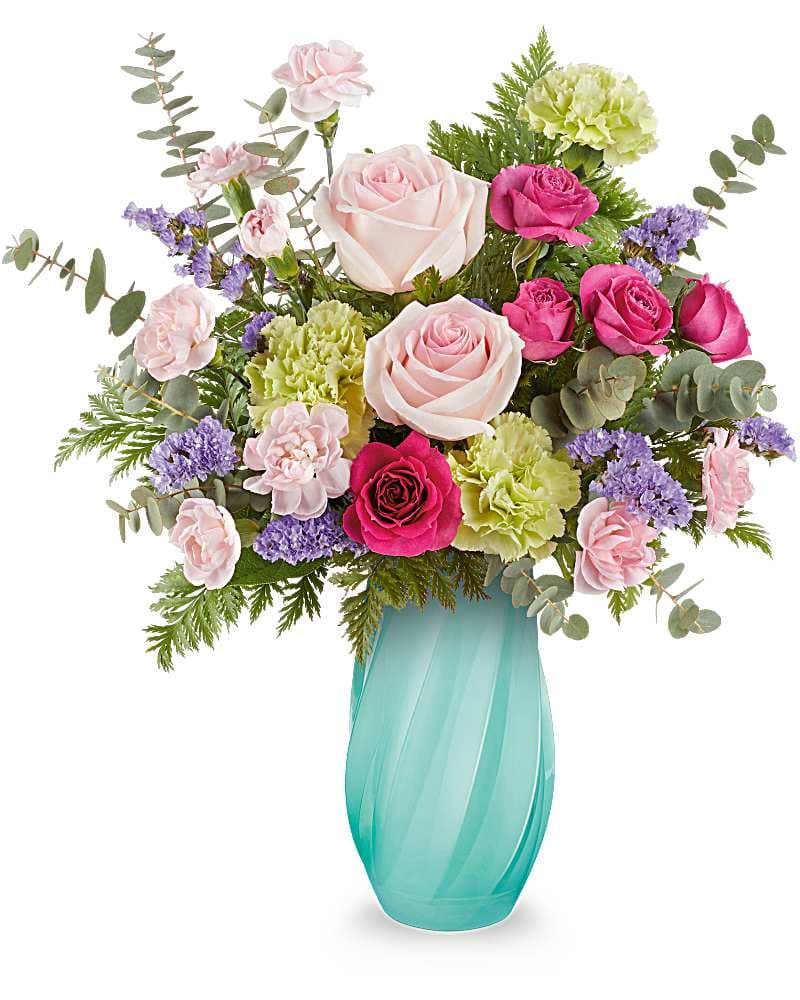
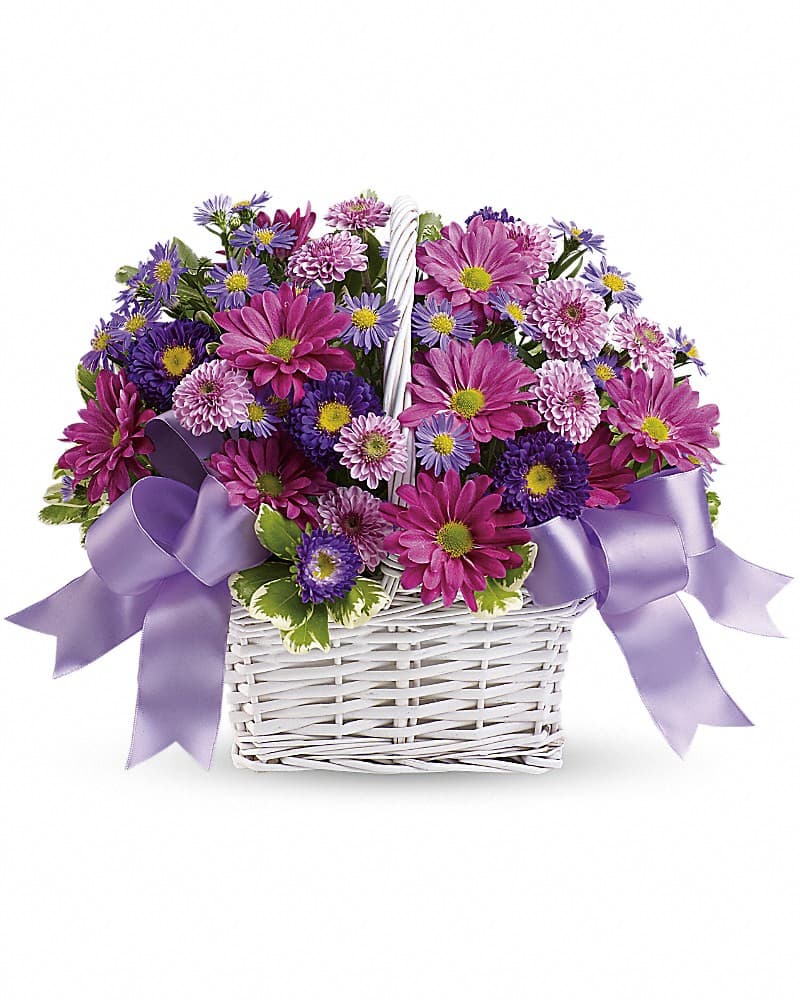
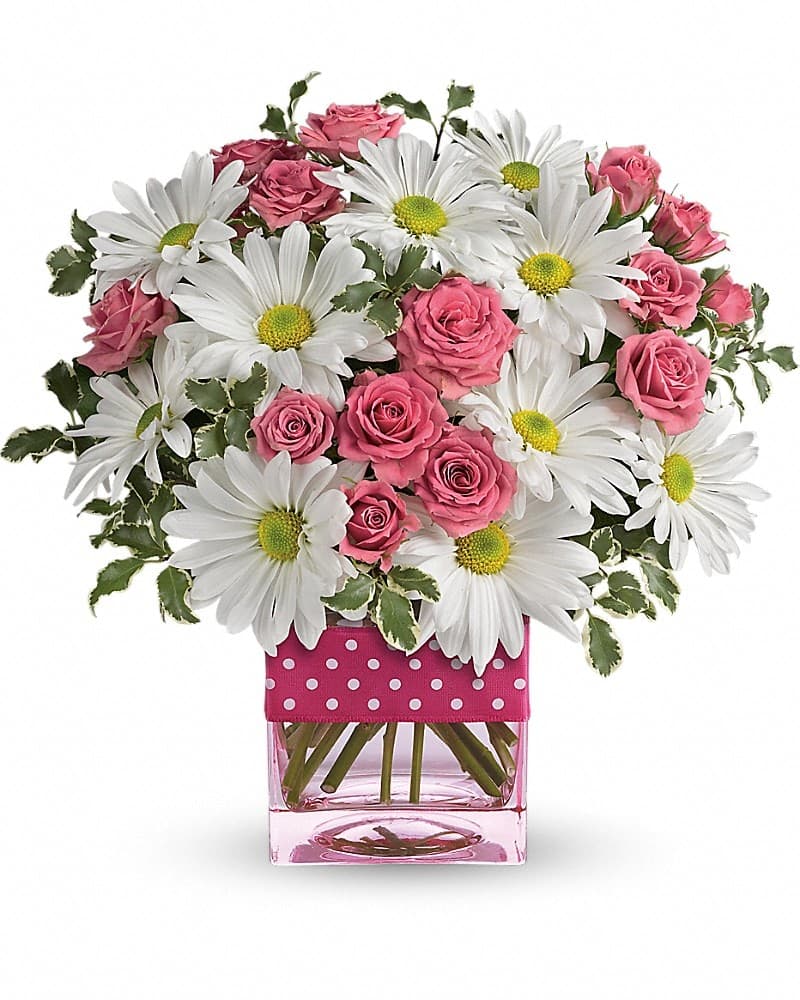
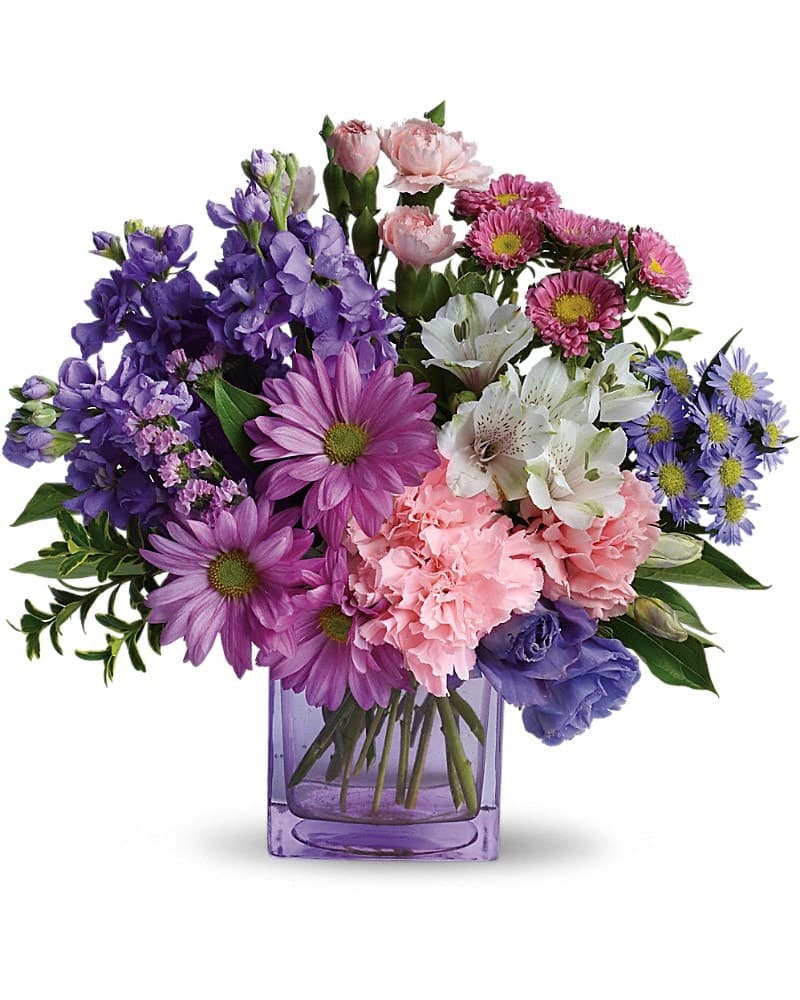
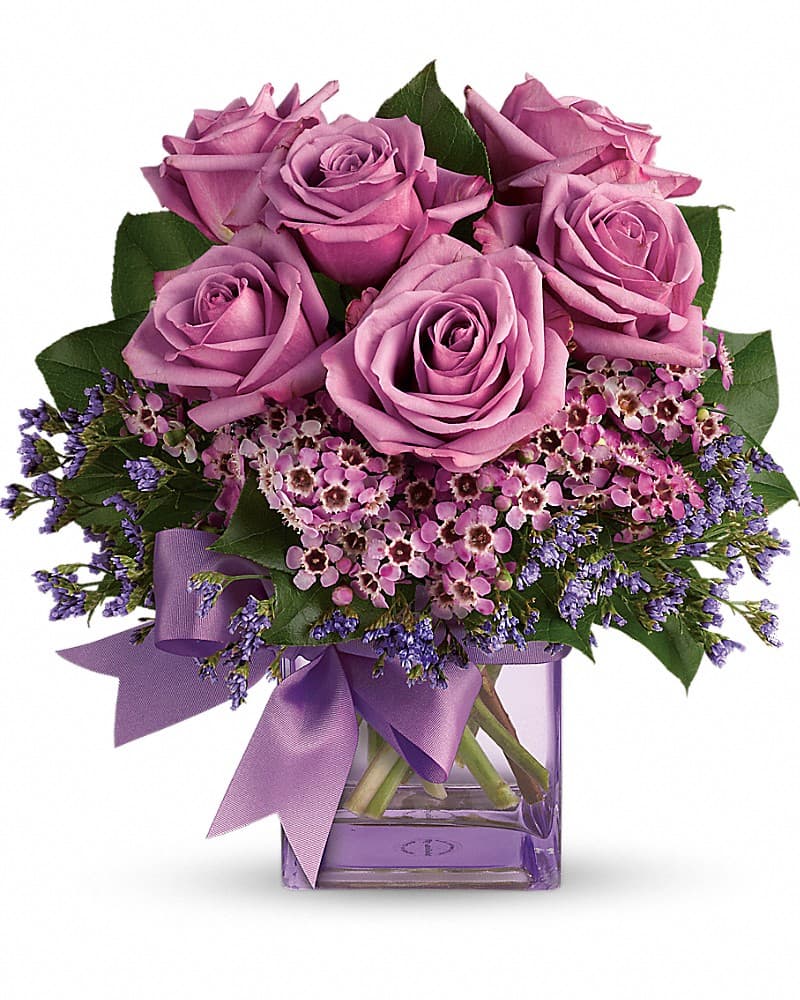
Floor rules matter and they are not uniform, so treat this as a hierarchy rather than a policy. Oncology and infusion are the most restricted case anywhere, and Providence Cancer Center on the Providence Drive campus is where that applies here: no lilies of any kind, no heavily pollinated stems, no fragrance, and be aware that many immunocompromised patients cannot have live potting soil in the room at all, which rules out a plant until they are home. Intensive care is commonly flower-free by unit policy, and the workable move is a lobby or family-room handoff to a relative — often the better gift anyway, since the family in the waiting room is the one awake at three in the morning. Pediatrics at Providence Alaska Children's Hospital wants lily-free and low-pollen, and latex balloons are generally prohibited on children's units for allergy reasons, so mylar only. Neonatal intensive care generally takes no flowers at all. Post-surgical and orthopedic floors are the most permissive in any building and will take nearly anything. Alaska Psychiatric Institute and behavioral-health units generally take no glass and frequently nothing at all. The safe palette across every unit in this city: alstroemeria, lisianthus, spray roses, carnations, gerbera, stock and solidago, in an unbreakable vessel under about fourteen inches so it sits on a rolling tray table next to a water pitcher, a phone and a call button.