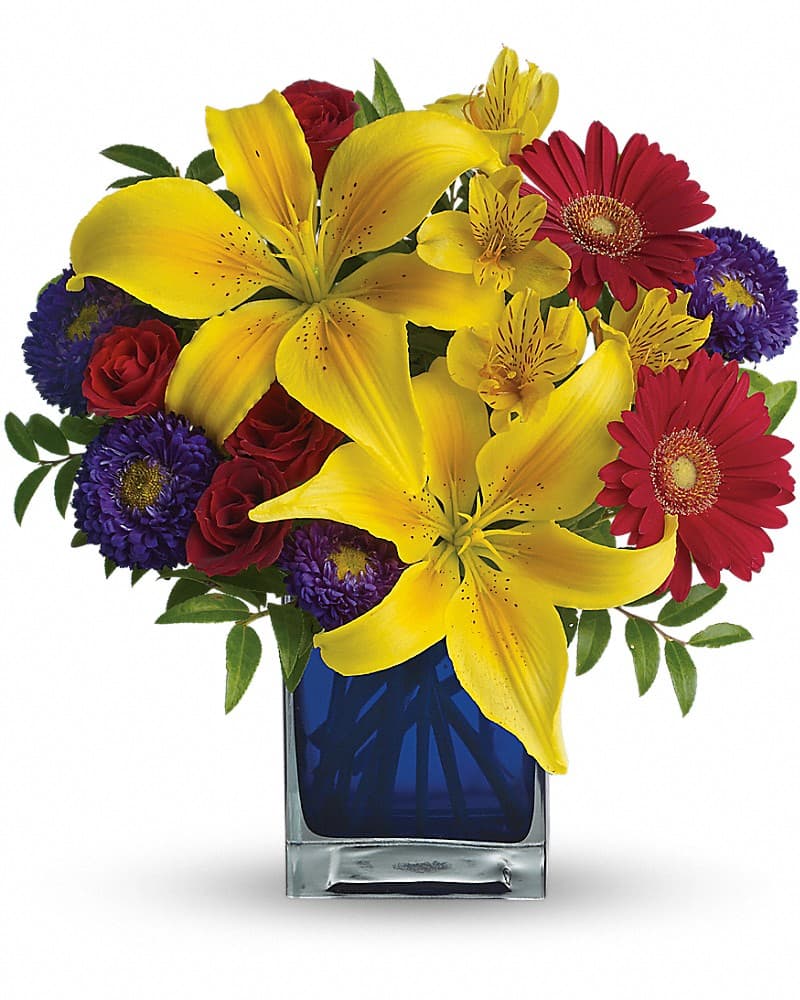
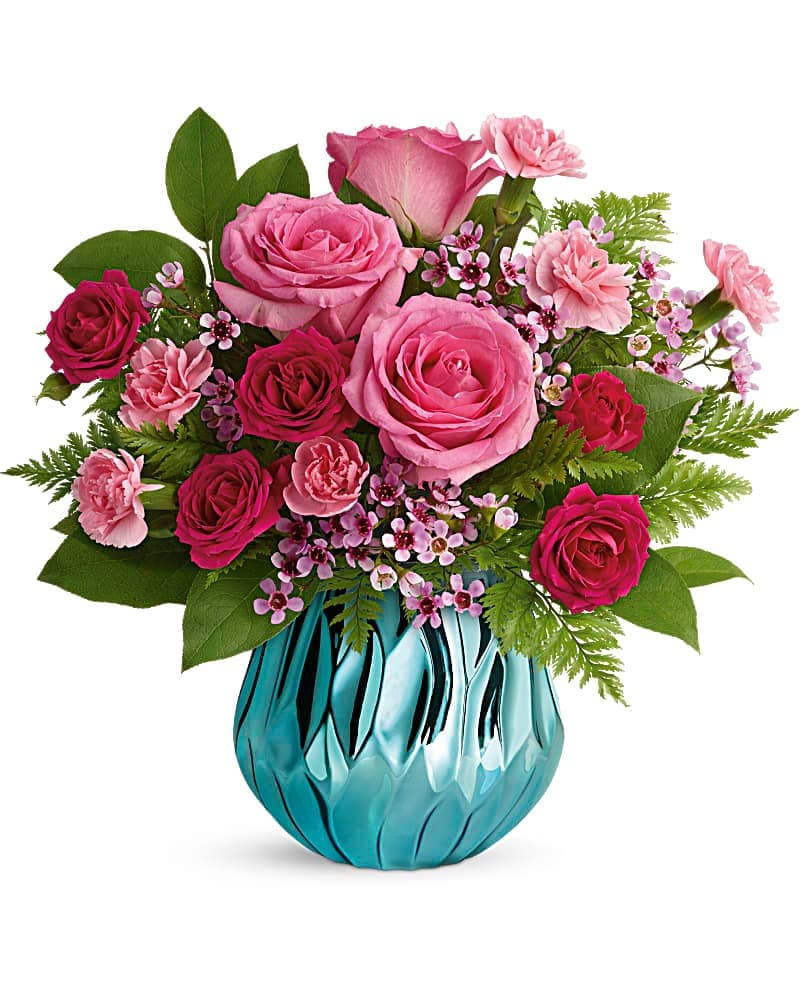
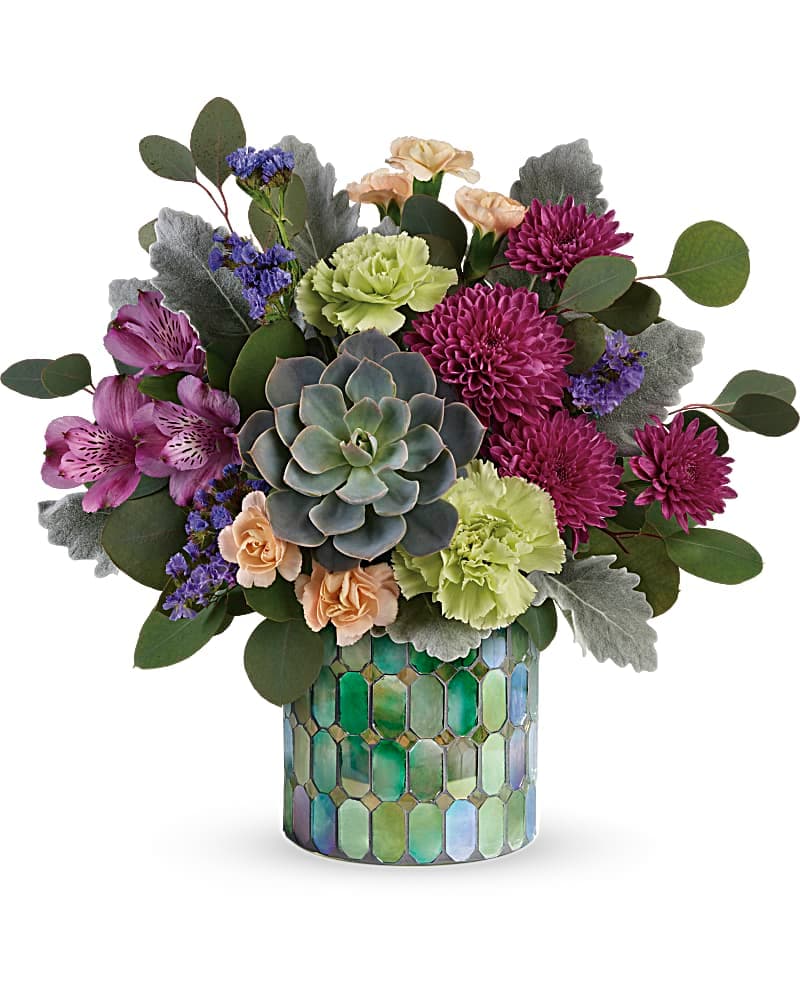
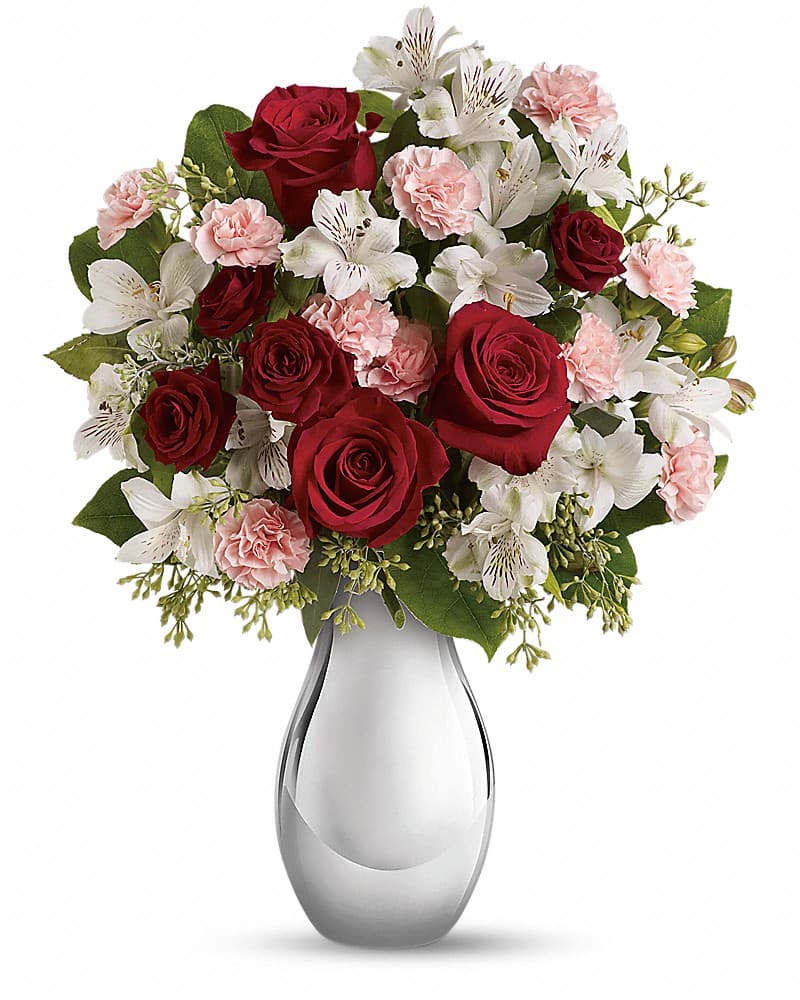
Six miles from Yardley's Main Street, the streets are alphabetical. Levittown was built out between 1951 and 1958 in named sections — Birch Valley, Crabtree Hollow, Forsythia Gate, Goldenridge, Indian Creek, Magnolia Hill, Quincy Hollow, Stonybrook, Thornridge, Violetwood, Whitewood — laid down roughly in alphabetical order as construction moved, and inside each section every street name begins with that section's letter. It is the single most useful piece of local knowledge a delivery driver in Lower Bucks can hold, because Levittown has no municipal government of its own: it spreads across Bristol, Falls, Middletown and Tullytown townships under four ZIP codes, and a street name alone is frequently ambiguous while a section name never is. Which is why, on an everyday order to that side of the grid, the section is worth writing down. "Thornridge" gets a bouquet to the door in one pass. Next door in Fairless Hills, built a couple of years earlier for the steelworkers at the Fairless Works, the grid is more conventional — and Flowers Byjennielynne sits right in the middle of it at 100 Trenton Road.
Inside 19067 the everyday route has three distinct textures, and the notes you leave should match the one you are sending to. The borough is a walk-up: houses close to the sidewalk on short streets around Lake Afton and the canal, where a driver parks once and covers four addresses on foot, and a porch drop is genuinely safe. Lower Makefield is a driveway: set-back houses on the cul-de-sacs and loops off Taylorsville, Heacock, Dolington, Big Oak and Stony Hill Roads, where the walk from kerb to door is long enough that the useful note is which door people actually use and whether the step takes afternoon sun. Morrisville is a sidewalk-edge grid running toward the Bridge Street and Calhoun Street crossings, where front steps are a few feet off the pavement and someone is usually home. Add the condominium clusters off Big Oak and Oxford Valley Roads, which have locked outer doors and need a buzzer code or a mobile number. None of this is complicated, but it is the difference between a bouquet handed over and a bouquet photographed on a mat.
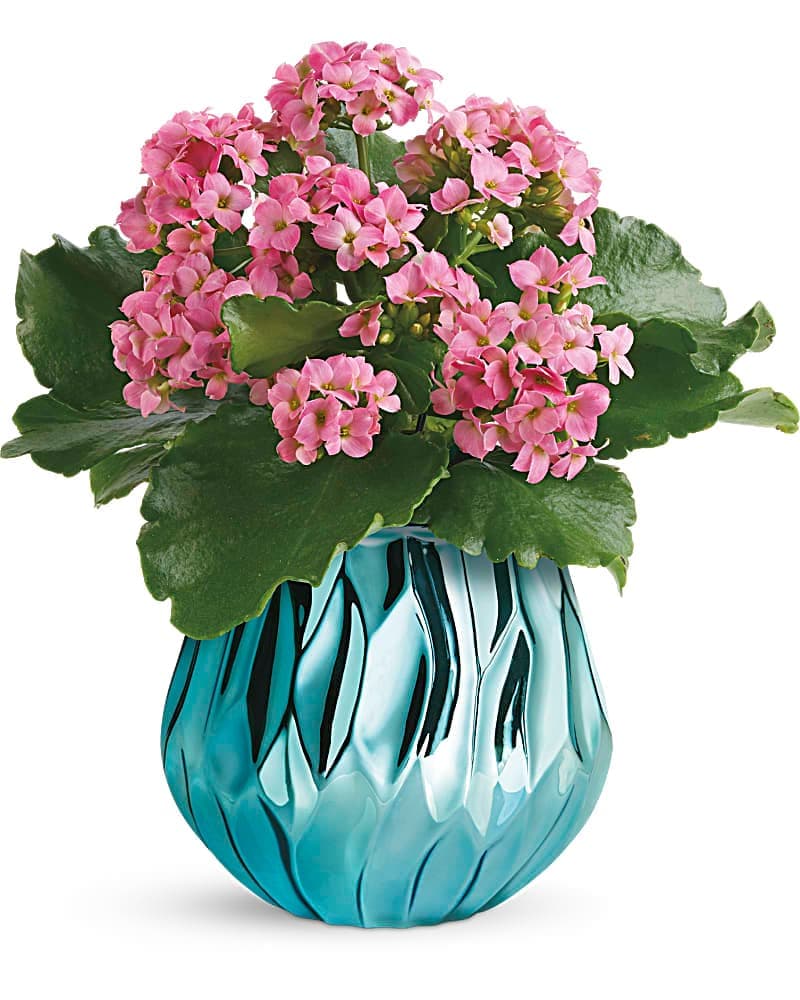
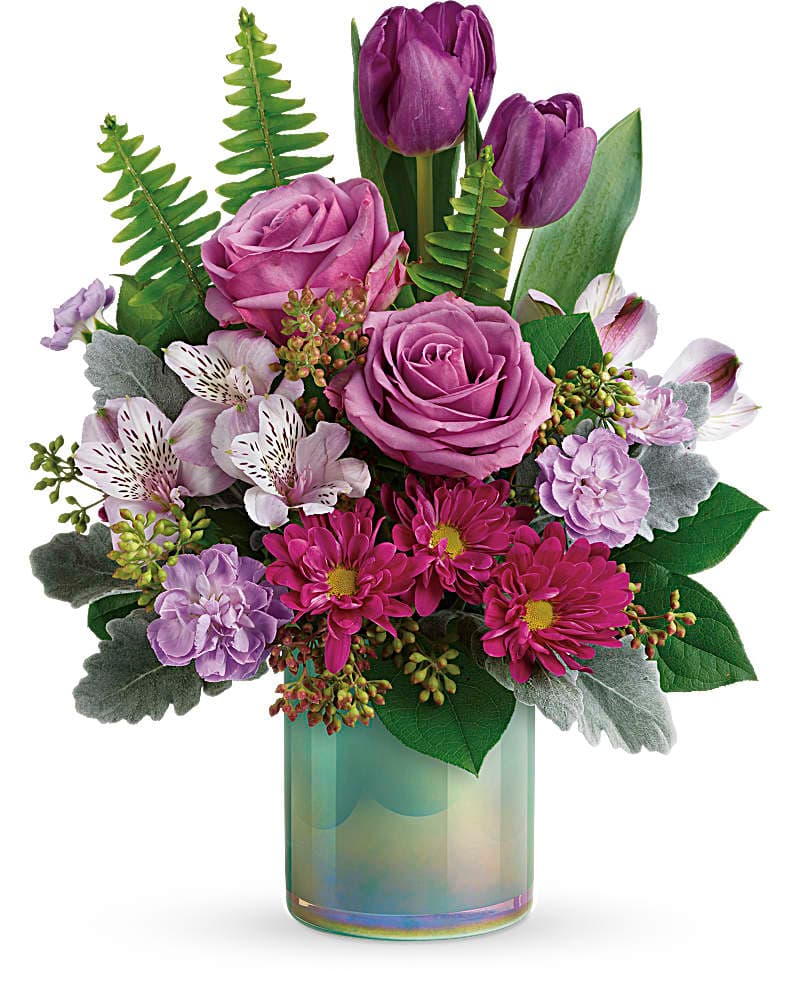
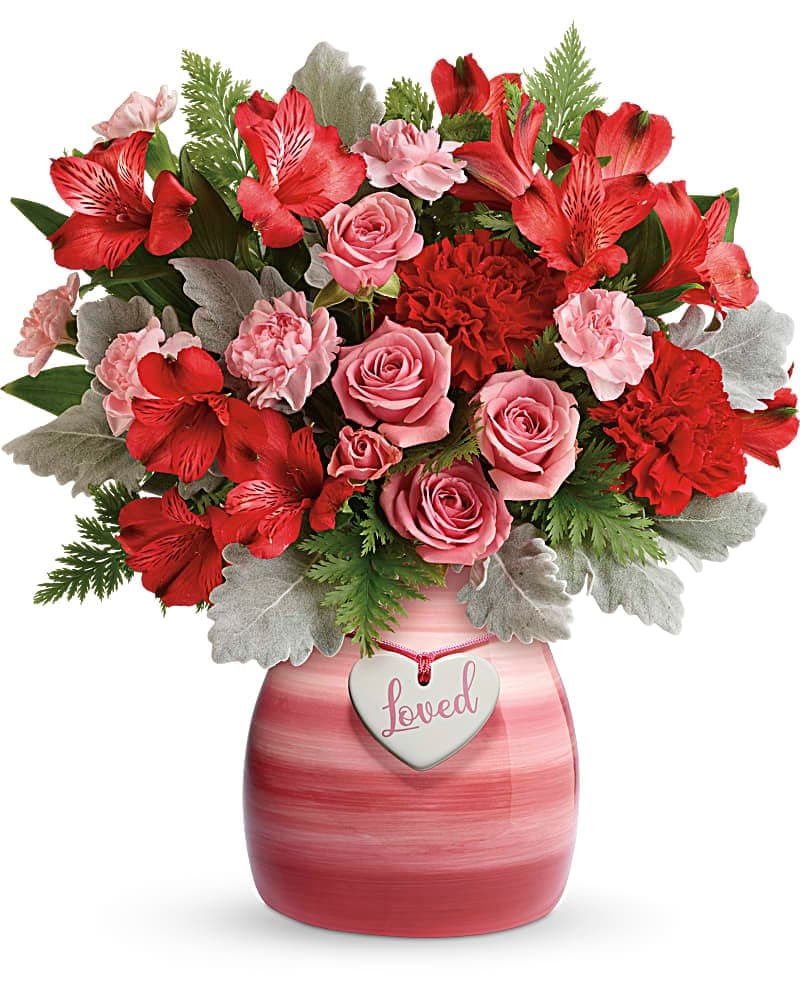
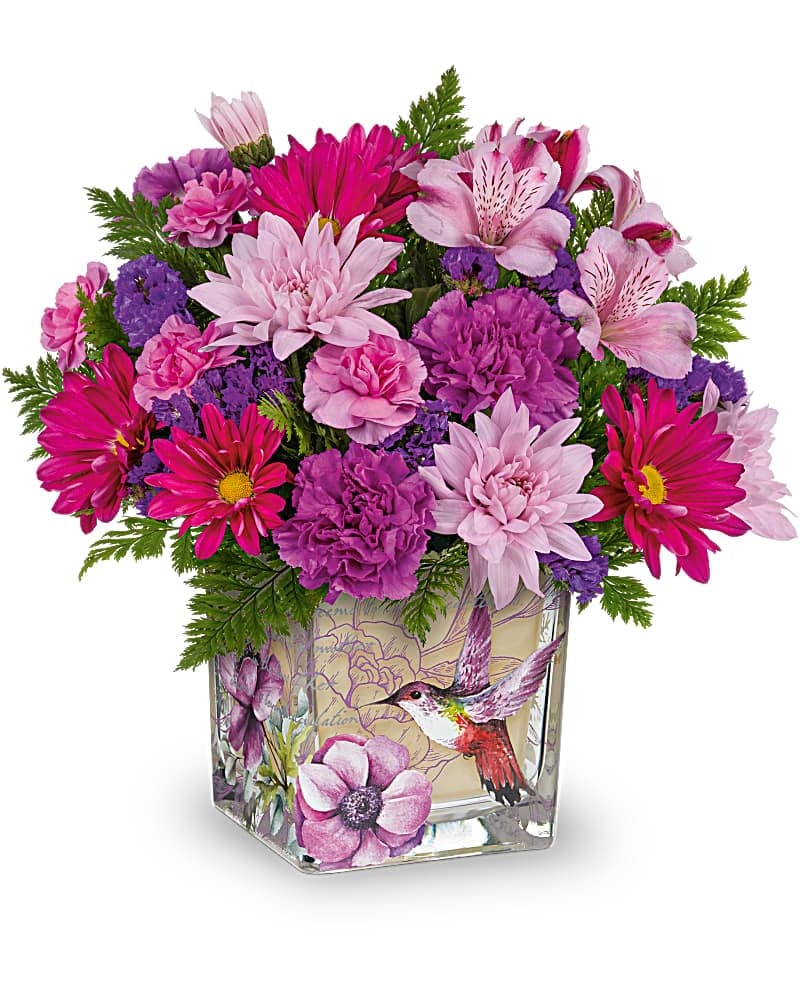
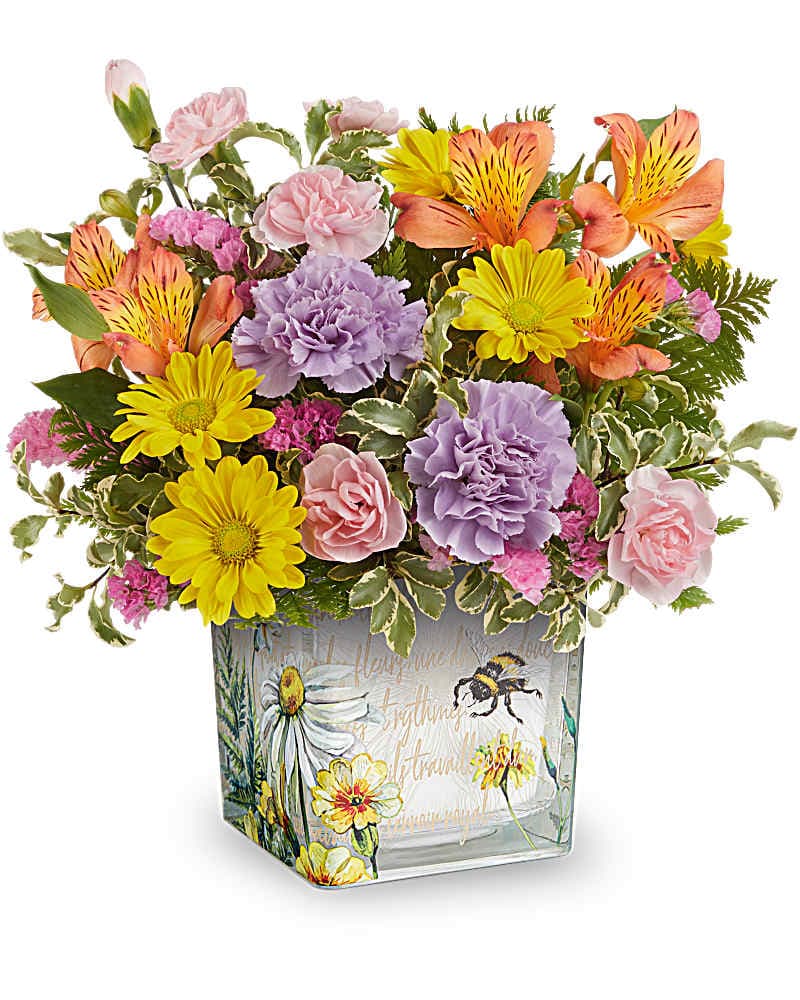
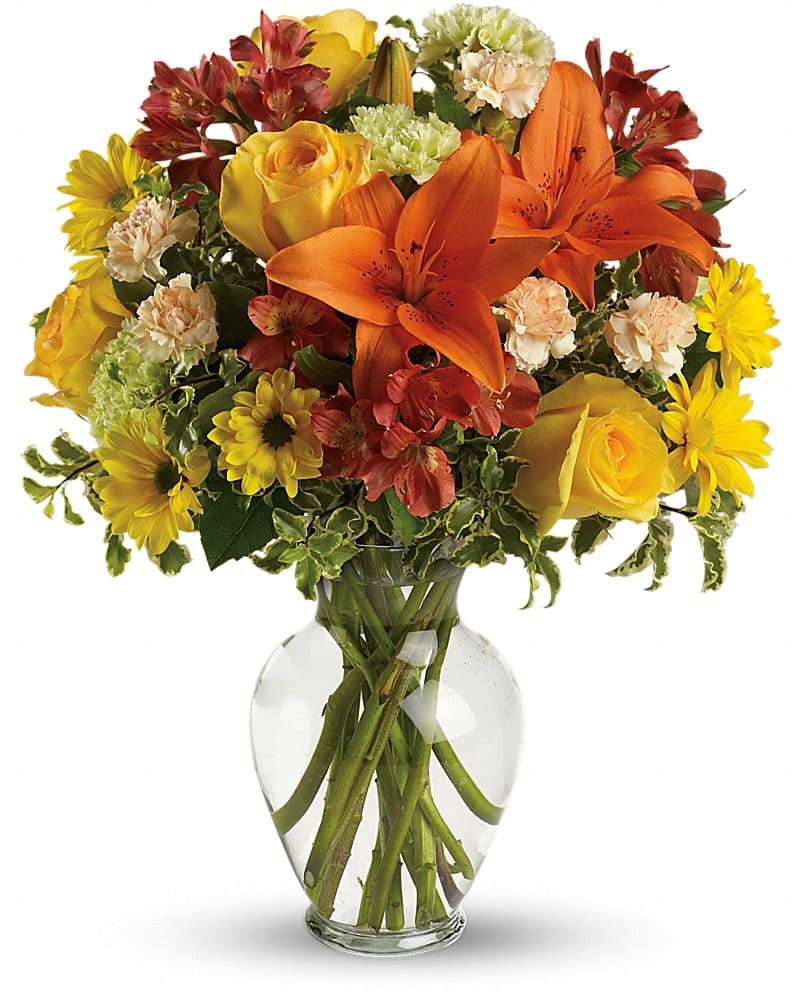
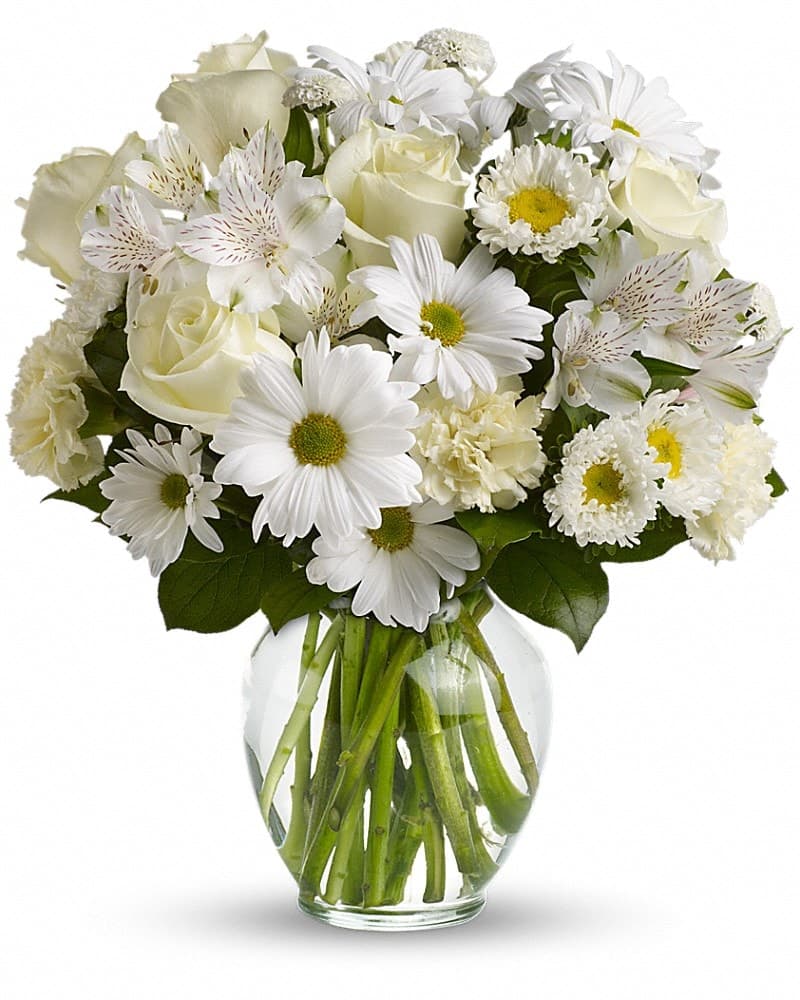
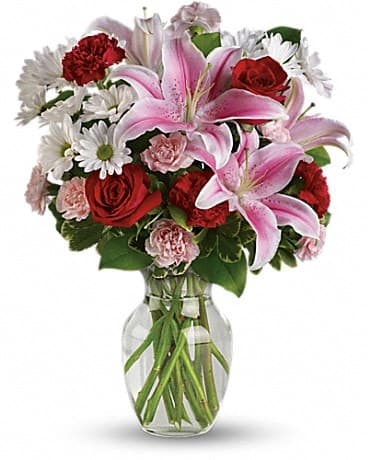
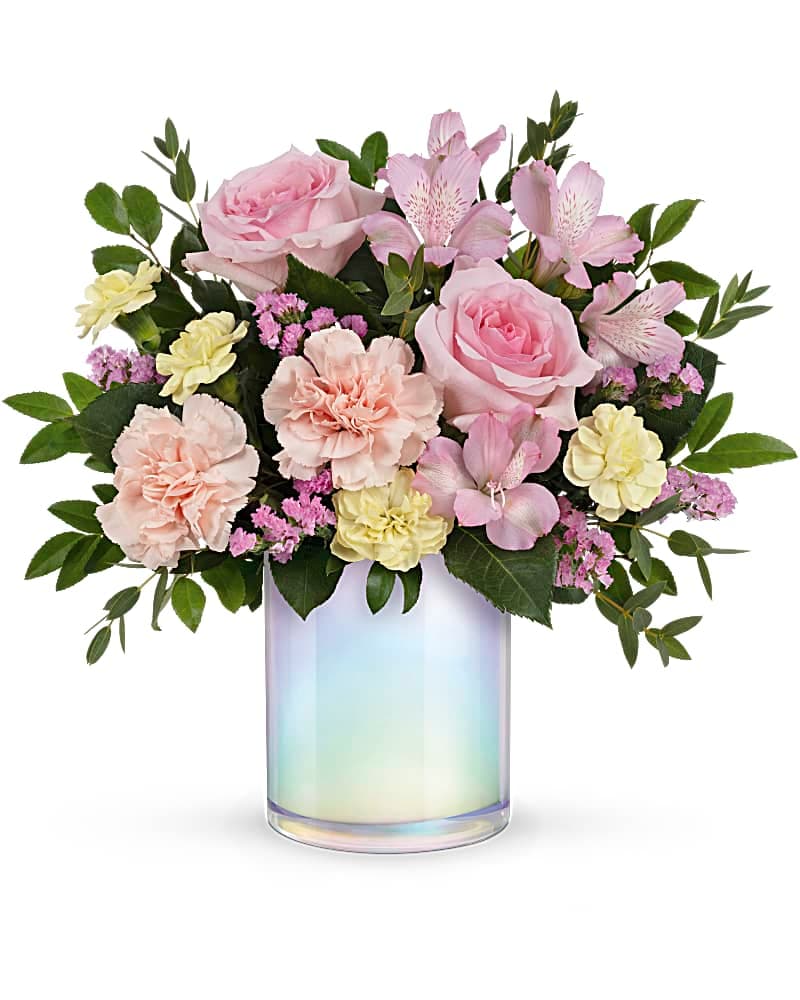
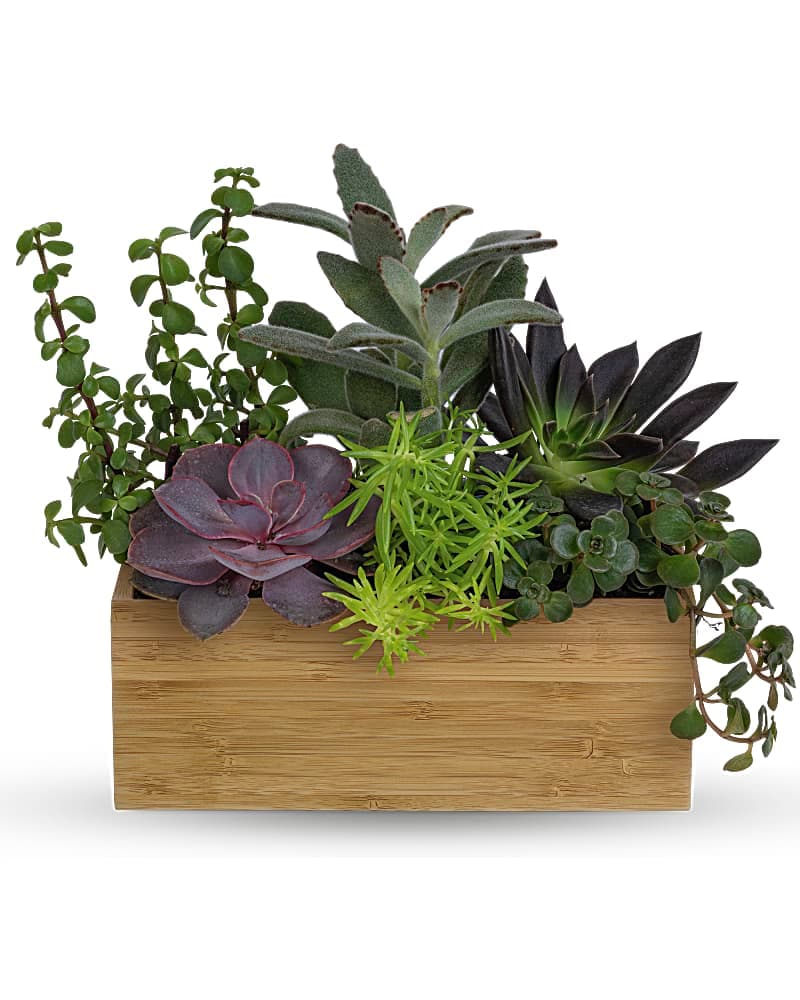
The reasons people actually send these are worth naming, because they change what to order. A thank-you to the neighbour who took the bins in all winter: something modest and cheerful, and a card that says what it is for. A new baby three doors down: a potted plant rather than cut stems, because a household with a newborn has nobody free to change vase water. A teacher at the end of a hard term: small enough to sit on a desk among marking, because school buildings route everything through the office and whatever arrives has to be carried down a corridor by someone already holding a coffee. Someone who has just moved into Lower Makefield or Newtown and knows nobody: a plant again — it is still there in six months when they do. A friend three weeks after a loss, when the funeral flowers have gone and everyone else has stopped calling: this is the single most under-sent delivery on this grid and the one people remember longest. And the one with no reason at all, mid-week, to a spouse who was not expecting anything, which is what most of these actually are. Weekday afternoons are the quietest slot on every bench here, so an unremarkable Tuesday is also the cheapest and most reliable day to send.