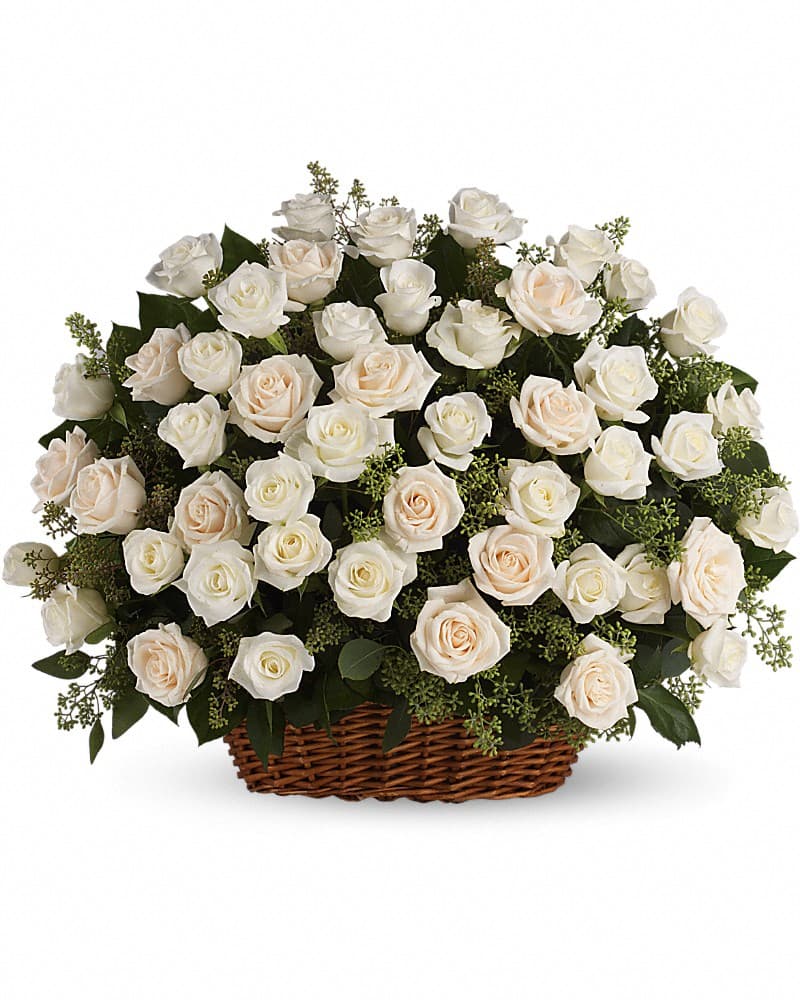
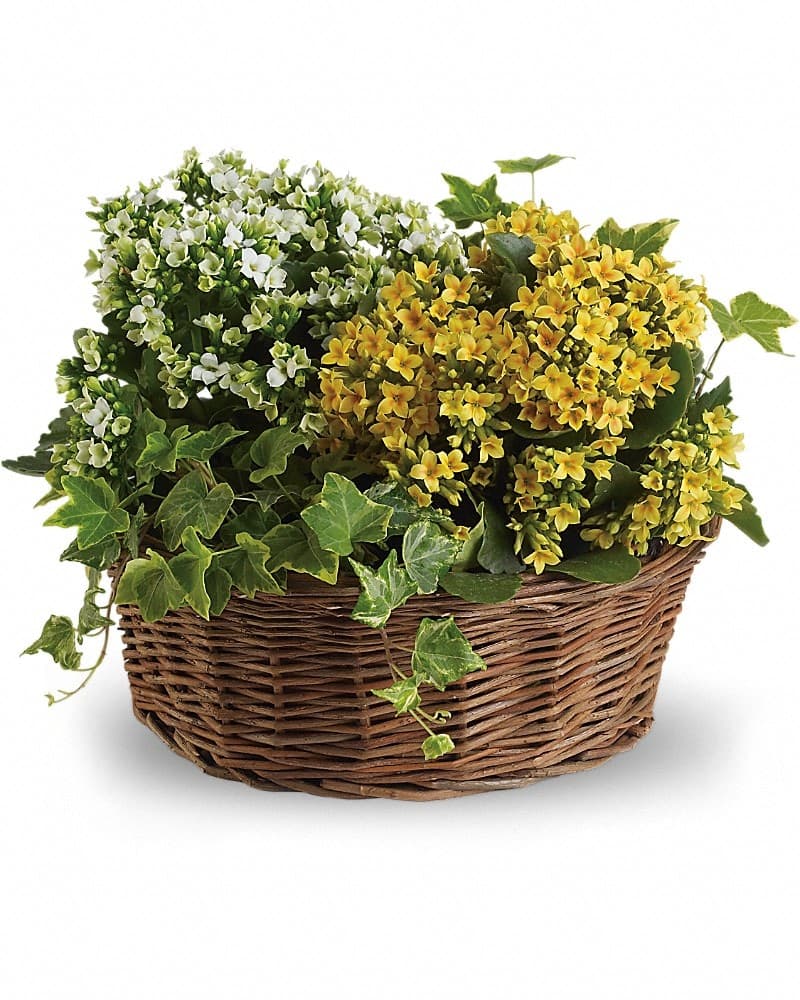
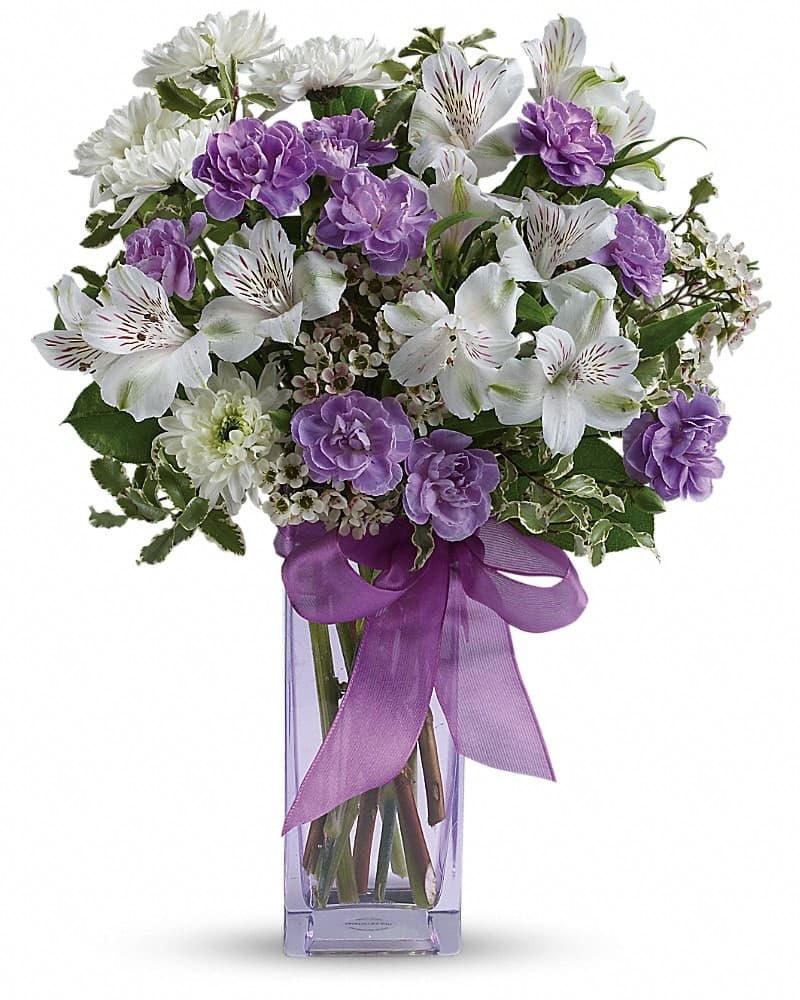
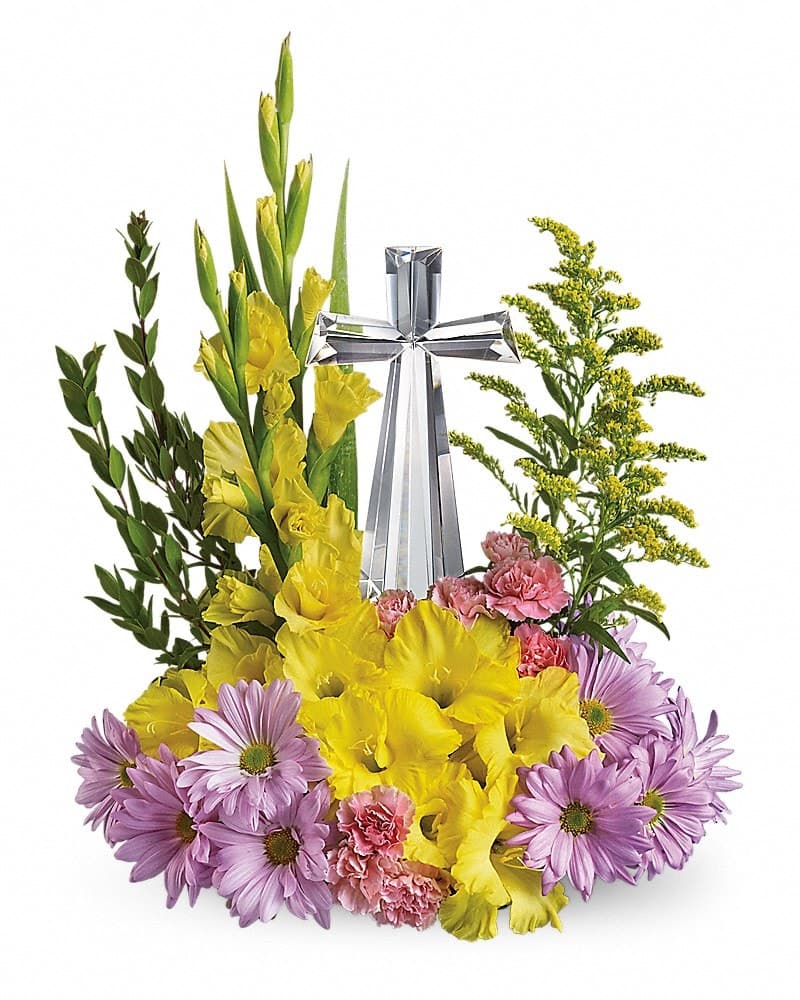
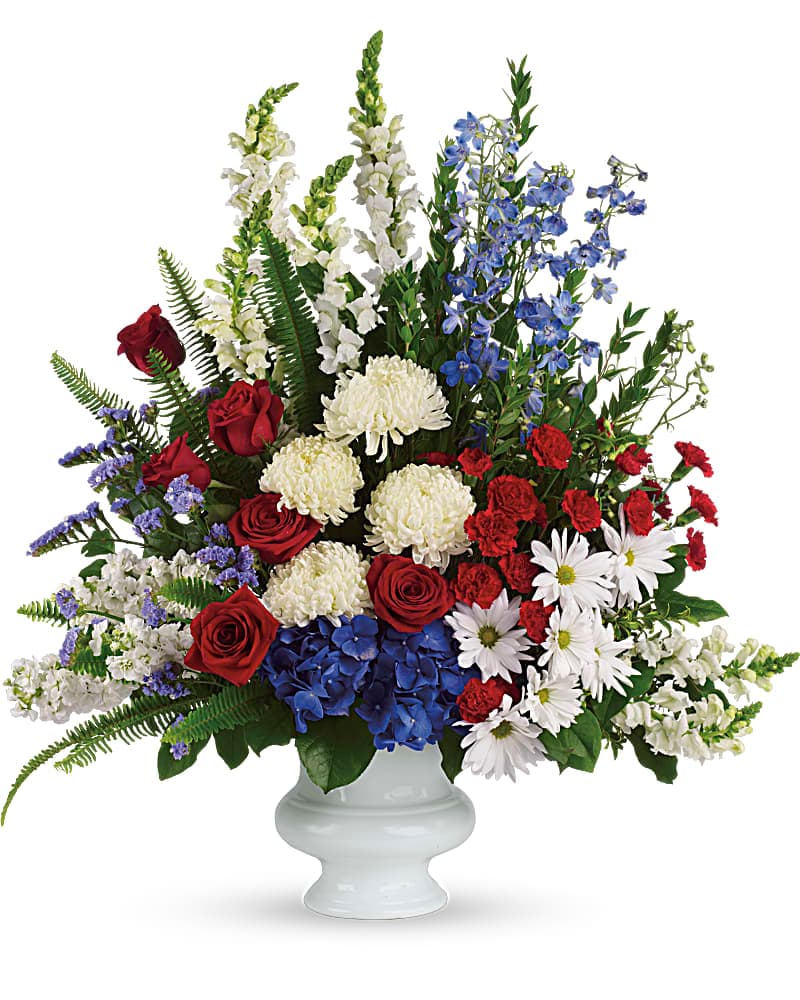
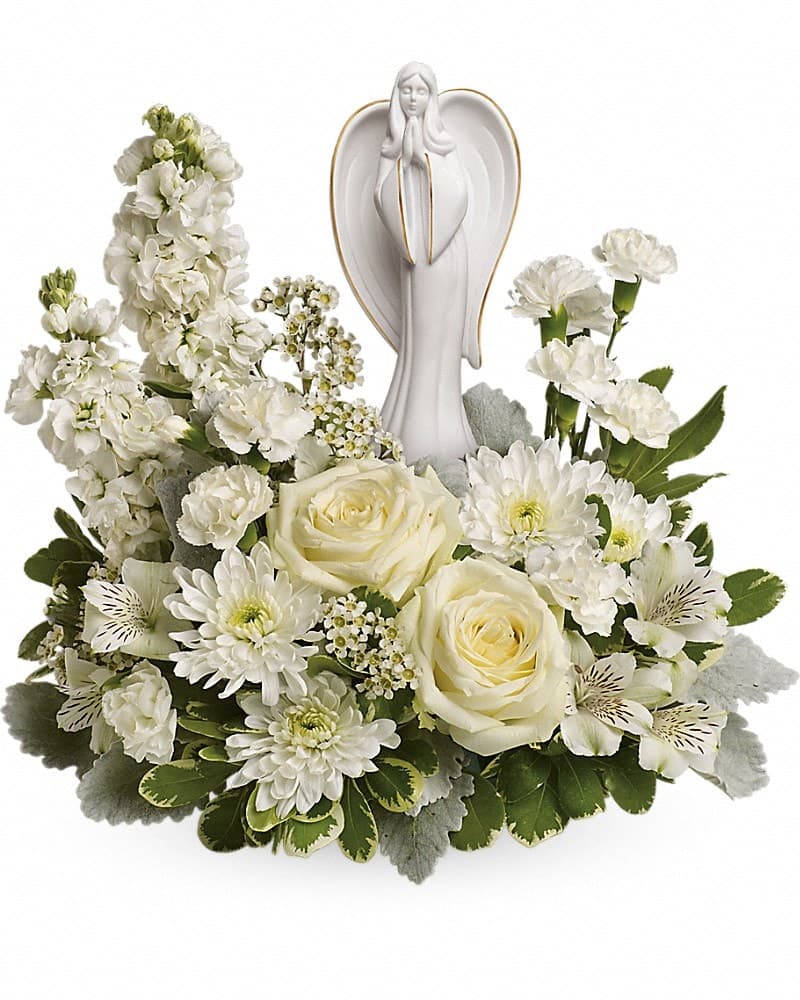
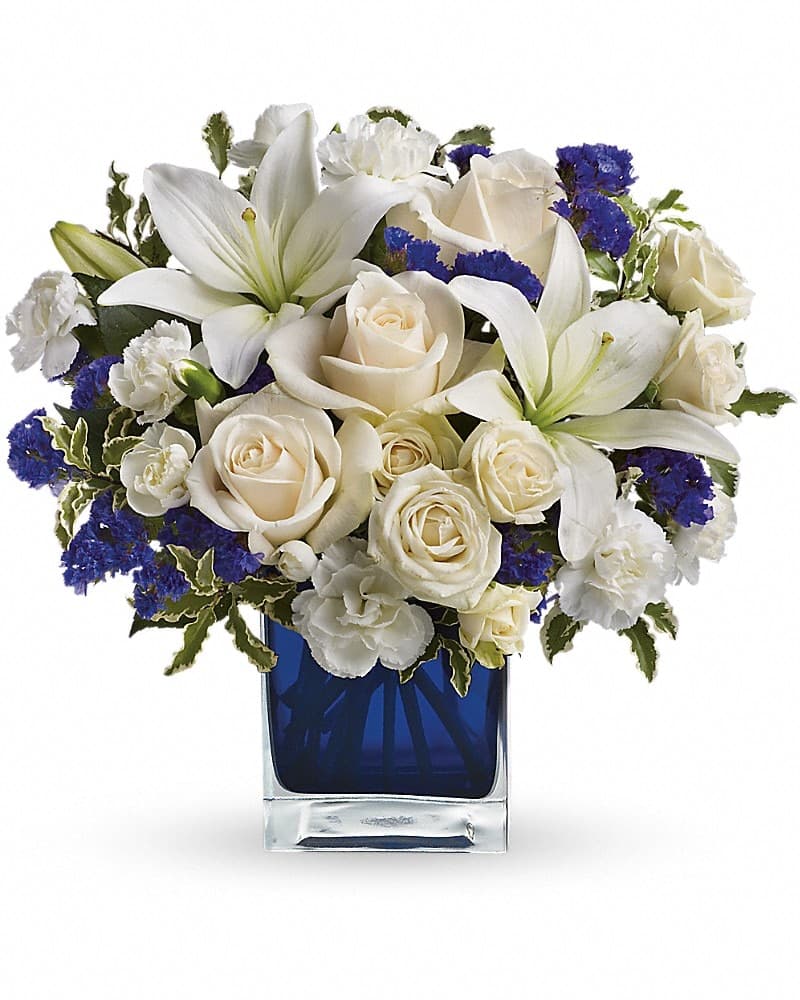
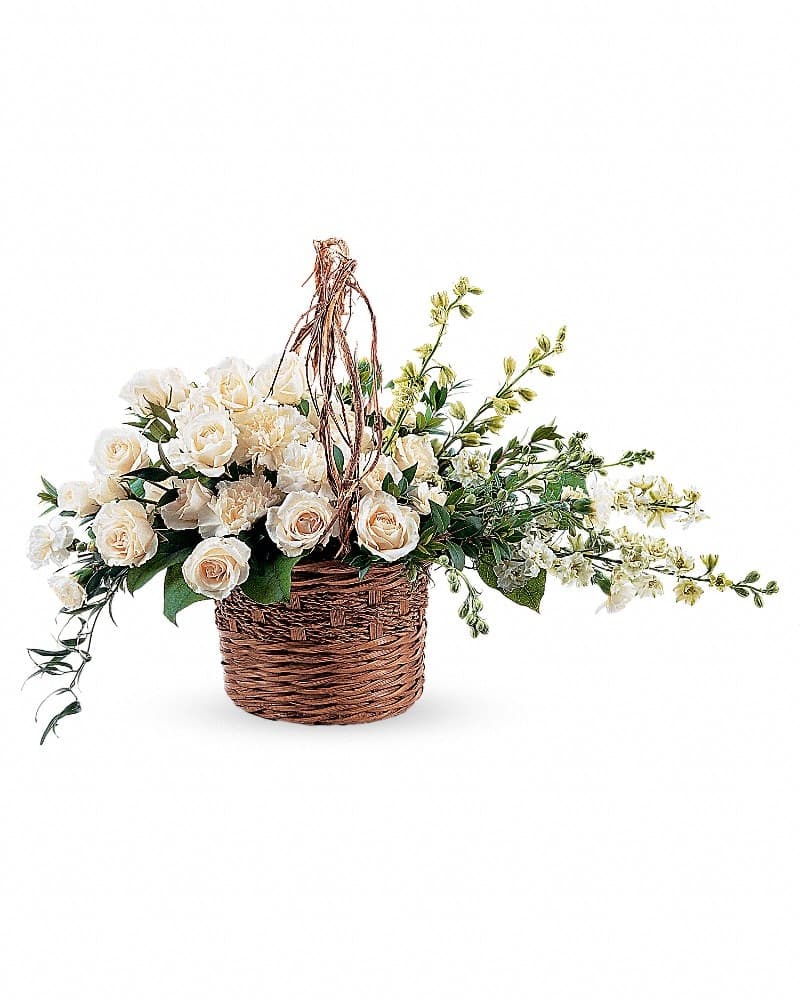
To understand sympathy flowers in this city, walk into God's Acre, the Moravian graveyard at Old Salem. Every stone is flat, the same size, the same pale marble, laid level with the grass — no obelisks, no family plots, no monuments to anybody's standing. The dead are buried in choirs rather than households: married men in one section, single men in another, married women and single women in theirs. Before Easter the whole graveyard is cleaned and the graves are decorated with flowers, and on Easter morning the congregation of Home Moravian Church walks from Salem Square into the graveyard for the sunrise service. That two-hundred-and-fifty-year habit of restraint sets the local temperature for grief. Winston-Salem families do send flowers, generously, but the taste here runs to arrangements that are dignified and proportionate rather than towering. If you are choosing between a piece that makes a statement and a piece that would look right beside a flat white stone, choose the second one — in this city that is the more fluent gesture, and it is the one the funeral directors will tell you the family appreciated.
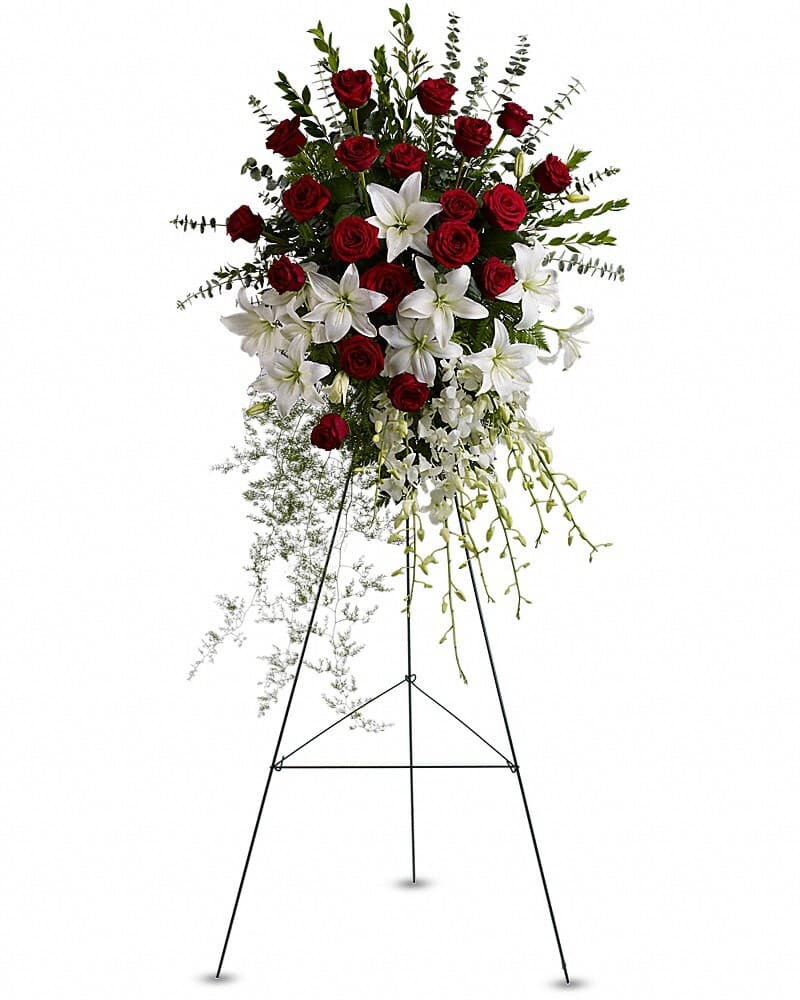
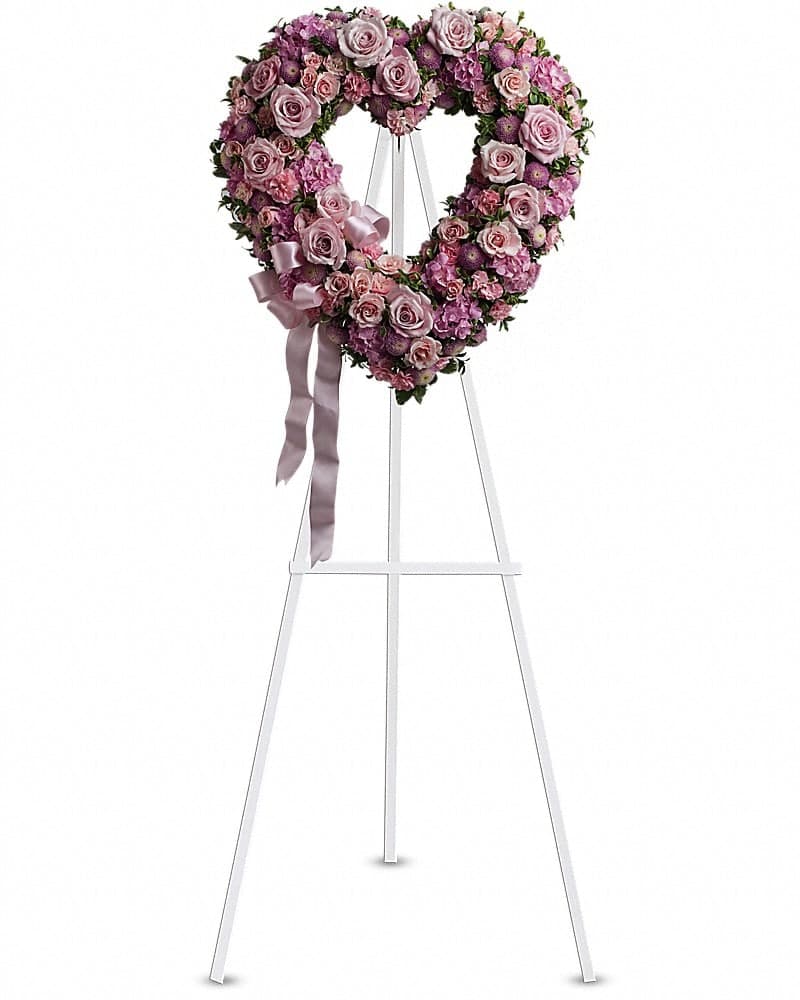
The chapels are a short list and the four shops know all of them. Frank Vogler & Sons on Country Club Road is the old Winston-Salem firm, with Moravian roots reaching back to the 1850s. Hayworth-Miller runs a chapel on Silas Creek Parkway and another on Kinnamon Road in Clemmons. Salem Funeral & Cremation Service works from Reynolda Road. In East Winston, Clark S. Brown & Sons on North Patterson Avenue and Russell Funeral Home on Carl Russell Avenue are the long-established Black-owned firms, and their families often hold the service in the church rather than the chapel — Union Baptist, Goler Memorial AME Zion, Mount Zion Baptist and the congregations around Happy Hill and Boston-Thurmond — which changes the design brief, because a full sanctuary wants standing pieces that read from the back pew rather than a table arrangement that disappears at the third row. Elsewhere the services land at Centenary United Methodist downtown, St. Paul's Episcopal on Summit Street, St. Leo the Great for Catholic funerals, Home Moravian in Old Salem, and Wait Chapel on the Wake Forest campus for university memorials.
The burial grounds each carry their own etiquette. God's Acre and the Moravian graveyards at Bethania and Historic Bethabara are governed by that same uniformity, so graveside pieces there stay low and simple, and the congregation office is the right party to ask before anything is left behind. Salem Cemetery, immediately uphill from Old Salem, is a conventional nineteenth-century burying ground with family monuments and far fewer constraints. Forsyth Memorial Park is the large perpetual-care park most families outside the Moravian congregations use, and like most memorial parks it has rules about what may stay on a grave and for how long — a standing easel piece is fine for the service itself, but the groundskeepers clear the section on a schedule. Churchyards across the county, from Bethania out to Walkertown and King, sit somewhere between the two. If the obituary names a graveside service only, with no visitation and no chapel, say so on the order: the arrangement has to be standing at the tent before the family's cars arrive, which is a tighter window than a chapel delivery and usually means a morning run.