A get-well order for Westerville starts with a question most flower sites never ask: which way did the patient travel? Inside the city limits there is exactly one hospital with inpatient beds — Mount Carmel St. Ann's, on South Cleveland Avenue, the hospital where a very large share of Westerville's babies are born and where most short local stays happen. The other campus with a Westerville address, the OhioHealth Westerville Medical Campus on Polaris Parkway, is an emergency and outpatient site; if someone arrives there and needs a bed, they are generally moved to a full hospital, which in this corner of the metro usually means Riverside Methodist up Olentangy River Road. Anything oncological, neurological or surgically complex goes downtown to OSU Wexner Medical Center and the Arthur G. James Cancer Hospital on West 10th Avenue. Children go to Nationwide Children's on Children's Drive, though Nationwide also runs a Close To Home outpatient center on the Westerville side, and outpatient visits are not a place to send flowers. East-side patients land at Mount Carmel East on East Broad Street; trauma goes to Grant Medical Center downtown; short surgical stays sometimes happen at Mount Carmel New Albany Surgical Hospital off Smith's Mill Road, where people are frequently discharged before a bouquet could reach the room. Confirm the building before you order. A bouquet delivered to the right hospital and the wrong campus is a wasted afternoon.
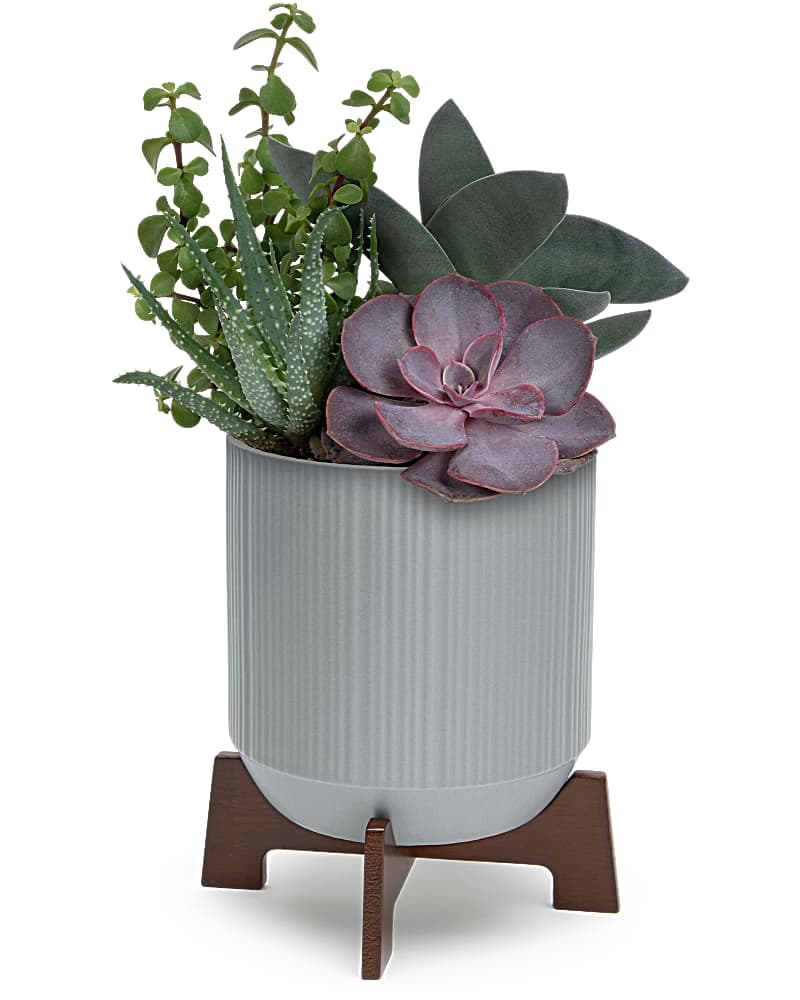
Then the design, which matters more on this occasion than any other. Hospital floors here want arrangements that are lily-free, low in pollen, unscented and small enough to share a tray table or a windowsill with a pump and a water pitcher — a compact vase piece, not a tall one-sided design that needs its own surface. Send it in its own vase: nursing units do not keep vases, and a wrapped hand-tied bouquet becomes a problem for whoever is on shift. Ask before sending a potted plant to an oncology or transplant floor, because soil is treated differently from cut stems. At the James in particular, the units caring for blood and marrow transplant patients commonly do not permit fresh flowers or plants at all, and the honest move there is to send the arrangement to the patient's house in Westerville for the day they come home, or to the family member who is spending every evening in the room. For children at Nationwide, ask the unit about balloons — mylar rather than latex is the usual request. And keep the card message legible and short: on a hospital floor, the card is read out loud by whoever is standing there.
Two more things worth knowing before you order, both learned from deliveries that went sideways. The first is discharge timing. Short stays in this market are genuinely short — a day at St. Ann's, a morning at the New Albany surgical hospital off Smith's Mill Road — and a bouquet that arrives an hour after someone has been wheeled out to a car in the South Cleveland Avenue loop has to be chased down or rerouted. If the stay is expected to be brief, send the flowers to the house in 43081 or 43082 for the day they get home: it lands when the adrenaline has worn off and somebody is sitting on the couch with nothing to look at. The second is who else is in the room. On a long admission — an oncology course at the James on West 10th Avenue, a stretch at Riverside Methodist after a transfer out of the Polaris Parkway campus — the person who most needs a delivered arrangement is often the spouse or the adult child who has been driving Olentangy River Road twice a day and eating in a cafeteria. Sending one arrangement to the patient and one to that person's Westerville address is the single most appreciated thing we see on this occasion. And keep the card honest and brief: "thinking about you, no reply needed" does more for someone on a hospital floor than a page of encouragement they will feel obliged to answer.