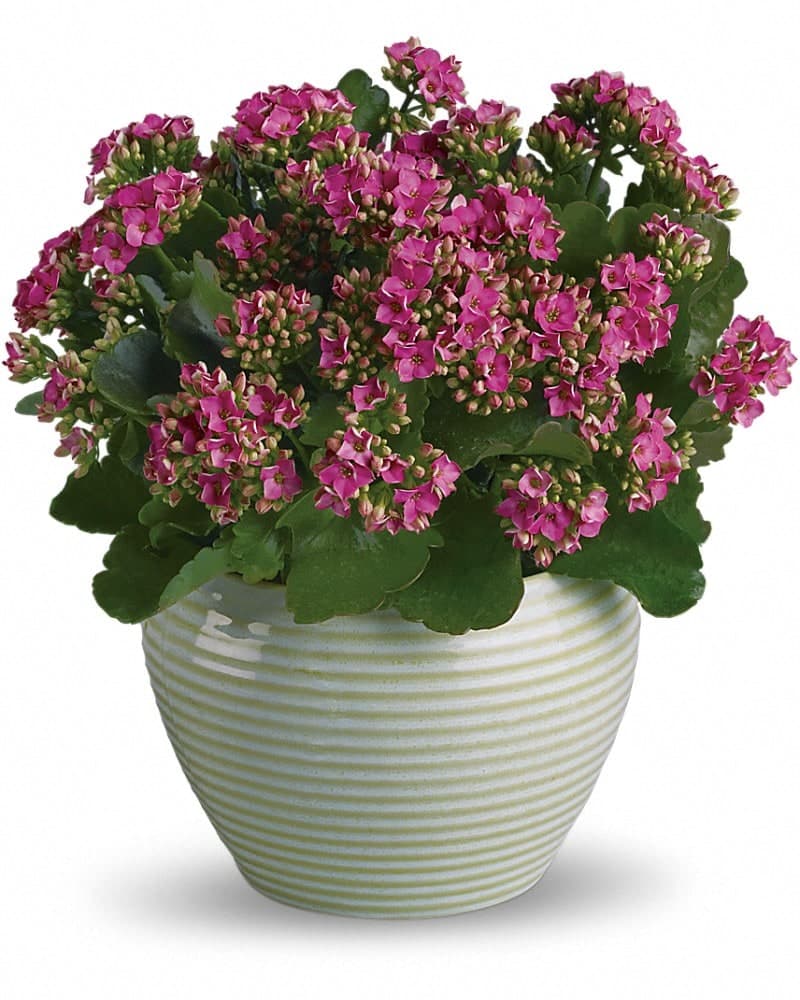
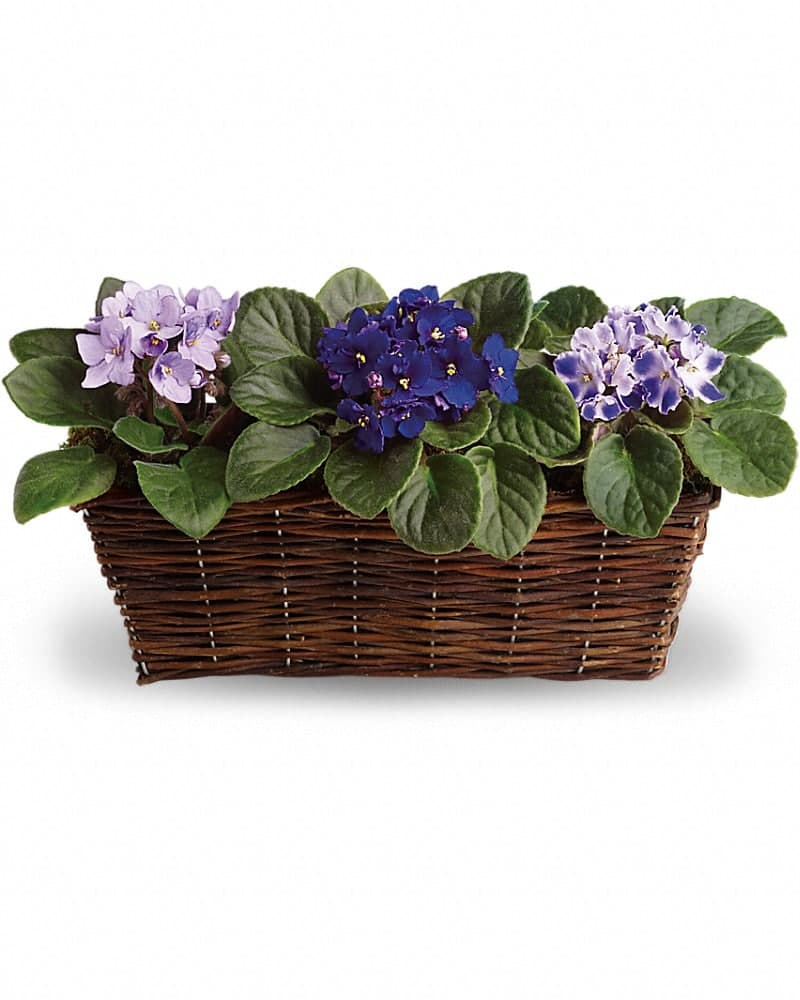
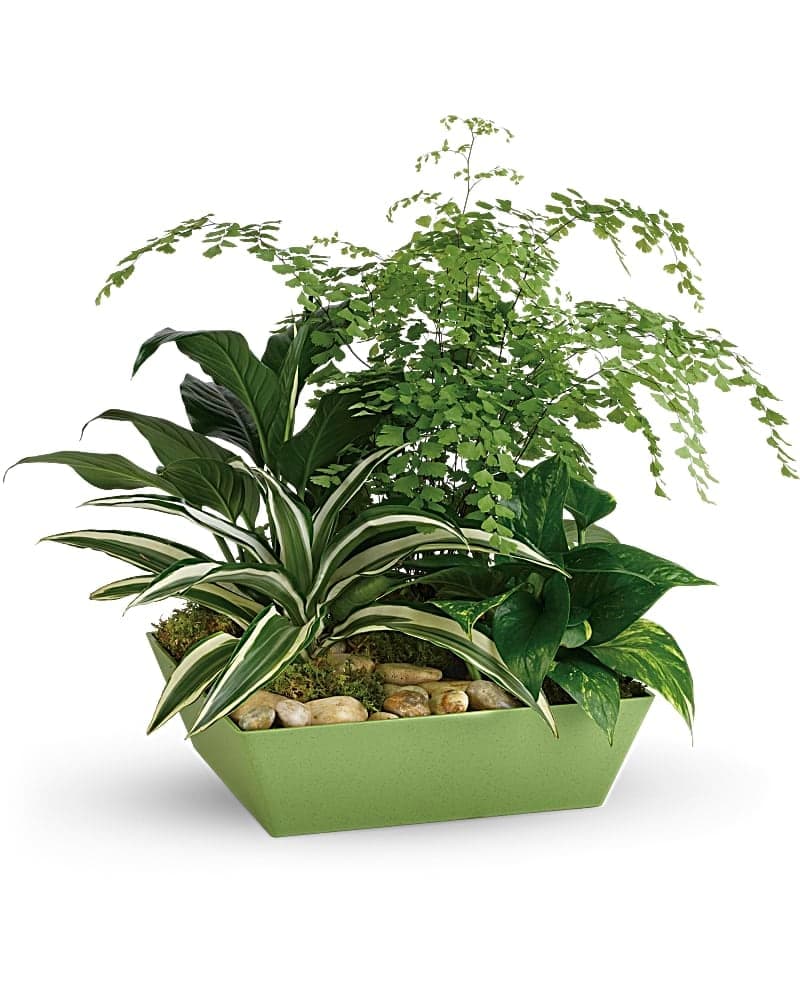
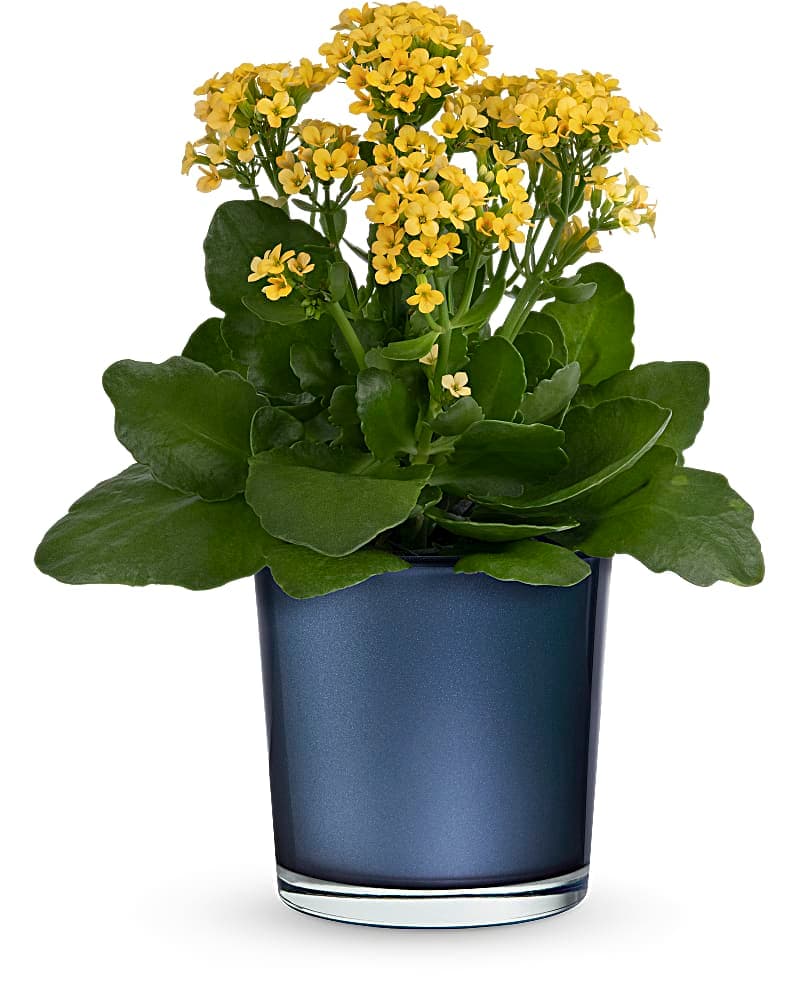
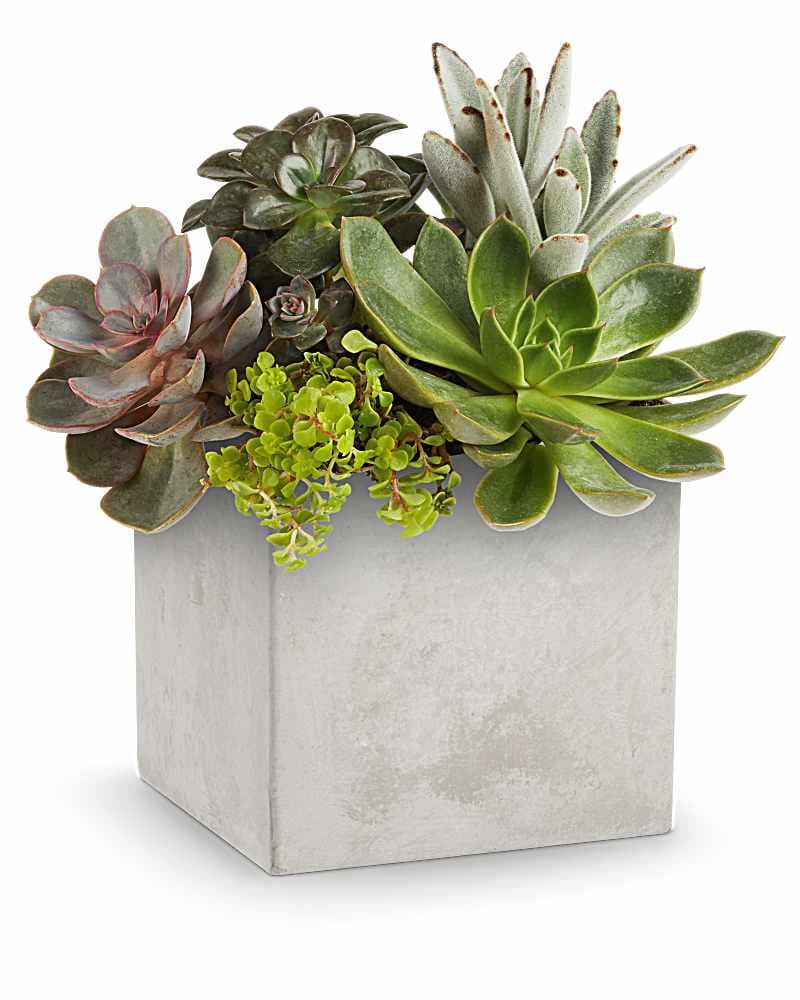
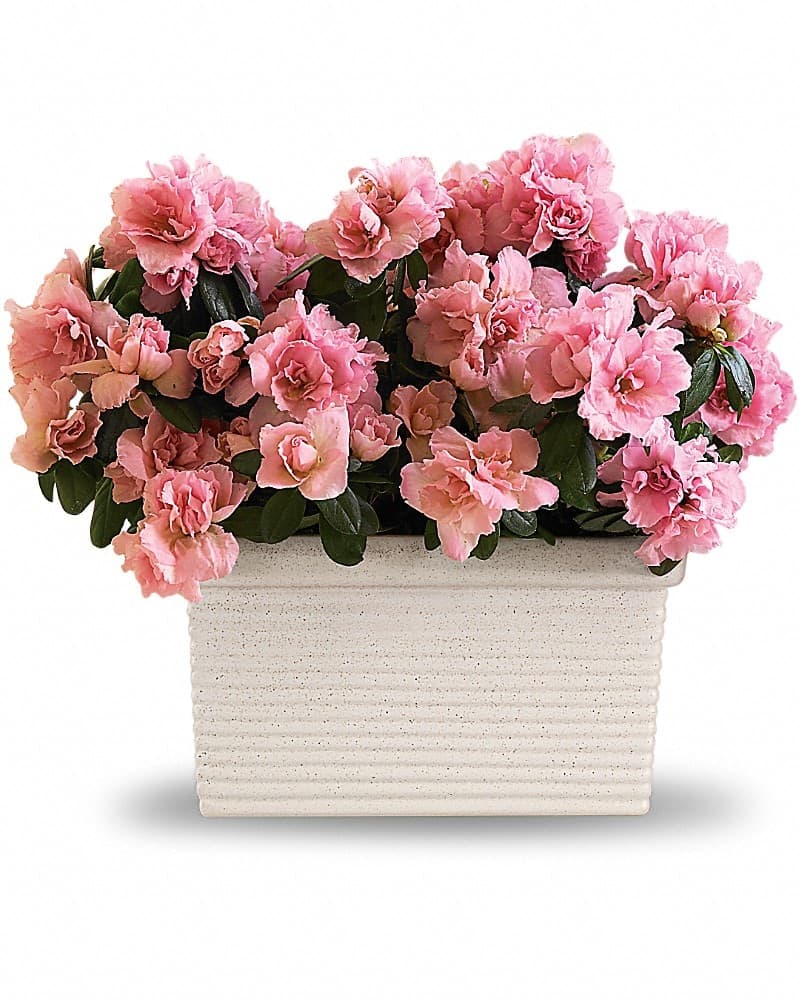
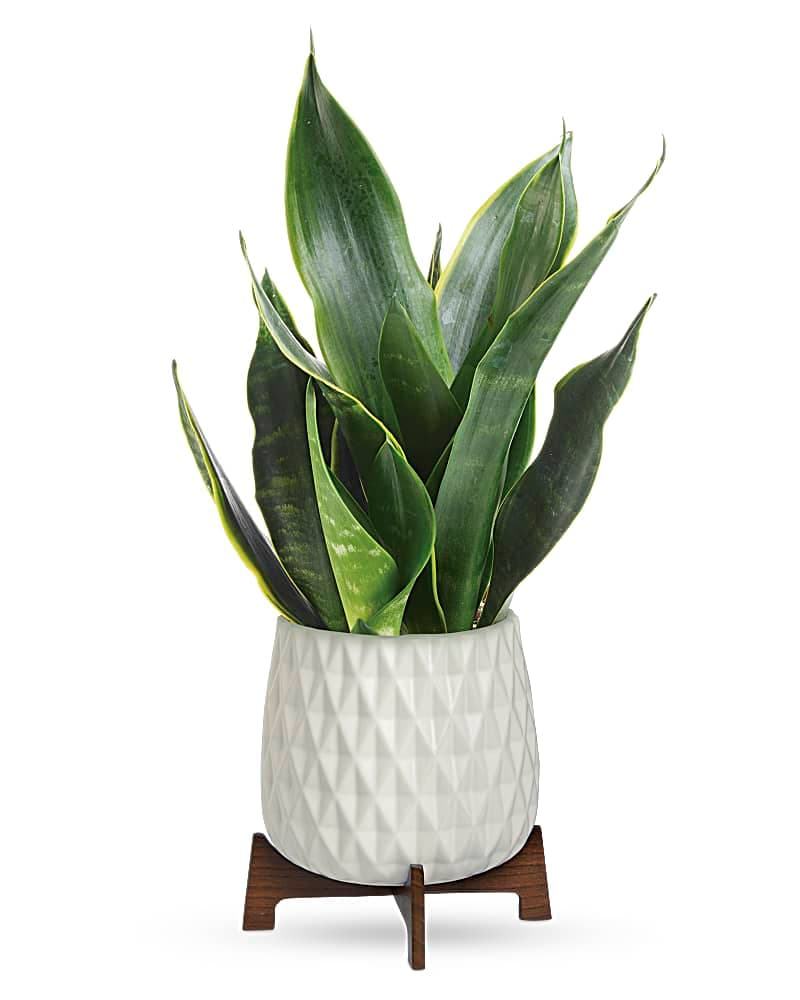
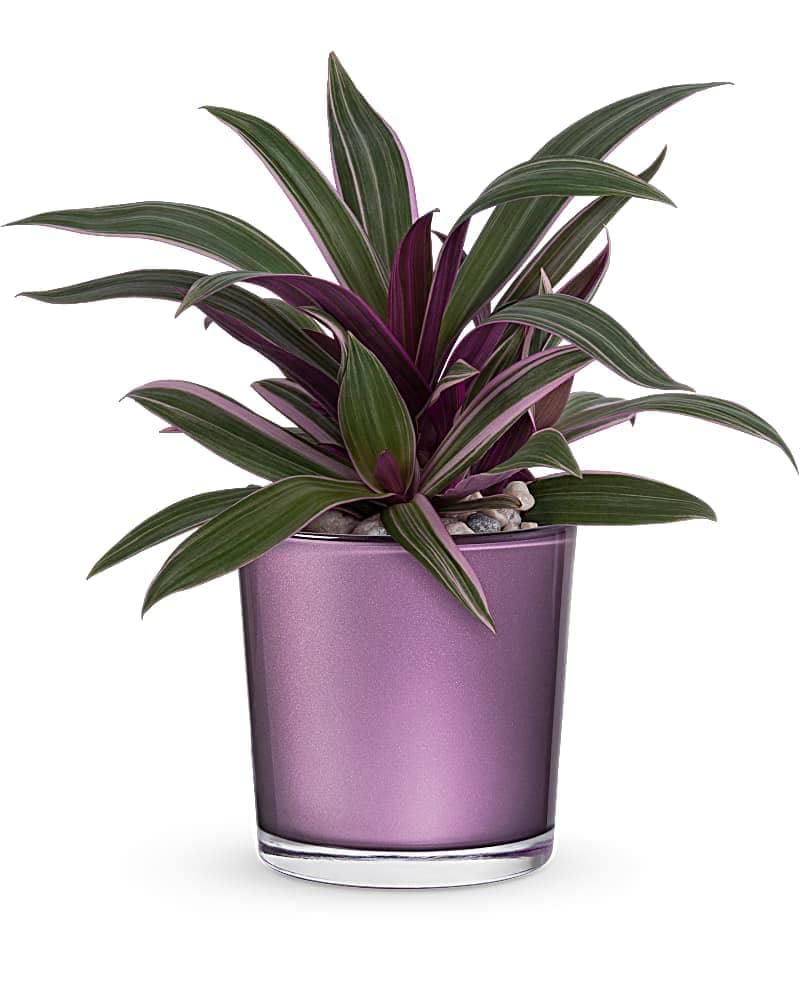
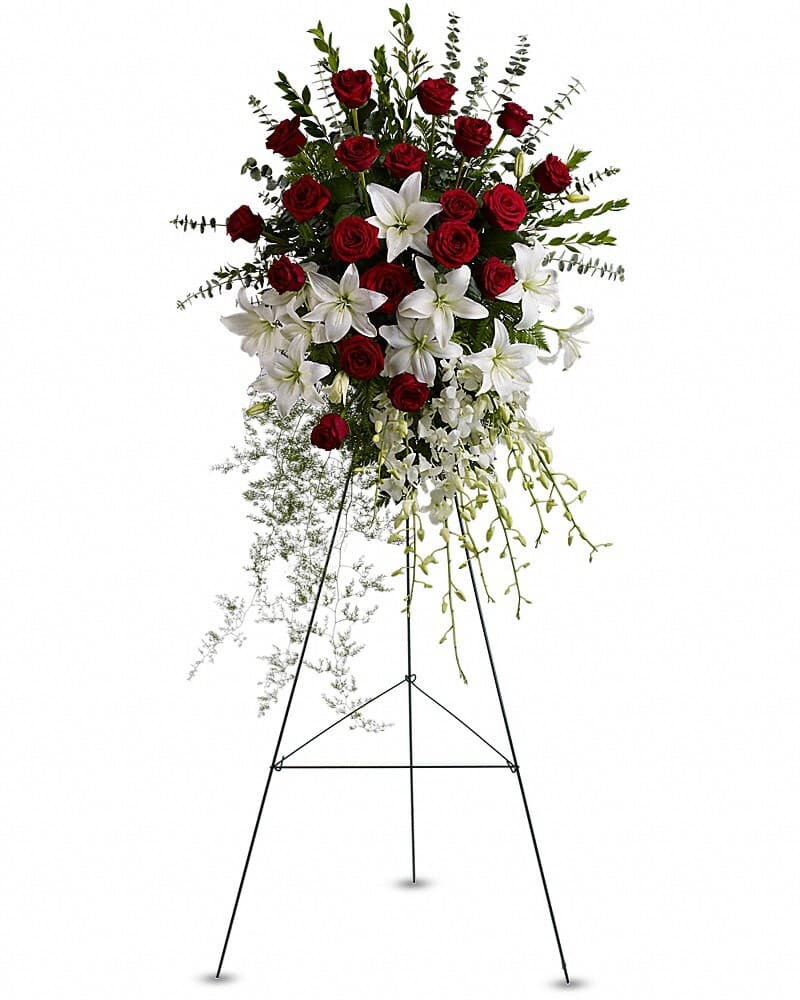
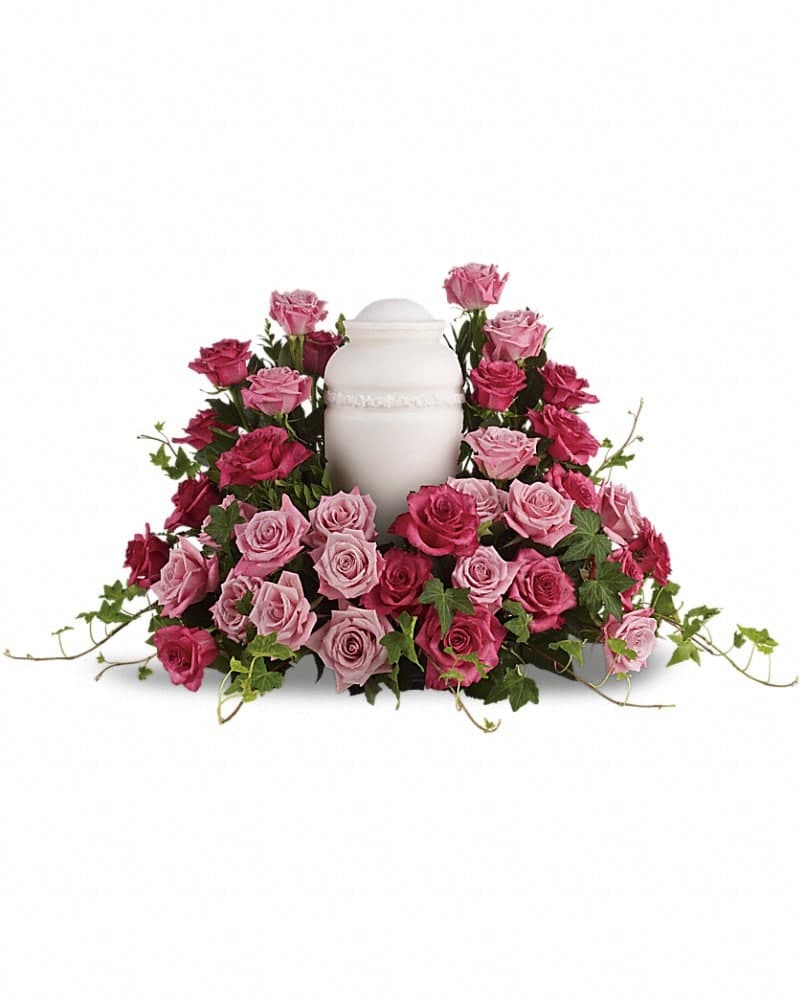
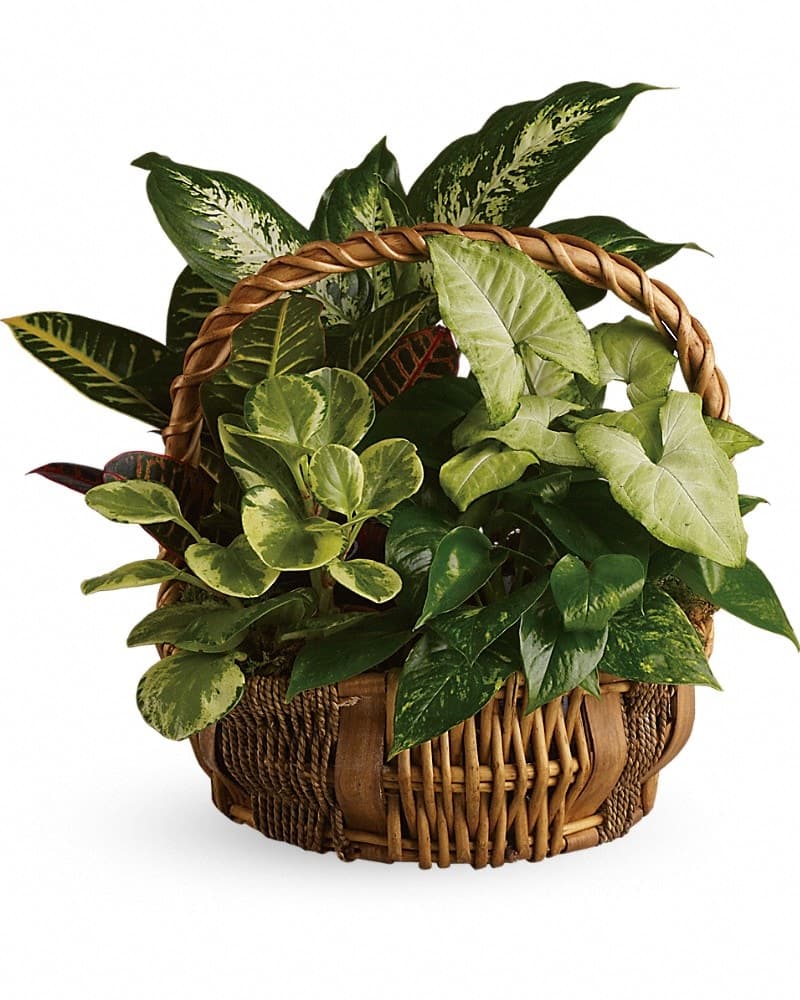
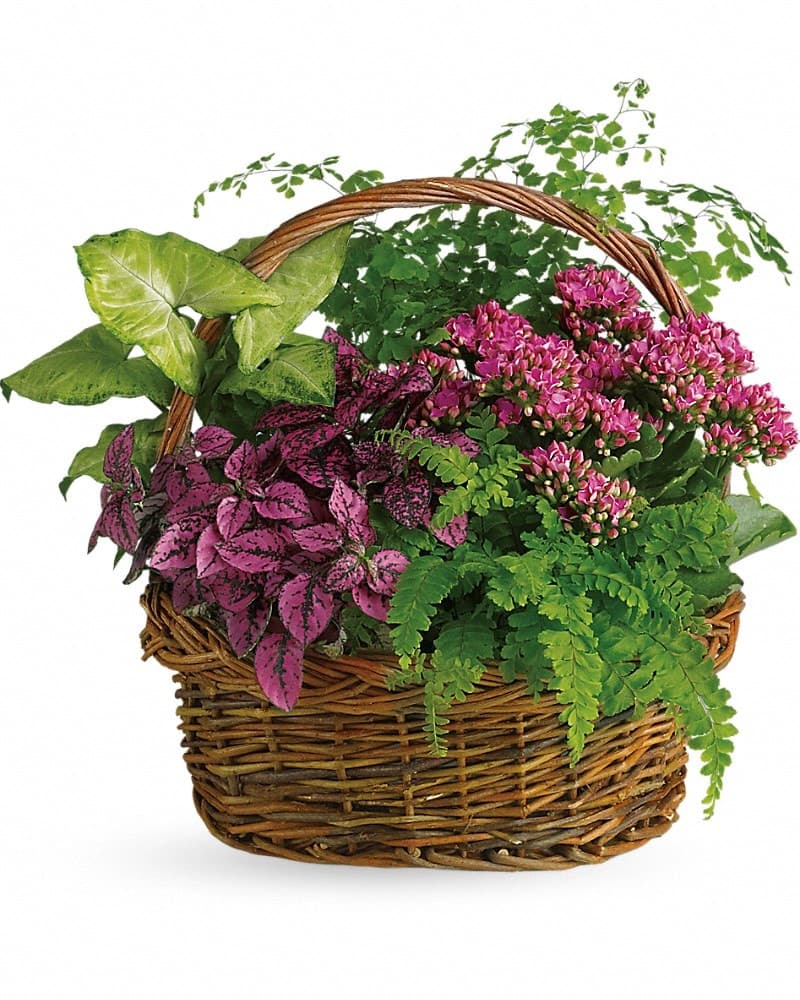
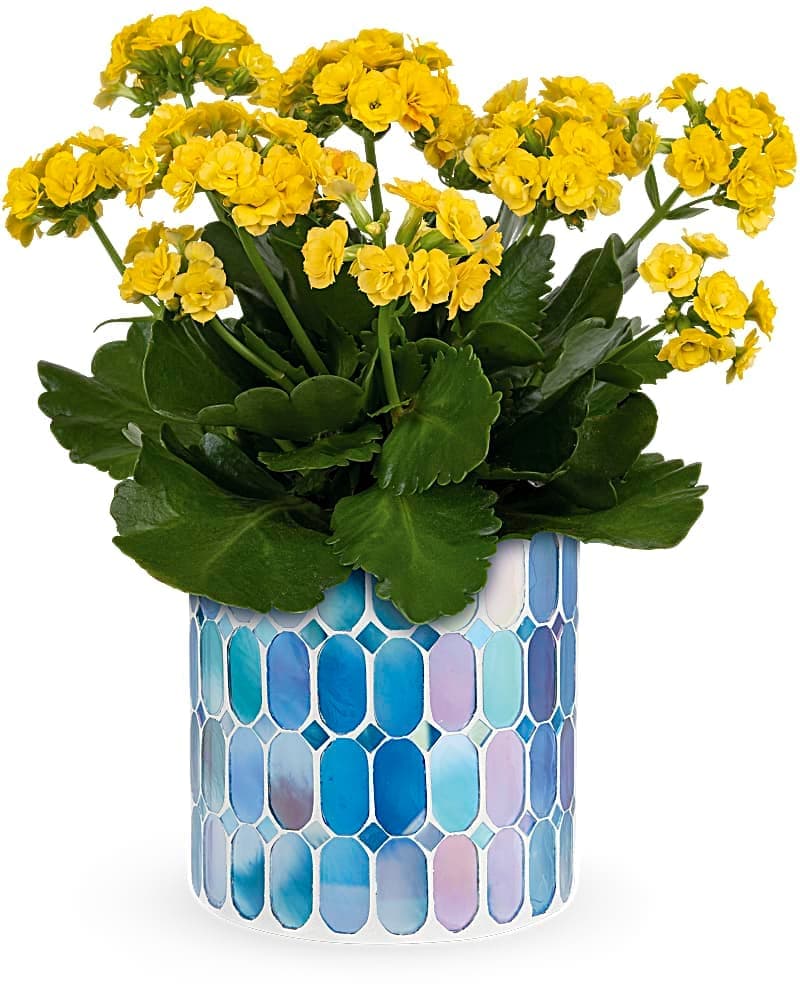
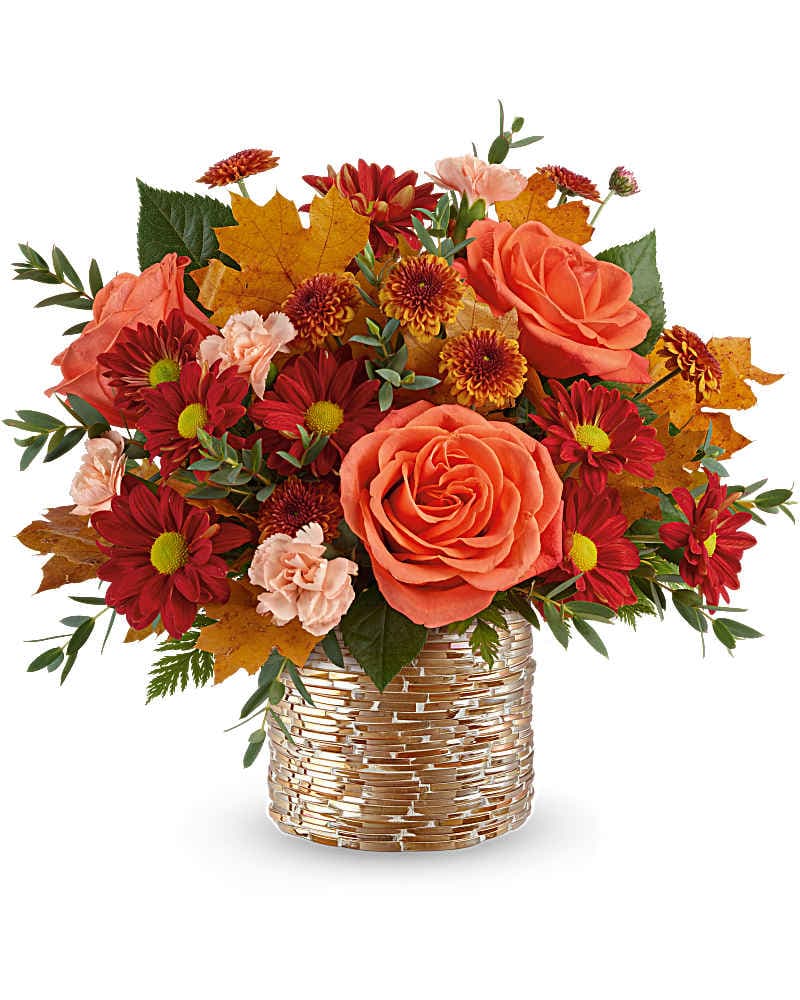
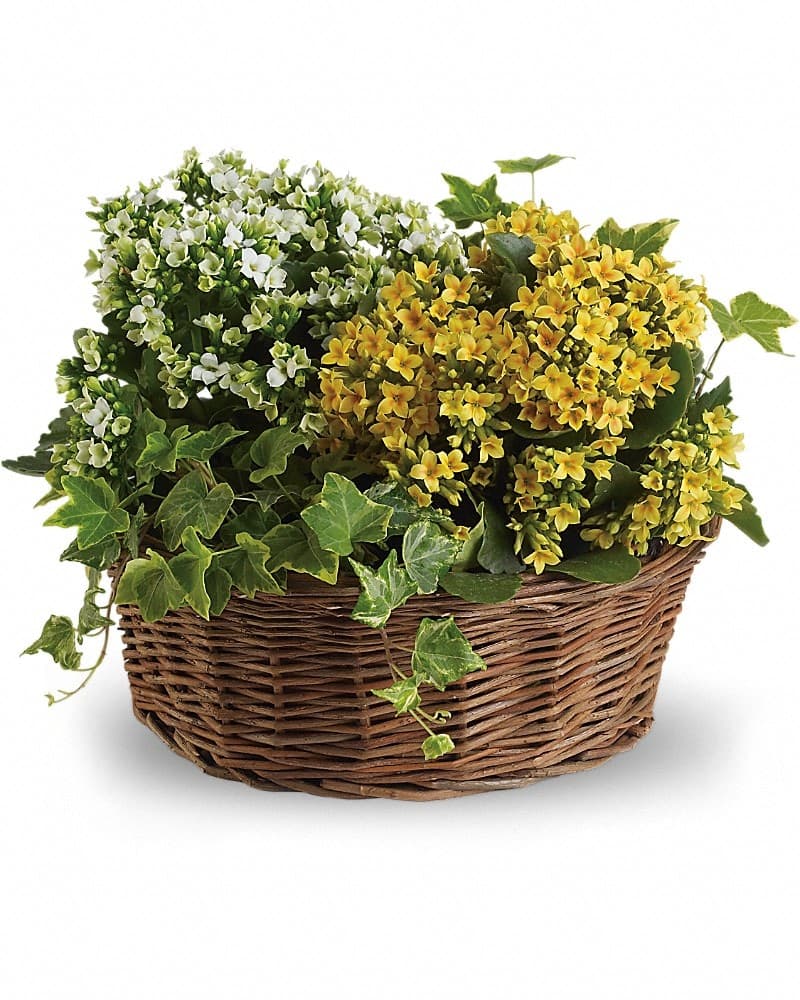
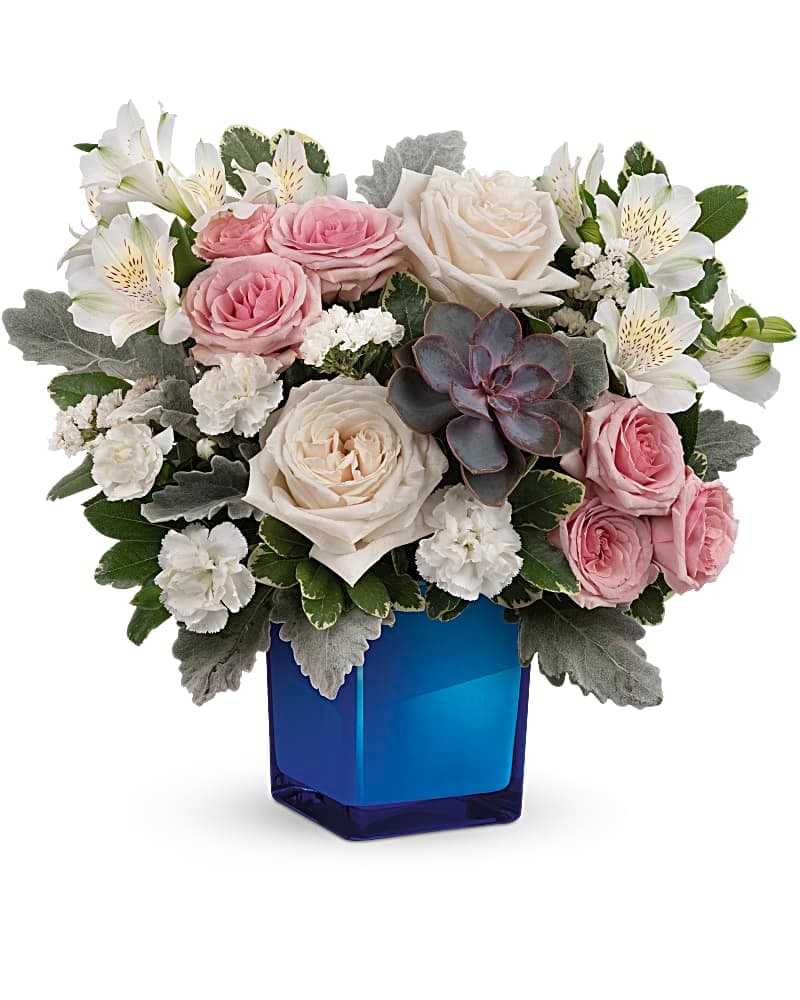
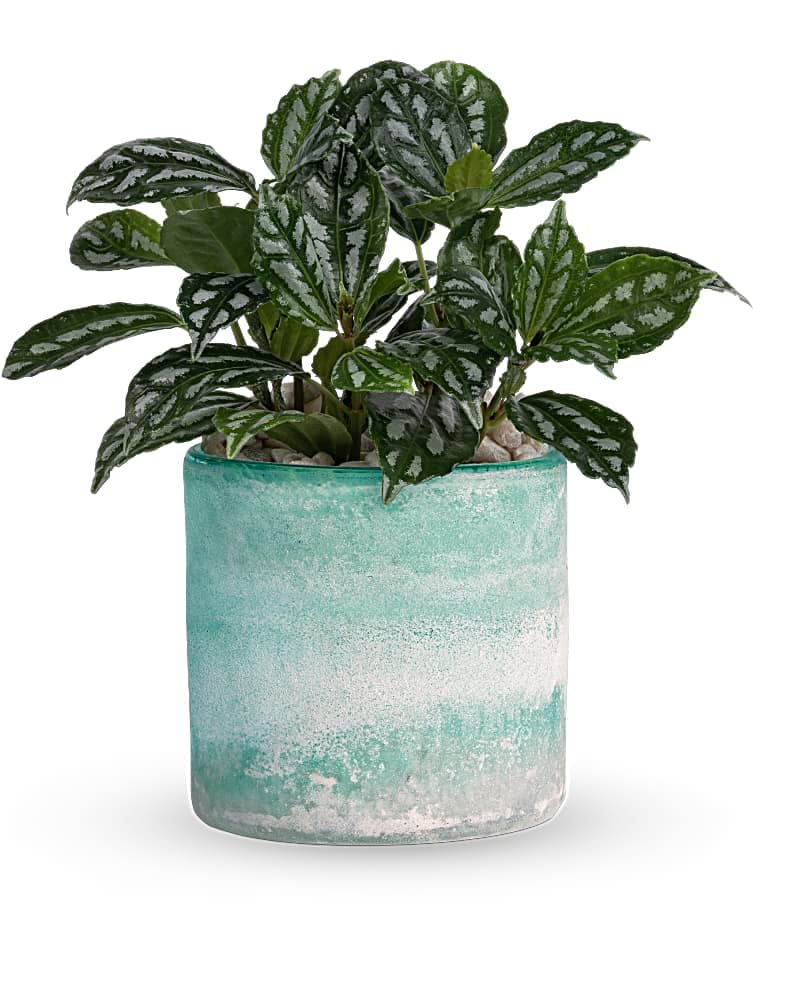
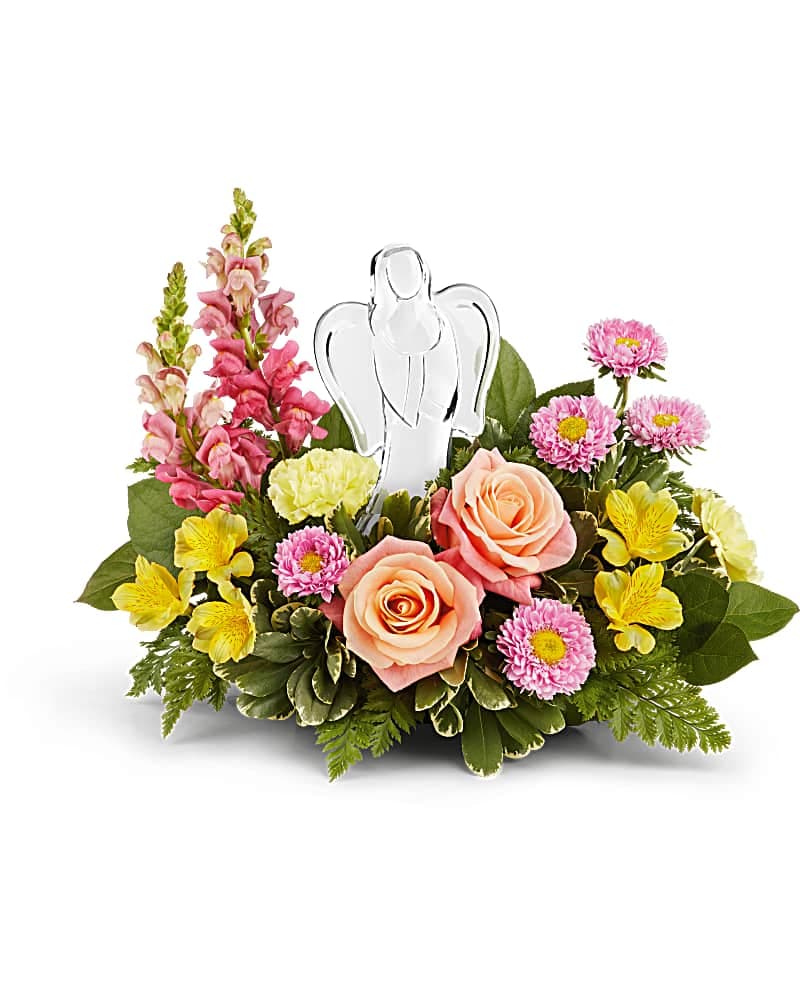
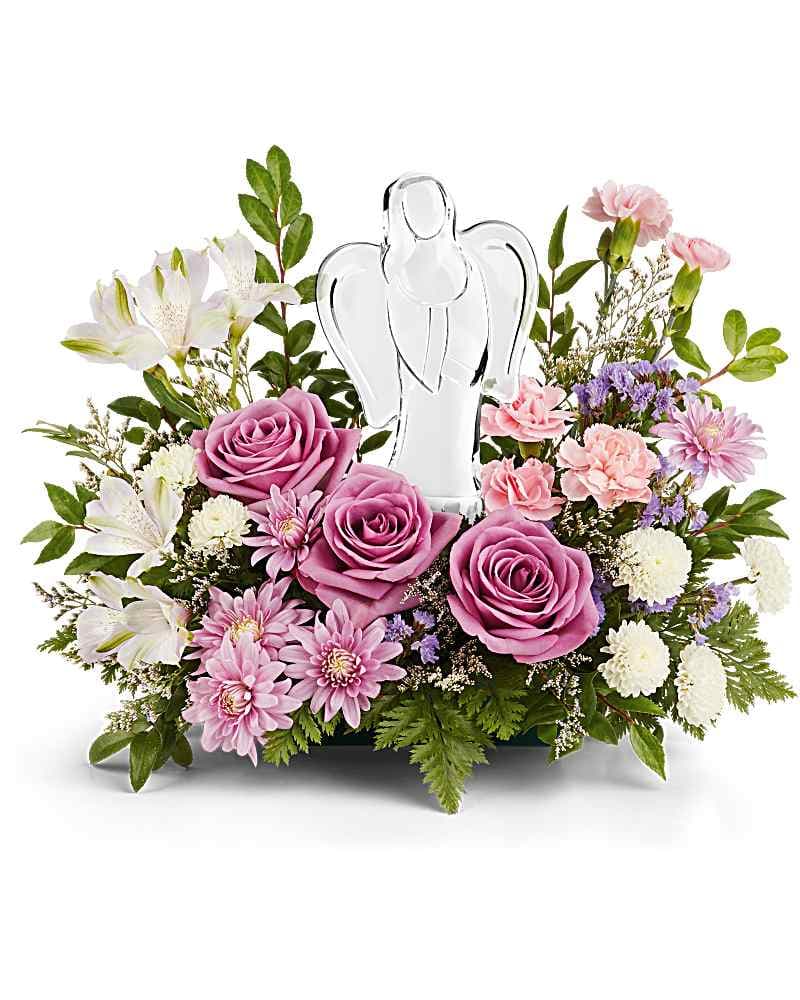
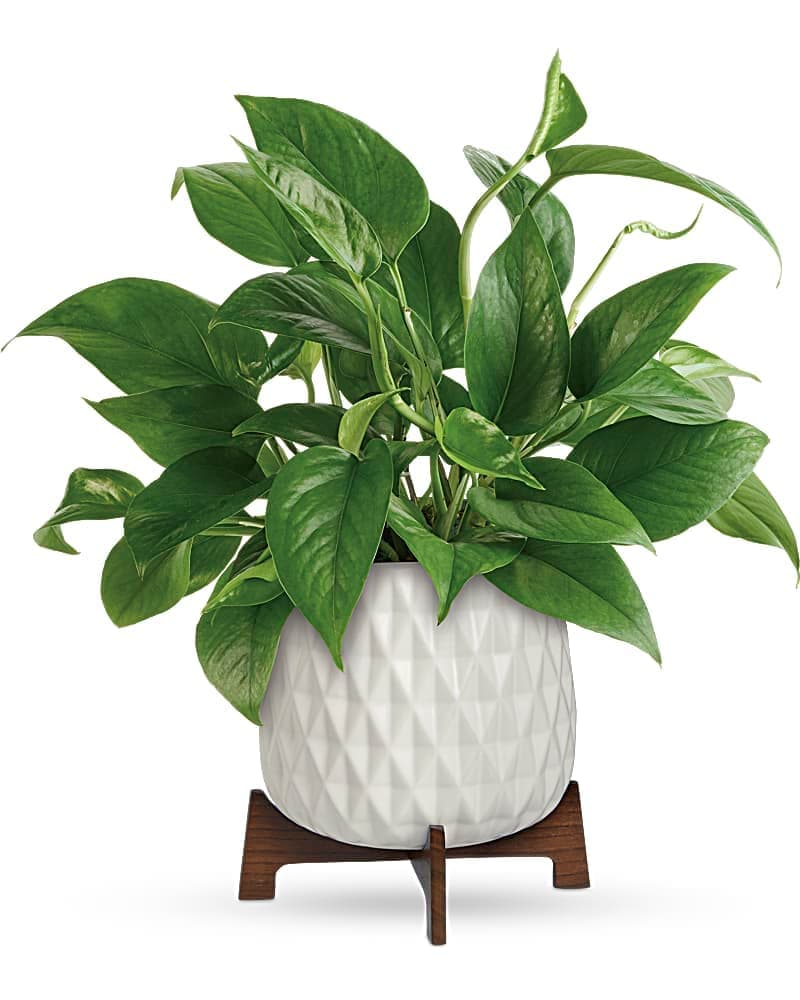
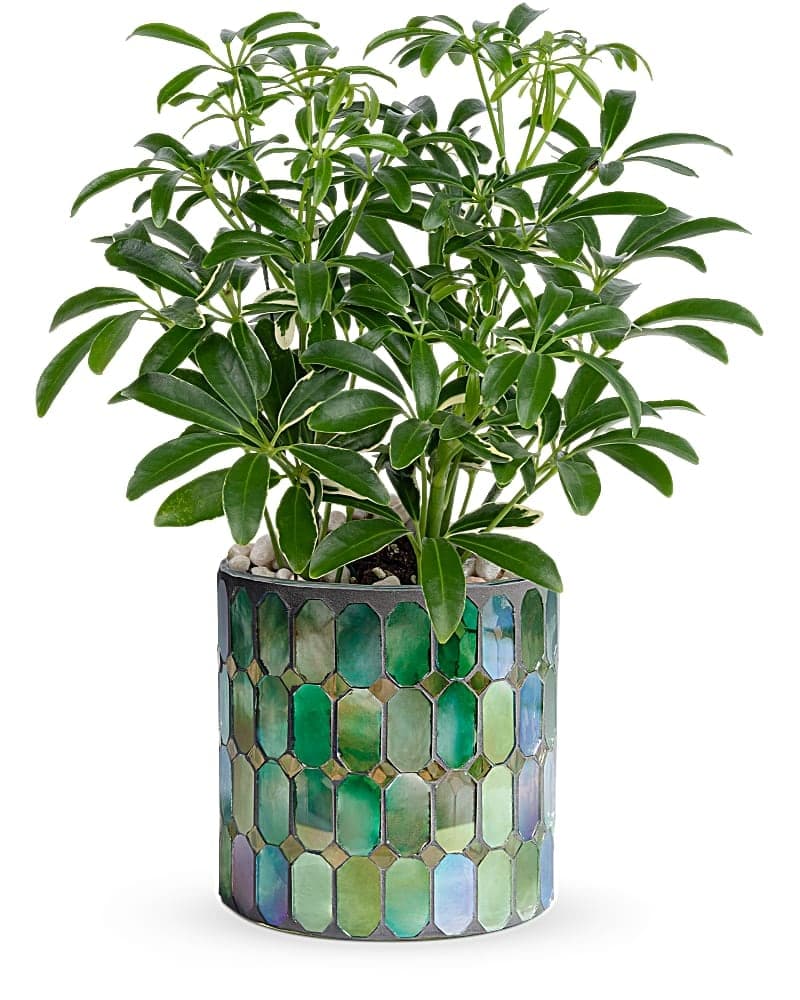
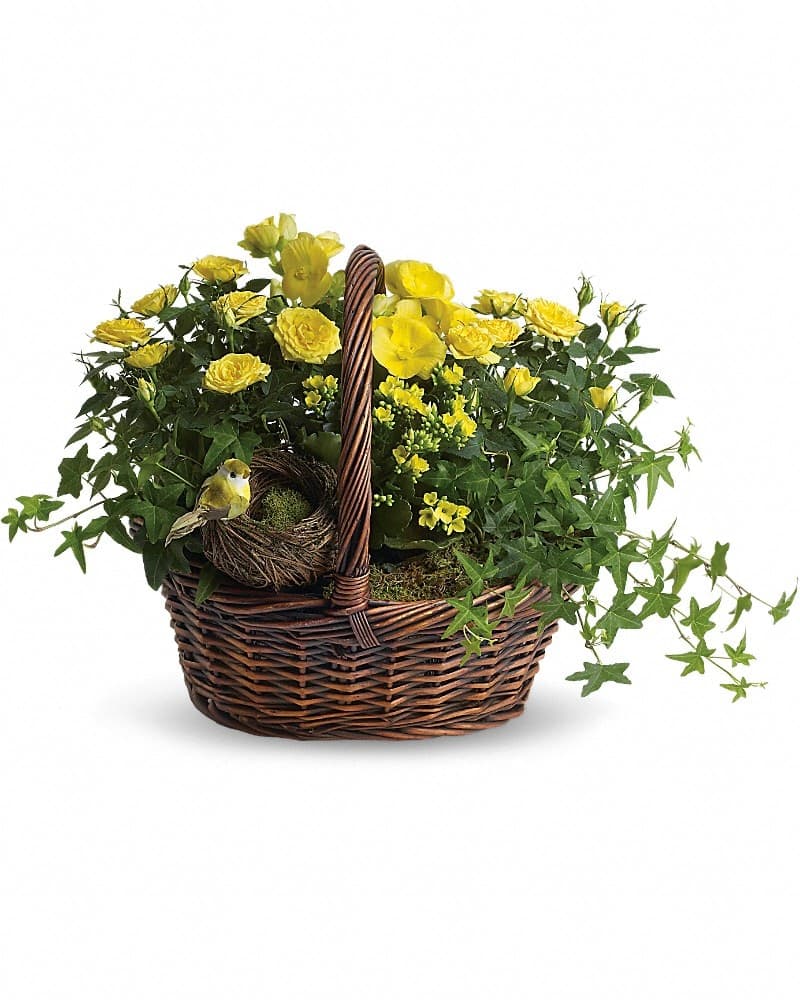
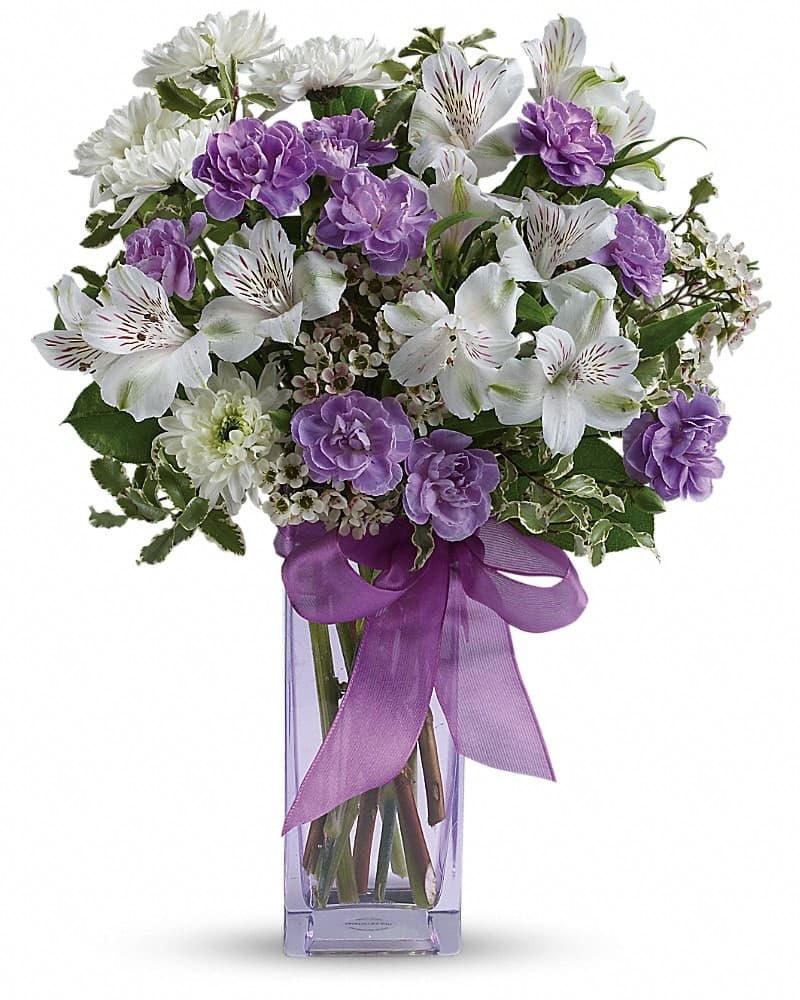
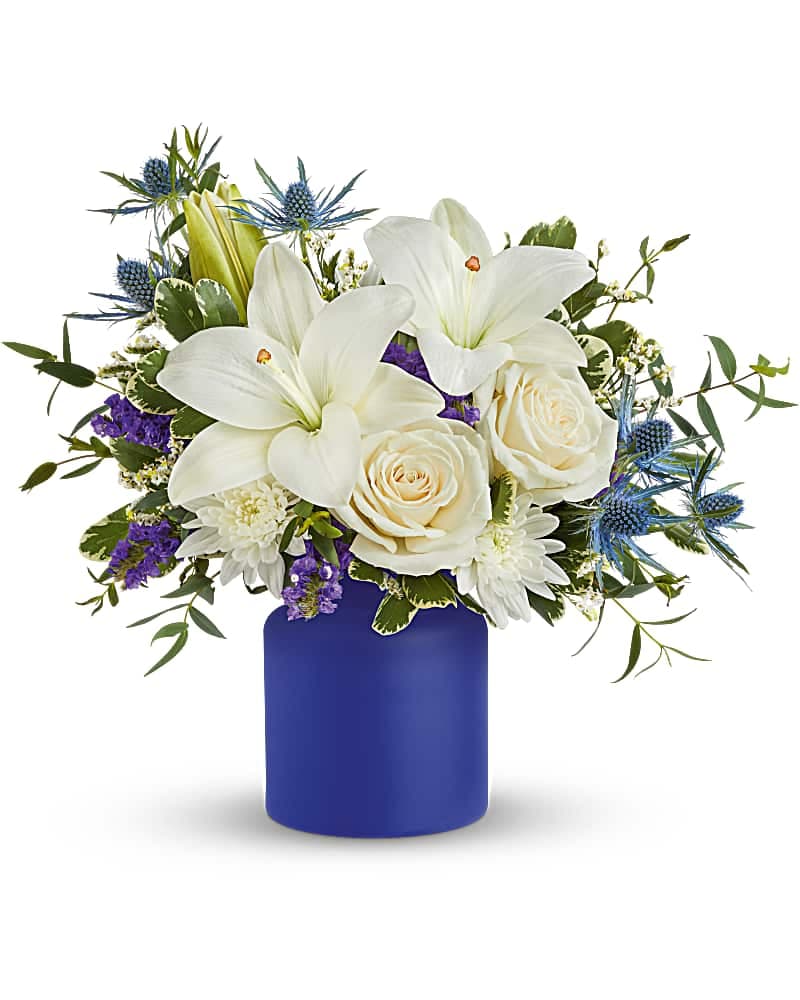
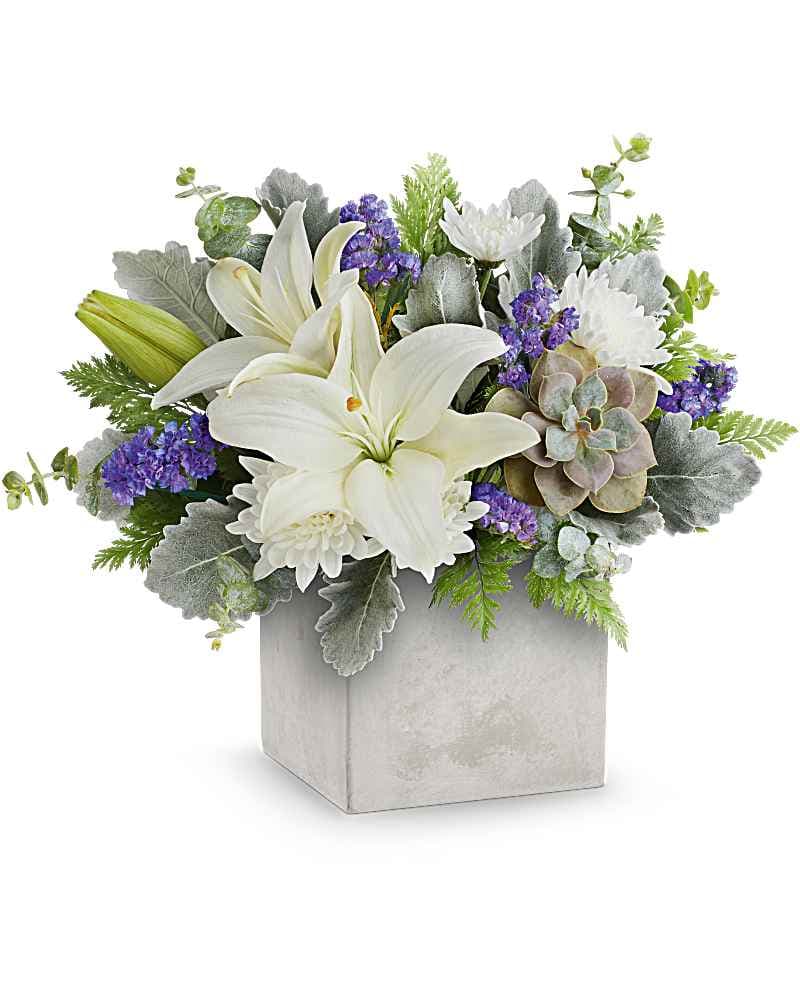
Most sympathy orders that reach this grid are not for a chapel at all. Florida's cremation rate is among the highest in the country, and in Palm Beach County that plays out in a particular way: a great many families hold a small cremation service and then a memorial gathering a week or three later, at a clubhouse, a church hall, a condo community room or a living room, once relatives have flown down from the Northeast and the Midwest. A second service often follows in the family's home state, because a large share of the people who die here spent half of each year somewhere else. That changes what you should send and when. If the death was yesterday, flowers to the family's home almost always land better than flowers to a venue that has not been booked yet. If a date has been set, the arrangement wants to arrive before the visitation opens rather than on the hour of the service. And if the family has asked for donations instead of flowers — common across this county's Jewish congregations and increasingly common everywhere — a single plant or a small vase design sent to the house honors the request rather than overriding it.
Religious convention here is genuinely varied and the shops route to it every week. St. Ann Catholic Church at 310 N Olive Avenue is the oldest Catholic parish in the city and sits in the middle of the downtown grid; St. Juliana Catholic Church takes much of the rest of the city's Catholic volume, and the Cathedral of St. Ignatius Loyola at 9999 N Military Trail in Palm Beach Gardens is the seat of the diocese and hosts the larger funeral Masses. Across the bridge, the Church of Bethesda-by-the-Sea at 141 S County Road and the Royal Poinciana Chapel on Cocoanut Row handle Palm Beach island services, both with their own receiving arrangements and both worth a phone call before a delivery window is promised. Palm Beach County holds one of the largest Jewish populations in the United States, concentrated in the 55-plus communities from Century Village in 33417 south through Greenacres, Lake Worth and Boynton Beach, and served by congregations including Temple Israel in downtown West Palm Beach, Temple Emanu-El on North County Road and Palm Beach Synagogue on the island. Where a family is sitting shiva, flowers are usually not brought to the service, but a plant or a simple arrangement delivered to the shiva house during the seven days is welcome and normal — tell us it is a shiva call in the notes and the shop will design and time it accordingly. The historic Black congregations of the Historic Northwest district and Pleasant City, and the Haitian and Caribbean churches along the 45th Street and Australian Avenue corridors, each run their own order of service; the shops ask rather than assume.
Two further things come up often enough on this grid to be worth answering in advance. The first is where to send when you barely know the family. If the person who died was a colleague's parent, the arrangement almost always belongs at the colleague's home rather than at their desk on South Flagler Drive or in the county offices on North Olive Avenue — a delivery to a working floor turns a private loss into a public one, and most people would rather grieve without their whole department watching. The second is what to do after the service, because the week everyone sends flowers is not the week the house is emptiest. A small arrangement two or three weeks later, or on the thirtieth day, lands differently and is remembered longer; families in this county's Hispanic Catholic communities often keep a nine-day novena after a death and a one-year remembrance afterwards, and among the large Guatemalan and Maya community in Lake Worth and the Haitian communities from the 45th Street corridor south through Lake Worth and Boynton Beach those later dates carry real weight. You do not need to know a family's tradition to get this right. Ask what date matters to them, put it in the delivery notes, and any of the five shops will hold the order for that day instead of sending it into the crowded first week.