Start with the building, because in Palm Beach County getting the hospital name exactly right is half the delivery. Two of them share one street: St. Mary's Medical Center at 901 45th Street in 33407 is the county's Level I trauma center and the home of Palm Beach Children's Hospital, while HCA Florida JFK North Hospital sits a mile and a half east at 2201 45th Street. Writing "the hospital on 45th Street" sends a driver to a coin flip. Good Samaritan Medical Center at 1309 N Flagler Drive is the downtown one, hard against the Intracoastal with its visitor entrance off Flagler. HCA Florida JFK Hospital is not in West Palm Beach at all — it is on South Congress Avenue in Atlantis, at the southern end of the ring. Wellington Regional Medical Center at 10101 Forest Hill Boulevard is the western-communities hospital and happens to be the closest hospital on this grid to two of our five shops. HCA Florida Palms West Hospital on Southern Boulevard in Loxahatchee is the long run, out past the Turnpike. Palm Beach Gardens Medical Center on Burns Road and the West Palm Beach VA Medical Center at 7305 N Military Trail cover the north, and Bethesda Hospital East on Seacrest Boulevard in Boynton Beach sits at the southern edge. Jupiter Medical Center and Delray Medical Center fall outside the 18-mile search — if the patient has been moved to either, order against that city instead of this page.
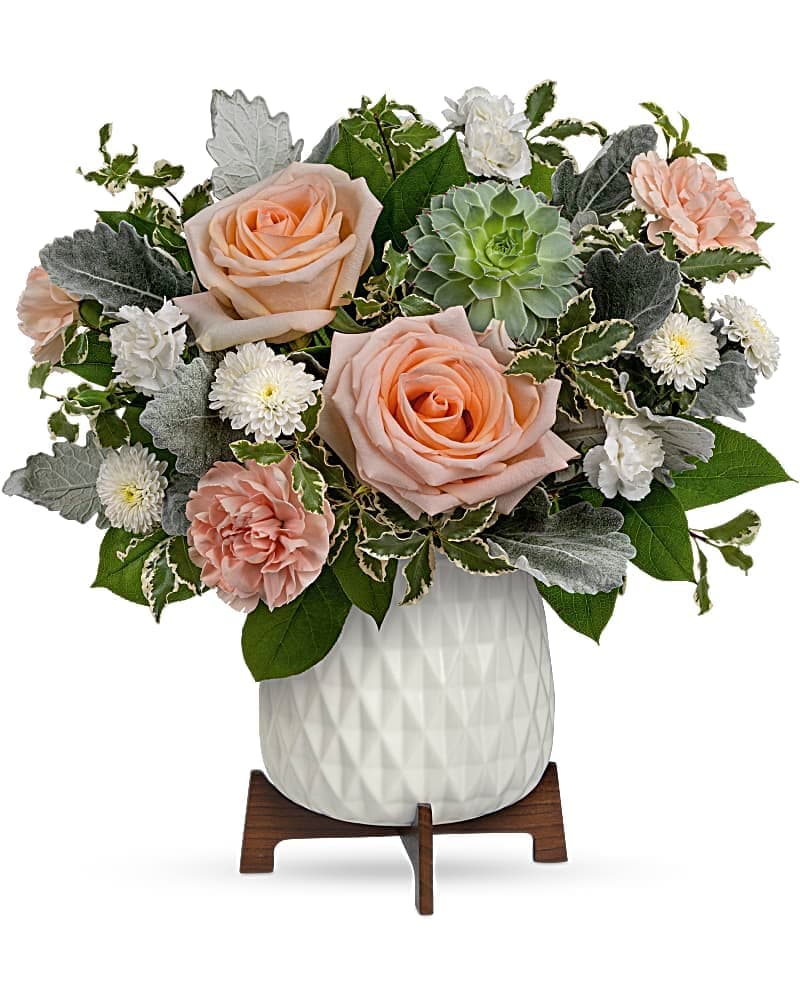
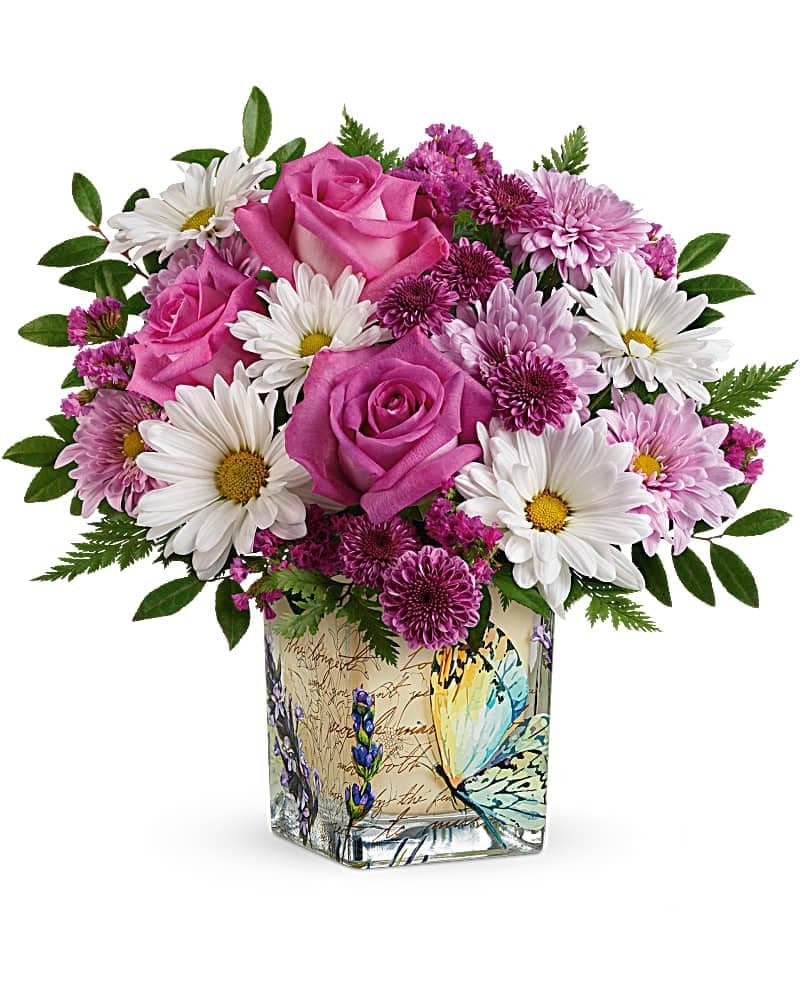
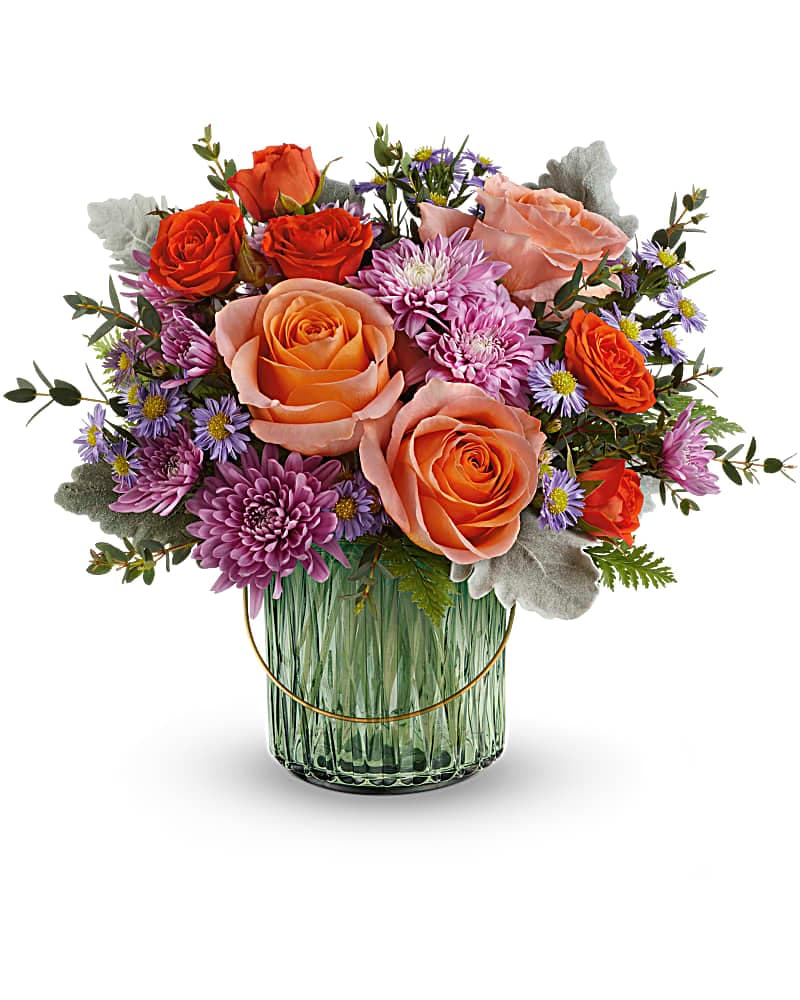
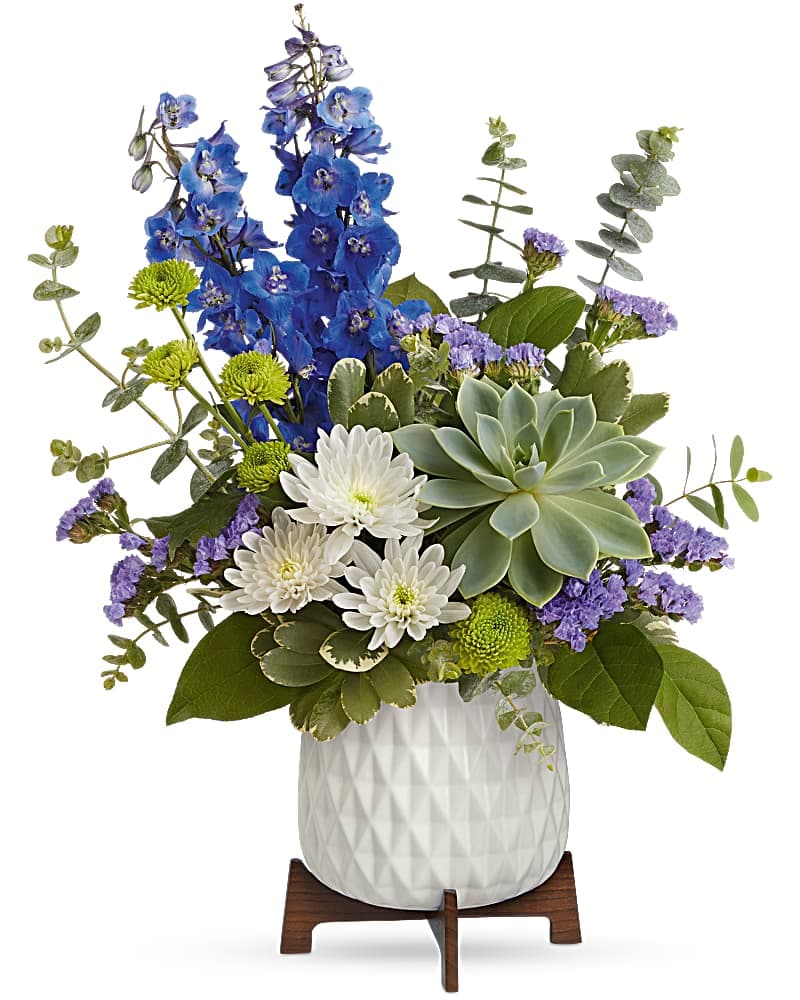
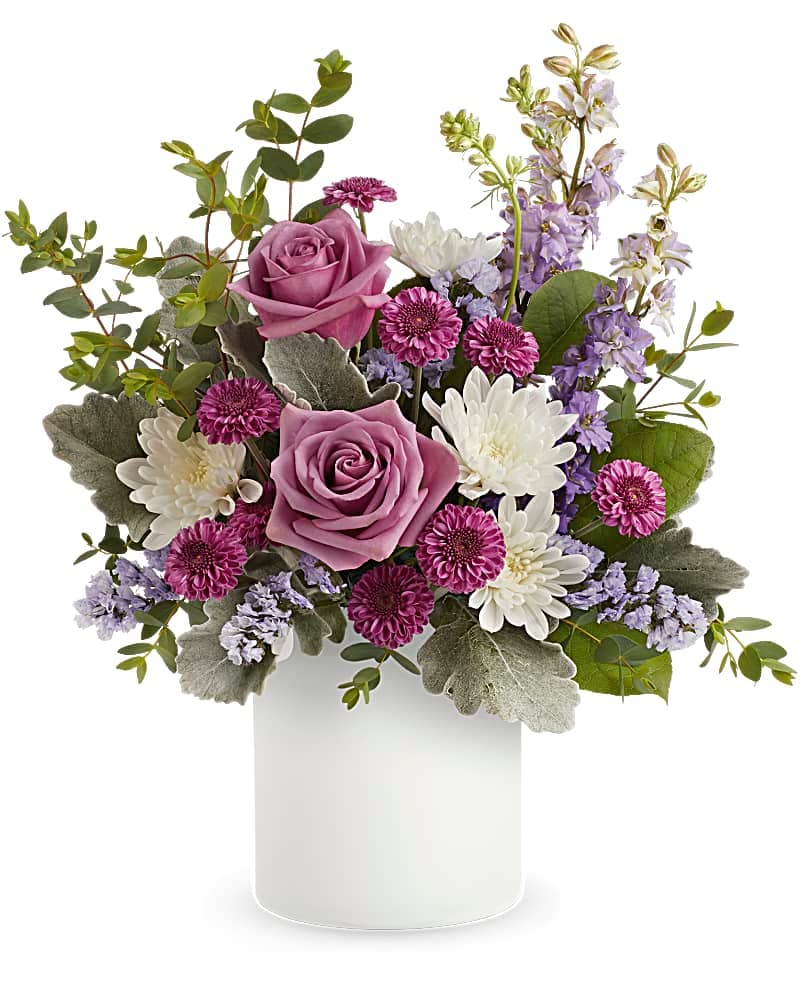
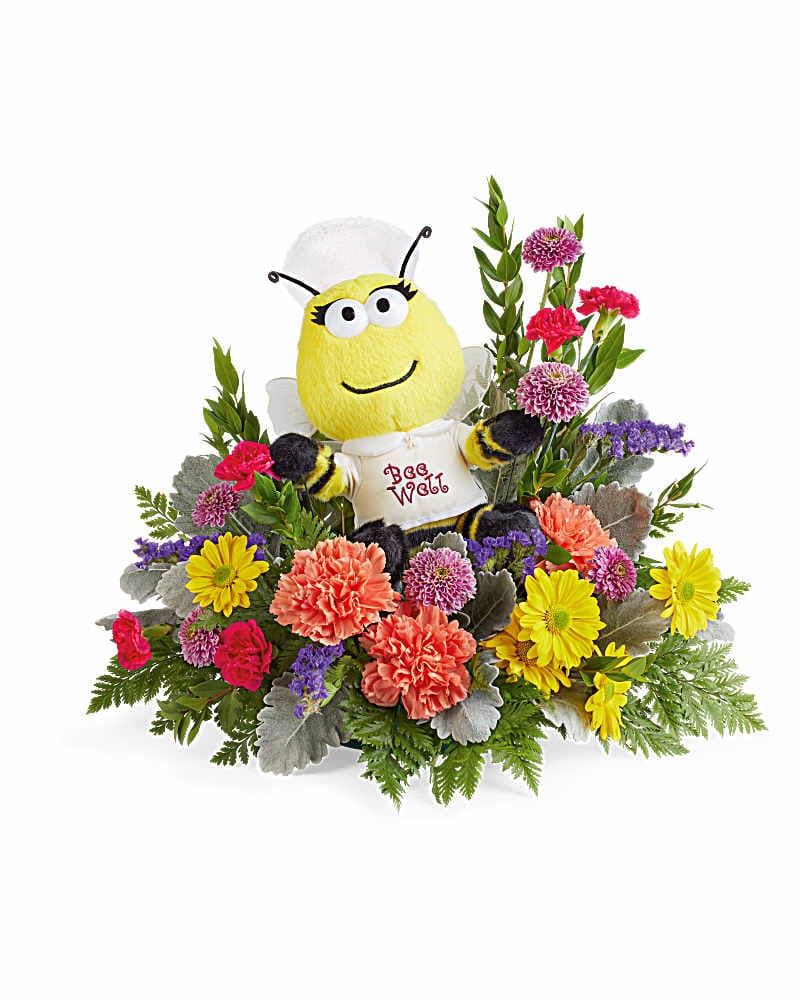
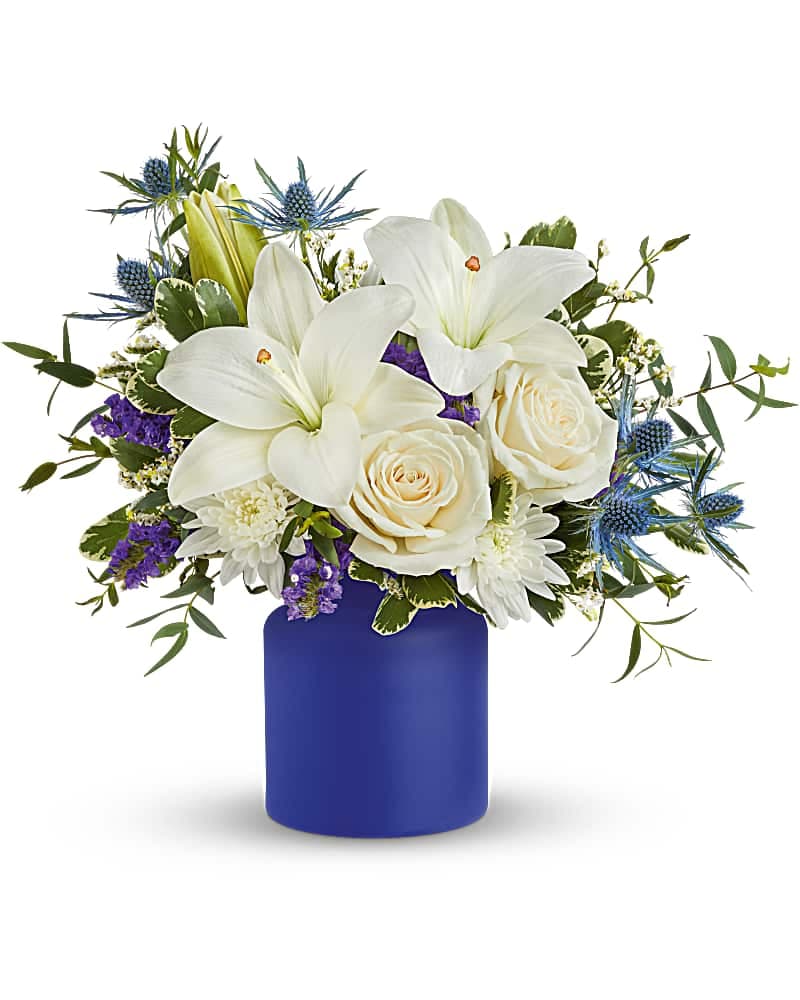
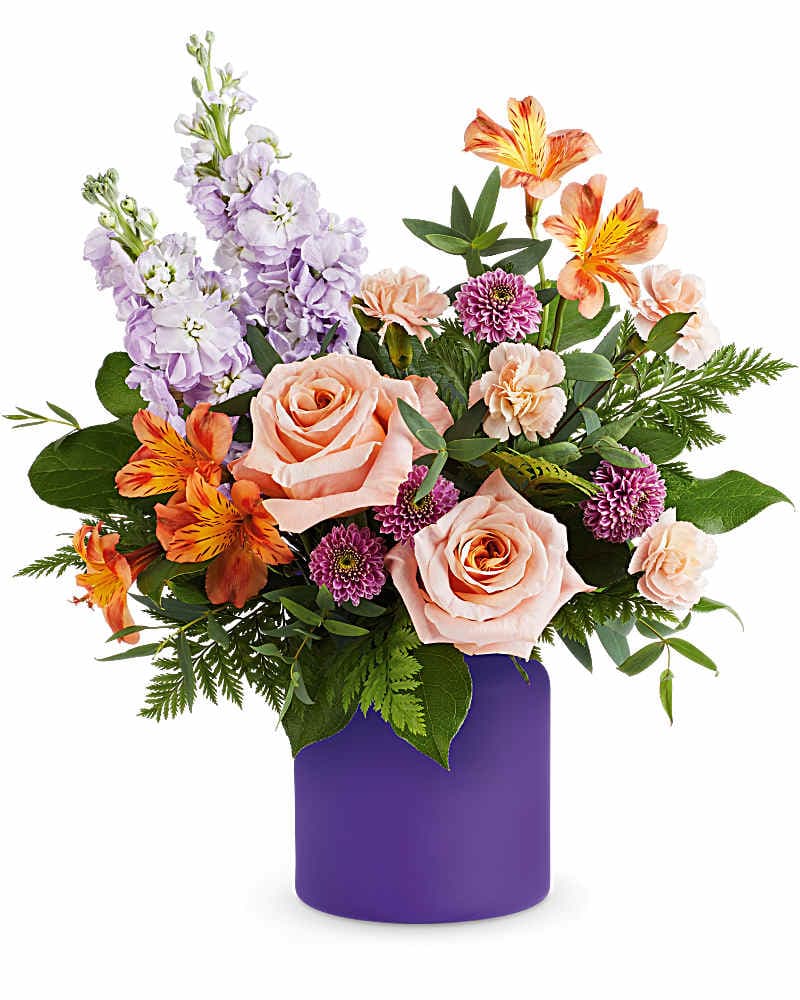
The rules on the floor decide what actually gets delivered, and they are not uniform. Cancer and stem-cell units are the strictest anywhere in this county: fresh flowers and every kind of potted plant are commonly refused there, because soil and standing water can carry fungal spores that matter to a patient with no immune system to spare. Intensive-care rooms are usually a no as well — partly infection control, mostly that there is no clear surface in a room that full of equipment. Inside St. Mary's, the pediatric side runs its own rules: latex balloons are out on children's units because of latex allergy, so anything tied to a balloon has to be mylar. Behavioral-health units generally decline glass vases, wire and long ribbon. Emergency departments will not hold anything for anyone. What travels well everywhere else is a compact, low, low-fragrance design in a sturdy non-glass container that fits on the sliver of tray table a patient actually controls — not a tall vase that a nurse has to move twice a shift. One more thing that is particular to Florida: when a hurricane watch or warning goes up, hospitals here move to storm protocol and stop taking outside deliveries entirely, sometimes for several days. During June through November, check before you promise anyone flowers.
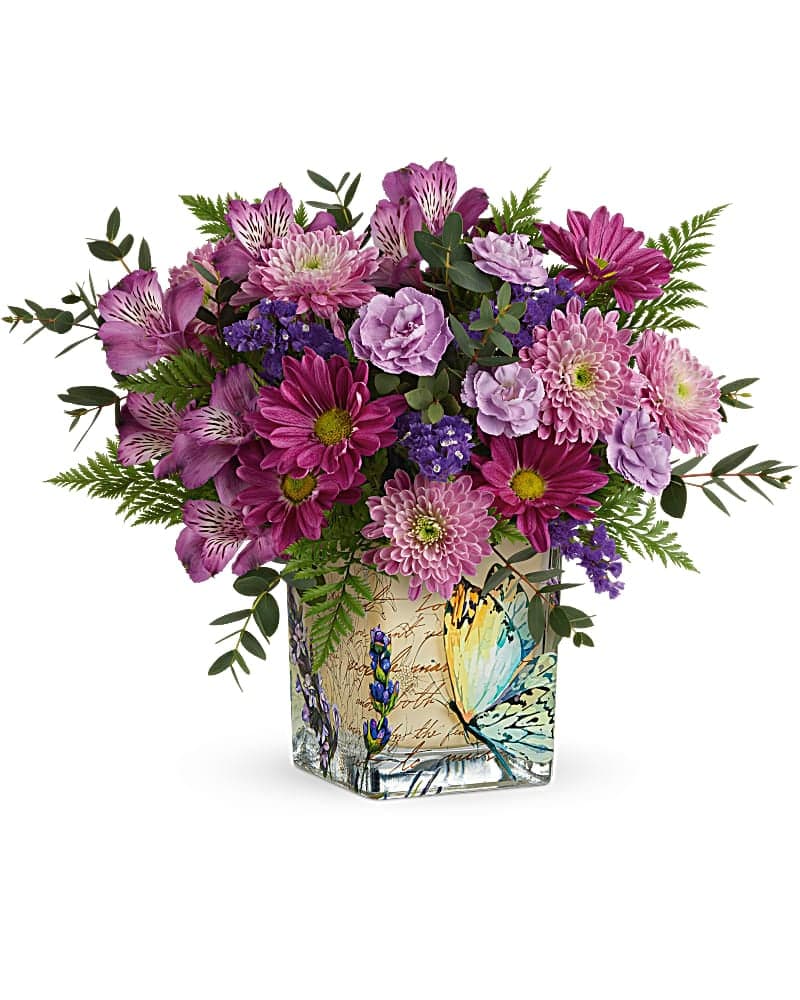
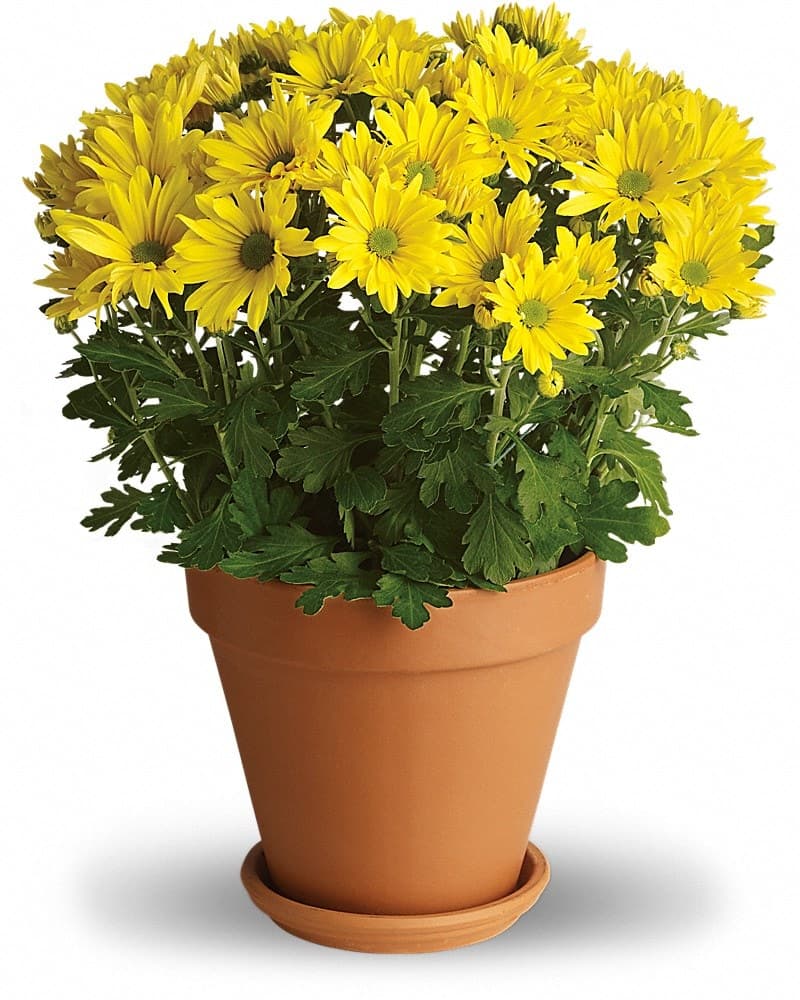
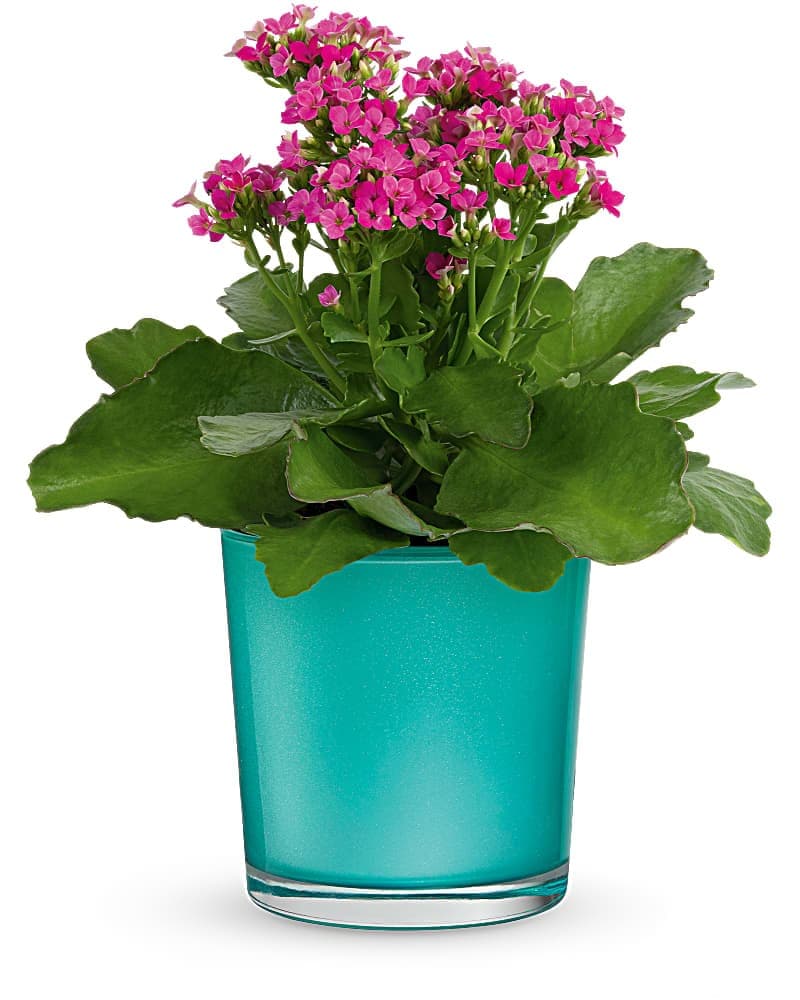
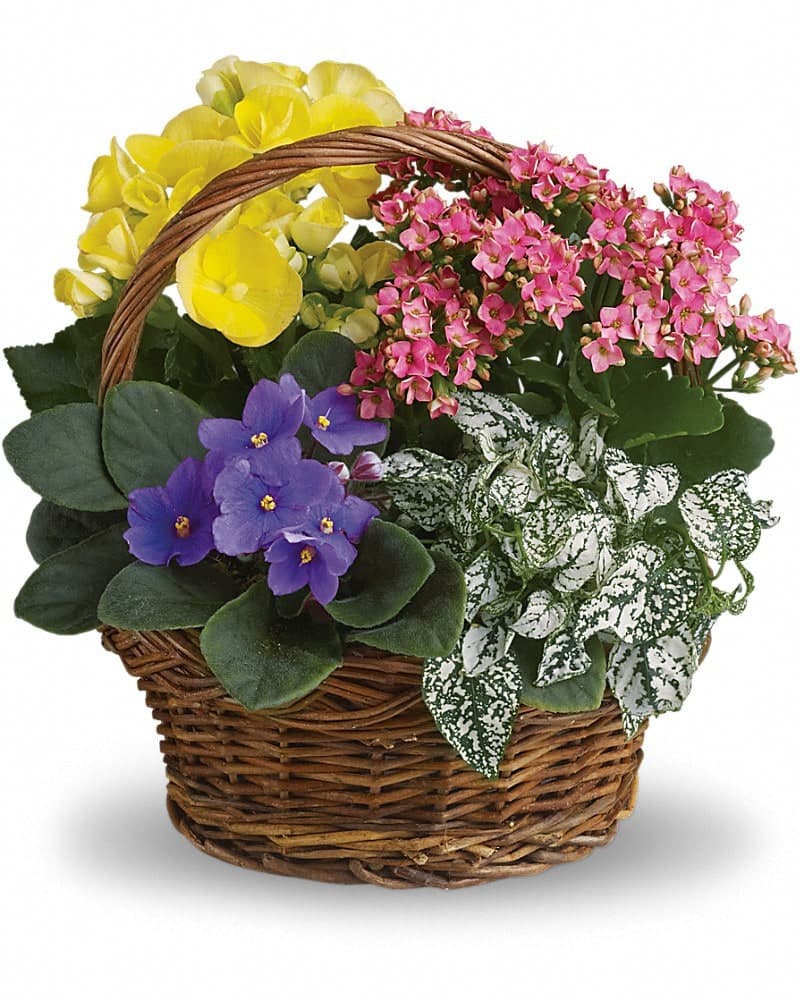
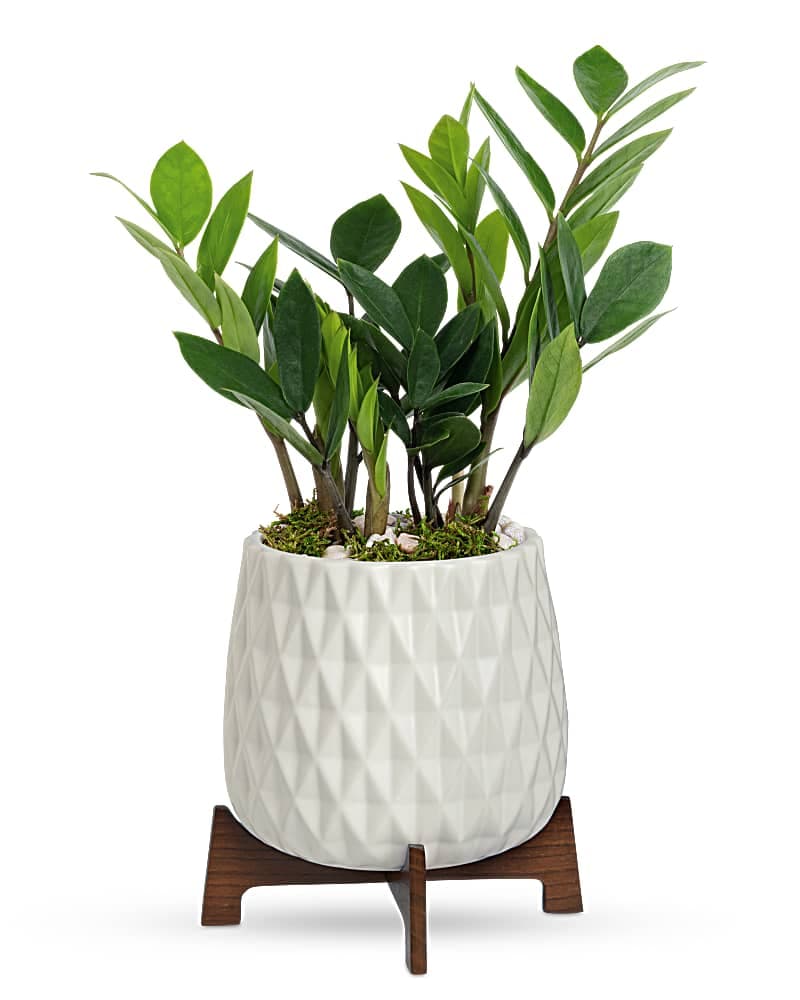
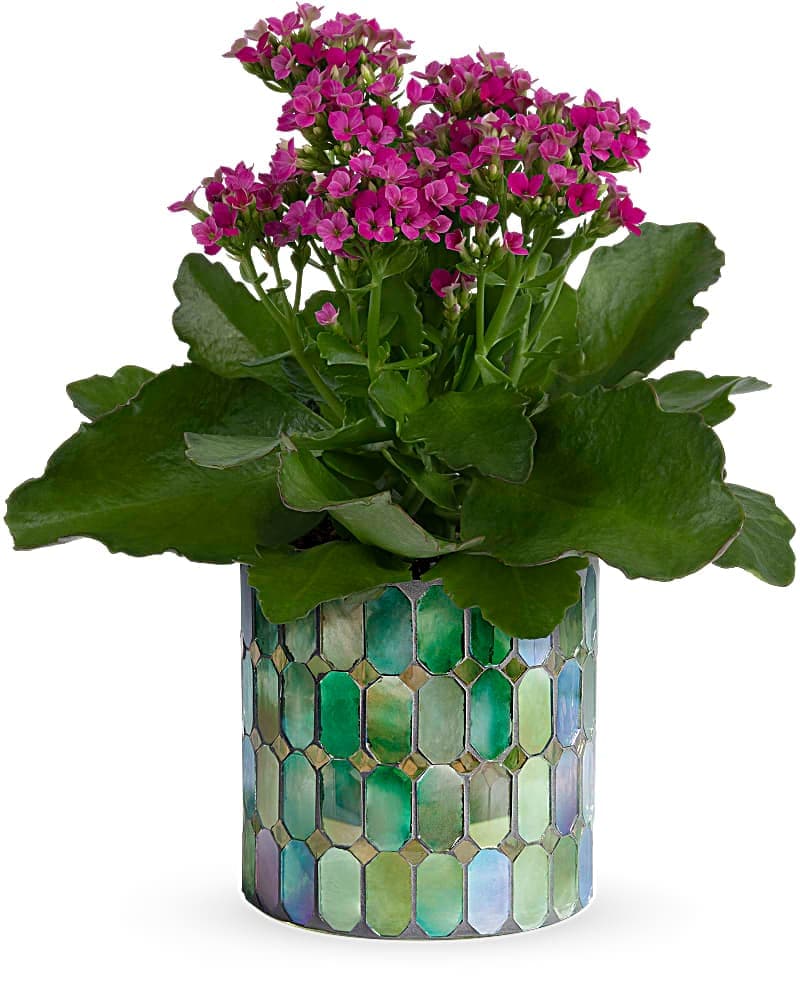
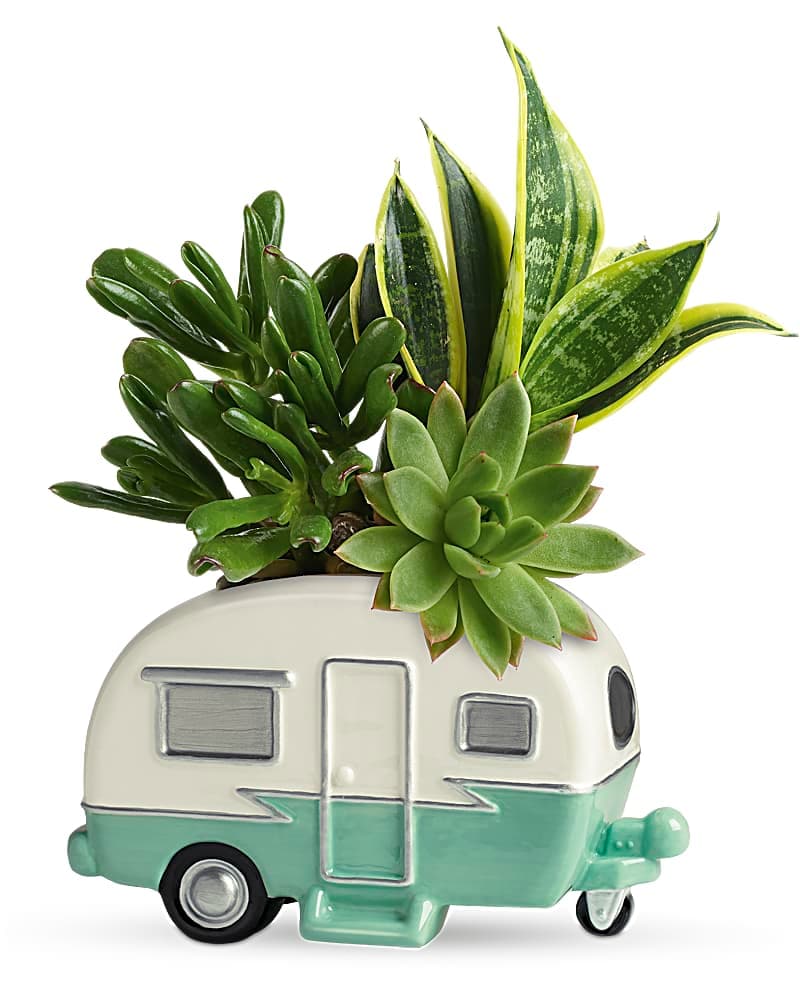
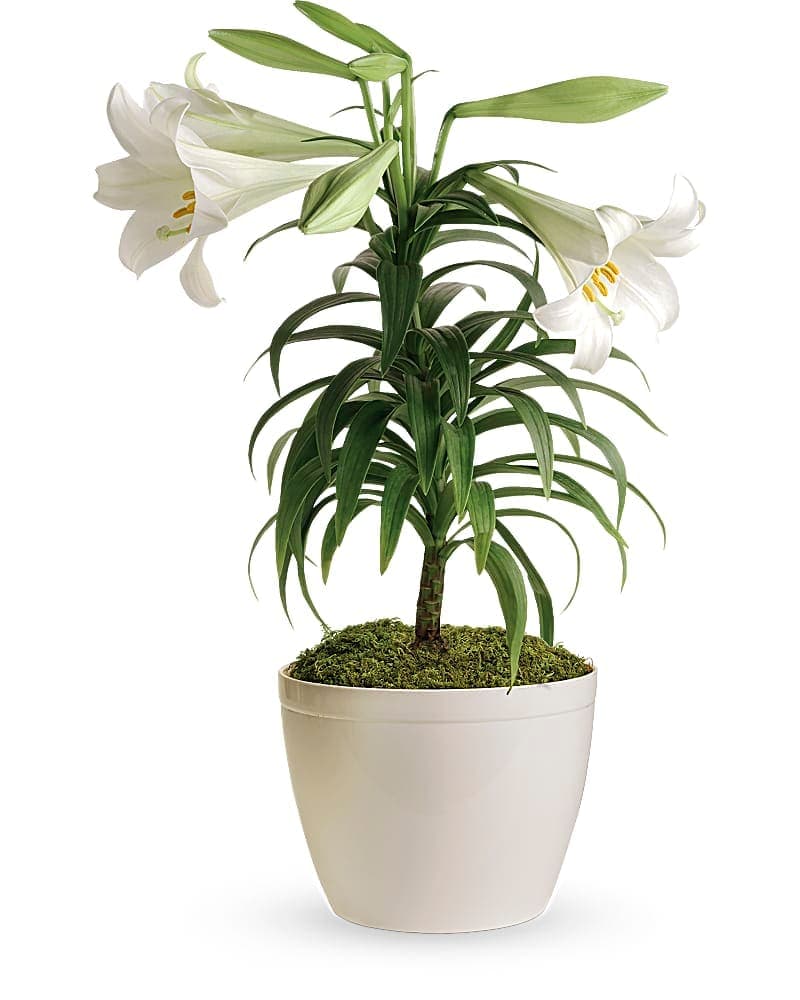
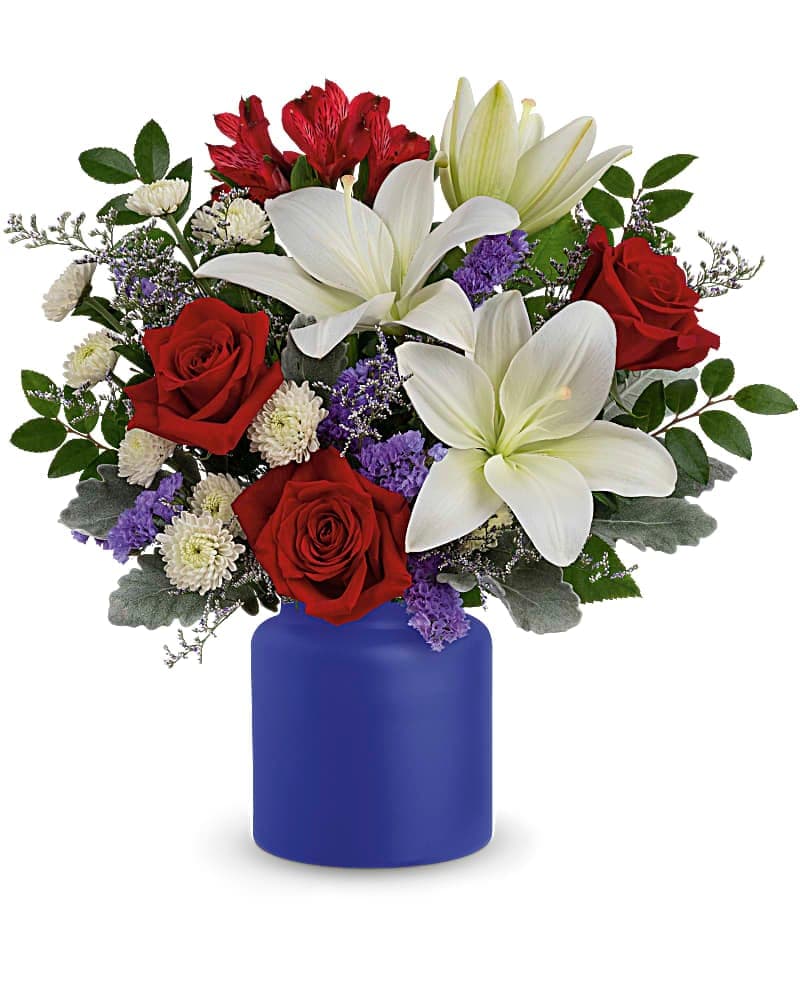
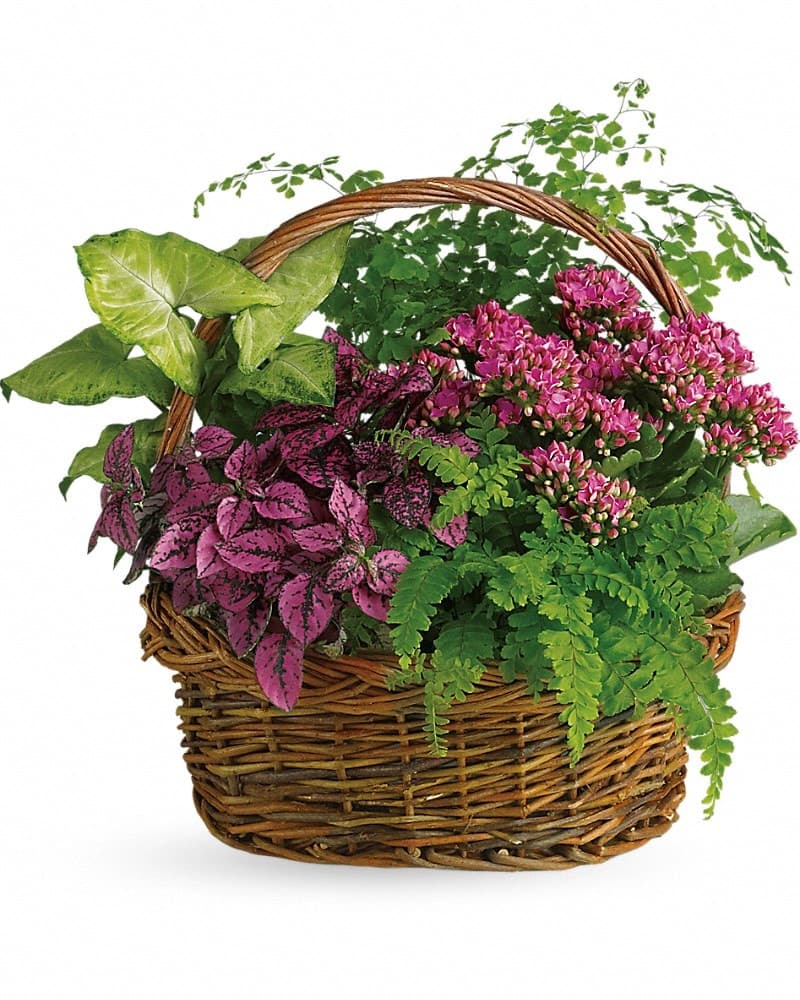
A few design choices matter more for a recovery than for any other occasion. Weight is one: someone two days out of a procedure cannot lift a heavy ceramic urn full of water to move it off a table, so a light container and a modest footprint are kinder than an impressive one. Cats are another, and this is the detail people miss most often. Lilies are genuinely toxic to cats — not irritating, toxic, with kidney failure as the outcome — so if the recipient has one at home, ask for a lily-free design and say why. Dogs chew flowers less often but do chew them. A green plant is the other question that comes up: it lasts weeks past the point a cut arrangement gives up, which is the right choice for a long recovery at home, and the wrong choice for a hospital room where soil is frequently not allowed at all. Split the difference if the stay is short and the recovery is long: send cut flowers now to the house, not to the room, and the plant can wait. Finally, think about the second recipient. On a serious illness the person doing the caring is often more depleted than the patient, and in this county that caregiver is very often a spouse in their seventies or eighties managing appointments alone while the rest of the family is a plane ride away. An arrangement addressed to them, with a card that says so plainly, is one of the more useful things anyone sends.