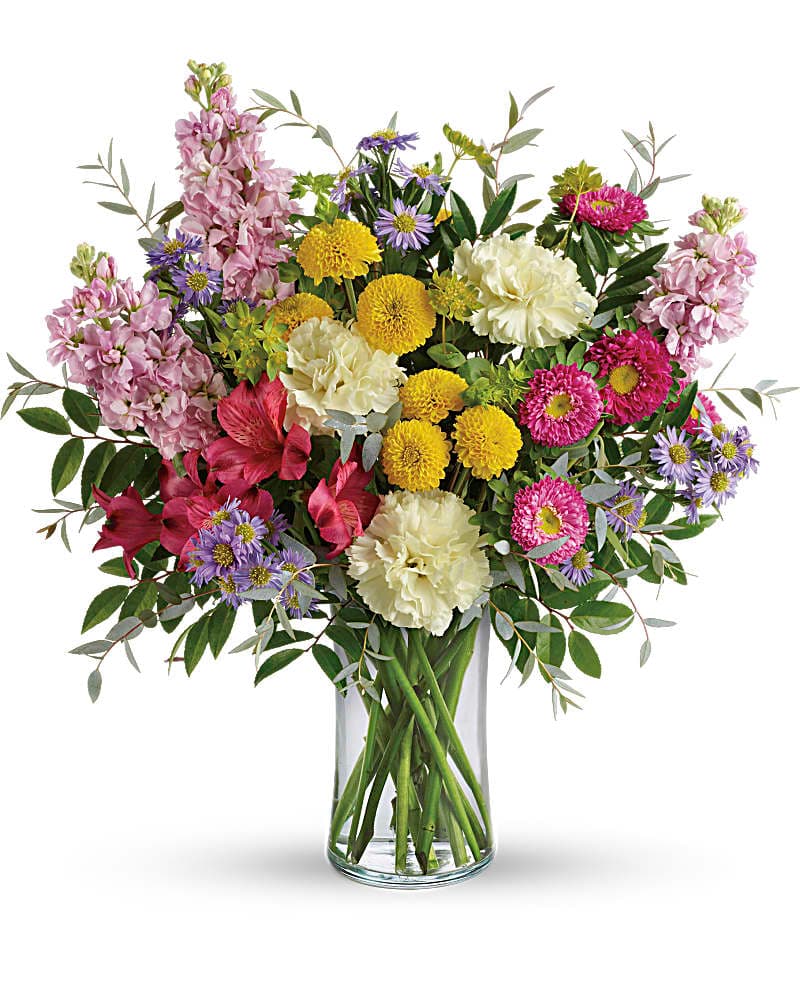
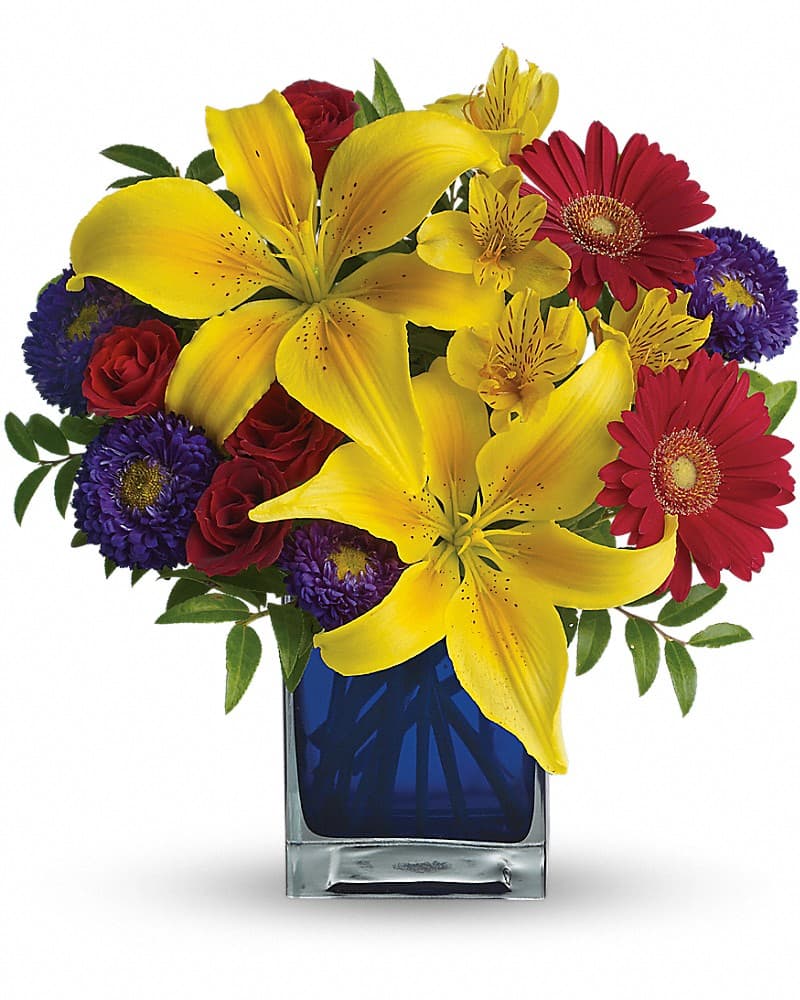
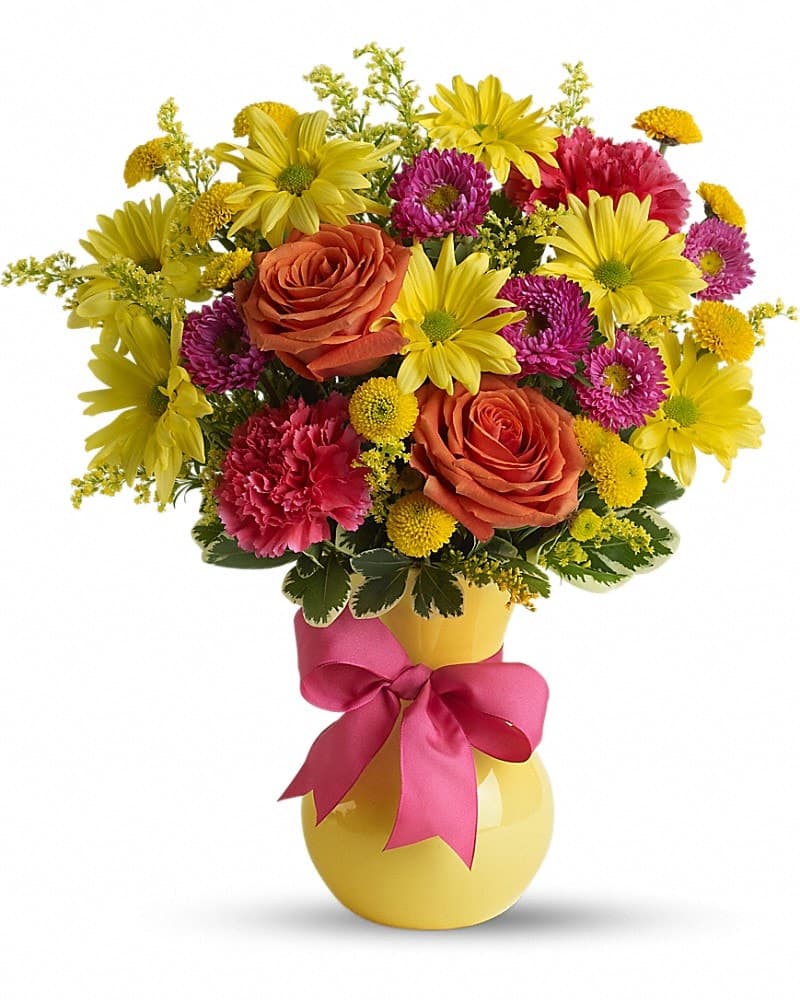
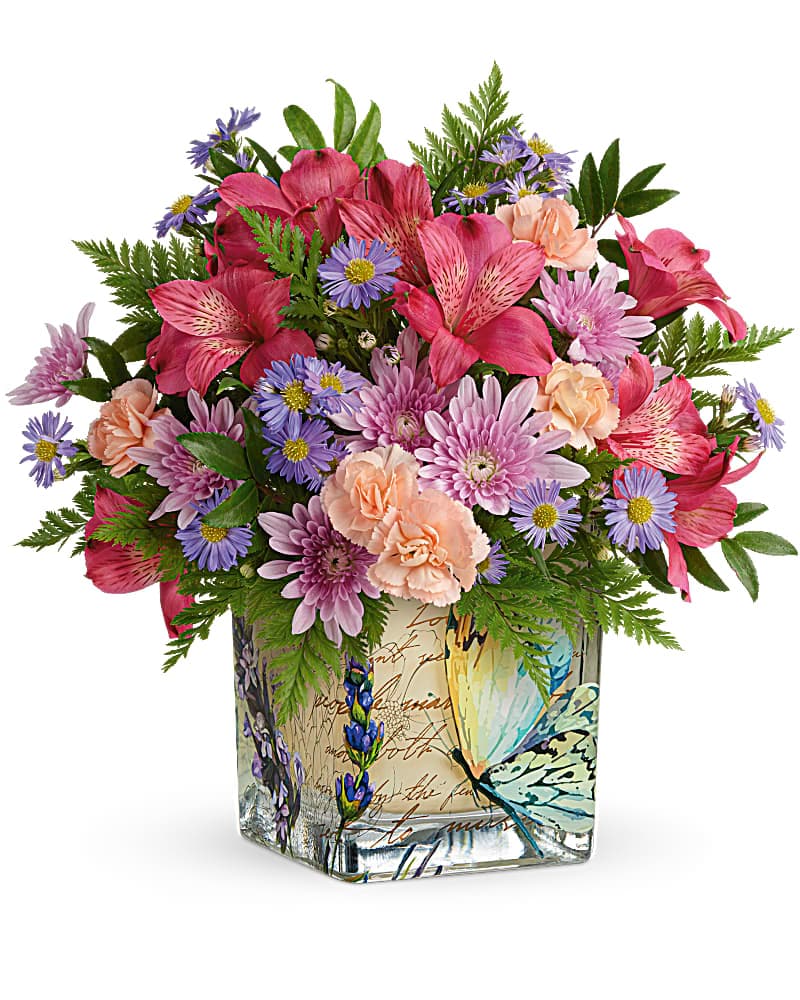
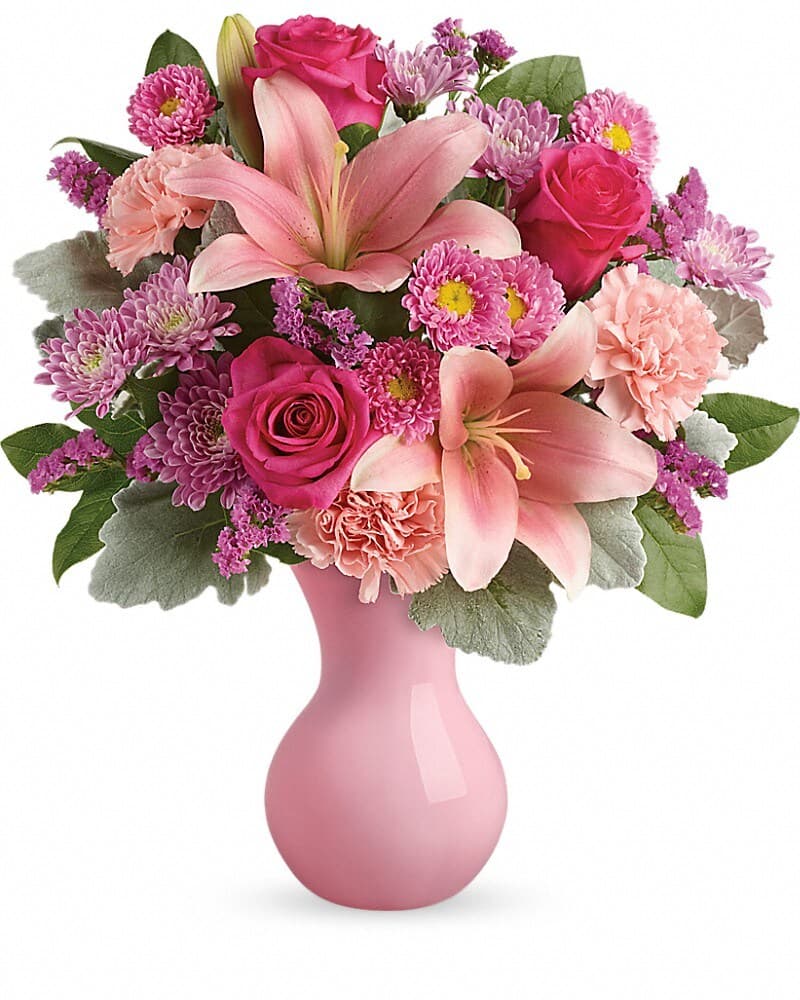
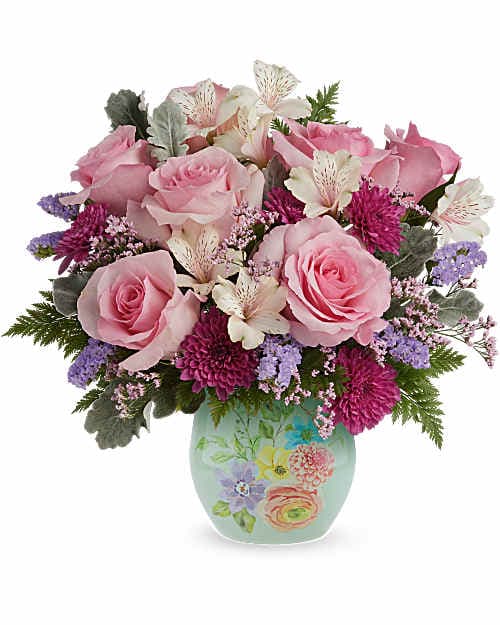
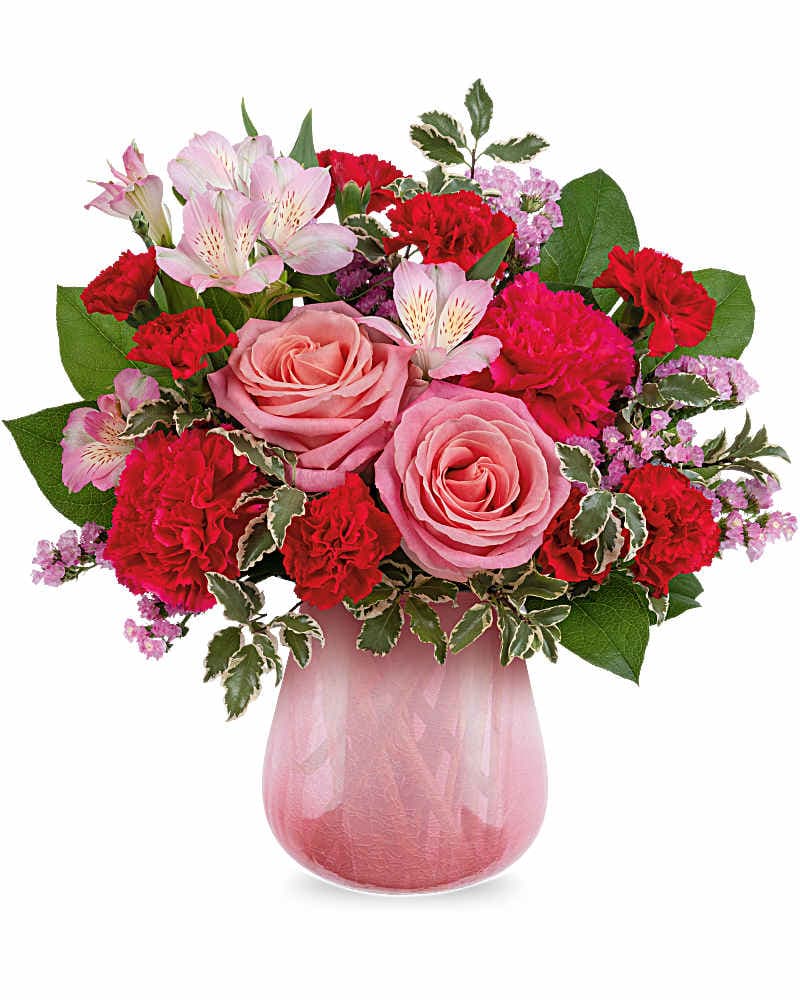
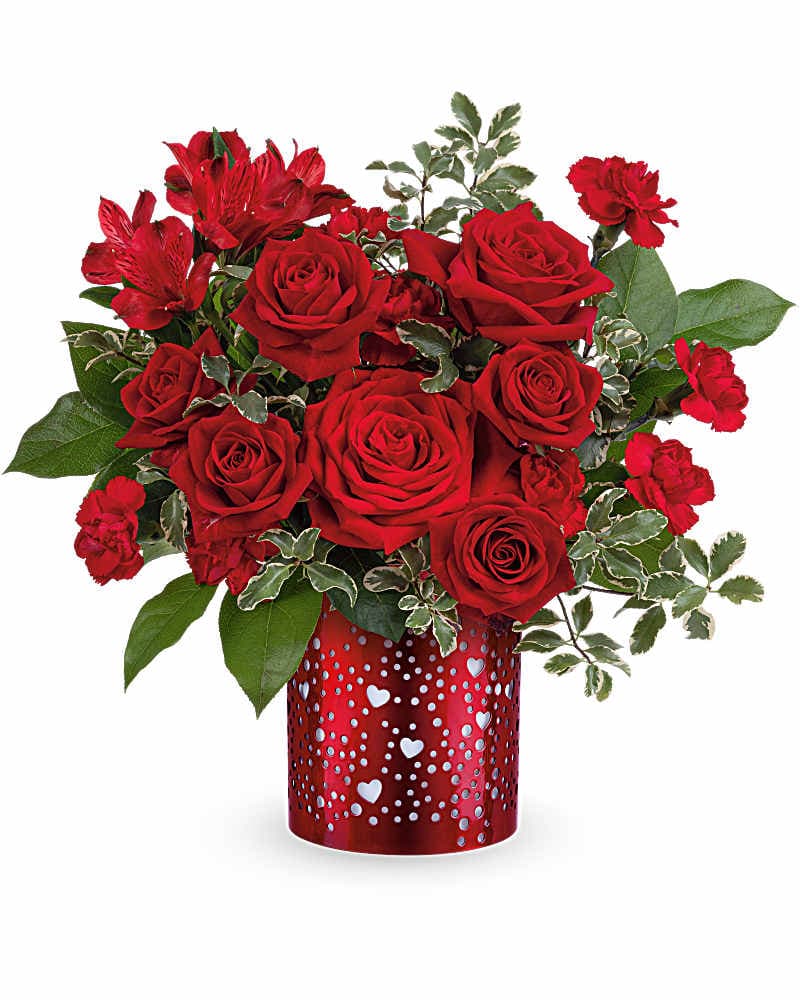
Almost every street in Upland eventually meets Euclid Avenue, which is why the everyday delivery here is easier than the map suggests. Euclid was laid out in the 1880s as a divided parkway with a planted median and a bridle path down its center, part of the Chaffey brothers' colony plan, and local history still tells the story of the mule-drawn car that climbed the grade with the mules riding back down inside the car. The monument at Euclid and Foothill — a Madonna of the Trail, one of twelve identical statues placed along the National Old Trails Road and dedicated in Upland in 1929 — marks the crossing of that parkway with what became Route 66. For a driver, all of that is practical rather than sentimental: Euclid, Mountain, Central and Campus are the four north-south arterials, Foothill and 9th and Arrow are the east-west ones, the 210 caps the north and the 10 the south, and a just-because bouquet crossing town is one turn off a street the driver already runs.
Where these orders go is almost entirely residential, and Upland's two delivering ZIPs behave differently enough to matter. 91786 is central and south Upland: the downtown grid around Second Avenue and A Street, the Grove Theatre on East 9th and the Cooper Regional History Museum up on North Euclid, the older bungalow blocks off Euclid and 9th with their deep porches and mature street trees, Memorial Park and Cabrillo Park, the apartment courts along Arrow Highway and Foothill, and the neighborhoods around the Metrolink platform on the San Bernardino Line. Those shaded porches are the single easiest place in the city to leave something safely. 91784 is north Upland: the Colonies tracts built around the 210 interchange at Campus Avenue, the foothill streets climbing toward San Antonio Heights above 24th, and a number of gated cul-de-sacs off Campus and Benson where the keypad code has to be in the order notes. 91785 is a post-office-box range and cannot take a delivery at all.
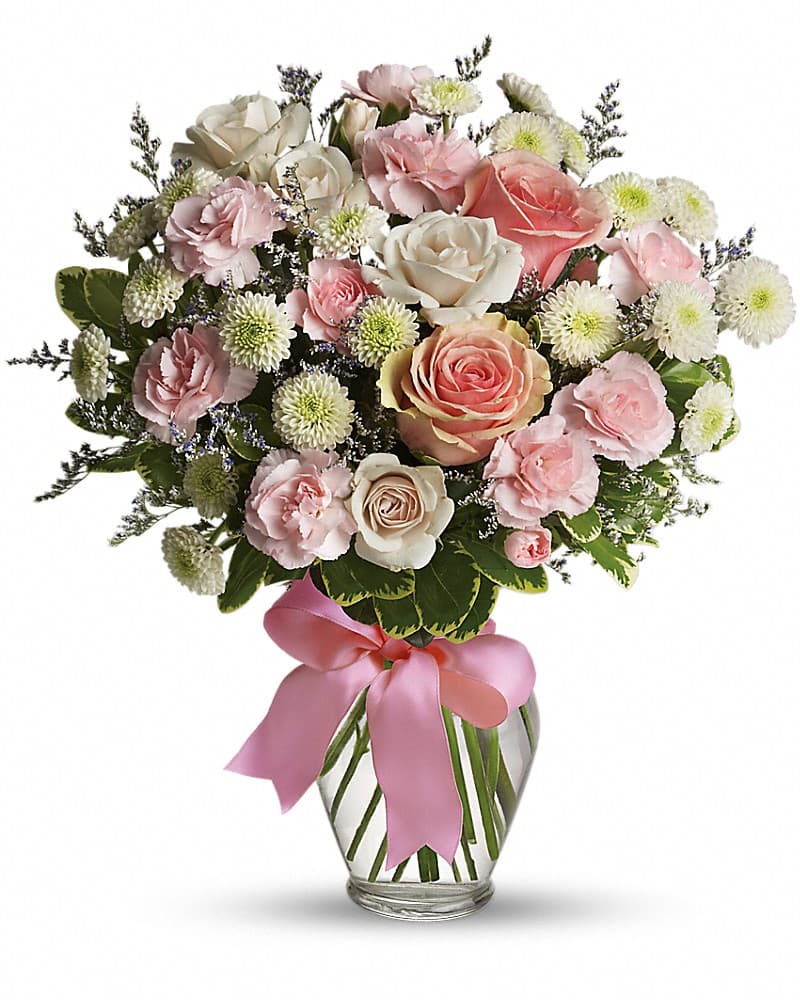
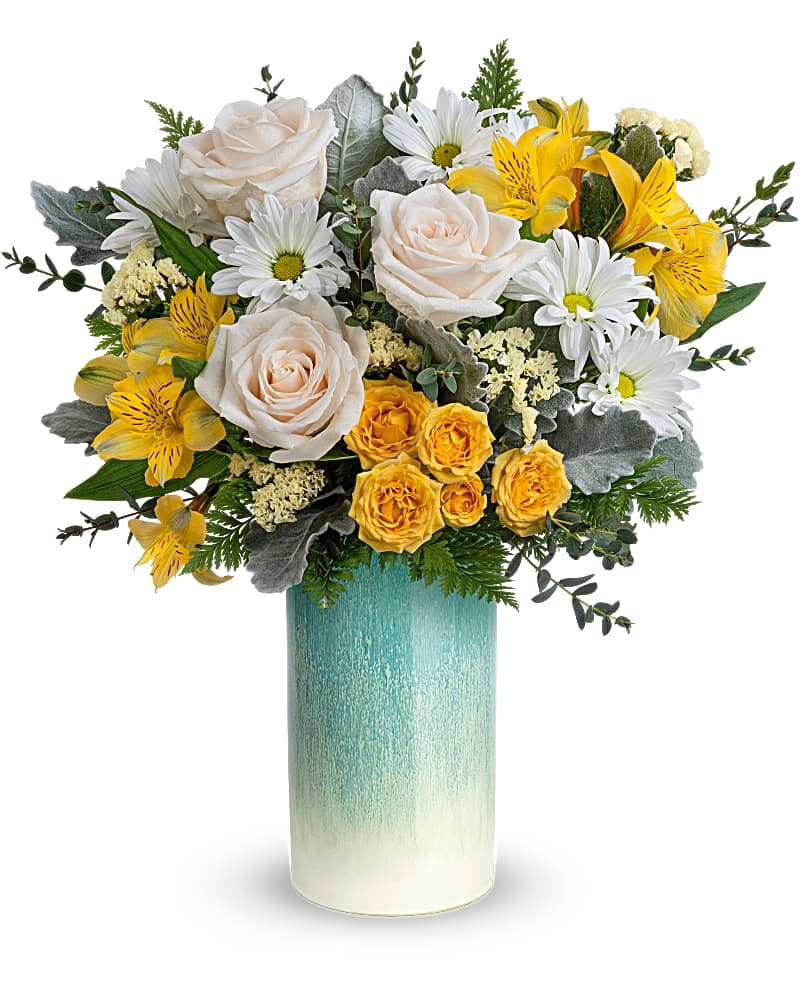
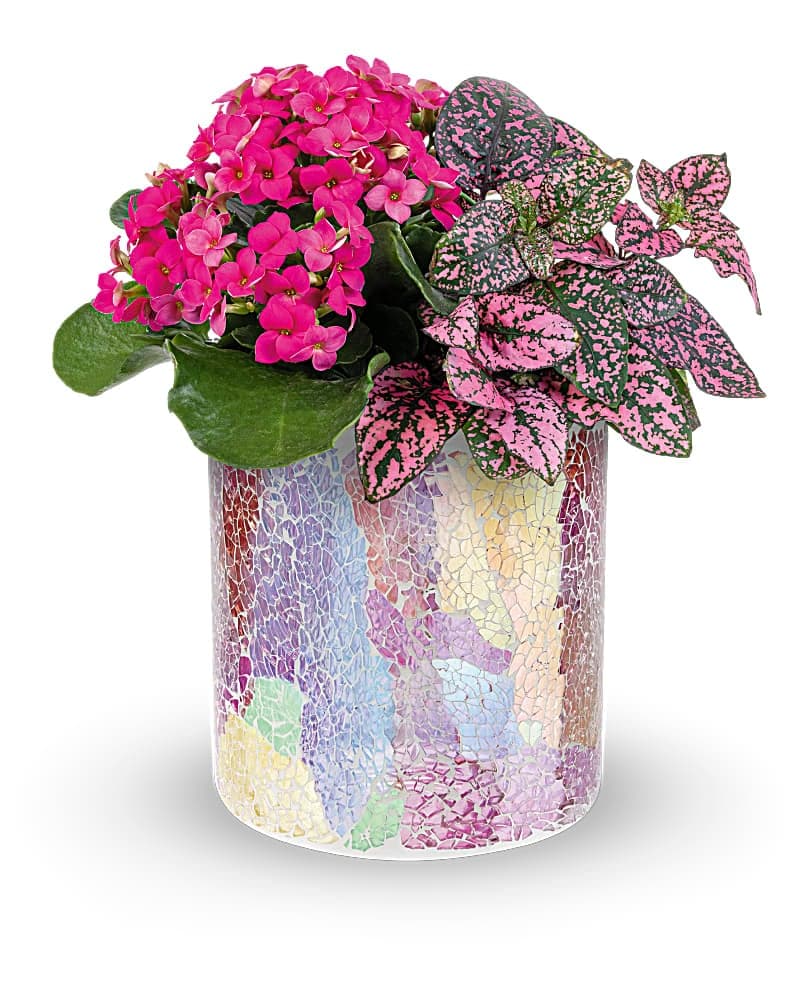
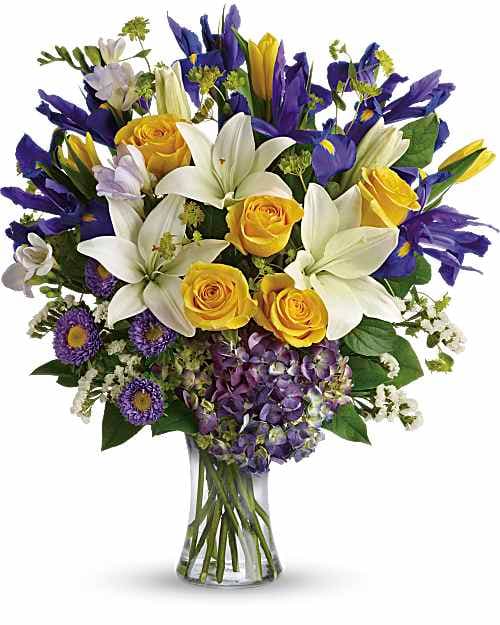
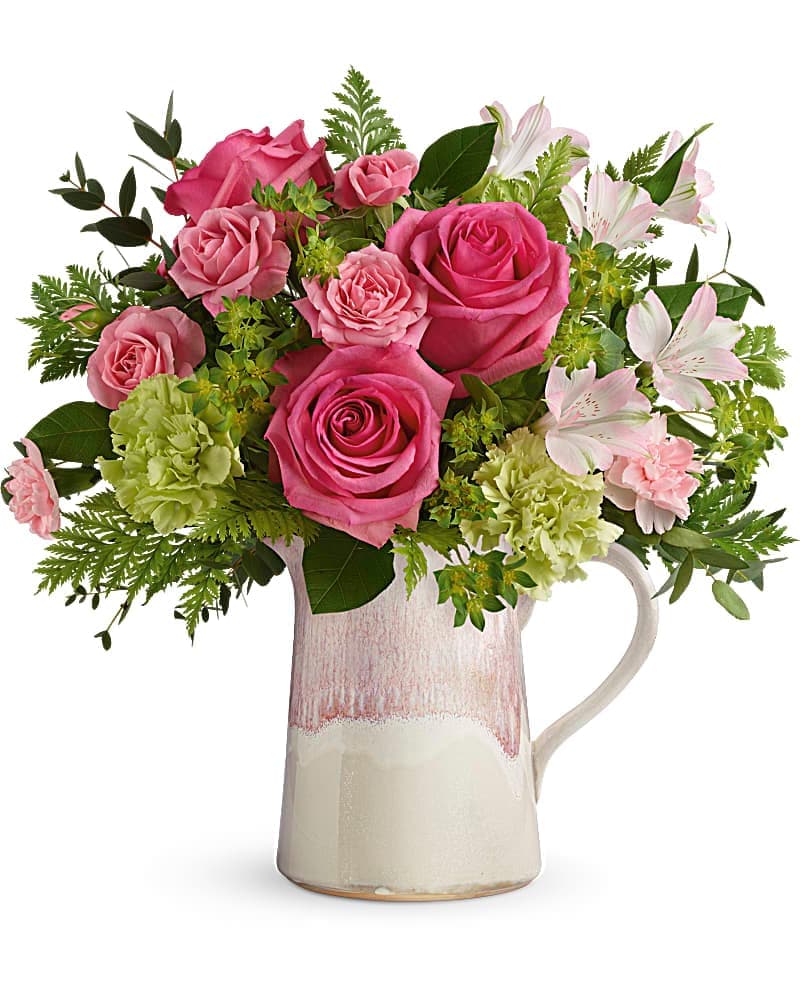
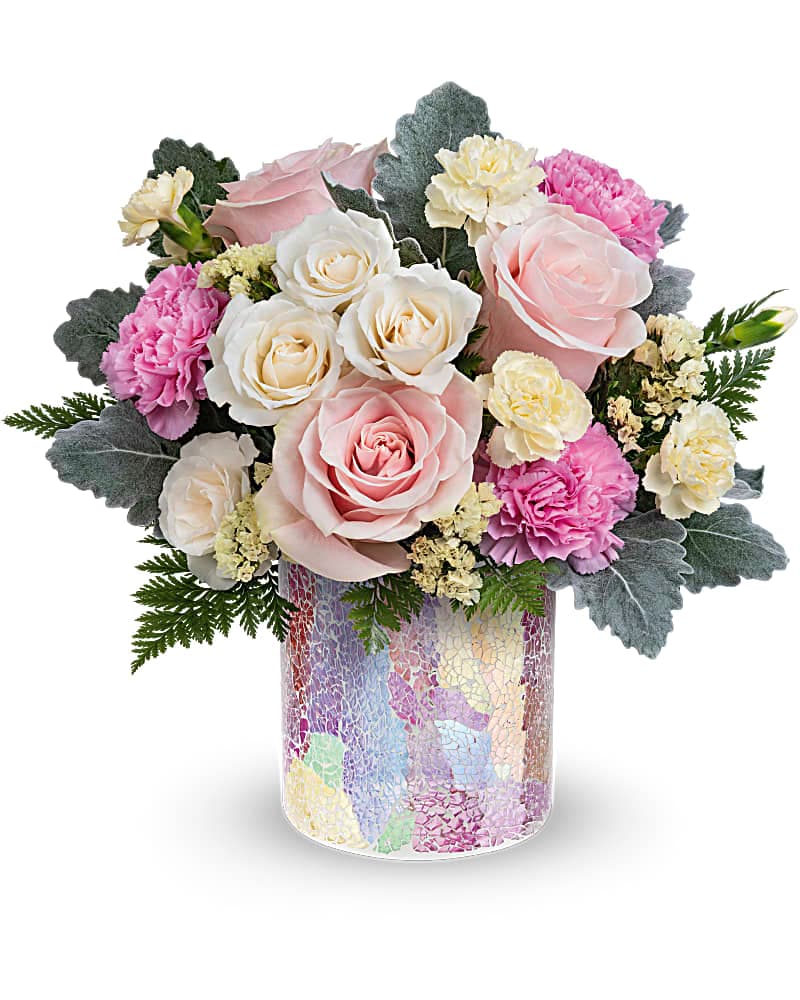
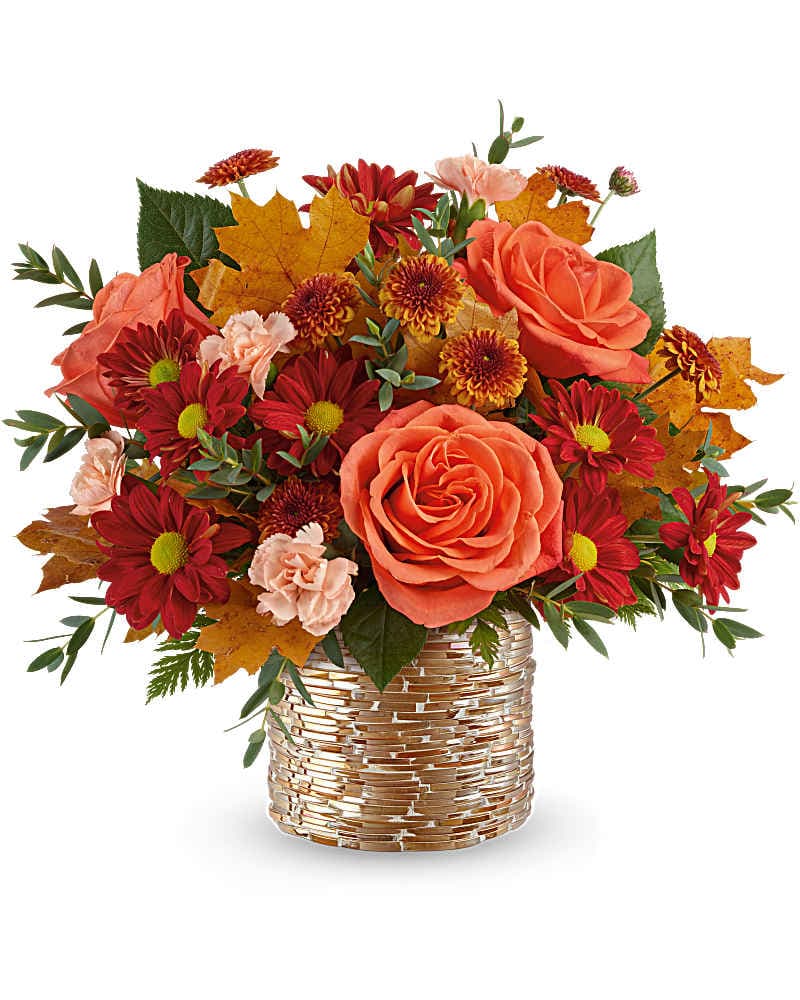
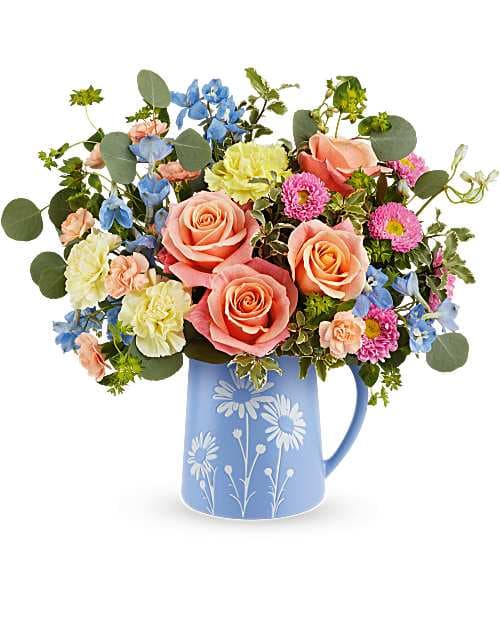
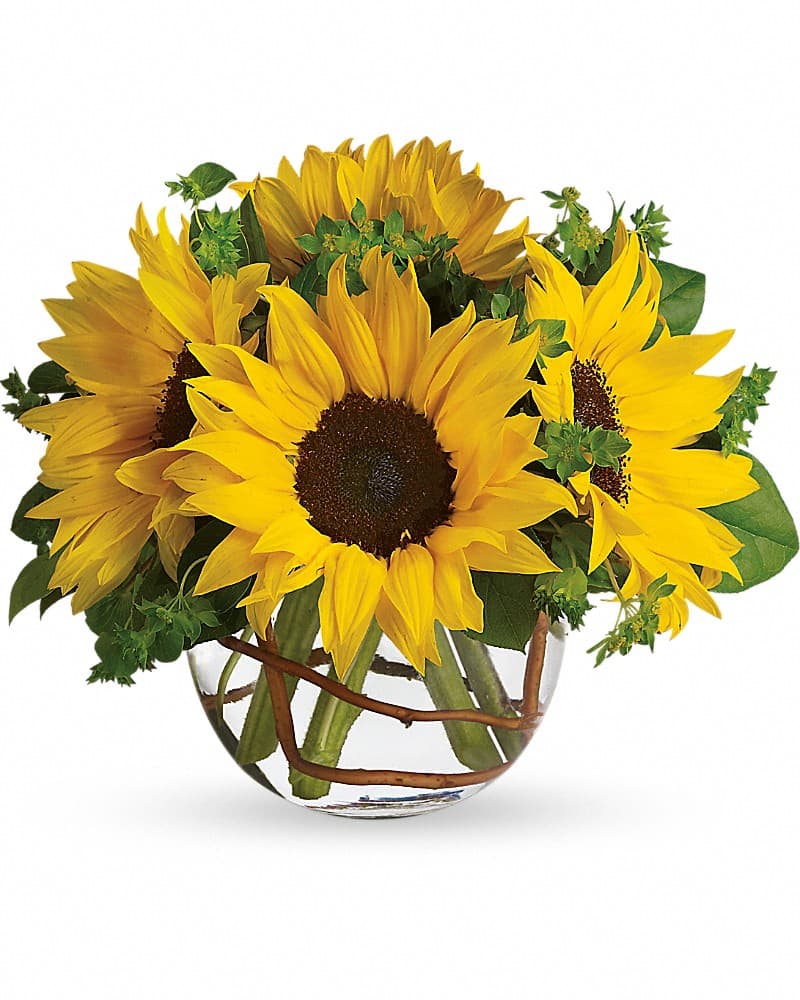
An Upland year has a shape and the bench follows it, which is useful to know when you are buying nothing in particular. Late winter puts tulip, ranunculus, anemone and stock on the tables while there is still snow on Mount Baldy above the city. Spring brings sweet pea, iris, snapdragon and the first garden roses, and the citrus that built this valley comes into blossom on the older streets — Upland grew out of the Chaffey brothers' colony as a packing-house town and still runs a Lemon Festival. Summer is the hot, bright end of the calendar: sunflower, gerbera, dahlia, lisianthus and hydrangea, built sturdier because an afternoon here can sit above 100 degrees. Autumn turns toward dahlia, chrysanthemum and celosia in the warmer colors, and winter leans on rose, amaryllis, tulip and evergreen. None of it needs a reason attached, which is more or less the point of the occasion.