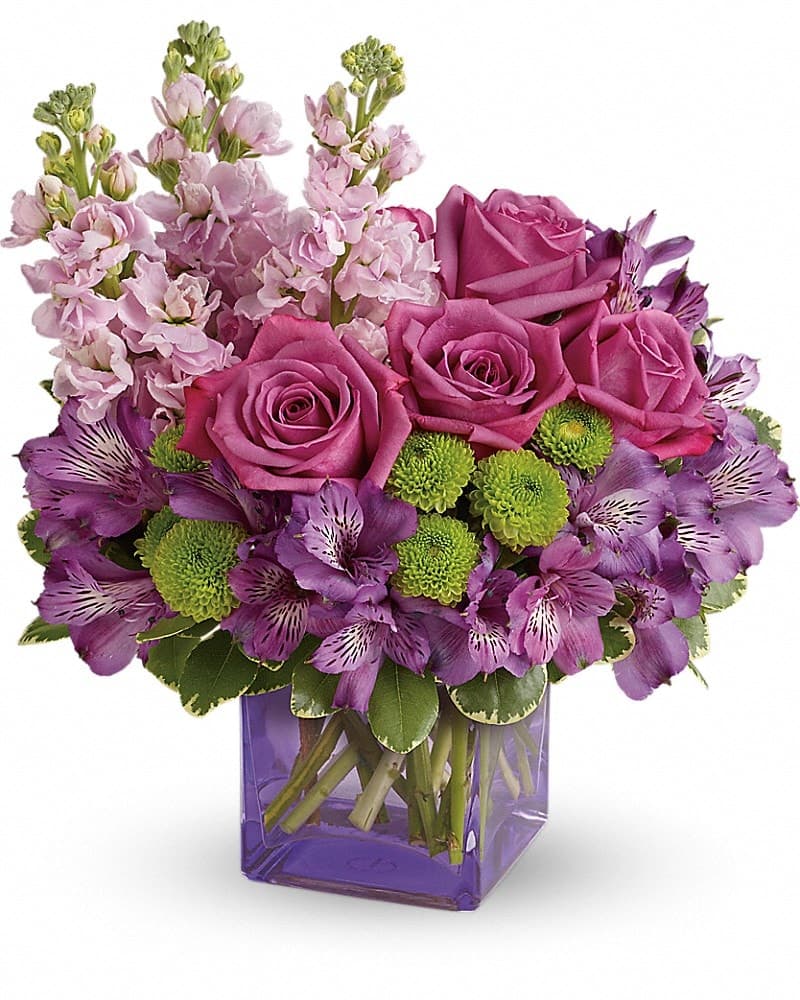
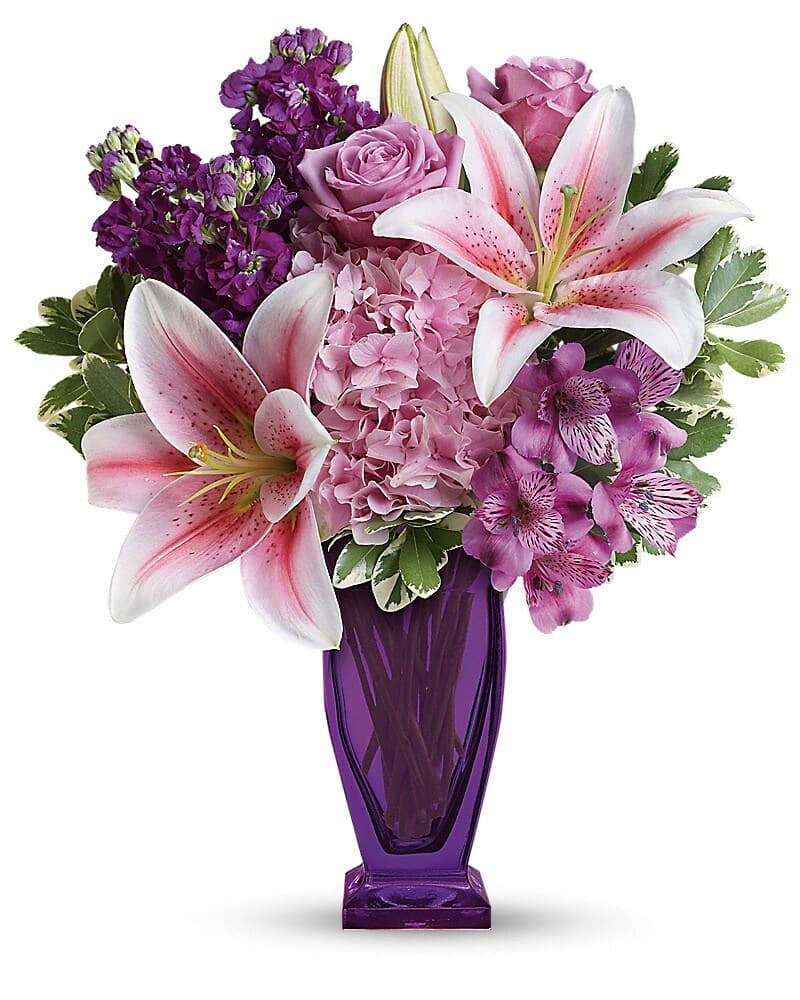
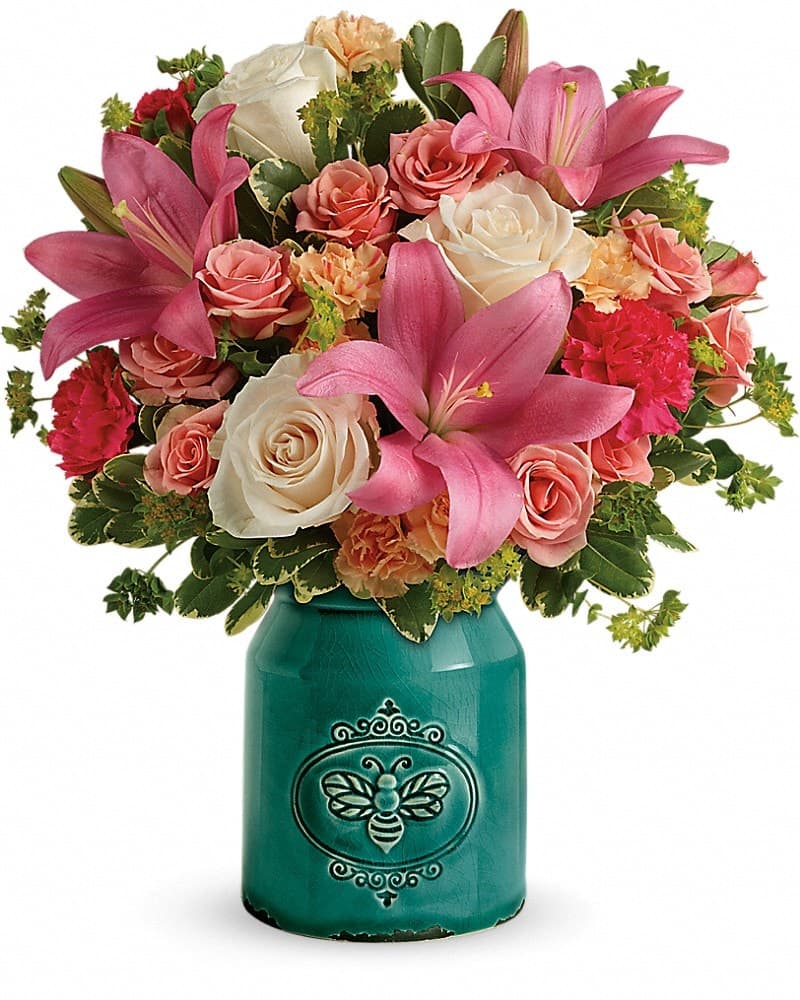
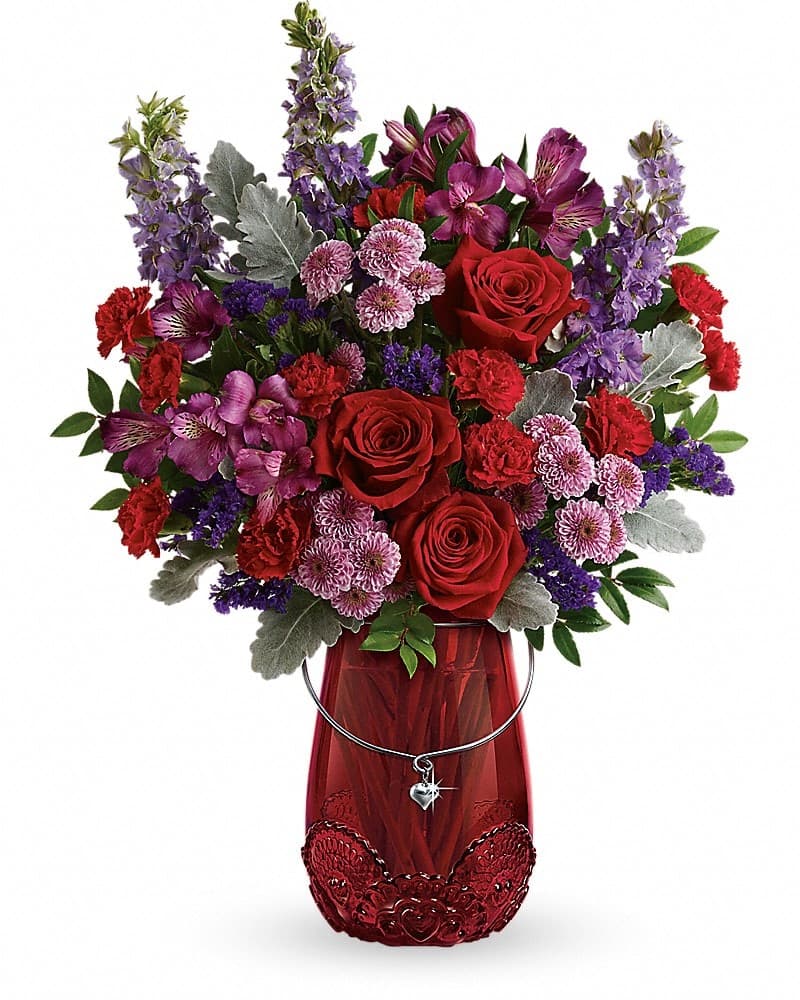
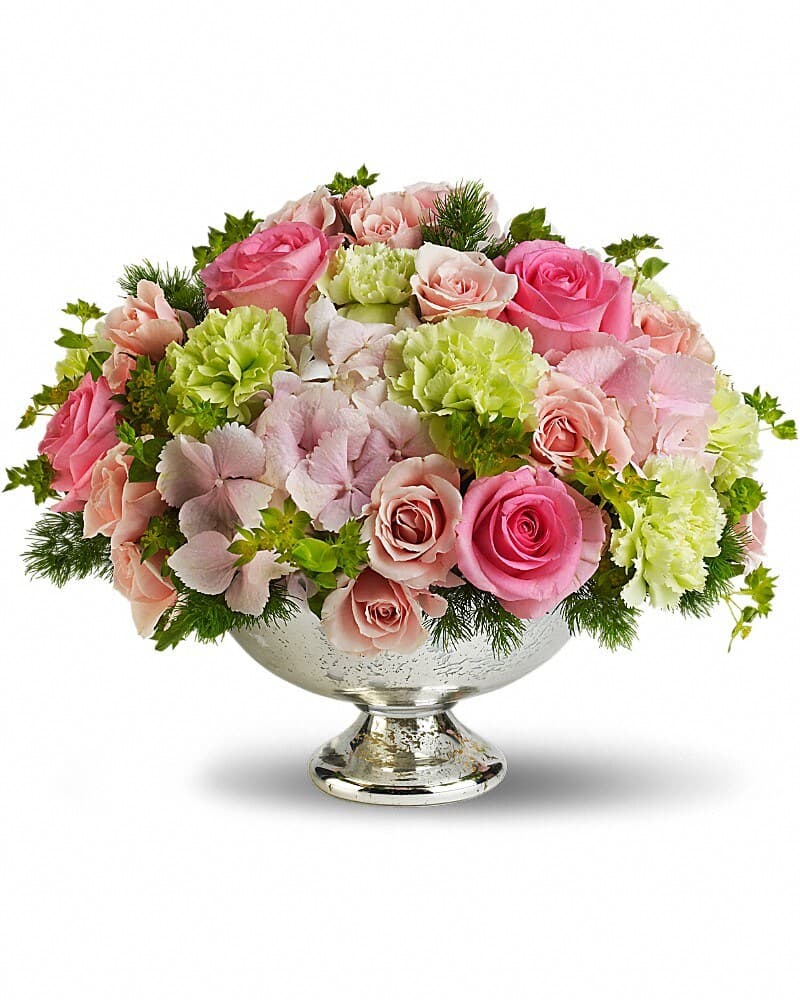
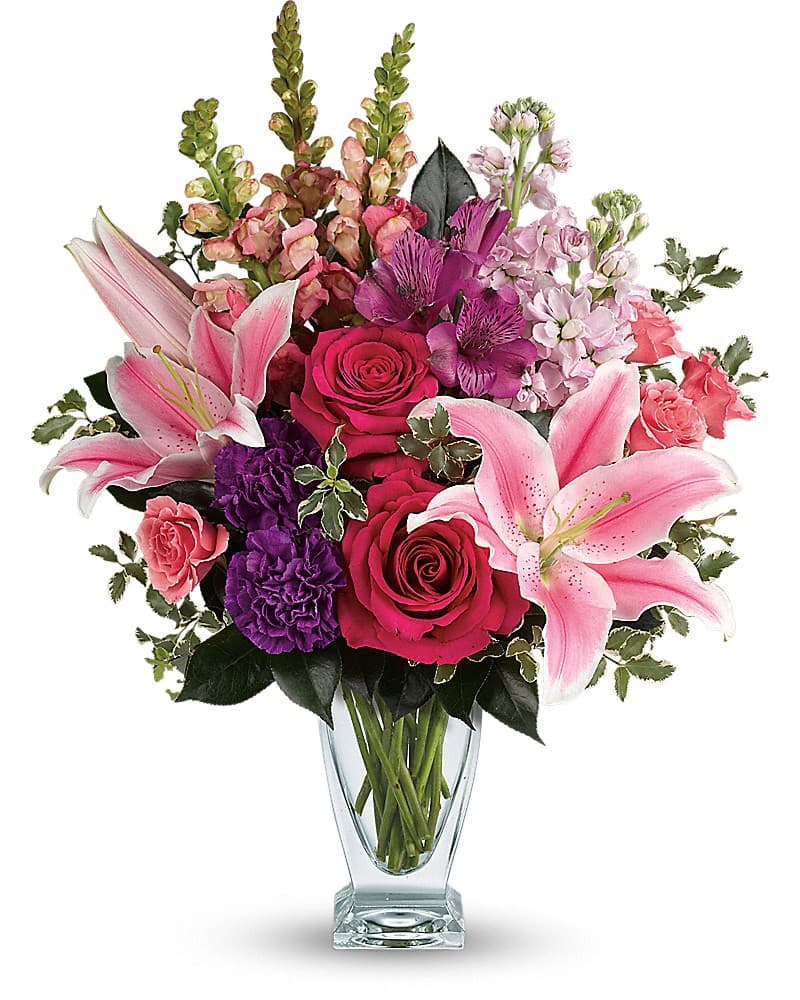
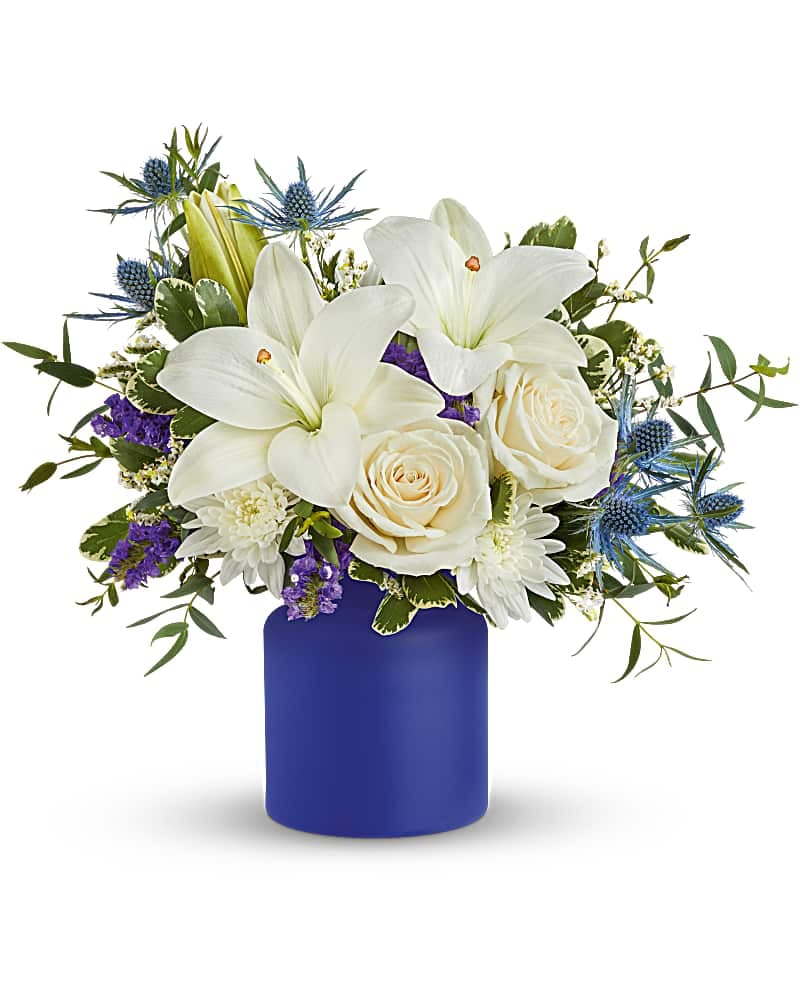
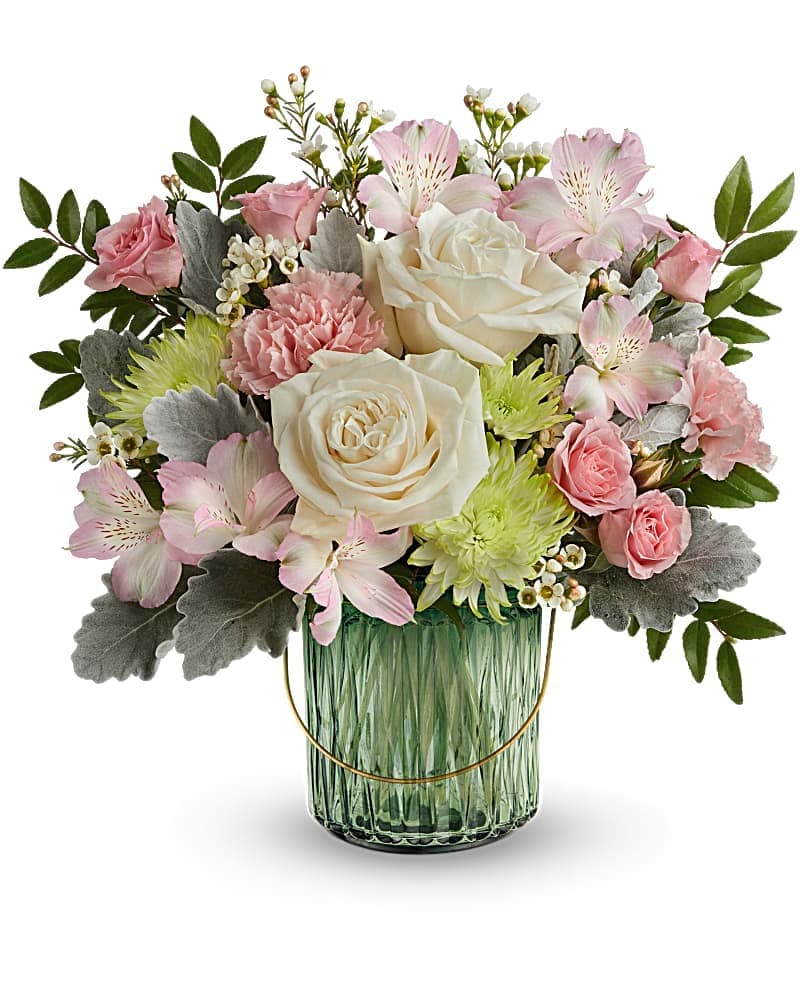
Four of this market's five hospitals sit on the same stretch of freeway frontage, which is the best thing about sending get-well flowers in The Woodlands and also the thing people get wrong. Along the Interstate 45 South service road between TX-242 and Research Forest you will find Houston Methodist The Woodlands Hospital at 17201 I-45 South, Texas Children's Hospital The Woodlands a few hundred yards further at 17580, and MD Anderson's Woodlands location beside them — with St. Luke's Health The Woodlands Hospital just off the same interchange on St. Luke's Way. They are close enough together that a driver can see two of them at once, which is exactly why orders end up at the wrong one. Houston Methodist and Texas Children's are separate hospitals with separate lobbies, separate patient directories and separate floor policies, and an arrangement addressed to "the hospital on I-45" will be carried into one of them and then carried back out. The fifth, Memorial Hermann The Woodlands Medical Center, is nowhere near the other four — it is on Pinecroft Drive off the Woodlands Parkway interchange, a different exit and a different approach. Name the hospital, the unit and the room. That one line saves more failed deliveries here than anything else on this page.
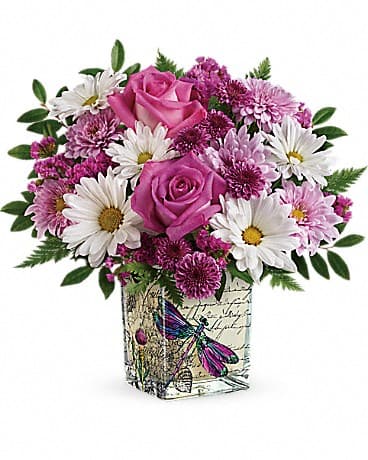
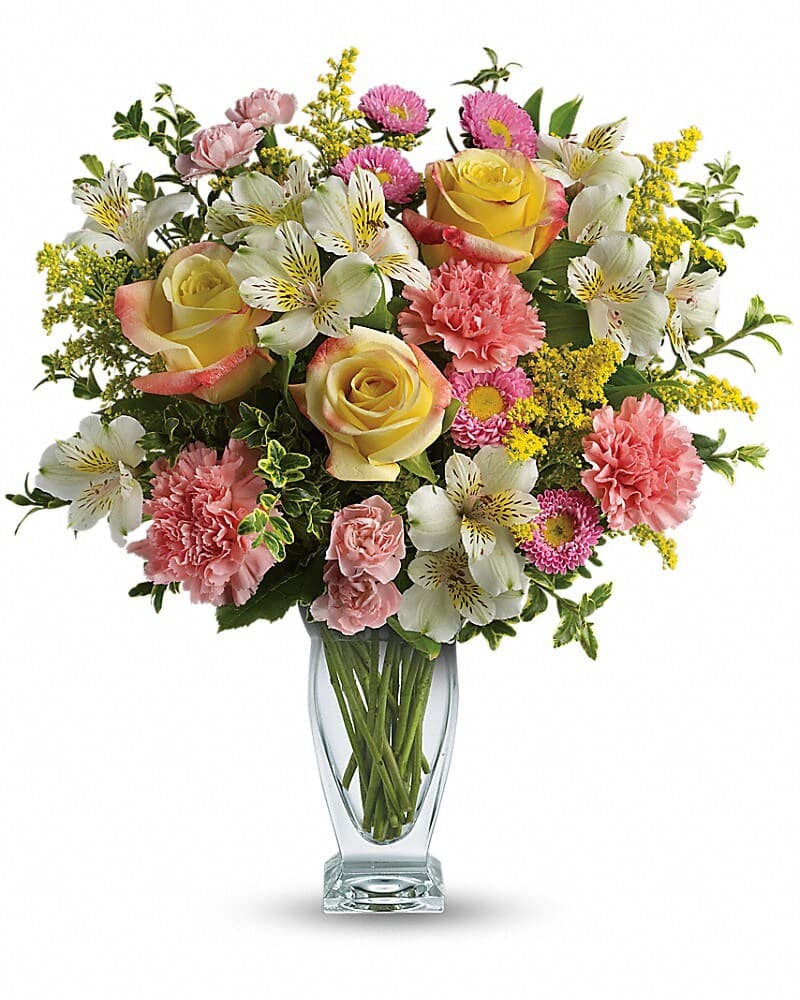
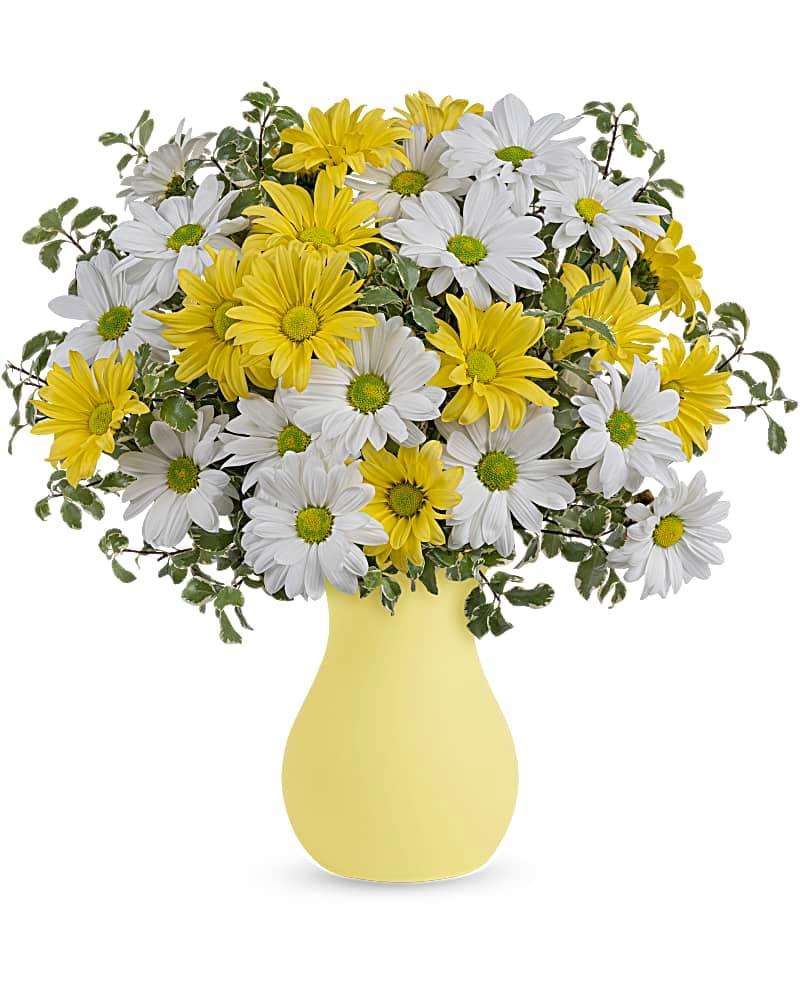
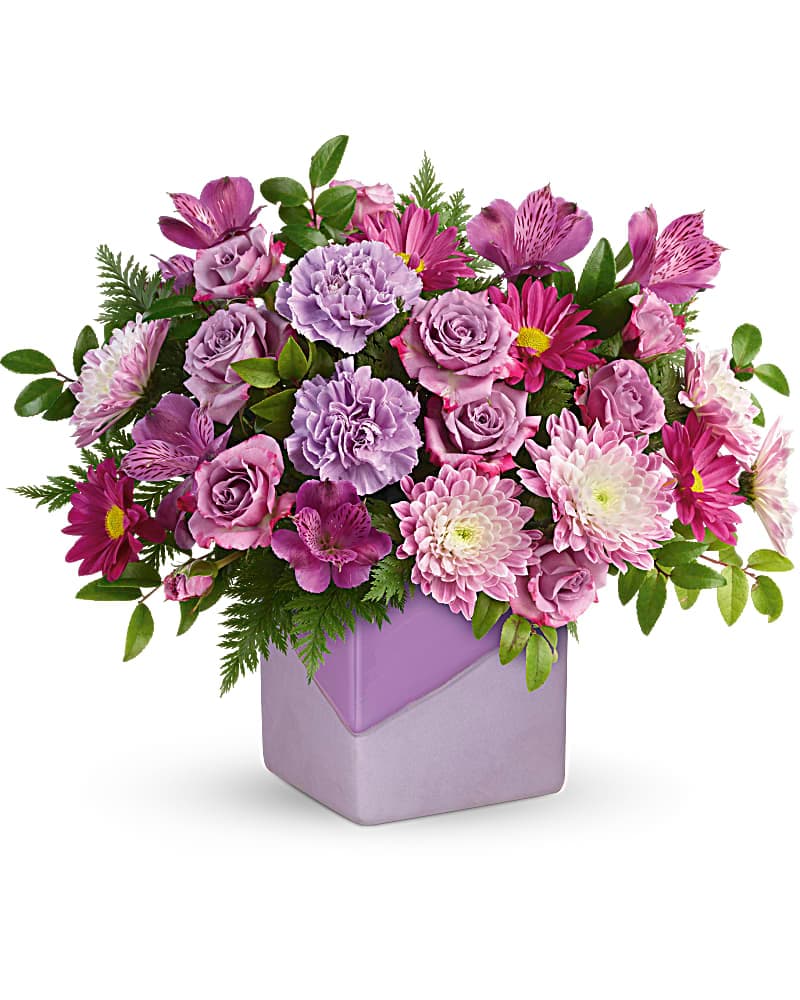
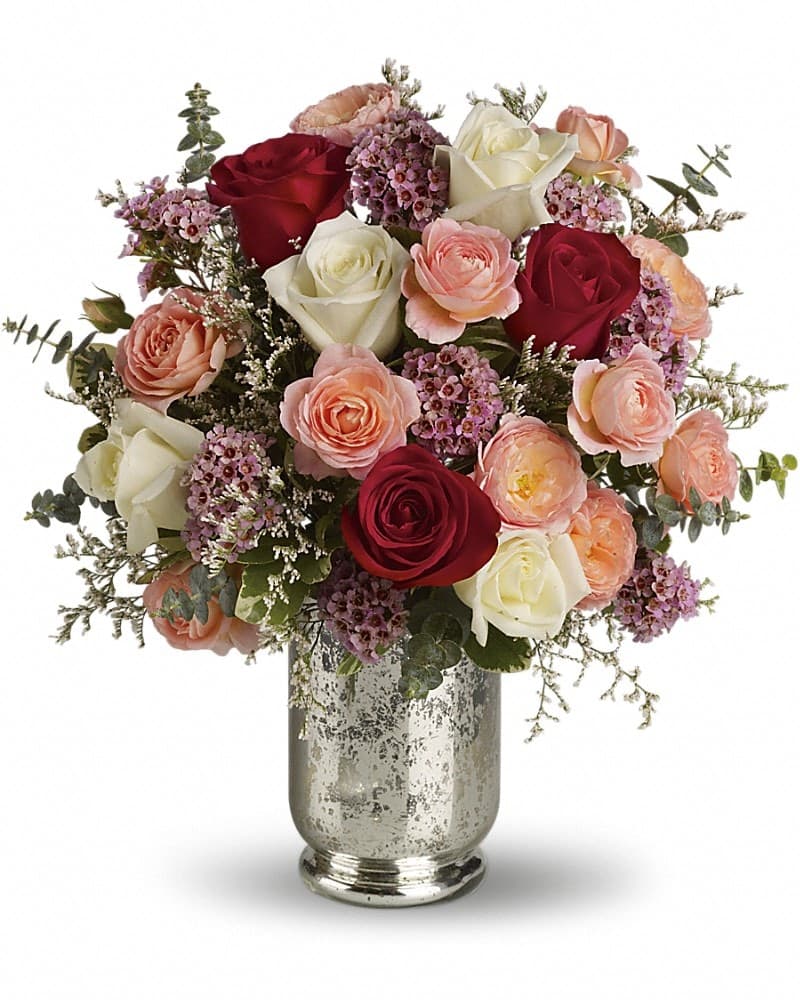
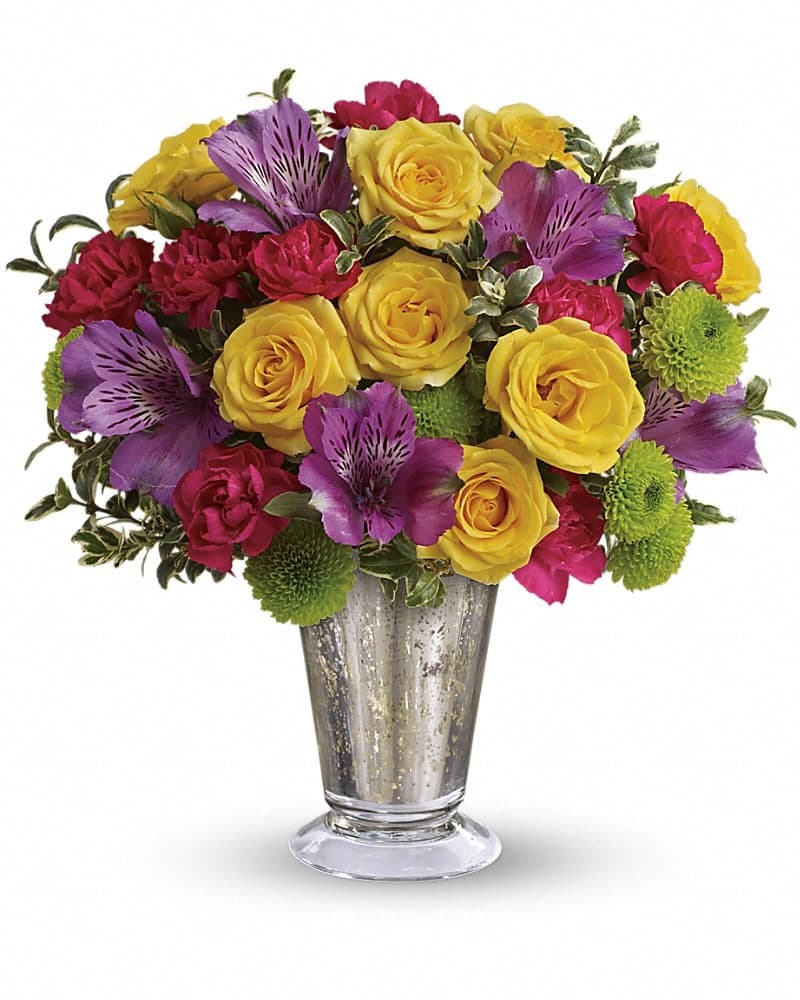
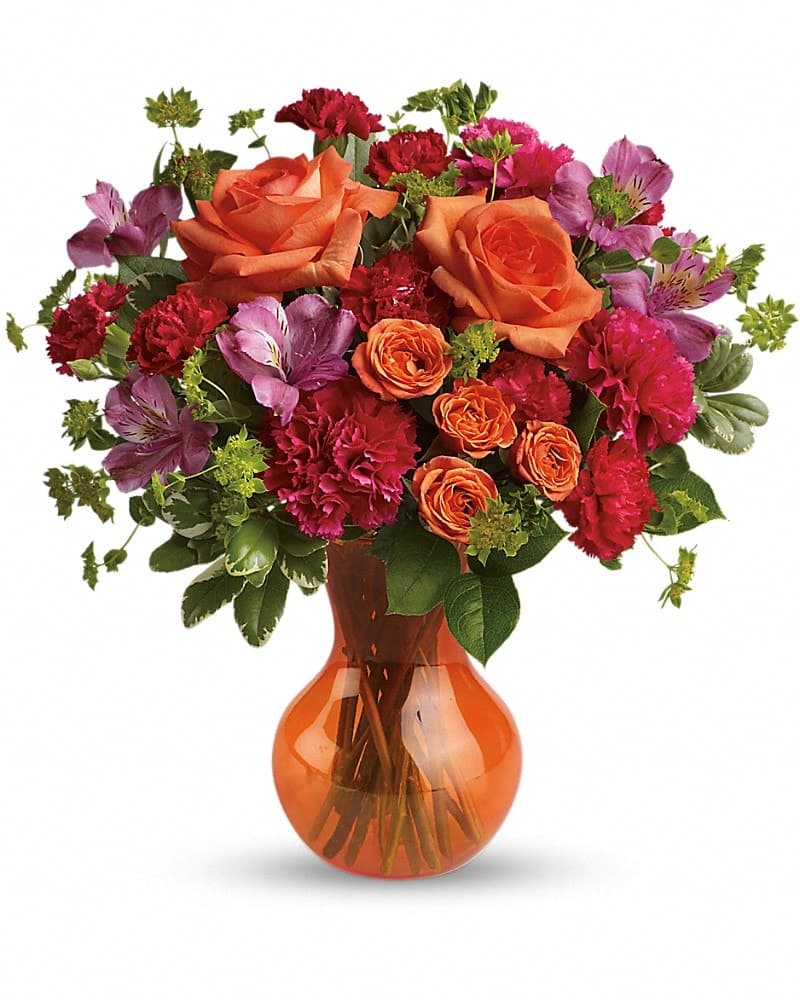
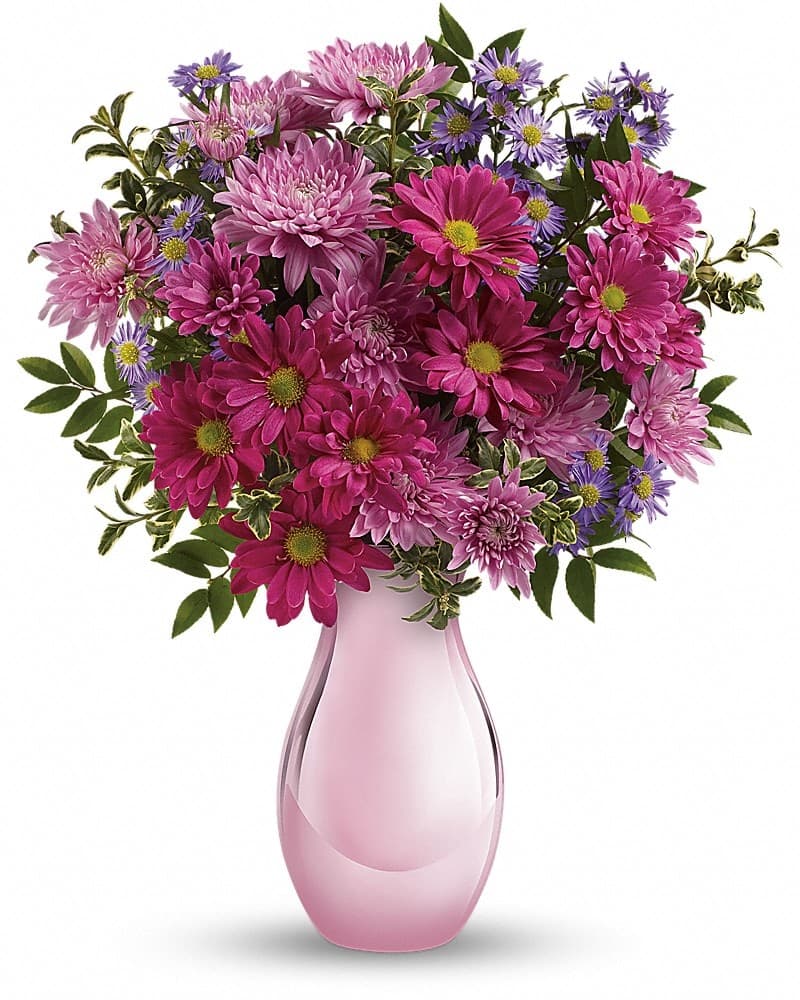
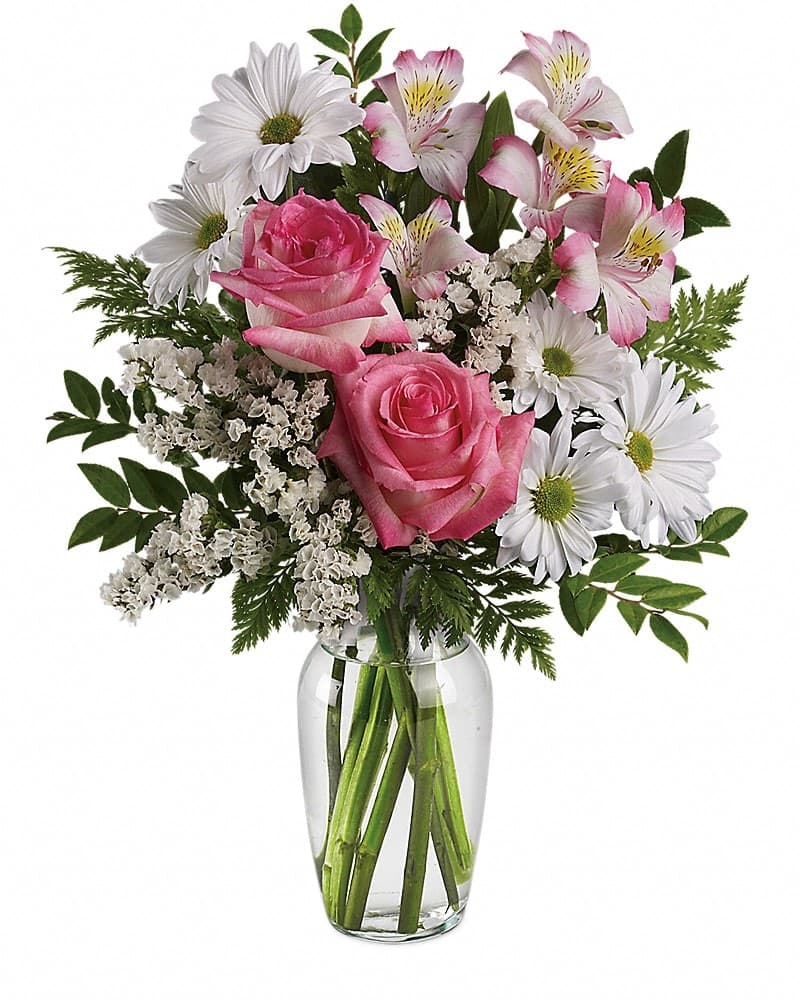
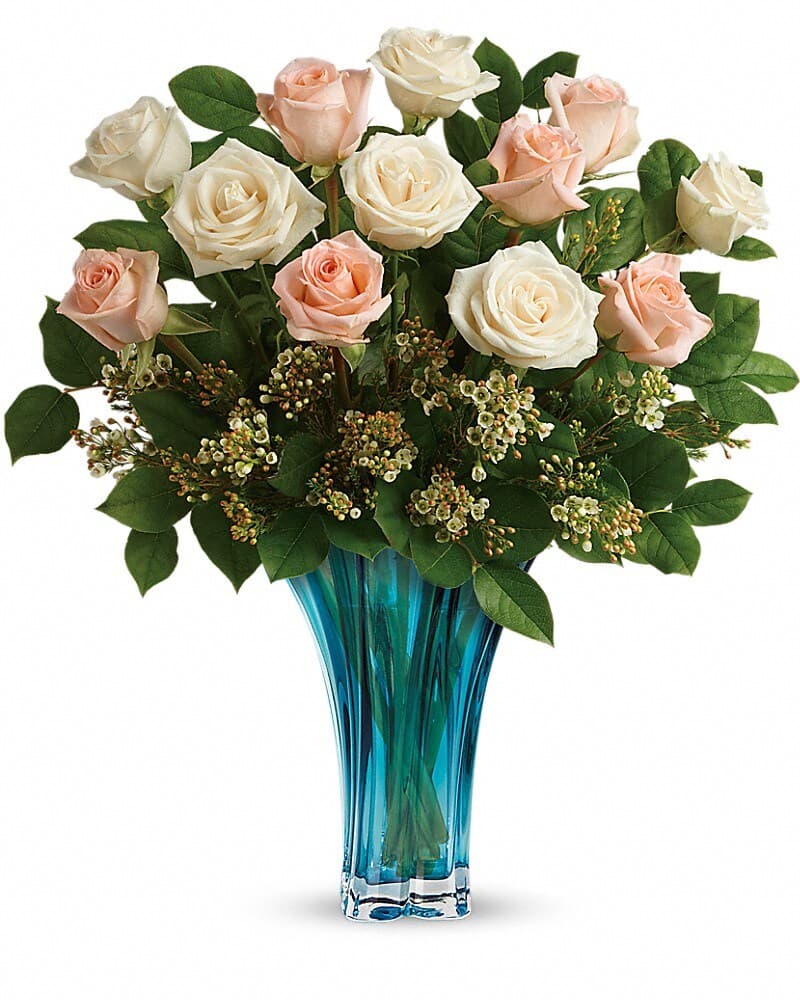
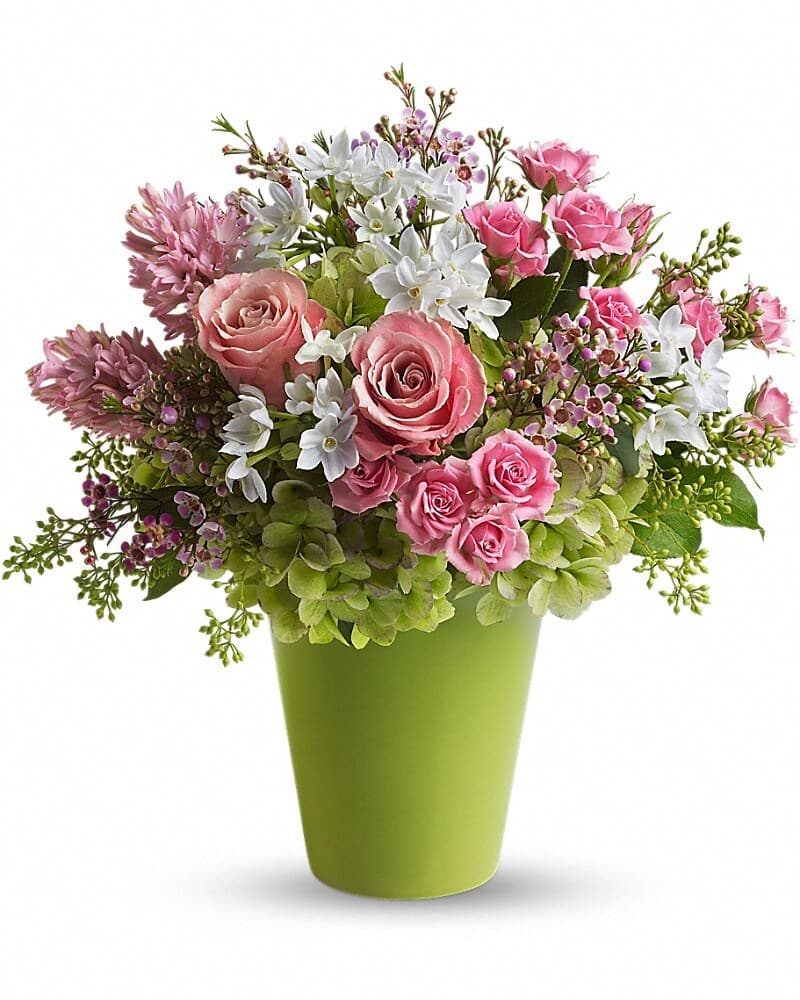
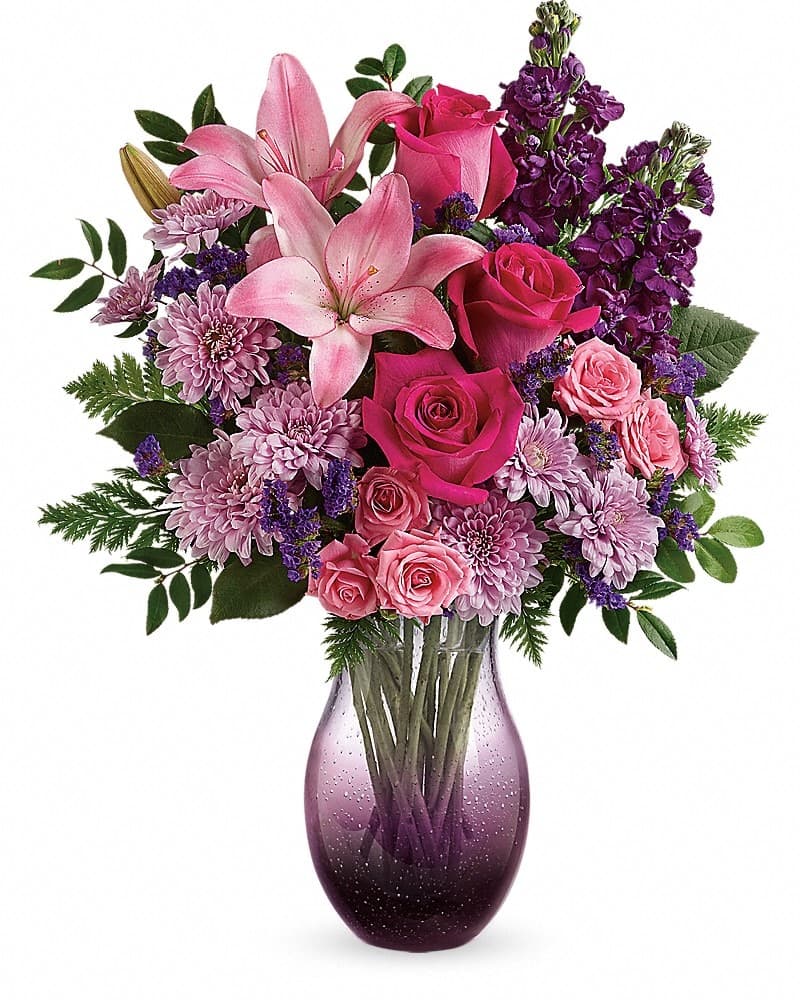
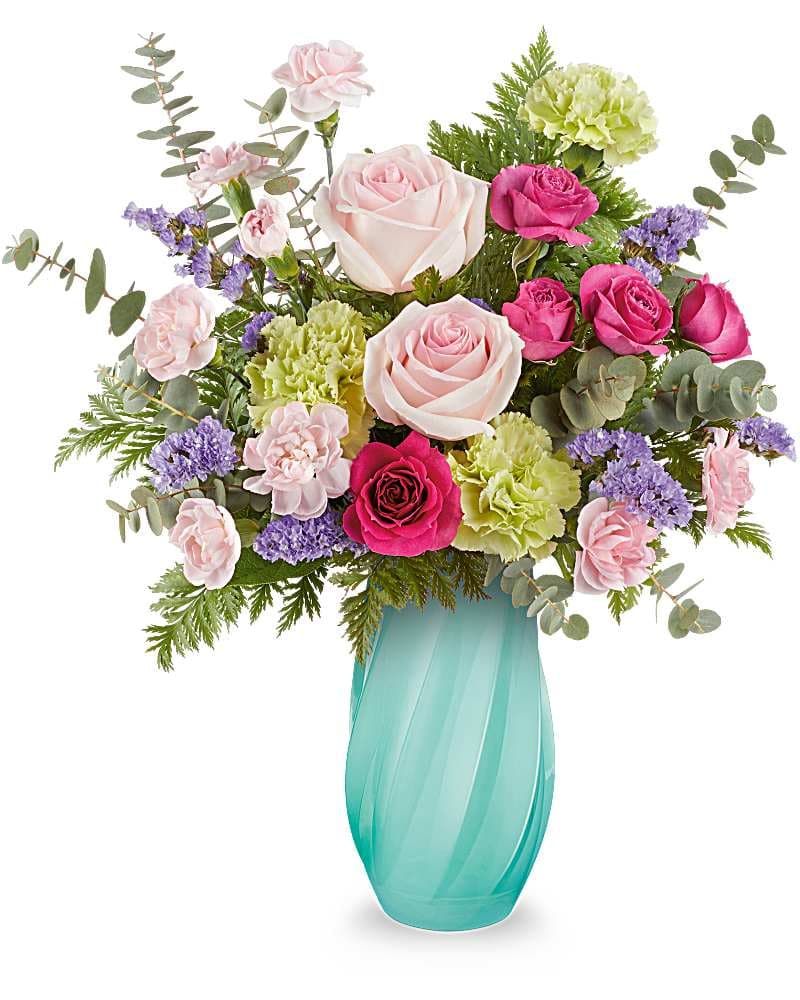
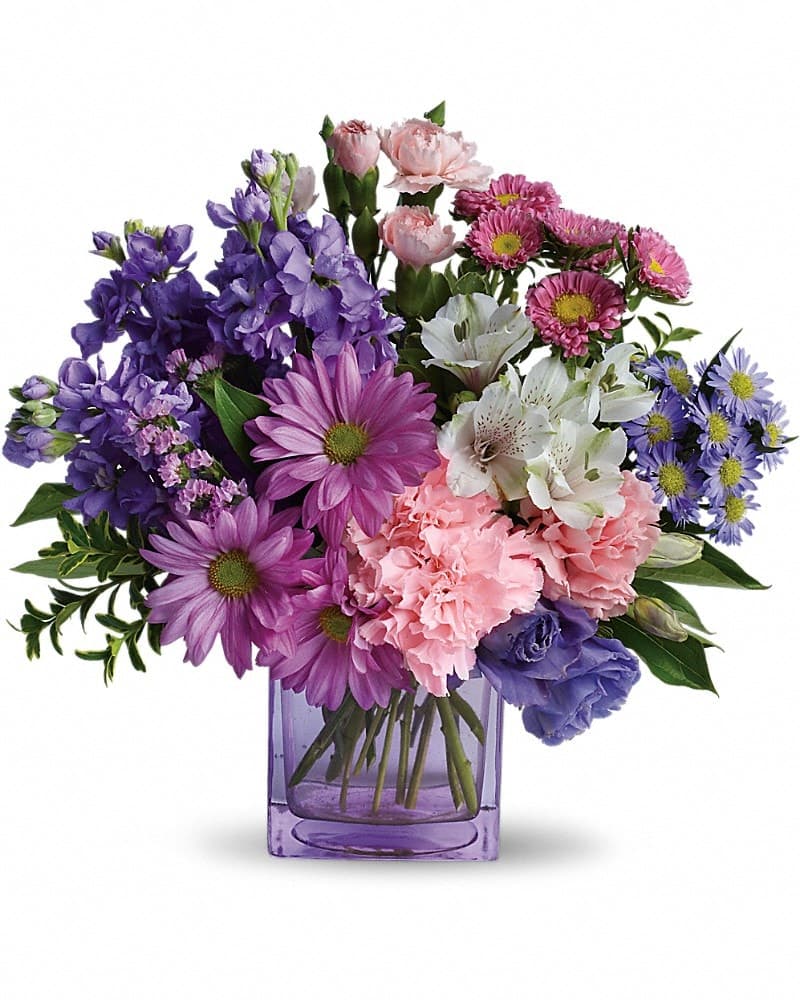
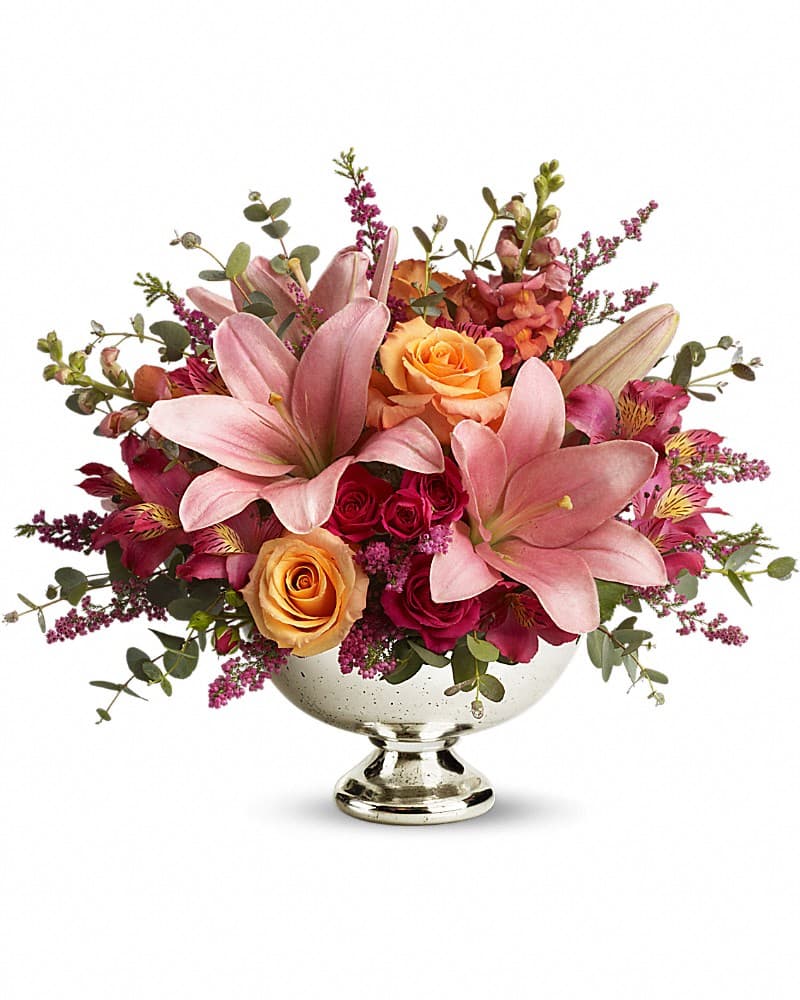
Floor rules are not uniform across these buildings, and the differences are worth knowing before you choose a design. Texas Children's The Woodlands is the strictest address on the grid: pediatric intensive care and the newborn units generally accept no flowers or live plants at all, and where they are accepted the ward wants no lilies, no latex balloons, no fragrance and no loose pollen. For a family in a pediatric ICU, the arrangement that actually helps goes to the parents' home or to a family lounge, not to the bedside. MD Anderson The Woodlands and the oncology and infusion areas at Houston Methodist and Memorial Hermann want the same lily-free, low-pollen, fragrance-free build, and for immunocompromised patients a potted plant with live soil is often refused outright — that gift belongs at discharge, not during treatment. Intensive care, and cardiac and neuro step-down units across all these systems, are frequently flower-free by policy, with a lobby handoff to a family member the only route in. Post-surgical, orthopedic and maternity floors are the most permissive and will take almost anything. The safe build everywhere in this corridor: alstroemeria, lisianthus, spray roses, carnations, gerbera and solidago, in an unbreakable vessel under about fourteen inches so it fits on a rolling tray table without blocking the patient's line of sight to the door.
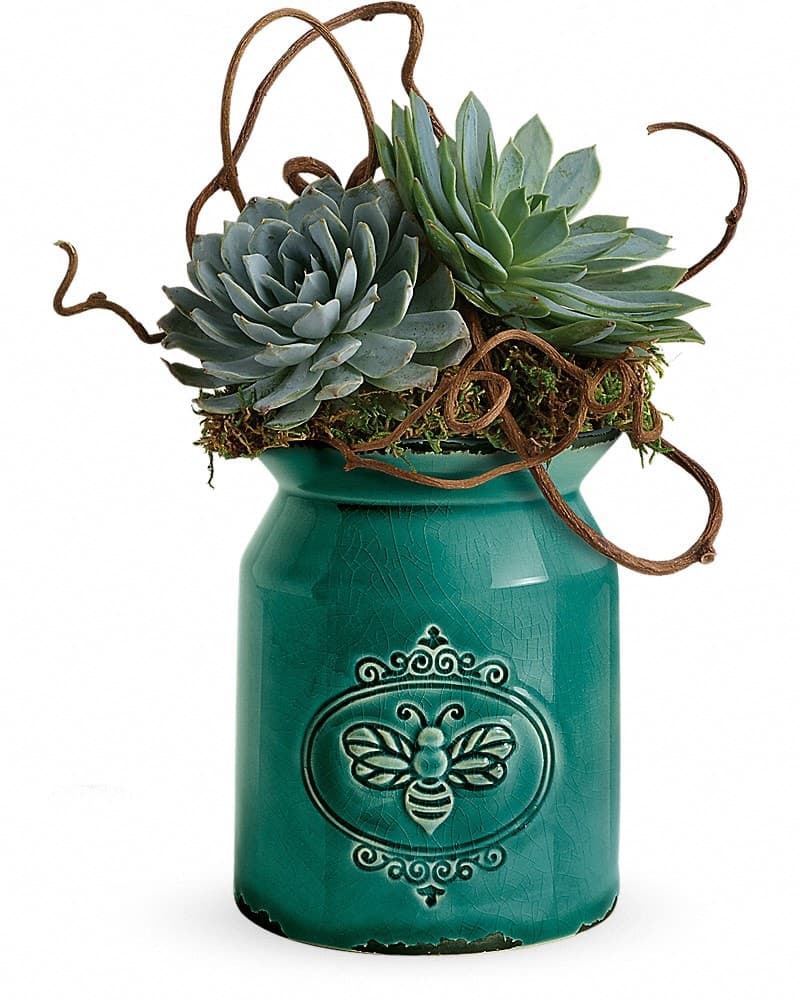
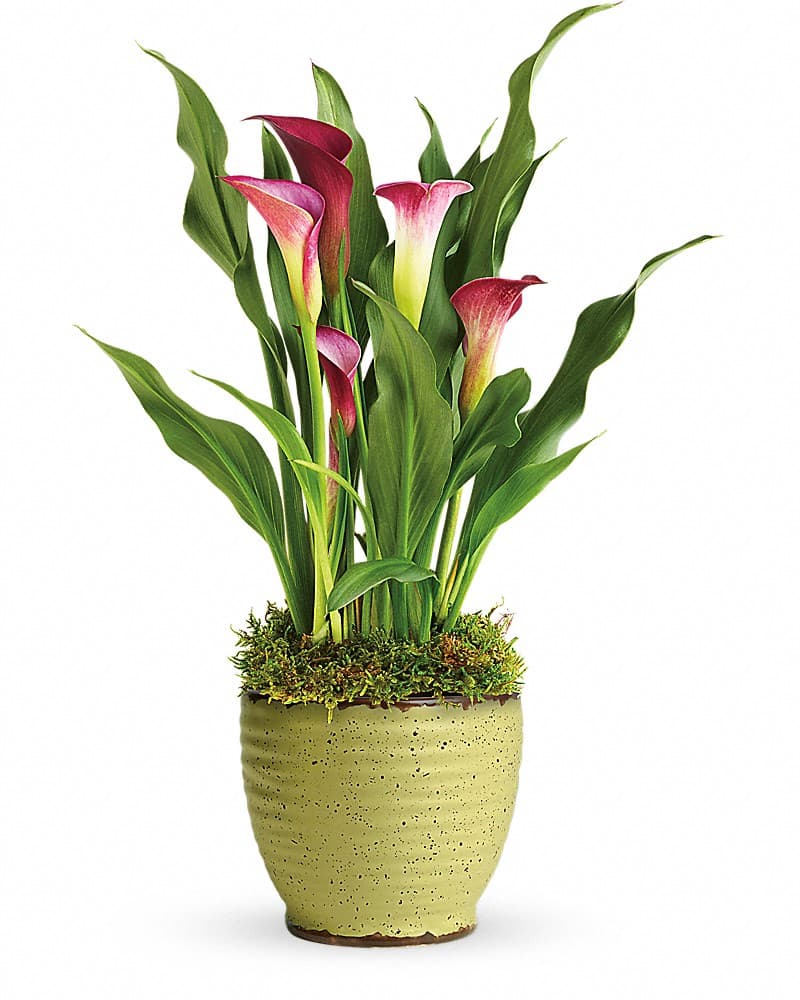
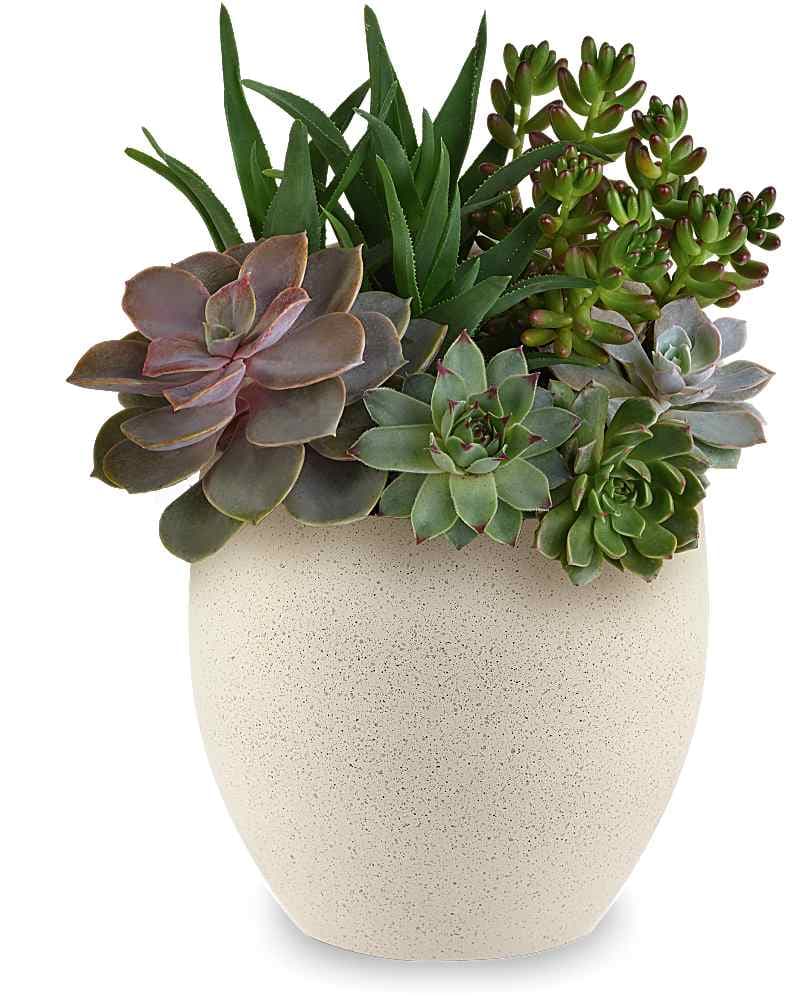
Home recovery is the part people plan for worst, and in a community with this age spread it is most of the volume. A joint procedure or a cardiac workup done on the I-45 corridor puts somebody back into a two-story Woodlands house inside a couple of days, and the useful gift then is not the hospital gift. There is no tray table to fit, nobody is enforcing a floor rule, and the recipient is going to look at the same arrangement from the same chair for two weeks. That argues for a plant or a long-lasting mixed design over anything delicate, for a vessel that someone with limited reach can top up from a kitchen tap without lifting it, and for putting it where the person actually sits rather than on a hall table where only visitors will see it. Ask the family three questions before you order. Are they upstairs or downstairs — upstairs means it has to be light enough to carry one-handed on a stair rail. Is there a cat in the house — that rules out lilies outright no matter what the hospital would have allowed. And is anyone coming in daily — if not, a pothos or a dish garden survives neglect in a way cut stems will not.