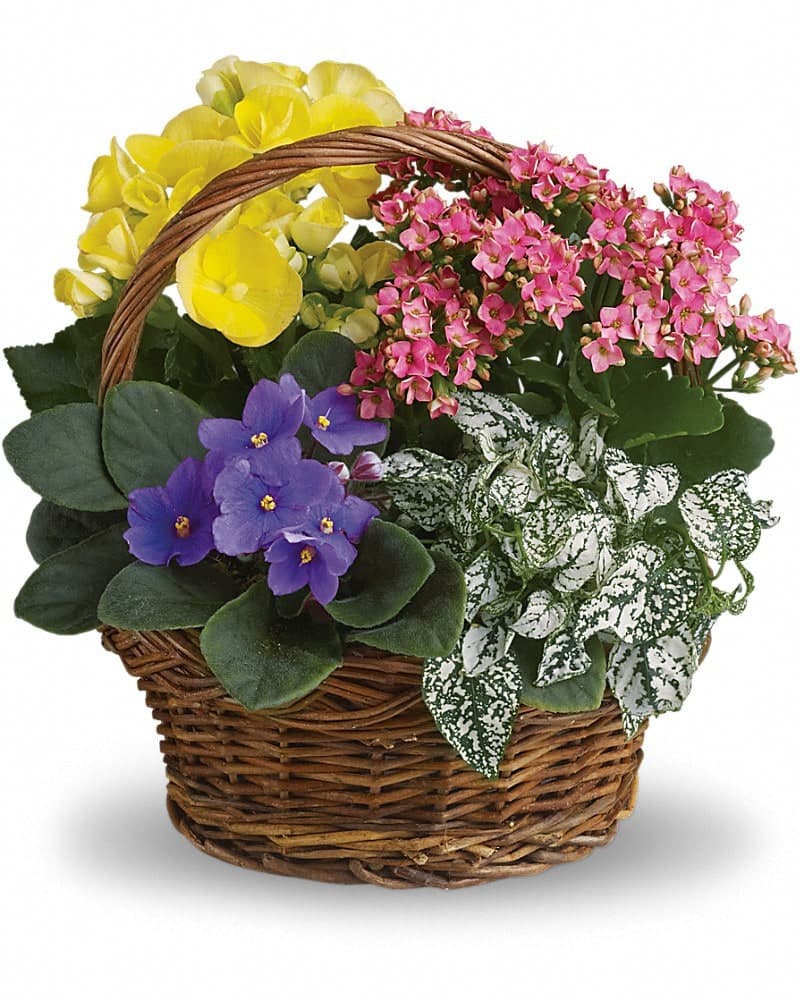
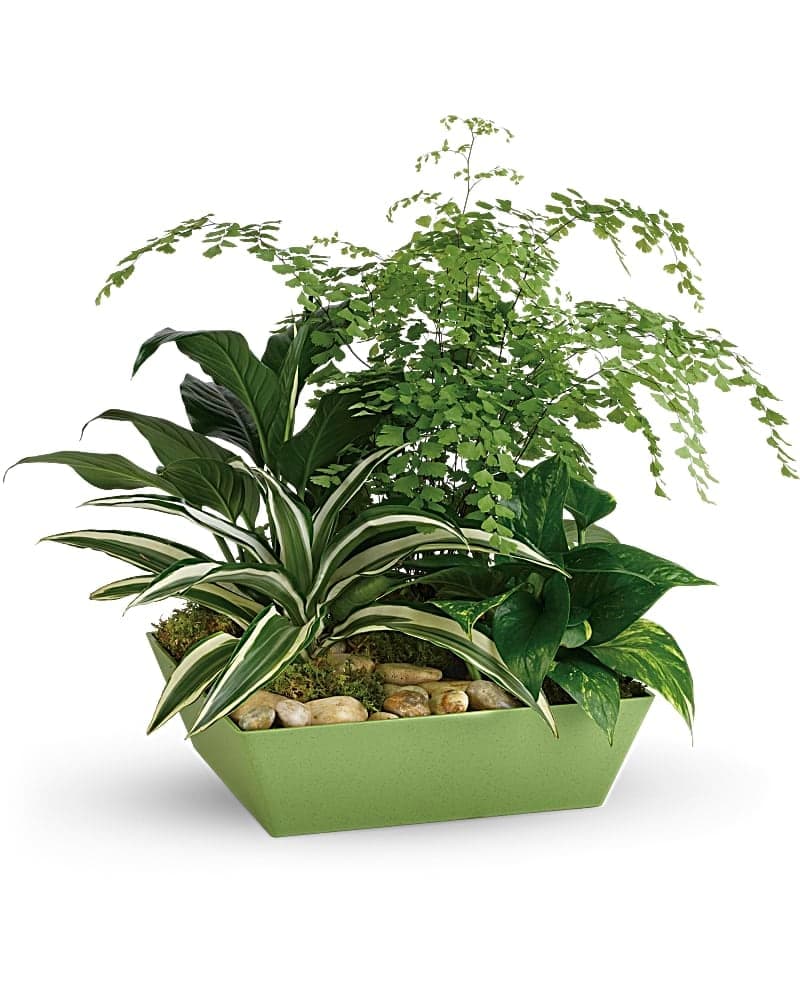
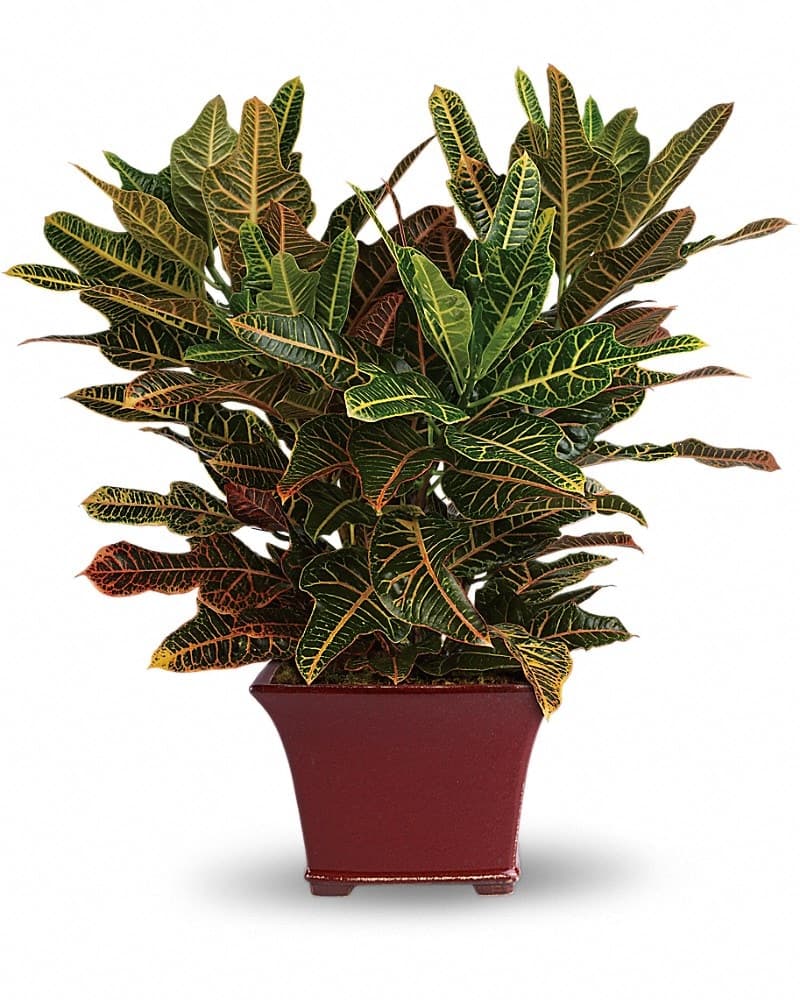
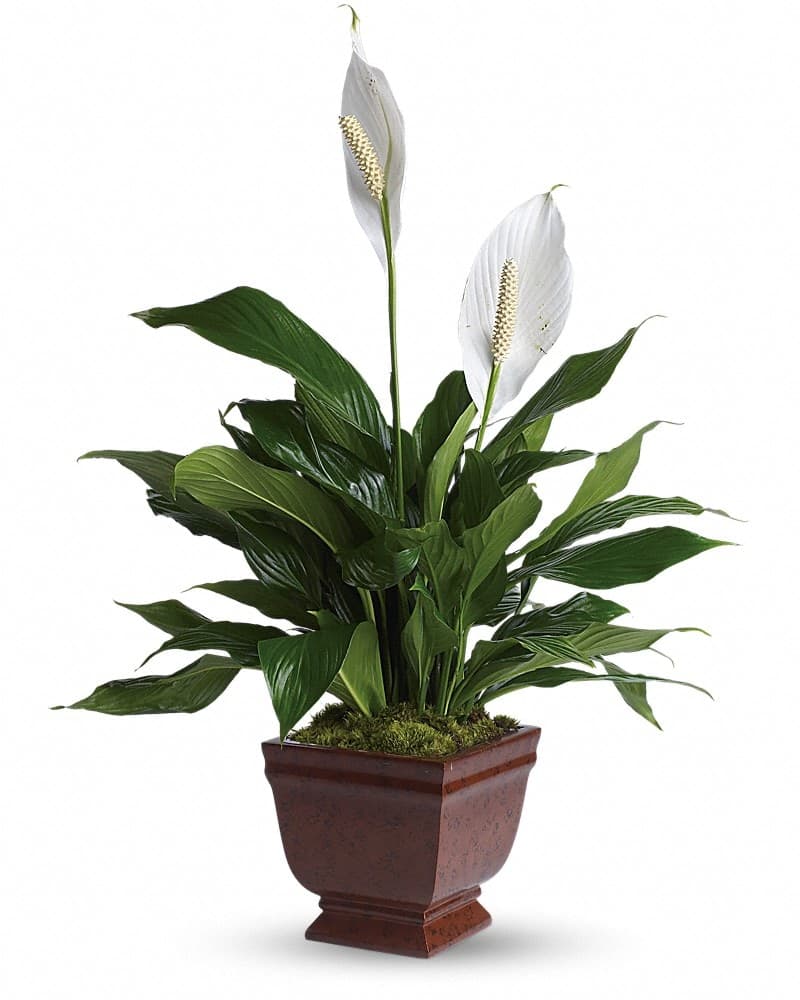
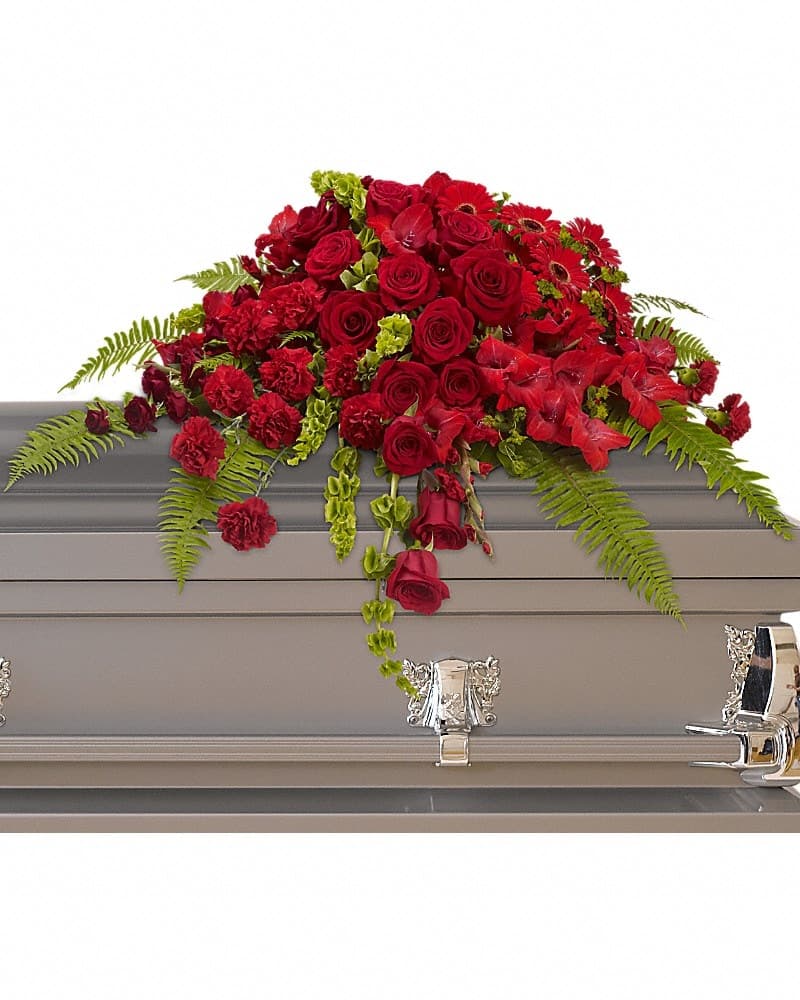
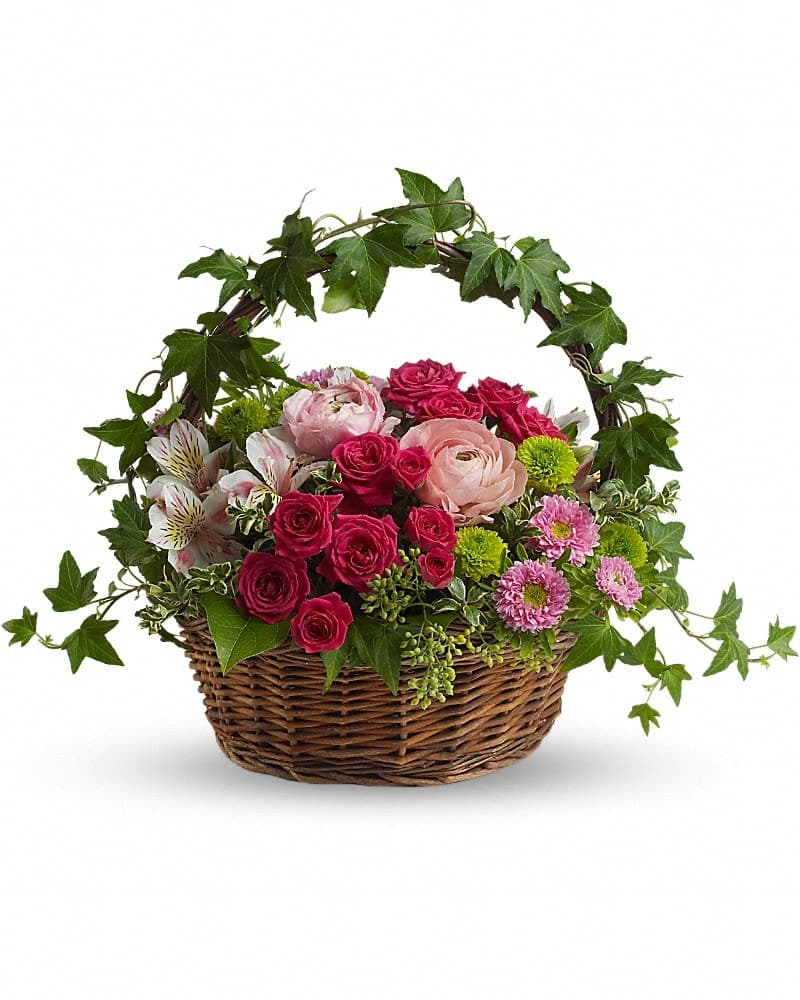
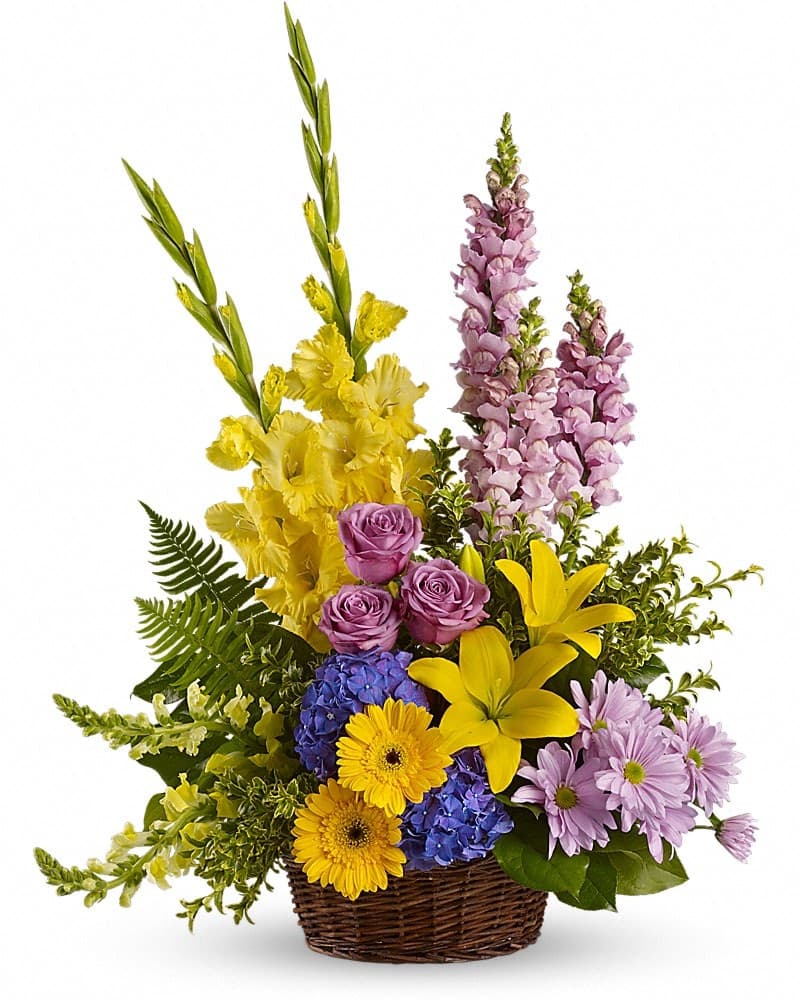
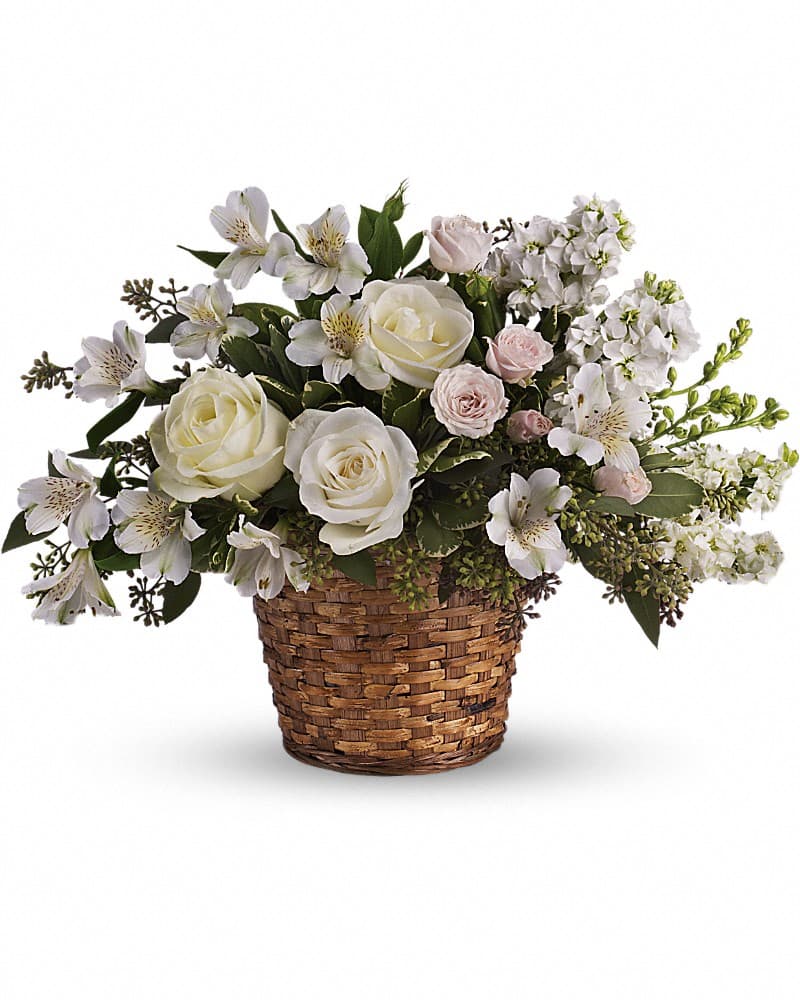
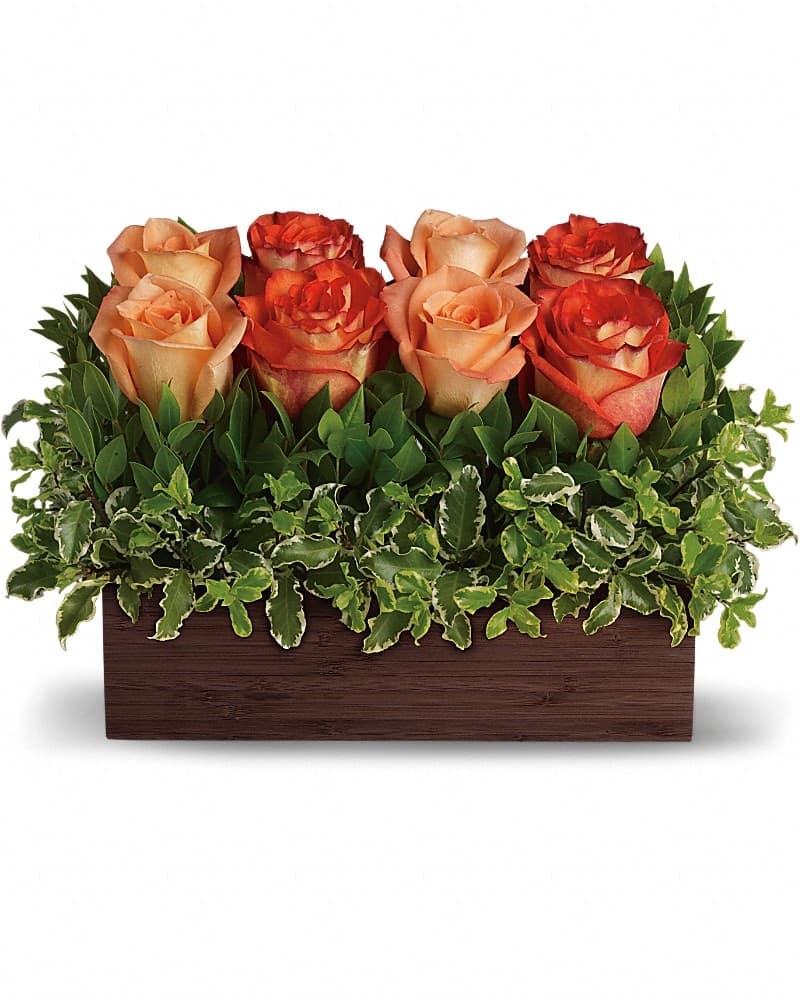
Two habits shape sympathy orders in this city, and neither is obvious from outside South Dakota. The first is the memorial line. Read almost any Sioux Falls obituary and you will find some version of *in lieu of flowers, memorials may be directed to* — a congregation, a hospice, a scholarship, a 4-H club, a fire department. That line is not a polite formality here; it is the regional default, and honoring it matters more than the size of an arrangement. The right response is usually both and small: give to the named memorial, and send one modest living thing to the family's house rather than a large piece to the chapel. The second habit is winter. When the ground is frozen — and it is frozen for a good part of December through March — a family may hold the funeral in February and the committal in April, so the service you are sending flowers to and the burial you are picturing can be two months apart. Before you order, ask which one is happening this week. It changes the piece, the address and the day.
The chapels are clustered and easy to route once you know which one you are dealing with. Miller Funeral Home operates a downtown chapel on South Main Avenue and a west-side chapel on West 41st Street. George Boom Funeral Home & On-Site Crematory, Barnett-Lewis Funeral Home and Heritage Funeral Home sit on or near the South Minnesota Avenue corridor, which makes the whole south-central run one loop. Beyond the city, services are frequently held in the town the family is actually from — the chapels and church basements of Dell Rapids, Brandon, Canton, Garretson, Tea, Harrisburg, Lennox, Flandreau, Luverne and Pipestone are all inside the widened 60-mile radius, and that pattern is worth understanding: a great many people die in a Sioux Falls hospital because Sioux Falls is where the region's tertiary care is, while the funeral happens sixty or a hundred miles away in a home-town church. Ask for the name of the church or chapel, its town, and the service time. A florist can work with that. A florist cannot work with *somewhere in Sioux Falls, Thursday*.
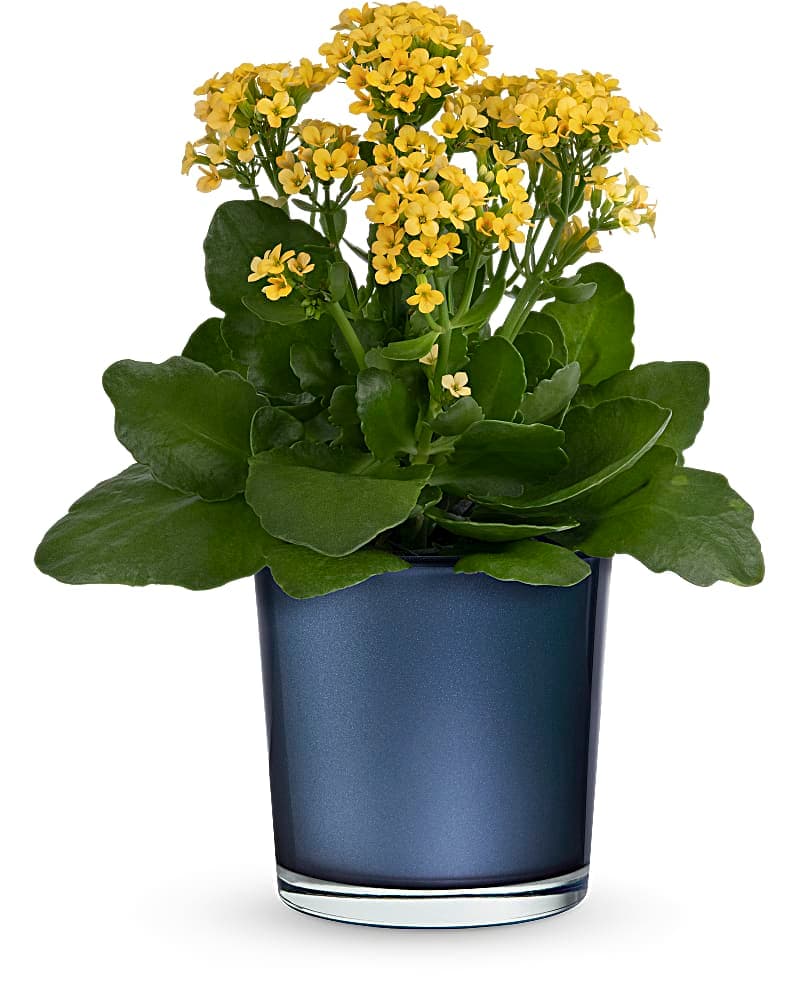
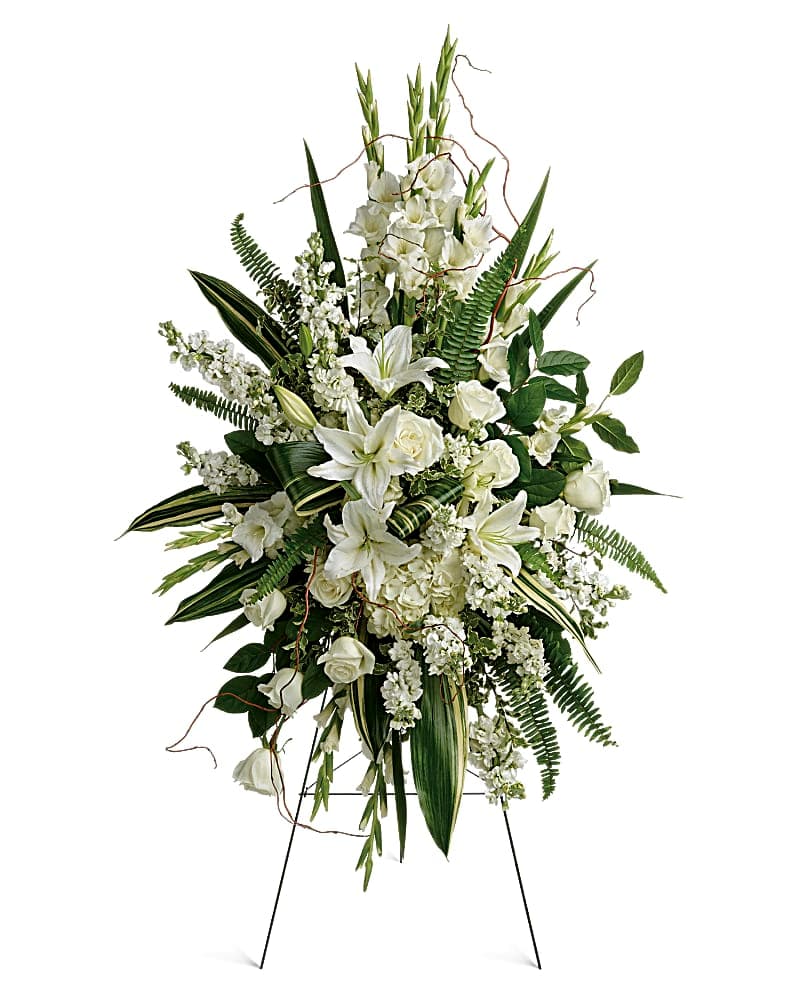
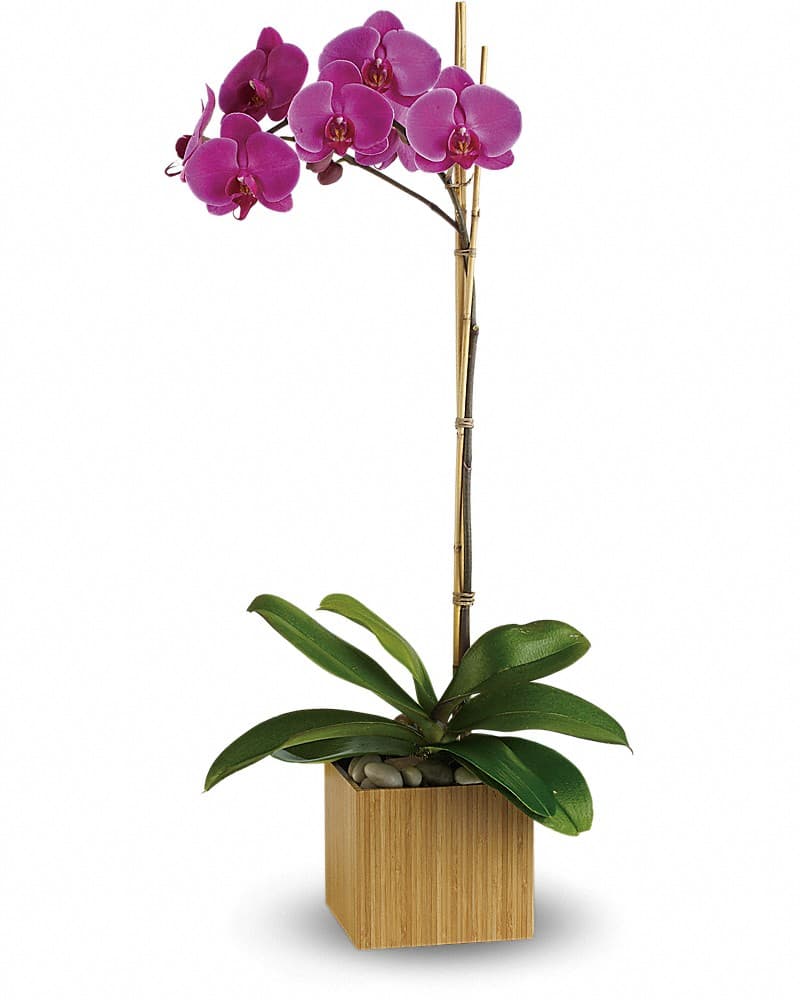
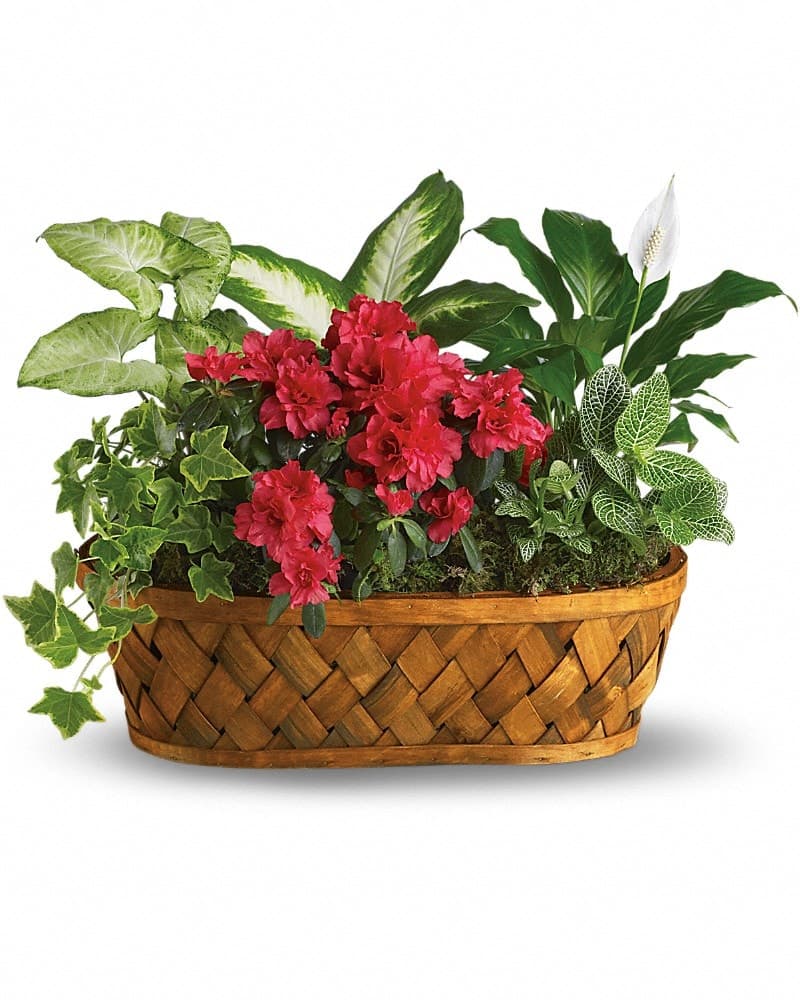
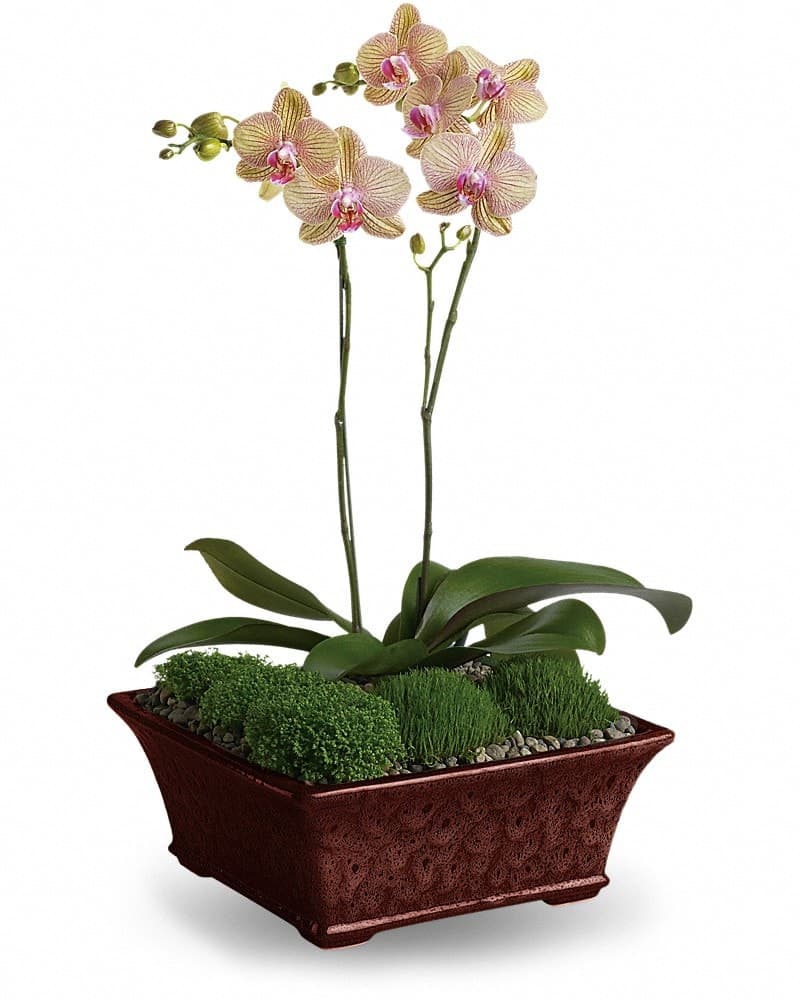
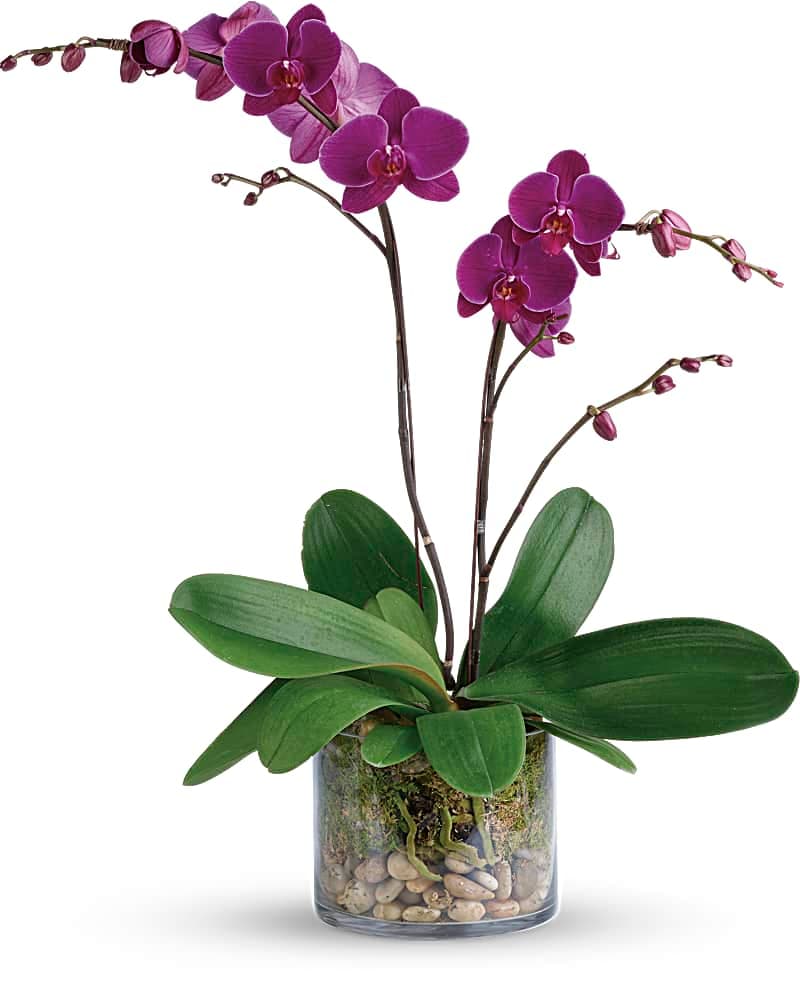
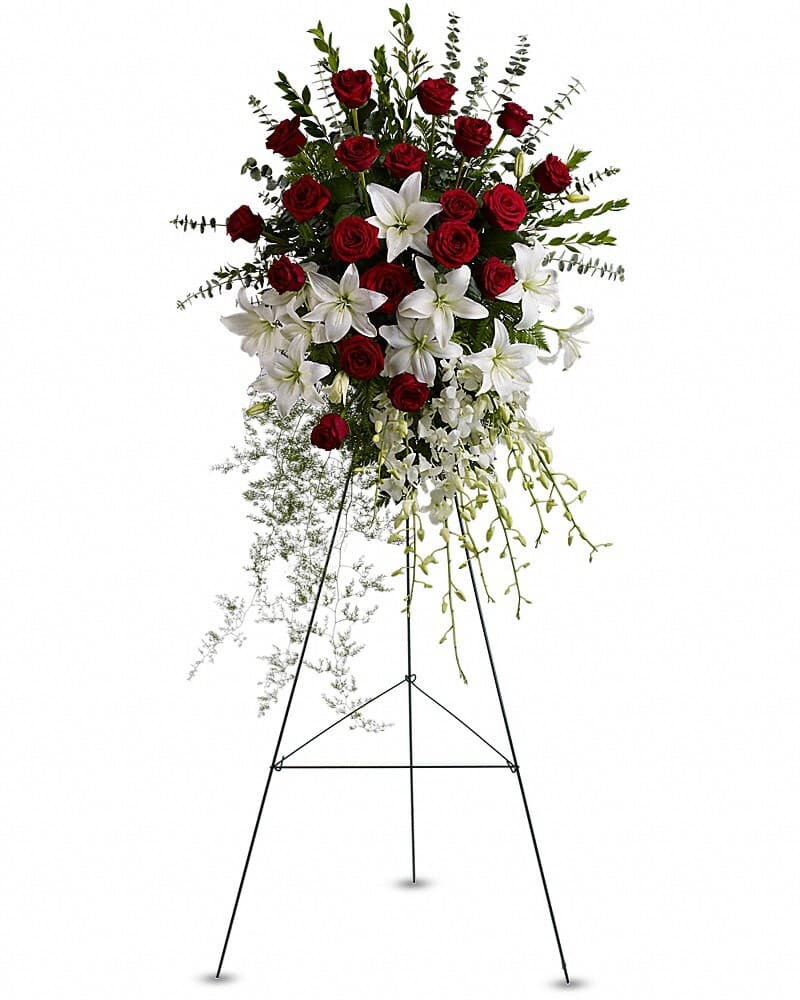
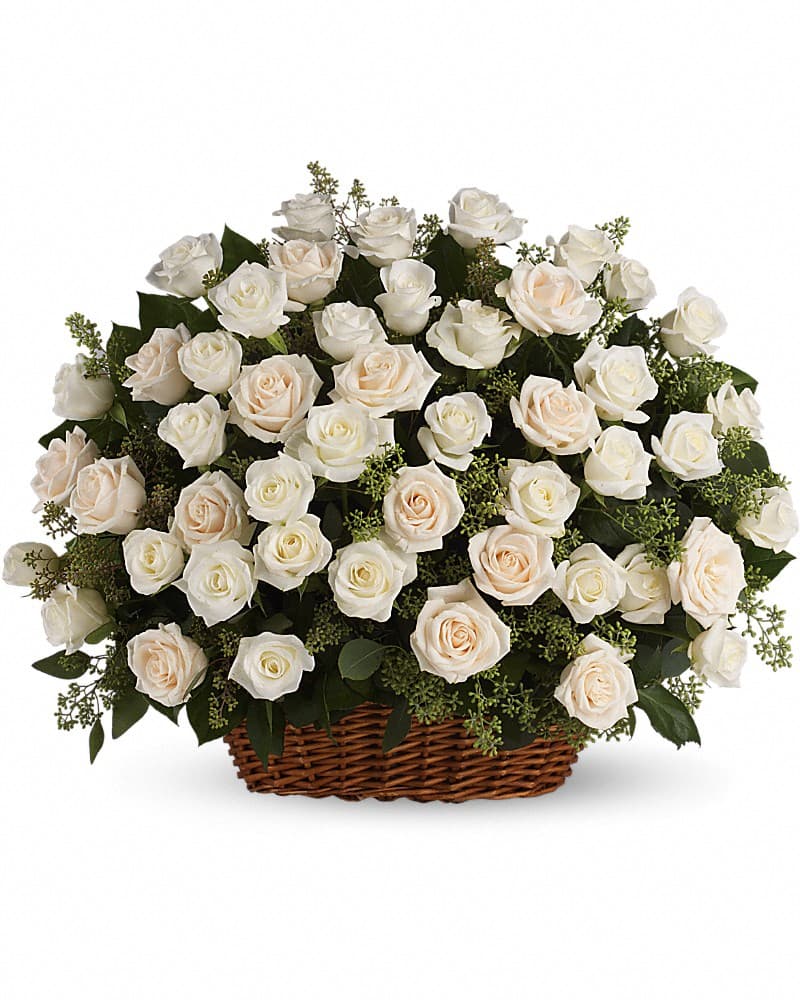
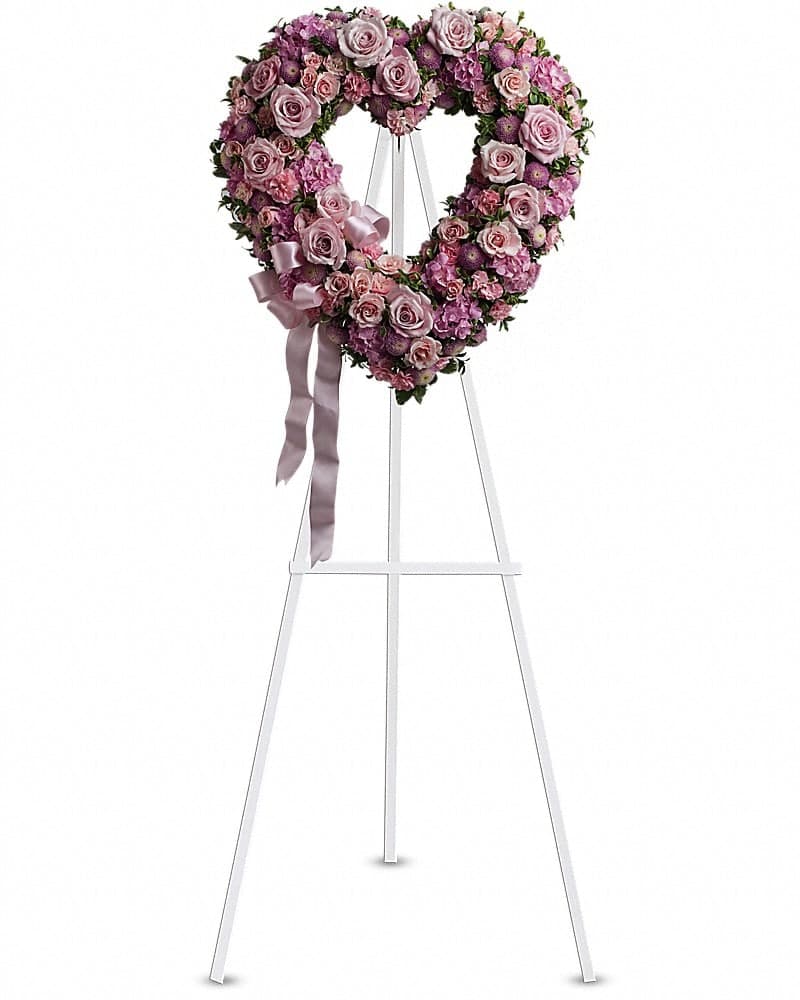
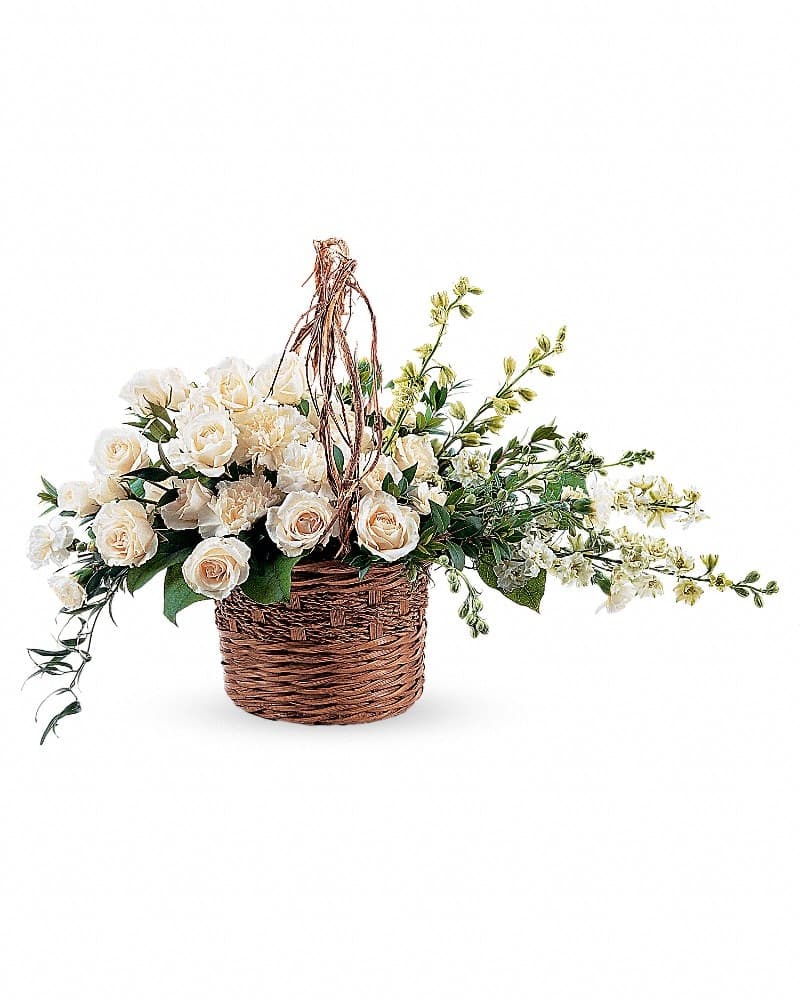
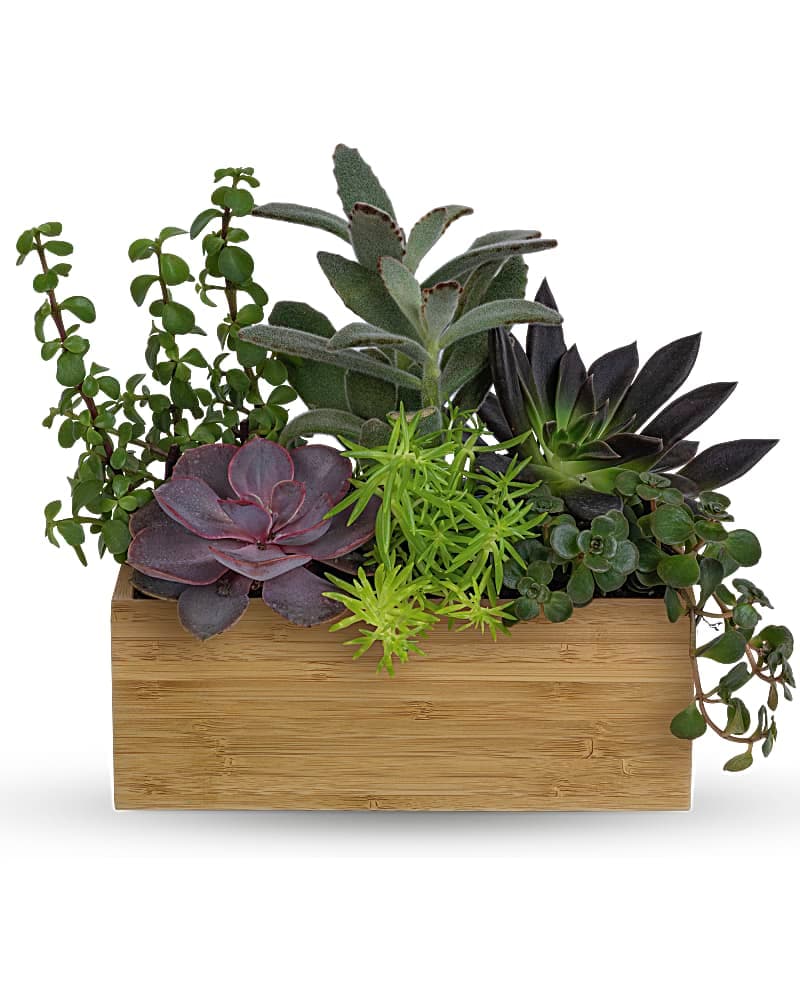
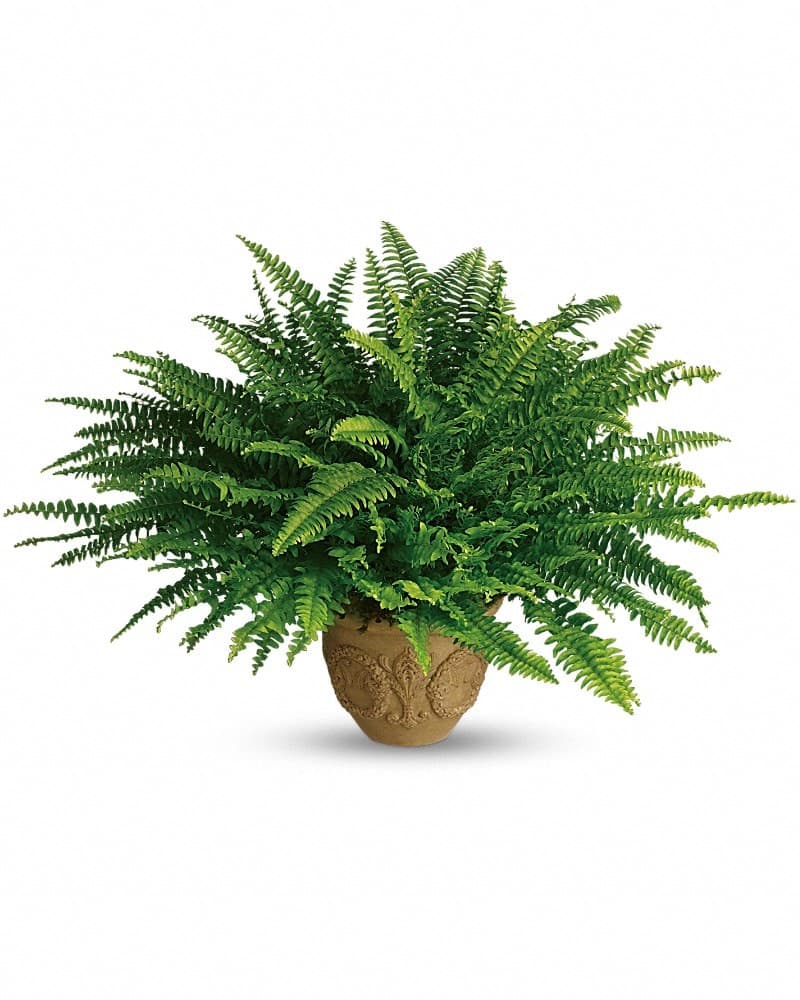
Graveside is where the prairie asserts itself. Woodlawn Cemetery and Mount Pleasant Cemetery serve much of the older city, St. Michael Cemetery is the Catholic ground, Hills of Rest Memorial Park sits on the east side, and the South Dakota Veterans Cemetery handles military honors for the region. All of them are open ground, and the wind here is not a garnish — a tall easel spray at an exposed graveside will go over, and a lightweight basket will travel. Ask for a weighted or low design for any committal outdoors, and for a stake if the piece has to stand. Two other timing notes: a committal deferred to spring means the flowers you send in February belong at the visitation or at the house, not at the cemetery; and if the family has chosen cremation with a later memorial service, which is increasingly common across this region, the useful send is a plant to the home in the first week, when the house is full of people, rather than an arrangement timed to a service that may be six weeks out.
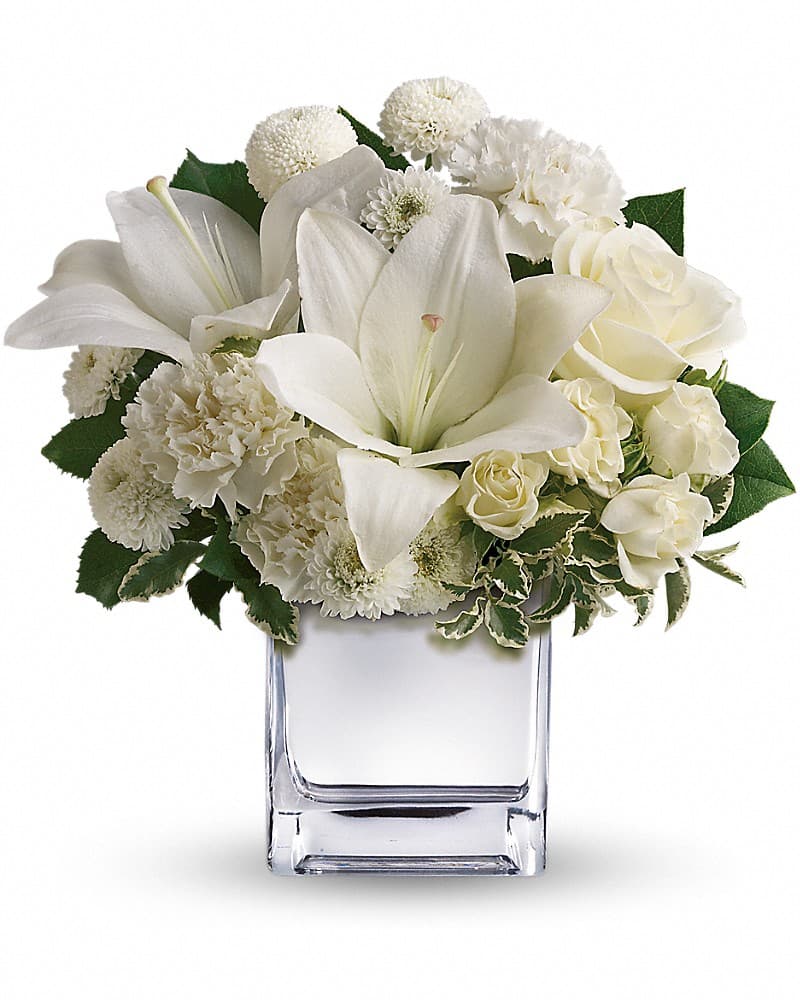
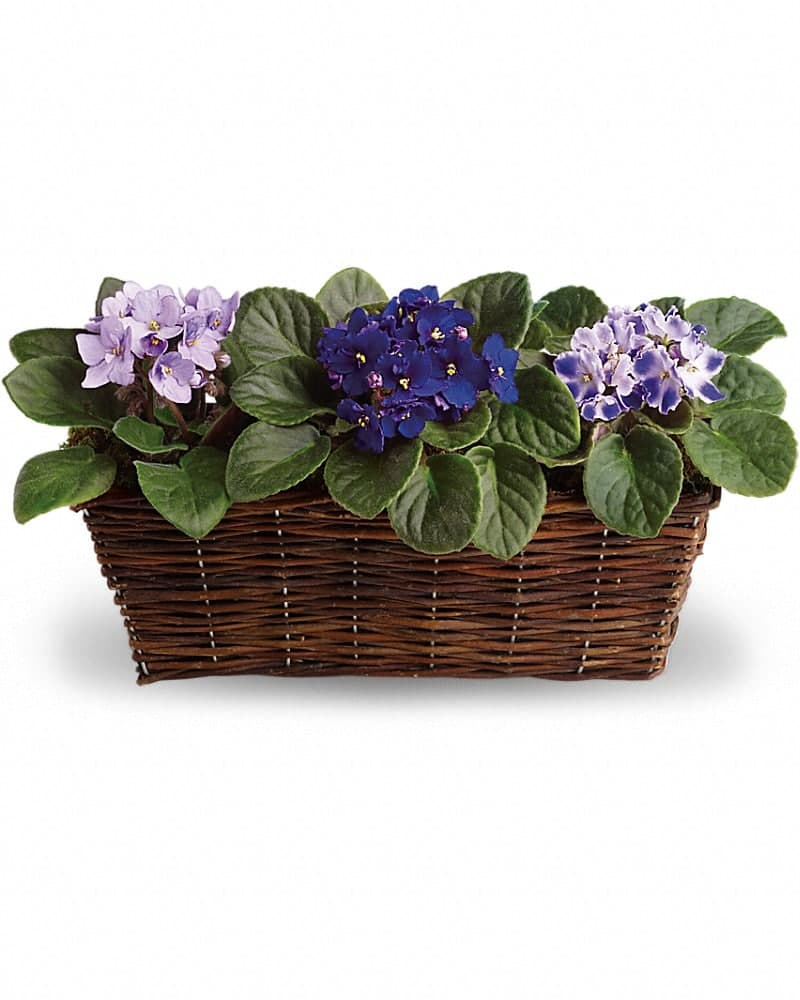
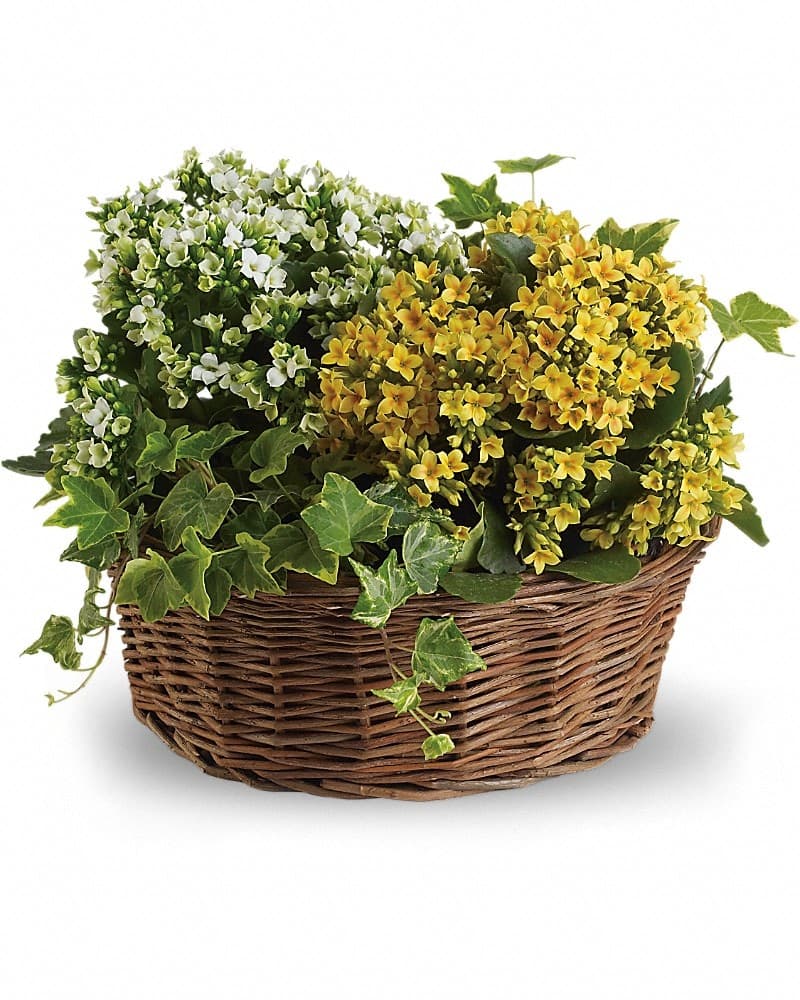
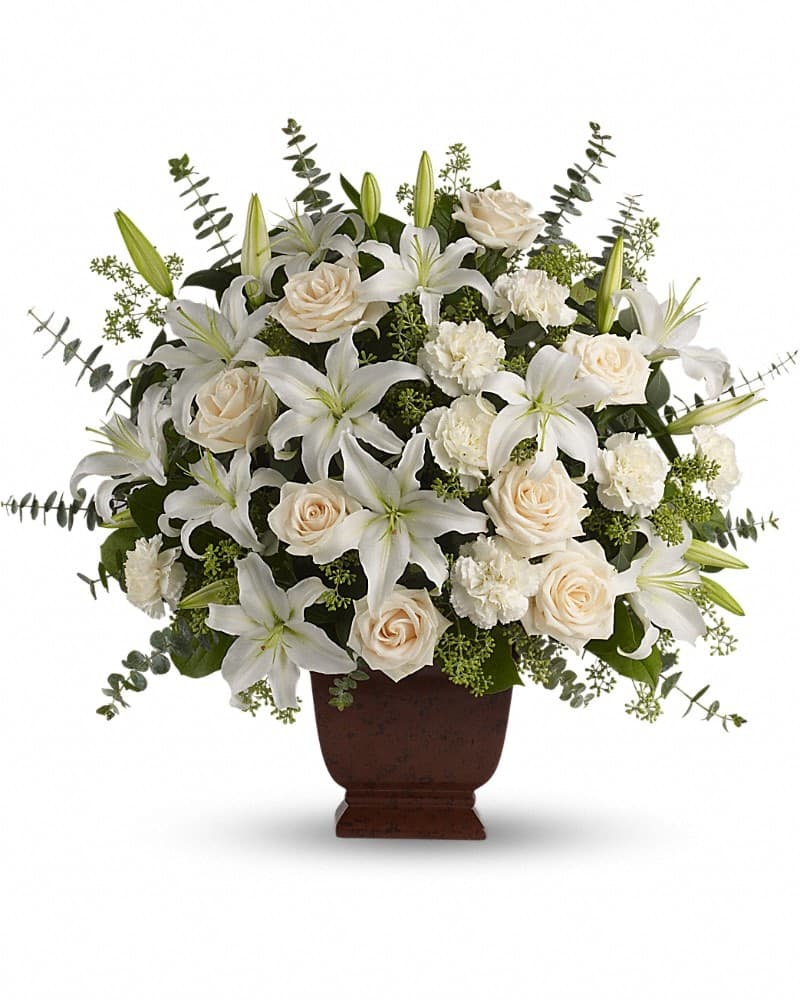
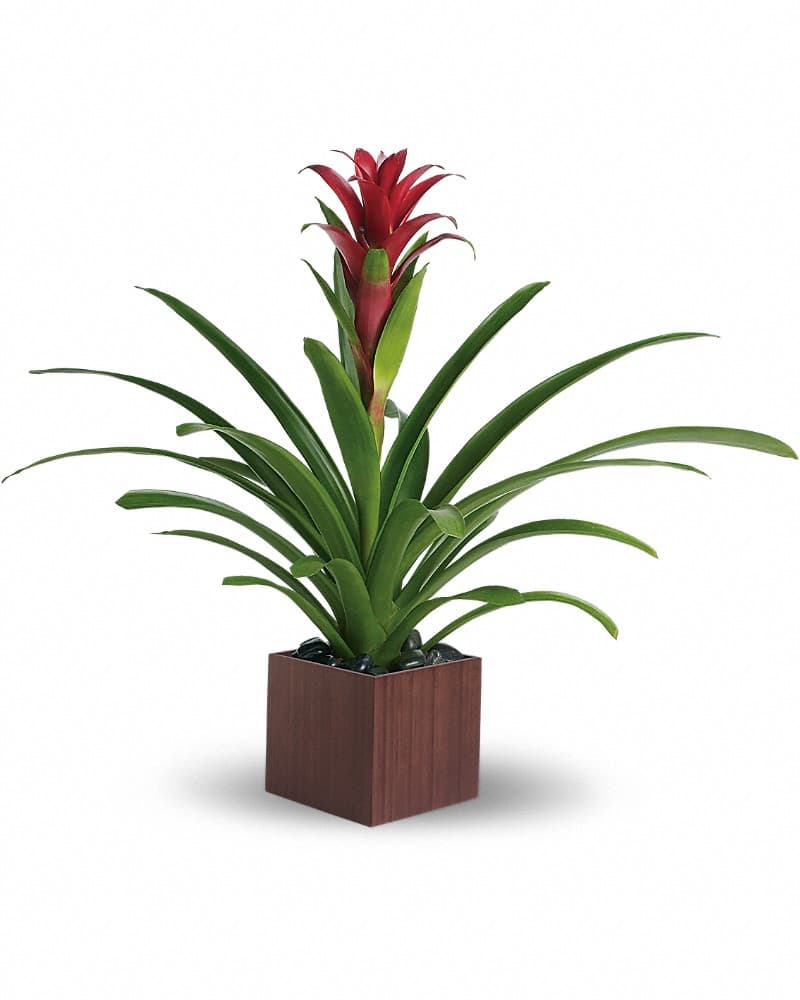
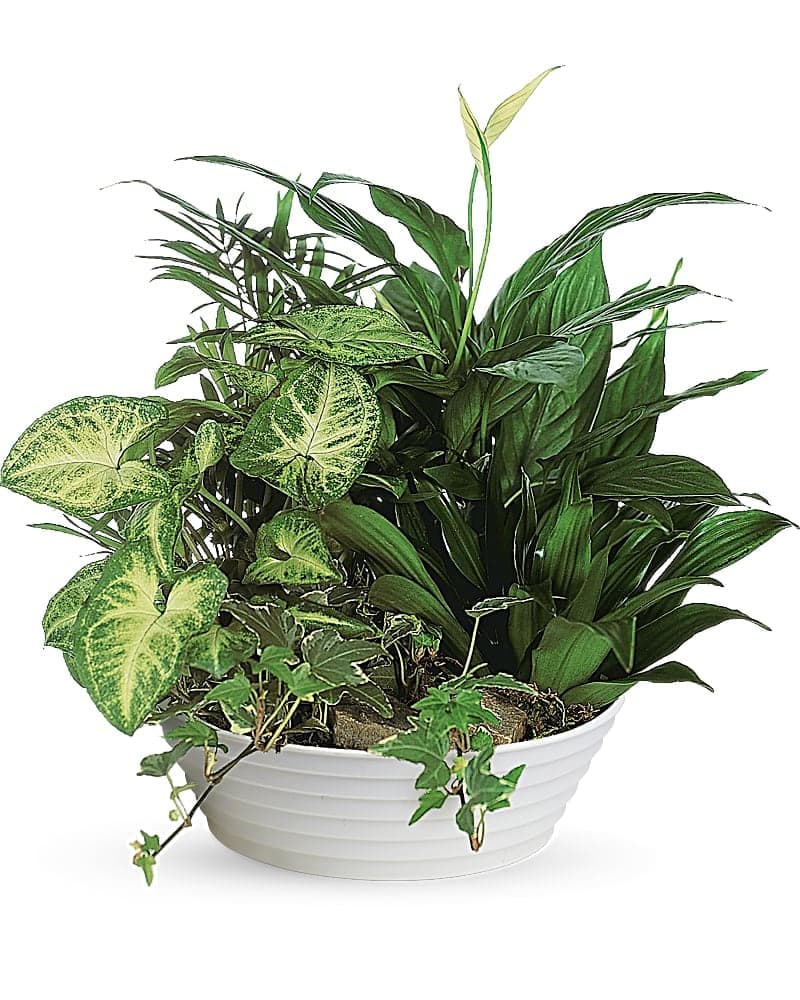
Faith and culture in Sioux Falls are more varied than the state's Scandinavian-Lutheran reputation suggests, and the conventions differ in ways that change an order. Lutheran services — this is one of the most heavily Lutheran metros in the country, with congregations including First Lutheran downtown and the Augustana University chapel — commonly run a visitation the evening before, a church funeral, then a luncheon in the fellowship hall; flowers at the church are welcome, and afterward they usually go home with the family, so a piece in a vessel they can keep is thoughtful. Catholic services at St. Joseph Cathedral on North Duluth Avenue and the city's parishes typically include a vigil or rosary the night before and a funeral Mass the next morning; note that many parishes restrict sanctuary flowers during Lent, so ask before assuming a large piece will be placed at the altar. Dakota and Lakota families — Sioux Falls has a substantial Native population, and the Flandreau Santee Sioux community is inside the radius — may hold a wake running through the night or over several days with a meal and a giveaway; food and practical help are often more useful than flowers, and if you do send, send to the wake location and keep it simple. Among the city's refugee-resettlement communities, the conventions vary widely: Muslim families generally bury within a day and flowers are not customary, so food to the home is the better gesture; Ethiopian and Eritrean Orthodox families often mark a fortieth-day remembrance where a send is welcome; Hispanic Catholic families, many connected to the plant workforce, follow the vigil-and-Mass pattern with a strong preference for white and for standing pieces. When you are not sure, the safest sympathy order in any tradition is a living plant delivered to the family's home, with a card that names the person who died.