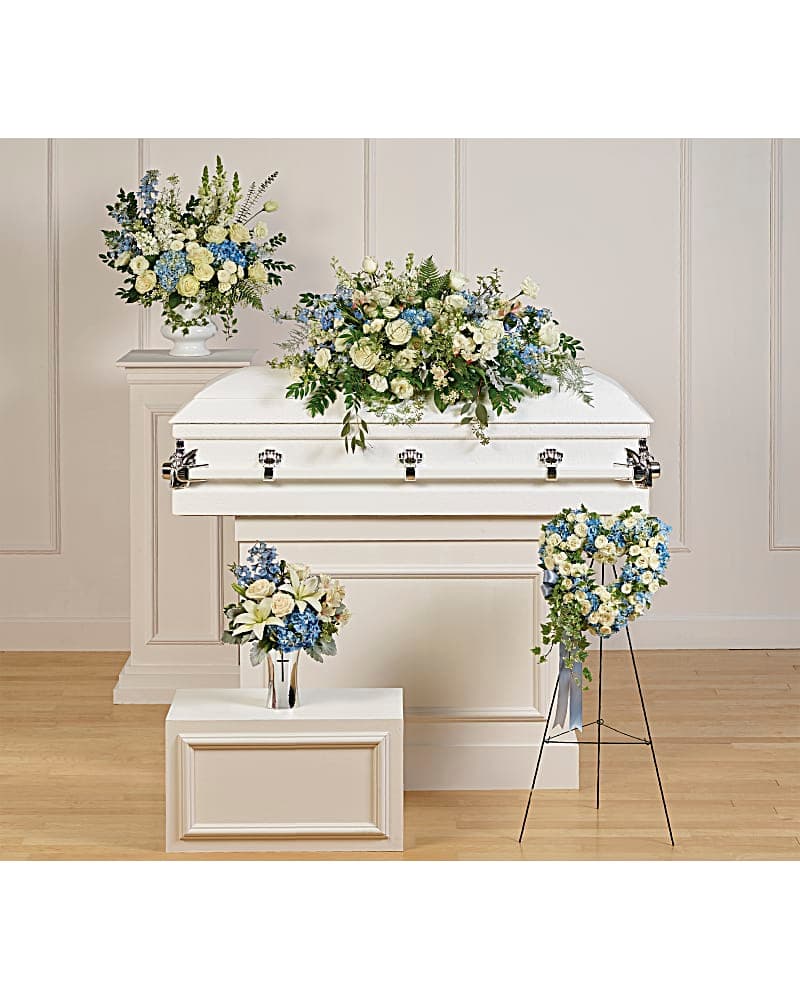
A Shreveport funeral very often happens in two parishes. The chapel is on one side of the Red River and the cemetery is on the other, or the service is downtown and the burial is out in Haughton, Keithville or Mansfield — and that geography, not the flower order, is what decides where a piece should go. Nearly everything sent by friends, coworkers and church members belongs at the funeral home, because the funeral home is where visitation happens, where the director positions the room, and where the staff loads whatever travels to the grave. Sending a spray straight to a cemetery usually means it sits unattended, in the sun, before anyone arrives. So the single most useful line on a sympathy order in this city is not the address of the burial ground; it is the name of the funeral home and the hour visitation opens. Work backward from that hour and the delivery is simple; work backward from the funeral and a piece meant for two hundred visitors arrives after the room has emptied.
The chapels here are a small, long-settled set, and each one has its own room and its own back door. Rose-Neath is the name most Shreveport families give first — the Marshall Street chapel near downtown, a south-side location, and a Bossier City chapel on Airline Drive — and the Rose-Neath organization also operates cemeteries, so service and interment can sit on one property. Centuries Memorial Funeral Home on Mansfield Road works the same way, with its memorial park behind it. Hill Crest Memorial out on the Haughton side of US-80 covers eastern Bossier Parish, Princeton and Benton, and its own park is on site. Boone Funeral Home serves much of the south side along the Youree and Ellerbe corridors. North Shreveport, Queensborough, Allendale, Mooretown and Cedar Grove keep the homegoing tradition, where the program is longer, the church rather than the chapel is often the center of the day, and flowers are read as part of the room alongside the printed order of service — which in practice means earlier delivery, not later, because those services frequently start mid-morning on a Saturday.
Church services fill in around the funeral homes. The Cathedral of St. John Berchmans on Jordan Street is the seat of the Diocese of Shreveport; Holy Trinity Catholic Church downtown is the city's oldest Catholic parish and carries the memory of the five priests who died nursing the sick through the 1873 yellow-fever epidemic, the men now known as the Shreveport Martyrs. St. Mark's Cathedral sits in the Highland district, Noel Memorial United Methodist stands beside the Centenary College campus, First Baptist Shreveport is on Ockley Drive, and Summer Grove Baptist anchors the southwest side. Altar and chancel arrangements go to a church only when the family has cleared it with the parish, because most of these buildings limit what can stand near the altar and several have a sacristan who locks up between services. A piece meant for the visitation room belongs at the funeral home no matter where the Mass is being said.
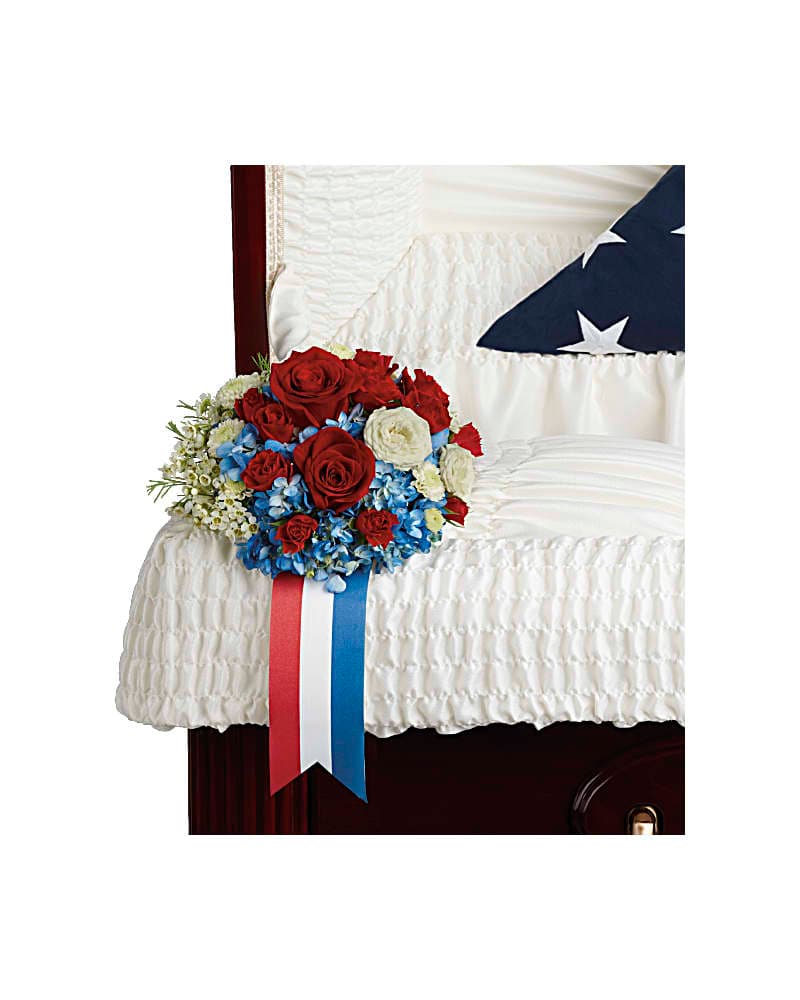
Graveside work in Caddo and Bossier parishes has its own rules. Oakland Cemetery on Milam Street is the oldest burial ground in the city, opened in the 1840s, and holds both the mass grave from the 1873 epidemic and the Mound of Martyrs; anything left there stands fully exposed to the weather. Forest Park East on St. Vincent Avenue and Forest Park West on Mansfield Road carry a large share of the city's interments, as do Centuries Memorial Park and Hill Crest Memorial Park in Haughton. The historic Star Cemetery is one of Shreveport's oldest African-American burial grounds. Veterans' families use the Northwest Louisiana Veterans Cemetery in Keithville, which runs on a fixed committal-shelter schedule that does not slide: a piece that misses its slot cannot be carried out to the site afterward, and many veteran services here begin at Overton Brooks VA Medical Center's chaplaincy long before that morning. Tell us the cemetery, the committal hour, and the section if the family has it.
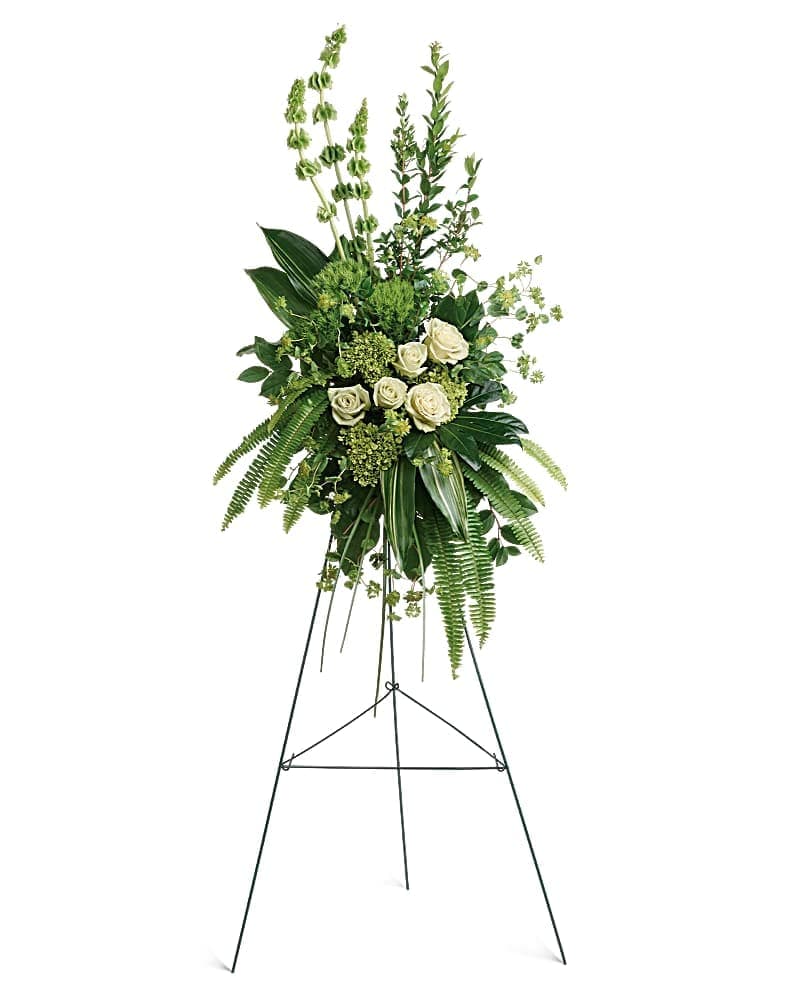
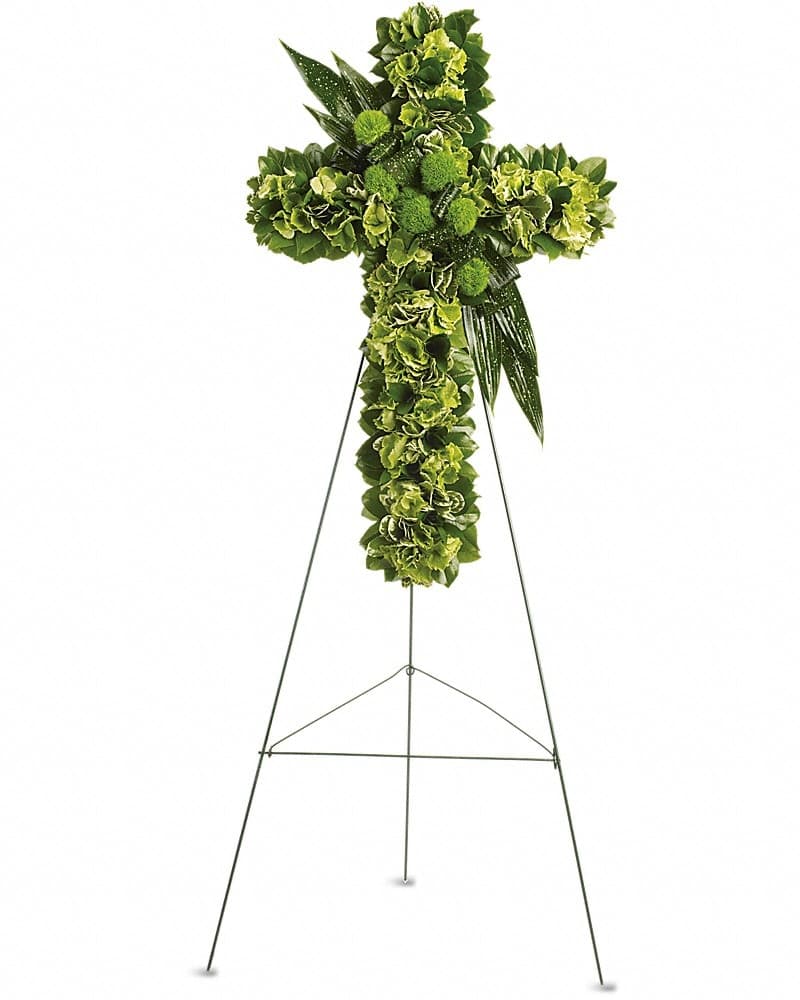
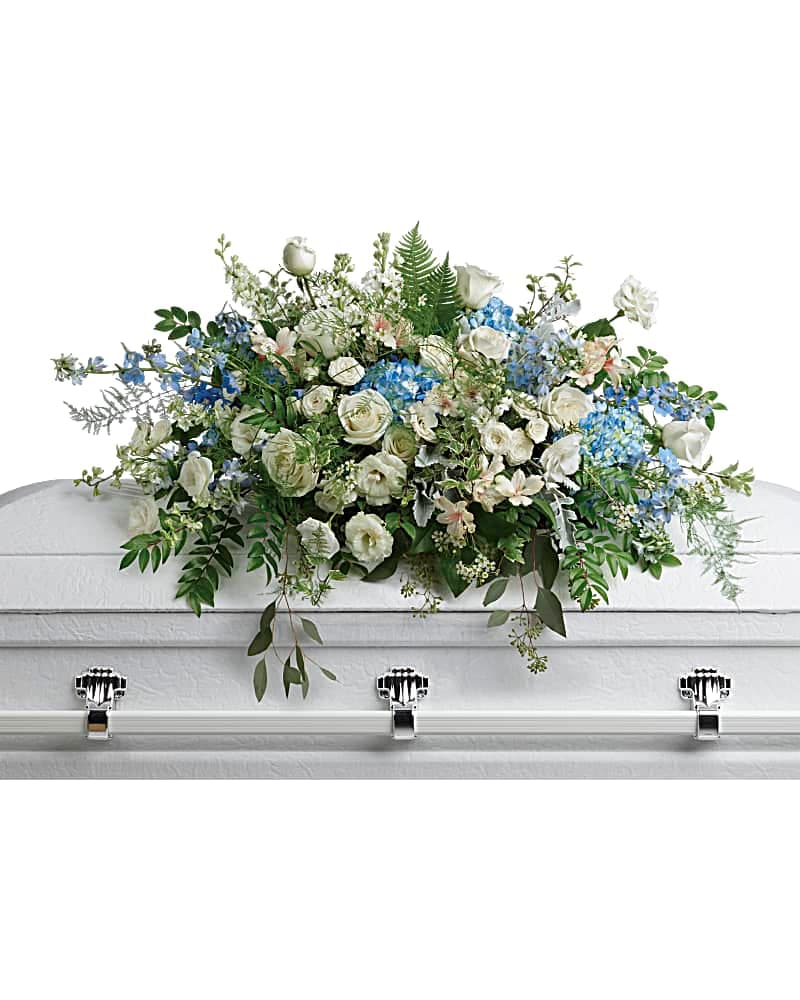
Northwest Louisiana weather is not coastal weather, and that changes what survives at a graveside. Shreveport sits two hundred miles inland, so the problem here is not a hurricane track — it is a July committal shelter with no shade and a heat index over one hundred and five, a spring afternoon under a tornado watch, or a January morning of freezing rain that closes the Inner Loop and the I-20 bridge for a day. For summer and early-fall outdoor services the designs that hold are built on standard and spider chrysanthemum, gladiolus spikes, carnation, snapdragon and dense evergreen backing, set on a stand with a wide foot so a thunderstorm gust does not put it face-down in the grass. Open-cupped garden roses, hydrangea and lisianthus are beautiful in an air-conditioned chapel and will not last two hours at Forest Park in August. If the service is outdoors, say so on the order and the recipe changes. If severe weather moves the service, tell us: the arrangement gets rebuilt for the new date rather than delivered to a locked chapel.
Out-of-state senders make up a large share of these orders, and they run into the same three problems every week. First, not knowing the arrangements: the obituary in the Shreveport Times carries everything the order needs — which chapel, what hour the doors open, and the name spelled the way the family published it. If you do not have it, send to the family's home instead of guessing at a chapel, because nobody is going to chase a spray across town to the right chapel on the morning of a service. Second, not knowing which cemetery: families here are frequently buried out in DeSoto, Webster, Bienville, Red River or Bossier parish, or across the state line in east Texas, so ask before you assume a Shreveport address. Third, the card. Write your full name and how you knew the person, because the family will read fifty cards a week later while trying to remember who came. One more local note worth knowing: the meal and the visiting go on for days here, so a plant or a food arrangement sent to the house two or three weeks after the funeral, once the visiting has stopped and the refrigerator is empty again, tends to matter more than anything that arrived during the service.