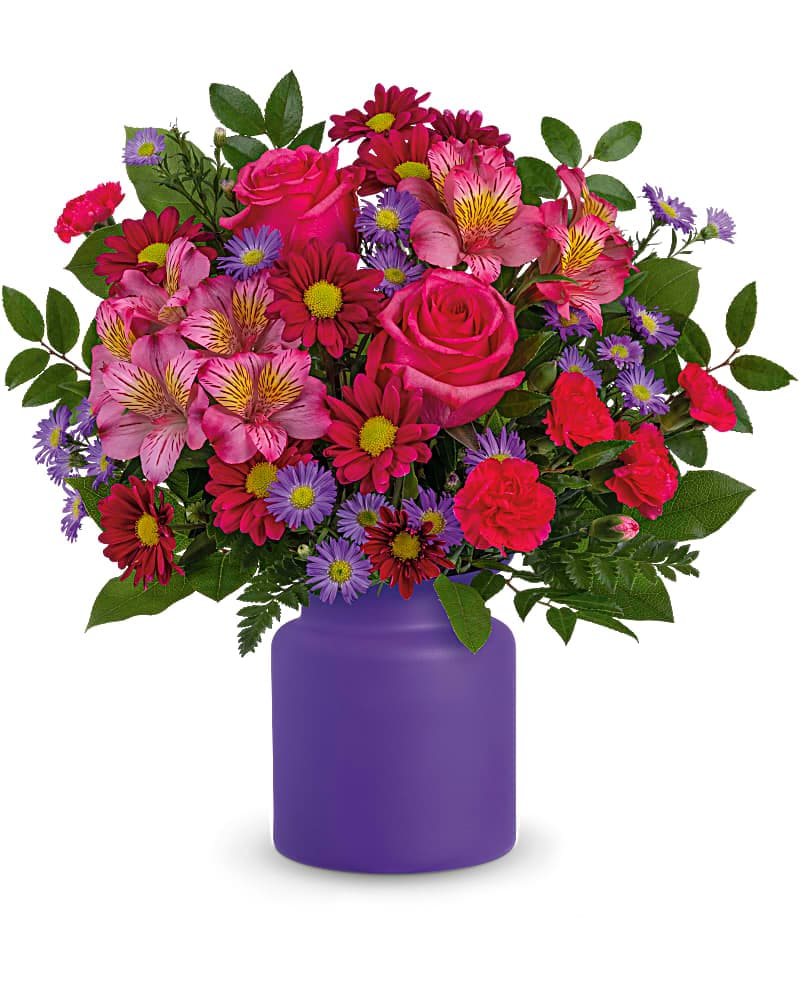
There is no hospital inside Sharonville's city limits, which makes this the one occasion where a local order is never a local delivery. The ring that serves 45241 starts about five miles southeast at the Jewish Hospital on East Galbraith Road in Kenwood and TriHealth Bethesda North on Montgomery Road, the closest full hospital to the city and the most common get-well address on this grid by a wide margin. Seven miles north sits UC Health West Chester Hospital on University Drive; eleven miles further north, the Cincinnati Children's campus on Yankee Road in Liberty Township. Southwest, the Uptown cluster in Avondale, Corryville and Clifton holds UC Medical Center, the Cincinnati Children's campus on Burnet Avenue, Good Samaritan on Dixmyth Avenue, The Christ Hospital on Auburn and the VA on Vine Street. Mercy Health Fairfield sits on Mack Road about nine miles west, and UC Health Drake Center, the long-stay recovery hospital on West Galbraith Road in Hartwell, is five miles south. Knowing which of those the recipient is actually in is the whole first step, and hospital names in this metro are close enough that people mix them up: Bethesda North and Bethesda Butler are different buildings twenty minutes apart, and both Children's campuses answer to the same name.
What a hospital delivery needs from you is dull and non-negotiable: the patient's full legal name as admitted, the hospital by its exact name, and the room or unit if you have it. Front desks cannot search on a nickname, and a maiden name or a middle initial mismatch will stall a driver in a lobby. The second thing to know is that patients move. A three-night stay can end on night two, rooms change after a procedure, and a piece that arrives an hour after discharge goes back on the van. If the stay is short or the discharge date is near, send to the home address instead and let it be waiting — recovery at home lasts far longer than the admission did, and a bouquet on week two is remembered better than one that landed on the day everybody was in the room anyway. If you are not sure, call the unit's nurses' station and ask two questions: whether the patient is still there, and whether the floor is accepting flowers this week.
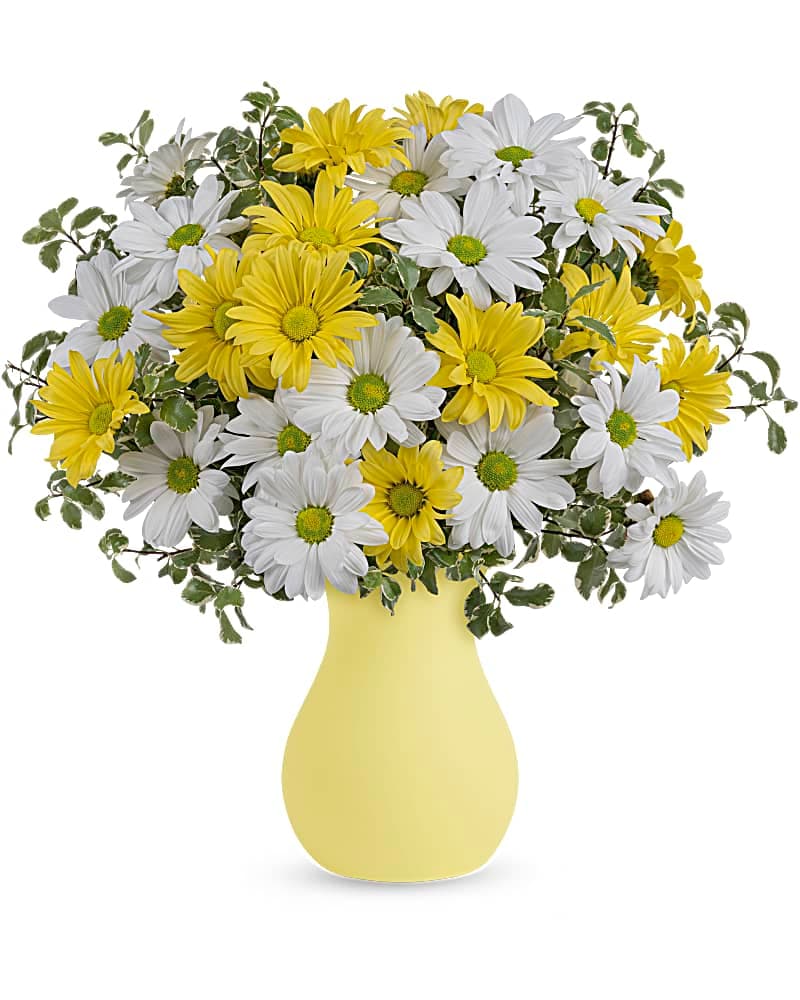
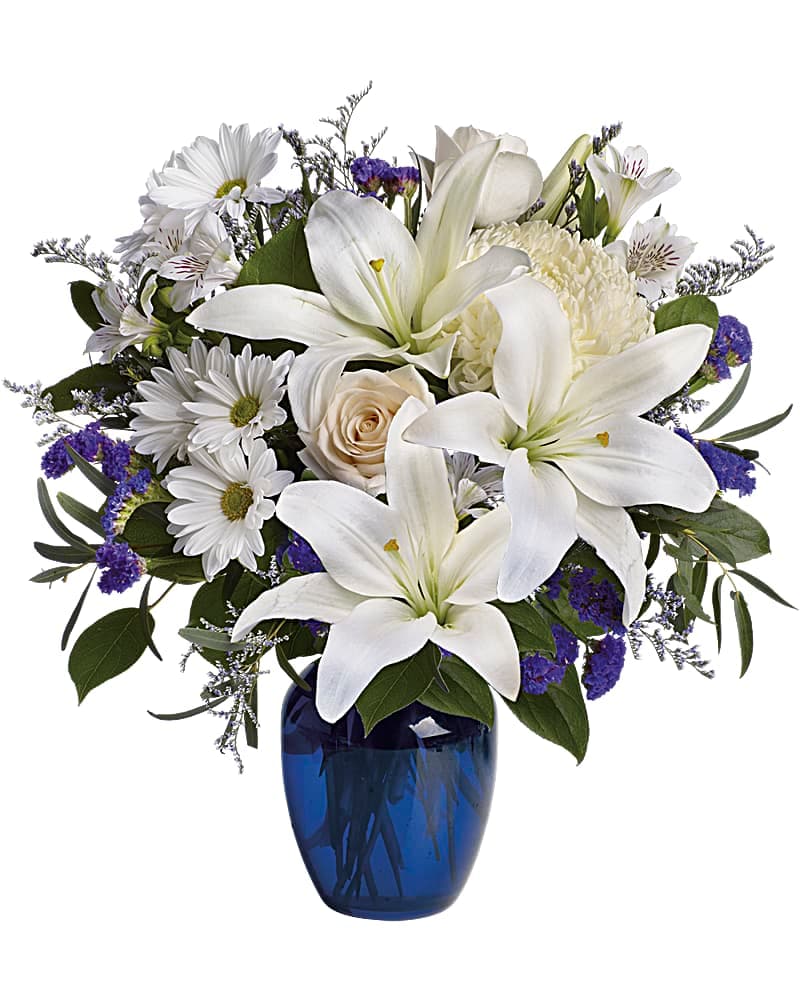
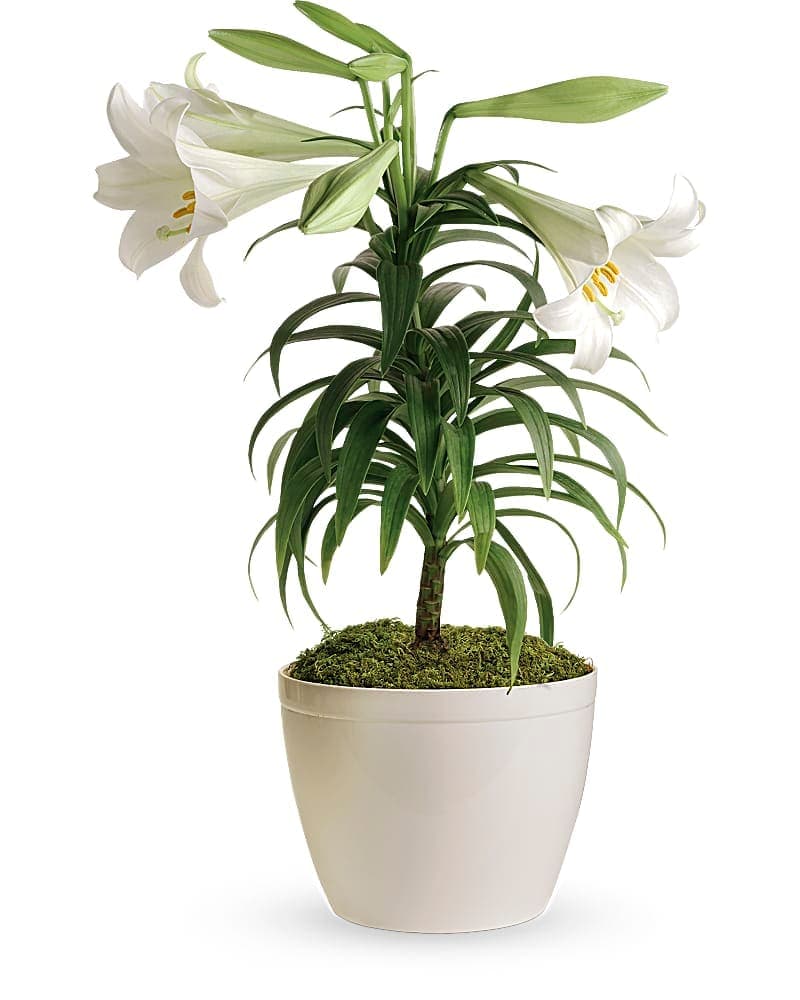
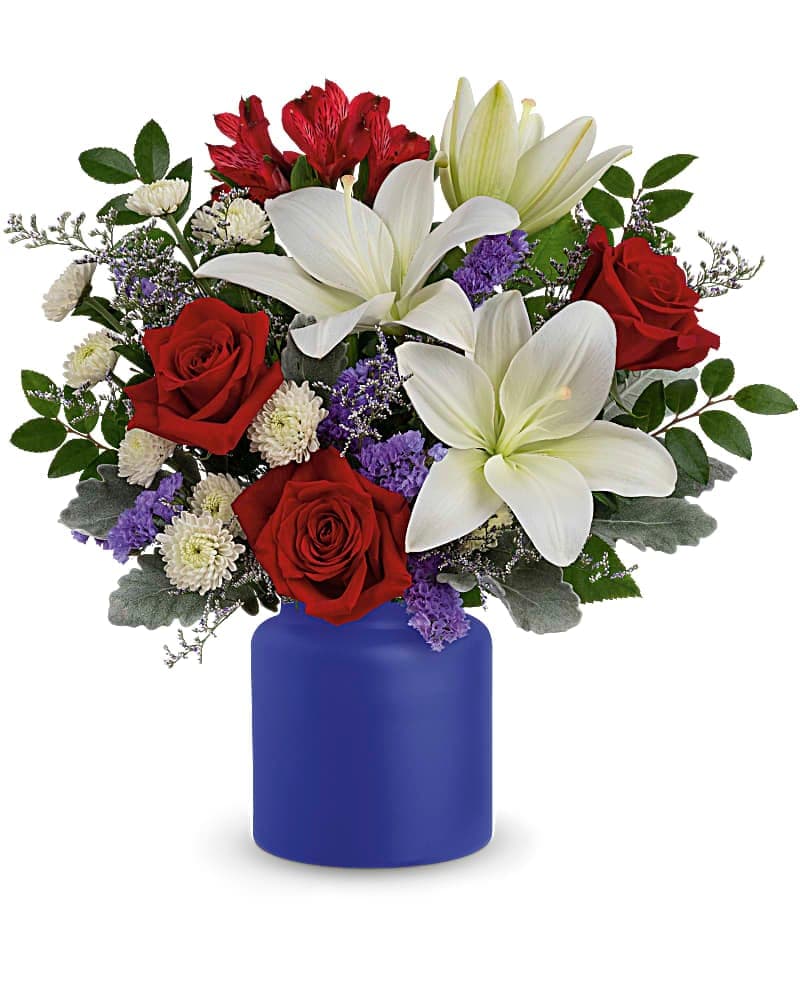
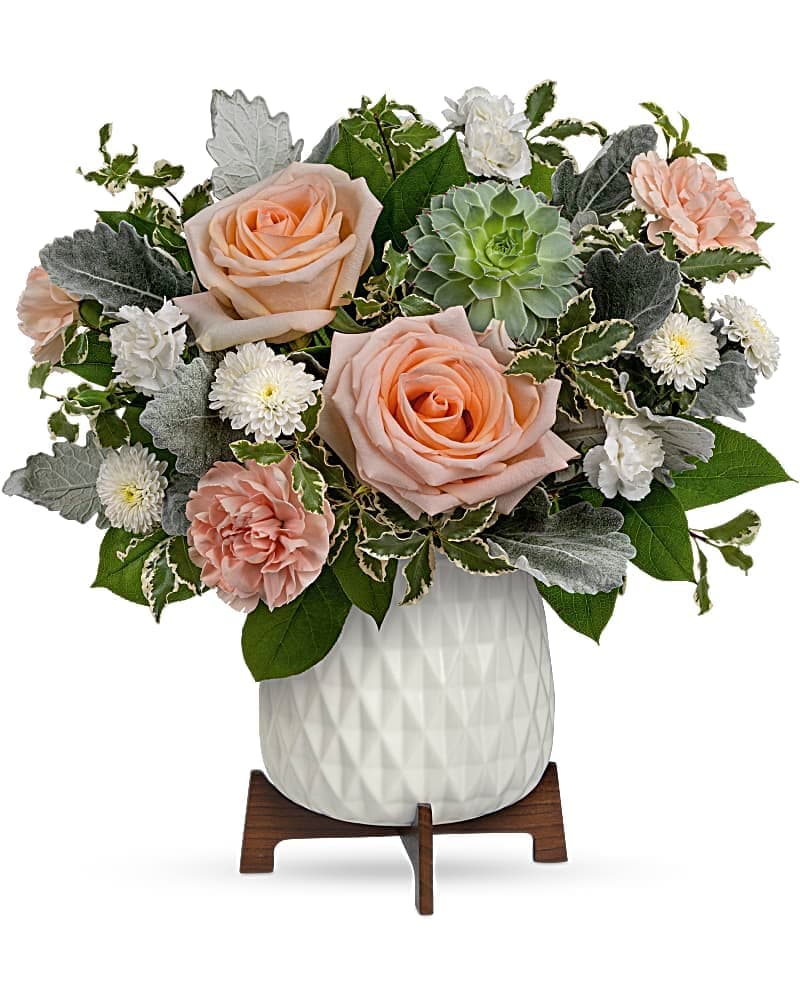
That second question matters more than most people expect, because the answer varies by unit rather than by hospital. Blood and marrow, transplant and many oncology units decline fresh flowers and anything potted, since soil and standing water are the issue rather than the blooms. Intensive care units across this metro generally keep flowers out of the room, though the family waiting area is usually fine and is often where a piece does the most good anyway. Children's floors frequently ask that nothing latex comes with the order, which rules out a balloon rather than the flowers. None of this needs guesswork on your part: tell the studio the floor or unit, say the words ward-safe, and ask for a low design in an unbreakable vessel with the lilies left out and the fragrance kept down. Lilies shed pollen that stains and bothers people in a shared room, and a bedside tray-table is narrow, shared with a water jug and a phone, and gets wheeled several times a day. Small and stable beats tall and impressive in every hospital on this grid.
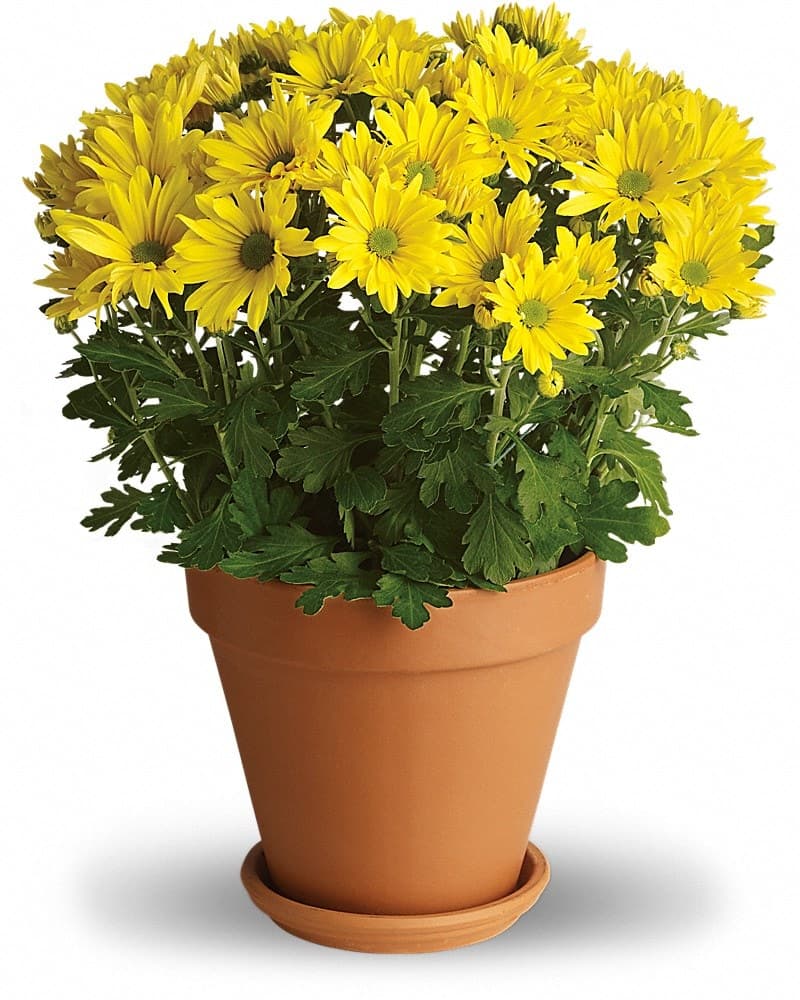
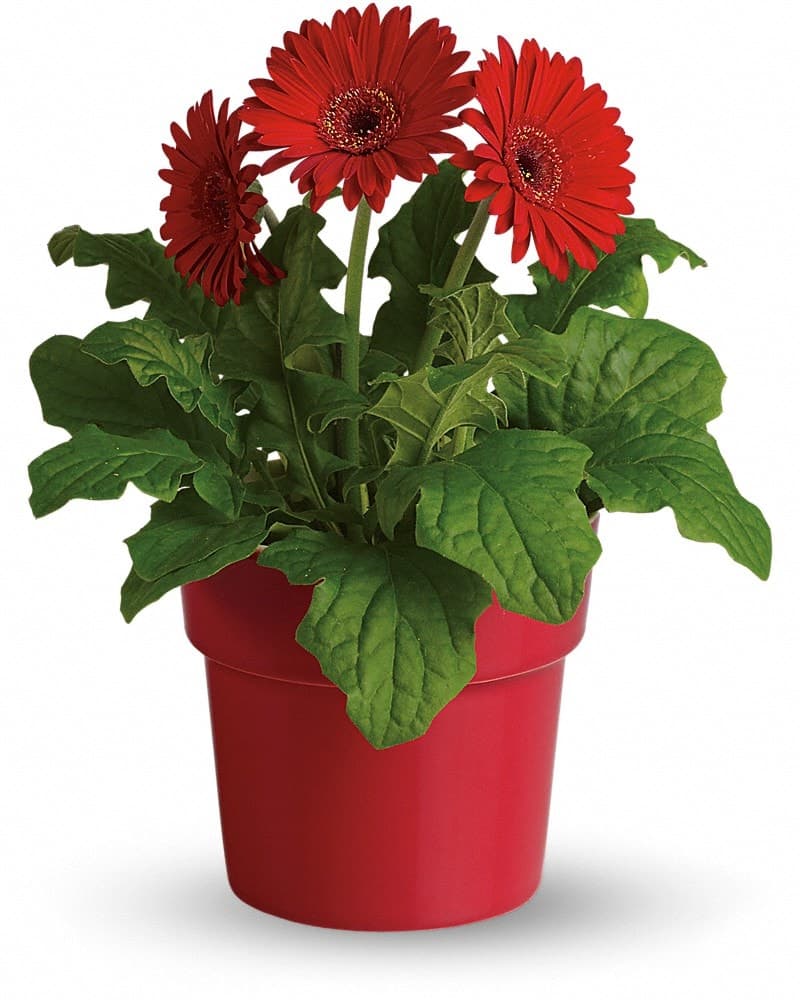
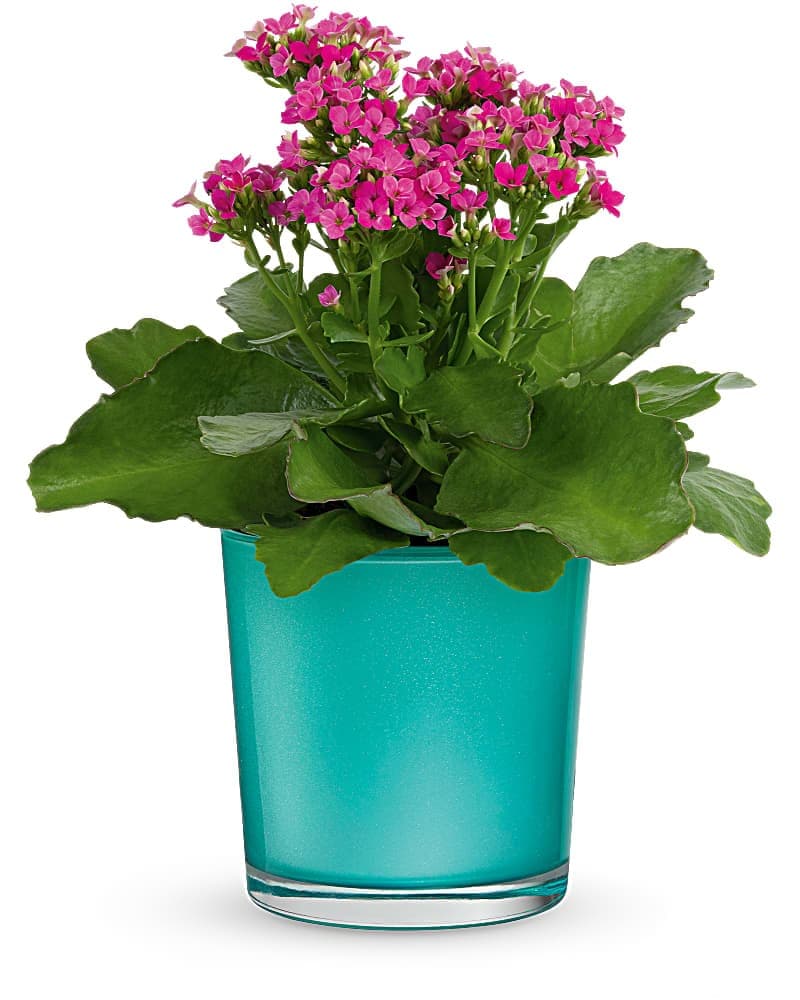
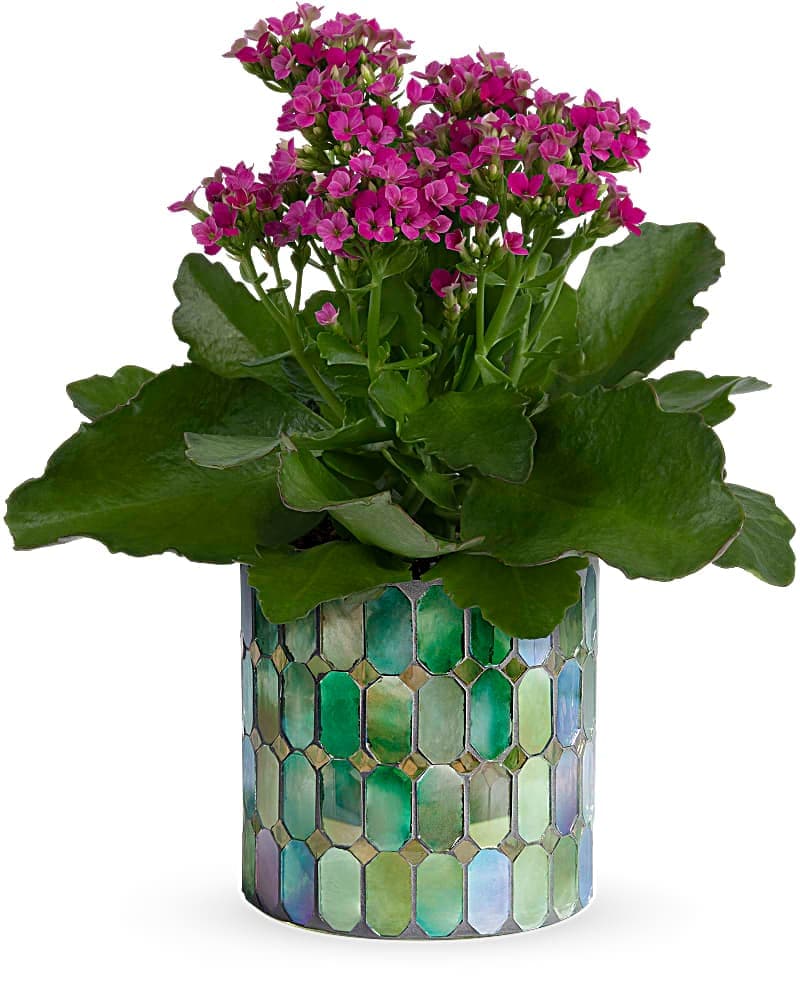
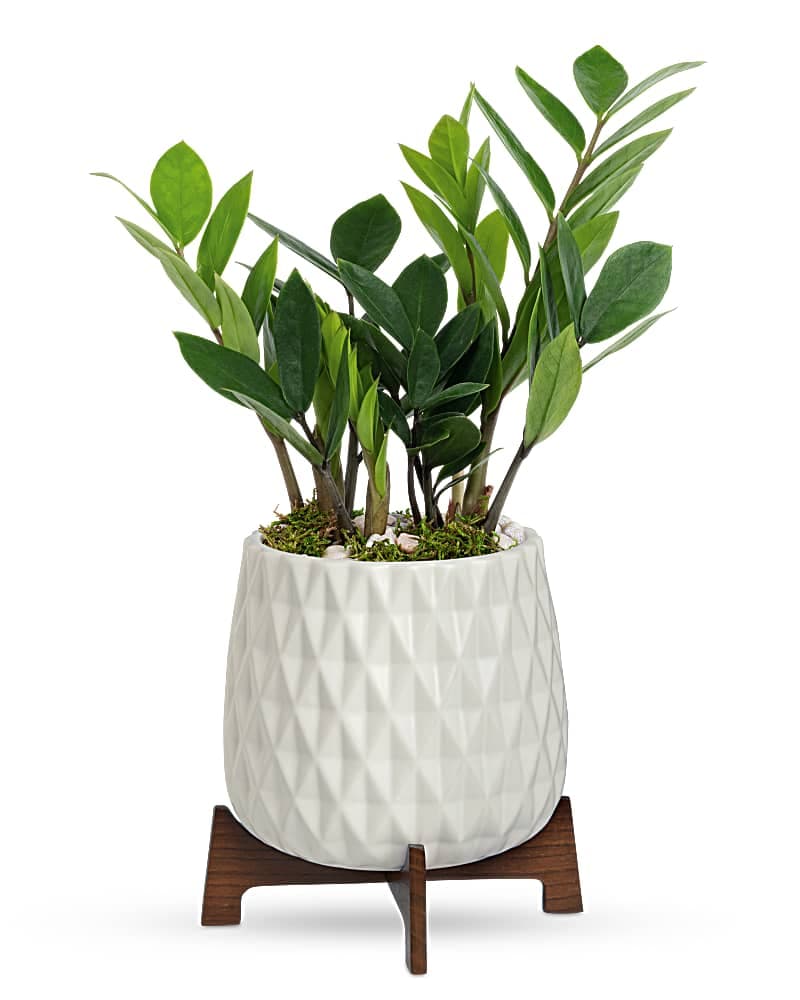
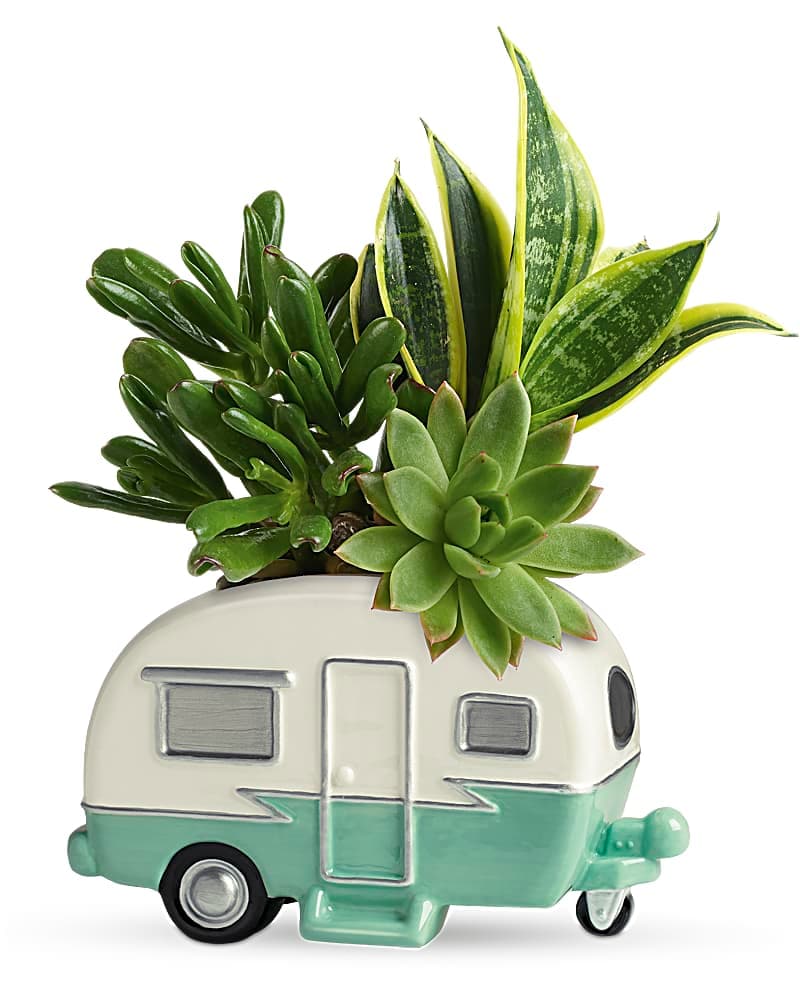
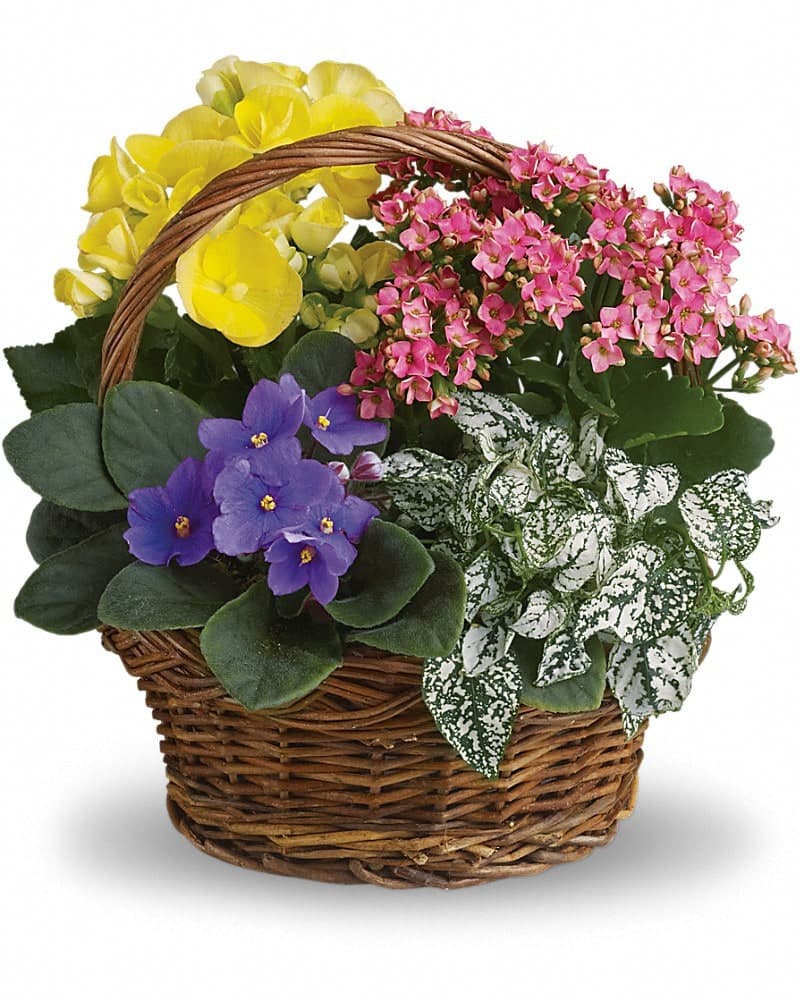
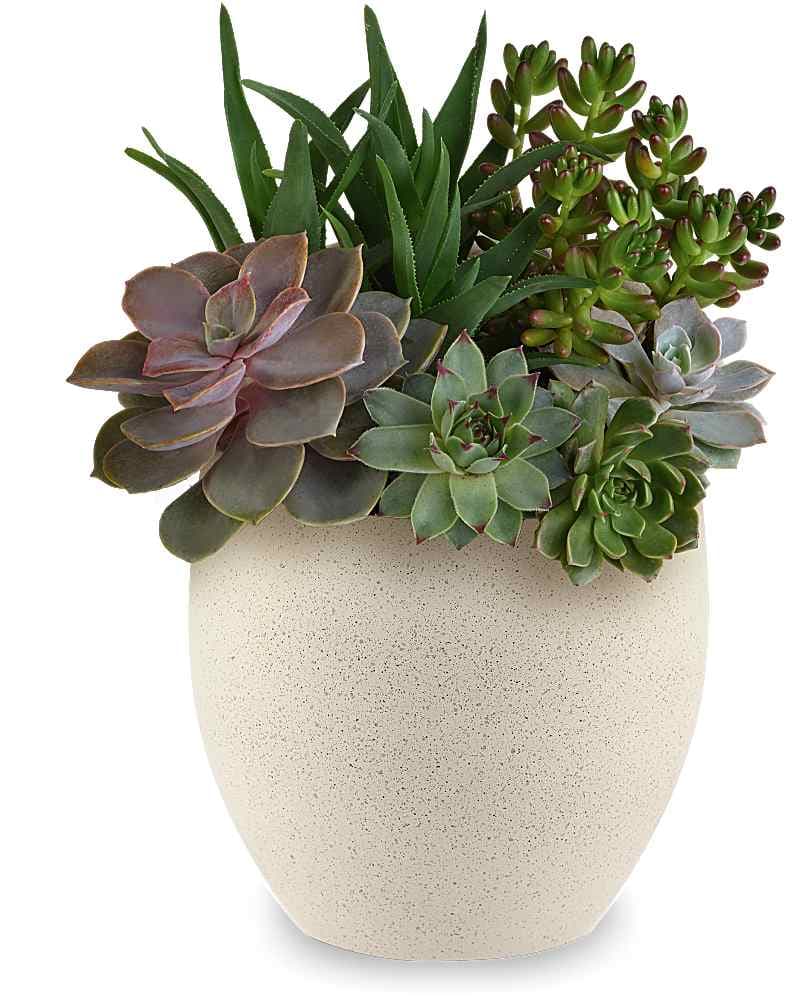
Long recovery is its own category and Sharonville sits close to several of the places where it happens. UC Health Drake Center on West Galbraith Road in Hartwell handles the extended stays that follow an acute admission, where a plant makes far more sense than cut stems because the stay is measured in weeks. Maple Knoll Village in Springdale is the nearest large retirement campus, where deliveries go through the front desk with the resident's full name and building. The Lindner Center of HOPE on Old Western Row Road in Mason is about nine miles north; before ordering anything there, call the unit, because what a behavioural-health floor accepts varies and the two-minute phone call is worth more than any assumption printed on a website. For recovery at home — the majority of these orders, once you count the knees, the surgeries that go out the same day and the flu that flattens somebody for a fortnight — a small plant, a low seasonal vase or a herb pot all outlast a hand-tied bouquet, and the honest recommendation is to send something that is still alive when the second week gets long.