Get-well orders are the one category where the rule set matters more than the bouquet, and Parma is an unusually good place to explain why. The city has its own hospital — University Hospitals Parma Medical Center at 7007 Powers Boulevard in 44129, a full-service community hospital with an emergency department, surgical floors and maternity — and it also sits inside the outer ring of one of the densest hospital corridors in the United States. Within the 18-mile search radius you have MetroHealth's main campus at 2500 MetroHealth Drive in 44109, the region's Level I trauma center, about five miles north up West 25th Street; Cleveland Clinic's main campus at 9500 Euclid Avenue, including the Taussig Cancer Center and Cleveland Clinic Children's; University Hospitals Cleveland Medical Center at 11100 Euclid Avenue with the Seidman Cancer Center and Rainbow Babies & Children's Hospital; Cleveland Clinic Fairview Hospital at 18101 Lorain Avenue; Cleveland Clinic Lutheran Hospital in Ohio City; Cleveland Clinic Marymount Hospital on McCracken Road in Garfield Heights; Southwest General Health Center at 18697 Bagley Road in Middleburg Heights; and the Louis Stokes Cleveland VA Medical Center on East Boulevard. Each of those has its own floor rules, and the difference between a bouquet that reaches a bedside and one that gets left at a nurses' station is almost never the price.
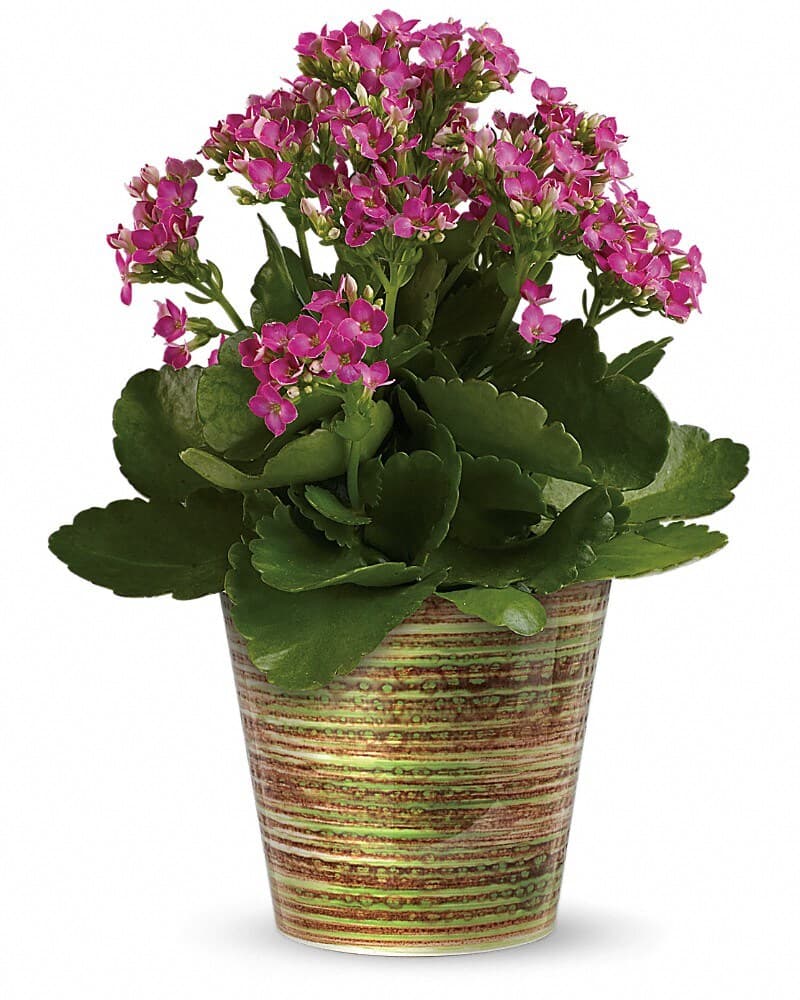
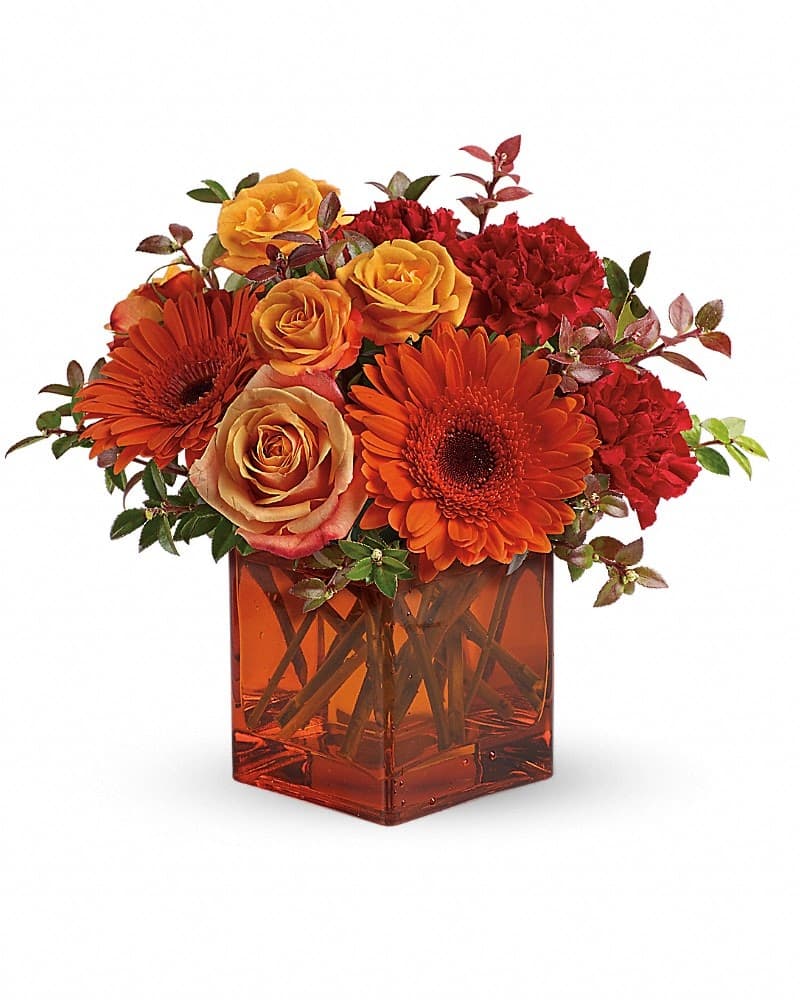
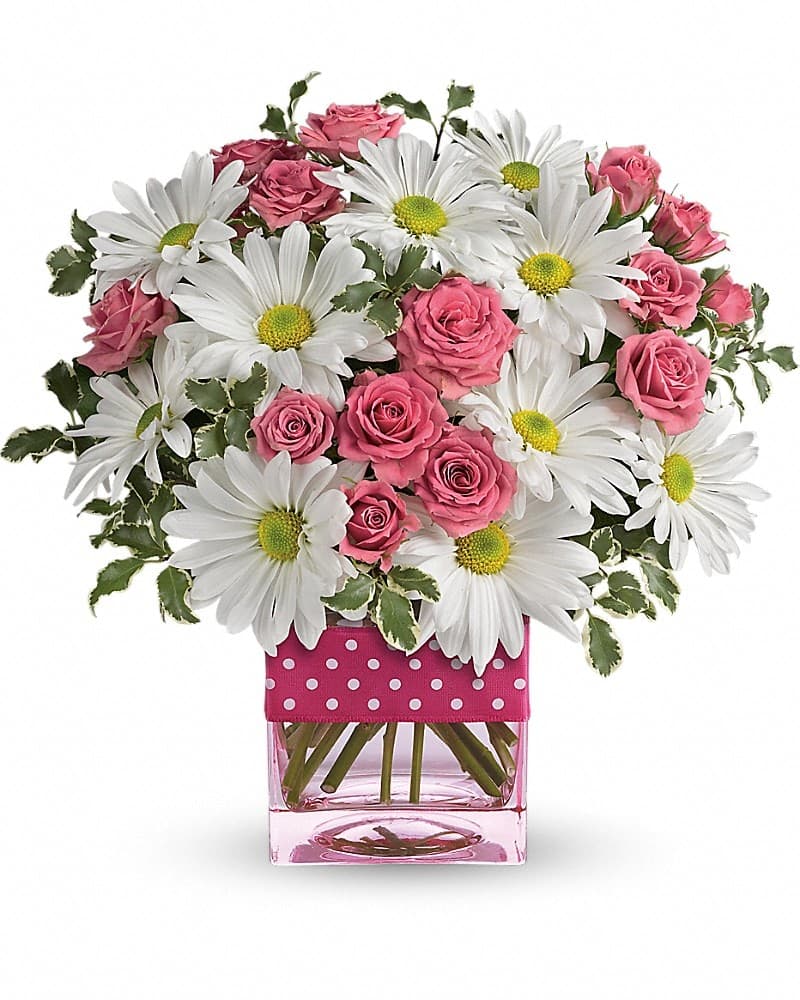
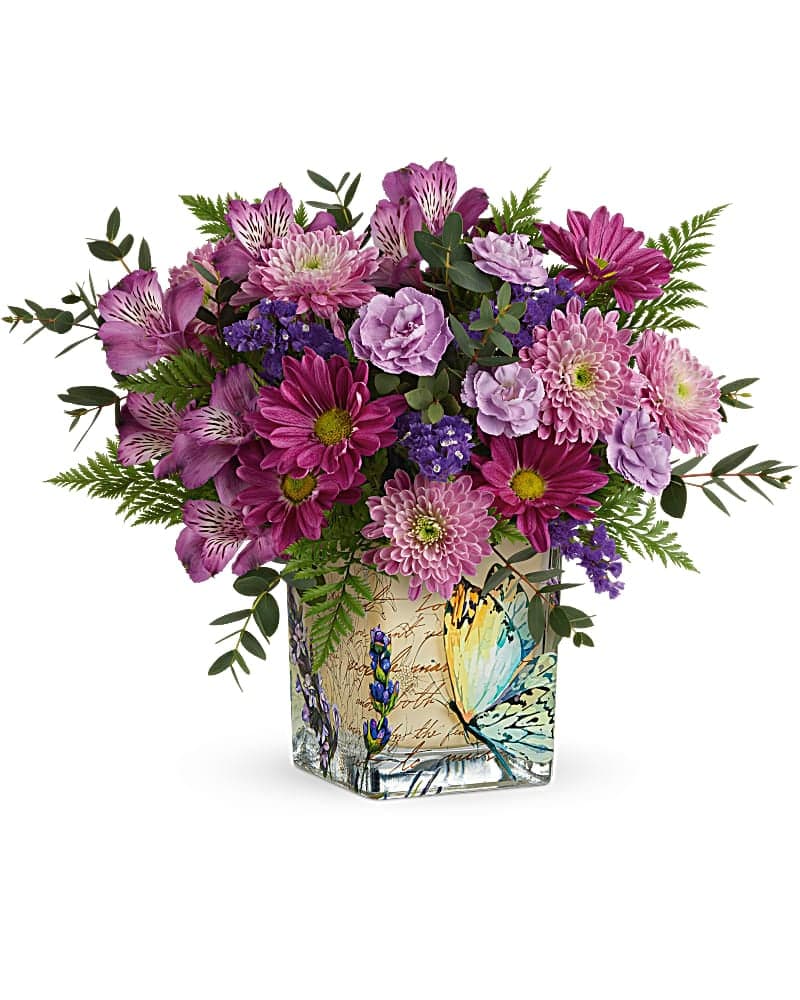
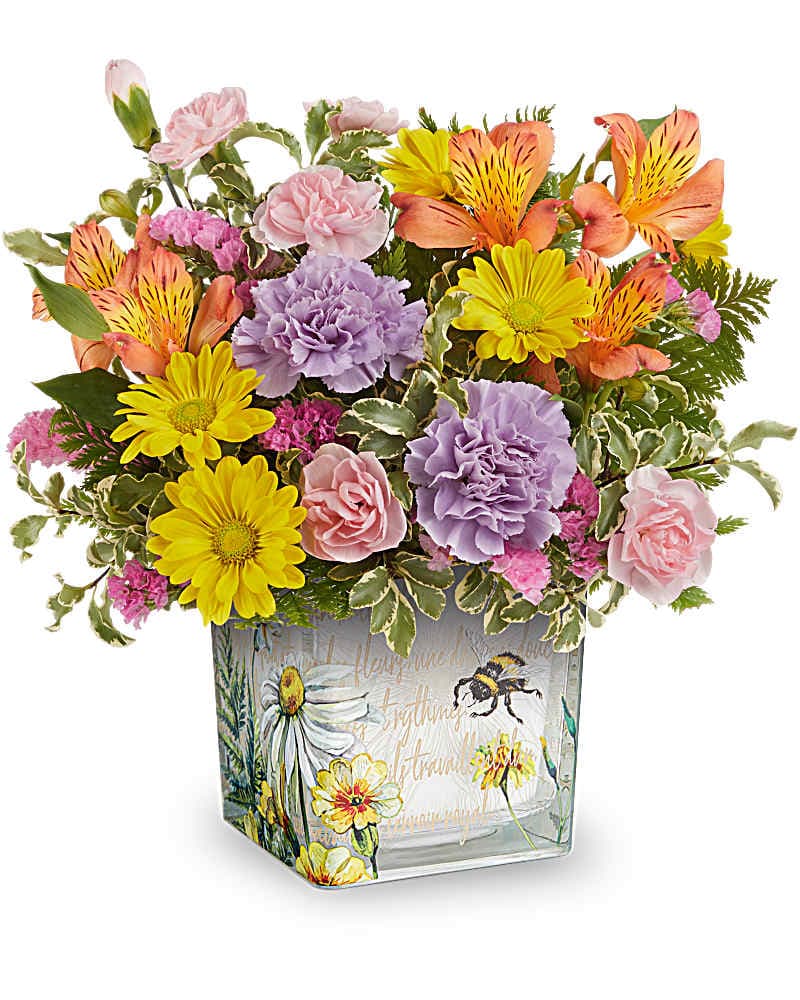
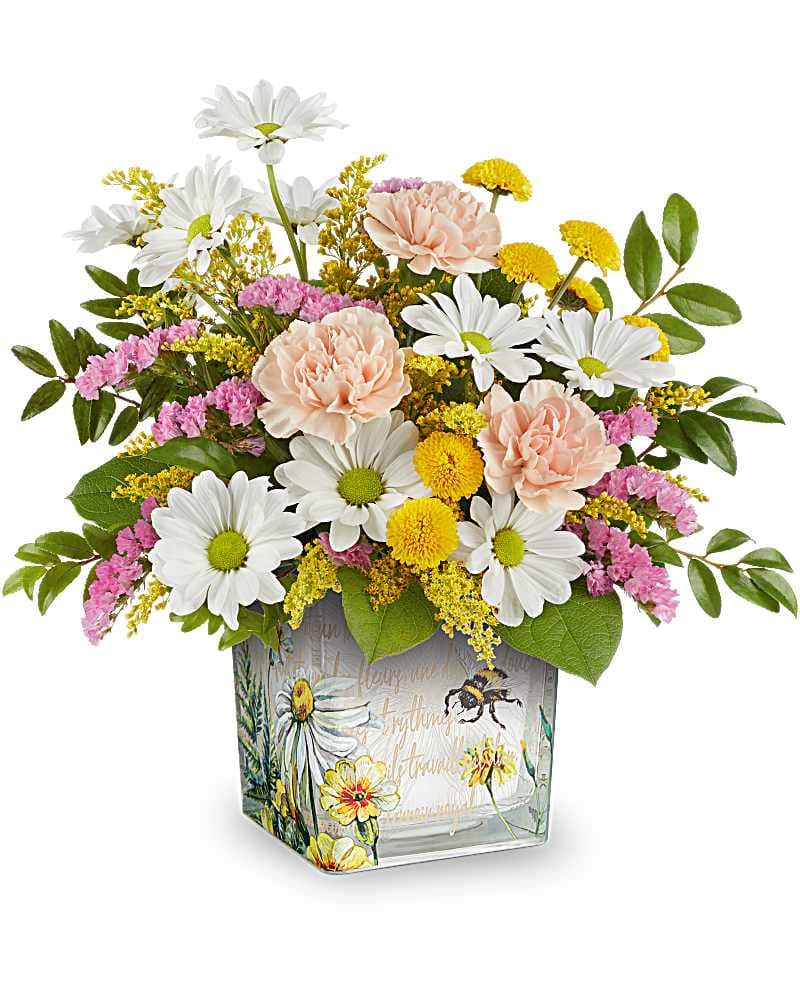
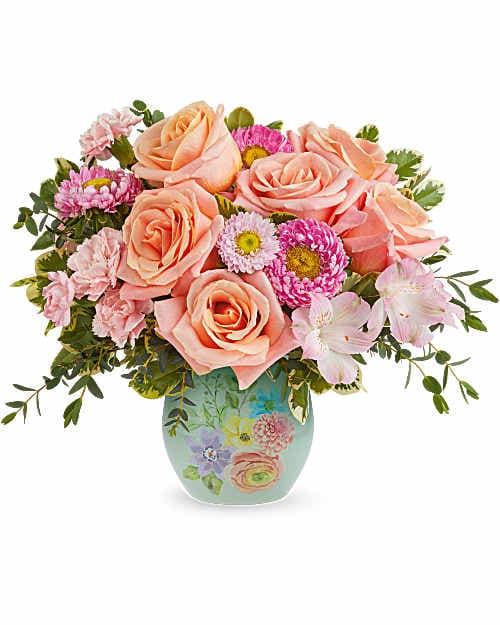
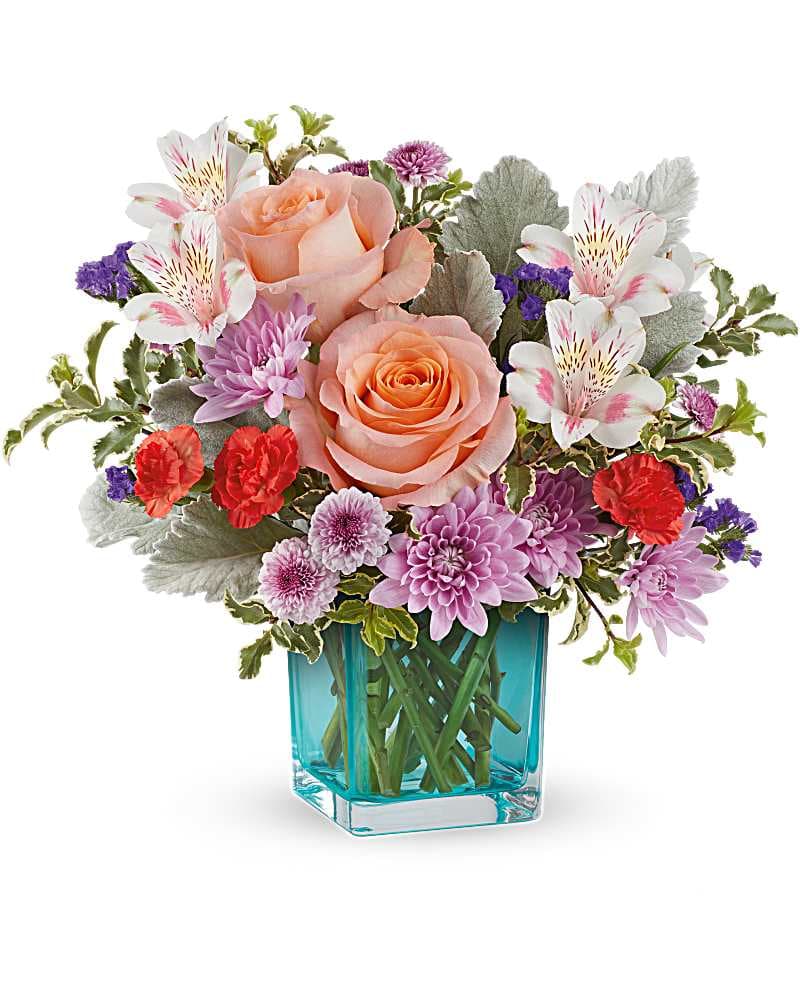
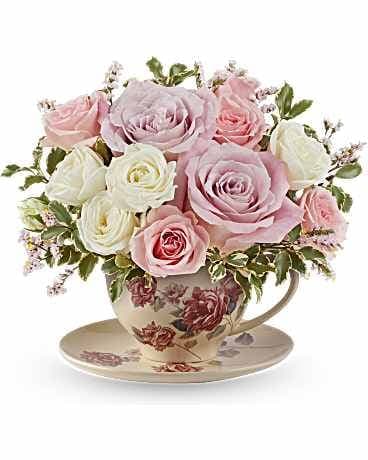
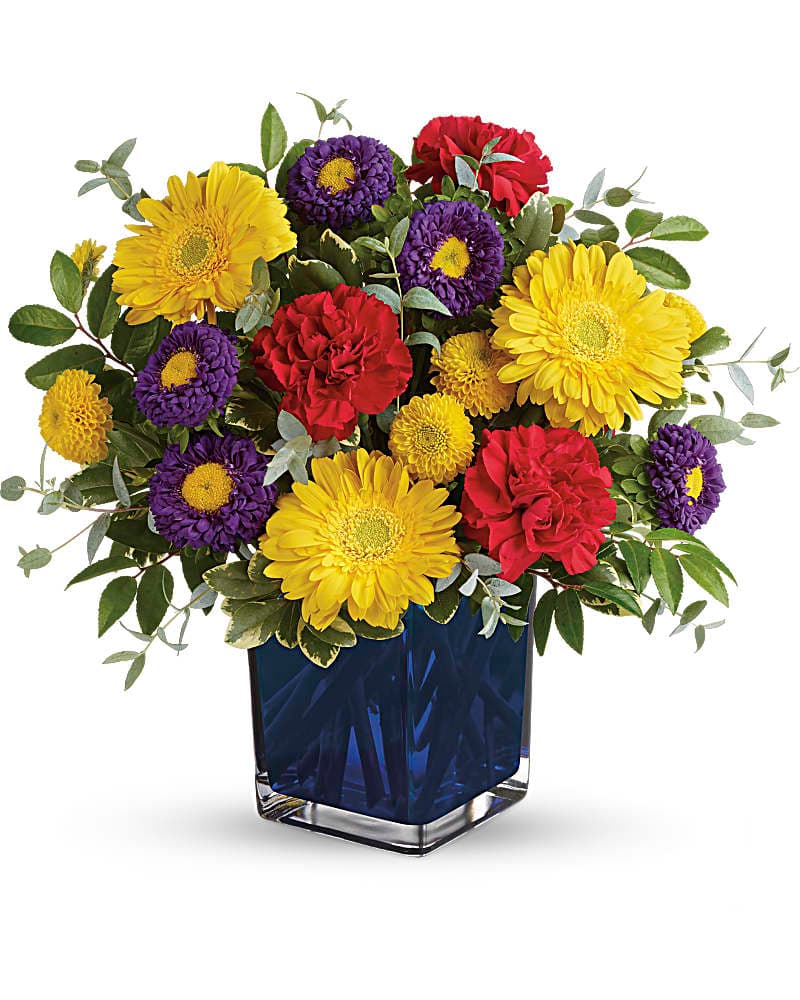
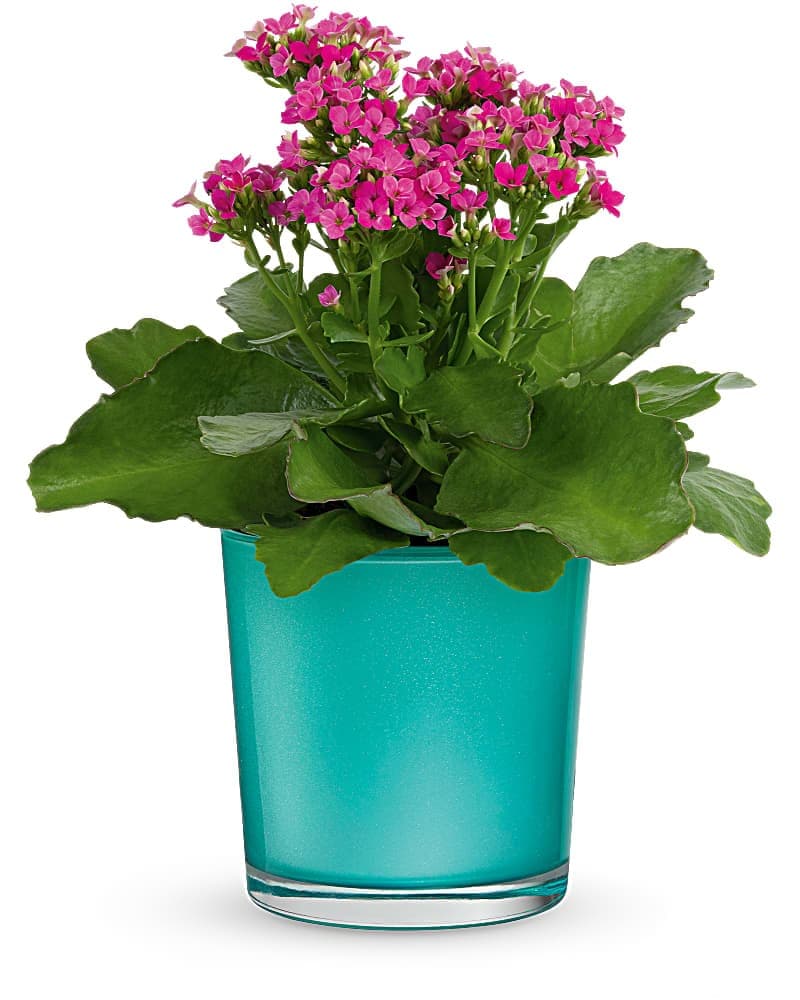
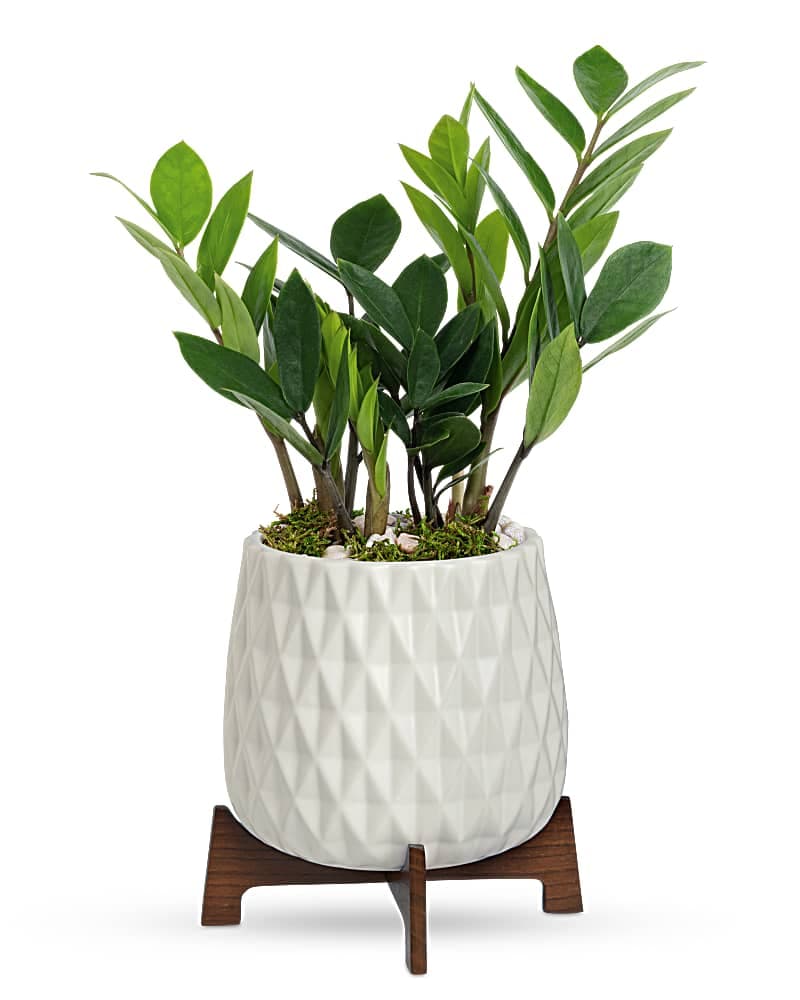
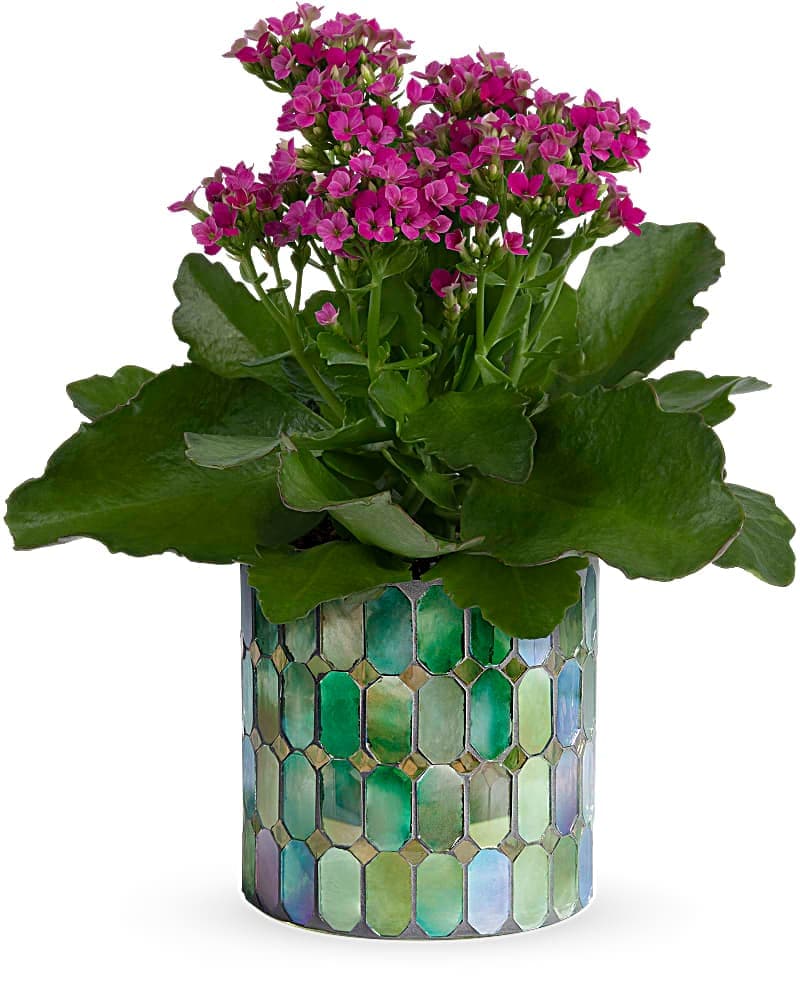
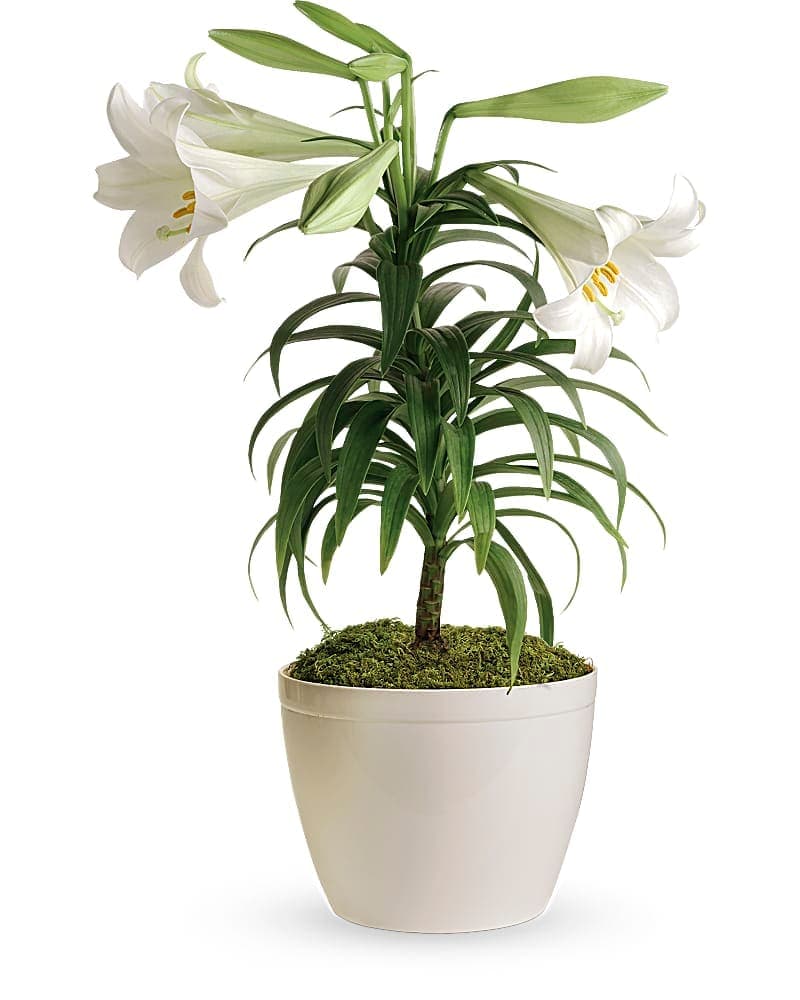
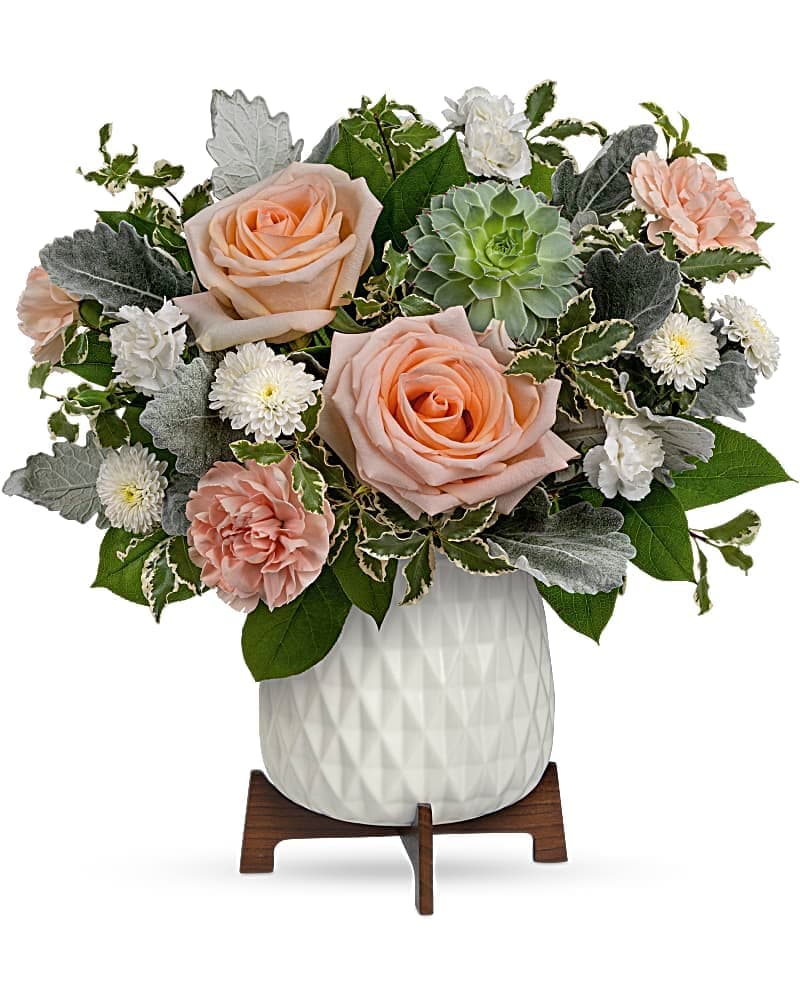
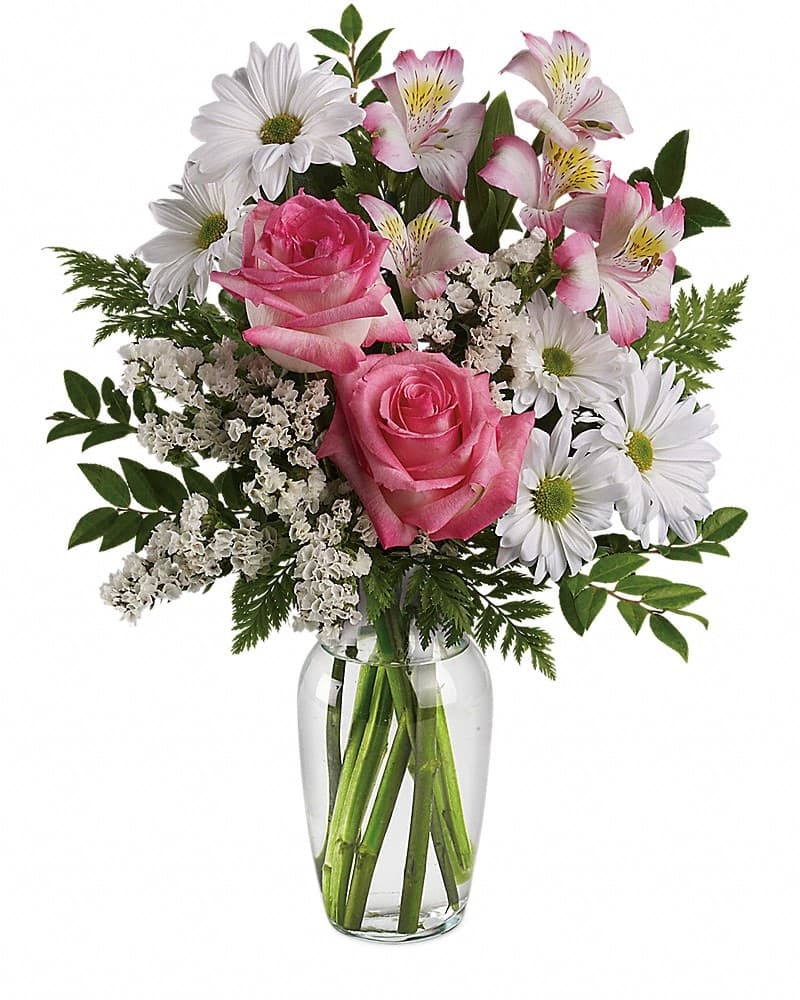
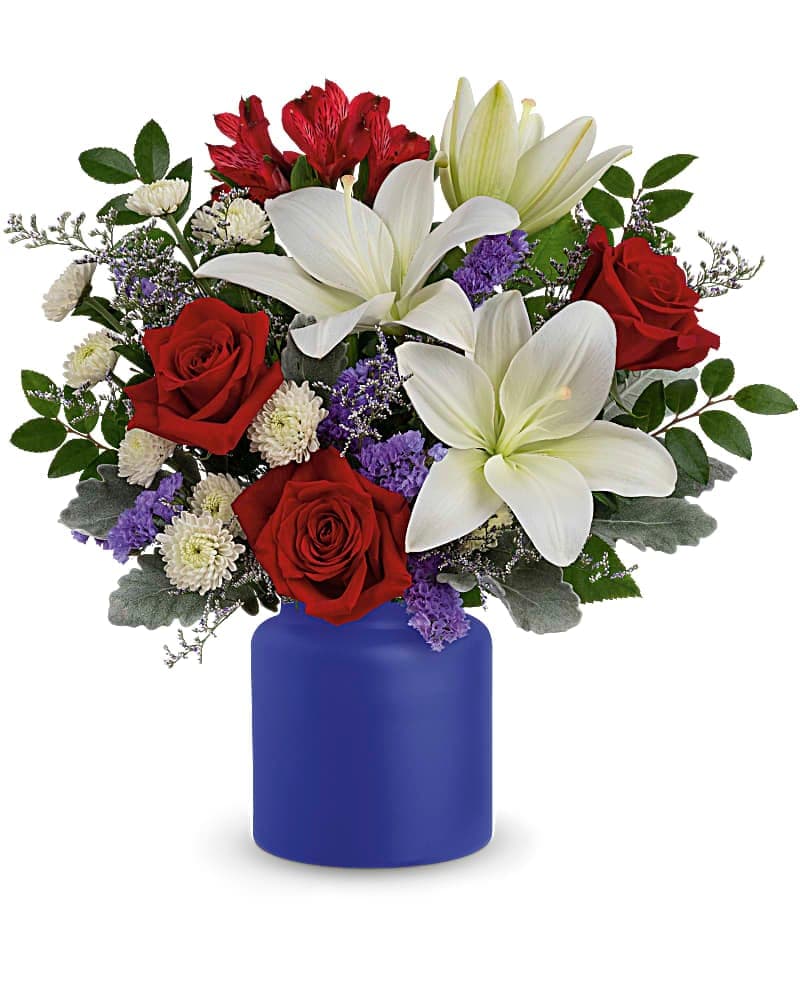
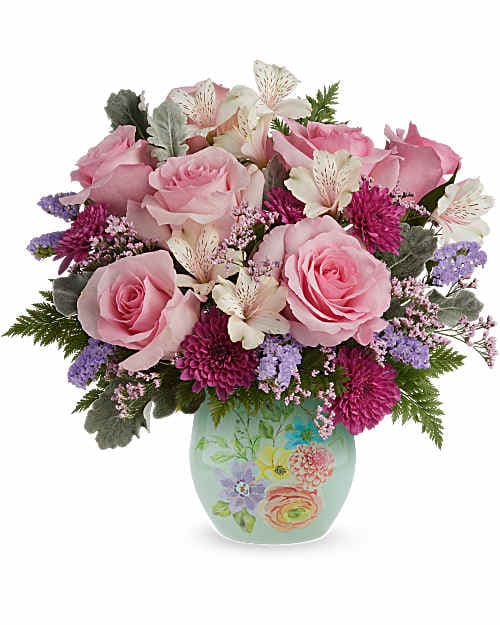
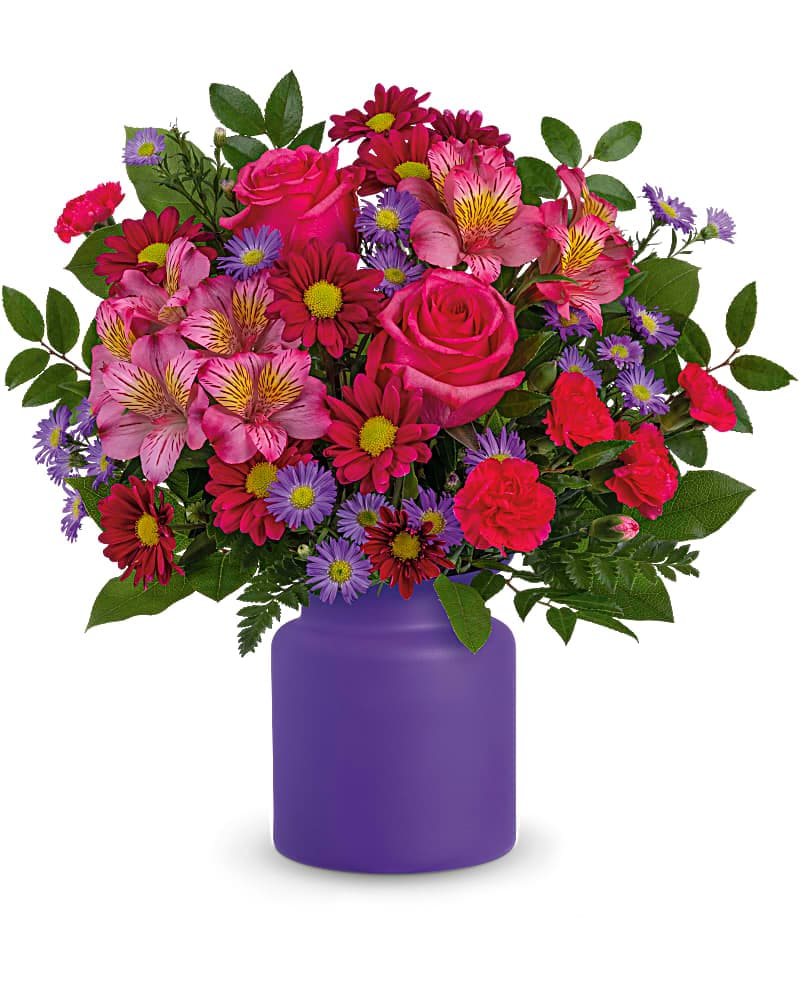
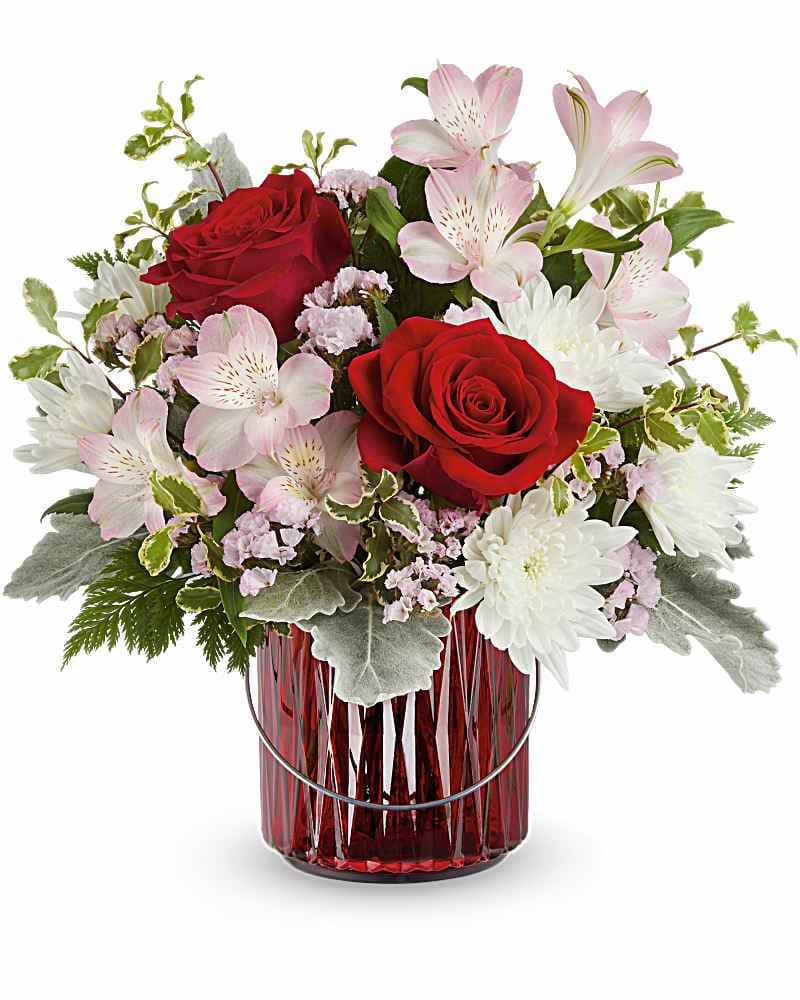
Here is the practical rule set, stated plainly so you can order correctly the first time. Transplant, bone-marrow, hematology-oncology and most intensive-care units at the Cleveland Clinic and University Hospitals campuses restrict or prohibit fresh flowers and live plants outright, because soil and standing water are infection risks for immunocompromised patients. Where flowers are allowed, the design has to be lily-free — lily pollen is the single most common reason a piece gets turned away, and it also stains gowns and bedding — low-pollen overall, so no open stargazers, no heavy alstroemeria, no sunflowers shedding across a tray table, and low-scent, because a strong fragrance in a shared room affects a patient who did not choose it. It has to be small: a windowsill or a rolling tray table is the entire available surface, and a 24-inch arrangement will end up on the floor. And it has to arrive in a vessel that holds its own water — nurses will not fill a vase, and a wrapped hand-tied bundle with no container is the fastest way to have your flowers sit in a sink. When you check out, put the hospital, the unit and the room number in the delivery notes and write "patient floor" in them. Every one of the nine shops on this grid builds differently when it knows.