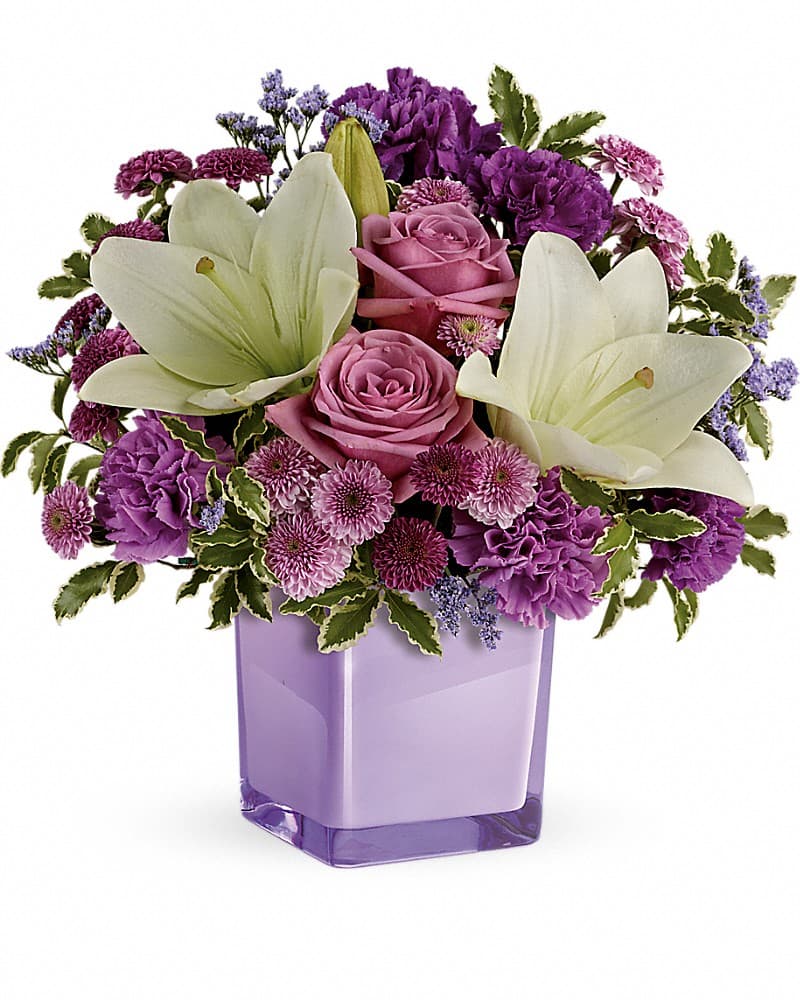
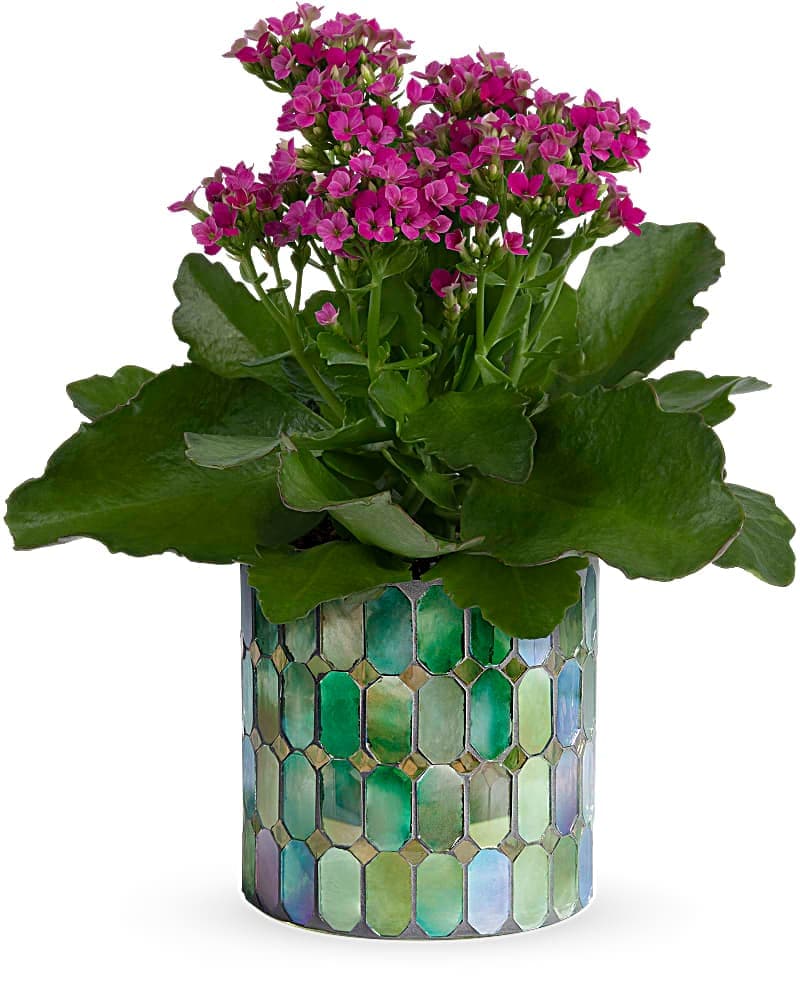
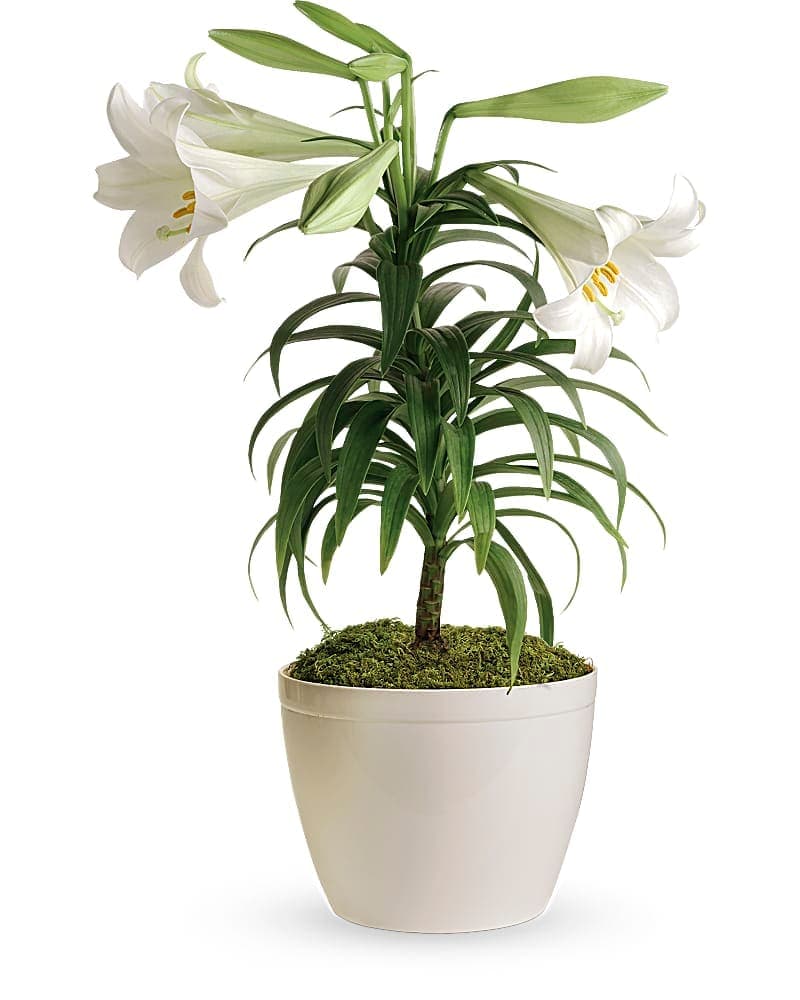
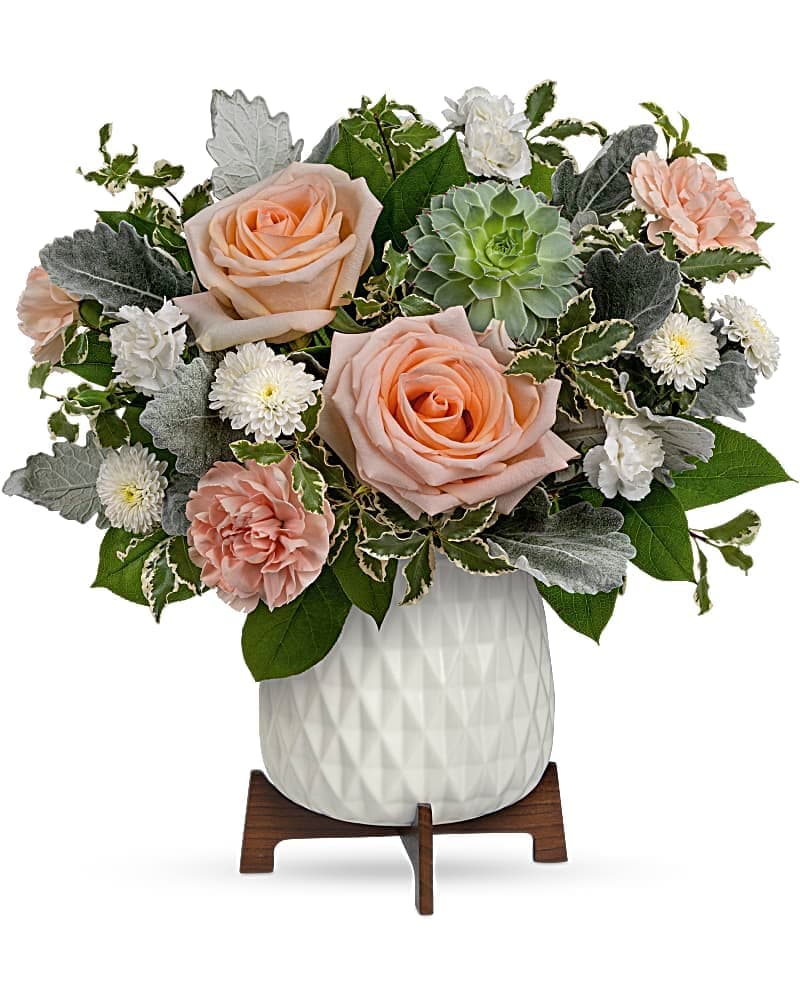
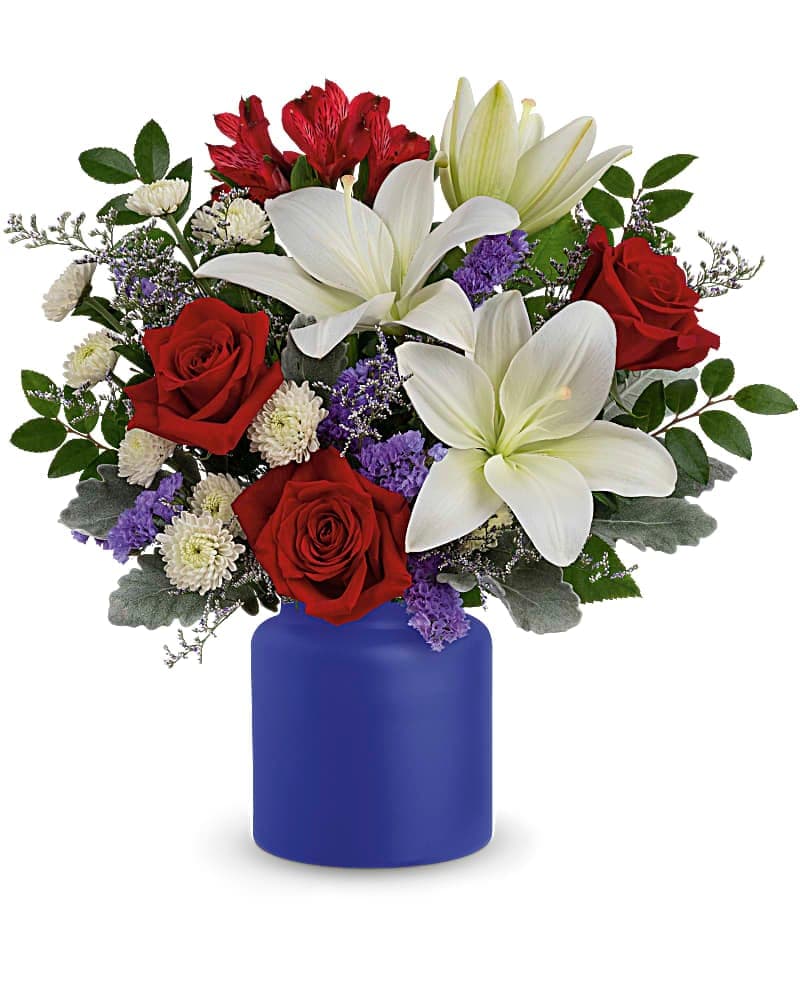
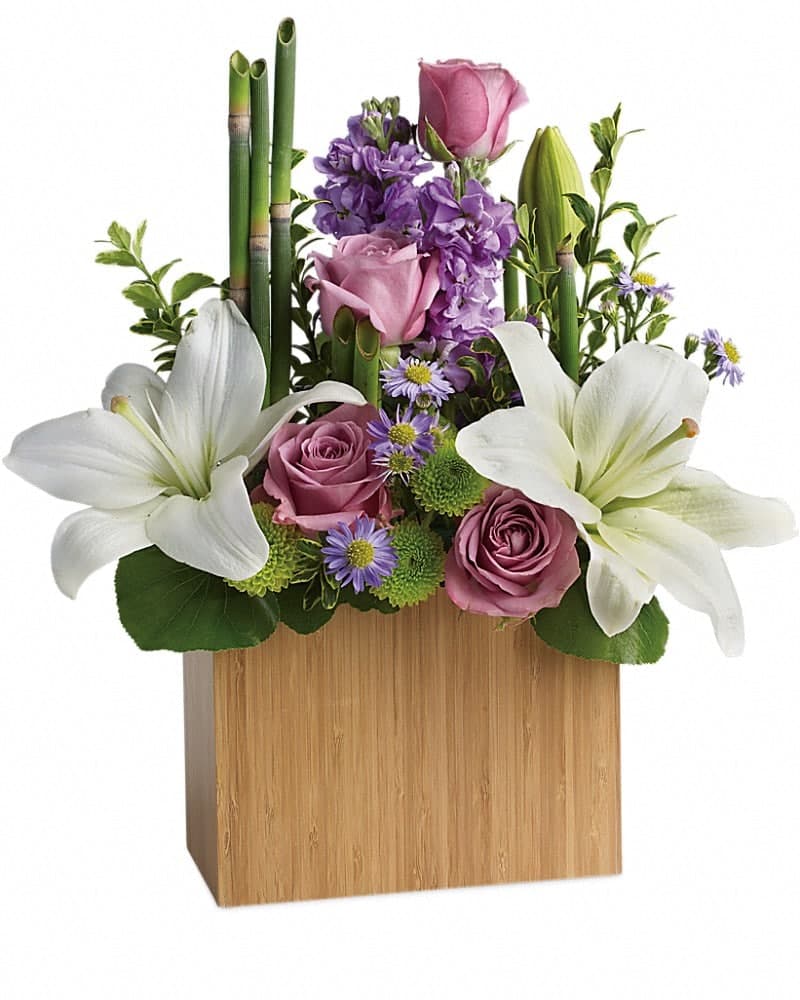
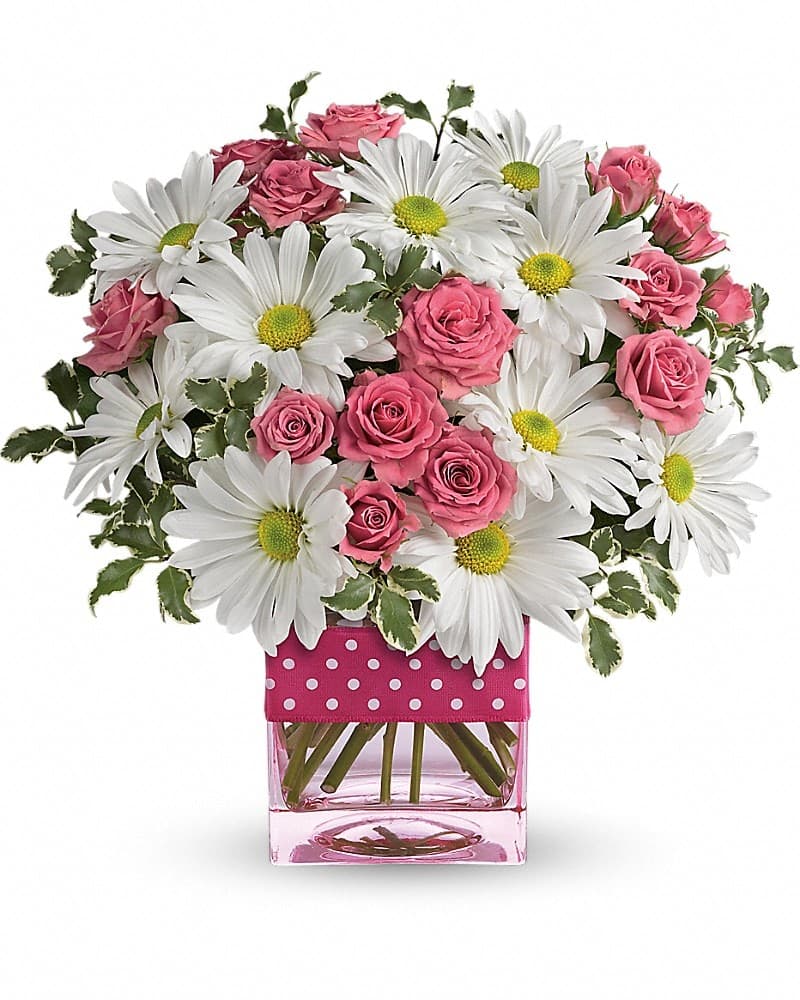
The floor matters more than the hospital. General medical, surgical and postpartum floors take flowers routinely, and that is where most get-well arrangements land. Intensive care is a different matter: many ICUs decline fresh flowers entirely, for a mix of infection-control policy, bedside space and staff allergy considerations, and the unit itself makes that call rather than the hospital switchboard. Oncology, hematology and transplant units are the strictest, and the reason is specific — potting soil can carry fungal spores, so soil-based potted plants are commonly barred from units caring for immunocompromised patients, while heavily scented and high-pollen flowers are restricted because a neutropenic patient cannot tolerate either. Lilies are the flower most often named in those restrictions, since the pollen sheds freely and the fragrance carries down a corridor. A studio that works these buildings weekly will build you a lily-free, low-pollen, soil-free design without being asked twice: think roses, alstroemeria, carnations, spray chrysanthemums and hydrangea in a low, stable container that will not tip on a rolling tray table. Children's Hospital New Orleans on Henry Clay has its own layers — pediatric oncology and transplant units frequently decline both flowers and plants, and where balloons are allowed they are mylar only, never latex, because of latex allergy protocols. The right move in every one of these cases is a ninety-second phone call to the nurses' station on the floor before you order. Ask two questions: are flowers permitted on this unit, and is the patient still there.
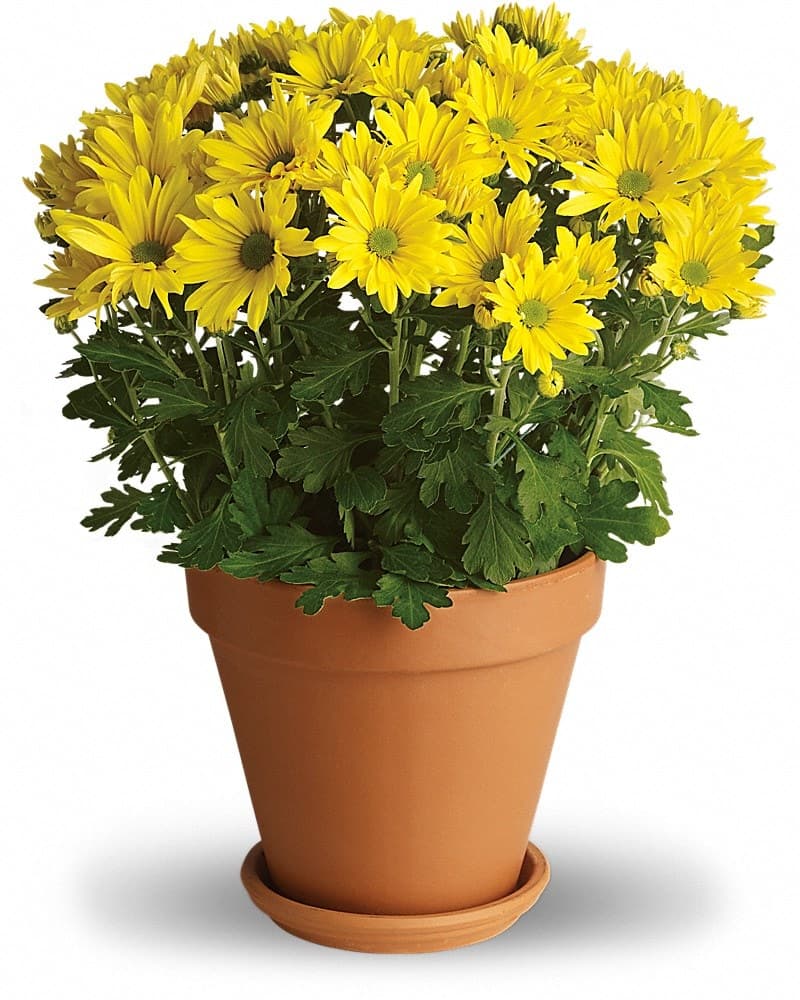
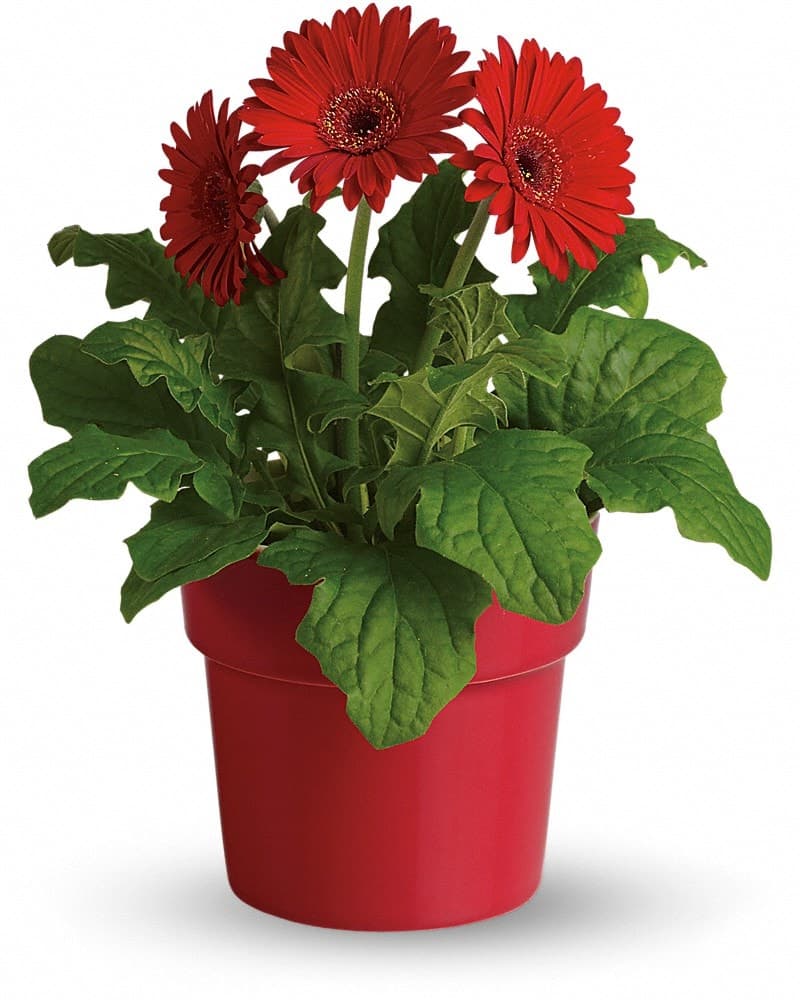
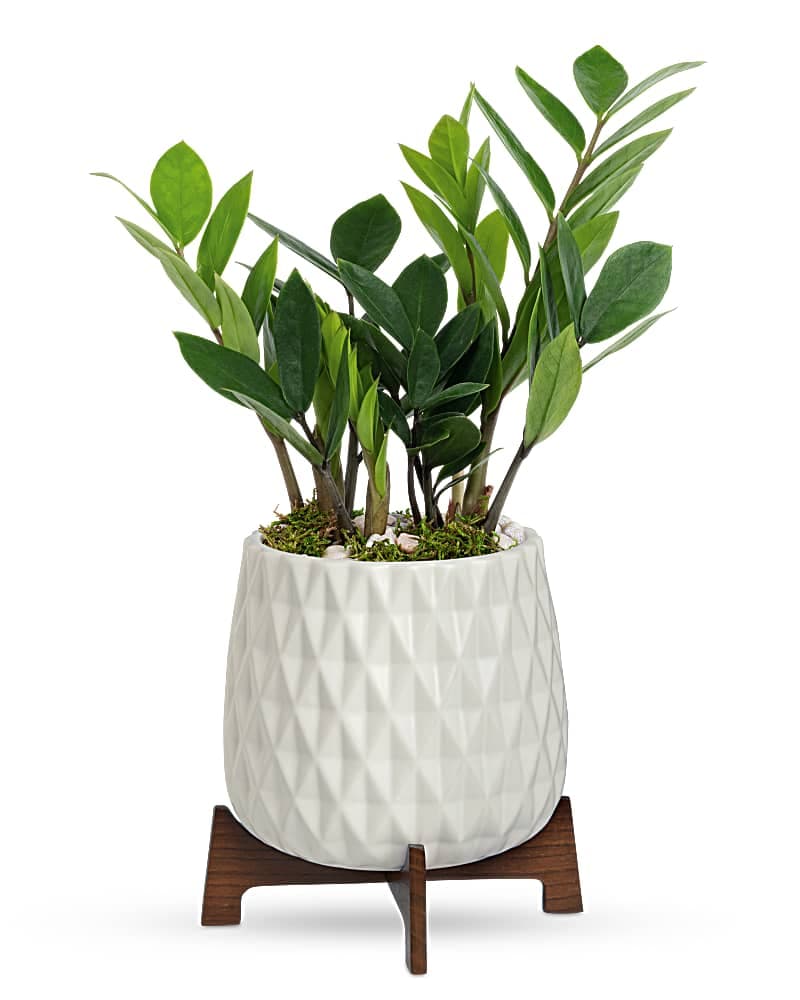
That second question is the one that trips people up, because a hospital will not answer it. Under patient-privacy practice, front desks and switchboards do not confirm whether a named person has been admitted, so a get-well delivery needs the patient's full name plus the unit or room number supplied by the family — not by the hospital. Without it, the arrangement waits at a lobby desk or comes back to the shop. Our drivers hand deliveries to the unit desk rather than walking into rooms, which is standard practice at every building on this list. The other structural risk is the length of stay. Hospital stays are short: a patient admitted Tuesday for a procedure may be discharged Thursday morning, and flowers that arrive Thursday afternoon arrive after everyone has gone home. If the stay is expected to be two or three days, sending to the house instead is usually the better gift, and it has a second advantage in this city — a home delivery can be a plant, which oncology floors will not accept but a recovering person will keep for months. Post-surgical recovery at home is a large share of New Orleans get-well volume anyway: Mid-City and Bayou St. John (70119), Uptown and the Garden District (70115), Carrollton (70118), Lakeview (70124), Gentilly (70122), Algiers Point (70114), New Orleans East (70126 through 70129), plus Metairie (70001-70006), Harahan and River Ridge (70123), Kenner (70062, 70065), Gretna and Terrytown (70053, 70056) and Chalmette and Arabi (70043). Many of those houses are raised double shotguns where the address ends in A or B; include the letter and a phone number, because nobody recovering from surgery should be walking down front steps to look for a box.