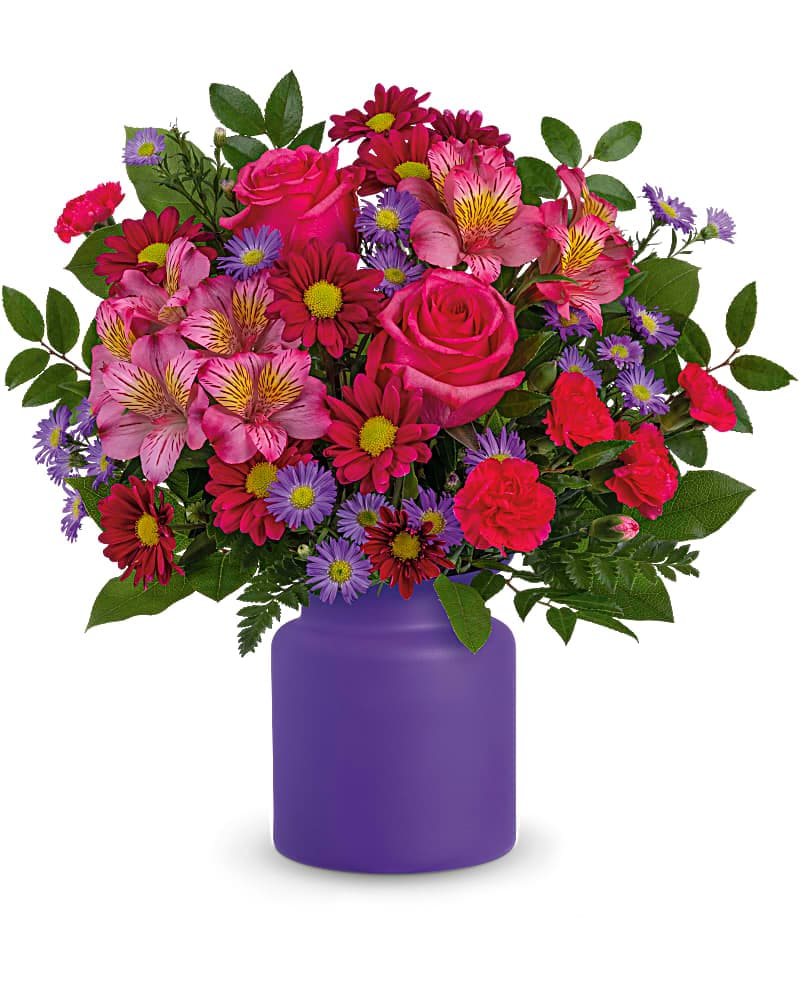
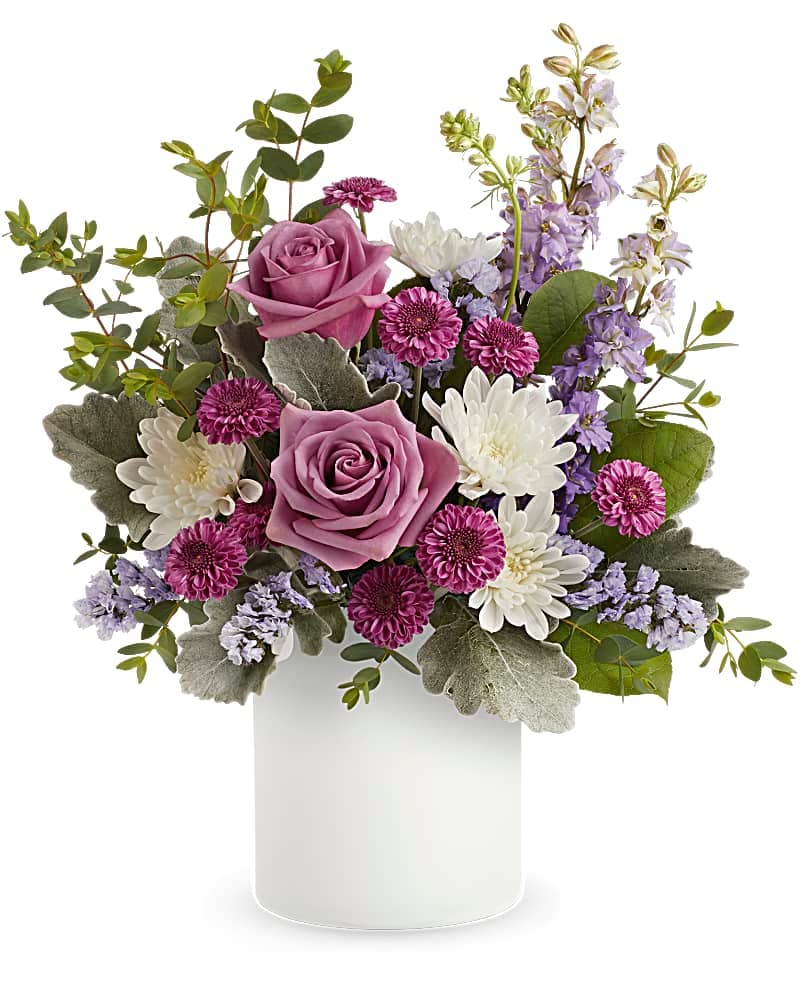
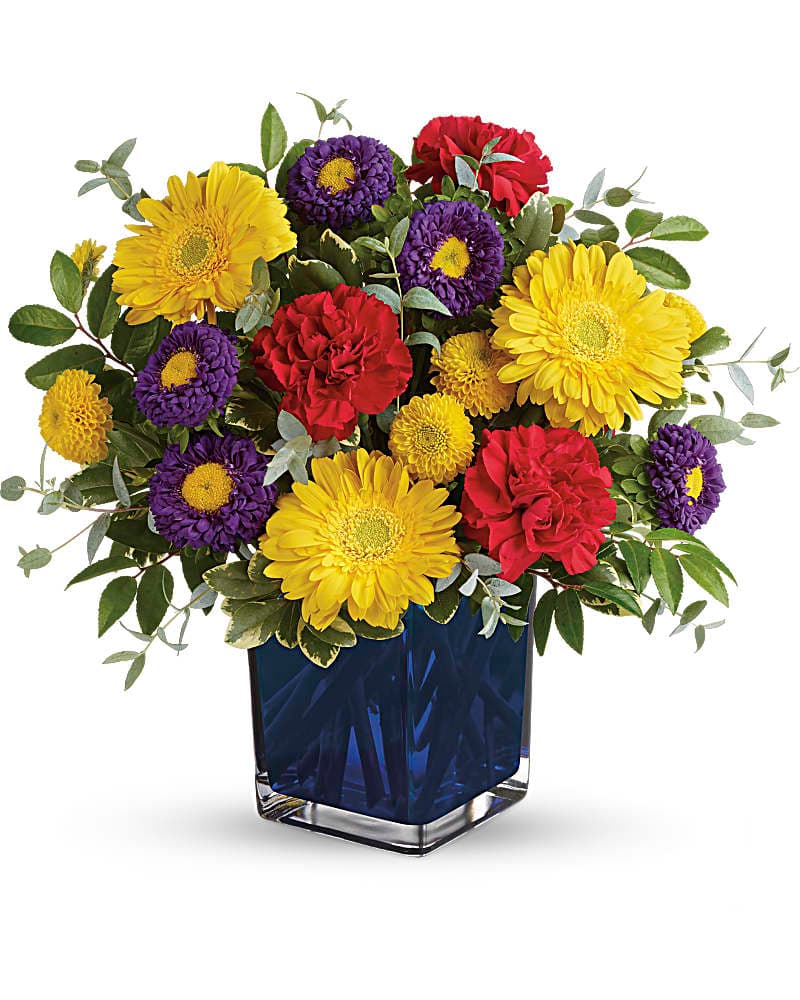
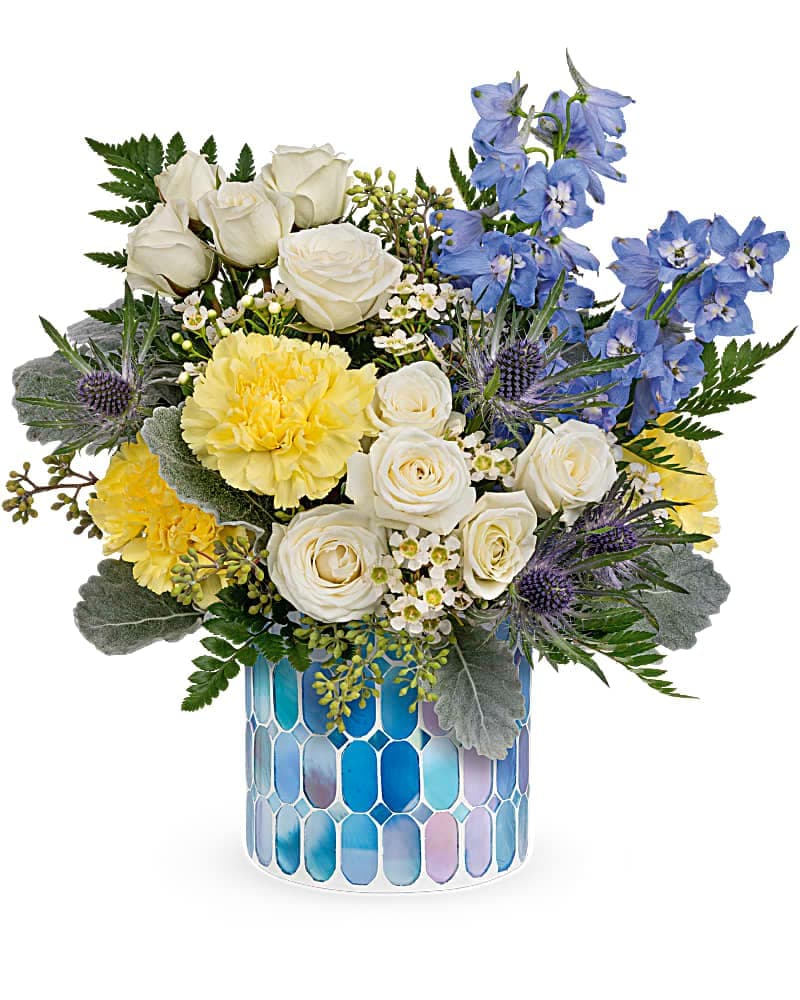
Most of the medicine in Mason happens without an overnight stay, and that single fact should change your get-well order more than anything a florist tells you about flowers. The Cincinnati Children's Mason campus is an outpatient building: appointments, therapy, day procedures, and then the family drives home to Deerfield Township. Same story for the surgery centers and specialty offices strung along Mason-Montgomery Road and out toward Fields Ertel. So before you send anything to a building, ask one question — is the person staying the night? If the answer is no, send to the house instead, timed for late afternoon when they are back and sore and the adrenaline has worn off. Flowers waiting at a discharge desk are flowers nobody carries out; flowers on the kitchen counter when someone limps in are the ones that get remembered. Mason also has a hospital most people outside the area do not know sits here: the Lindner Center of HOPE on Old Western Row Road, a psychiatric hospital serving patients from well beyond Warren County.
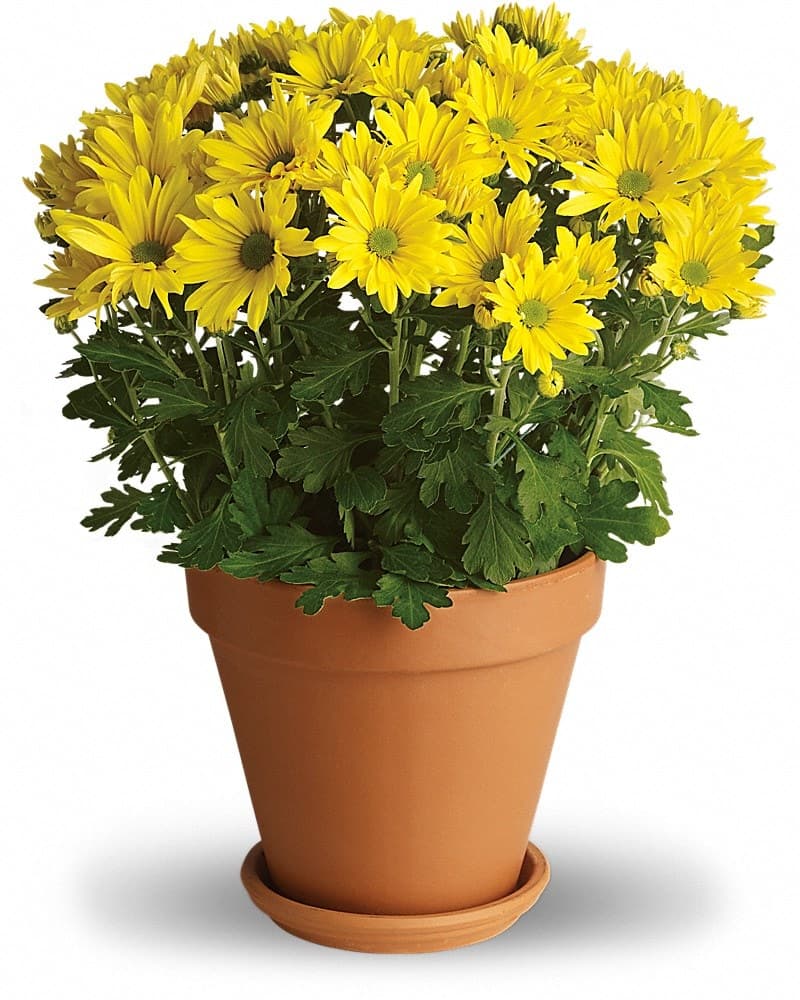
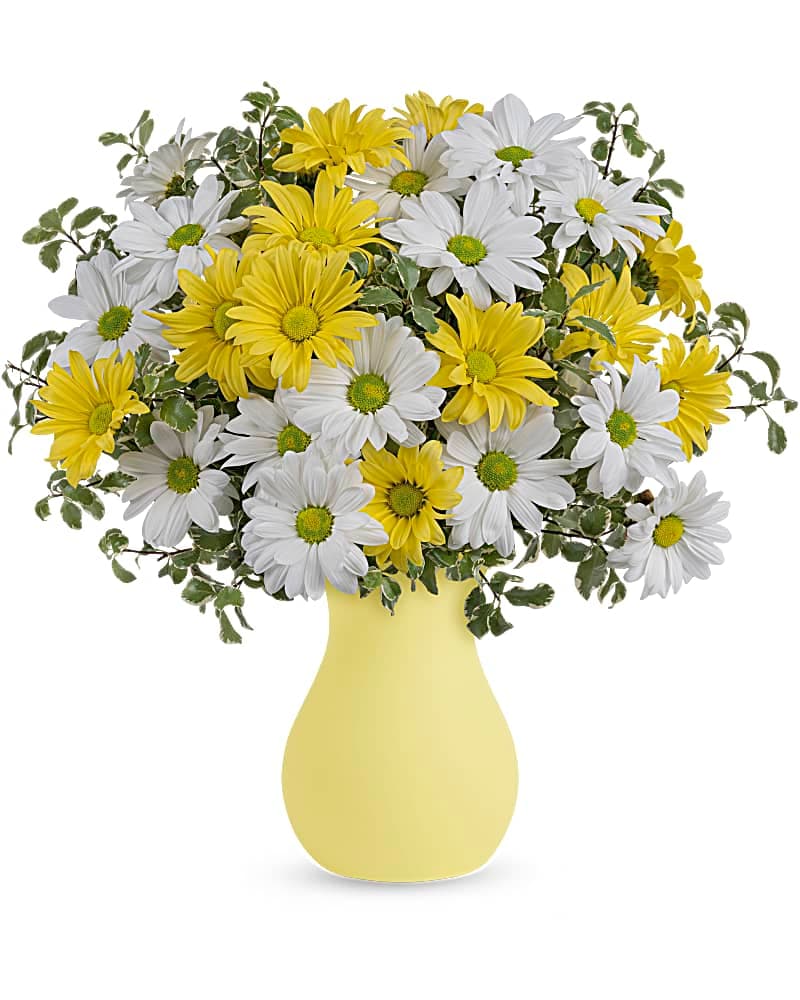
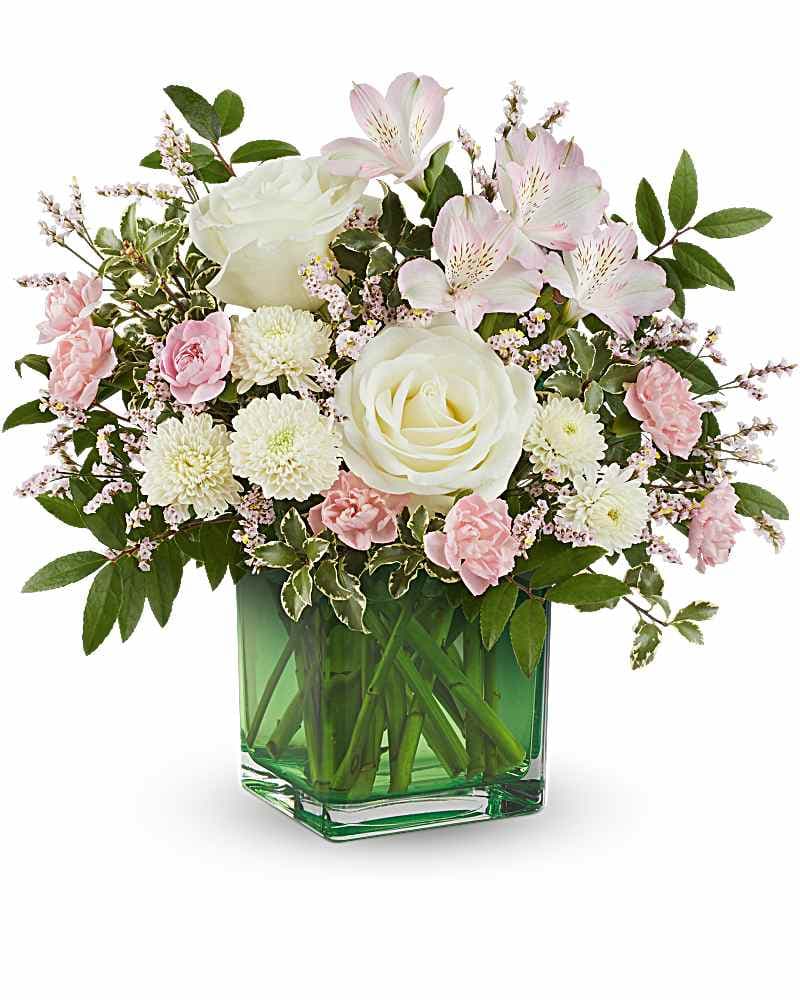
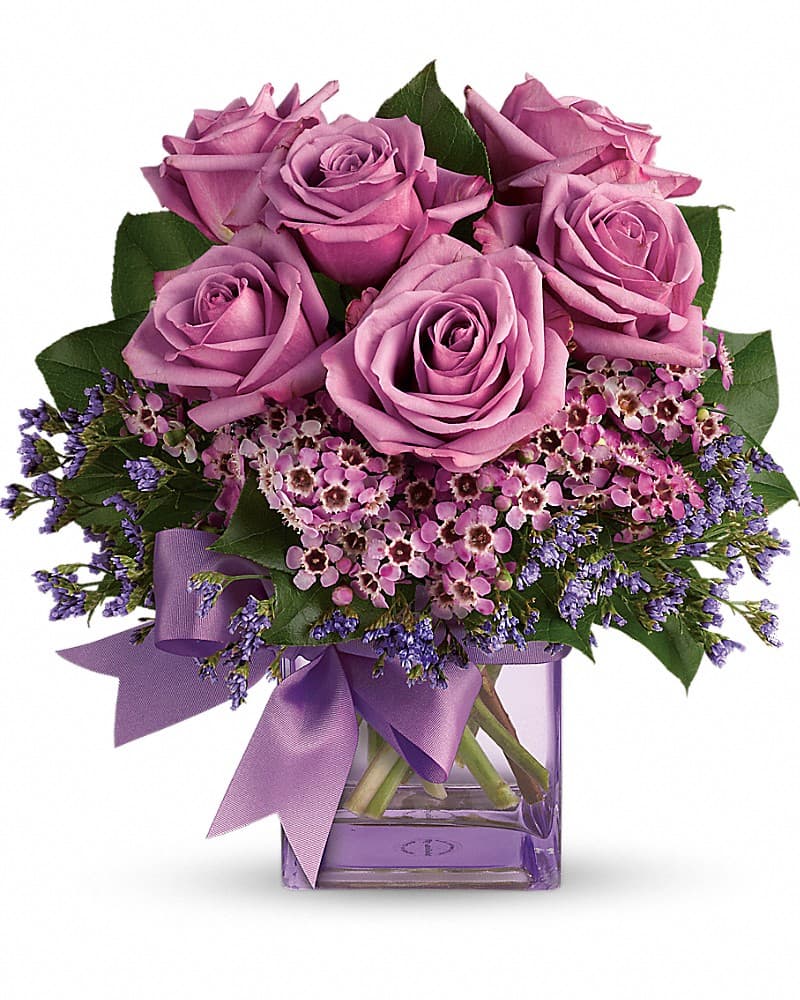
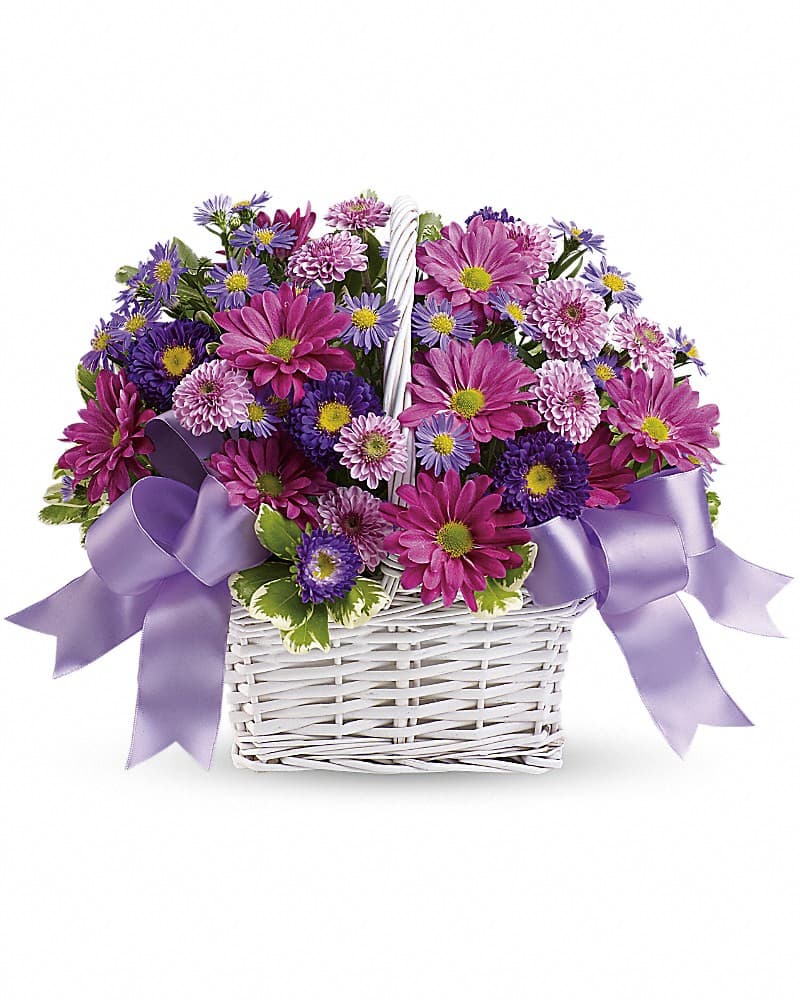
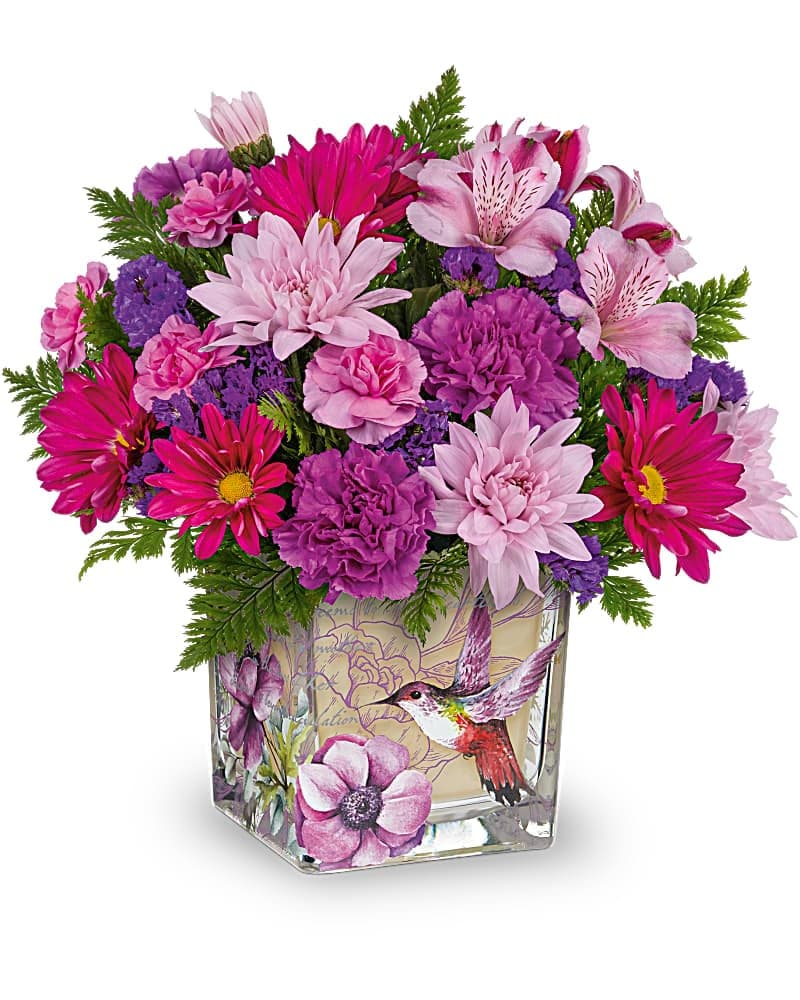
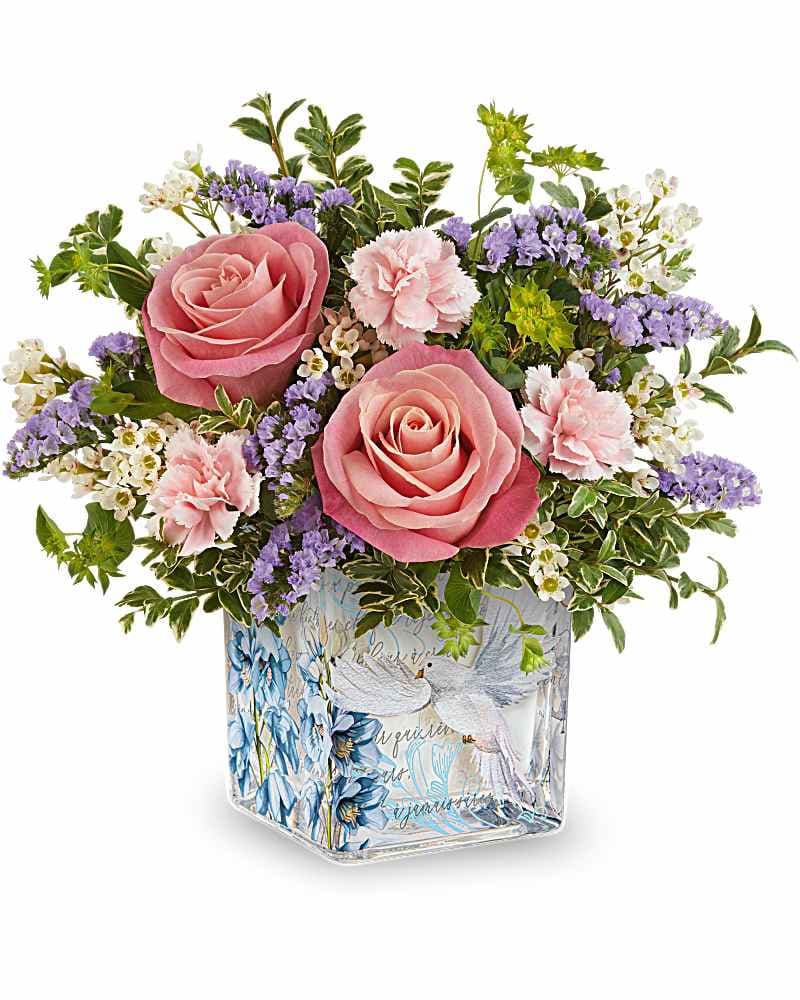
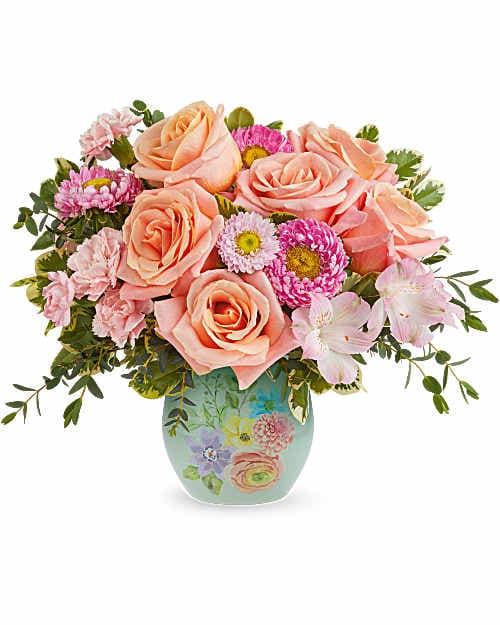
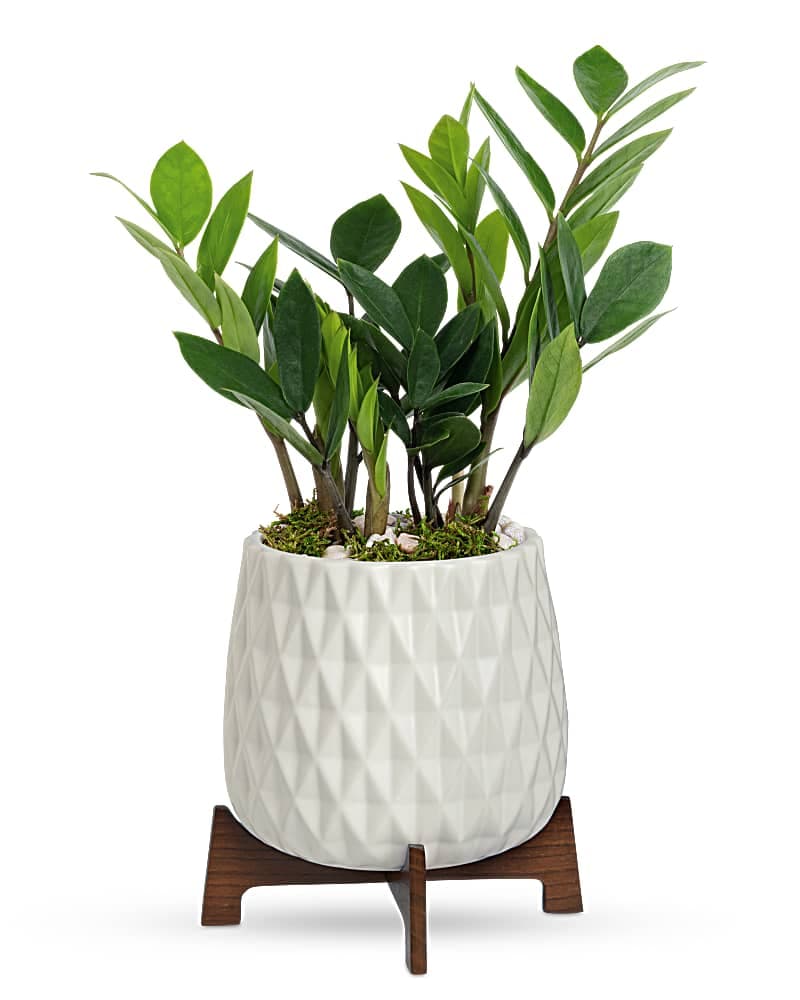
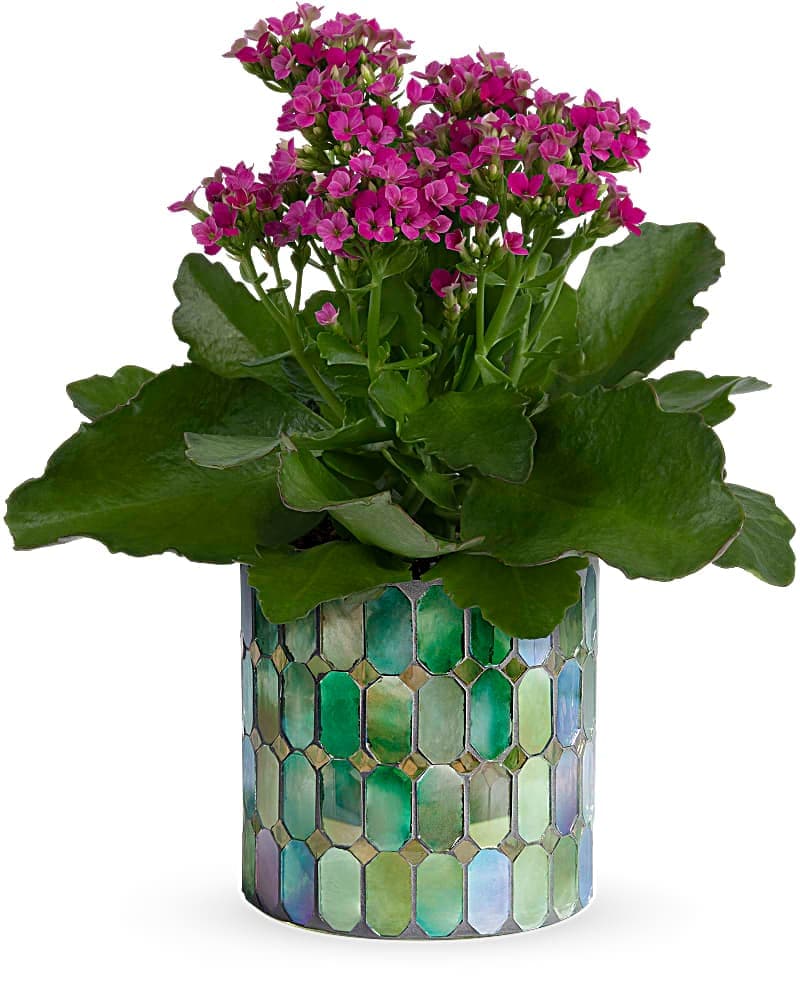
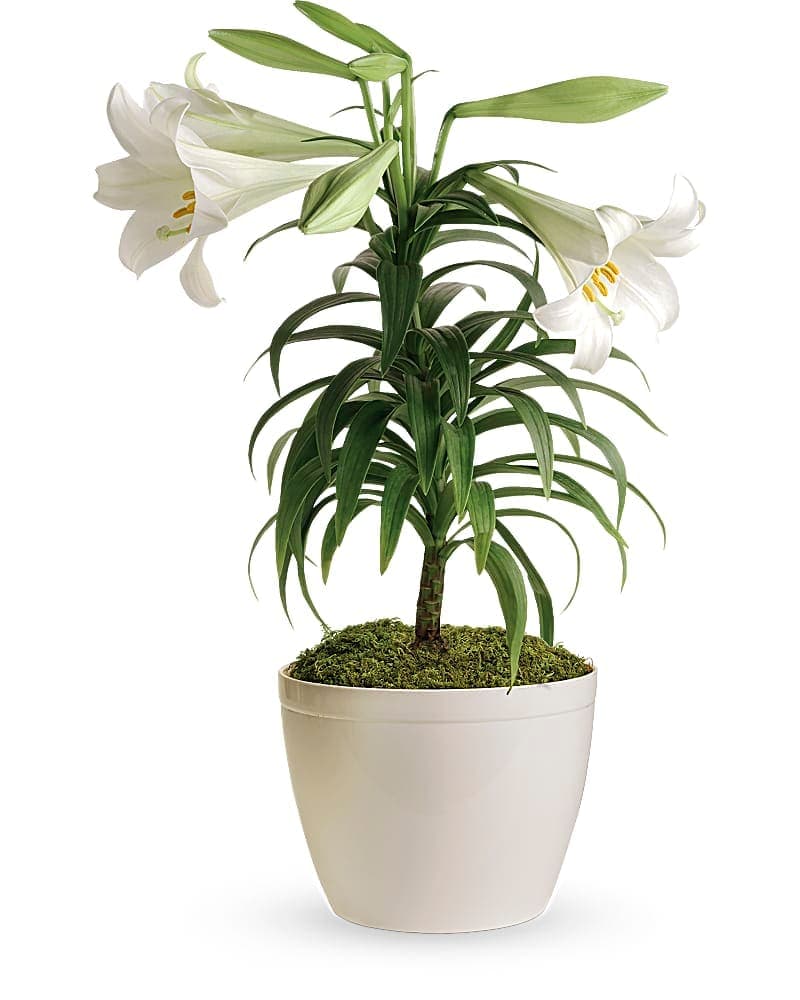
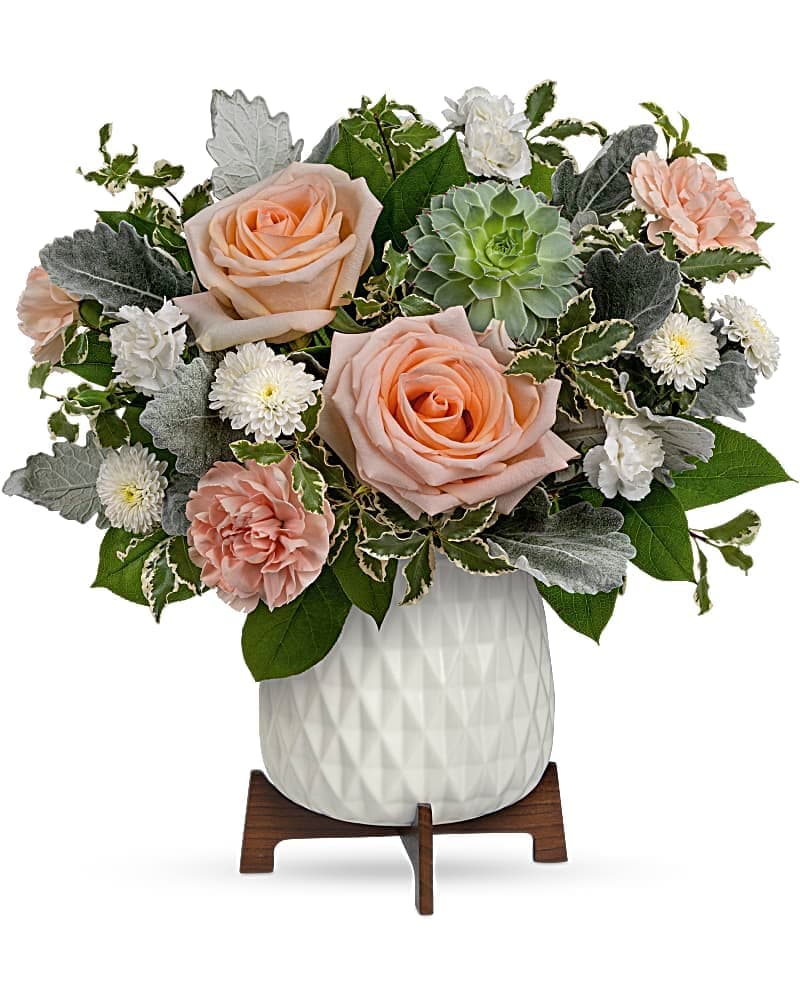
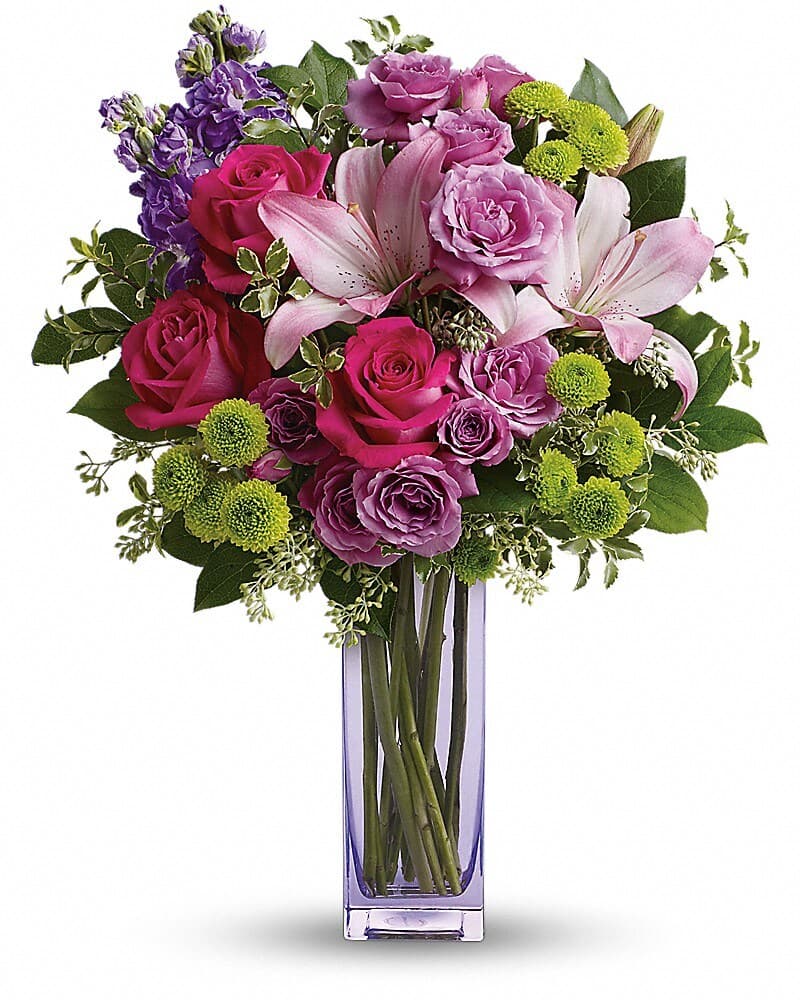
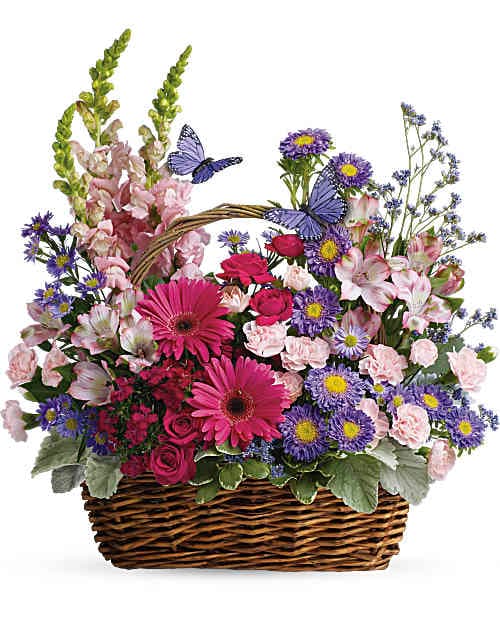
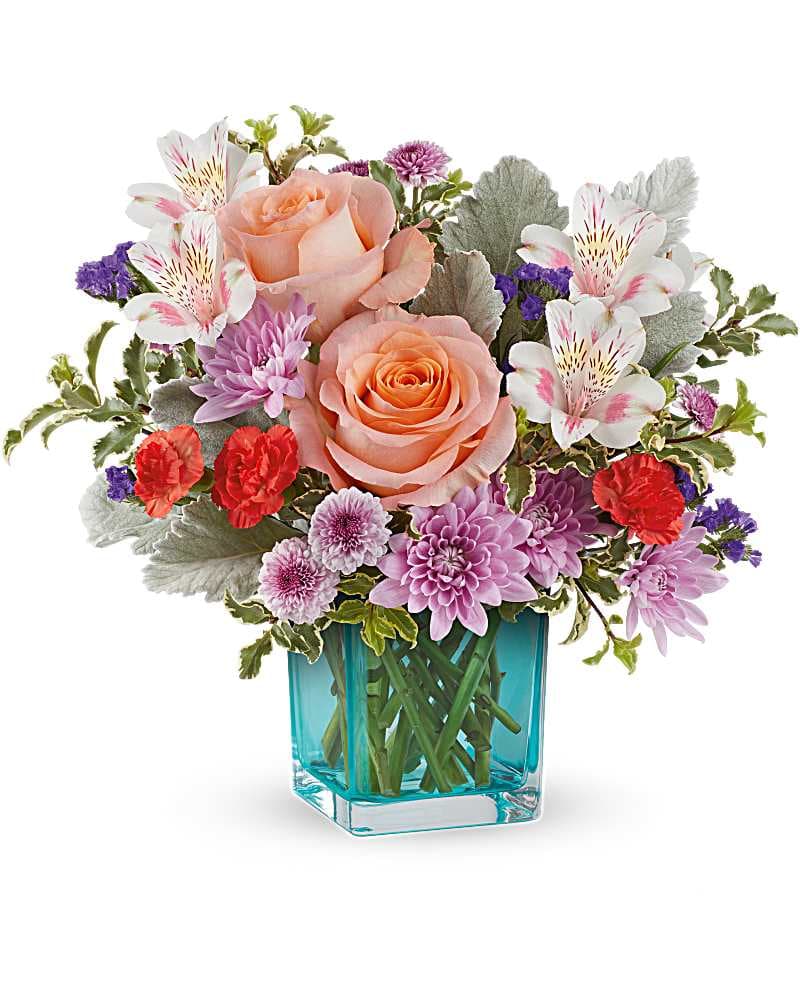
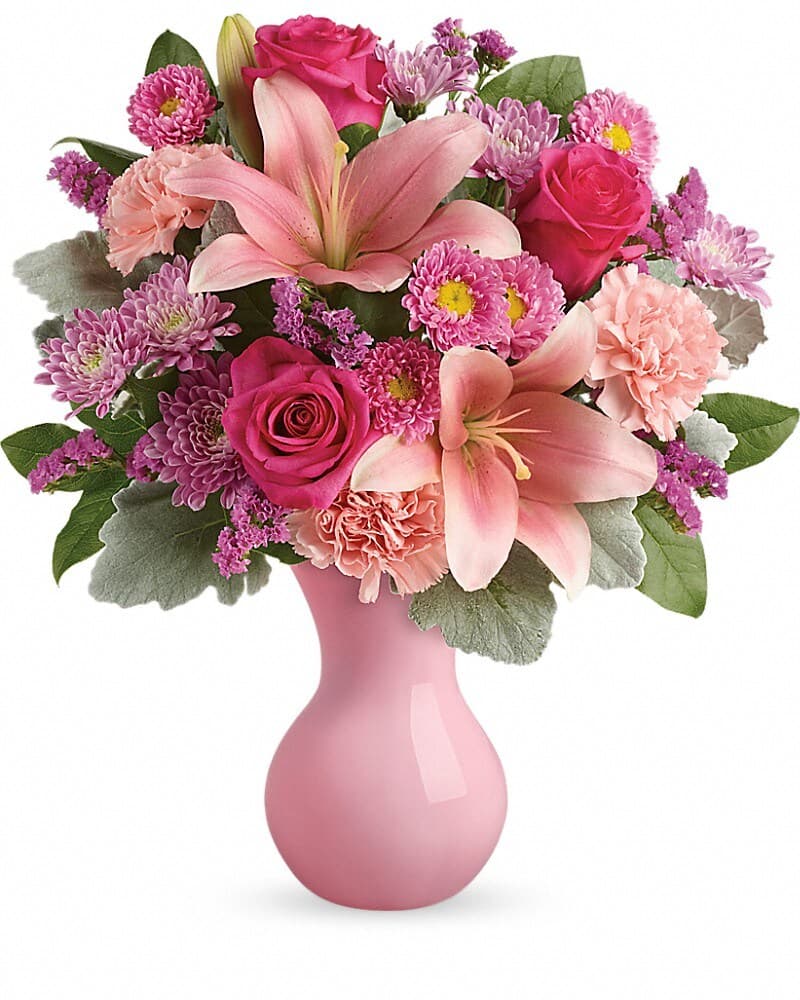
What a hospital floor will accept is narrower than what a catalogue shows, and the limits are mostly physical. A room shared by two patients has a windowsill and a rolling tray, so height and footprint decide whether the arrangement stays or goes out to the nurses' station: ask for something under a foot tall in a low vessel. Glass is the second problem — a dropped vase in a room where someone is walking an IV pole is a genuine hazard, so a ceramic or sturdy plastic container is the better order. Third, pollen and scent. Infusion, transplant and any immune-compromised unit will turn away pollen-heavy lilies at the desk, and a patient who is nauseated from anesthesia or chemotherapy does not want a strongly perfumed arrangement anywhere near the bed; say get-well in the order notes and the designer will build around that without being asked twice. Pediatric floors, including at the Children's Liberty campus, are commonly latex-free, so skip balloons unless you know they are mylar and the unit allows them. Intensive care is the one category to phone about first: many units take no flowers at all, and the usual solution is a lobby hand-off to a family member.
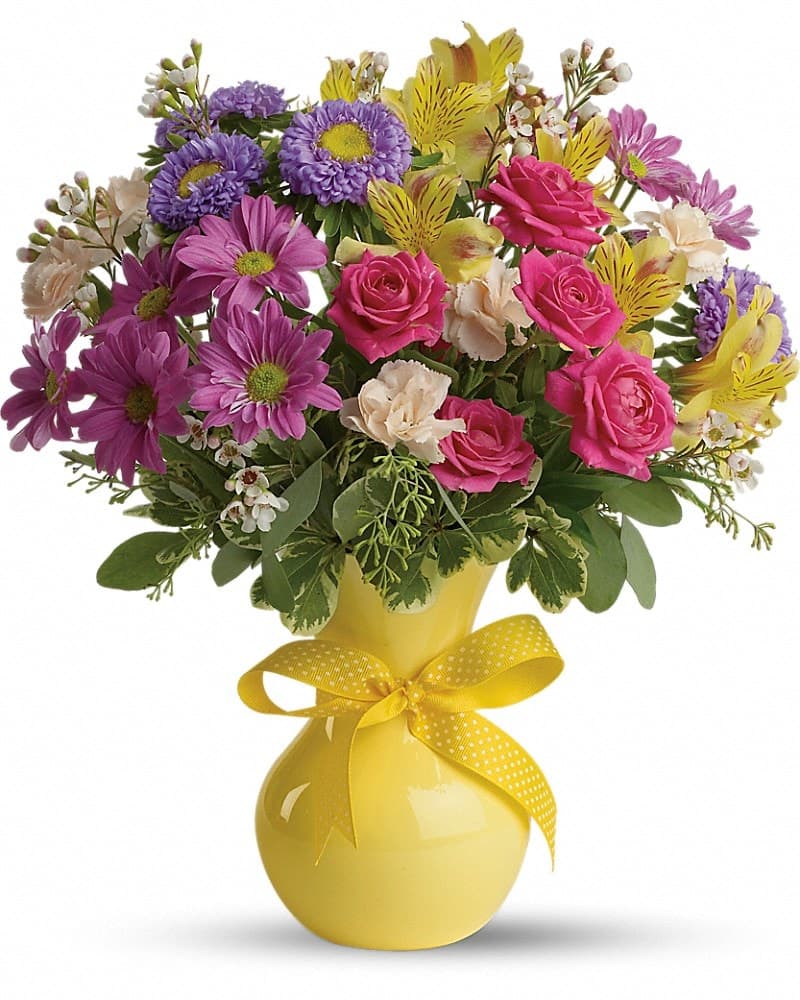
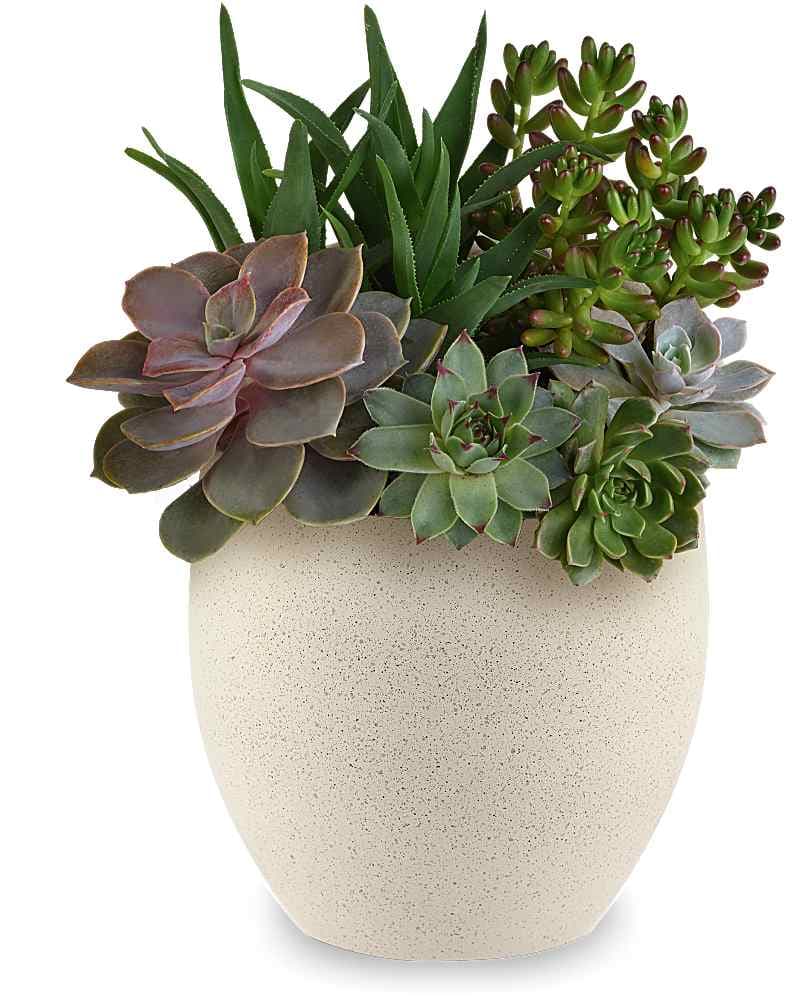
The Lindner Center of HOPE deserves its own paragraph, because it is in Mason and because behavioral-health hospitals work differently. Inpatient psychiatric units across the country commonly restrict glass, ribbon, wire, cord and anything else that can be broken or tied, which rules out most standard vase arrangements and every bow. That is not a reason to send nothing. It is a reason to call the unit before you order and ask what they accept — often a small plant in a plastic pot, sometimes flowers that the staff will transfer into their own container, sometimes a card only. Do not have the runner find out at the desk; ask first, then order to that answer, and note it on the order so the designer builds to it. The same discipline applies at a rehabilitation floor or a long-term-care building: front desks receive, they hold, and they need the resident's full name and room or wing, because a first name and a floor is not enough to find someone in a building with three hundred beds.