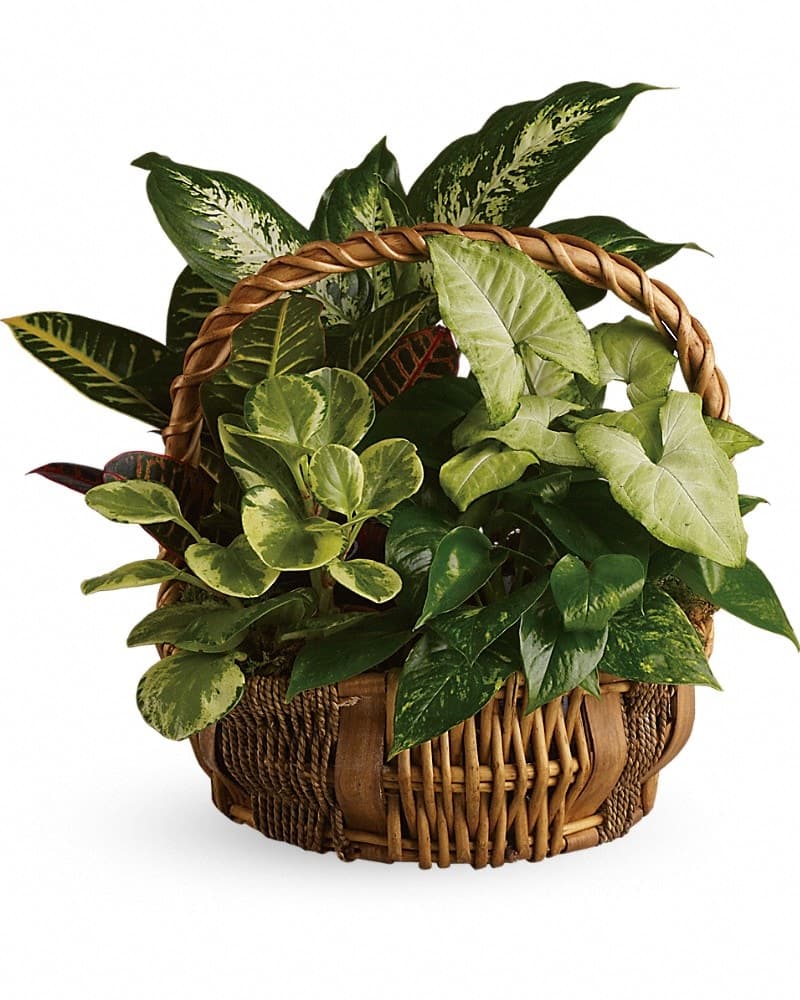
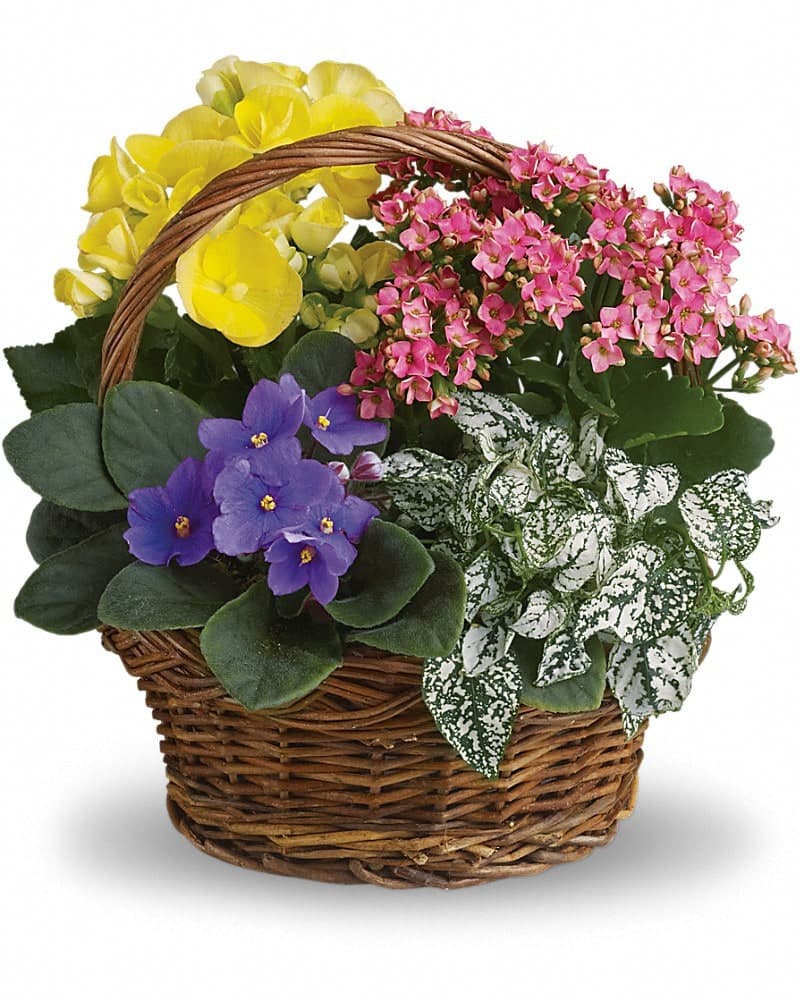
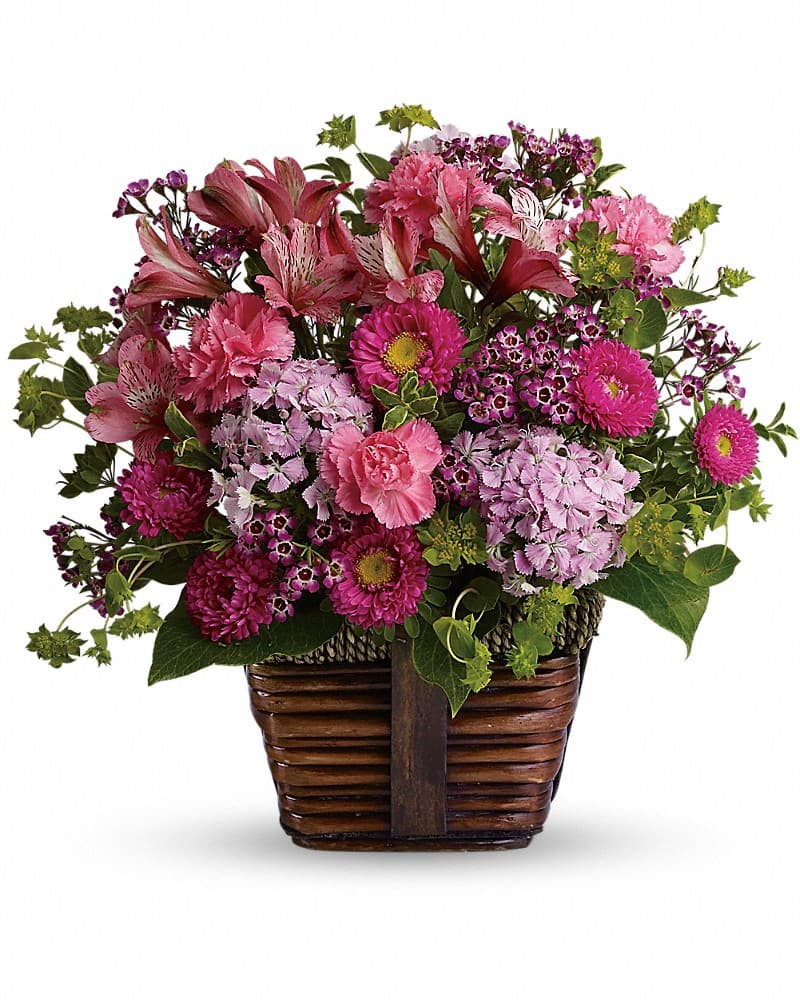
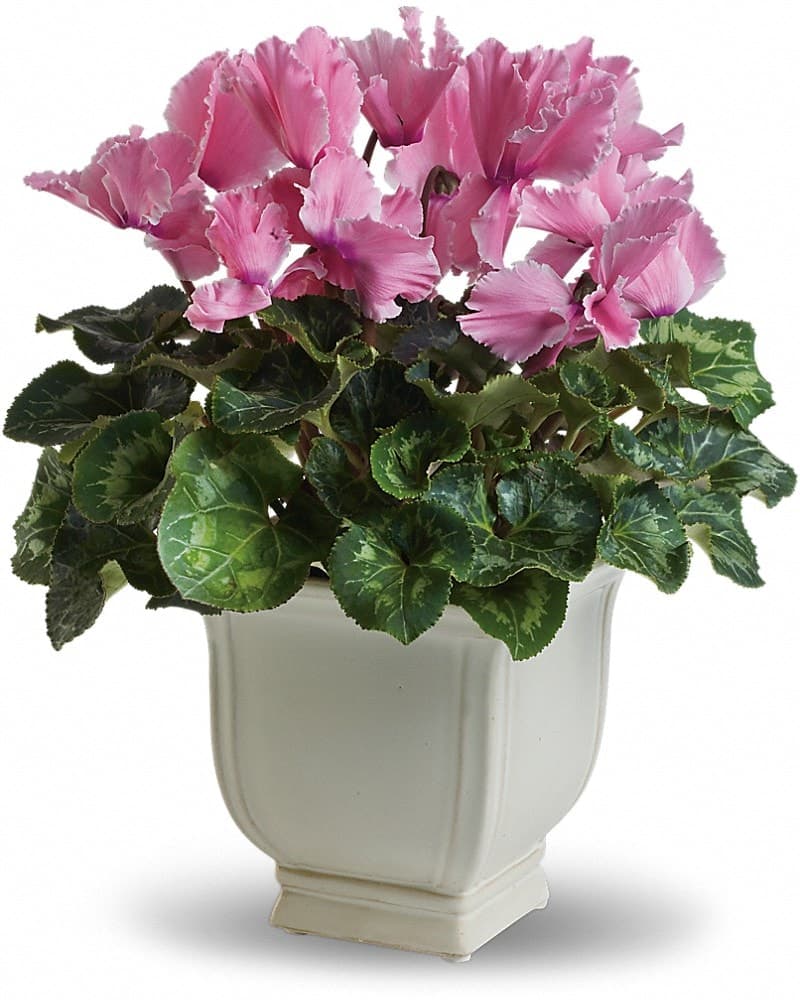
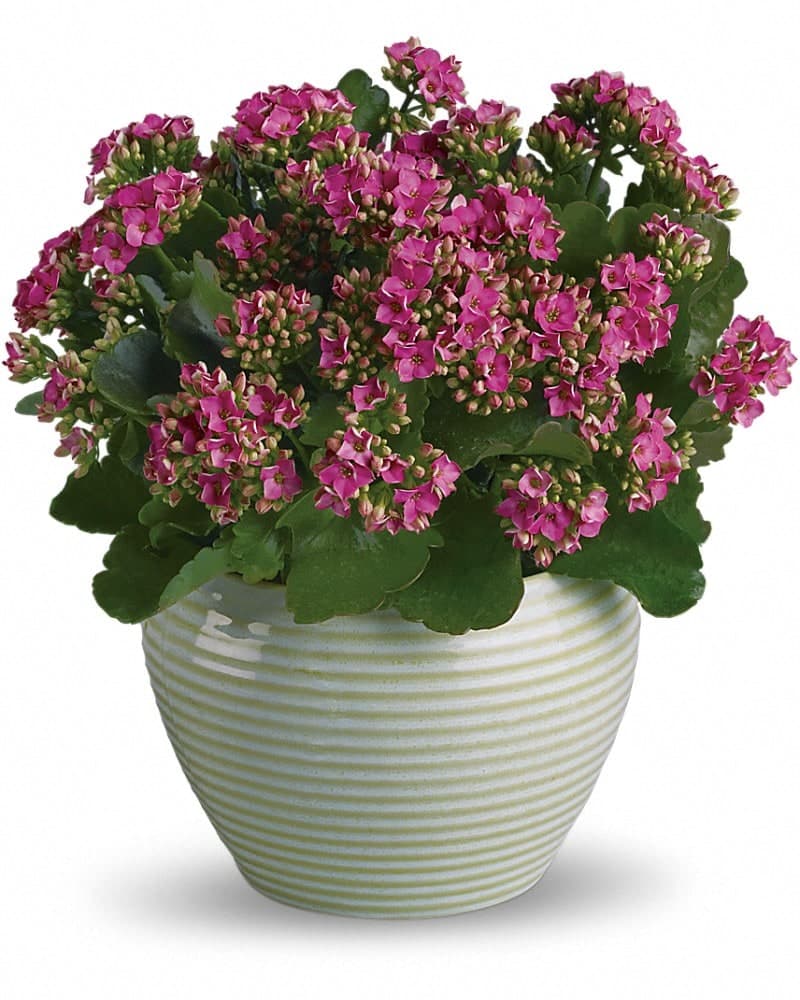
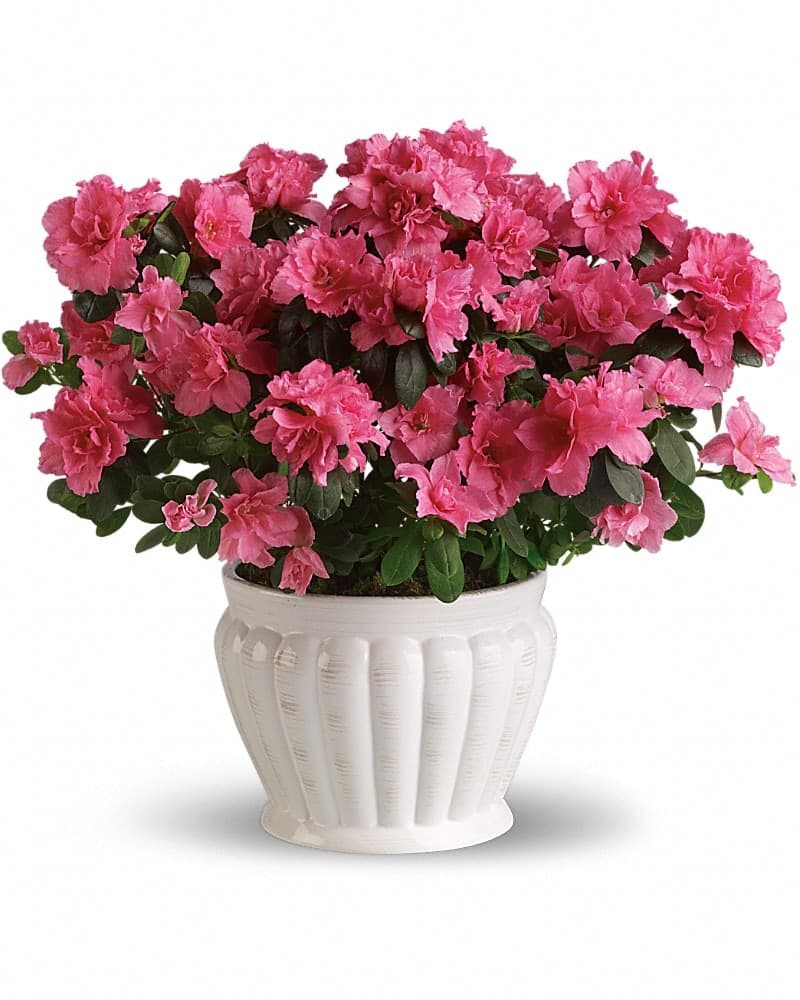
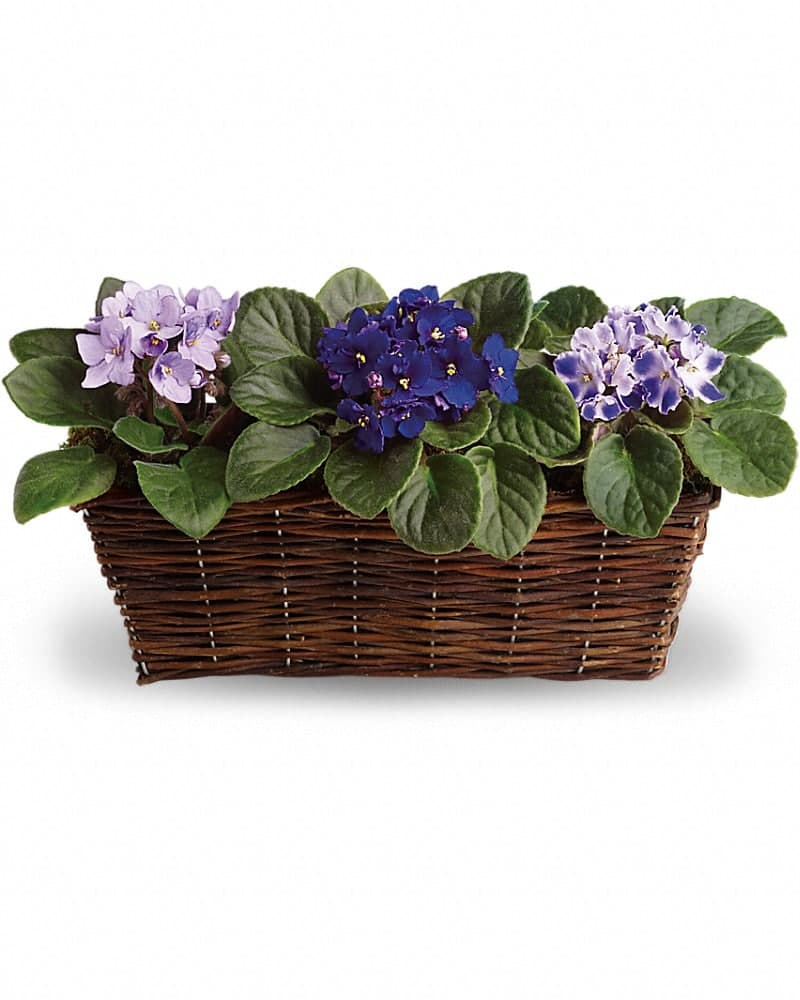
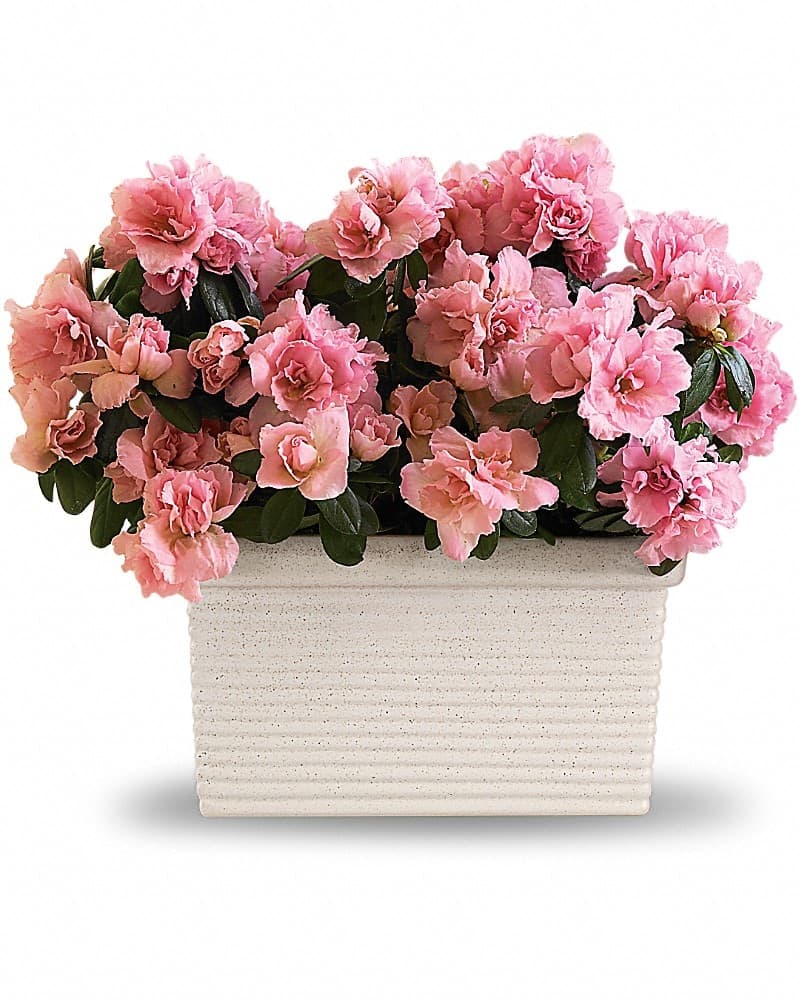
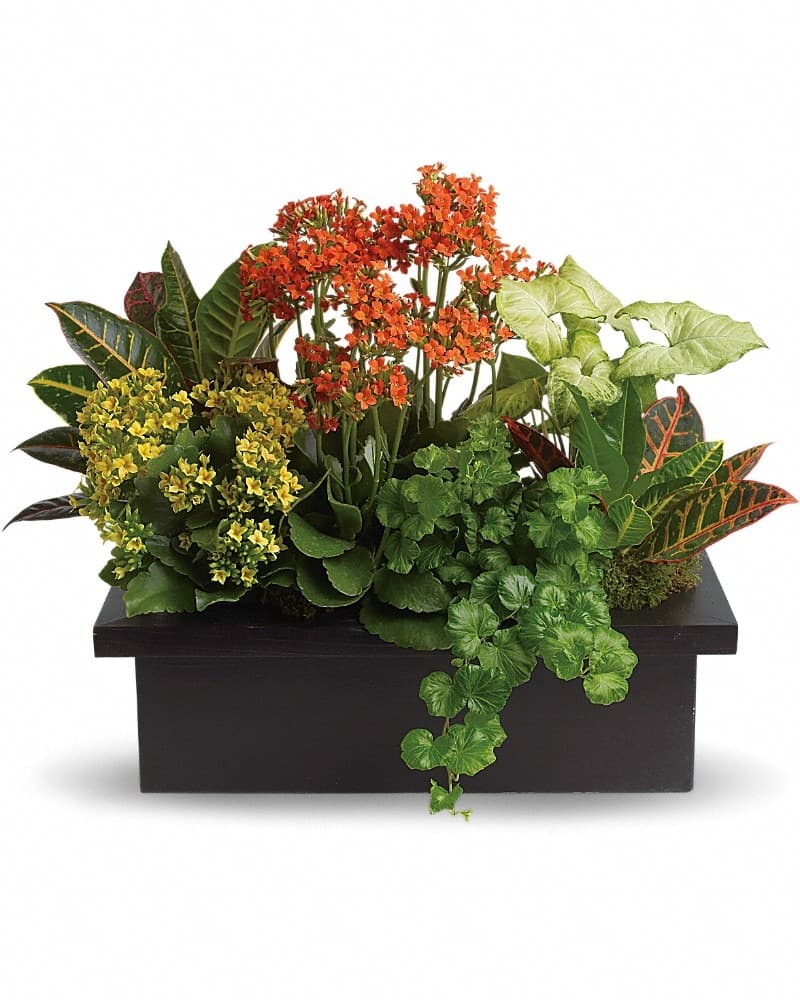
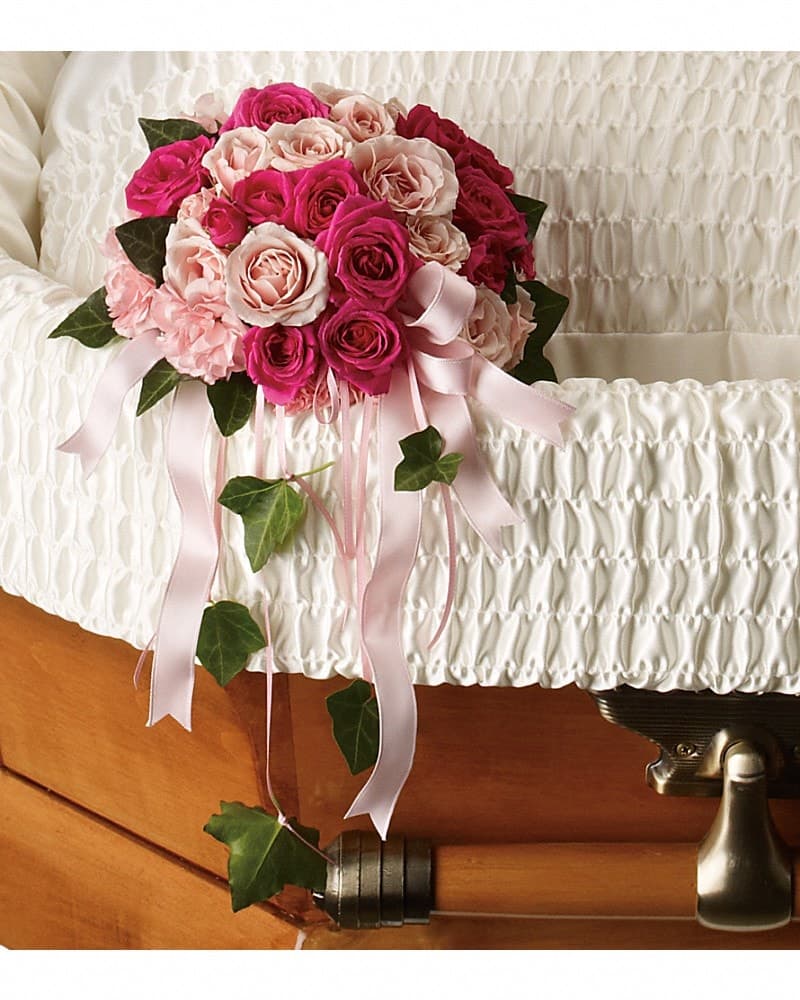
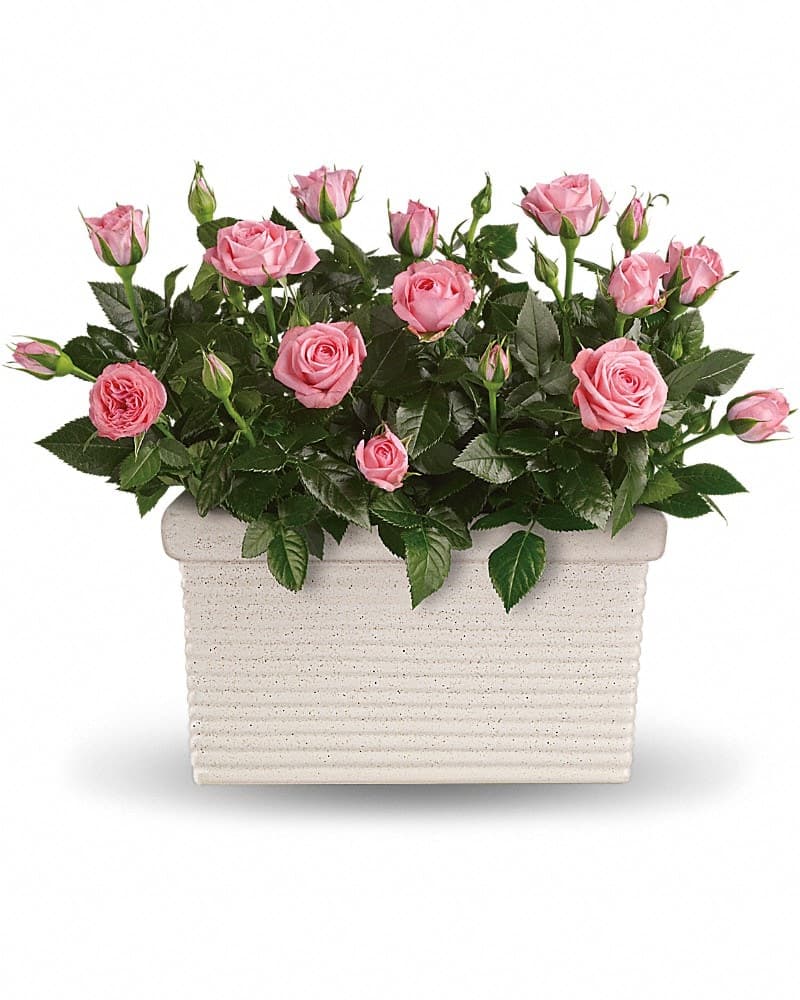
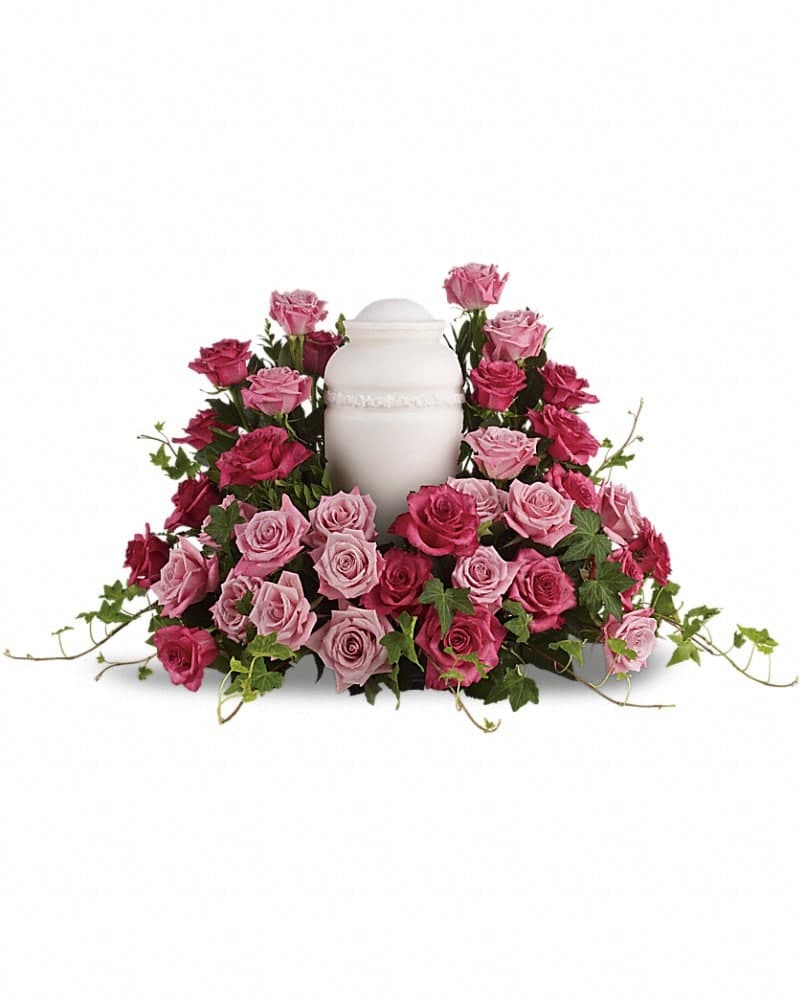
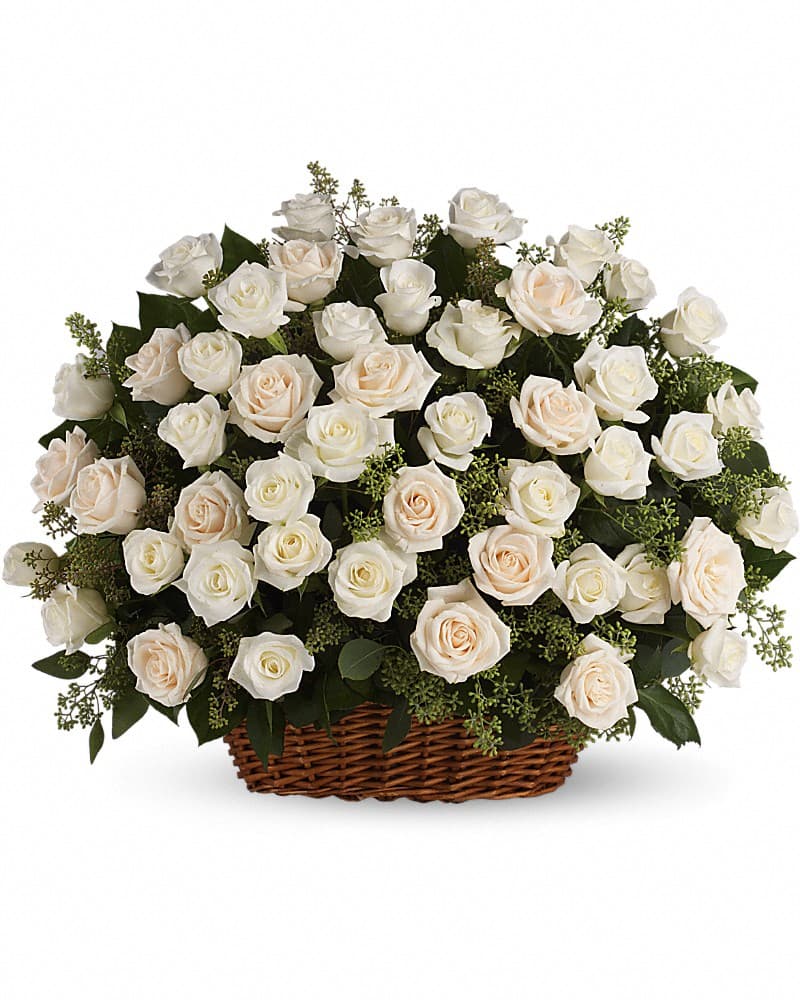
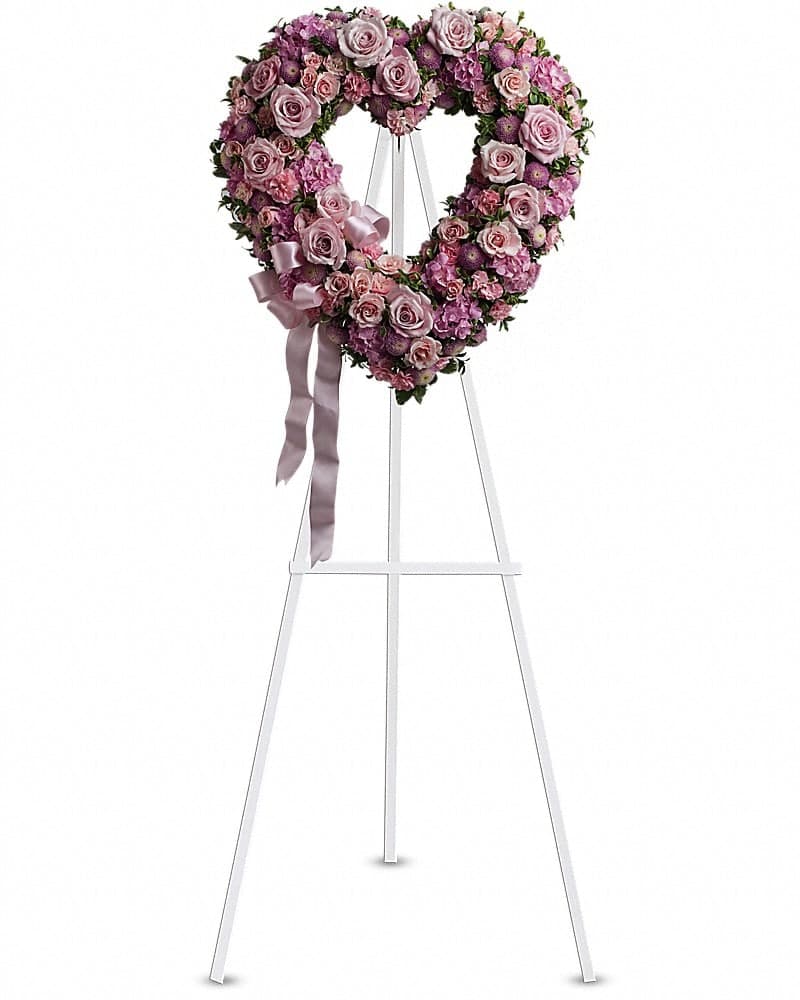
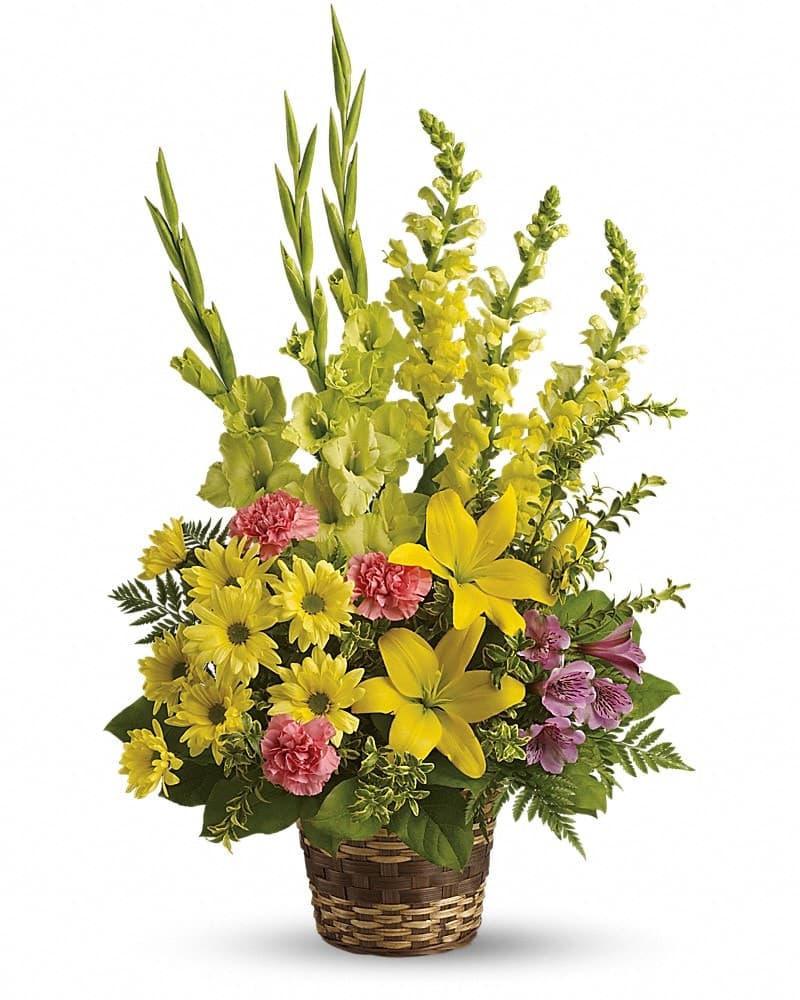
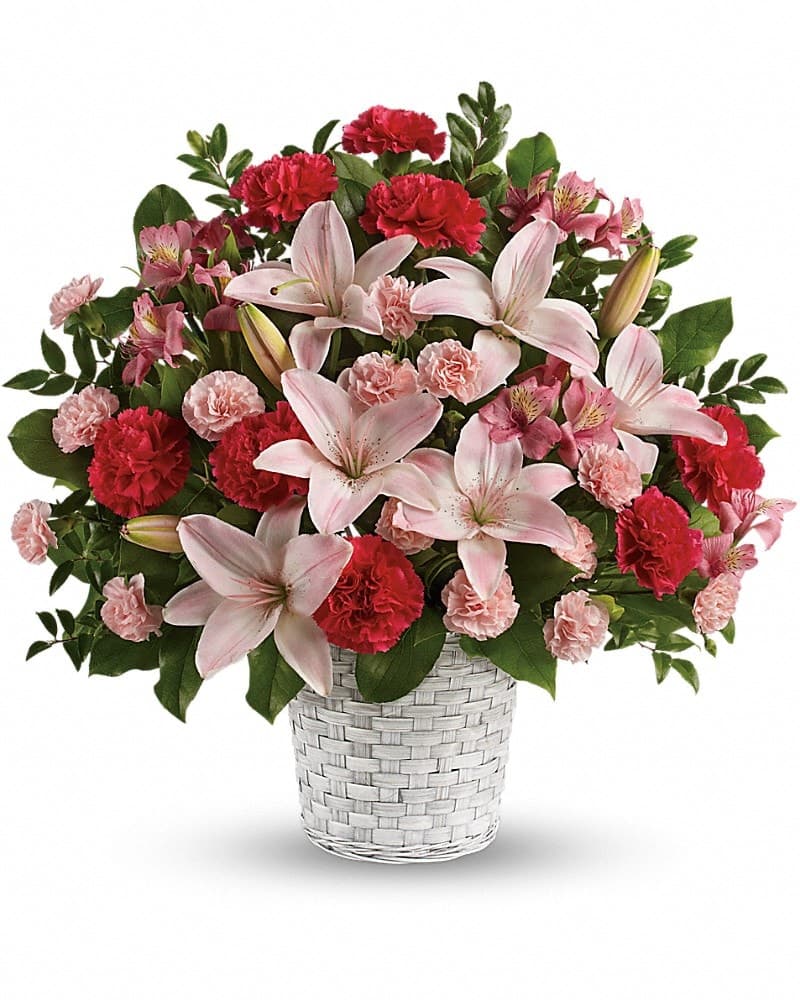
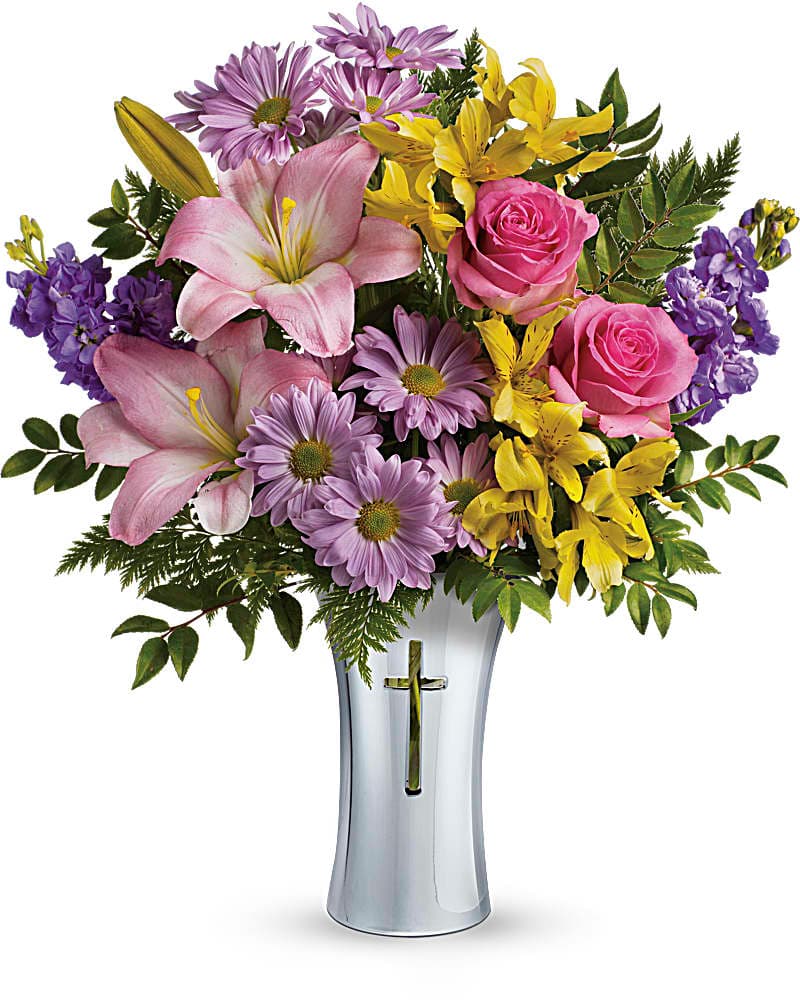
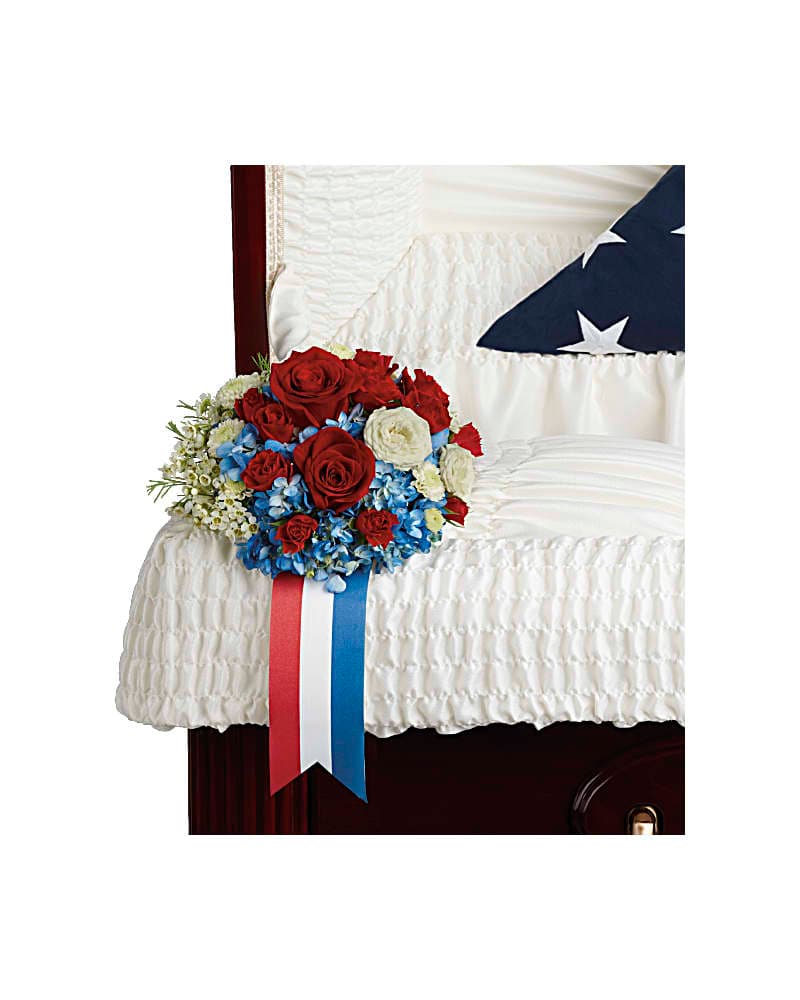
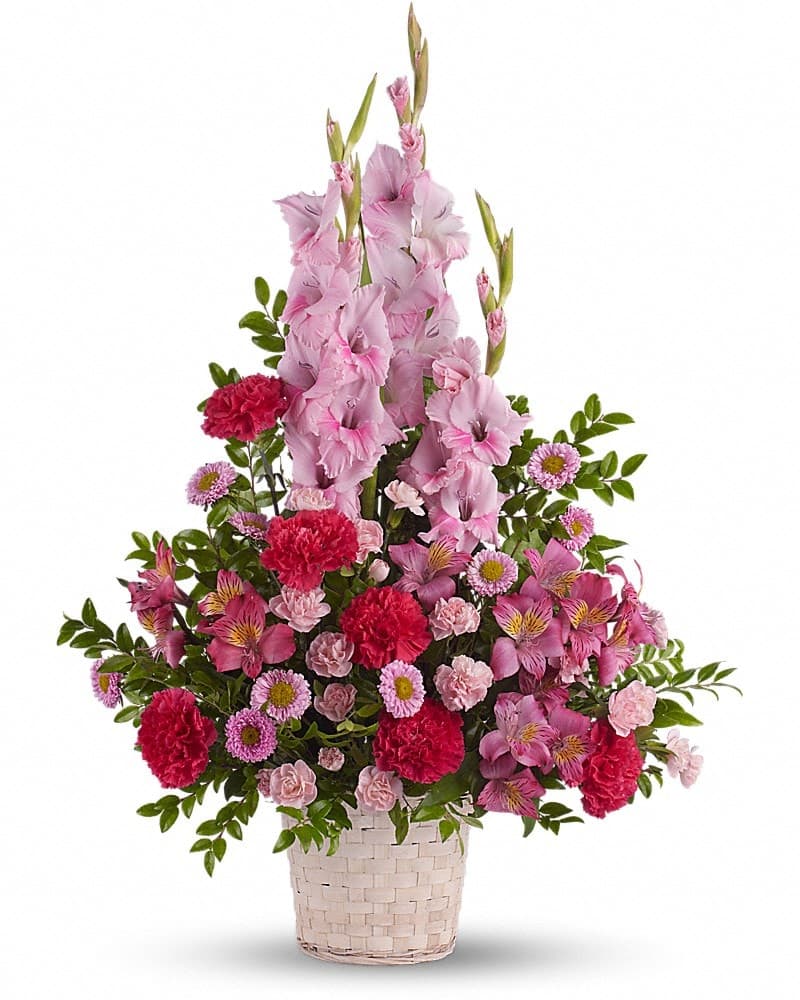
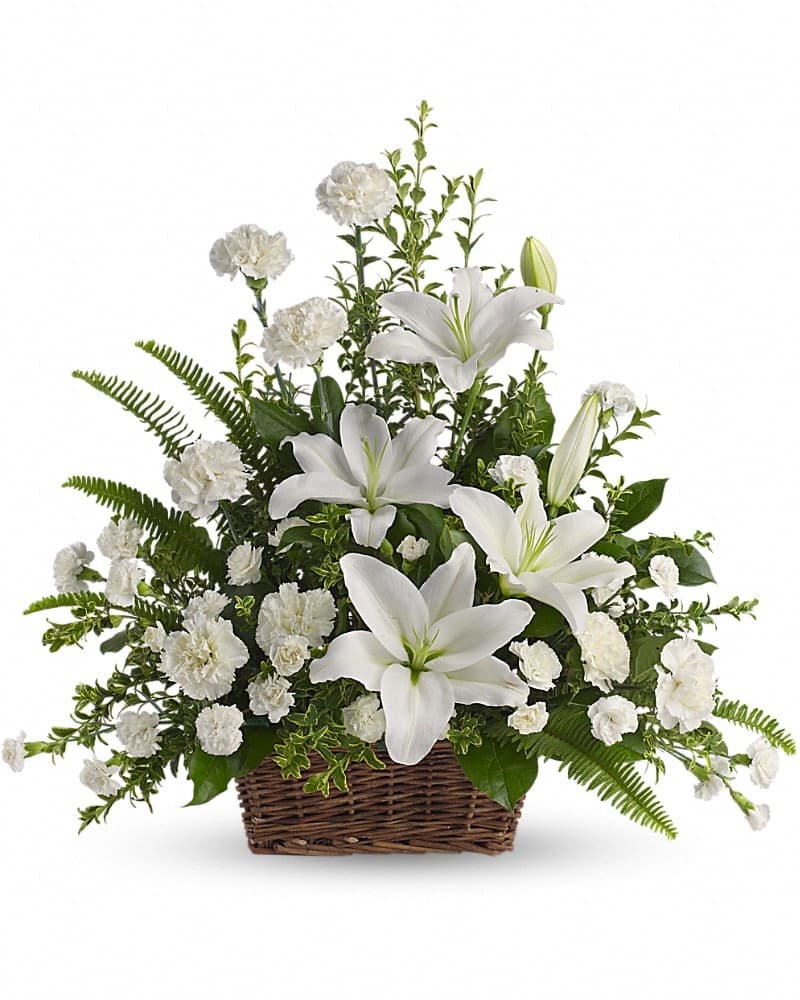
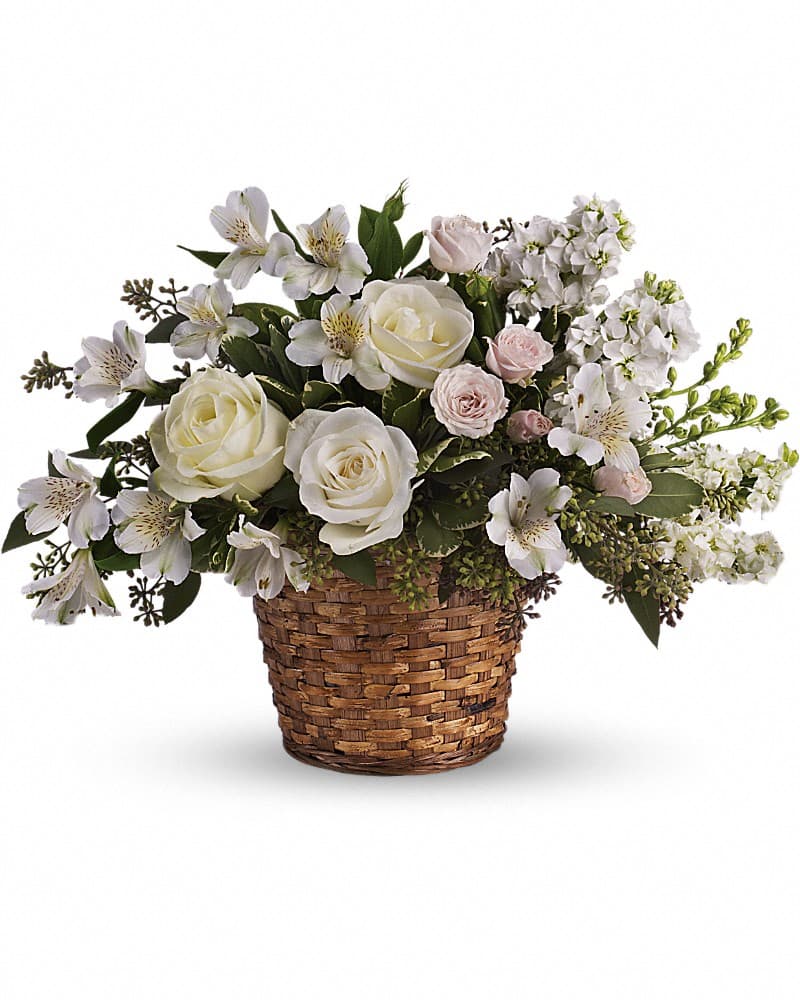
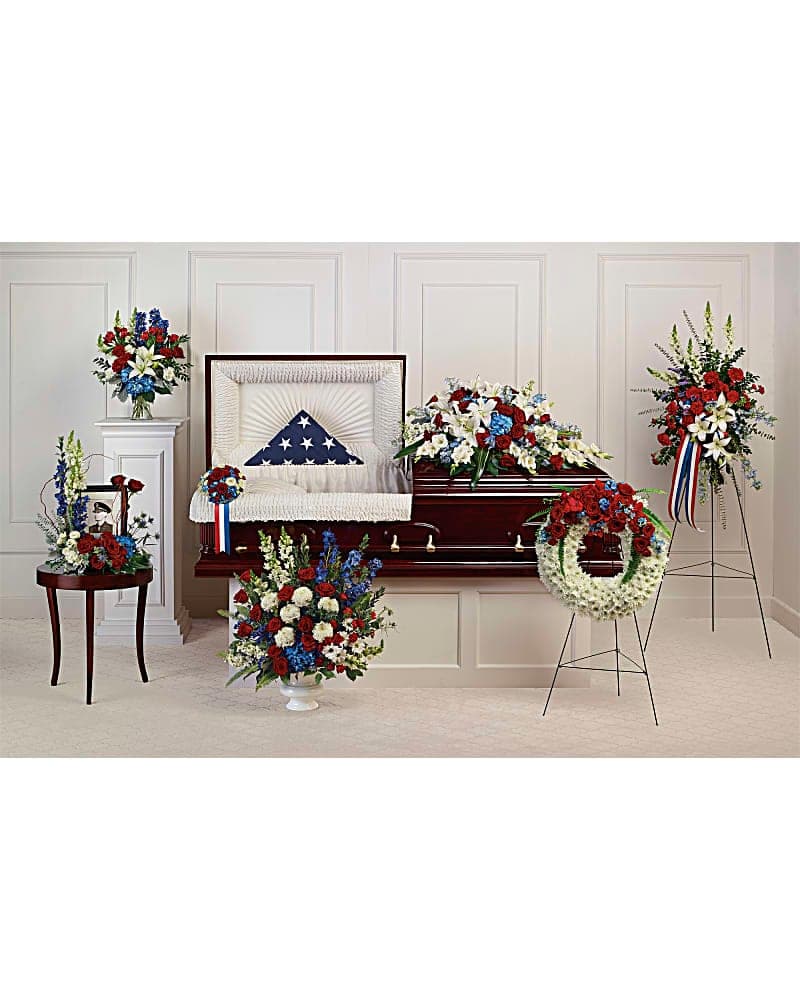
The second thing a Lincoln sympathy sender is deciding is where the flowers should go at all — the chapel, the graveside, or the house — and in this city the house is the most common right answer. Services fill a room for ninety minutes. A kitchen table holds something for two weeks, which is the stretch when the casseroles stop and the phone stops and the family is still in it. Lincoln's neighborhoods make that an easy delivery: the Near South bungalows off South Street (68502), Sheridan Boulevard and the Country Club blocks, College View and Piedmont (68506), University Place and Bethany (68504), Havelock (68507), the east-central streets around Antelope Park (68510), then the newer southeast rings off Pine Lake Road (68516) and Van Dorn (68512) and the northwest Highlands and Air Park addresses (68521). Out-of-state senders make up a large share of this occasion — adult children in Denver or Chicago or Dallas sending back to a parent's house they grew up in — and for them the house delivery is usually both simpler and kinder than trying to hit a chapel window from two time zones away.
Lincoln is more religiously and culturally varied than a plains capital of 290,000 usually is, and the convention changes with the family. Catholic services at the Cathedral of the Risen Christ on Sheridan Boulevard, St. Mary's downtown and the parish churches across the diocese accept flowers without reservation — standing and easel work at the chapel, a low arrangement for the luncheon afterward, a plant for the house. Lutheran, Methodist, Presbyterian and Congregational services, including those at landmark churches like First-Plymouth at 20th and D, follow the same pattern. In Jewish tradition, flowers are not customary at the service; families at the South Street Temple and Tifereth Israel congregations are better served by a plant or a food delivery to the shiva house, or by a donation in the deceased's name. Muslim funerals move fast, often within a day of death, and flowers are frequently not the convention — a plant sent to the home after the burial, or food, is the safer gesture. Lincoln also resettled refugees for decades and now holds the largest Yazidi community in the United States, along with substantial Vietnamese, Iraqi, Kurdish, Sudanese, Karen and Afghan communities, and in several of those traditions mourning is communal, home-centered and not floral at all. The rule that covers every case: follow what the family has asked for, and when the obituary says memorial contributions in lieu of flowers, send something small to the house and give the rest where they asked.
Two Nebraska practicalities decide whether a sympathy delivery arrives looking the way it was designed. The first is wind. A graveside service at Wyuka, at Lincoln Memorial, or at any open county cemetery west or south of town happens in air that moves — a tall easel spray on a plains cemetery in March or November is a liability, and low weighted designs, compact baskets and plants in heavy vessels survive the hour that a fabric-draped easel does not. Ask the cemetery office what may stay after the service, too; Lincoln cemeteries generally clear loose arrangements within a few days, so the pieces meant to be kept should go home with the family. The second is winter itself. From December into March, a service day can start below zero with blowing snow, the ground at Wyuka and Calvary is frozen, and graveside committals get shortened or moved indoors to a chapel. Plants handle that transit far better than cut arrangements, hospice and care-home deliveries are unaffected, and if I-80 closes — which it does — the delivery moves to the next possible day rather than disappearing. For hospice and end-of-life deliveries before a death, the routes are the same ones used for get-well: Bryan Medical Center East and West, CHI Health St. Elizabeth on South 70th, Madonna Rehabilitation on South Street, and Tabitha, the Lincoln-founded hospice and senior-care organization on the Randolph Street side of town.