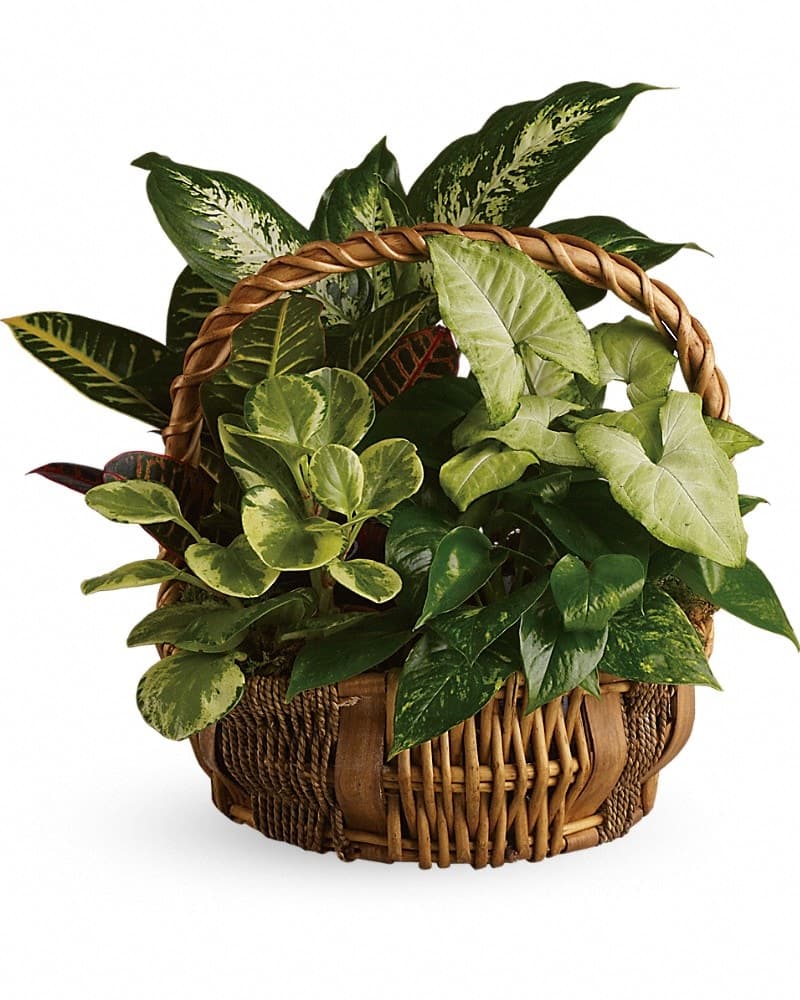
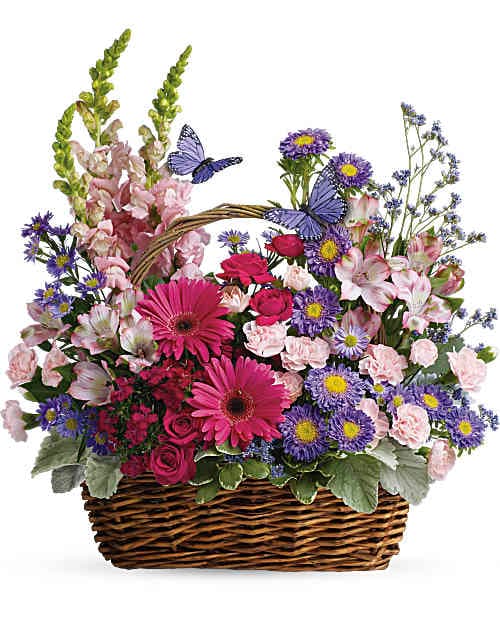
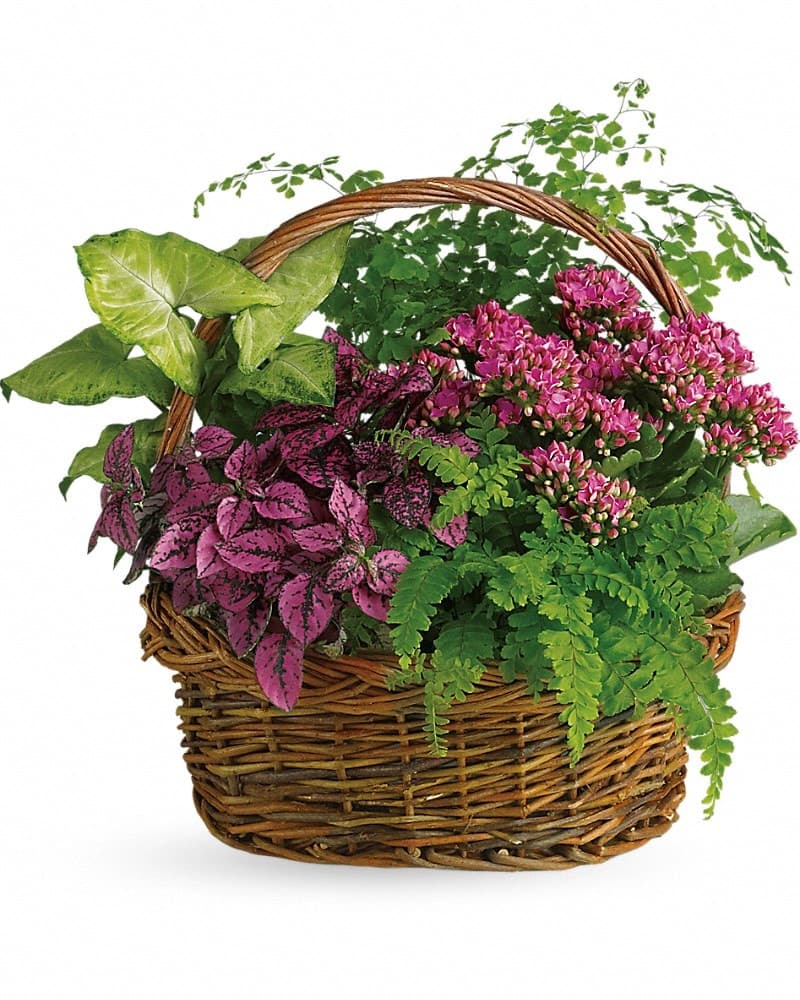
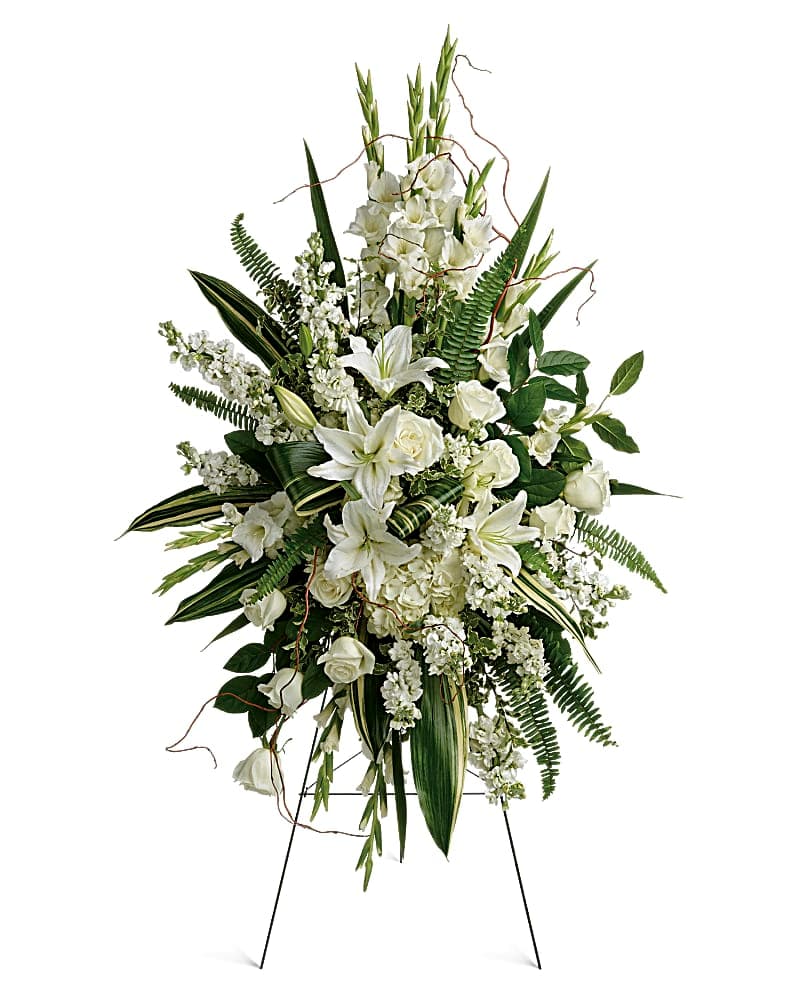
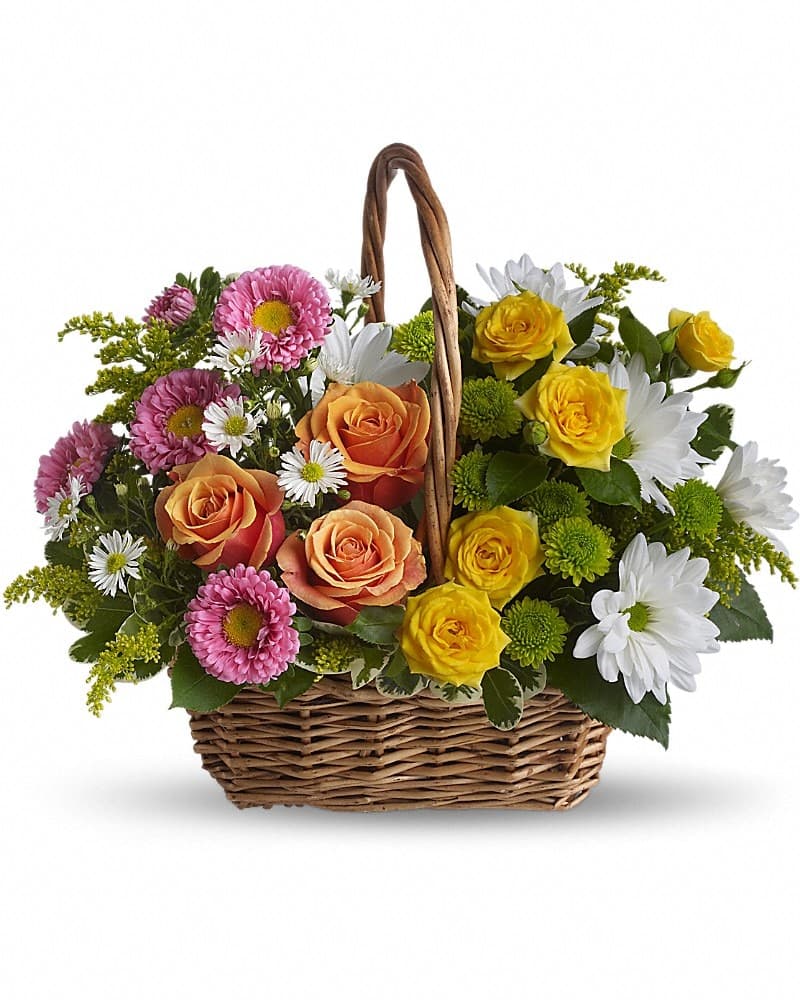
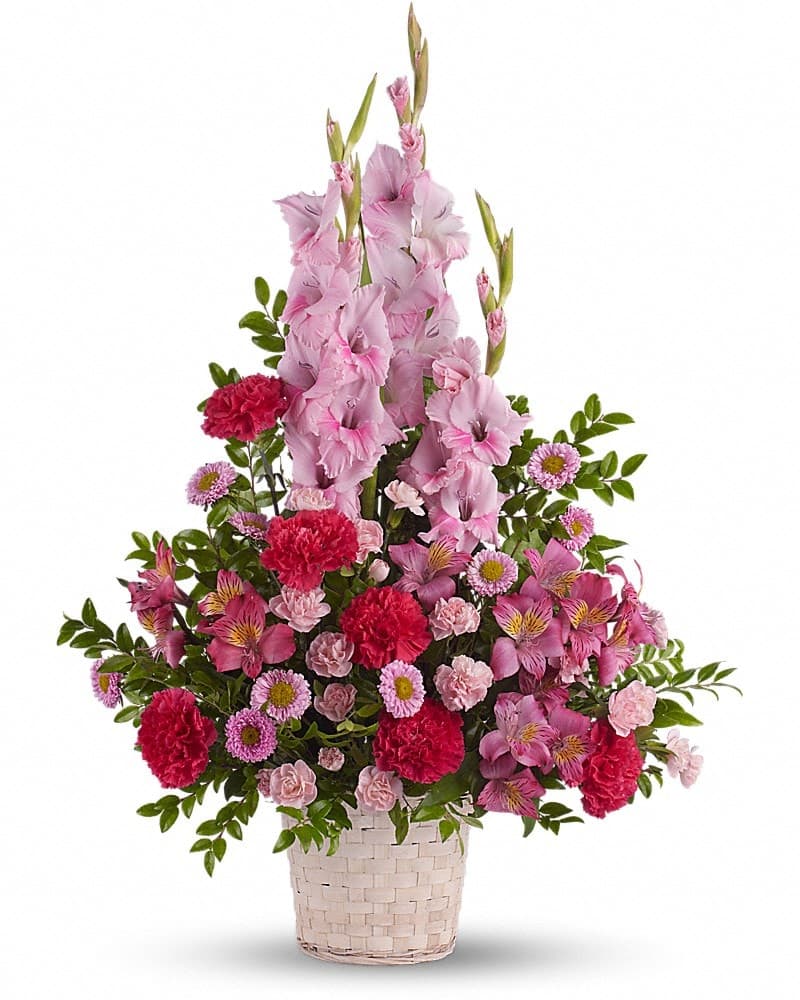
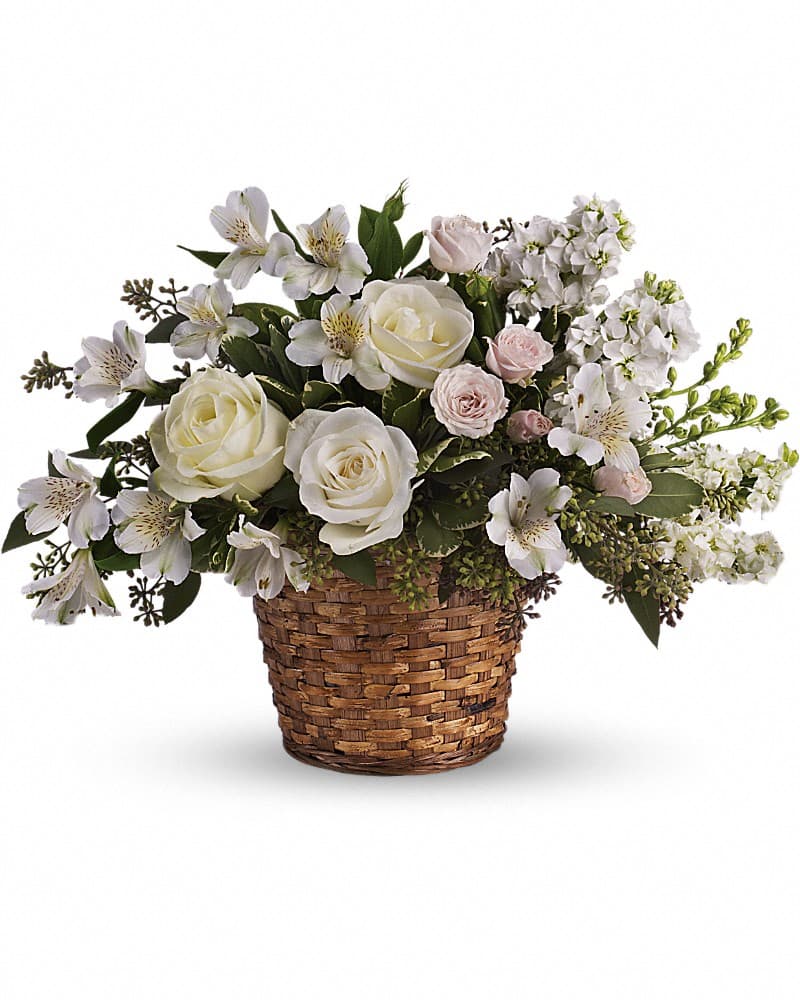
Kenosha's funeral geography is a short list on a legible grid, which helps. The chapels the grid delivers to include Proko Funeral Home, Bruch Funeral Home and Kenosha Funeral Services & Crematory, along with the other family-run chapels in the city and the Racine and Mount Pleasant chapels up the lakeshore. Catholic funeral Masses in Kenosha are held at the city's parishes, which belong to the Archdiocese of Milwaukee — a great many Kenosha funerals are still a funeral home visitation followed by a Mass at the family's parish, and flowers are welcome at both in that tradition. When you place the order, give the chapel or parish name, its street and its city, and give the name of the deceased exactly as the obituary spells it. Directors stage arrangements by the name of the deceased, not by the name of the sender, and there are similarly-named chapels and parishes across Kenosha and Racine counties. One more Kenosha-specific wrinkle: the Illinois line is about five miles south of downtown, families here are routinely split across it, and a service may be in Zion or Waukegan while the burial is in Wisconsin or the reverse. Tony's House Of Creations sits in Zion at 8.1 miles from the centroid, which means the grid can work both sides of that line without a handoff.
The cemetery side has stricter timing than the chapel side, and one address in this market needs real care. Green Ridge Cemetery is Kenosha's historic burying ground, with the city's nineteenth-century civic and industrial names on its older sections. Catholic burials go to the city's parish cemeteries, and Racine families often use Mound Cemetery, the historic Racine ground known for the Native American burial mounds preserved within it — a reminder that in this county the burial ground is frequently older than the street grid around it. Then there is Southern Wisconsin Veterans Memorial Cemetery in Union Grove, roughly twenty miles northwest in Racine County — a state veterans cemetery operated by the Wisconsin Department of Veterans Affairs, and the reason a fair number of Kenosha County veterans are buried outside the county. Veterans cemeteries run committal services in blocks the cemetery assigns rather than at an hour the family chooses, and they enforce decoration rules that shift with the season: fresh flowers are permitted at the gravesite, glass containers are not, artificial pieces are restricted to defined windows, and grounds crews remove arrangements as they deteriorate. Ask the funeral director for the assigned committal time and the current decoration rule, note both on the order, and send fresh stems in a lightweight sealed container rather than a heavy vase that gets pulled the same week.
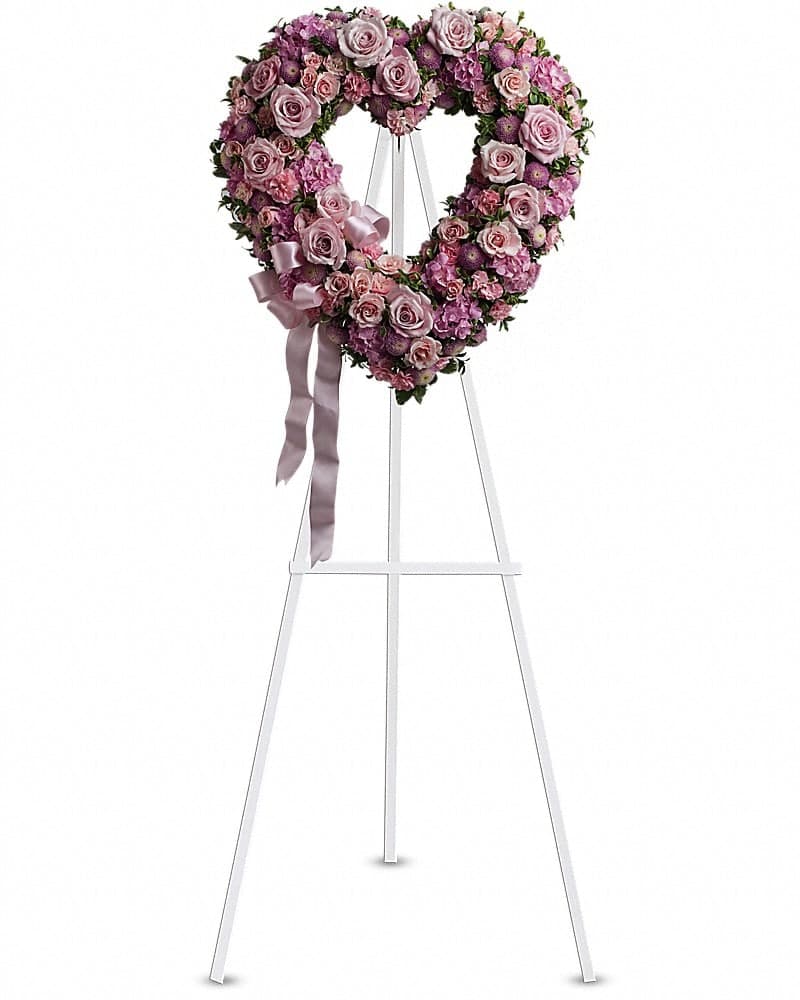
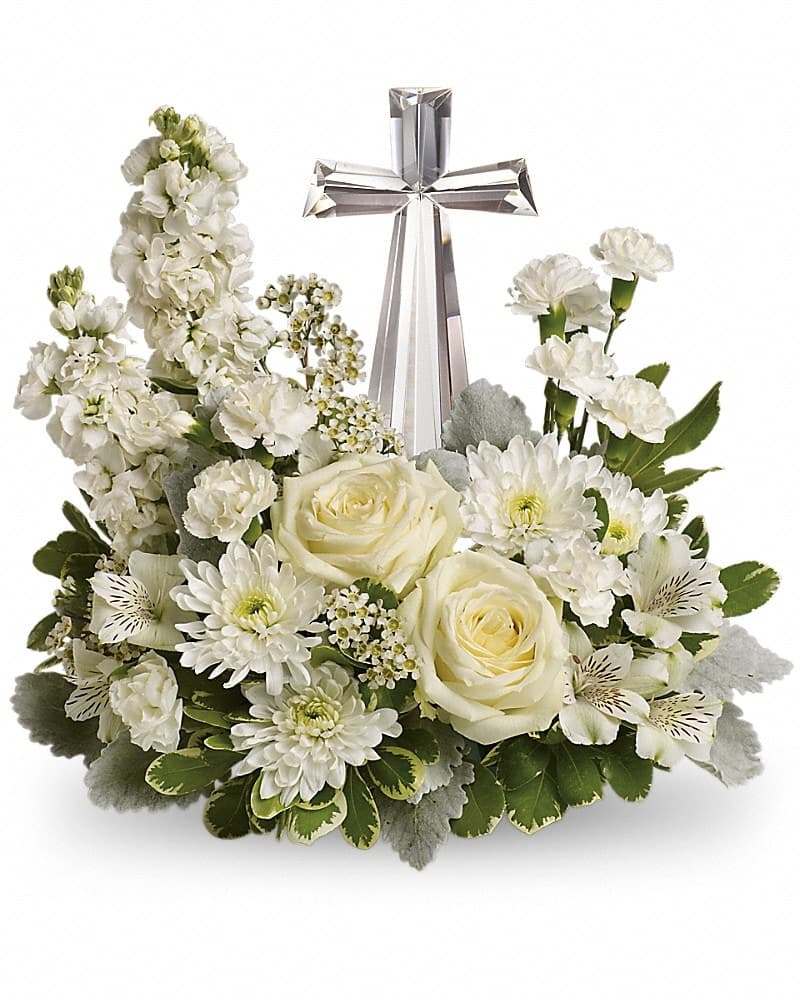
What is actually welcome varies by tradition here, and Wisconsin has its own conventions that are easy to misread as politeness. Kenosha's industrial century pulled in Italian, Polish and German Catholic families to the Nash and American Motors plants, and in those households a funeral Mass with floral tributes at both the visitation and the church is entirely expected — sprays, standing pieces and a family casket piece are normal, and Sacred Heart and Marian imagery is appropriate. The city's substantial Mexican-American Catholic community brings rosary and novena gatherings in the days around the funeral, and flowers sent to the home during that week are as meaningful as flowers at the church. Kenosha's Lutheran congregations — a strong presence across Wisconsin — and its Methodist and Presbyterian churches lean the other way on scale: obituaries here very often request memorial contributions to the congregation, a hospice program, a school or a scholarship fund in lieu of flowers, and that request should be read as a genuine instruction. The workable answer is to give to the named fund and then send a single plant or a modest arrangement to the family's house three or four days later, in the quiet week after the out-of-town relatives have gone home. In Jewish practice flowers are not customary at the funeral; a plant or food sent to the shiva home is the right gesture. In Muslim practice burial is rapid and flowers are generally not part of it, so a meal or a plant to the family in the days after is better. The studios will ask rather than assume if you flag the tradition on the order.