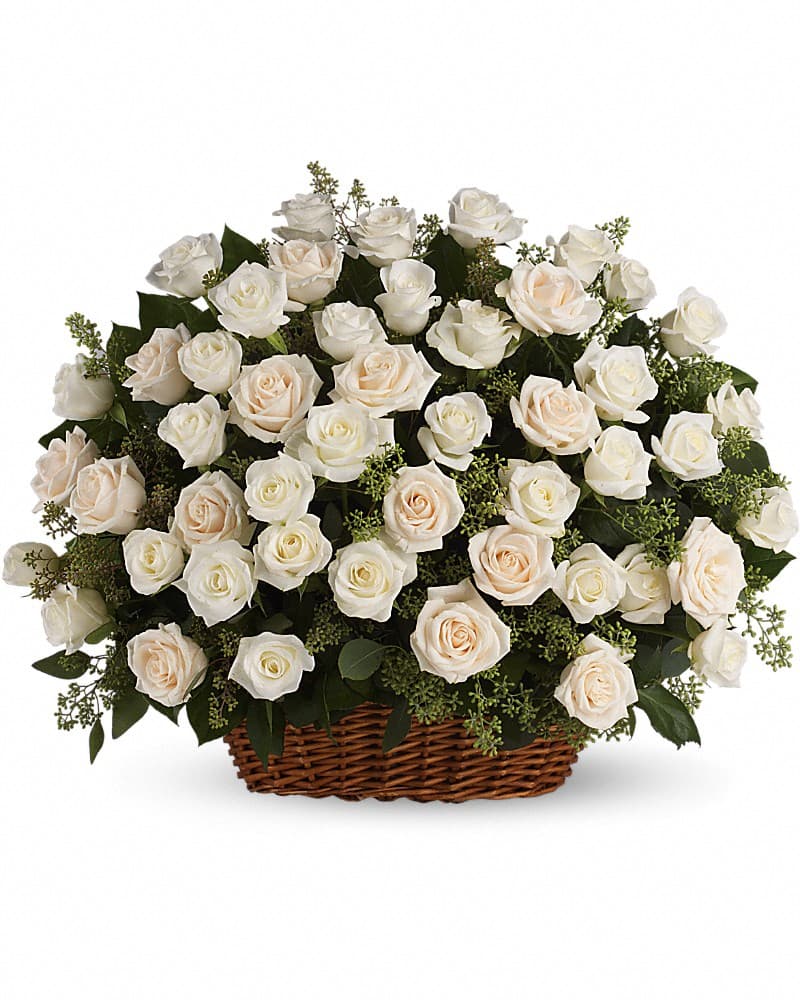
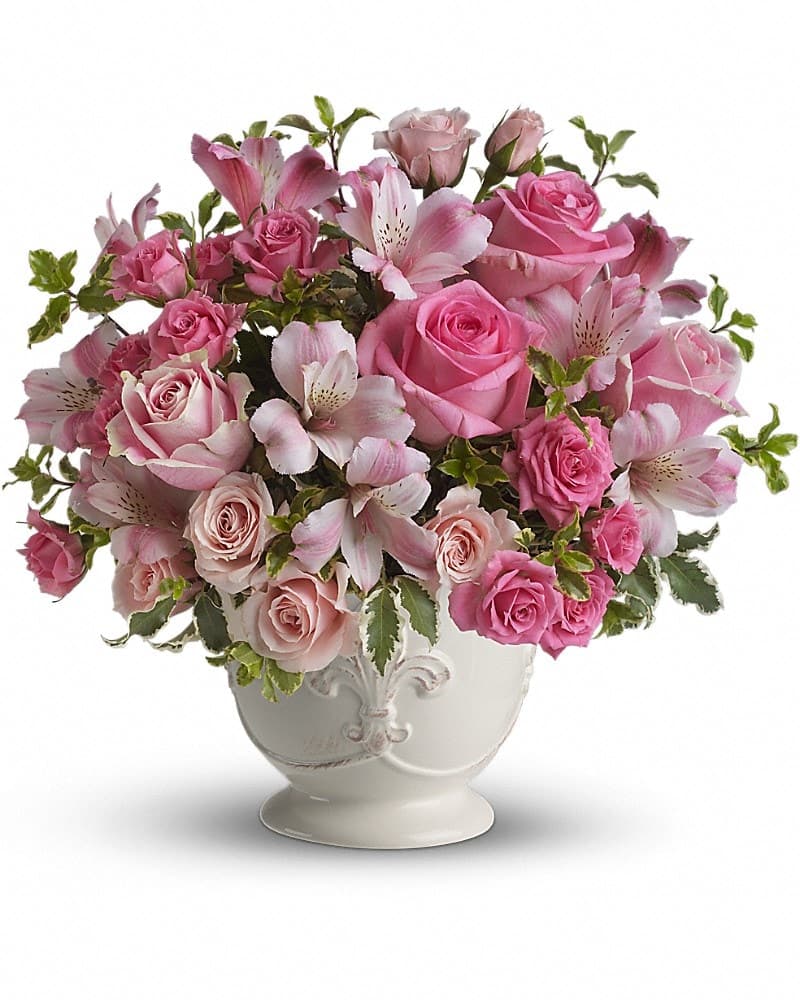
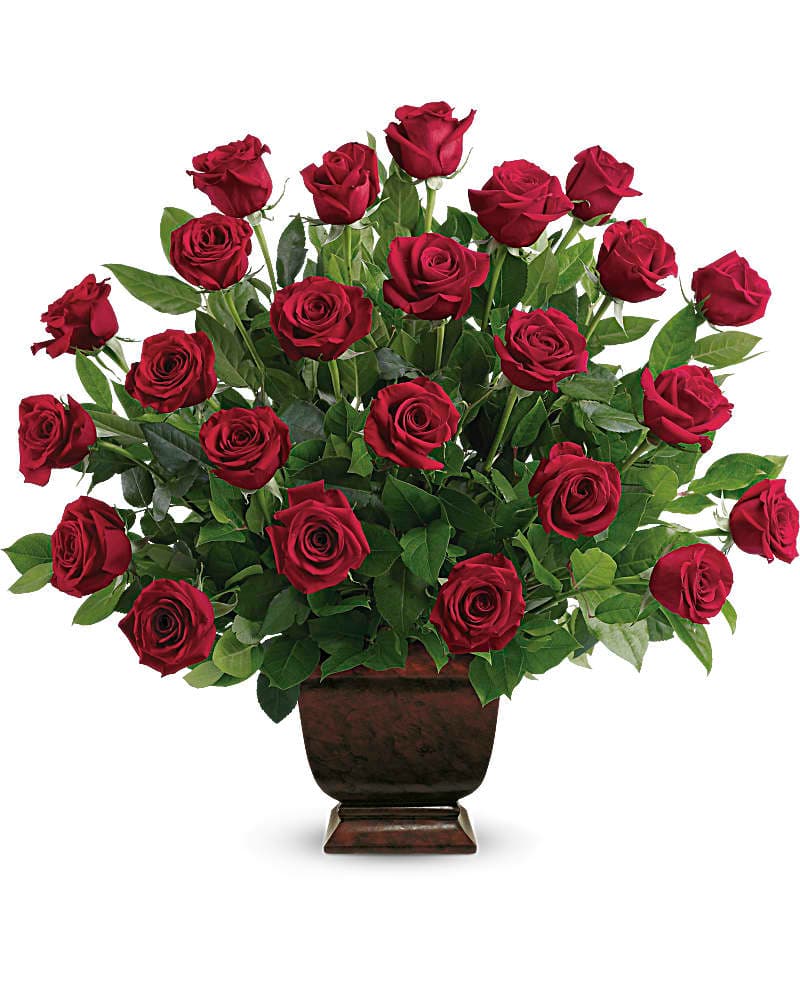
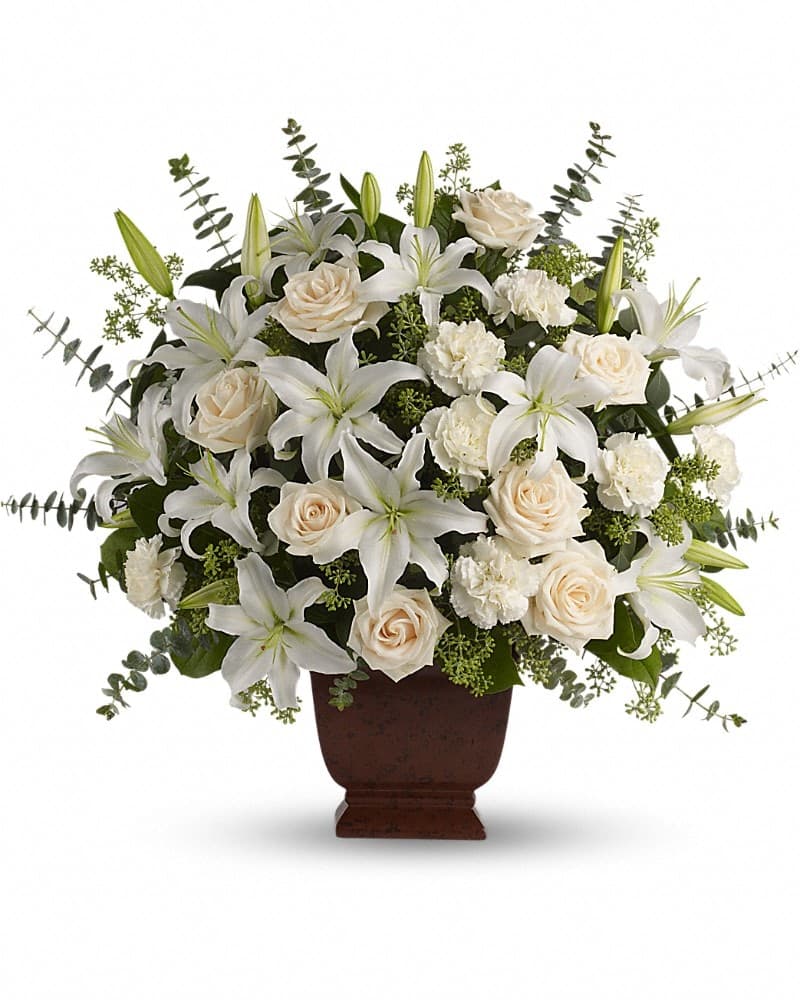
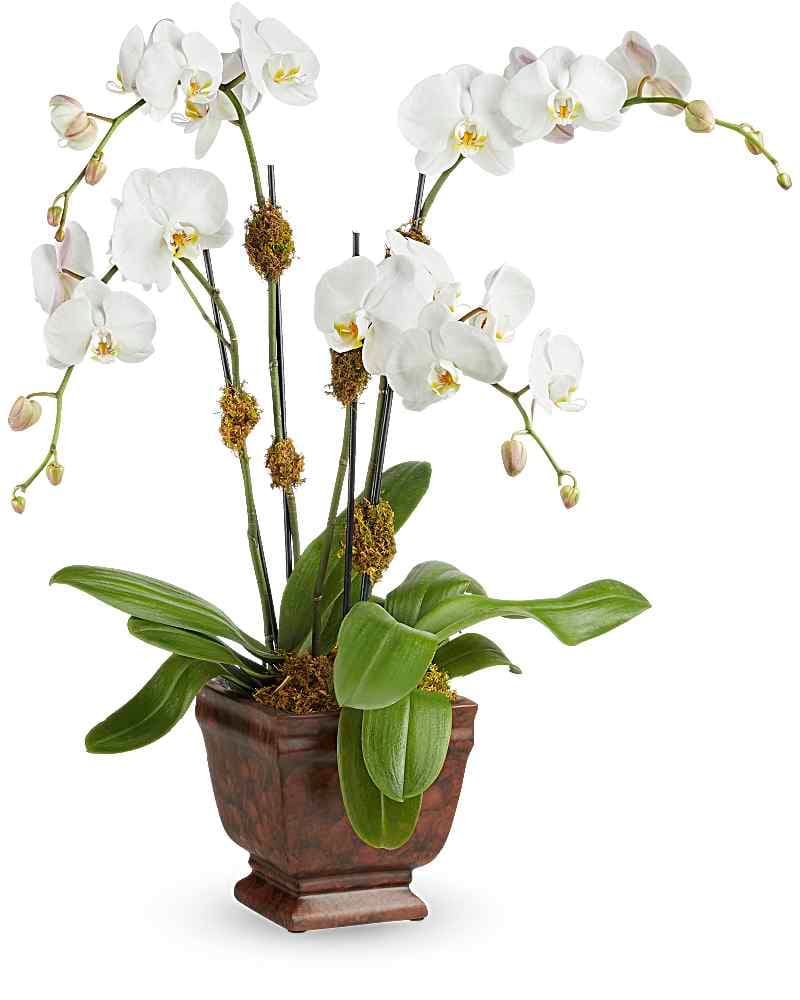
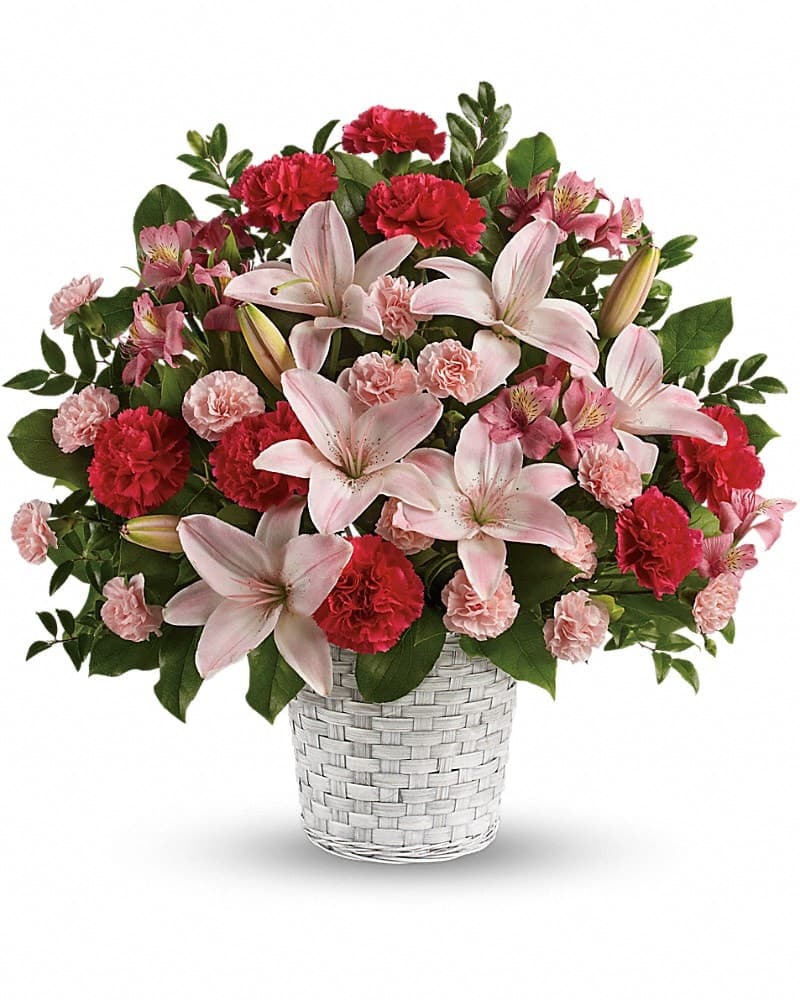
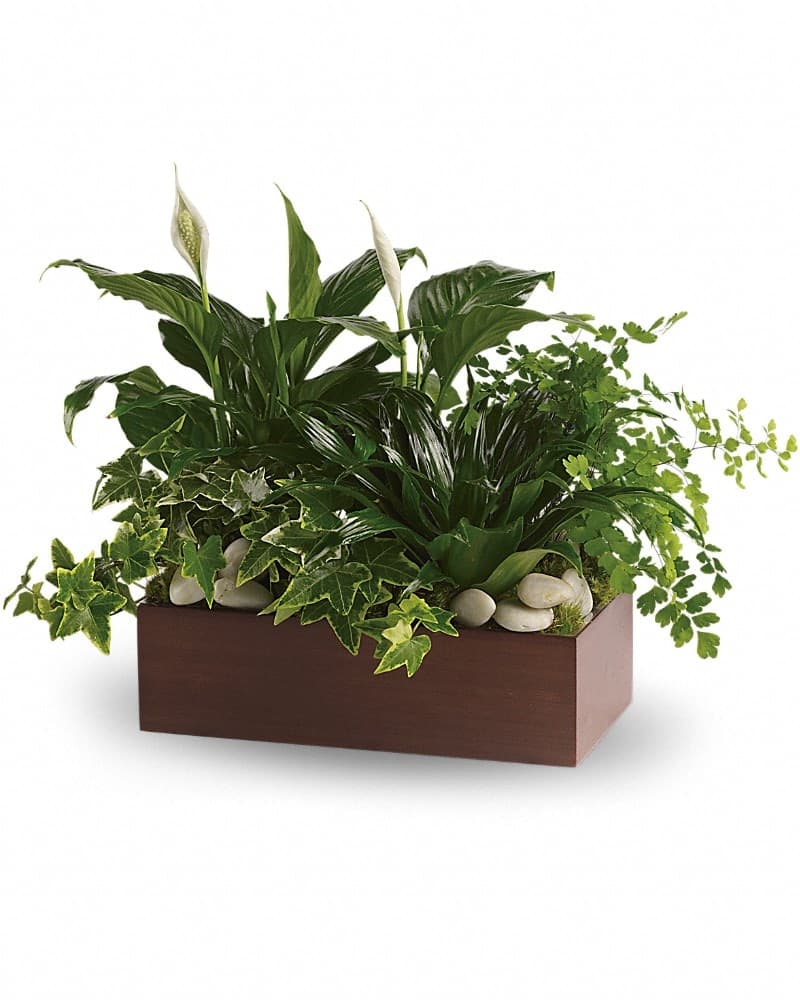
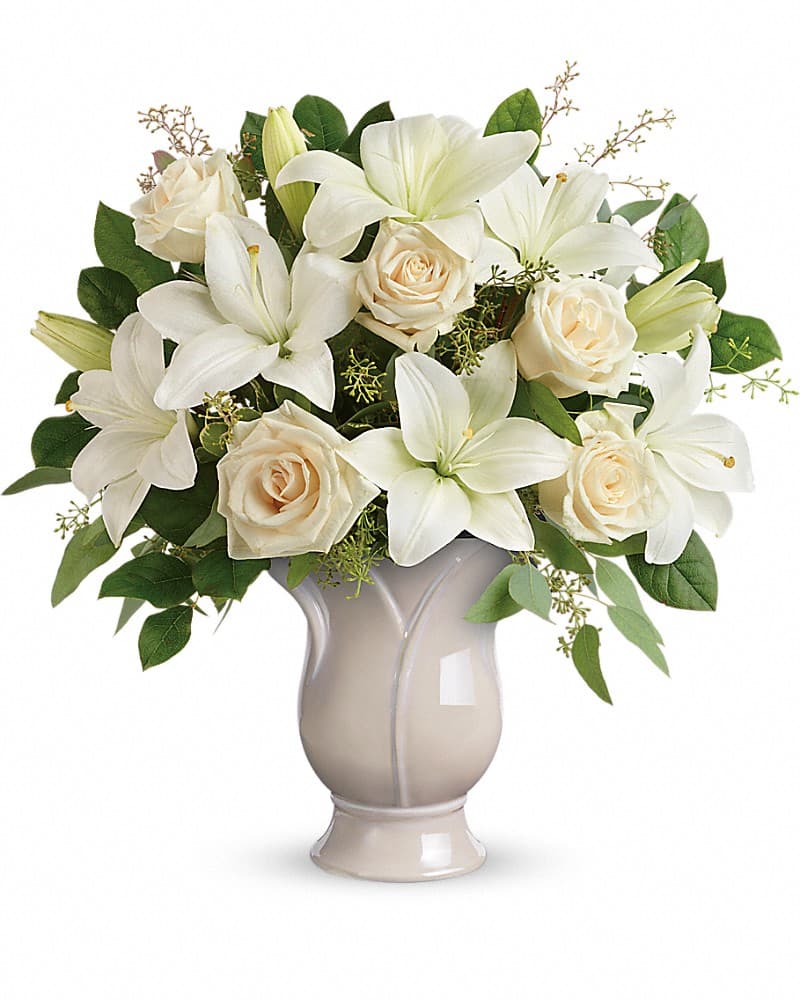
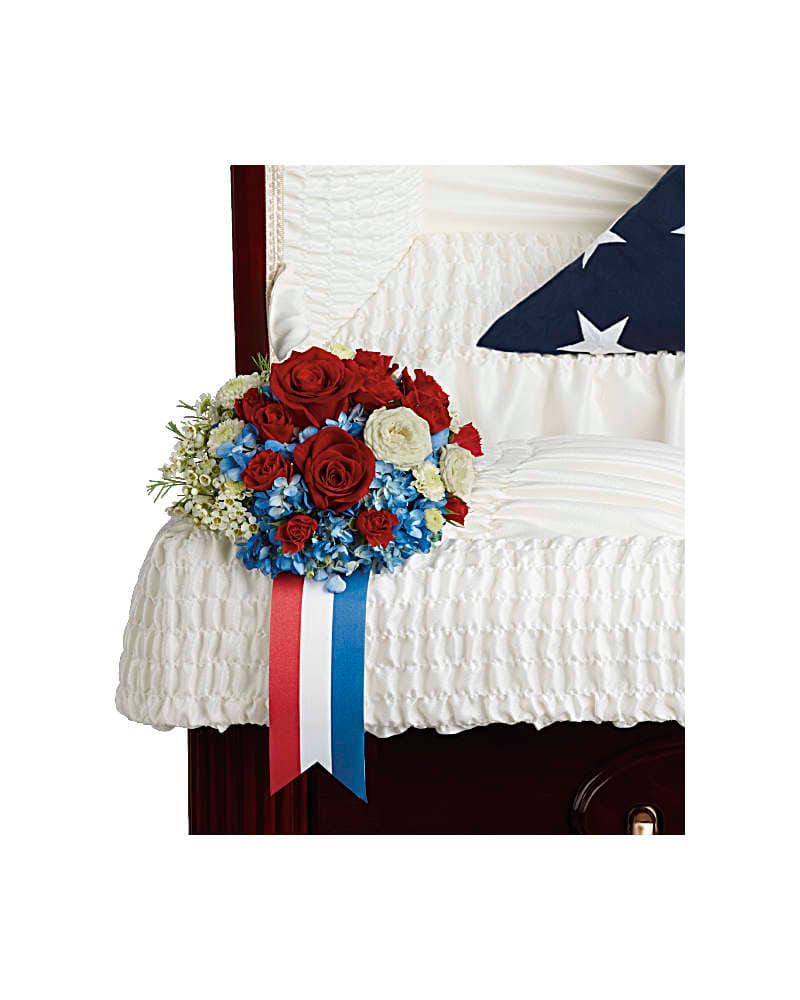
Begin with what this particular borough believes about flowers, because there is no single answer to it here and the wrong assumption is expensive. Kennett Square's oldest religious inheritance is Quaker and it is unusually plain: Old Kennett Meetinghouse has stood on Baltimore Pike since the early eighteenth century, and a mile east of it the Longwood Progressive Friends Meetinghouse — the abolitionist meeting where Frederick Douglass, Harriet Tubman and Sojourner Truth all spoke, and which still stands beside Longwood Cemetery on US 1 — is the reason this town appears in histories of the Underground Railroad. A Friends memorial meeting is held in a plain room, is mostly silence broken by whoever is moved to speak, and is very often scheduled weeks after the death rather than in the first three days. There is frequently one simple arrangement at the front, and just as frequently none at all, and families say so in the notice. Four minutes away, St. Patrick Church, the borough's Catholic parish, runs a very different order of service in two languages, and out on Route 82 the Unionville churchyards still bury their own. The first question on a Kennett Square sympathy order is therefore not what to spend. It is which of those rooms this is, and whether flowers belong in it at all.
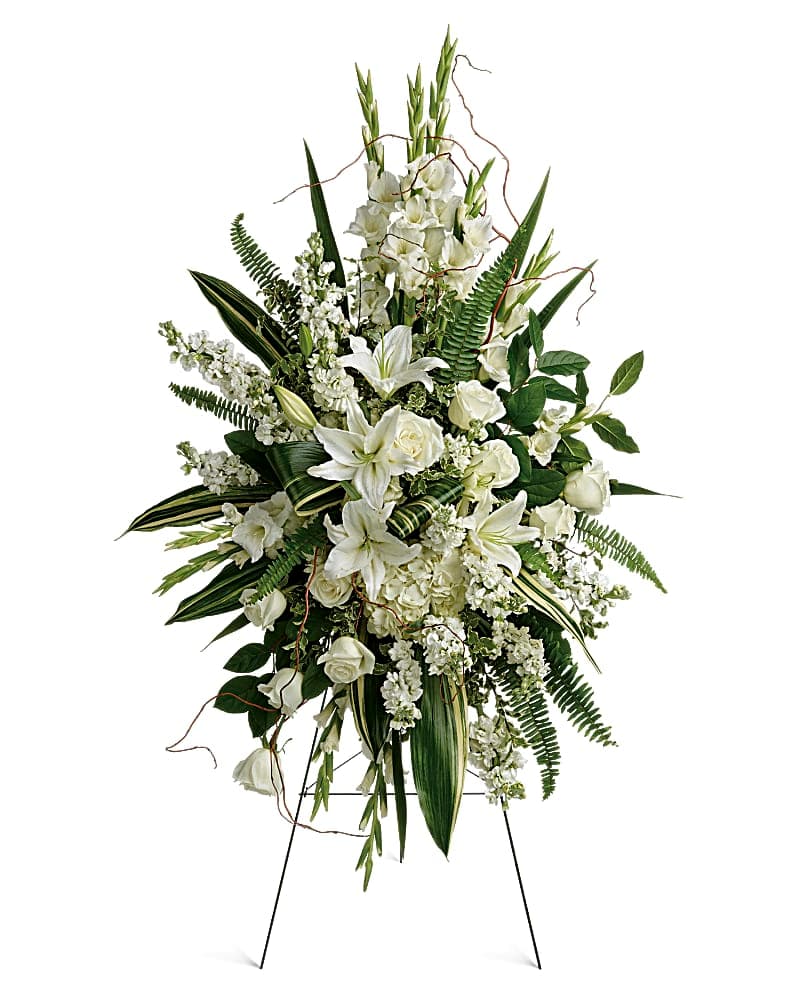
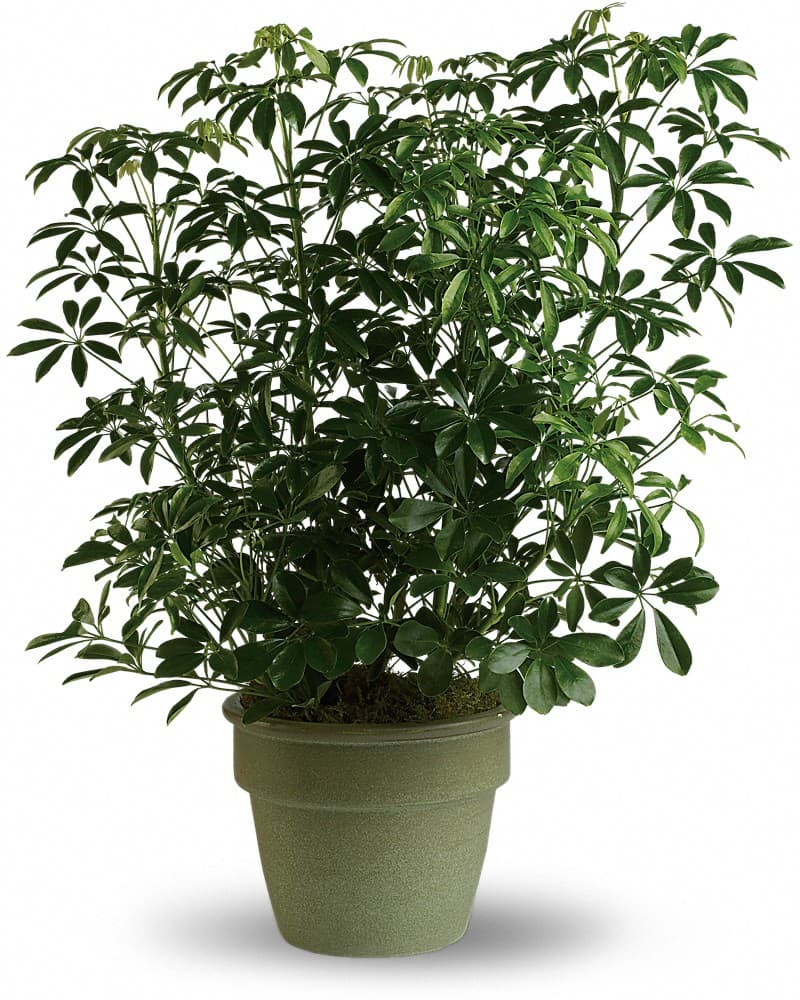
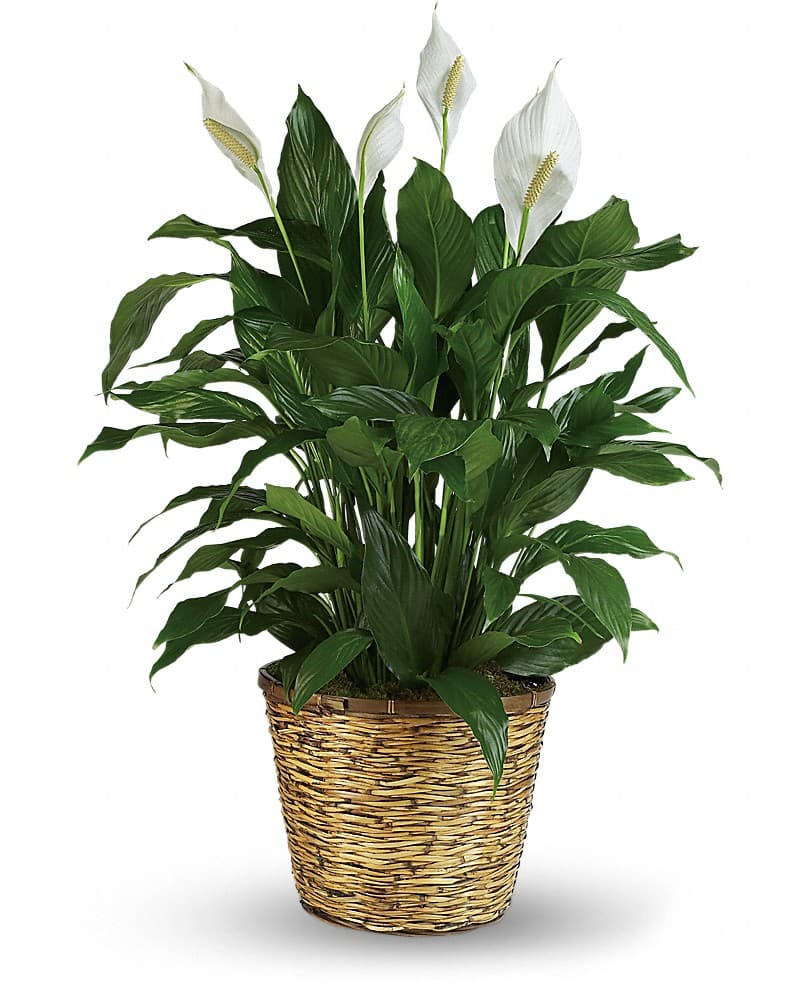
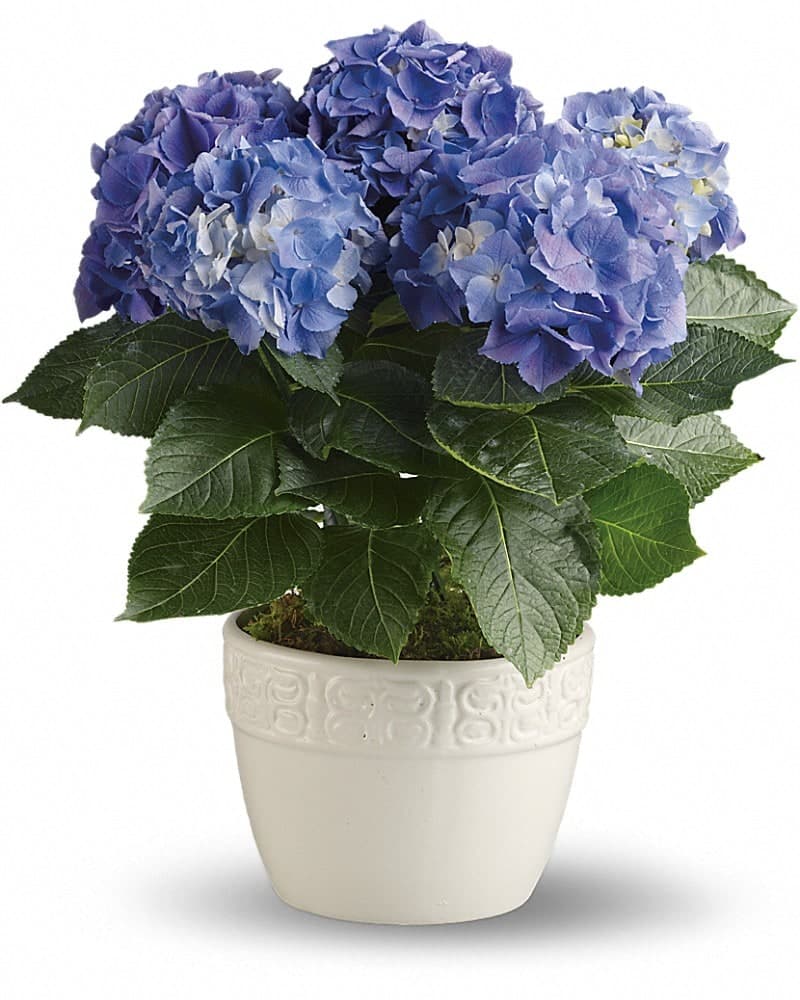
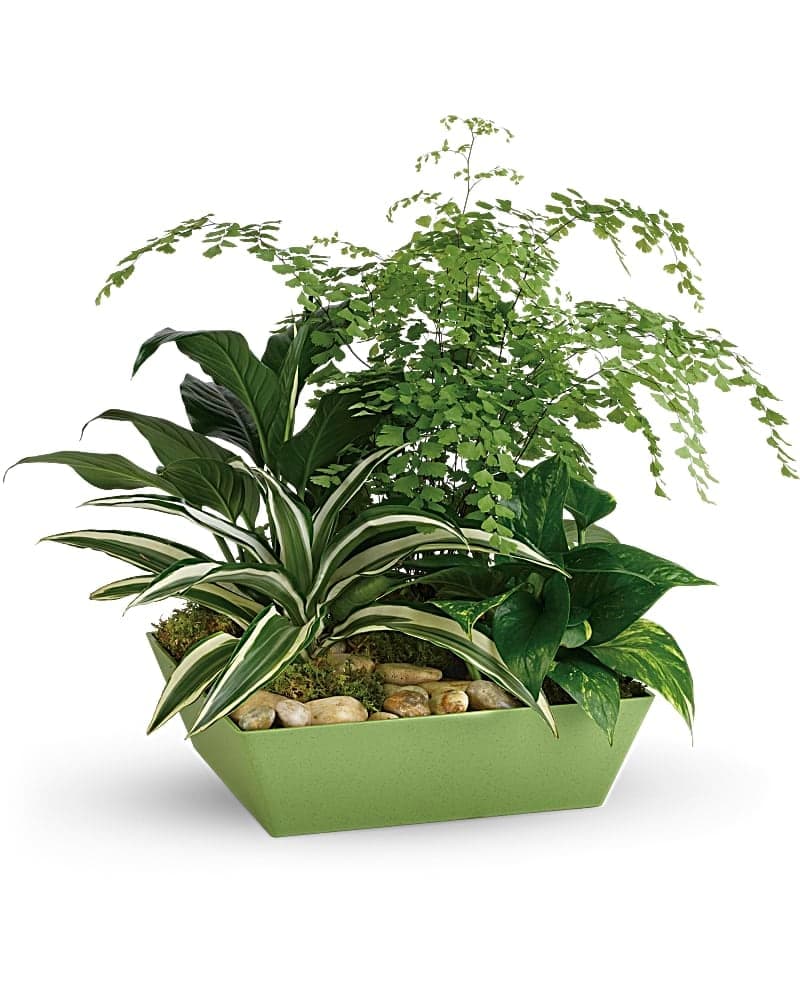
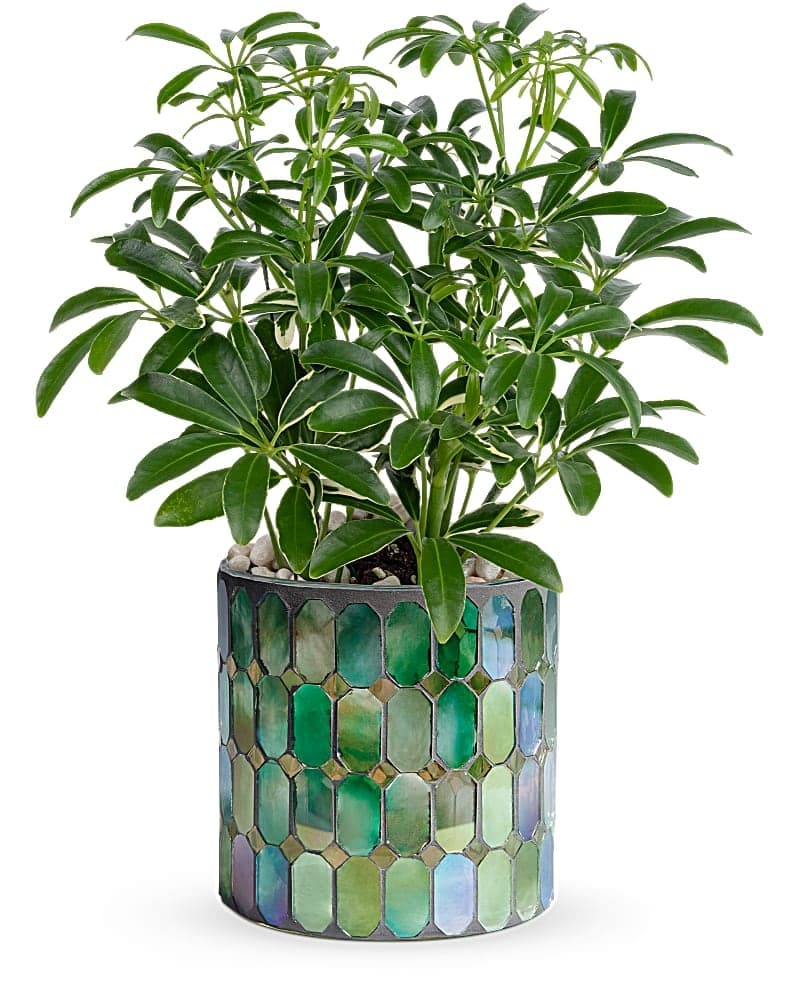
The pattern that distinguishes this town from every other Chester County market is the one nobody writes about, so it is worth setting out plainly. A large share of Kennett Square is Mexican-American — families who came for the mushroom houses and have now been here across three generations — and when a death happens in those households the shape of the week is not the shape an Anglo-Protestant sender expects. There is often a velorio and a rosary the evening after the death, sometimes at the parish and very often in a house on Birch or Mulberry or out in Toughkenamon, with the front room cleared and chairs brought in. There may be a novenario: nine consecutive nights of prayer, which means the gathering place needs flowers that are still alive on night seven, not an easel piece built to stand on a chapel floor for two hours. And in a meaningful number of cases the body goes home — repatriation to Mexico, arranged through the consulate in Philadelphia, with the burial itself happening in Guanajuato or Michoacán a week or two later. When that is the situation, there is no local graveside at all, and a standing spray sent to a cemetery is money spent on an event that is not occurring in this state. Send to the house instead, send something that lasts, and write the card in Spanish. Marigolds carry a weight in these households that white lilies do not, and if the family has asked for them, ask us rather than assuming they are unavailable.
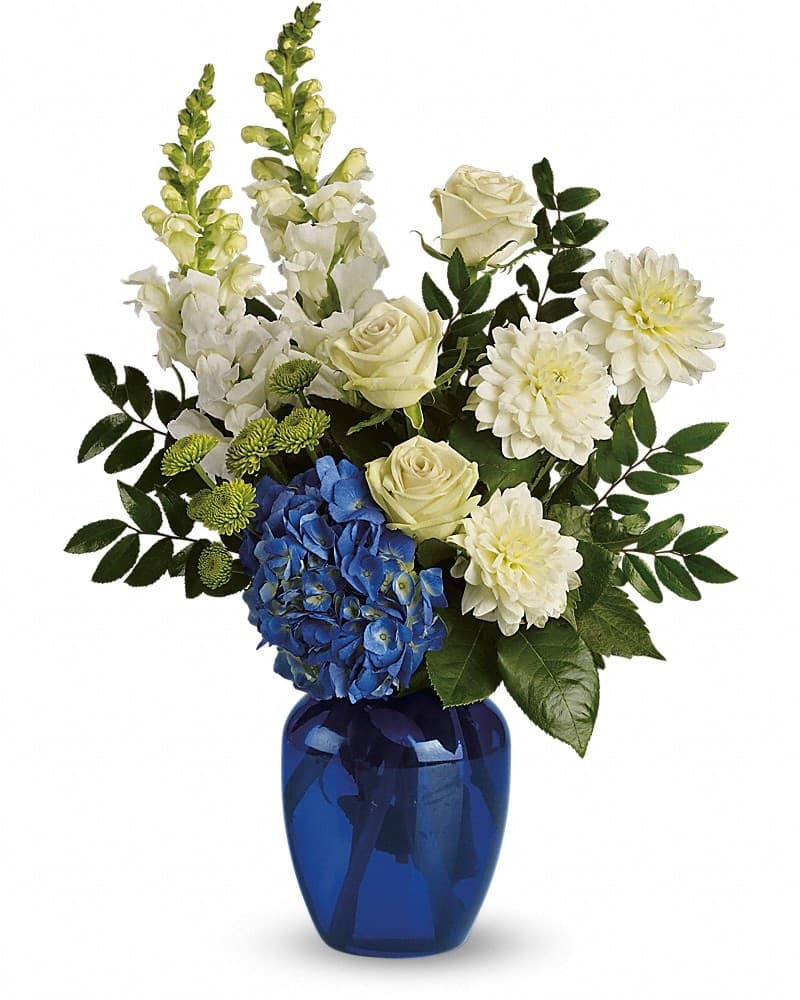
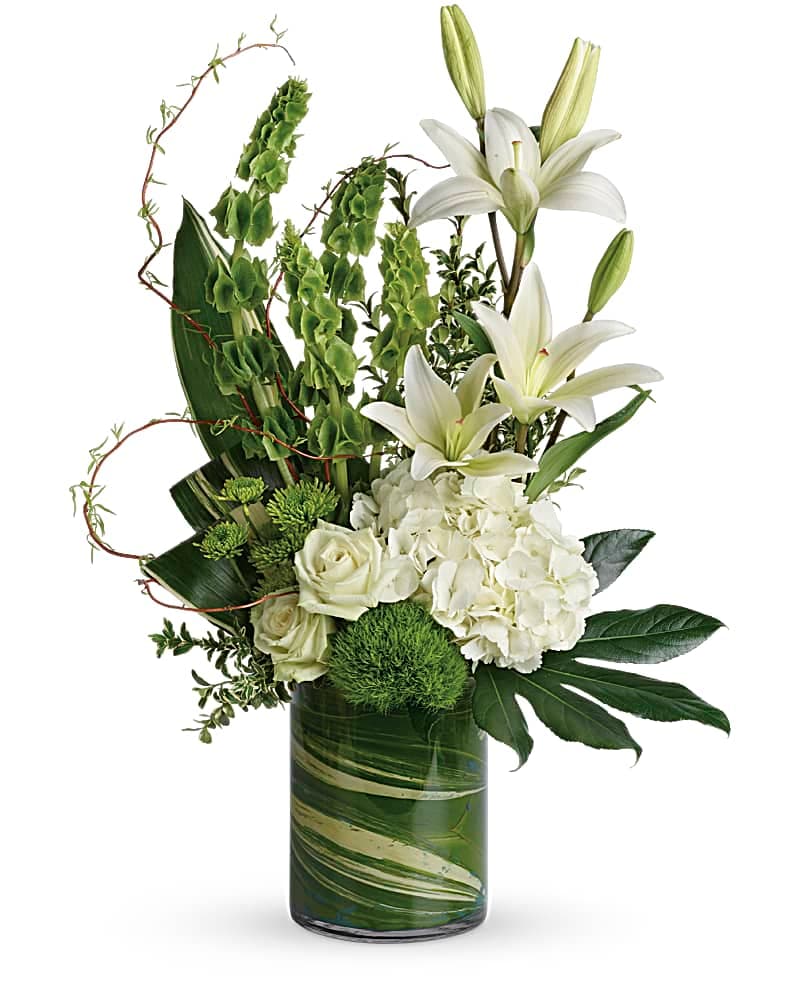
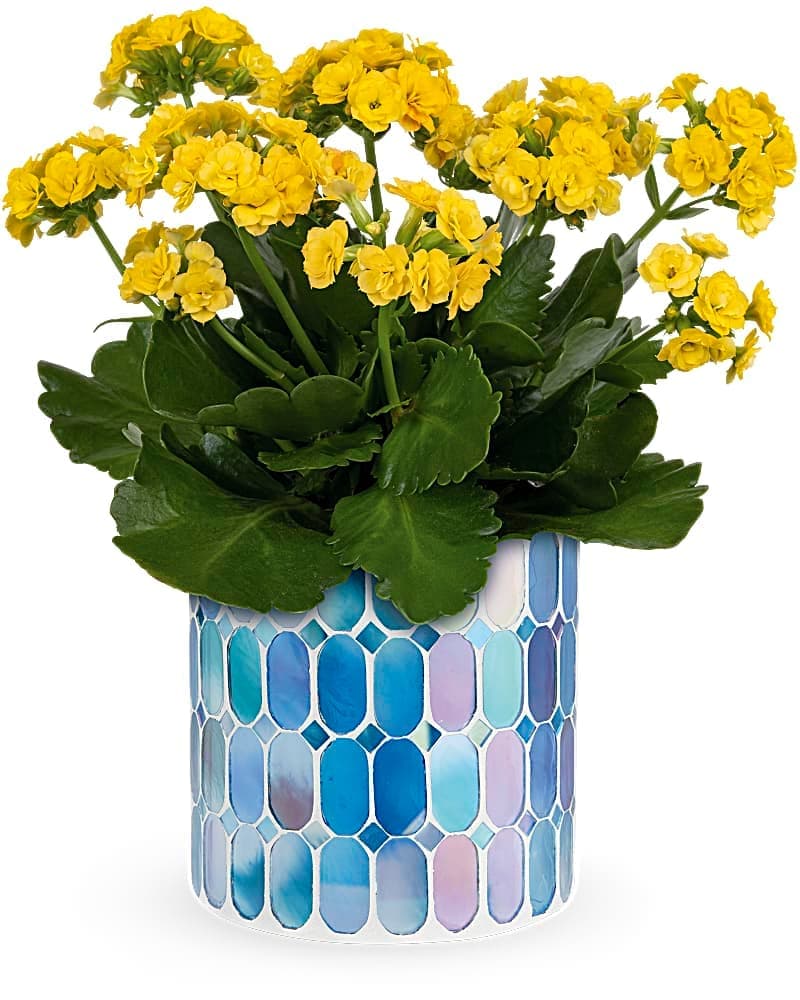
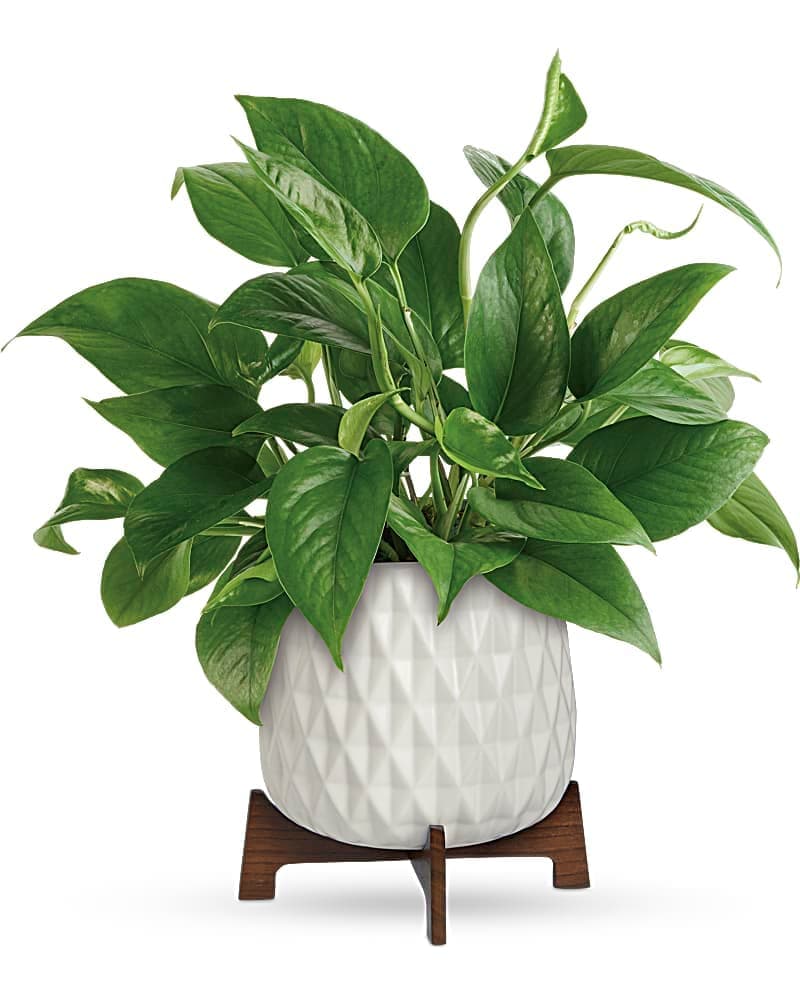
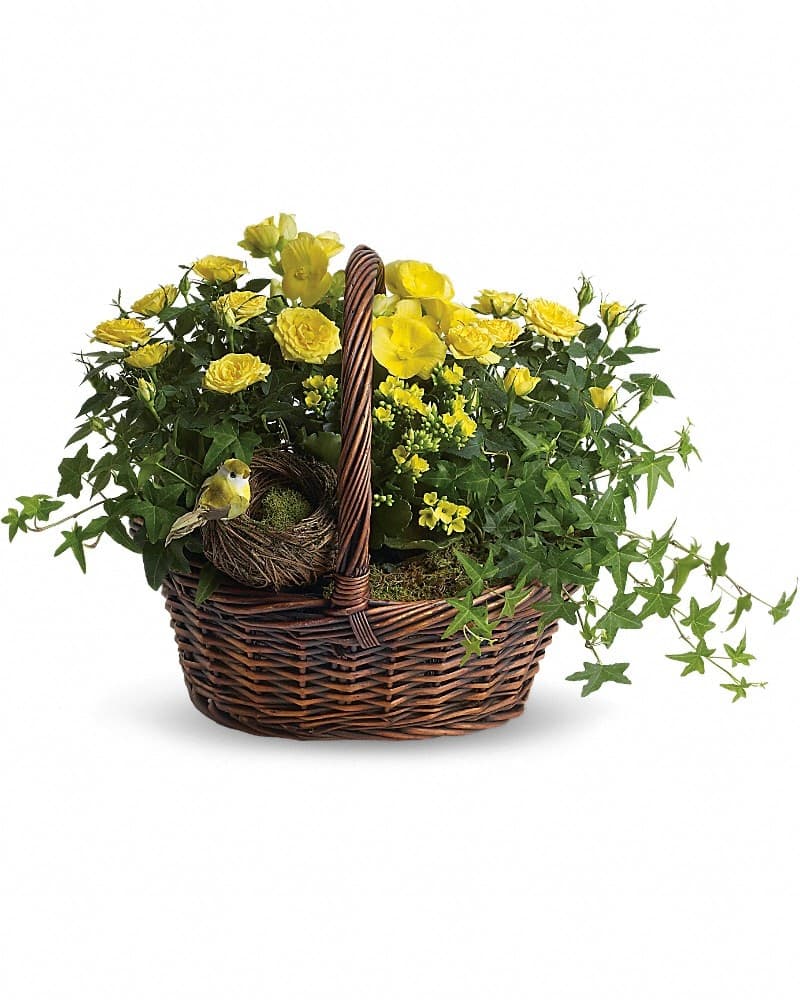
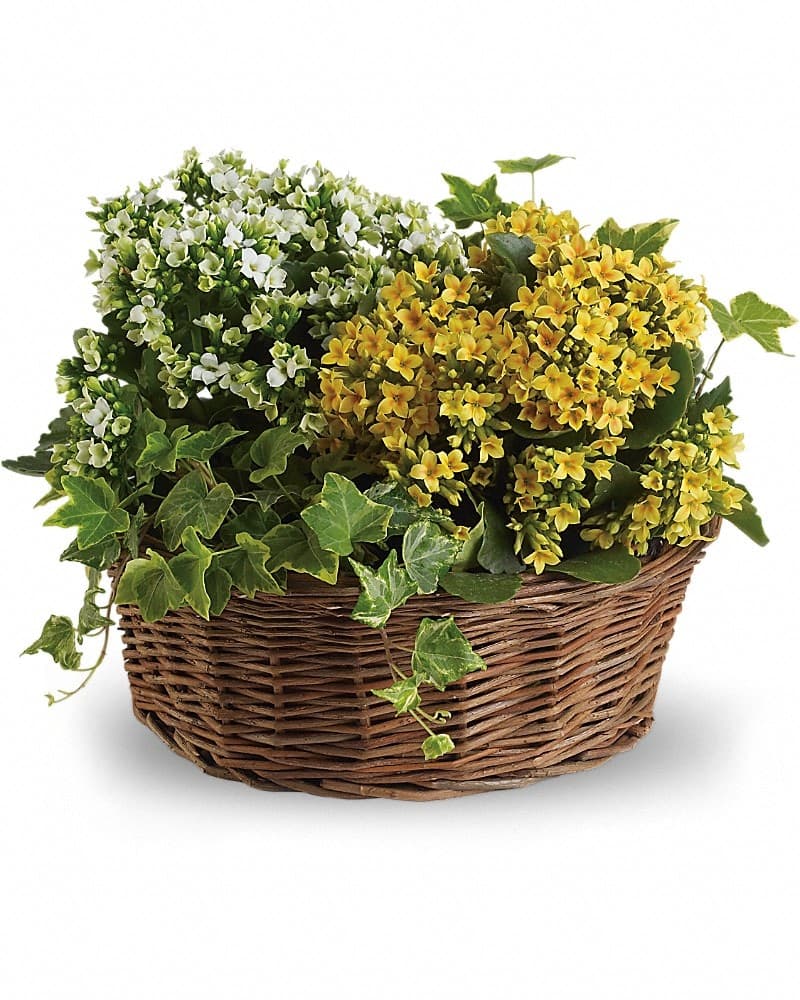
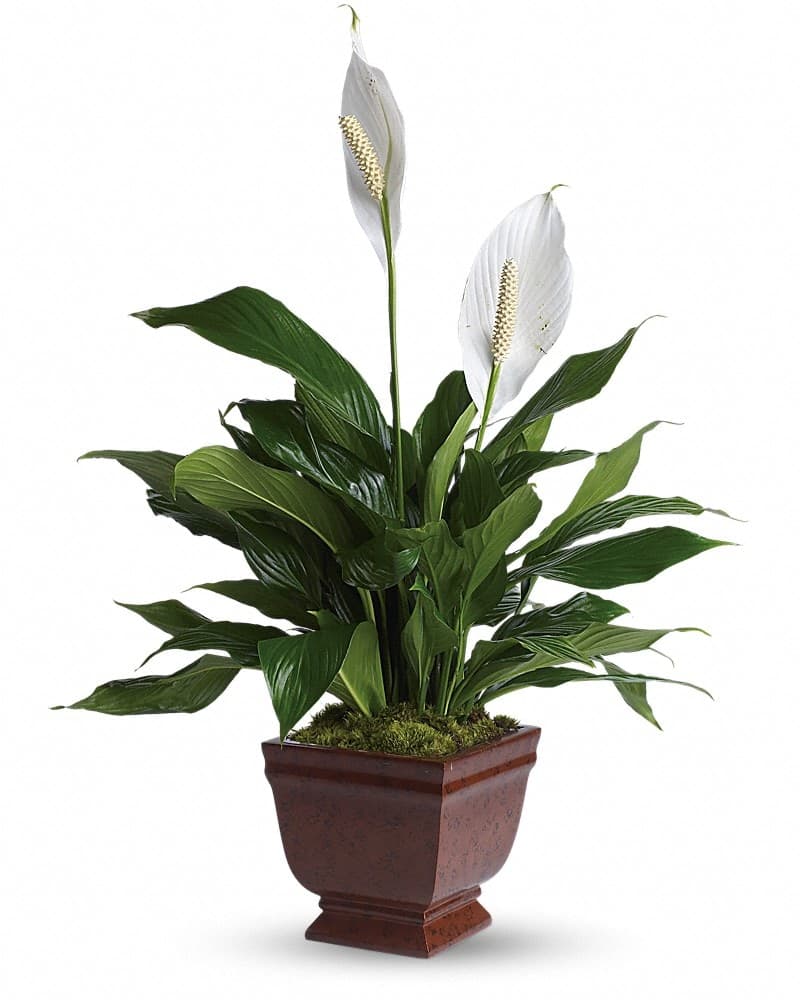
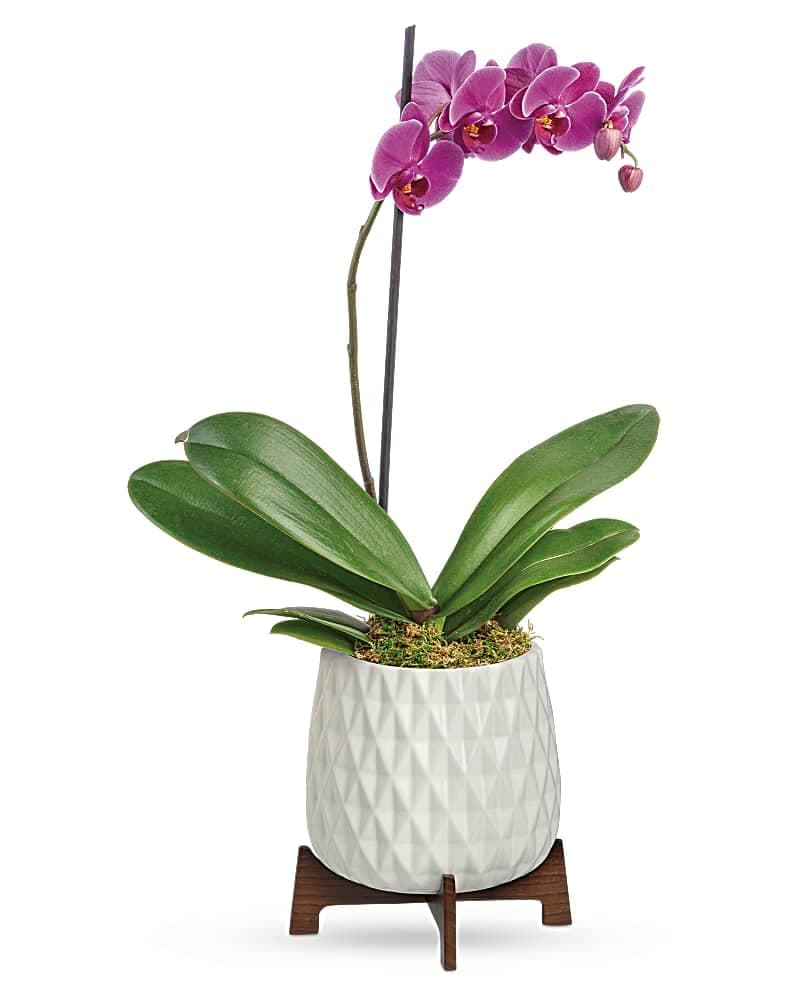
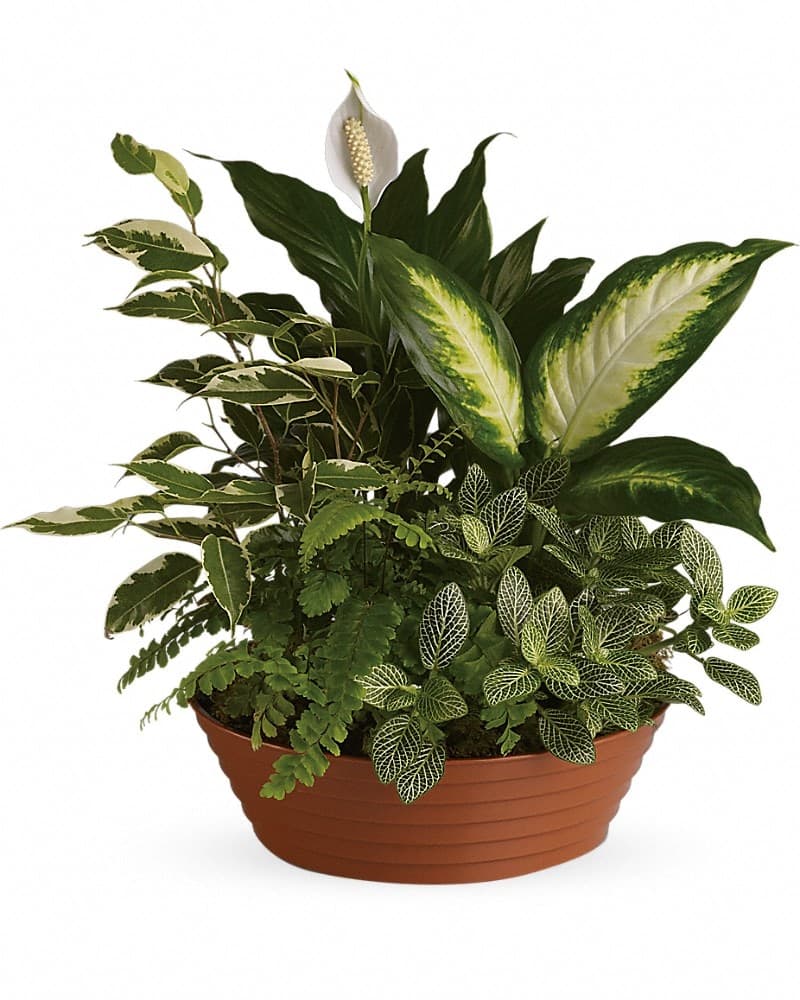
For the Friends side, the convention is close to the opposite and equally specific. Chester County has one of the densest concentrations of Quaker meetings in the country, and around this borough alone you have Old Kennett on Baltimore Pike, Kennett Monthly Meeting in the borough itself, London Grove on Newark Road, and the meeting rooms inside the Kendal at Longwood and Crosslands communities on the Route 1 side, both of which are Quaker foundations and both of which hold memorial meetings for residents. A memorial meeting is plain by design. One low arrangement near the front is normally the most that is wanted; a bank of tributes along a wall reads as loud rather than generous, and many families ask in the notice for a contribution to a cause instead of flowers. Take the notice literally — it is not modesty and it is not a formula. The better send in that tradition is to the family's home in the week after, when the visitors have stopped coming and the casseroles are finished: a living plant or a compact seasonal arrangement that needs no tending and does not have to be dealt with. The same is true when the notice says donations in lieu. Give to the cause for the service, then send something small to the house a few days later, which is how this is generally handled locally and is worth more to the household than a chapel piece.