The organising fact on this page is an absence. There is no hospital in Kennett Square, and unlike most towns of this size the gap got wider rather than narrower in living memory: the hospital at Jennersville in West Grove, eight miles southwest, closed at the end of 2021, and Brandywine Hospital in Coatesville closed weeks after it. Southern Chester County lost two inpatient buildings inside thirteen months, and what replaced them is distance. An ambulance leaving a borough address now goes to one of a handful of places depending on what is wrong. Penn Medicine's Chester County Hospital, on East Marshall Street in West Chester, is roughly twelve miles northeast by Route 52 or Route 82 and takes the largest share of ordinary county admissions. ChristianaCare's Christiana Hospital, on Ogletown-Stanton Road in Newark, Delaware, about seventeen miles south, holds the region's Level 1 trauma centre and the heaviest cancer and cardiac work — a crash on US 1, a new diagnosis, a complicated delivery. Children go to Nemours Children's Hospital on Rockland Road outside Wilmington. ChristianaCare Wilmington Hospital on West Fourteenth Street carries downtown Wilmington's beds. West of here, Union Hospital in Elkton, Maryland is the nearer building for families out toward Oxford and Nottingham. Three states, five answers. Ask which one before you order anything, because it moves the nearest bench by fifteen miles and changes what the floor will accept.
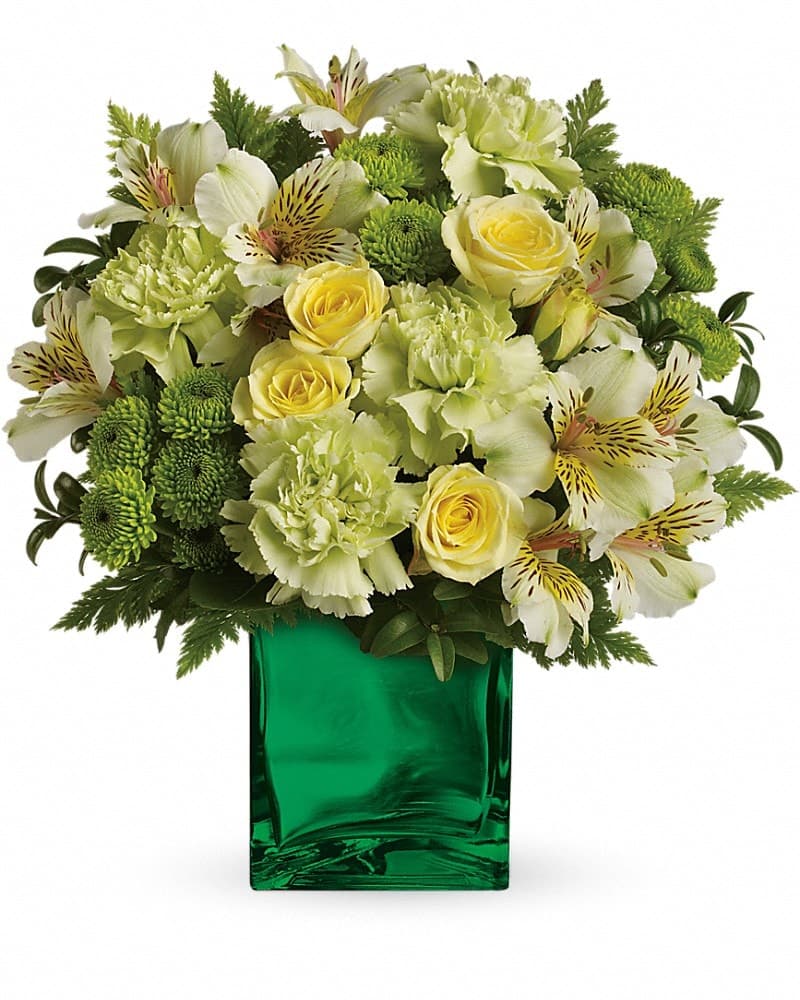
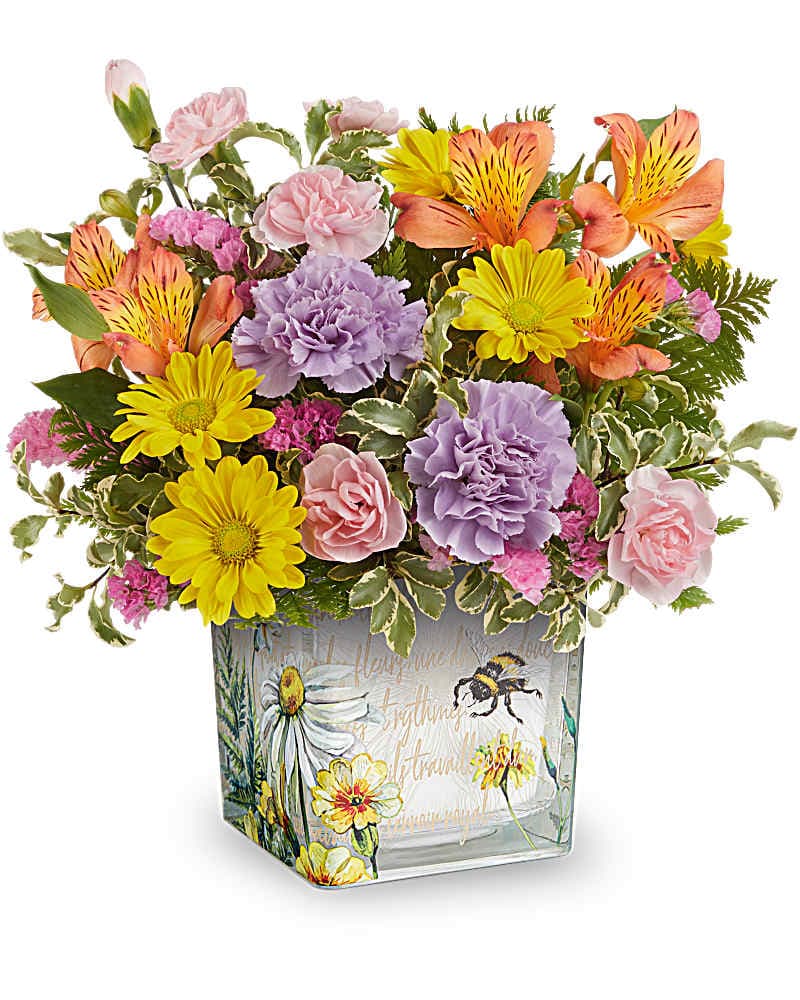
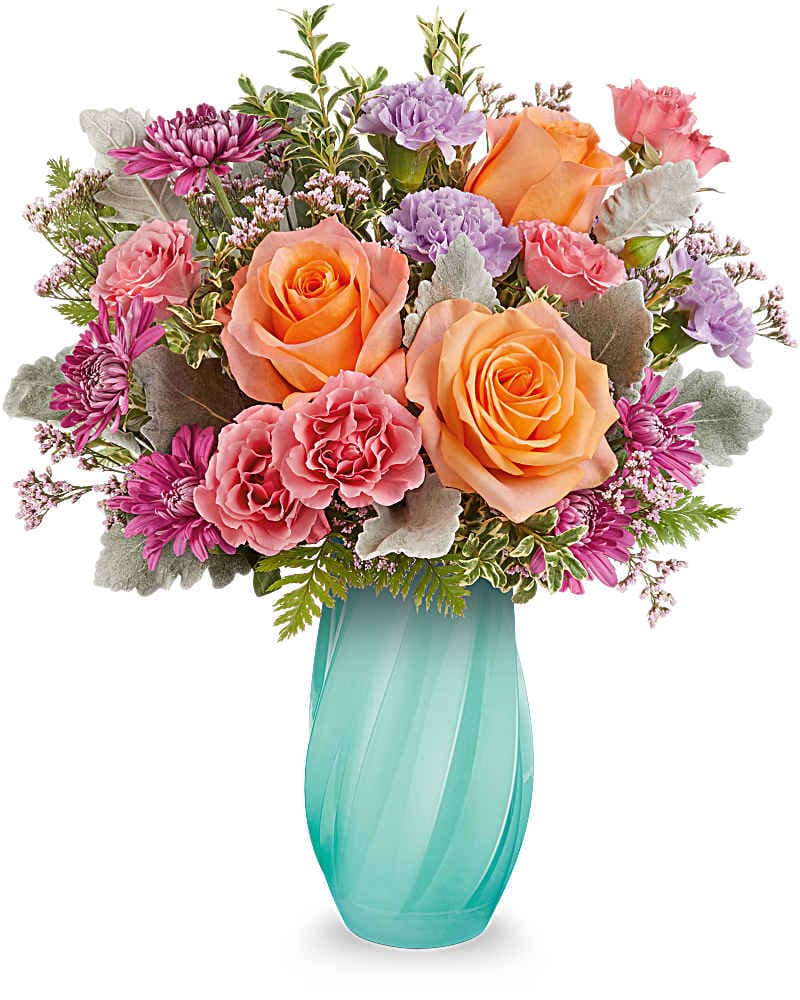
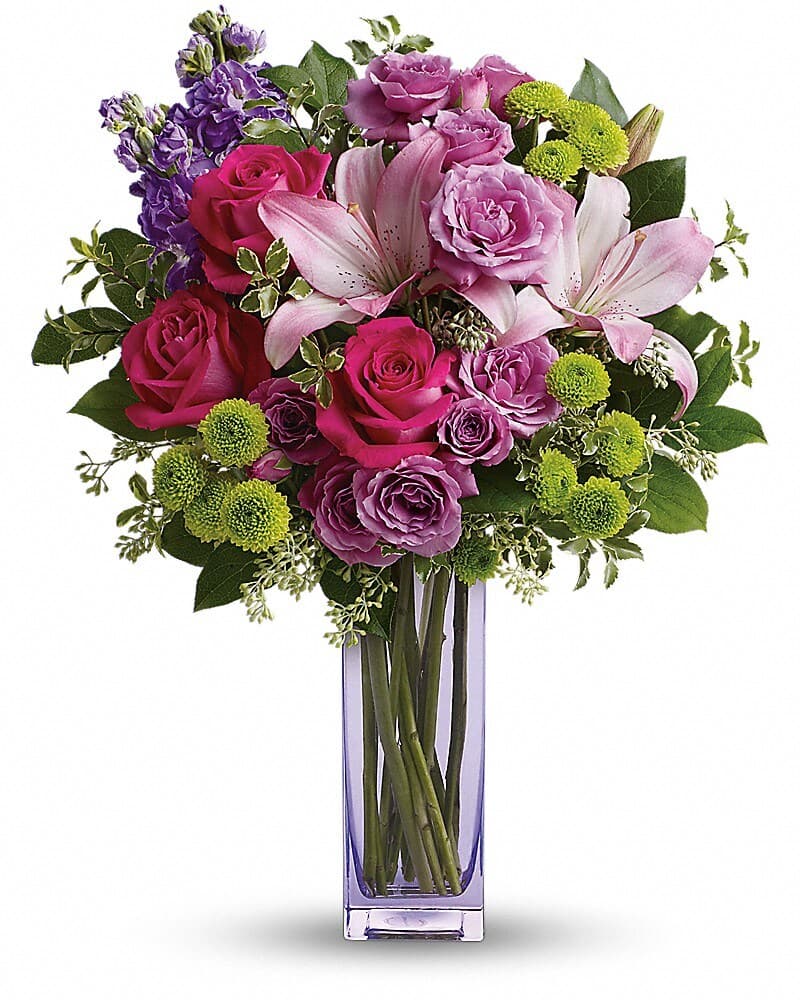
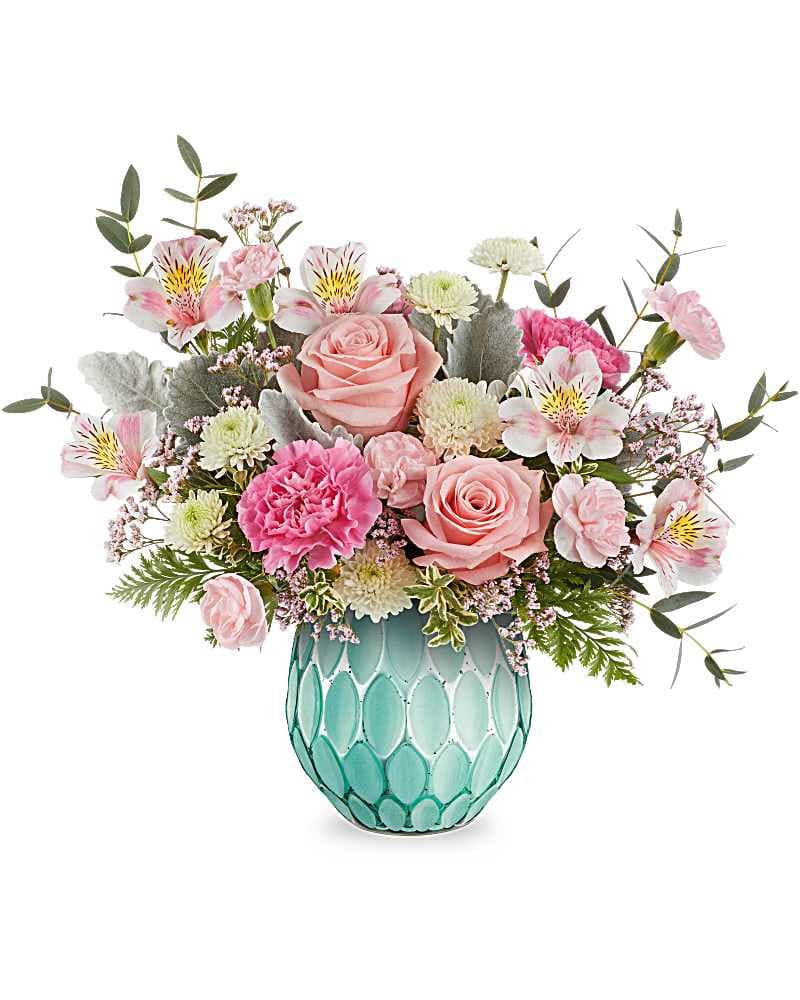
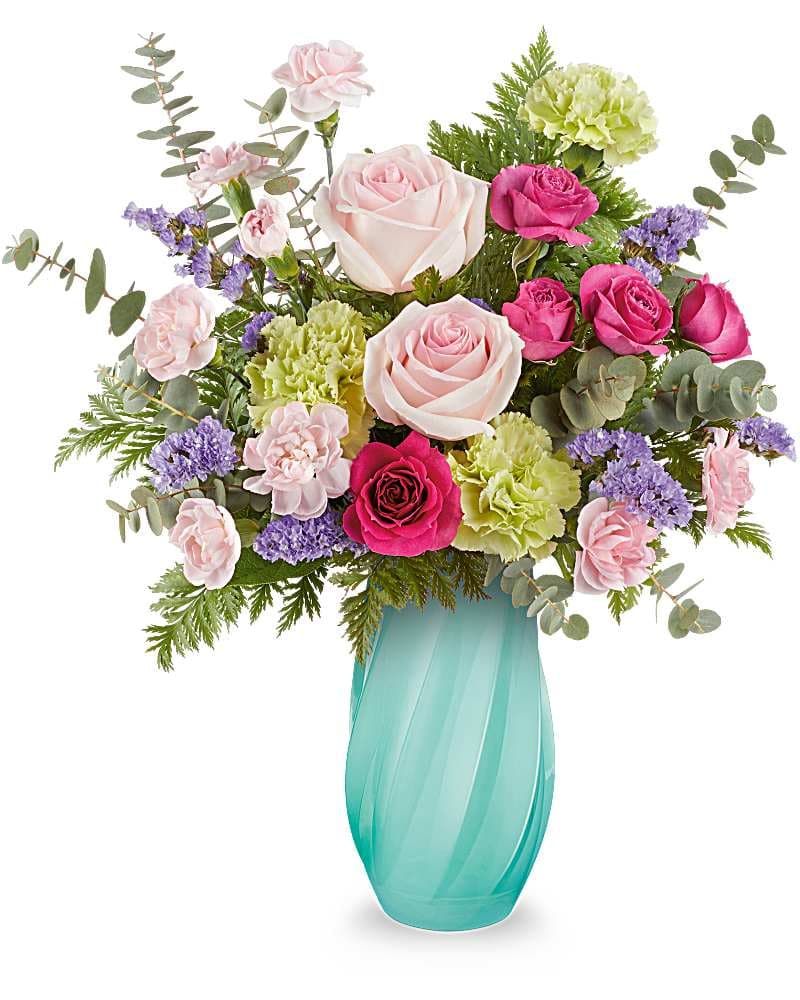
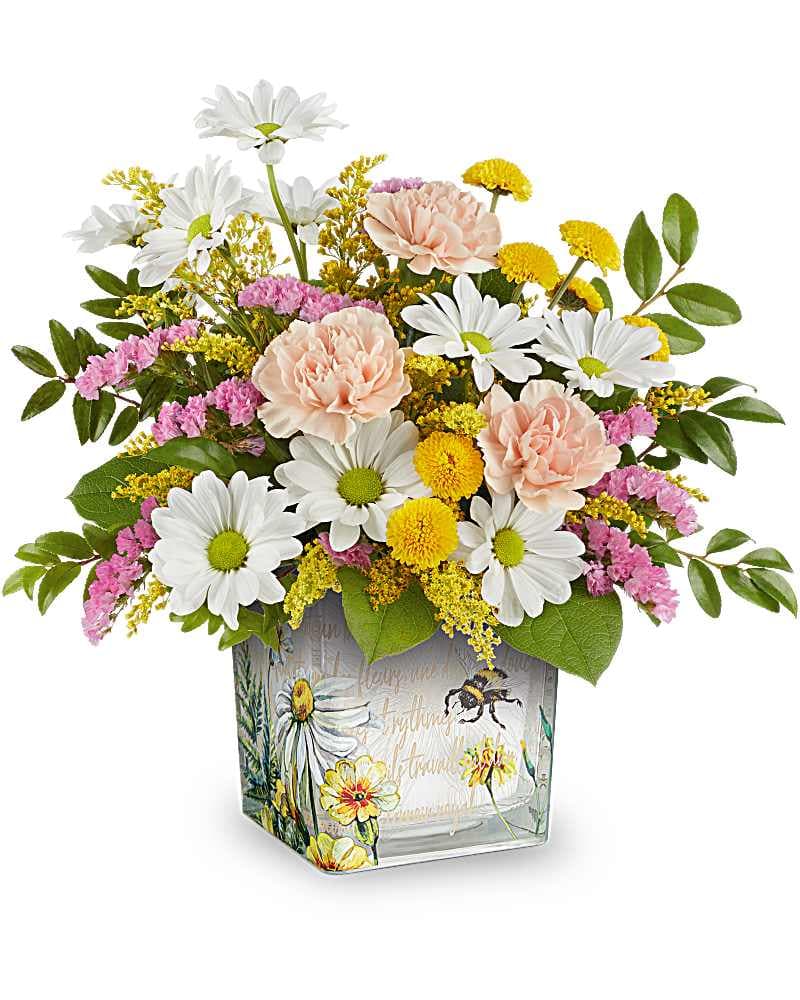
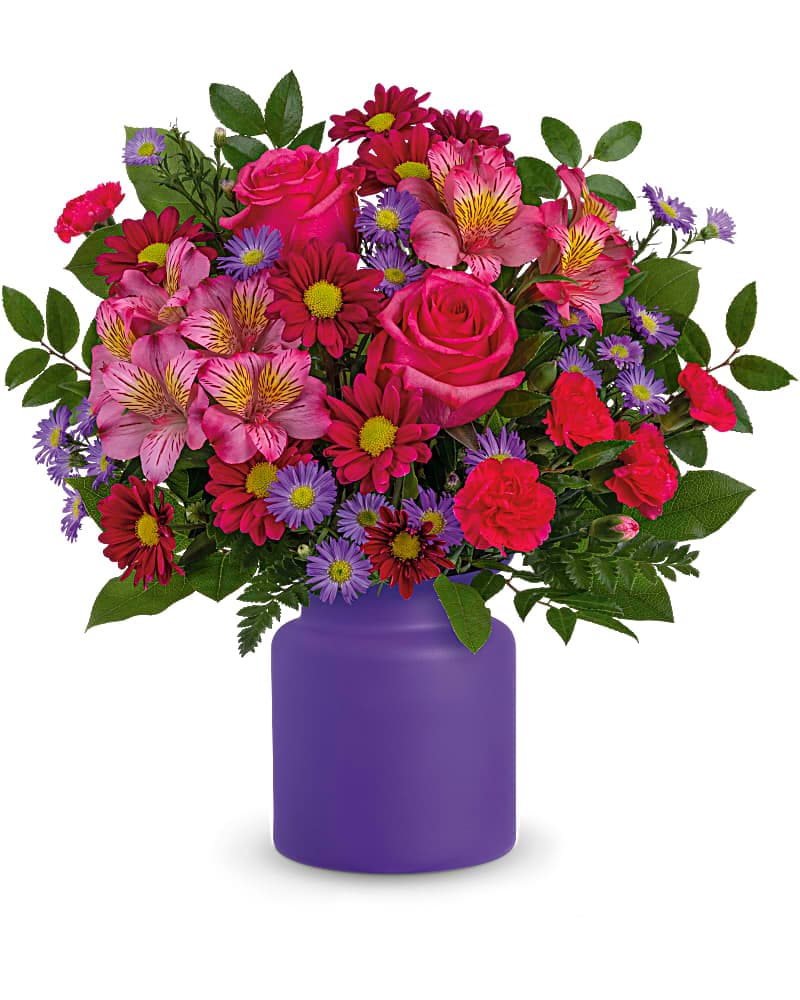
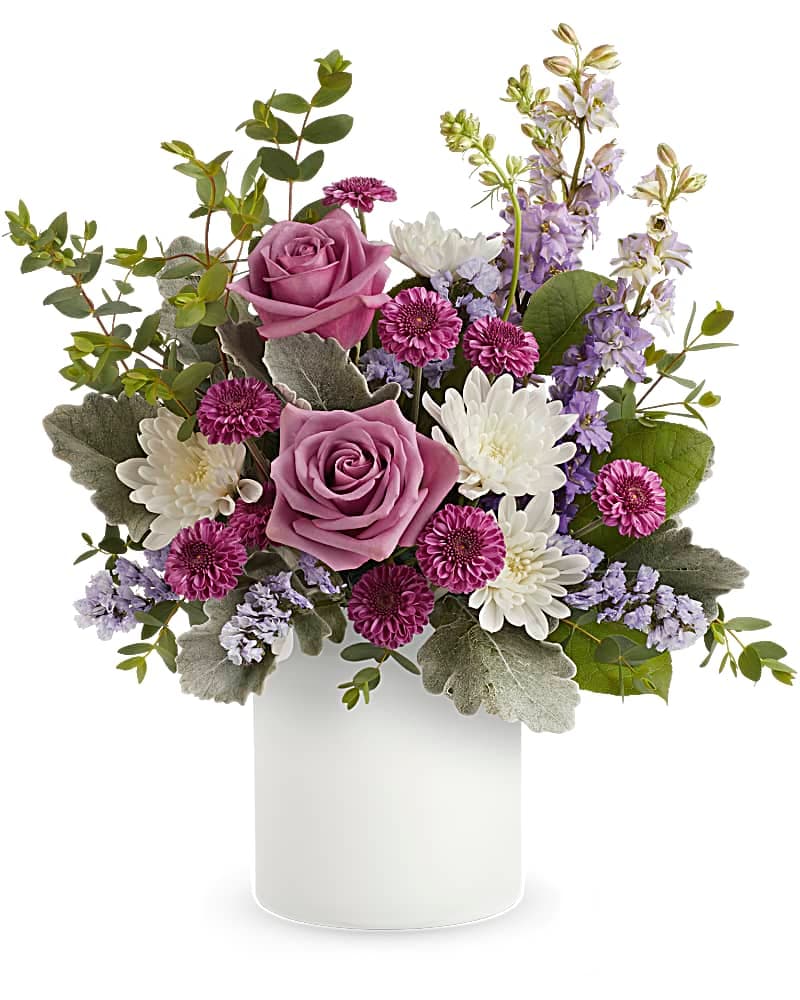
What a unit will accept is decided building by building and, inside a building, floor by floor, so treat the following as the questions to ask rather than as rules you can rely on. The strictest address on this grid is the children's hospital: a building full of children who react to latex sends rubber balloons back at the desk, foil ones pass, and the units caring for the sickest patients screen everything that comes off a trolley for scent. Newborn intensive care generally accepts nothing at all — which is not the end of the idea, because the family is living somewhere nearby and a delivery to where they are sleeping is more useful to them than one to a room they are not allowed to decorate. On the cancer and infusion side at Christiana and at Chester County Hospital, the item that surprises people is the living plant: several units will take cut flowers and turn a potted plant away, and the objection is the growing medium in the pot rather than the plant itself. Hold the plant for the day they come home, when it is the best object in this catalogue. In intensive care and in post-surgical step-down, the objection is usually perfume — somebody two rooms along is having nausea actively managed, and a single heavily scented stem travels further than a closed door suggests. What clears nearly everything is deliberately plain: spray roses, carnations, alstroemeria, lisianthus, a gerbera or two, kept short and set in something opaque and heavy-bottomed. Skip the tall vase for two unrelated reasons — the ledge it has to share is already carrying a meal tray and a water jug, and a glass cylinder going over on a hard hospital floor turns a gift into an incident report.
Most get-well flowers in this market never see a ward at all, and the street is where the real difficulty lives. Discharge from West Chester or Newark puts somebody back in a house twelve to twenty miles from the hospital that treated them, and out here the addresses are not easy. Township lanes off Newark Road, Street Road and the Unionville side run several hundred yards to a farmhouse, mapping apps stop at the road end, and mailbox numbers are frequently the only marker. In winter a north-facing drive holds ice for a week after the borough streets have cleared. Inside the borough the problem inverts: State, Union, Broad, Birch, Mulberry, Cypress and Linden are rows and twins where the only approach is a short run of front steps up to a single bell, and somebody seven days past an operation is not going to reach that bell in a hurry. Put a mobile number on the order, ask for a text from the step rather than a long press on the button, and name whichever door the household genuinely uses. One local reality worth naming: many households here are Spanish-speaking, a good number of them turn to La Comunidad Hispana in the borough for care, and a spell out of work in a mushroom house is paid piece-rate, so illness in those homes is a money problem as well as a health one. If a workplace is sending collectively, one larger arrangement with a list of names on the card reads better in a small front room than six small ones, and costs each person less. Write the card in the language spoken in the house.