Most get-well pages are about how far the driver has to go. This one is not, because the nearest hospital campus to the 19046 centroid is about a mile up Old York Road in Abington — close enough that a shop in the borough can be there before the coffee cart finishes its round. What goes wrong here is the name on the order. Two campuses in this radius sit on the same road and both now carry the Jefferson brand: the big one in Abington at 1200 Old York Road, and the Einstein campus at 5501 Old York Road down in Philadelphia, four or five miles further south. Add the Jefferson Torresdale campus on Knights Road out in the Northeast and the word Jefferson alone stops narrowing anything down. So give us the campus, the street and the unit — "Abington, Old York Road, seventh floor surgical" is a deliverable address, and "Jefferson" is not. The same instinct helps at every other building on this grid, because the practical constraint on a get-well delivery in eastern Montgomery County is not mileage or traffic. It is arriving during a window when somebody at a desk has a free hand.
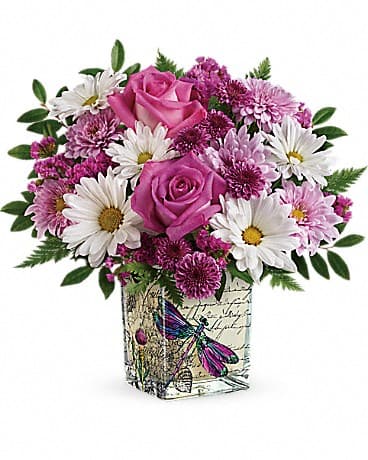
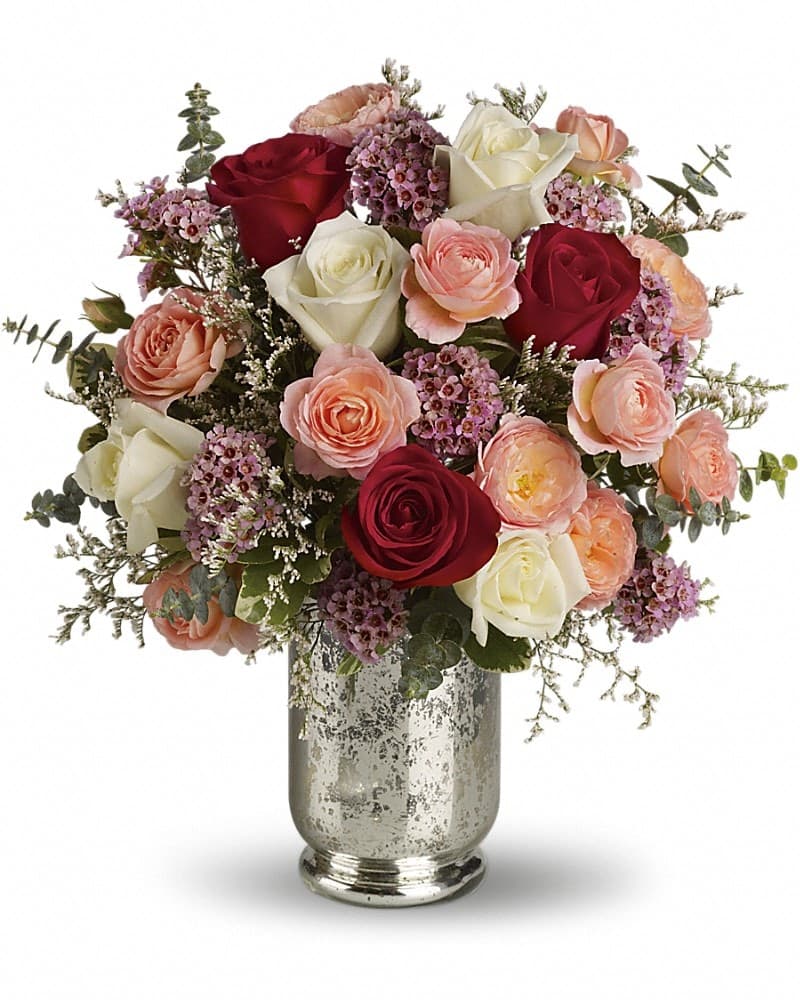
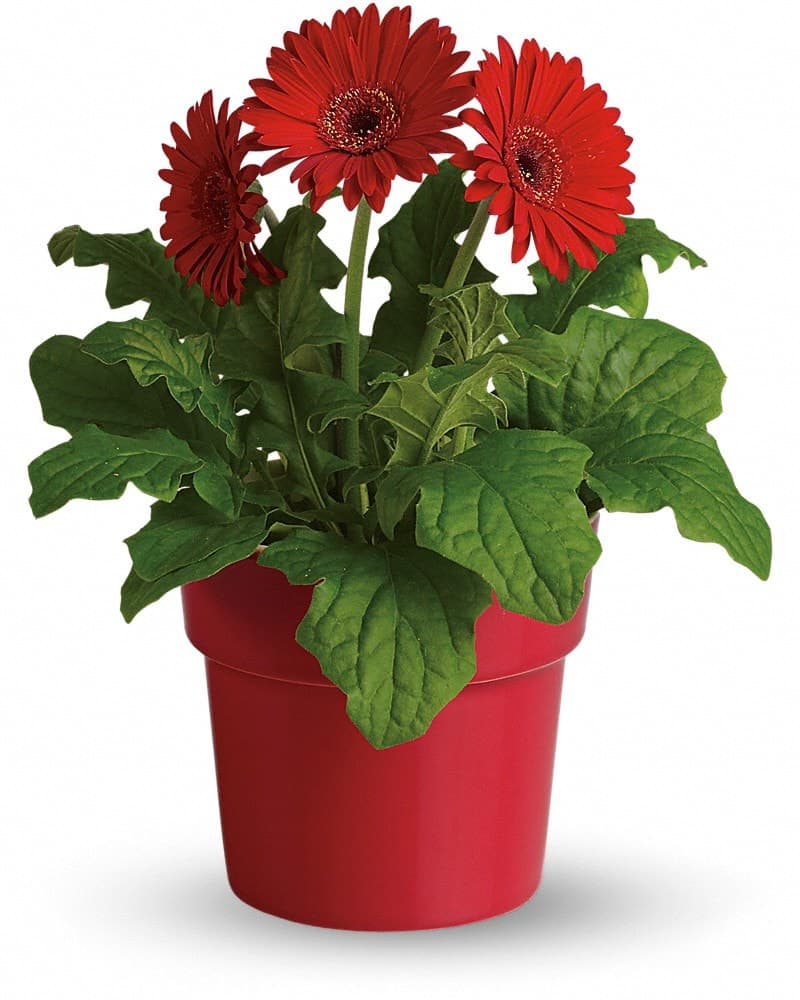
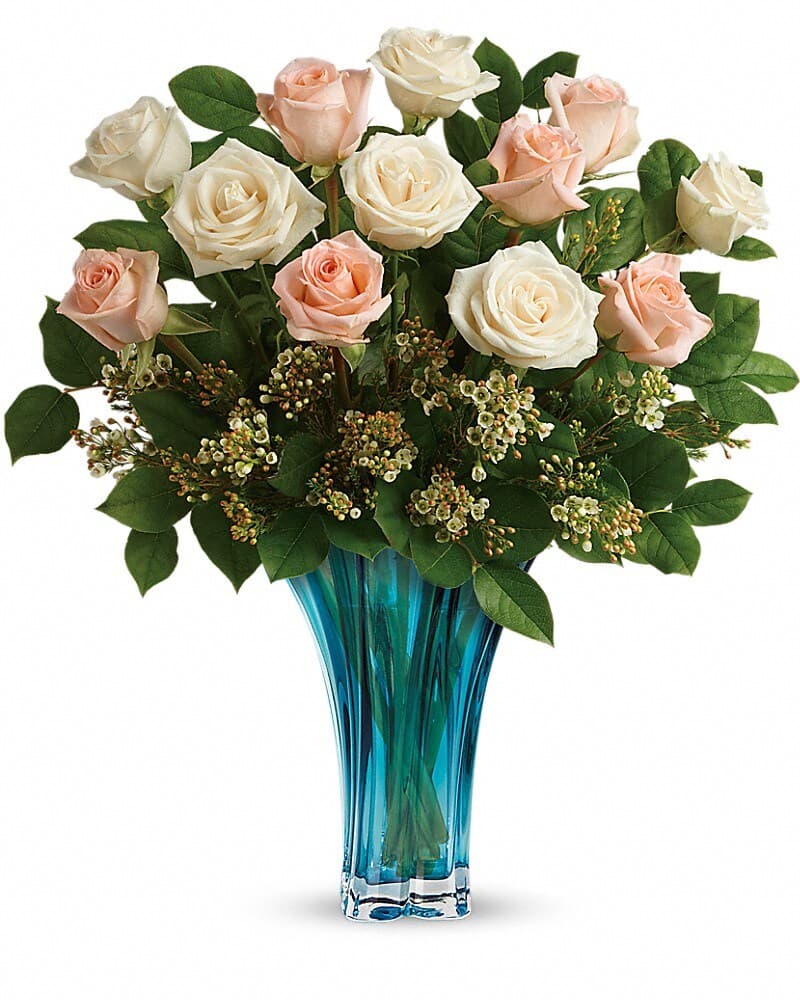
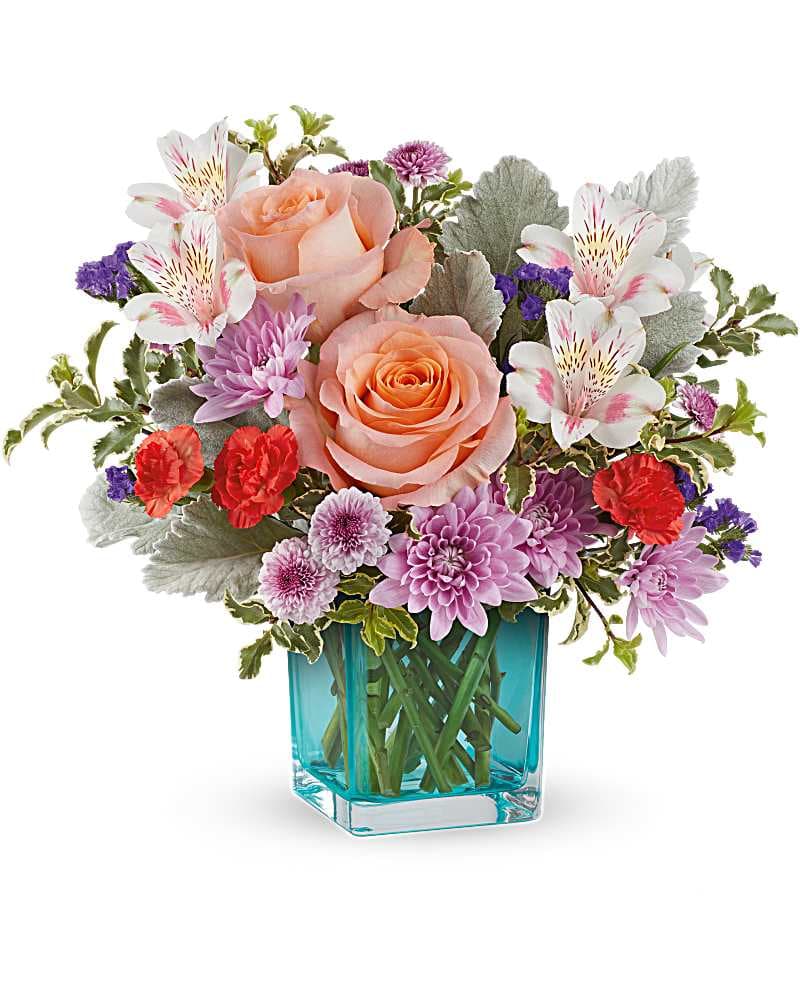
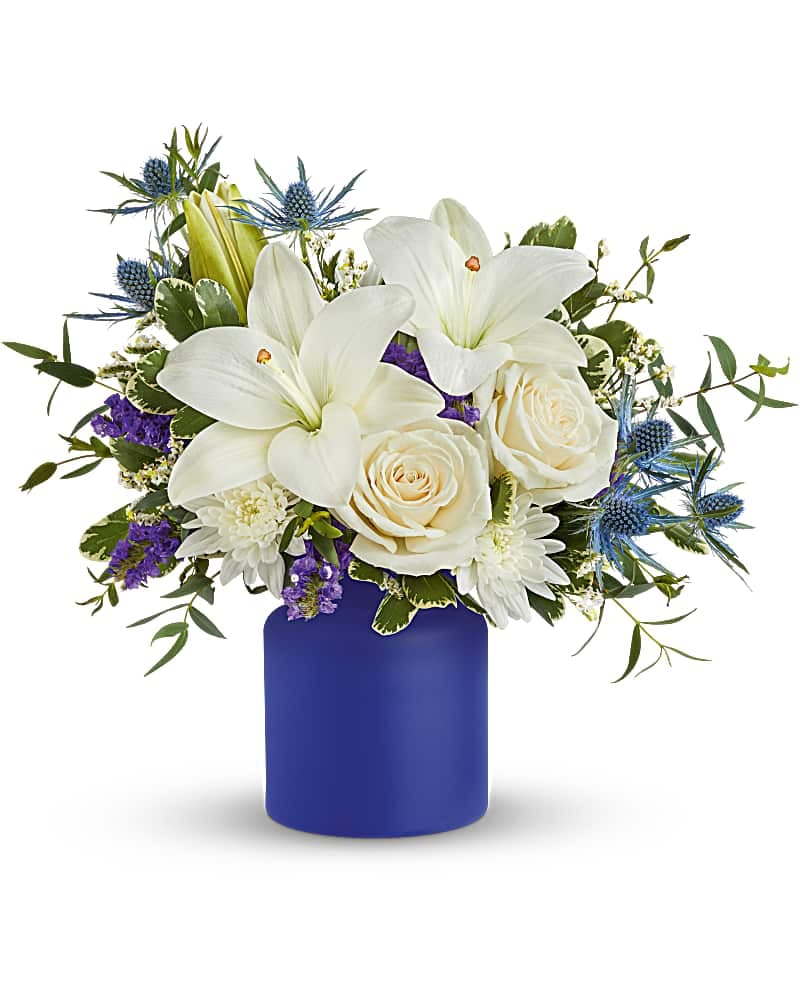
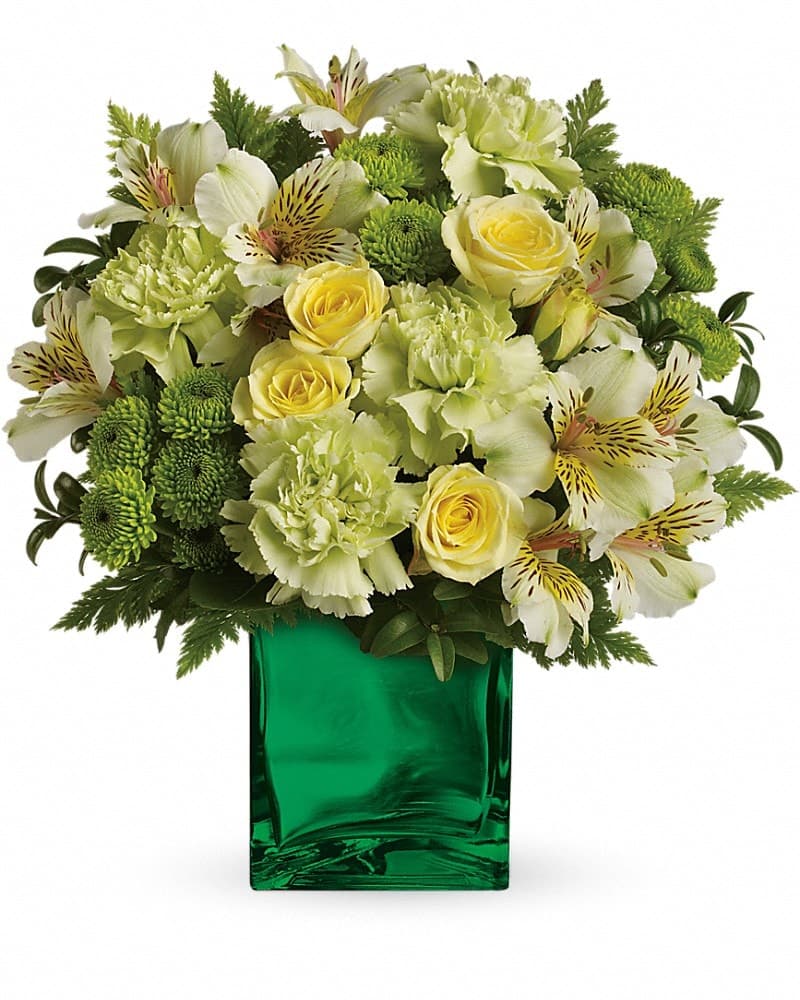
Whether a piece is allowed to stay in the room is settled at the unit rather than at the hospital's front door, and the objections raised there are physical far more often than clinical. Surface area is the first of them. The only dependably empty horizontal space in these rooms is a windowsill, and in a two-bed room that sill belongs to whichever patient is next to the window, while the floor is already spoken for by an IV pole and a visitor's chair. So the build that survives is squat, broad and bottom-heavy, in something that will not tip when a bed rail catches it. Second, leave the lilies out: pollen transfers onto a gown and a pillowcase the first time anybody reaches past, and where two people share the air, a strong scent is not one patient's call to make. Third, soil is a problem where cut stems are not — a potted plant is a fine gift for the week somebody is home again and an awkward one on an inpatient floor. After that come the small mechanical refusals that are easy to design around: nothing in glass, nothing that has to be assembled at the bedside, and no latex balloon, since plenty of hospitals will not let one through the door and the same money buys visibly better flowers.
For several units on this grid the right answer is a different address rather than a smaller bouquet. An intensive-care unit will generally take no flowers at all, so the delivery that works is aimed at the family instead: a hand-off downstairs to whoever is holding the vigil — we need their name and a number that gets answered — or, better, an arrangement waiting at their own front door for the end of a day nobody should have to have. Outpatient infusion is a day visit, which matters because Fox Chase and the Asplundh pavilion pull patients in from a wide area for a morning in a chair and then send them home; flowers left at a clinic follow nobody anywhere, so use the house and date them for that evening or the next day. Maternity is the exception that proves the rule — the one room delivery on this grid that reliably lands, because the room is private, the stay is short and predictable, and the family is there for it. Keep that one compact; the car going home already holds a bassinet, a bag and a grandparent. And the rehabilitation campus on Township Line Road in Elkins Park, the one families here have called Moss for generations, inverts the usual advice: stays are counted in weeks rather than nights, so the room genuinely is worth furnishing, and longevity beats spectacle. The nursing and hospice buildings on the Holy Redeemer campus and the apartments at Rydal Park on The Fairway work the same way — deliveries go to a staffed desk, so we need the name as the office spells it plus a room or apartment number, and late morning is the slot, before trays go round and before the afternoon shift takes over.