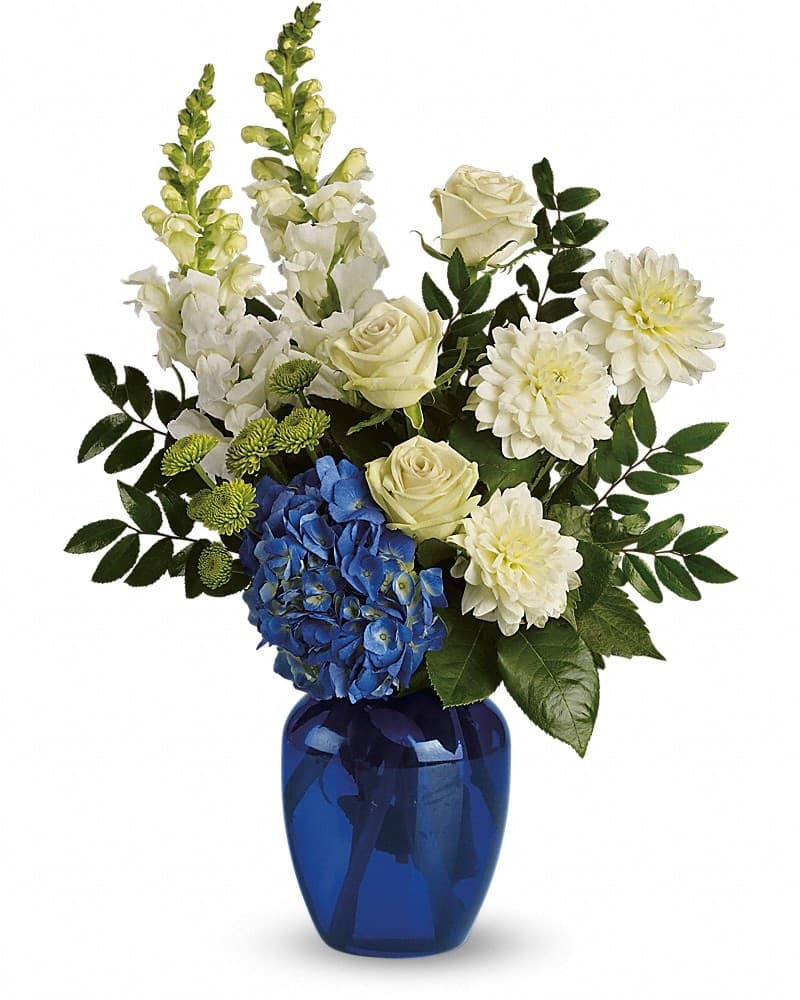
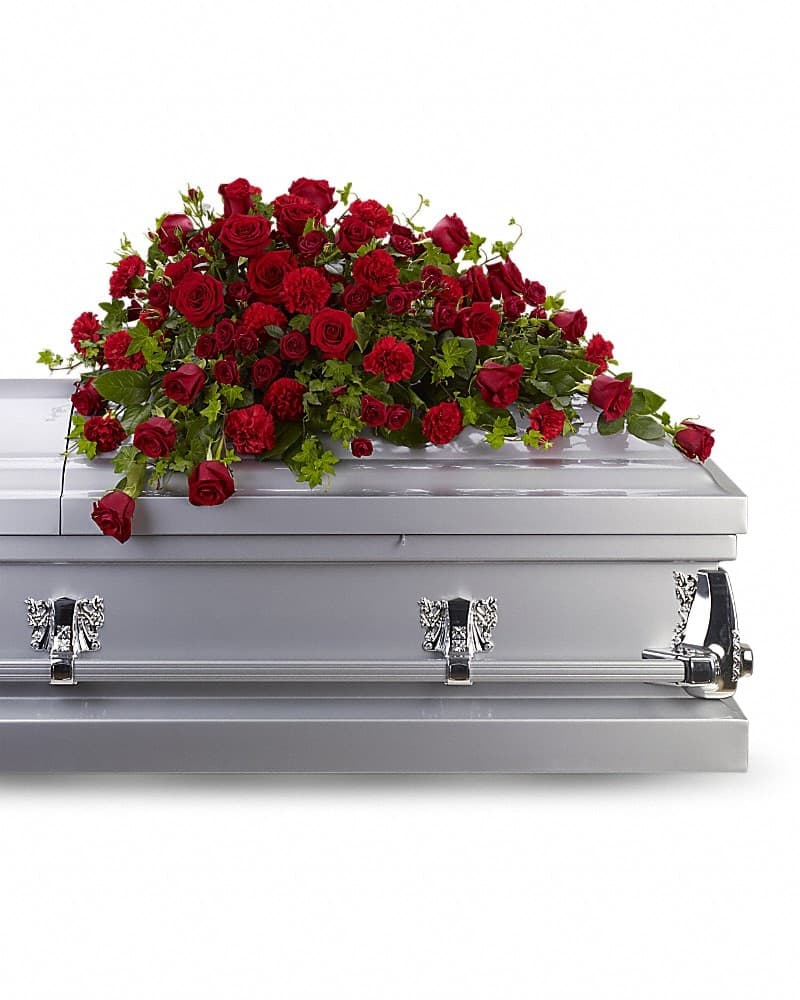
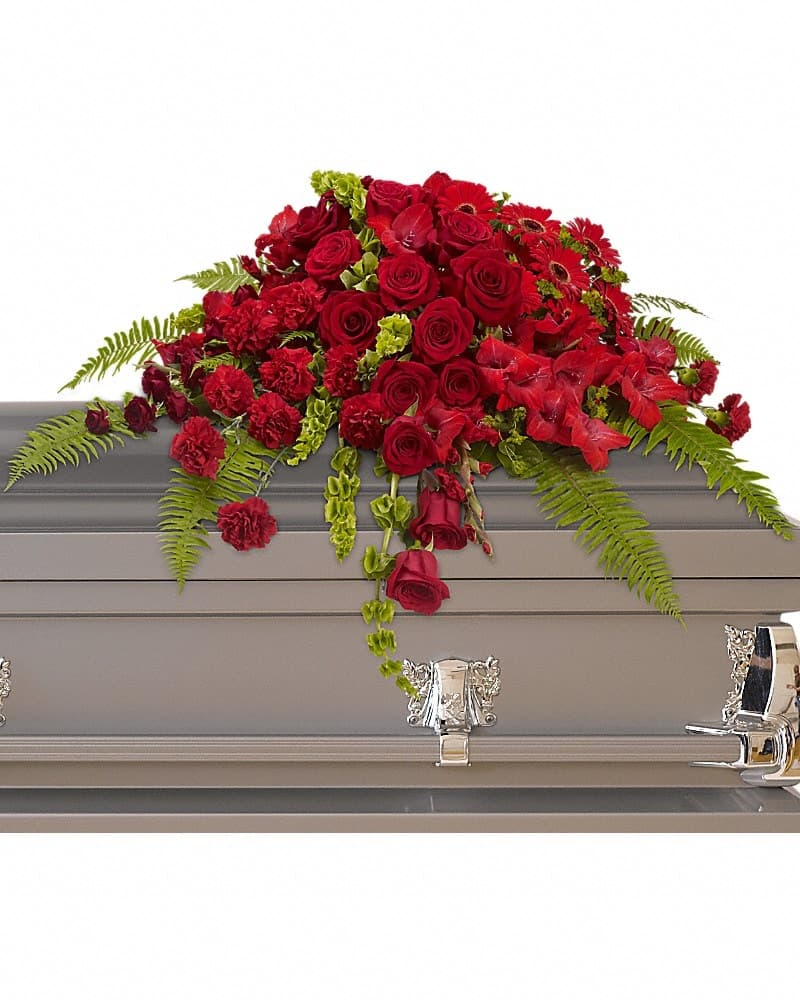
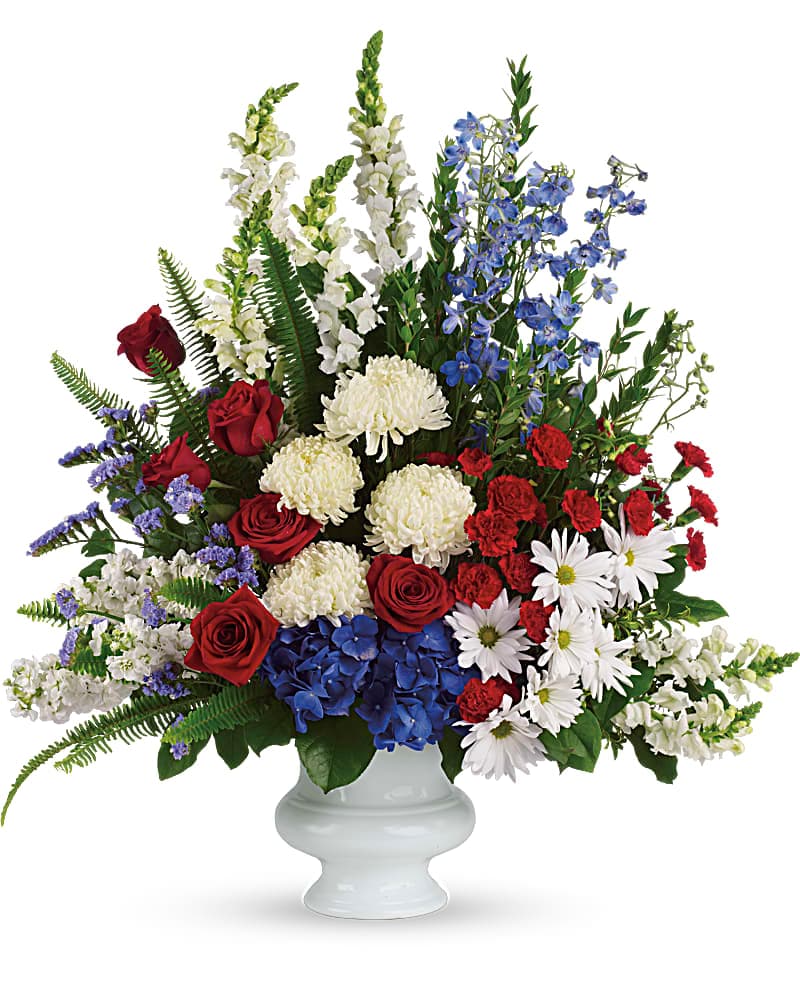
Huntington Beach grieves in two directions, and they do not overlap. One is inland: Good Shepherd Cemetery, at 8301 Talbert Avenue in 92646, is the Catholic burial ground inside the city limits, and Dilday Brothers Huntington Valley Mortuary at 17911 Beach Boulevard is the mortuary most Huntington Beach families name first. From there the circuit runs straight up Beach Boulevard to Westminster Memorial Park and Mortuary at 14801 Beach Boulevard, which is both chapel and cemetery at one address, and across to Peek Family Funeral Home at 7801 Bolsa Avenue in Westminster — Bolsa runs unbroken from the 92647 side of Huntington Beach to Peek's front door. Further out: Forest Lawn Cypress on Lincoln Avenue, Fairhaven Memorial Park and Mortuary at 1702 E Fairhaven Avenue in Santa Ana, Harbor Lawn-Mount Olive Memorial Park on Gisler Avenue in Costa Mesa, Holy Sepulcher Cemetery on Santiago Canyon Road in Orange, Melrose Abbey in Anaheim and Pacific View Memorial Park above Corona del Mar. Funeral Masses in the city are usually at Sts. Simon and Jude on Magnolia Street in 92646 or St. Bonaventure on Springdale Street in 92649, with larger diocesan services at Christ Cathedral on Chapman Avenue in Garden Grove.
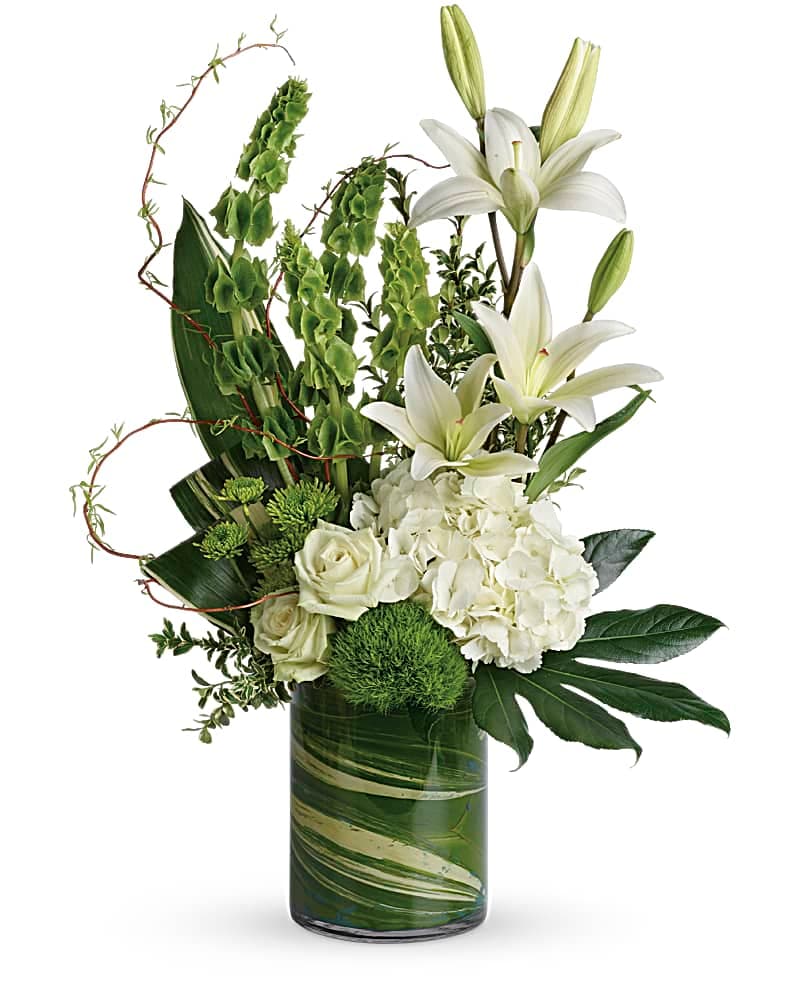
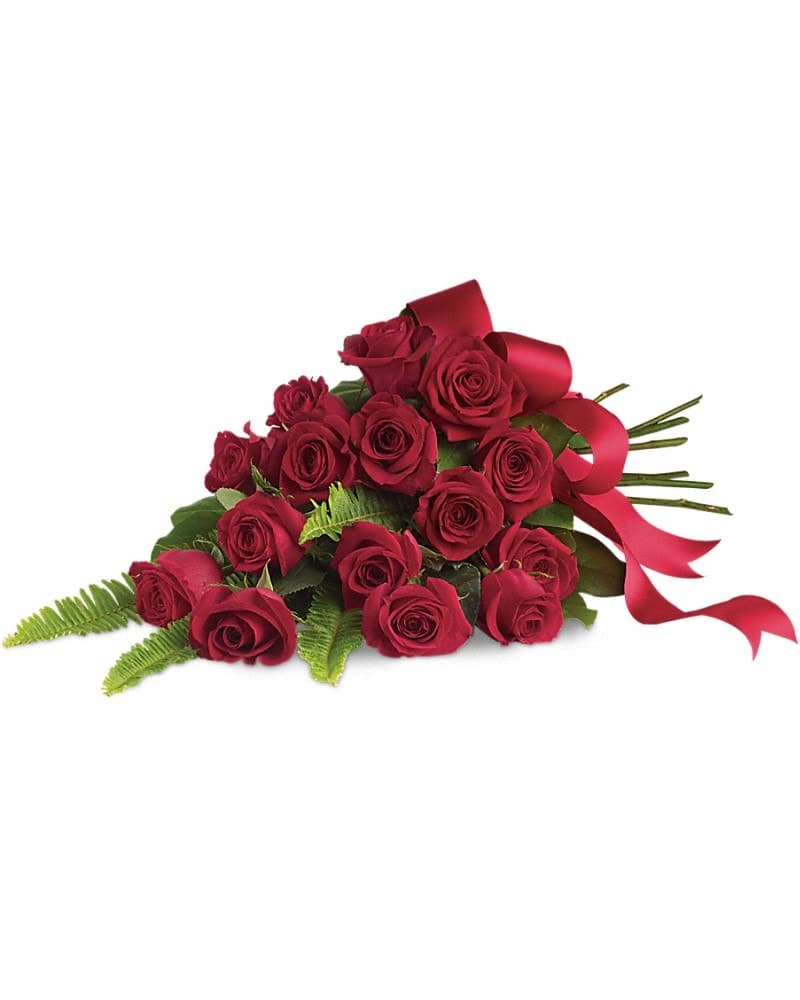
The second direction is the water. A paddle-out off the Huntington Beach Pier is a real and common memorial here — surfers, lifeguards, longtime locals — and it is the one service on this grid that needs flowers built to a completely different spec. Nothing in a vessel, nothing wired to a frame, nothing that has to be recovered from the surf. What works is loose stems that can be carried on a board and thrown, petals by the handful, or a lei that can be worn out through the break and left on the water. If you are ordering for a paddle-out, say so in the order notes and ask the shop to strip the wrap and skip the foam; a standard vased design is the wrong object entirely, and a driver who does not know will deliver one to the sand. The other water-side variable is timing: paddle-outs are usually called for an early morning or a sunset slot on a tide, not a chapel hour, so the handoff is to a person at a lot on Pacific Coast Highway rather than to a building with a back door.
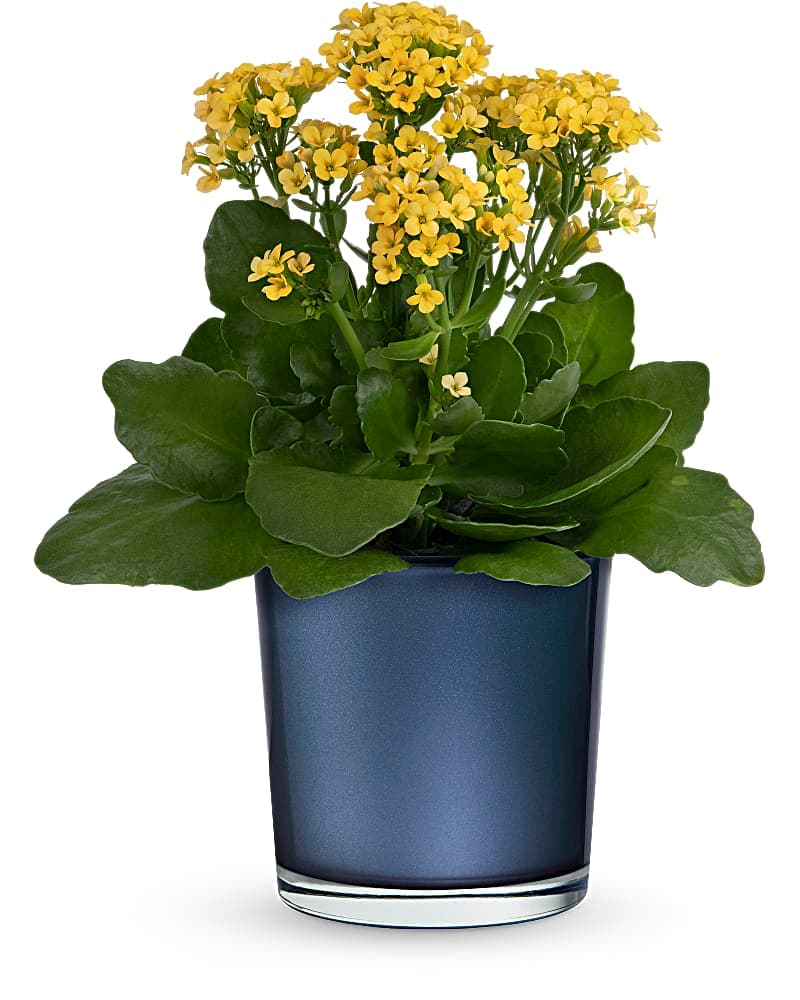
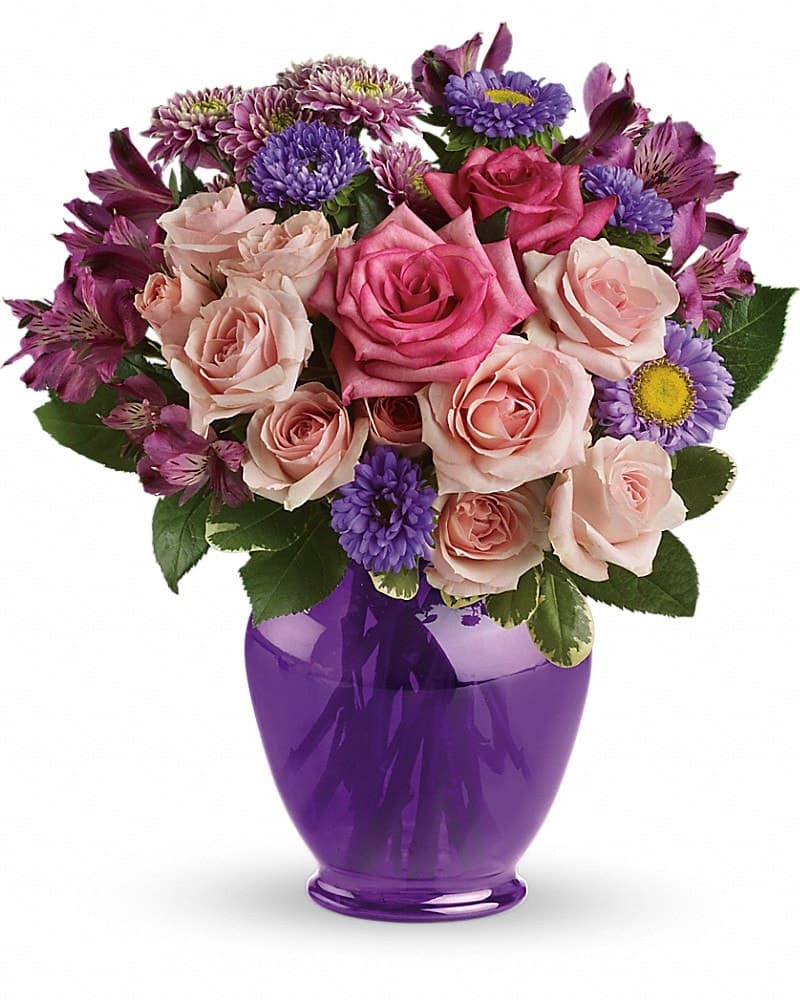
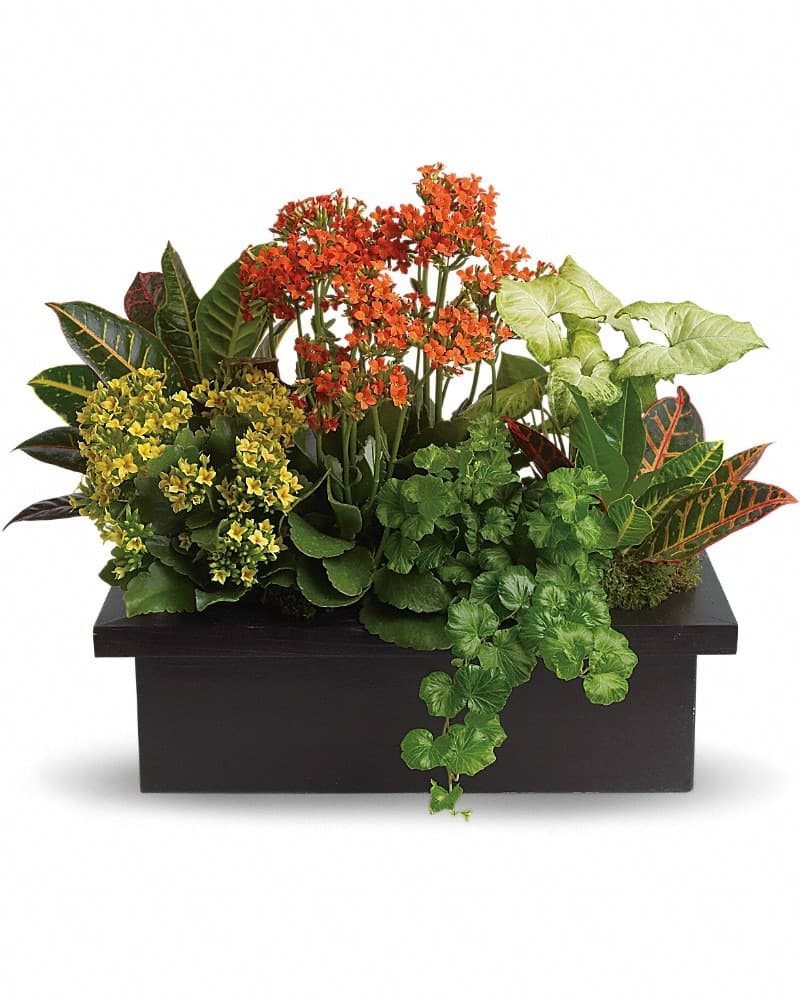
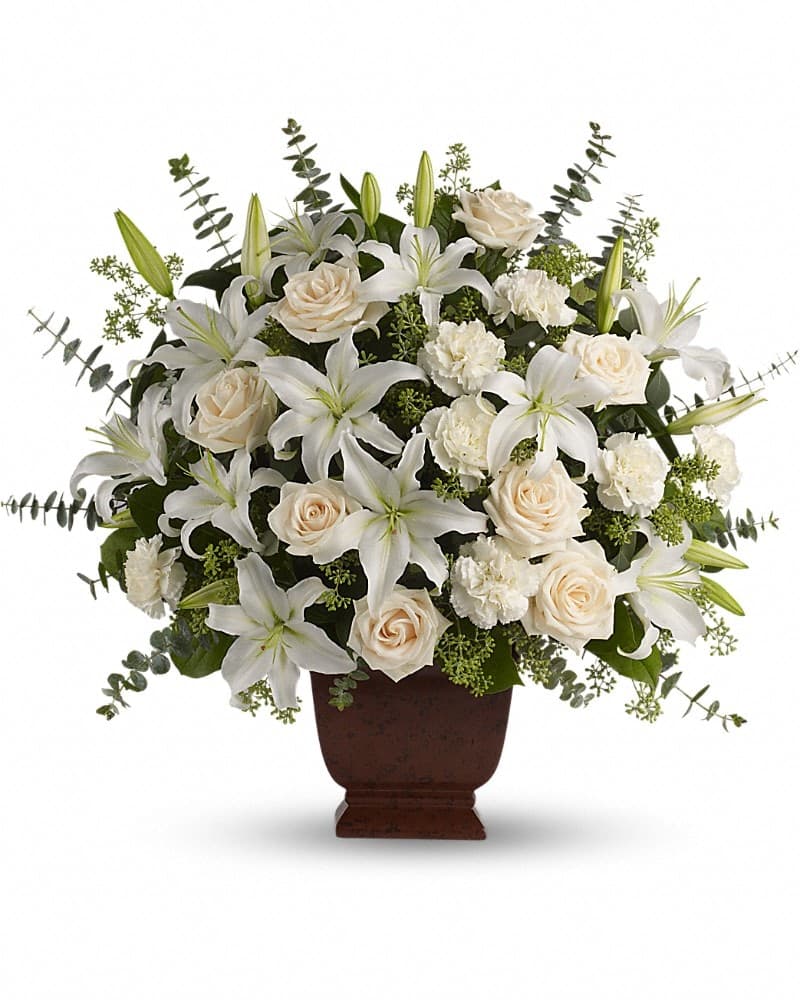
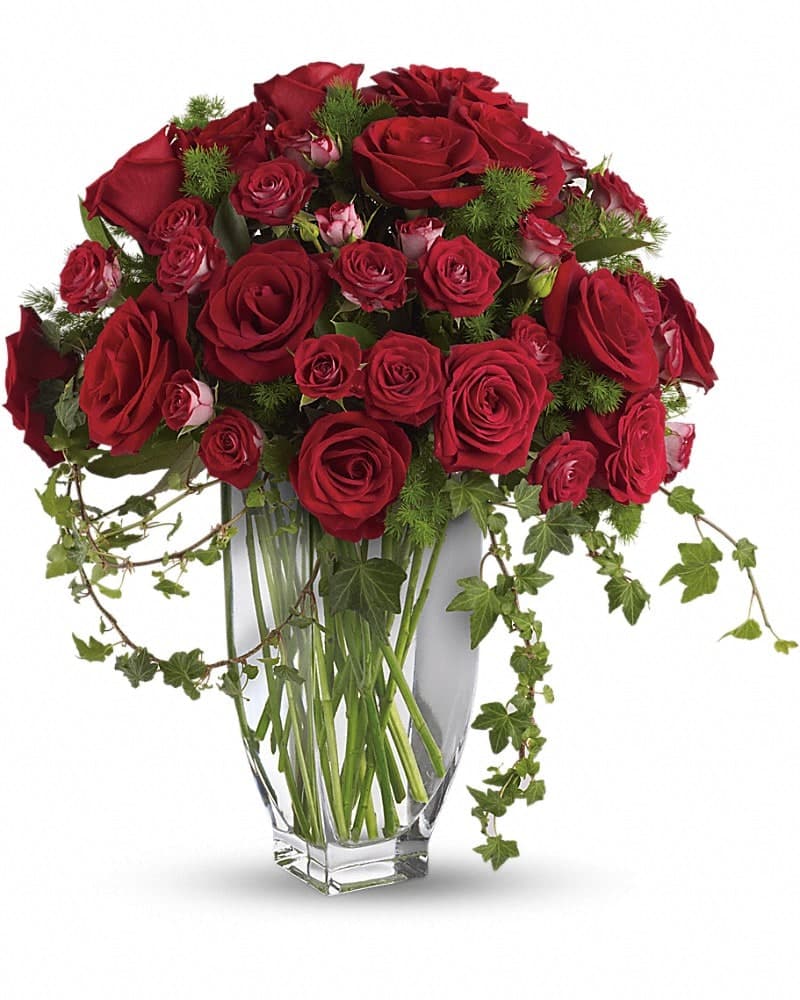
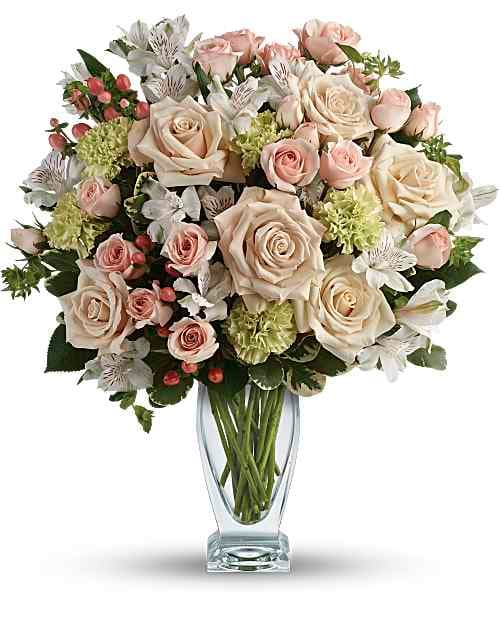
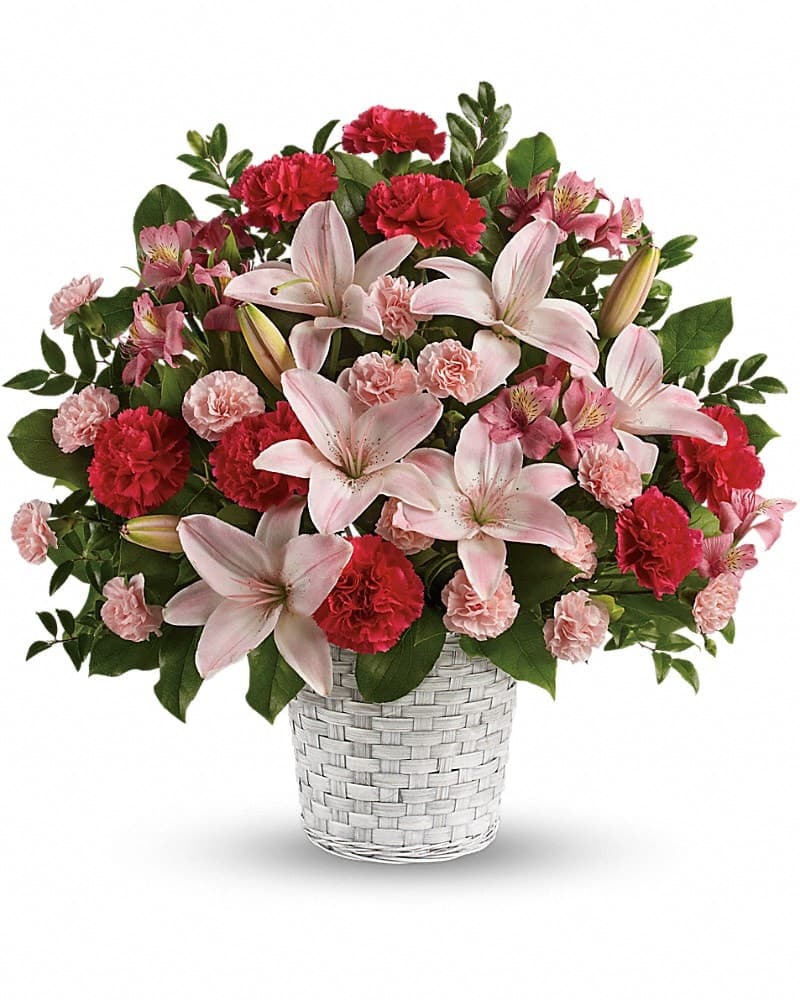
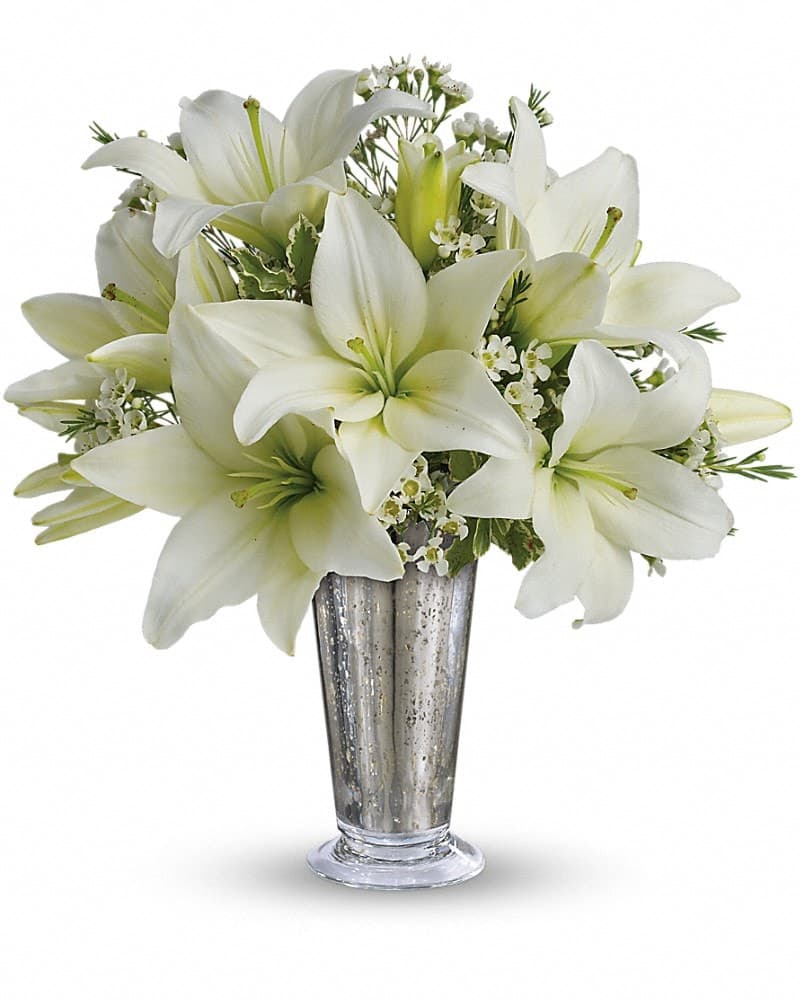
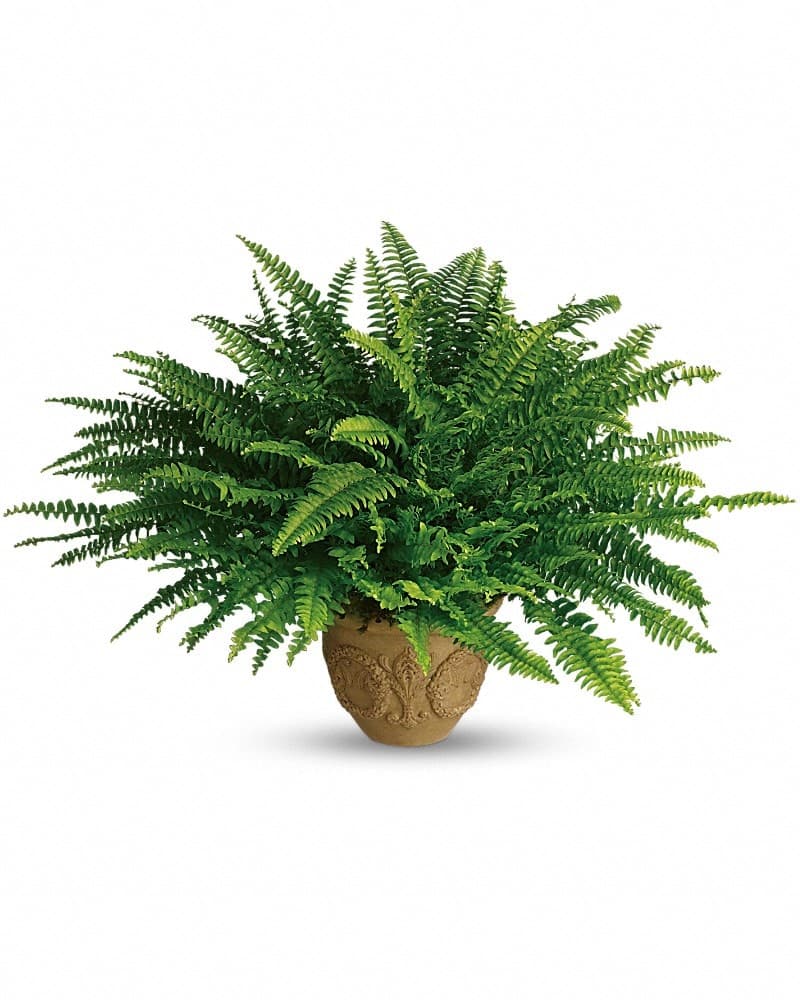
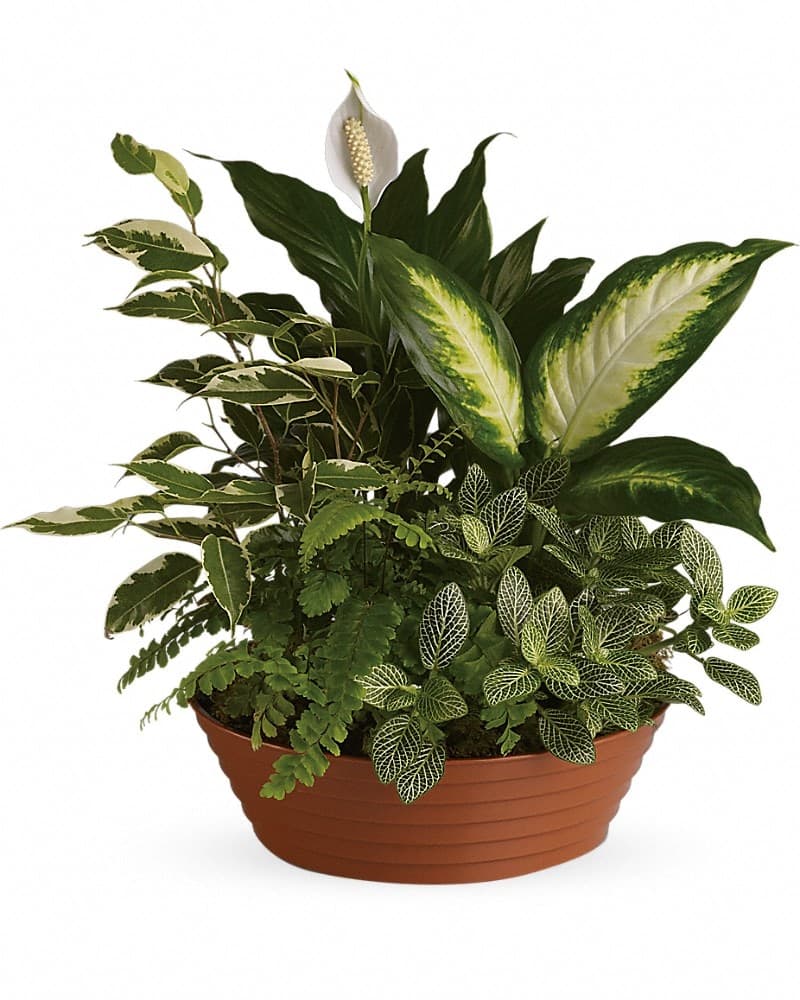
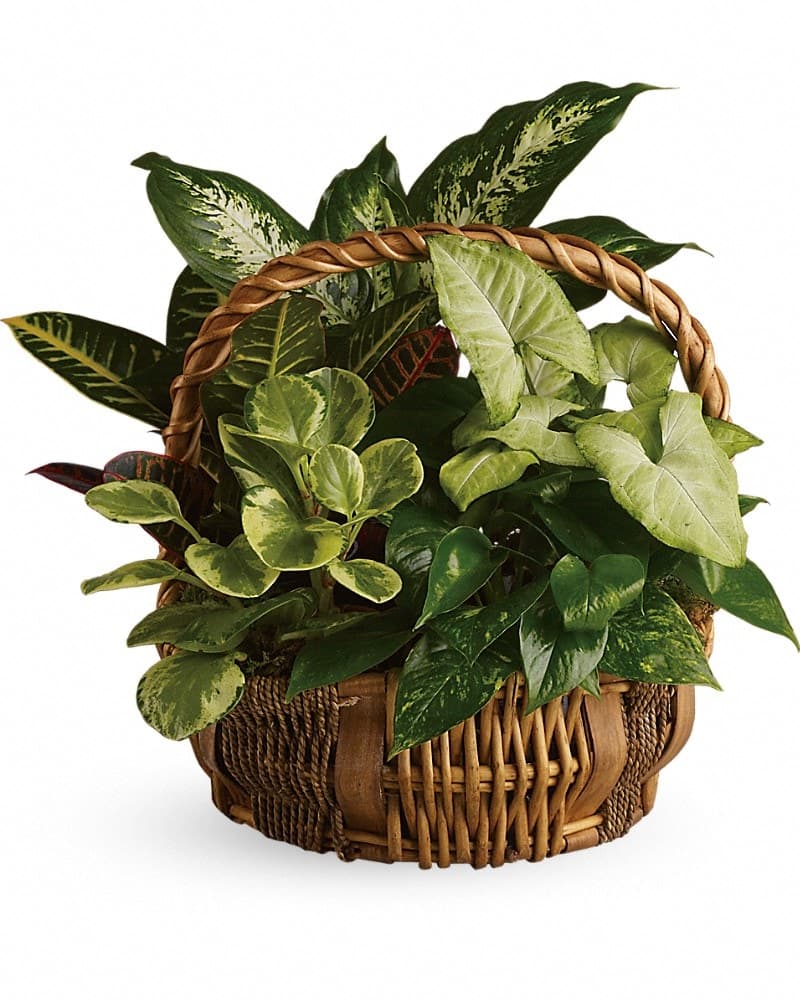
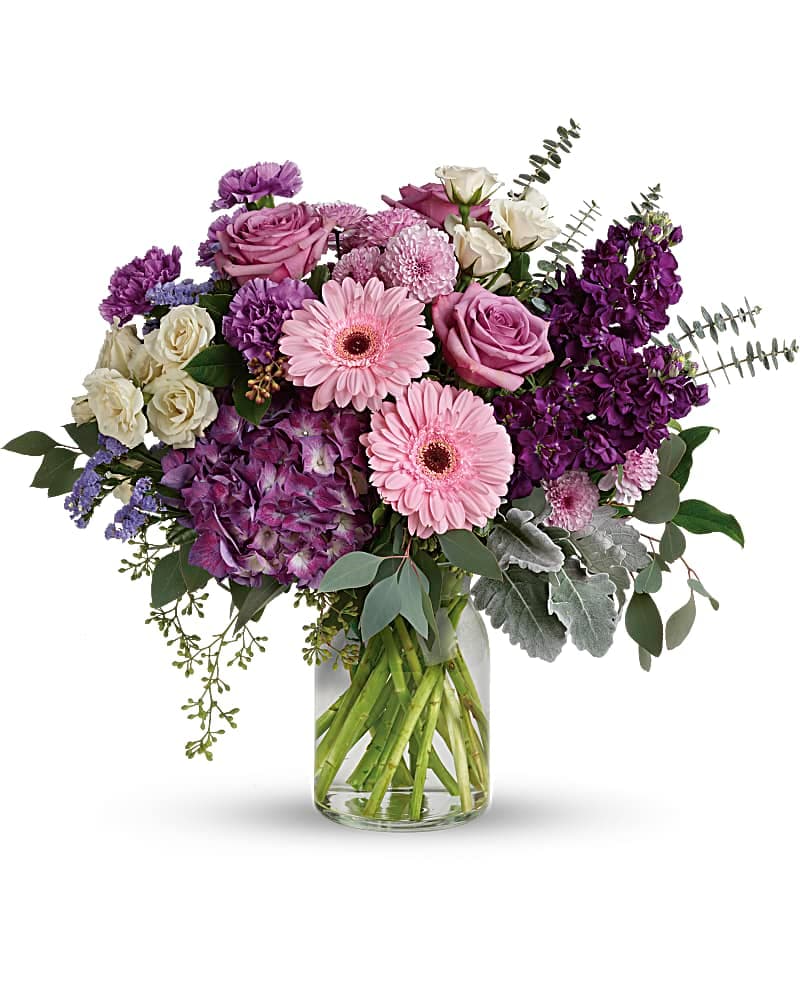
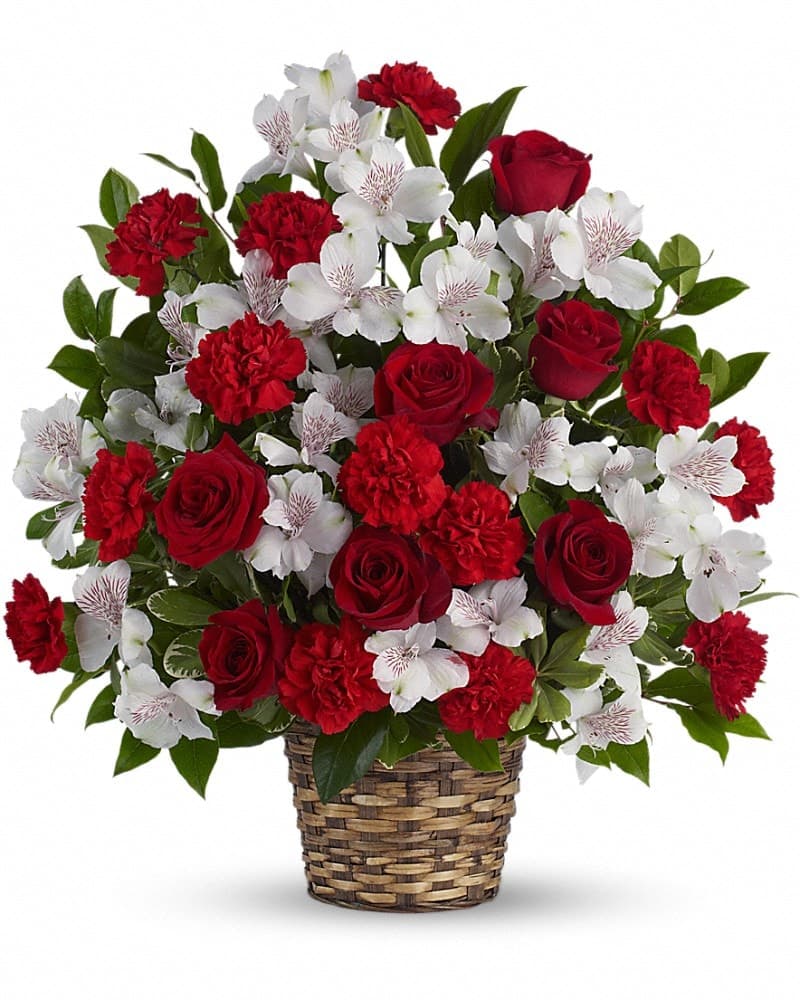
Three targets get overlooked, and each of them is often the right one. The first is the reception after the service, which in this city is usually a parish hall, a Harbour backyard or the back room of a Main Street restaurant rather than a hotel ballroom — a low arrangement for a food table is genuinely useful there, and low is the operative word, because people are reaching across it. The second is the person organizing everything. There is almost always one adult child fielding the mortuary, the Mass, the out-of-town relatives and the paperwork, and nobody sends that person flowers; a delivery to their own house, addressed to them by name, lands harder than another arrangement at the chapel. The third is the week after. Deliveries pile into the seventy-two hours around a service and then stop completely, which is exactly when the house goes quiet. A bouquet sent ten days later, with a card that names the person who died rather than avoiding the subject, is the single most remembered order on this page. If the notice asks for donations in lieu of flowers, honor that for the service and send to the home afterward instead — that request is about the chapel, not about the family's kitchen counter.