Honolulu keeps its dead in a crater. The National Memorial Cemetery of the Pacific fills Puowaina — Punchbowl — on the ridge directly above downtown, close enough to the 96813 centroid that you can see the rim from Beretania Street, and the more than fifty thousand people interred there are the reason a sympathy order in this city so often ends at a numbered site on a mown slope rather than at a chapel. The rest of the island's remembrance geography is just as concentrated. Nuuanu Avenue carries both Oahu Cemetery, laid out in 1844 and one of the oldest burying grounds in the islands, and Nuuanu Memorial Park and Mortuary a few blocks mauka. Chinatown and the Kukui Street blocks hold Borthwick Mortuary on Maunakea Street and Hosoi Garden Mortuary on North Kukui, the latter a fixture of the Japanese-American community for generations. Kaimuki has Diamond Head Mortuary and Diamond Head Memorial Park on 18th Avenue, six minutes from Patty's bench. Central Oahu has Mililani Memorial Park and Mortuary on Kamehameha Highway in Waipahu. The windward side has Hawaiian Memorial Park in Kaneohe, the Hawaii State Veterans Cemetery further up the highway, and Valley of the Temples with the Byodo-In below the Koolau pali. The churches carry the same weight: Kawaiahao Church on Punchbowl Street, coral-block and finished in 1842; the Cathedral Basilica of Our Lady of Peace off Fort Street; Saint Andrew's Cathedral at Queen Emma Square; Central Union on Beretania; the Honpa Hongwanji Hawaii Betsuin on Pali Highway; the Jodo Mission in Makiki; the Soto Mission on Nuuanu.
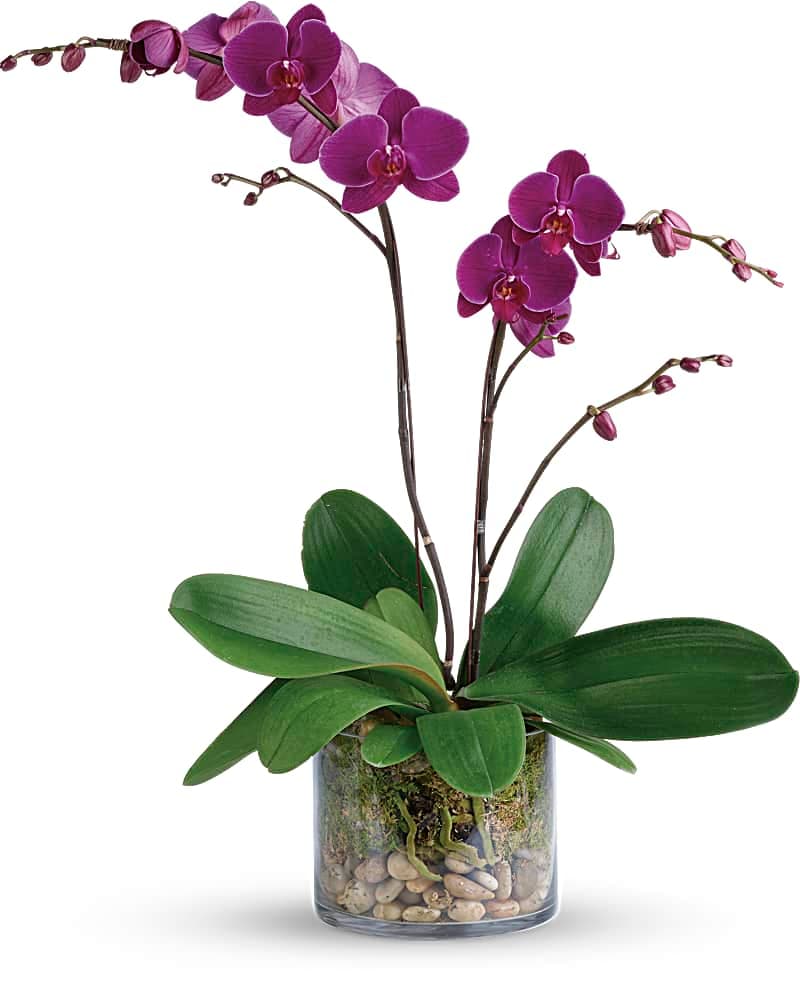
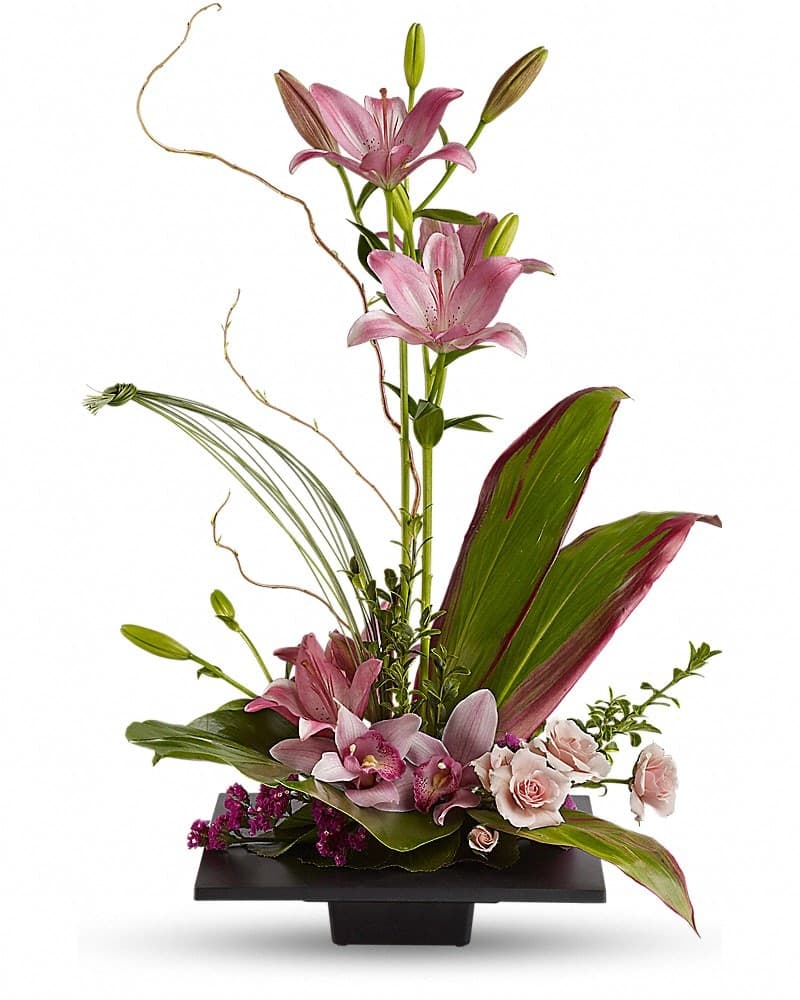
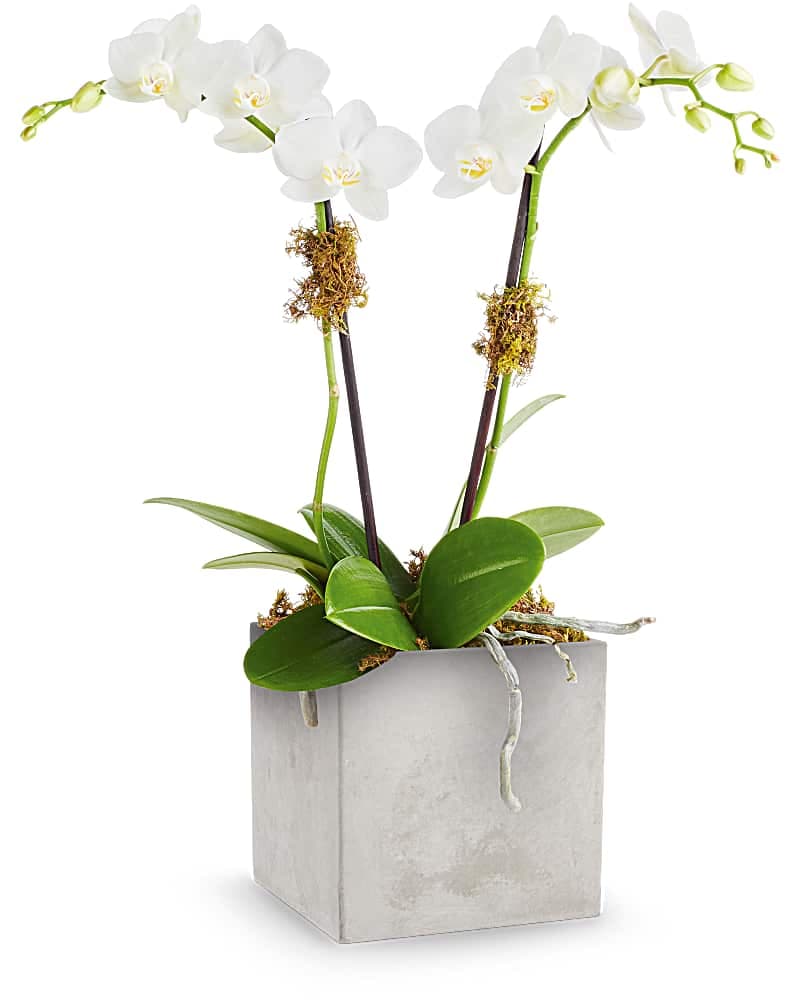
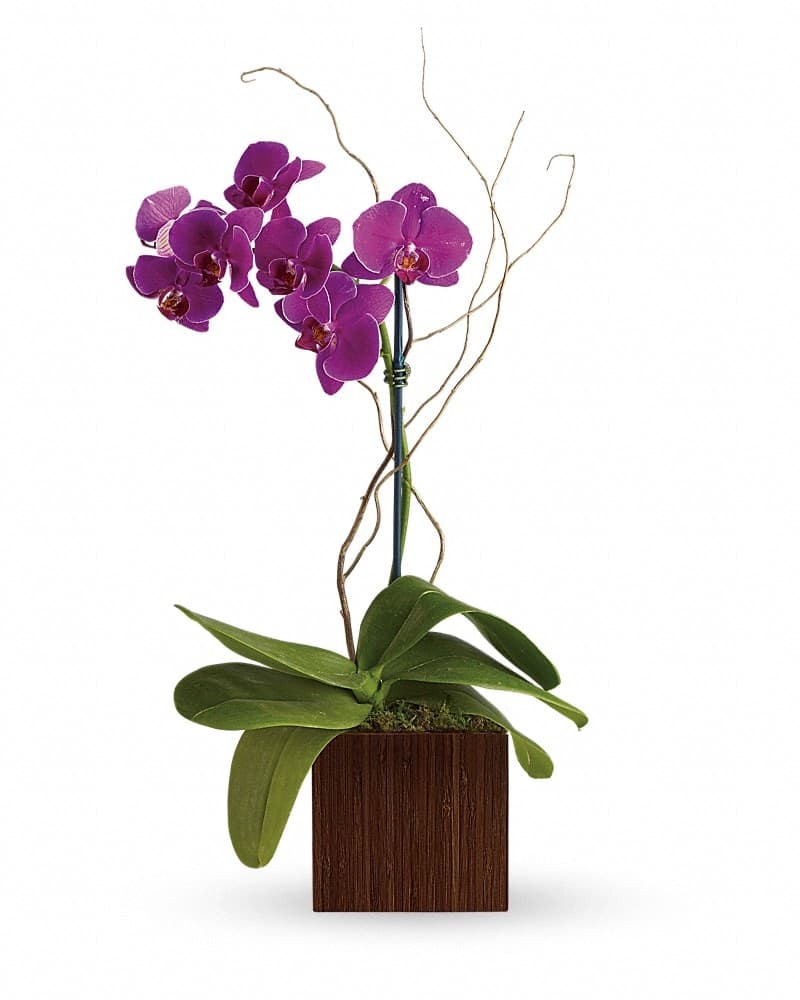
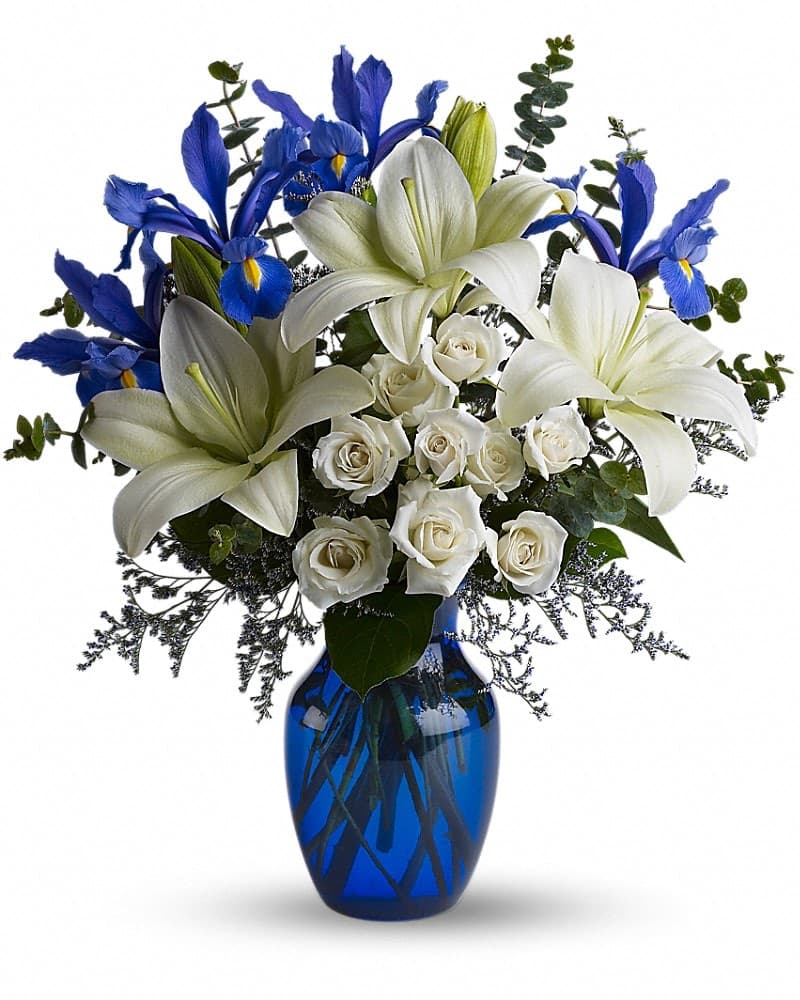
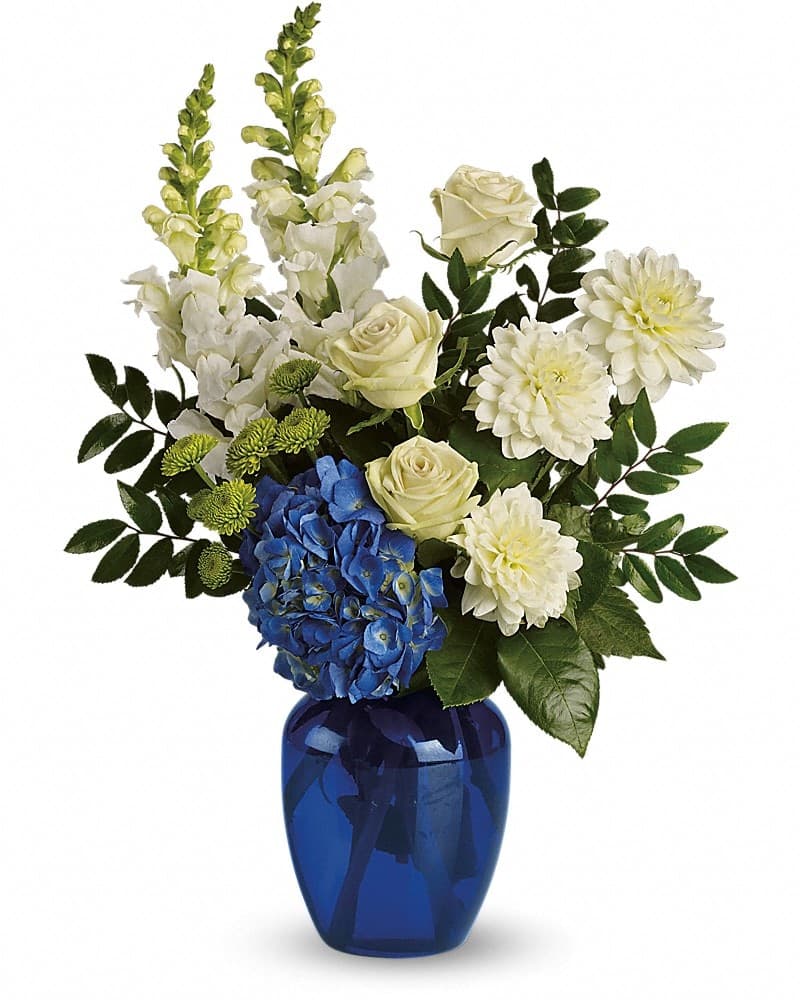
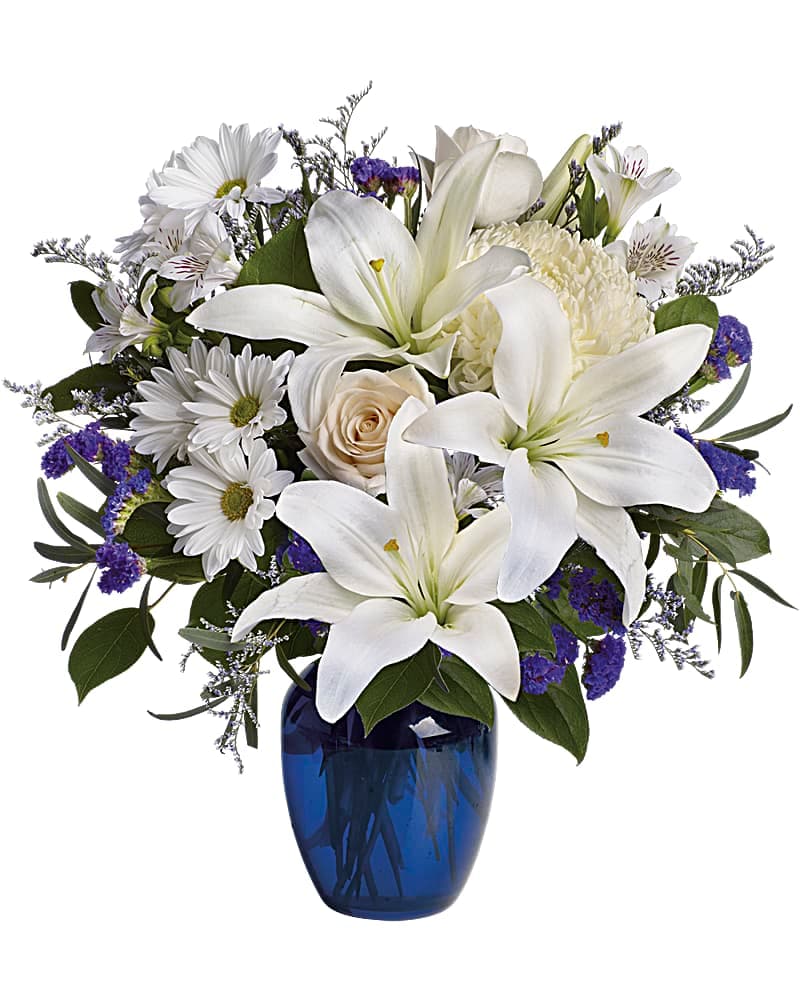
The customs here are not a single tradition with variations; they are several traditions sharing an island, and the studios treat them as separate jobs. In the Japanese-American community the koden envelope is the expected condolence gift, flowers are usually white and green — chrysanthemum, white orchid, lily where the family has not asked otherwise — and the calendar matters as much as the service: the forty-ninth day is observed, and so is the first anniversary, both of which are good reasons to send later rather than only in the first week. In the Filipino Catholic community, which is very large on the Waipahu and Ewa side, the nine nights of prayer after a death mean flowers arriving at a house repeatedly rather than once, and a plant or a simple vase arrangement is more useful on night six than a formal tribute. In Chinese Honolulu, spring grave-sweeping brings families to Manoa Chinese Cemetery and the Nuuanu grounds with flowers and food, and white and yellow are the conventional colors. Hawaiian practice runs through all of it: lei are draped over a casket, laid on an urn table or left at a grave, and maile — open-ended, green, unflowered — is the lei of honor. If the family has called the gathering a celebration of life with a paddle-out at Waikiki or off Makapuu, send loose flowers or an unstrung lei; anything with plastic, ribbon or fishing line should never go in the water.