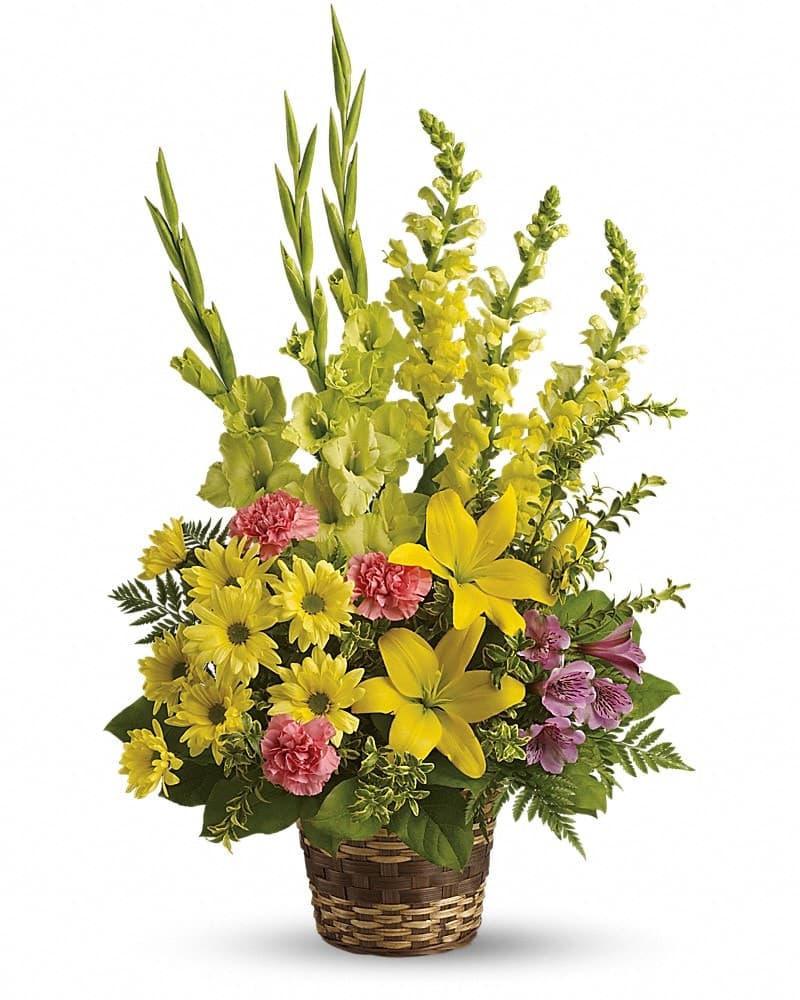
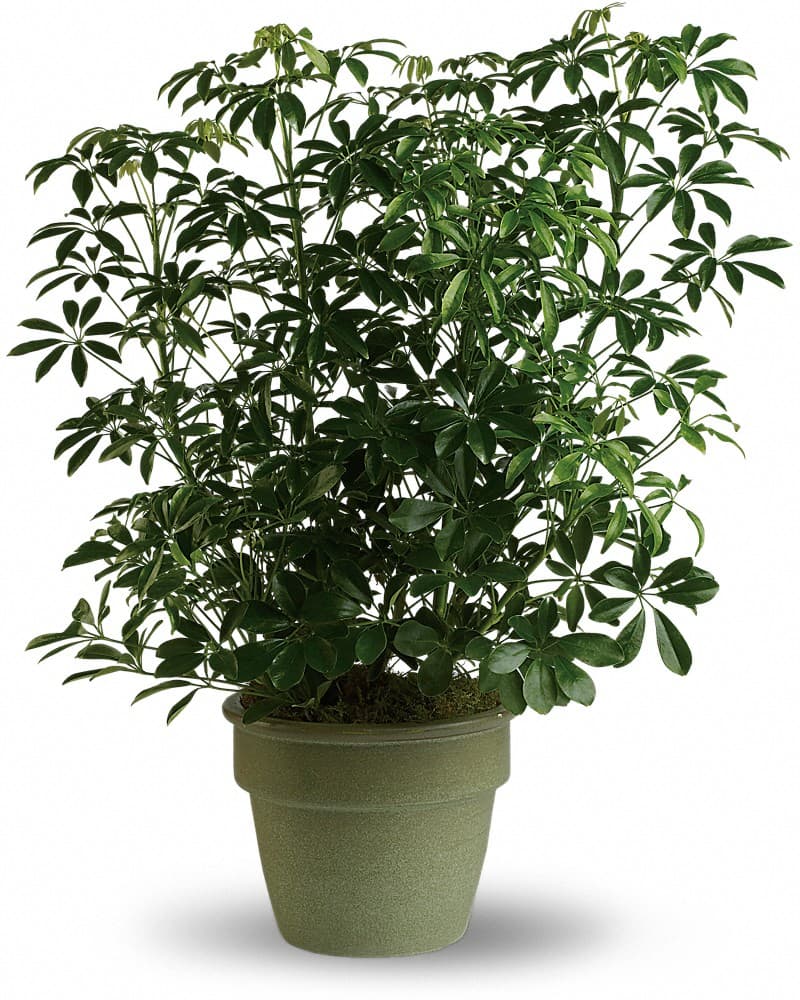
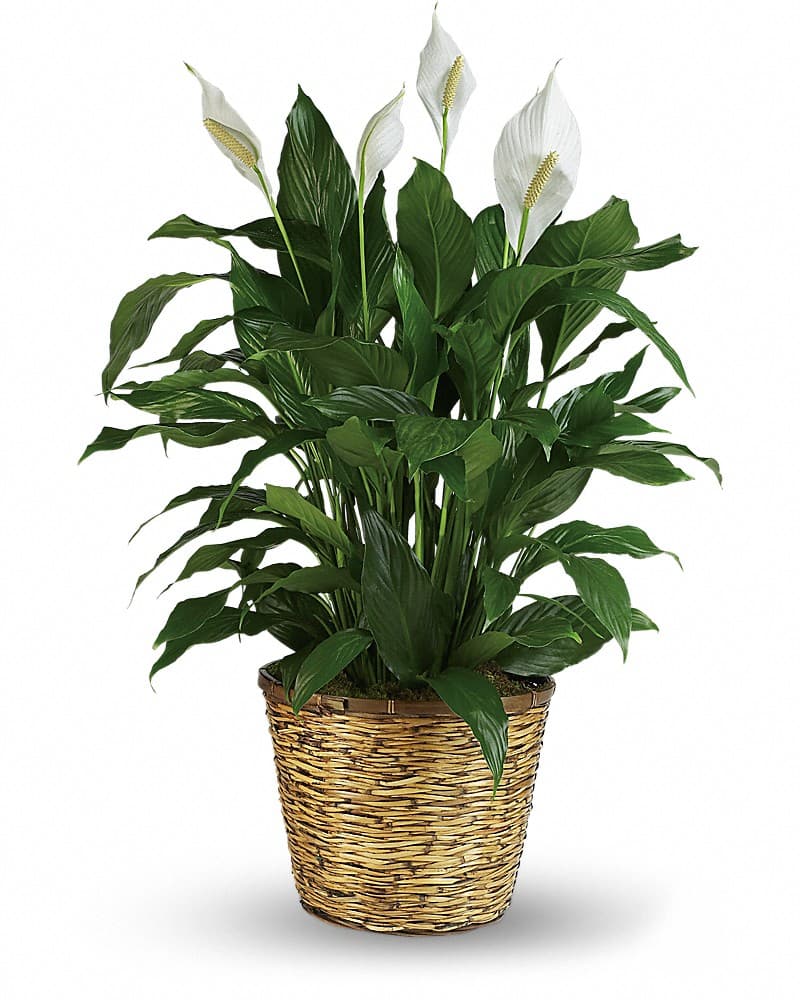
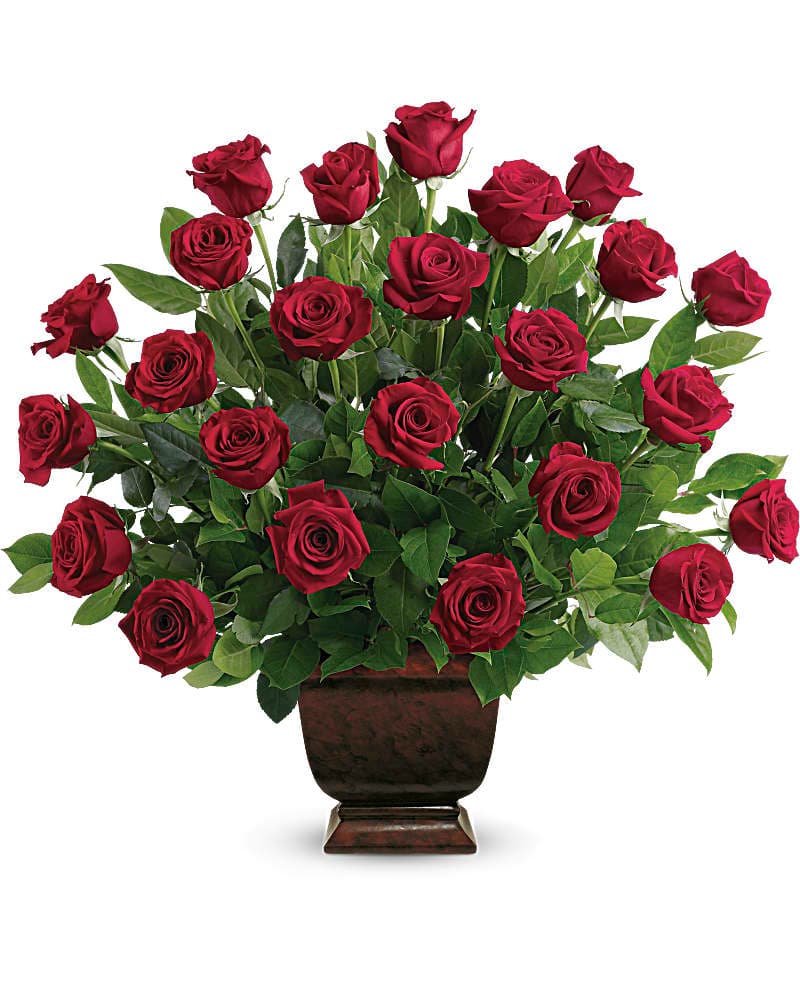
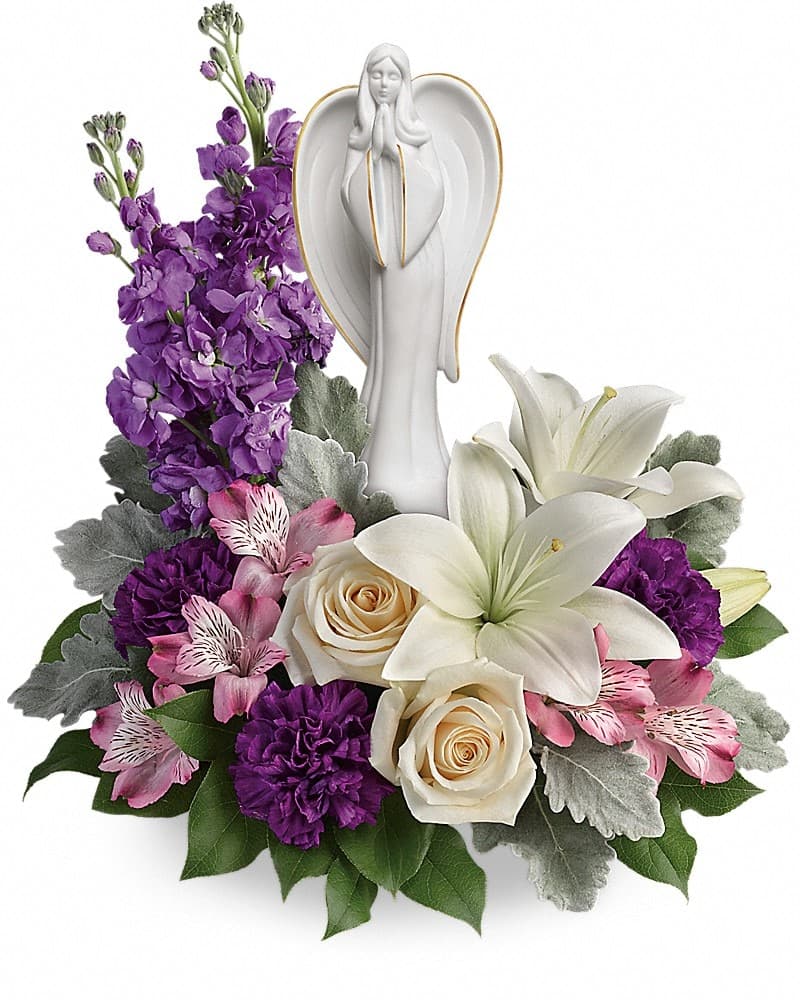
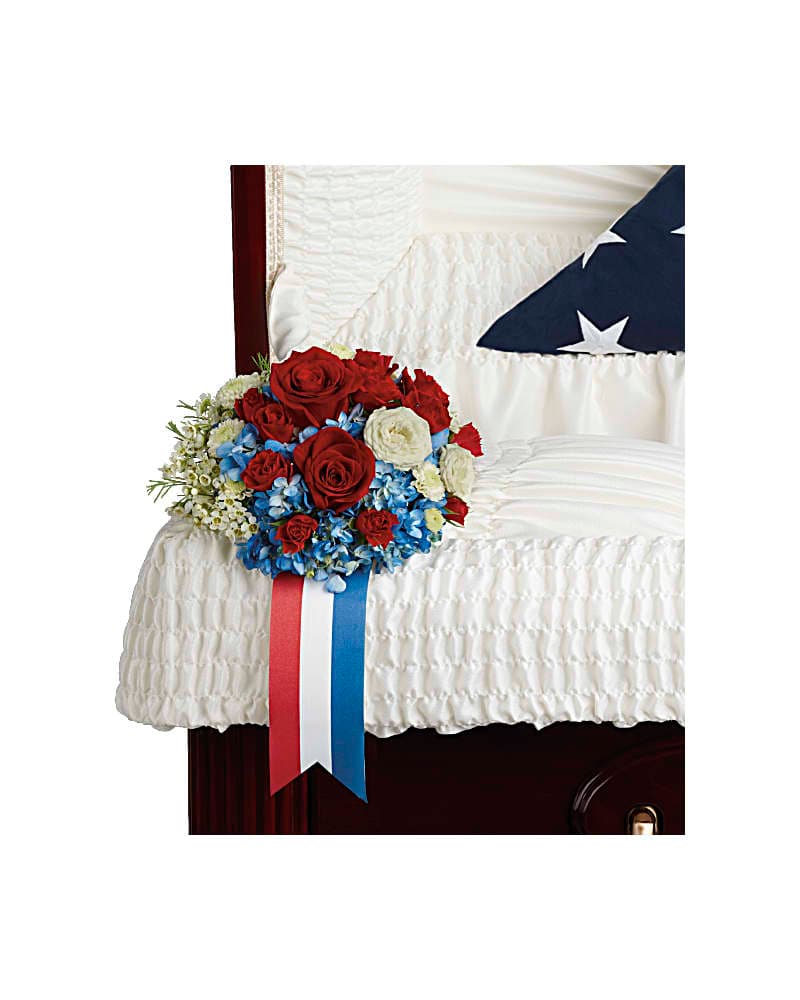
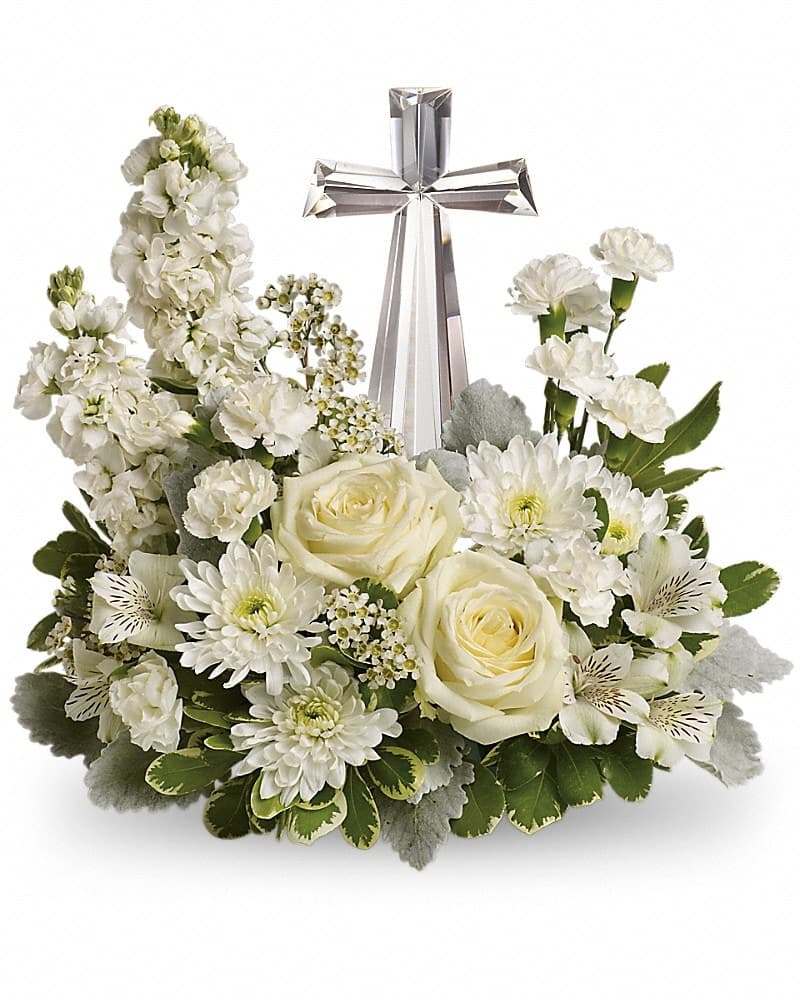
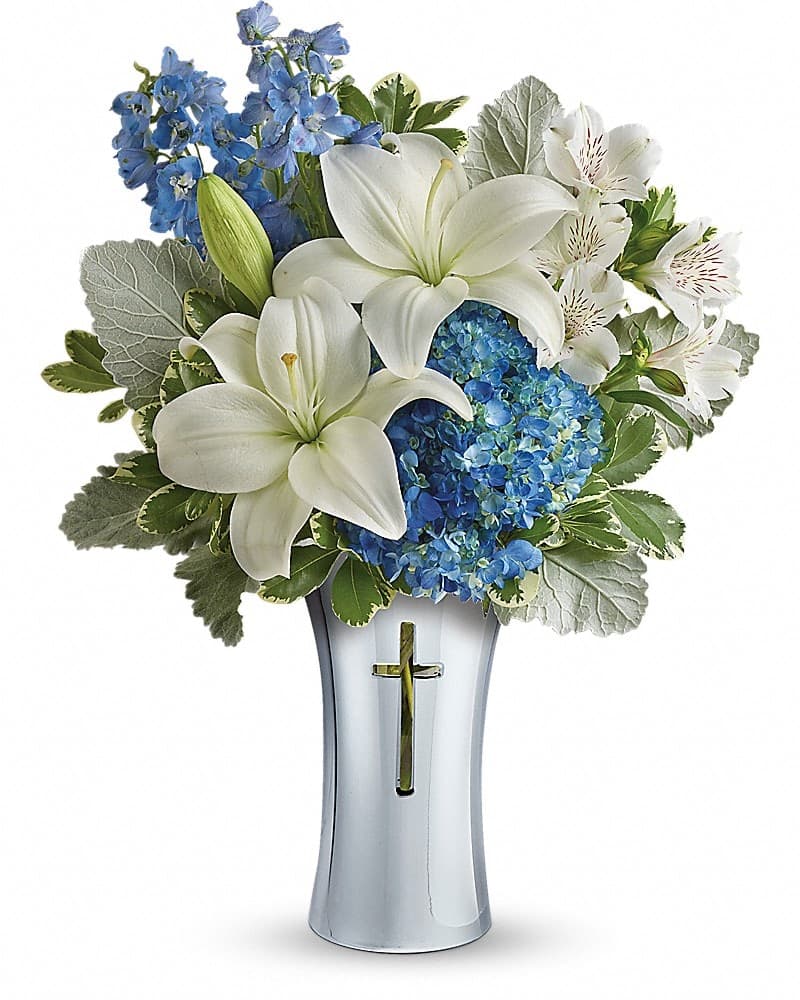
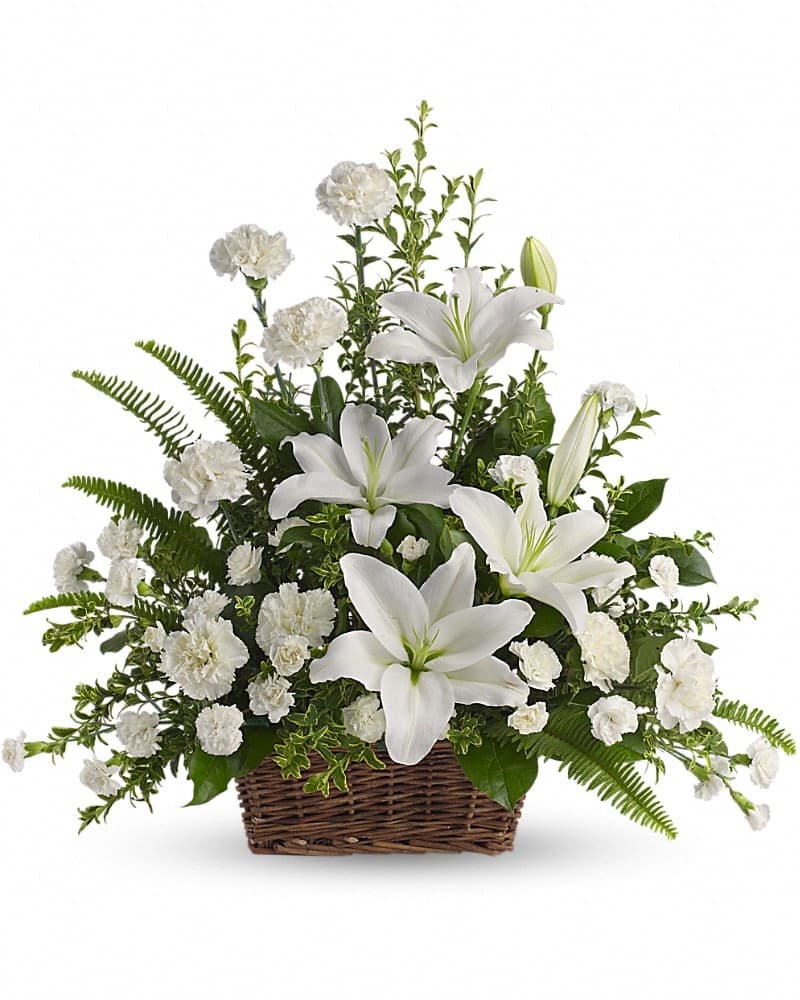
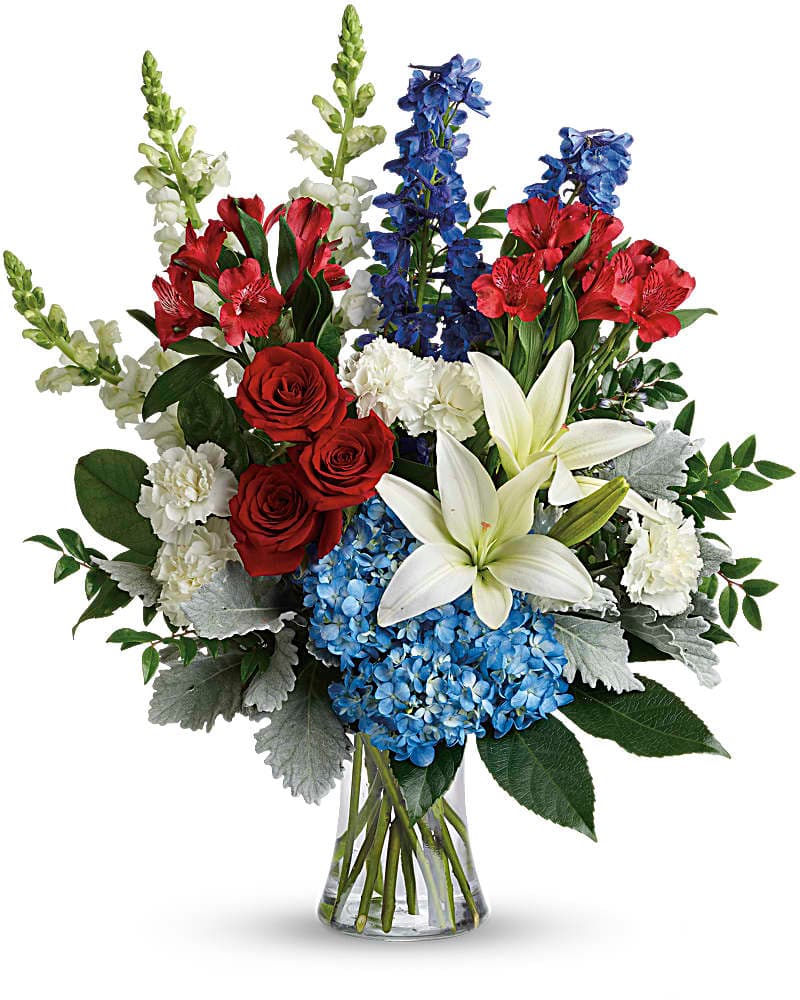
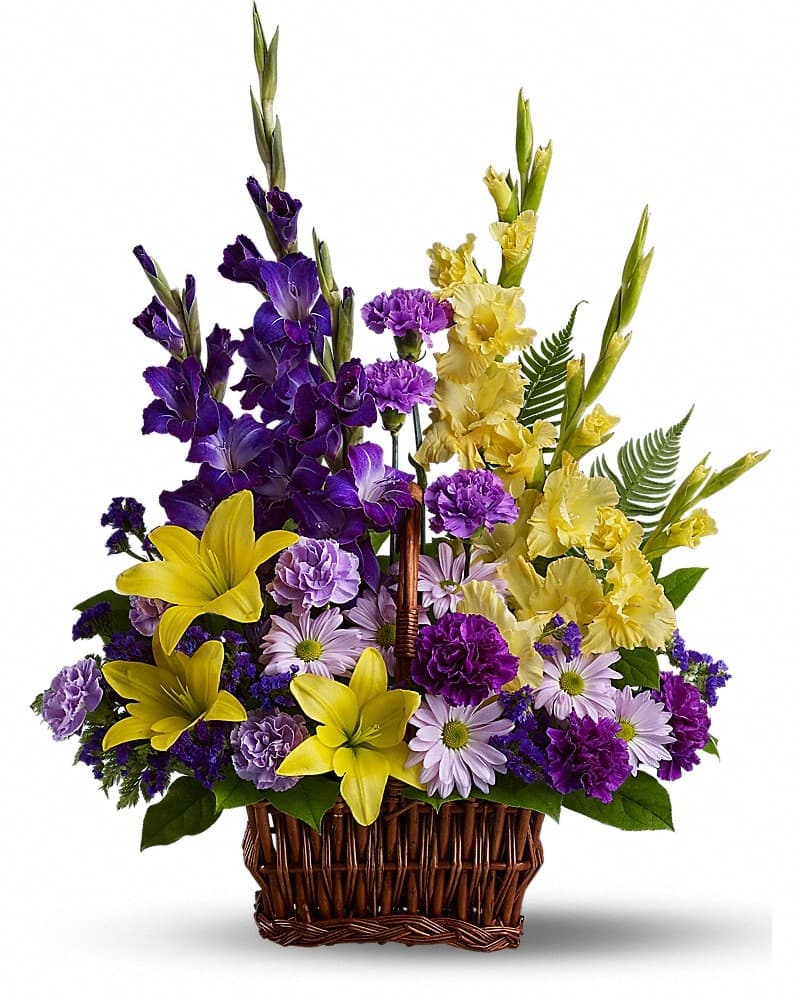
Almost every Green Bay funeral eventually points toward the same mile of road. Riverside Drive in Allouez, on the east bank of the Fox just south of the city line, carries the Allouez Catholic Cemetery and Chapel Mausoleum — the Diocese of Green Bay's own cemetery — and Nicolet Memorial Gardens beside it, and between the two of them they take a large share of Brown County's graveside services. Across the river on the west side, Fort Howard Memorial Park does the same job for the neighborhoods off Shawano and Velp. The funeral homes are spread along two corridors that a local driver could recite in order: Proko-Wall Funeral Home and Crematory out East Mason Street, Malcore Funeral Home on West Mason, Blaney Funeral Home on Shawano Avenue on the west side, Cotter Funeral Home and Crematory and Newcomer Funeral Home in the city, and Ryan Funeral Home across the Claude Allouez Bridge in De Pere. Each keeps its own rule about when a room can be dressed, which is the only detail that actually decides your order time. Most want floral pieces in place at least ninety minutes before a visitation opens, and a morning Mass means the arrangement travels the night before.
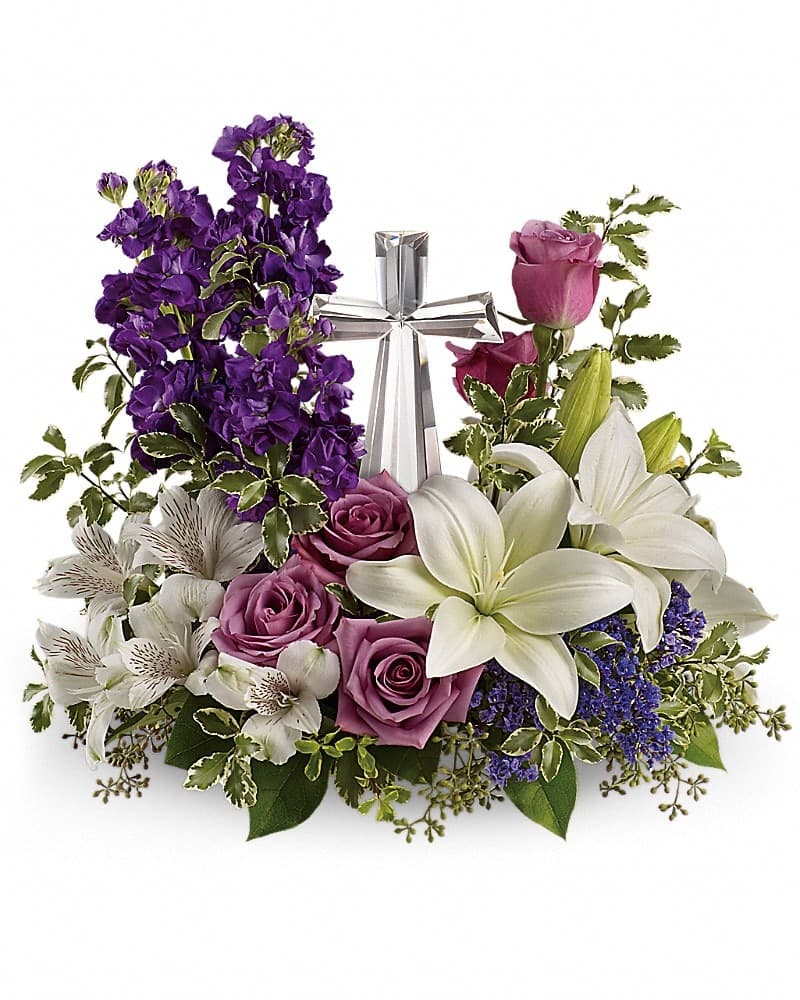
This is one of the most Catholic corners of the Midwest, and the sympathy vocabulary reflects it. The Cathedral of St. Francis Xavier on South Madison Street downtown is the seat of the Diocese of Green Bay; St. Willebrord, a few blocks away, serves a large Spanish-speaking congregation; St. Norbert Abbey on Broadway in De Pere is home to the Norbertine community that founded St. Norbert College, and Old St. Joseph Church on the St. Norbert College campus holds funerals for families connected to the college. Sixteen miles northeast, in Champion, the Shrine of Our Lady of Good Help draws Catholic families from across the region. Alongside all of that, Brown County is deeply Lutheran — both synod traditions are well represented in the city and out into the farm towns — and the surrounding countryside carries settlement histories that still shape a funeral: the Belgian-American communities in southern Brown, Kewaunee and Door counties, the Danish, Luxembourgish, German and Czech settlement towns east of the city (Luxemburg, Denmark, Kewaunee), the Oneida Nation immediately west of the city, and Green Bay's Hmong and Latino communities. If the family has told you a convention — no lilies, a specific color, a donation instead — pass it along in the order notes and the studio will follow it exactly.
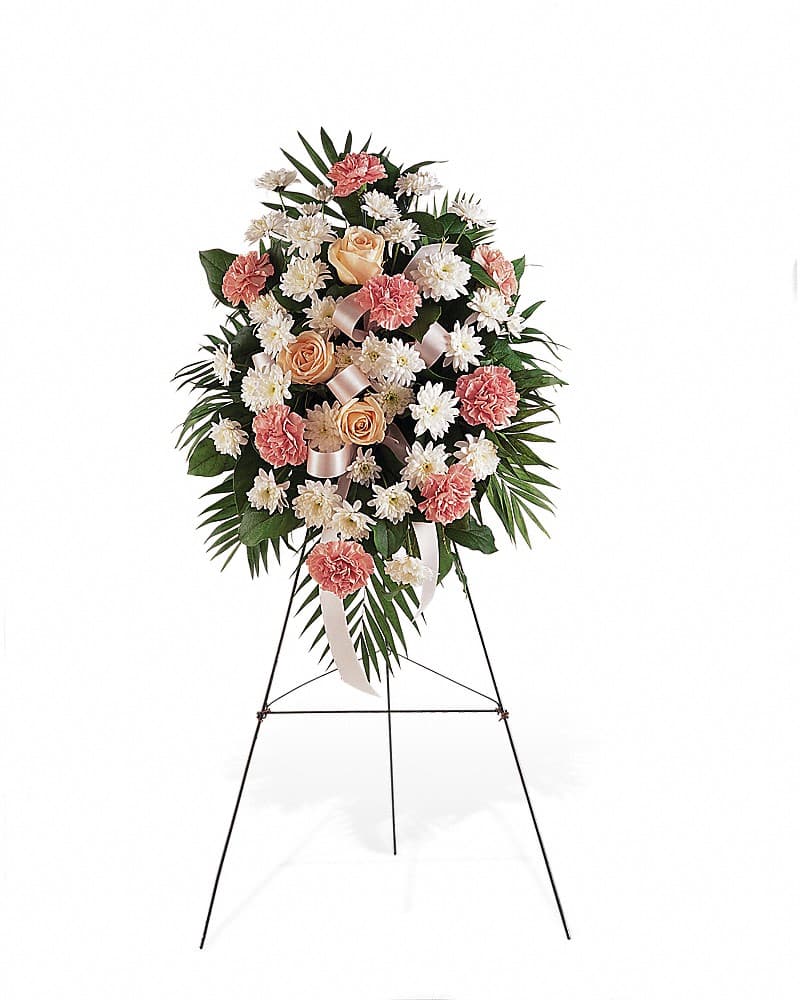
Then there is the part of northern Wisconsin sympathy work that nobody outside the snow belt expects: winter changes the calendar. When the ground is frozen, many Brown County cemeteries hold interment until the spring thaw, so a family may have a funeral Mass and a visitation in February and a committal in April or May. That means two separate flower moments, months apart, and the second one is the one people forget. It also means a graveside service in January is short and exposed — the wind coming off the bay across an open cemetery will take down a tall easel piece and strip an unprotected bouquet in minutes — so the studios build lower, tighter, weighted arrangements for cold-weather committals and keep them in a warm vehicle until the last moment. For visitations held indoors, none of that applies and the usual full designs are fine. If you are not sure which situation you are ordering into, say so in the notes; the shop would rather ask the funeral director than guess.