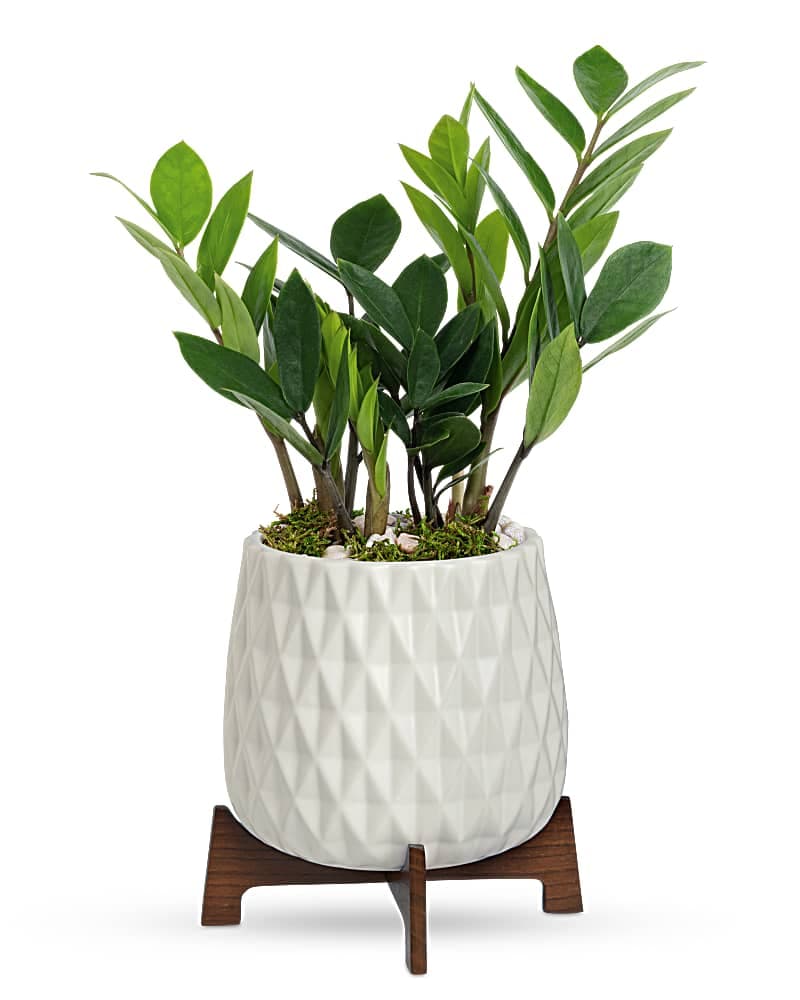
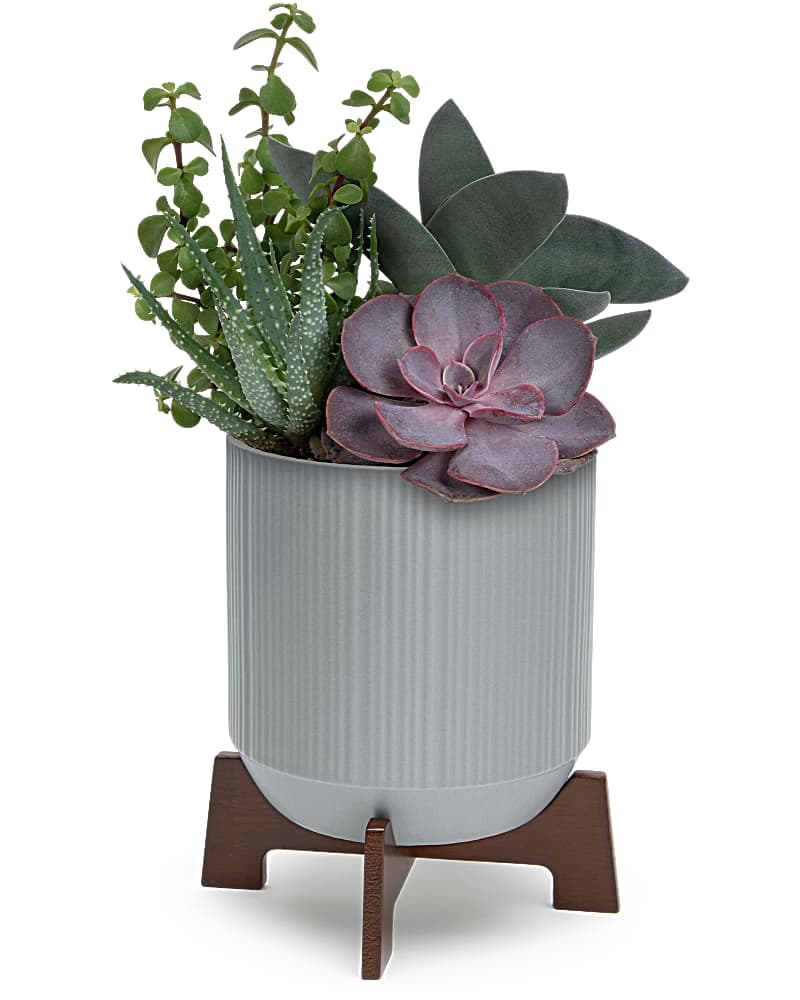
Glendale is a teaching-health town, which is not the first thing most people know about it. Midwestern University occupies a large campus on North 59th Avenue at the north end of the city and trains osteopathic physicians, dentists, pharmacists, optometrists, physician assistants and veterinarians, running public clinics alongside the classrooms. That matters to a get-well order for a mundane reason: a great deal of the care that happens in this city is outpatient. Someone has a procedure in the morning, is discharged by mid-afternoon, and spends the next three weeks recovering in a house in 85302 or 85308 with nobody to talk to. So before you send anything to a hospital, ask one question: is this person going to be in a bed tomorrow, or on a sofa? If it is the sofa, everything below about floor rules stops applying and the order gets easier, cheaper and more useful - a plant, a vase they keep, a design with fragrance, delivered to a front door where no unit clerk stands between the gift and the person it is for.
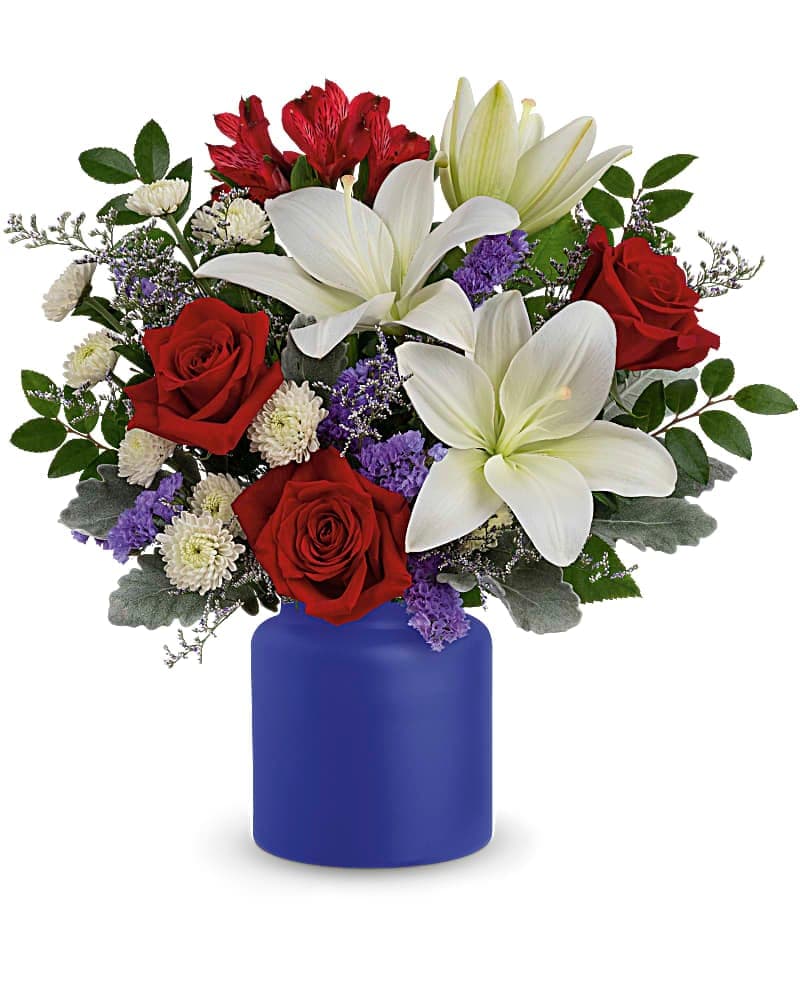
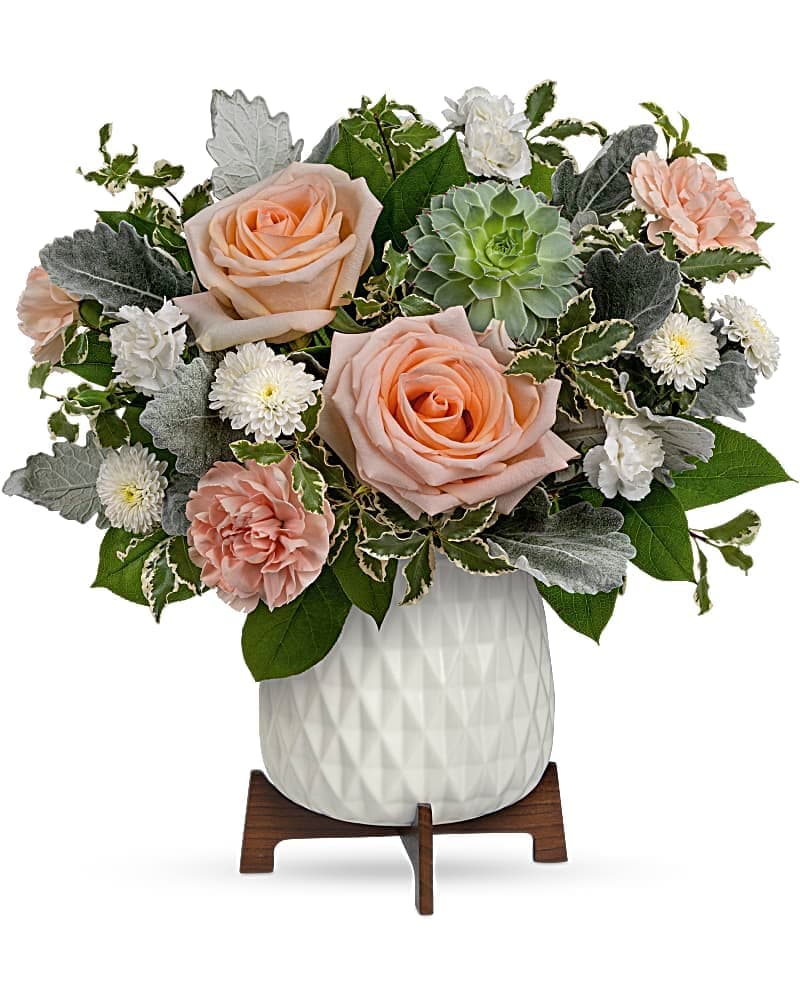
The rules that get a delivery refused are held by unit, not by hospital, and they are worth knowing before you choose a design. Protective isolation, transplant and bone-marrow units: nothing with live soil, which means the potted plant that is otherwise the best gift is refused outright until discharge day, and moss-based arrangements go with it. Intensive care, including the neonatal unit: in most cases flowers do not enter at all, and a driver who arrives with a vase is turned around at the door - the working alternative is the family's house or a lobby hand-off to a named relative. Oncology and infusion: lily-free is the hard line. Lily pollen stains anything it lands on and the scent fills a shared room, which makes it the most-refused stem on any cancer floor in the country. Cardiac and pulmonary floors: the objection is fragrance, so no stock, freesia, hyacinth or gardenia. Everywhere else, three things hold across all of these campuses: no latex balloons, because allergy protocols are strict and mylar substitutes fine; a low unbreakable vessel, because rehabilitation and behavioral units restrict glass and wire; and a footprint measured against a rolling tray table, since that surface is already carrying a water jug, a phone charger and a meal. Pediatric rooms at Banner Children's want sturdy, no detachable small parts - and pediatric oncology and the pediatric ICU are as strict as any adult unit.
Then there is the administrative half, where most failed hospital deliveries actually die. Nobody at the hospital will tell a driver whether your friend is in the building, and someone who has opted out of the patient directory cannot be located at all - that is federal privacy law working correctly, not a switchboard being obstructive. So the order has to carry the information itself: the patient's legal name, spelled the way the admissions desk spelled it rather than the name you call them, plus the unit or floor and a room number if the family has one. Flowers are handed over at a central point, a front desk, a gift shop or a volunteer station, and staff carry them up on their own schedule, which can be twenty minutes or three hours; the delivery timestamp you receive is a delivery to the building, not to the bedside. Two Glendale specifics sharpen the timing. Discharge comes fast: two or three nights is the norm for a routine medical-surgical admission, and flowers that land on the morning somebody is signing paperwork get carried across a hot lot and reach the house ruined. And heat: from May to September, hospital surface lots here are brutal at midday, so our shops push hospital work into the morning, and a morning window is worth requesting explicitly.