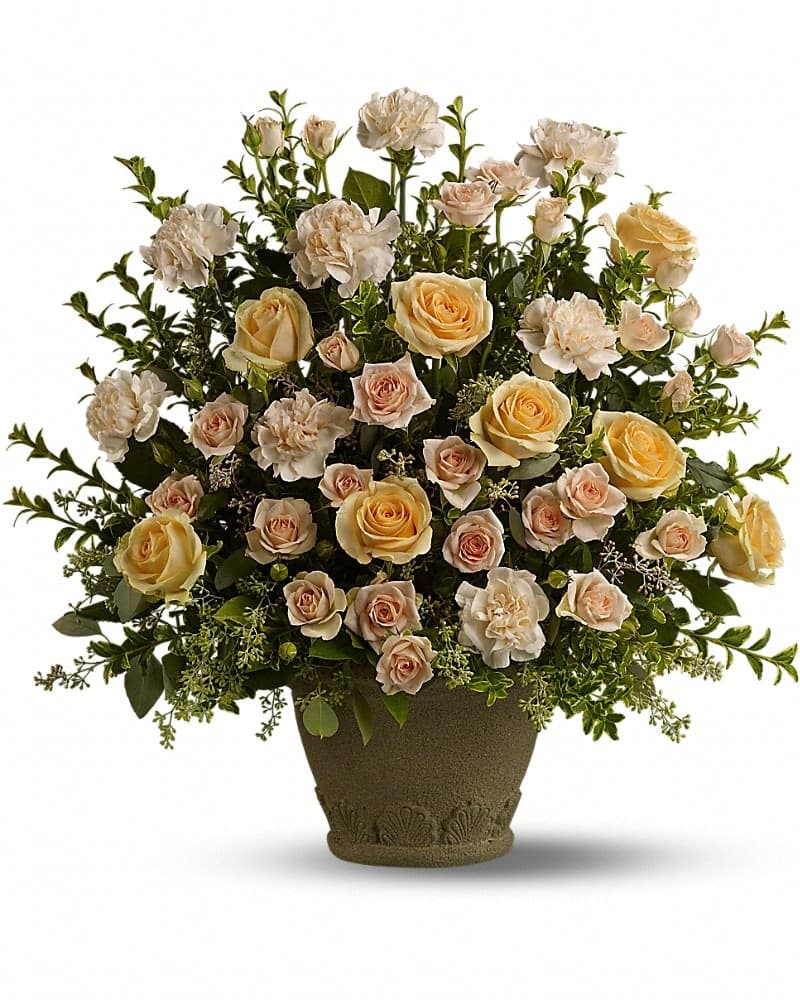
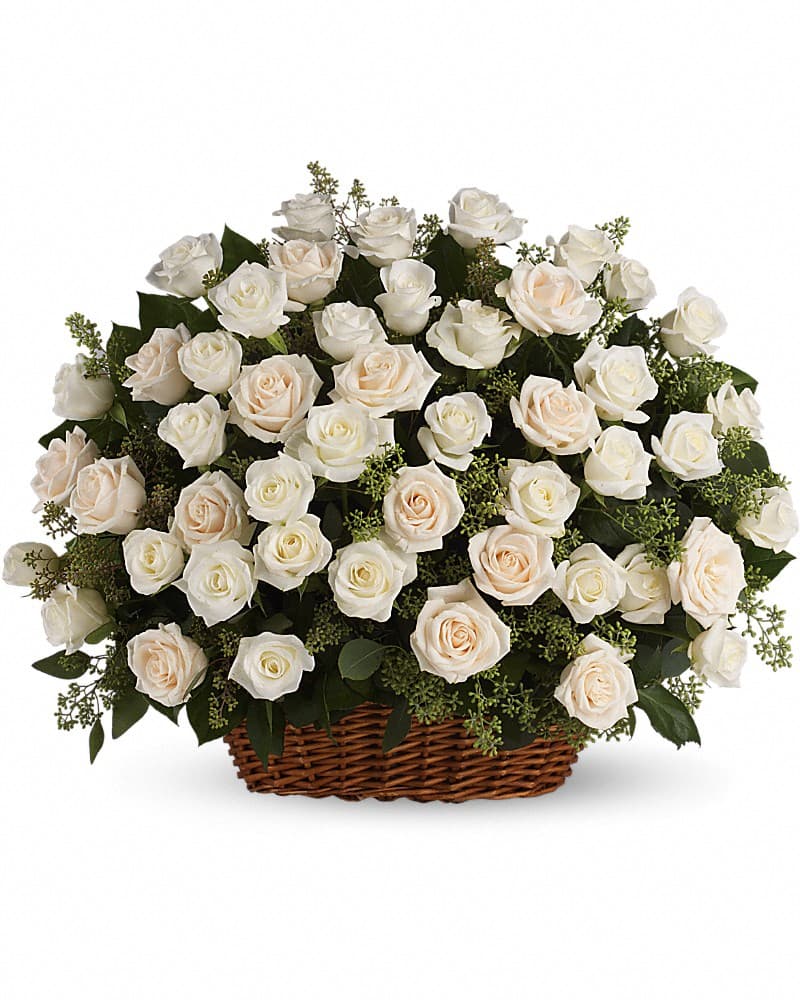
A Genesee County funeral is almost always two addresses in two jurisdictions, and getting sympathy flowers wrong here usually means sending them to the right family at the wrong building. The visitation happens at a chapel that sits outside the Flint city line — Swartz Funeral Home on West Hill Road in Flint Township, one of the Sharp Funeral Homes chapels (the Miller Road chapel toward Swartz Creek, the Fenton chapel, the Linden chapel), Hill Funeral Home on South Saginaw Street in Grand Blanc, Martin Funeral Home, Cremation & Tribute Services in Mount Morris, Rossell Funeral Home in Flushing, Lynch & Sons Funeral Directors in Clio and Flushing, or Sheldon T. Banks Funeral Chapel on West Carpenter Road, which has served Flint's Black community for generations. Then the burial happens back inside the city, at Glenwood Cemetery on West Court Street — Flint's historic burying ground, opened in the 1850s, where much of the city's founding and auto-era leadership lies — or at Gracelawn Cemetery on Beecher Road, Sunset Hills Cemetery off Flushing Road, the Catholic cemeteries the Diocese of Lansing maintains in the county, or Flint Memorial Park up North Saginaw Street in Mount Morris. Veterans' families frequently commit at Great Lakes National Cemetery in Holly, roughly twenty-two miles south on Belford Road — that one sits outside our 18-mile live radius and needs to be arranged by phone with a day's notice rather than ordered same-day. Tell us which of the two addresses you want the flowers at, and when. That single detail decides everything else.
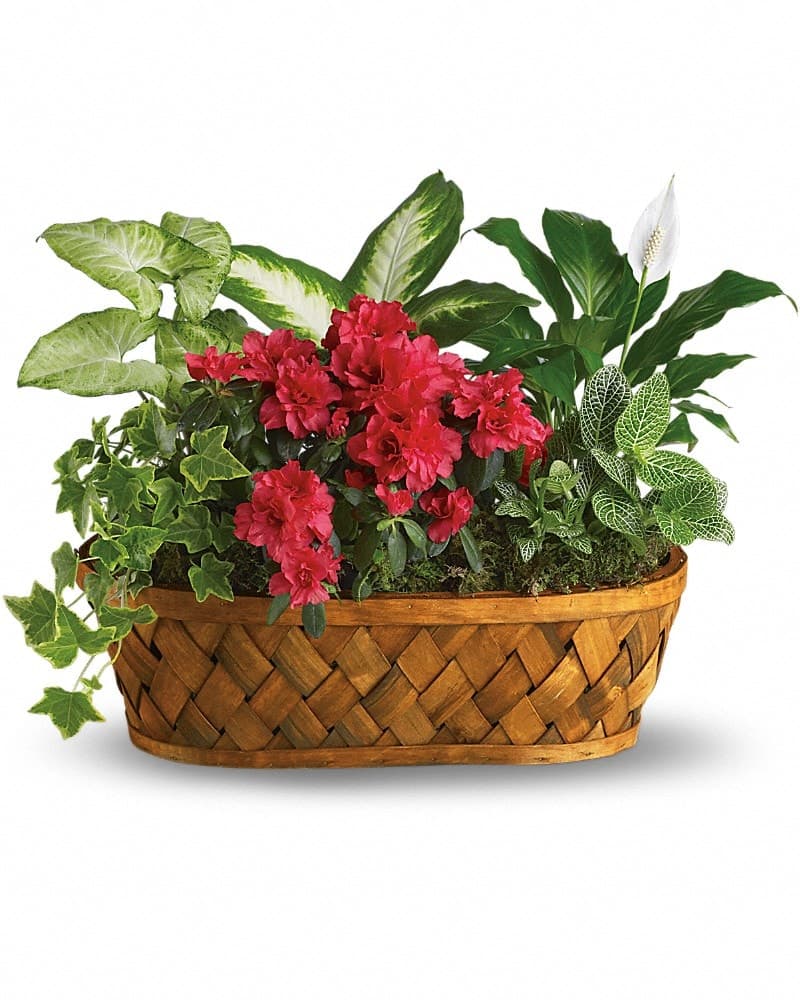
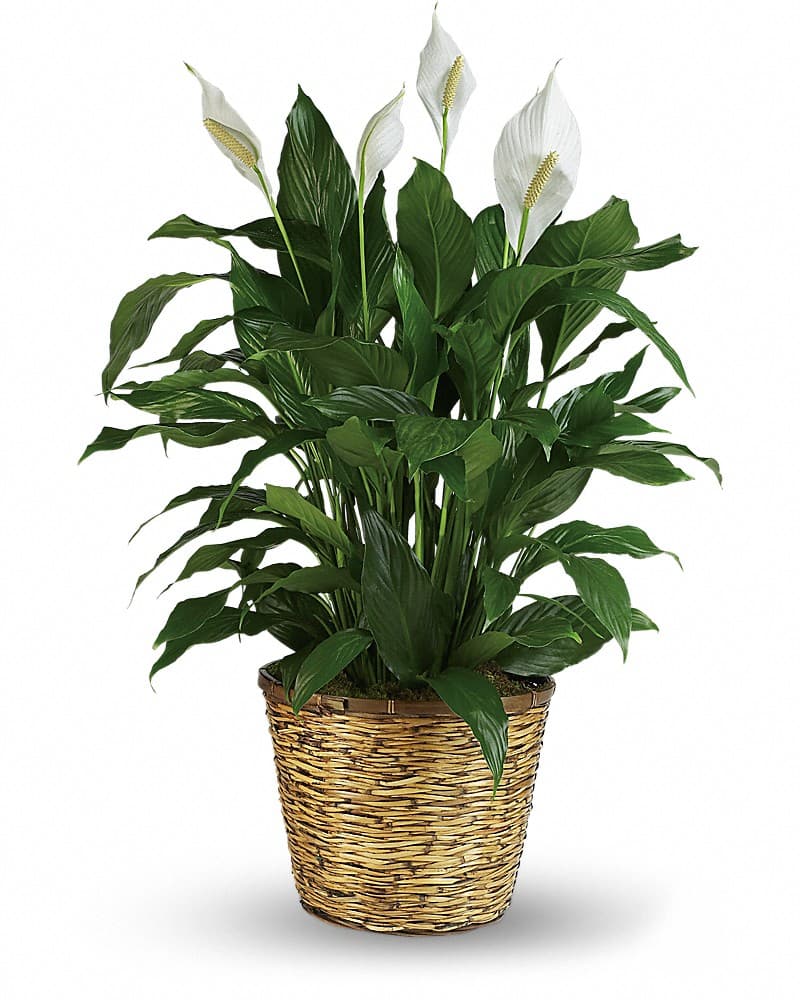
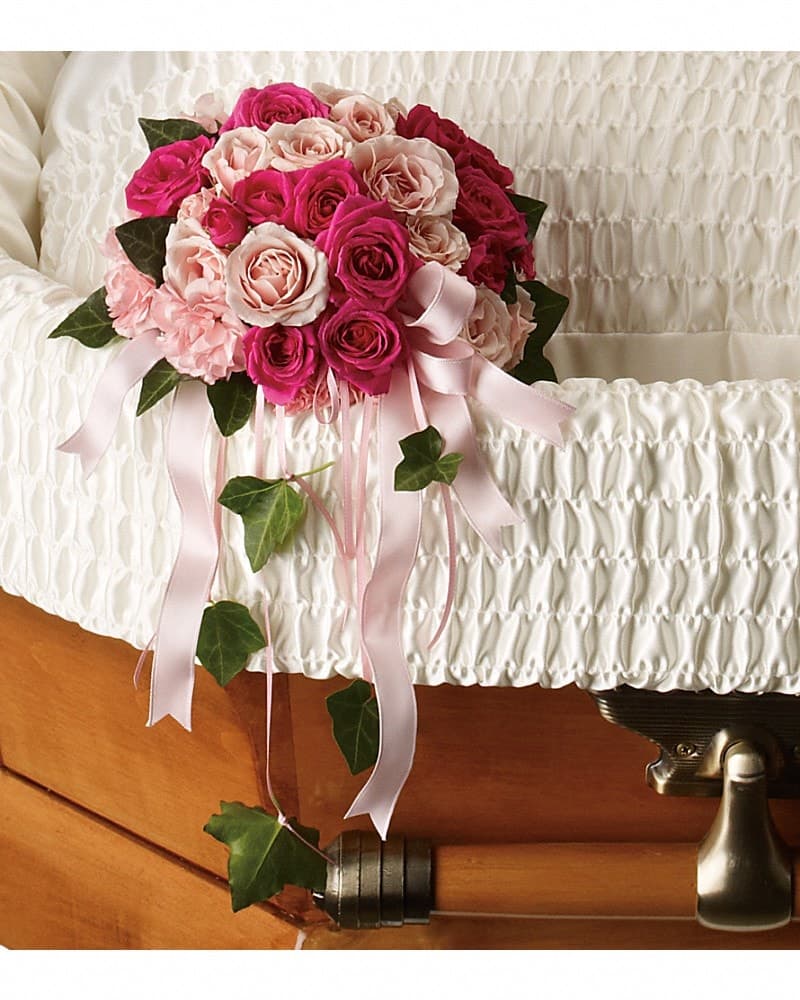
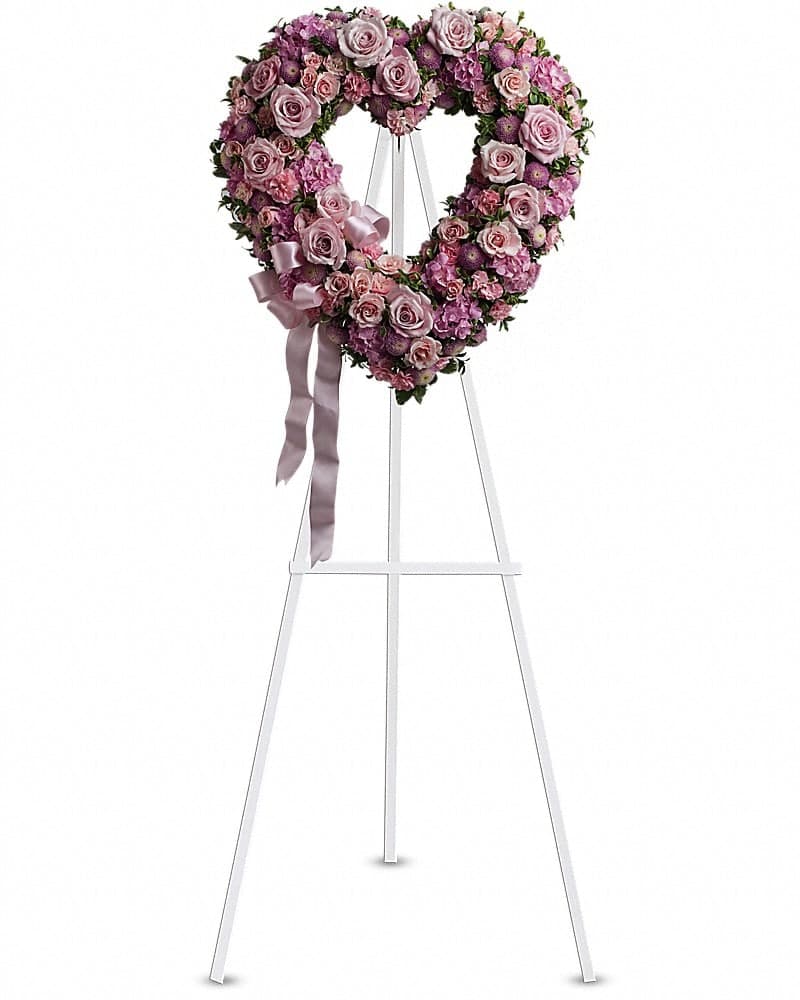
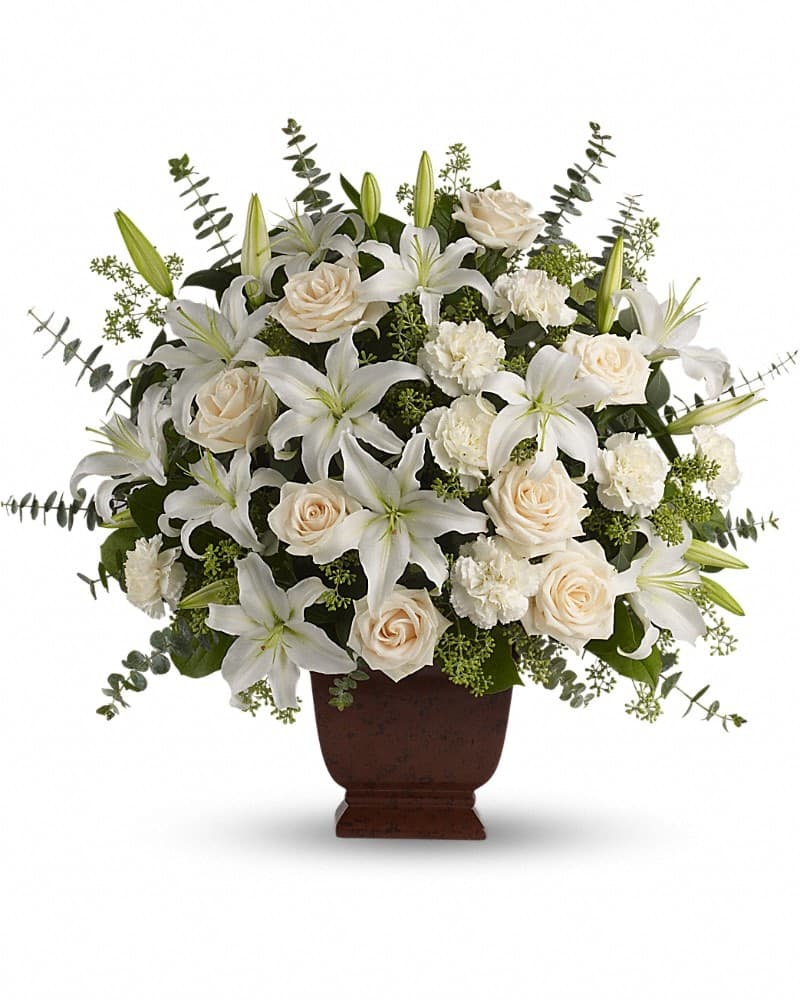
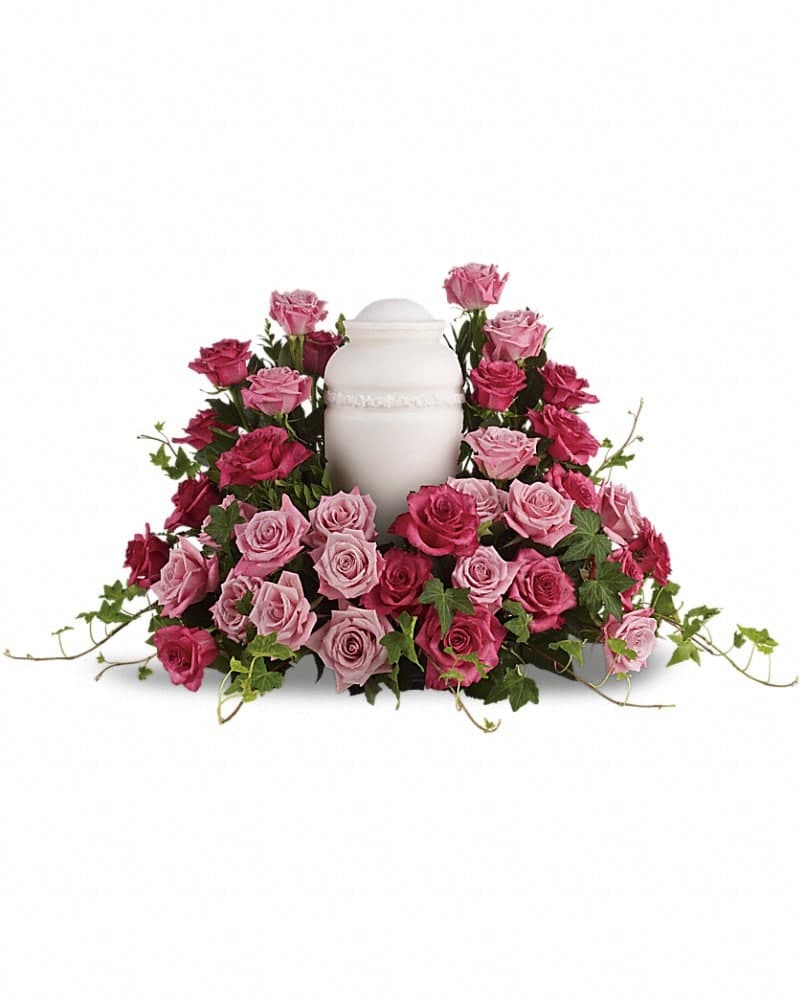
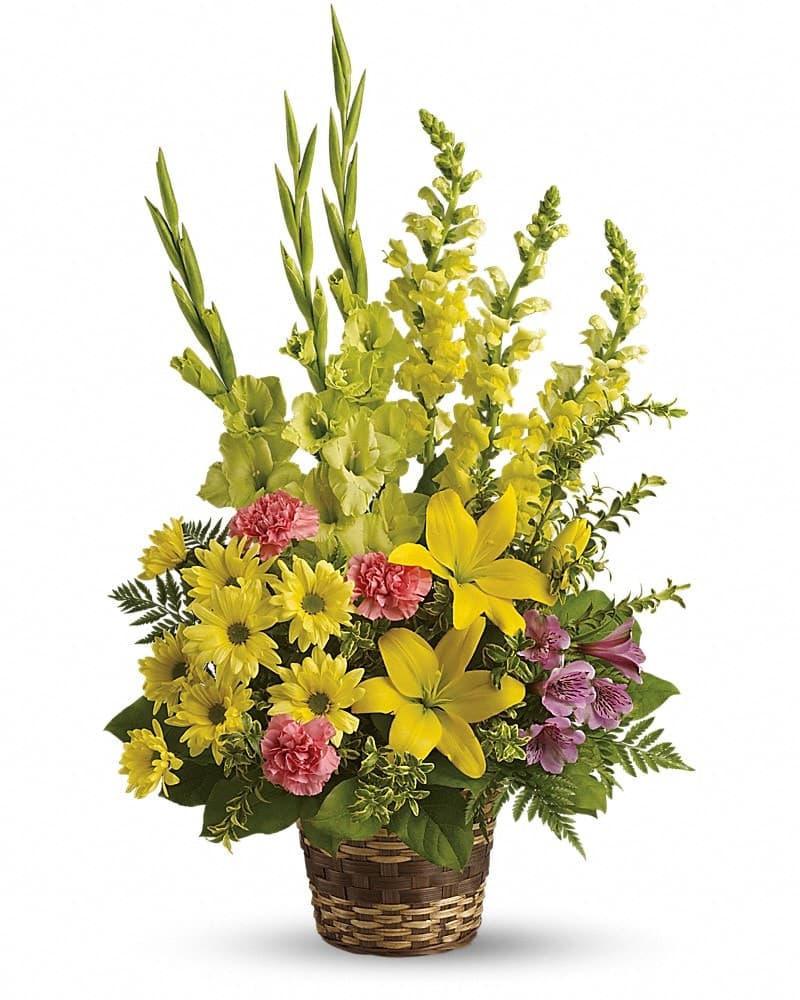
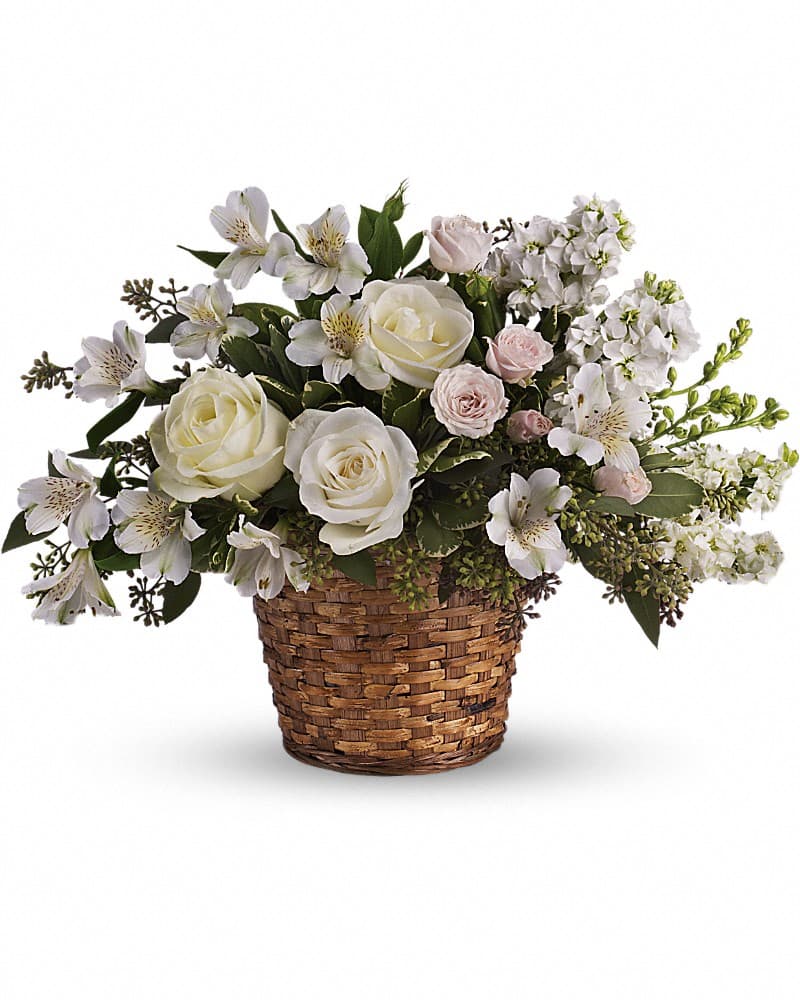
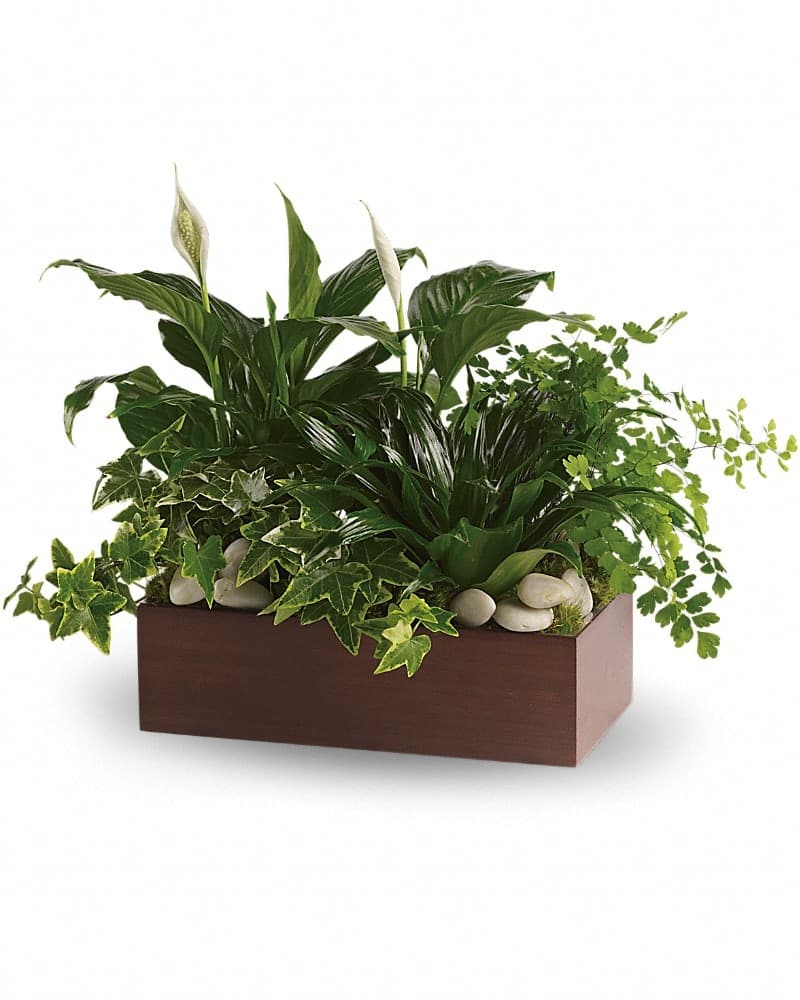
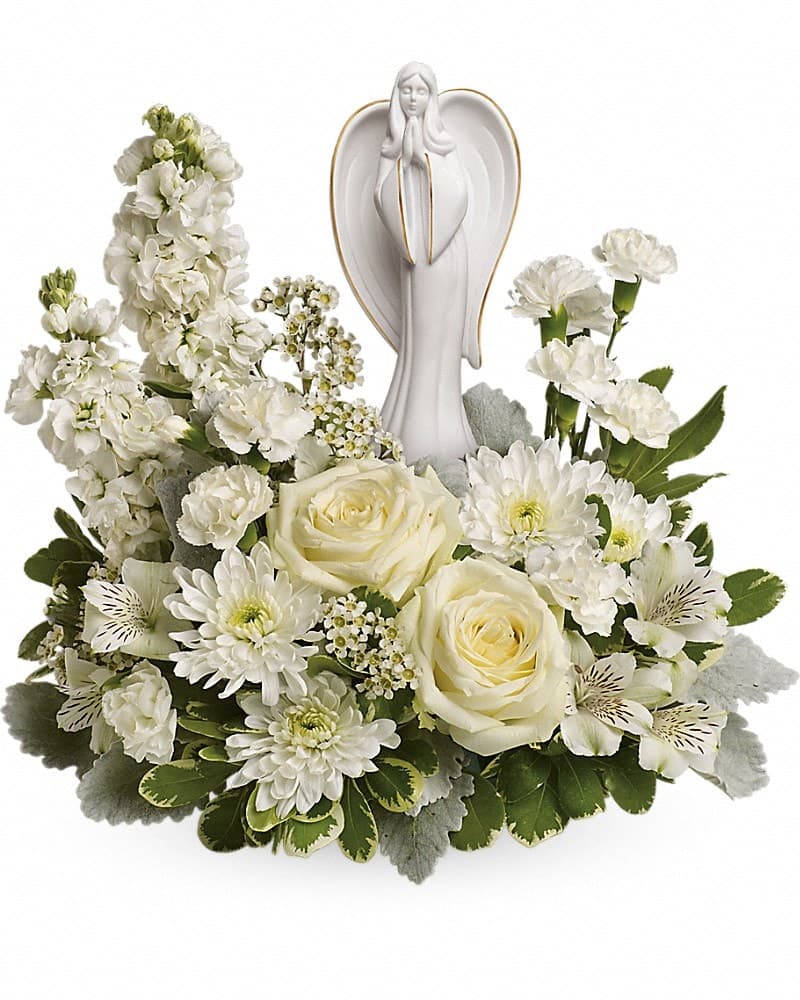
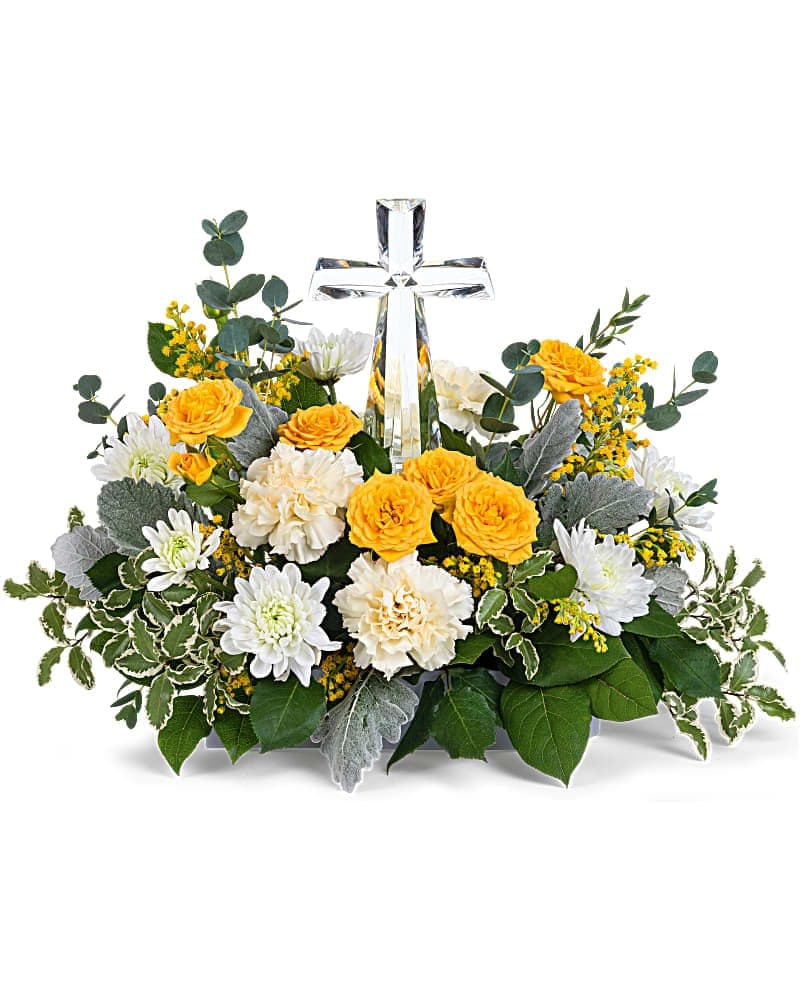
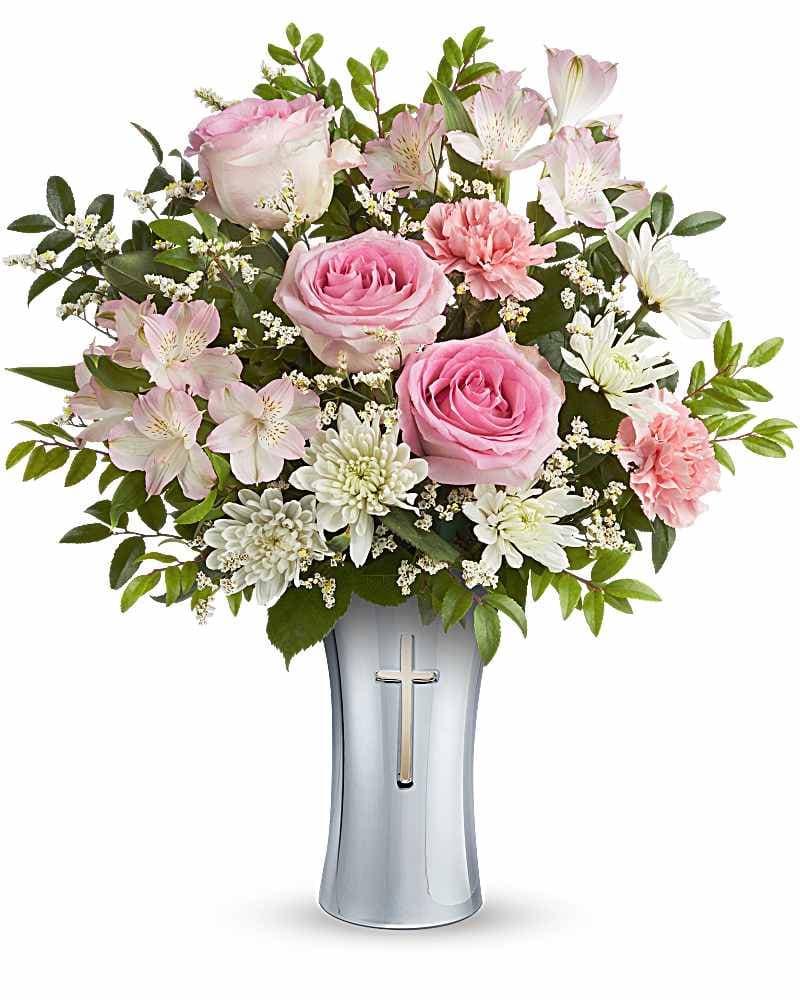
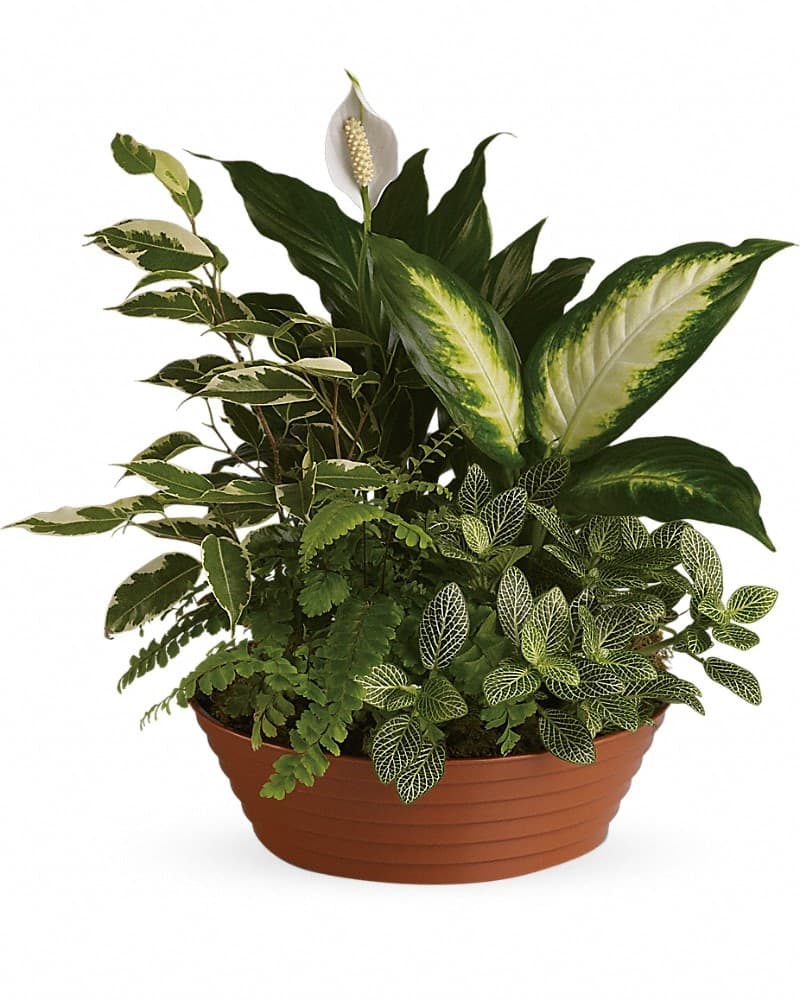
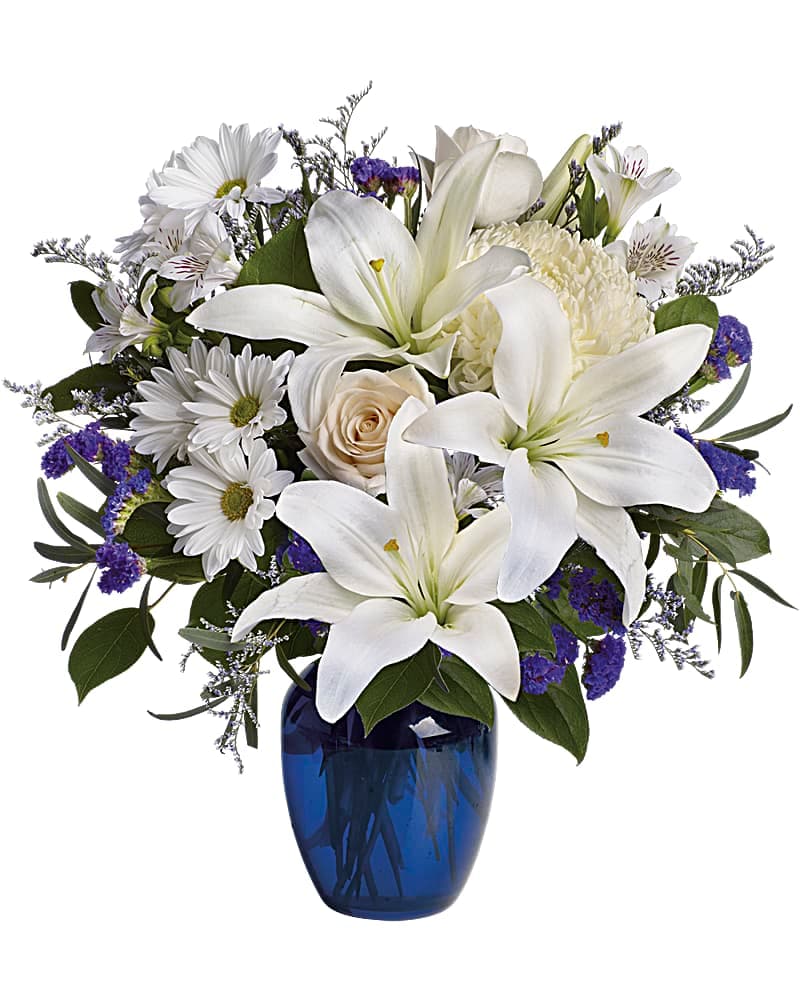
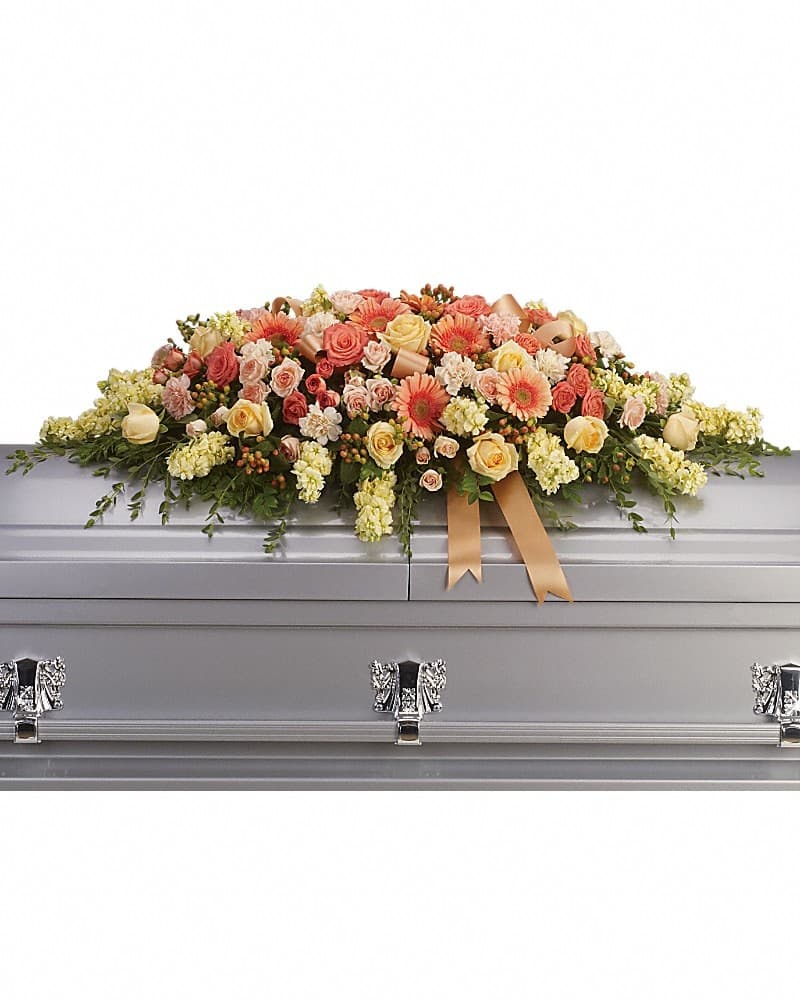
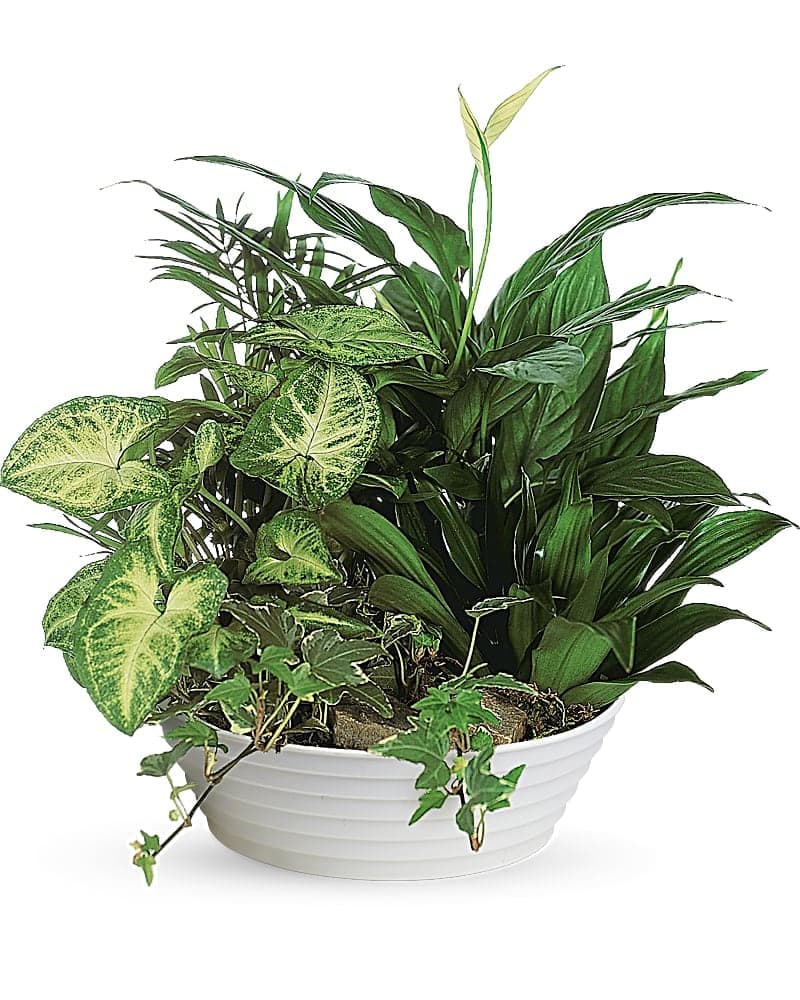
Flint's own history shapes what families ask for. This is a city built by the auto industry and by the Great Migration that staffed it — Buick, Chevrolet and the 1936-37 Sit-Down Strike that made the UAW — and the homegoing traditions that came north with those families are still the dominant sympathy vocabulary on the north and east sides: standing easel sprays behind the casket, a dedicated casket piece from the immediate family, individual vase arrangements from co-workers and locals, and a printed program that the flowers are expected to frame rather than crowd. Catholic services out of the auto-era parishes keep to standing sprays and cross or wreath forms. Michigan is also now a majority-cremation state, which changes the shape of the order more than people expect: for a cremation memorial, a low urn-side arrangement or a pair of matched vases reads correctly where a six-foot easel spray does not, and a living plant — peace lily, kalanchoe, dish garden — is often what the family actually keeps. When a family asks for memorial donations in lieu of flowers, a single plant sent to the house after the service is the convention here, not a chapel delivery.