Before you type an address, know that this city's hospital map was redrawn very recently. HSHS Sacred Heart Hospital, the campus on West Clairemont Avenue that generations of this city used, closed in 2024, and HSHS St. Joseph's Hospital in Chippewa Falls closed in the same stretch, along with a set of Prevea clinics across the region. The buildings did not vanish; the inpatient care did. A get-well order addressed to Sacred Heart today will not find a patient, and a relative who tells you their mother is "at Sacred Heart" is working from memory rather than from this year. What that leaves is a much more concentrated map. Mayo Clinic Health System in Eau Claire on Whipple Street, the hospital most people in this city still call Luther, is now the primary inpatient destination for get-well deliveries here, and Marshfield Medical Center-Eau Claire on Craig Road on the south side near the interstate is the other. OakLeaf Surgical Hospital handles procedure cases. Confirm which of those two hospitals before you order, because on this grid guessing wrong is no longer a matter of crossing town — it is a delivery that comes back to the shop.
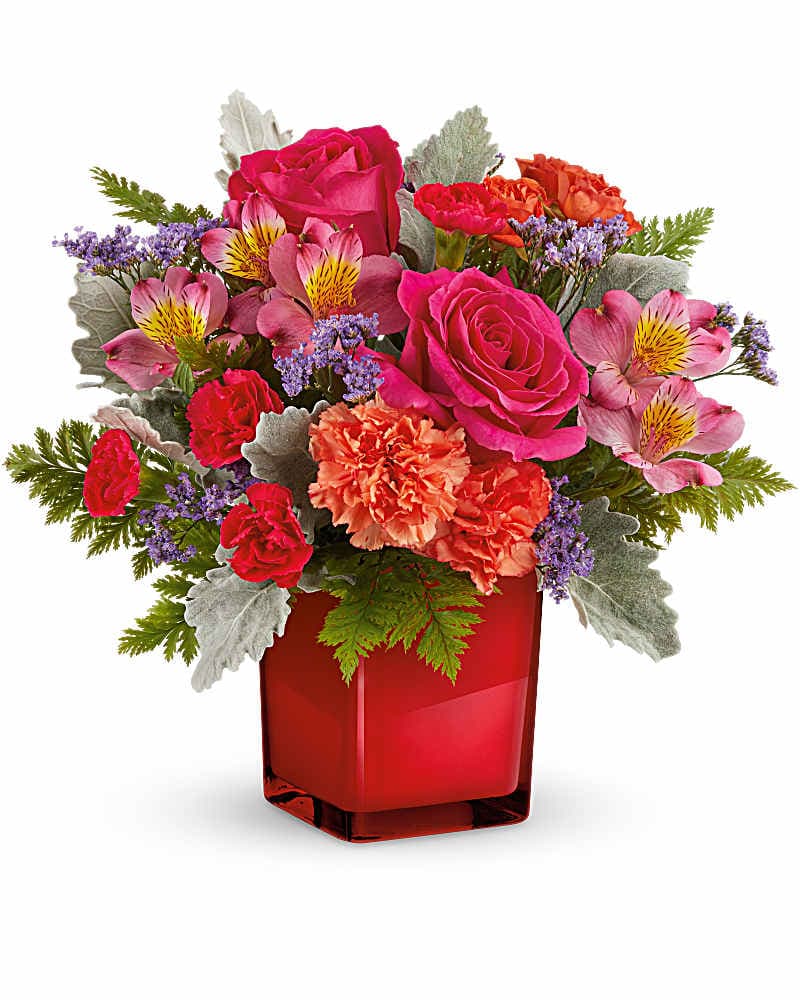
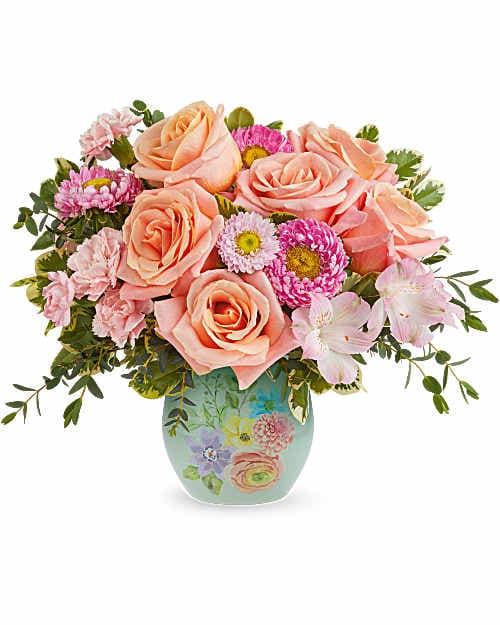
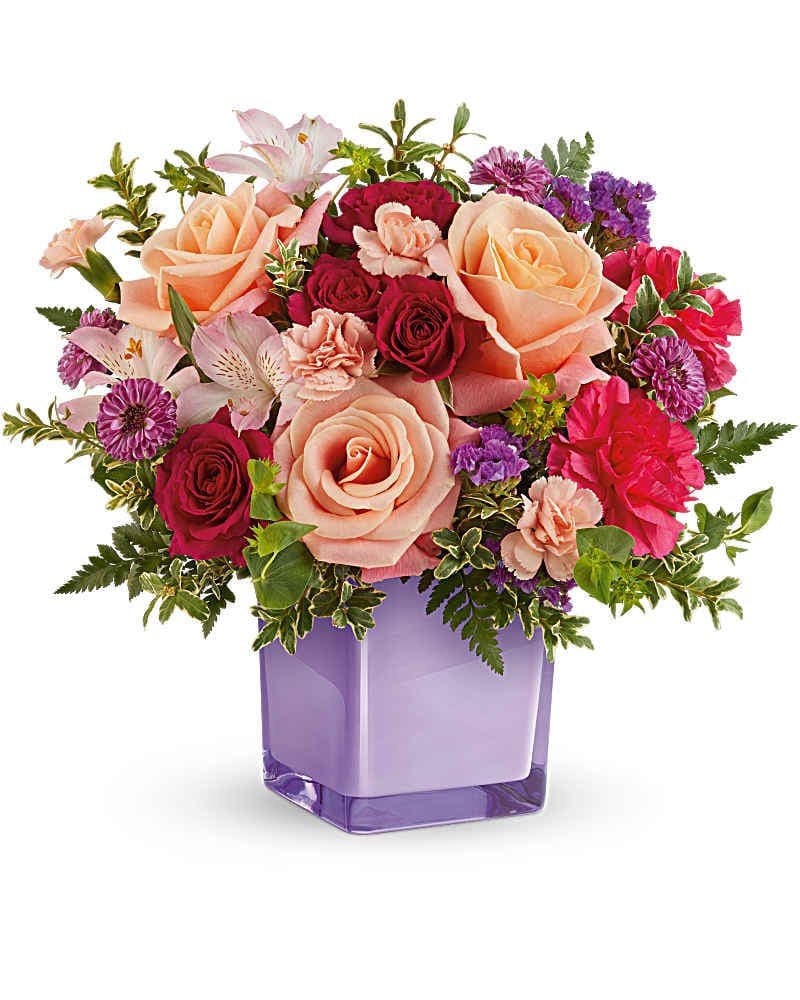
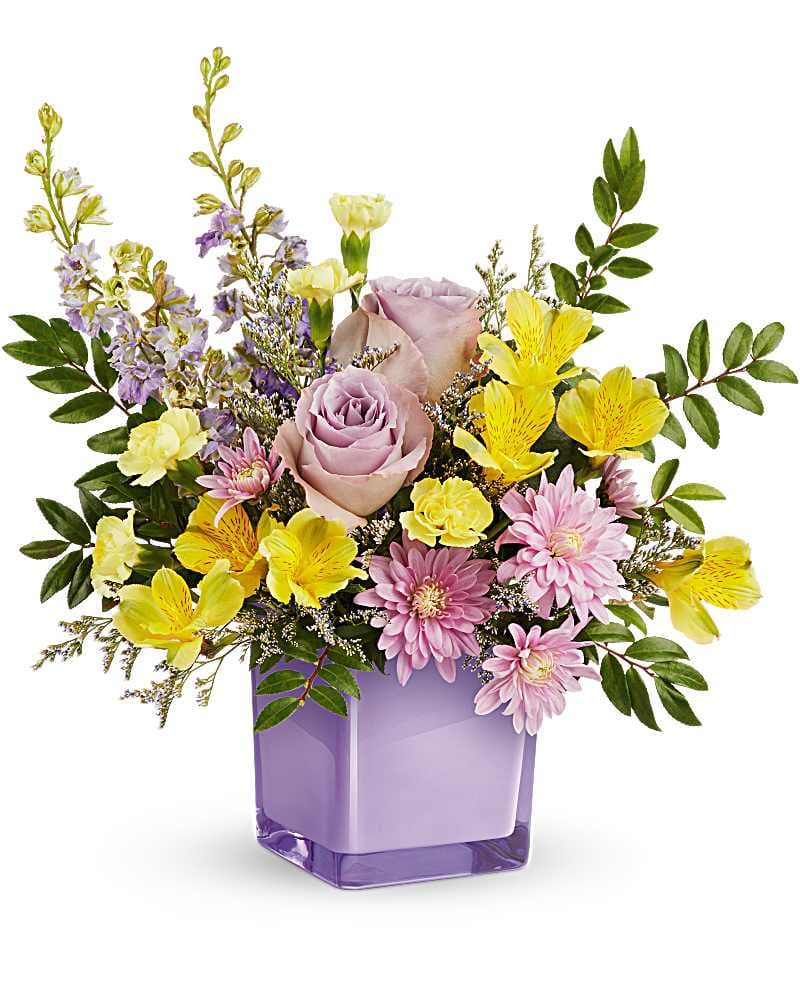
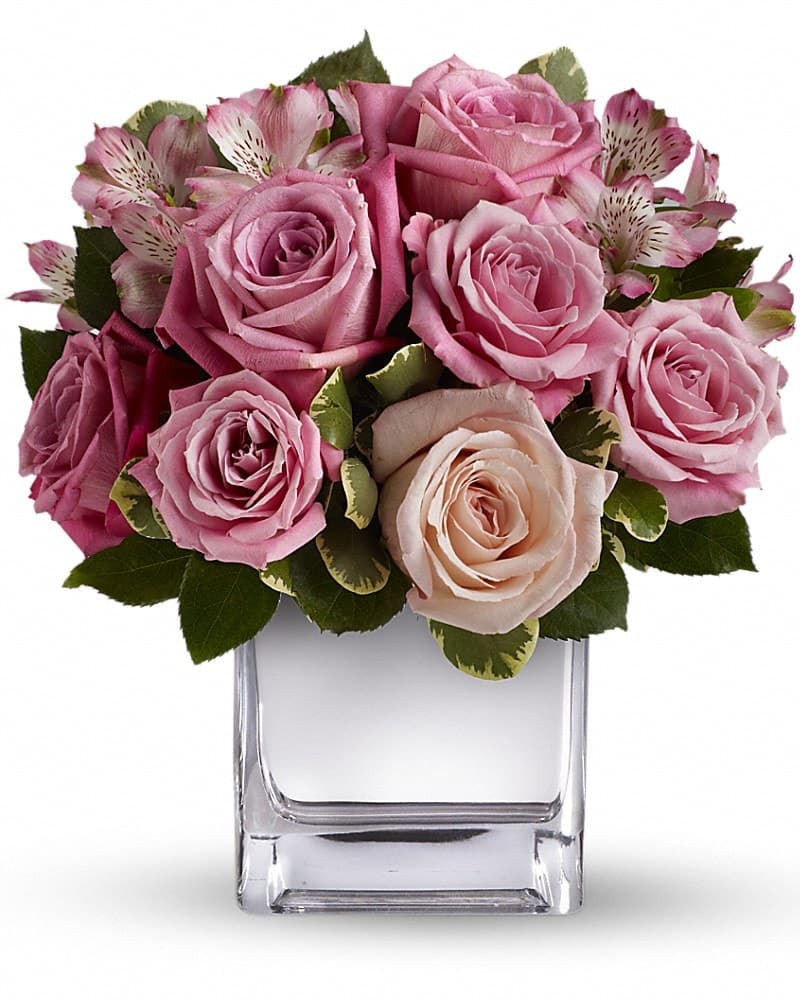
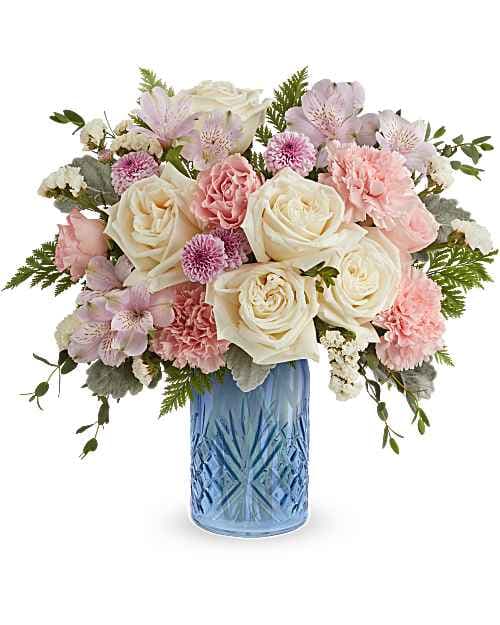
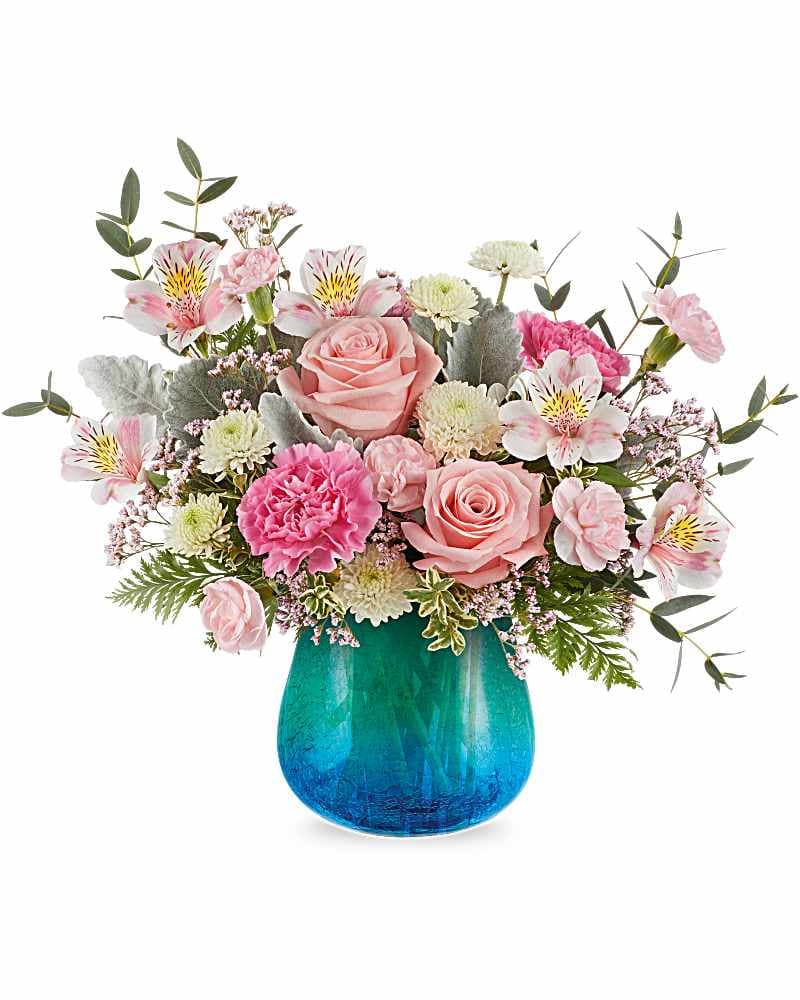
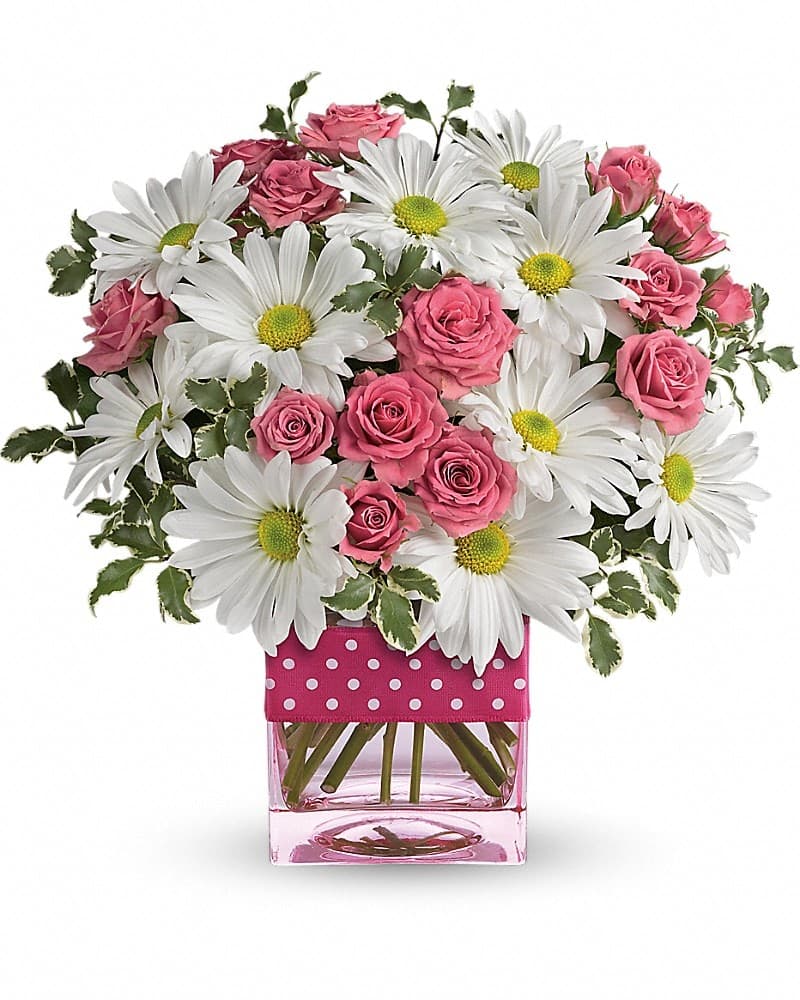
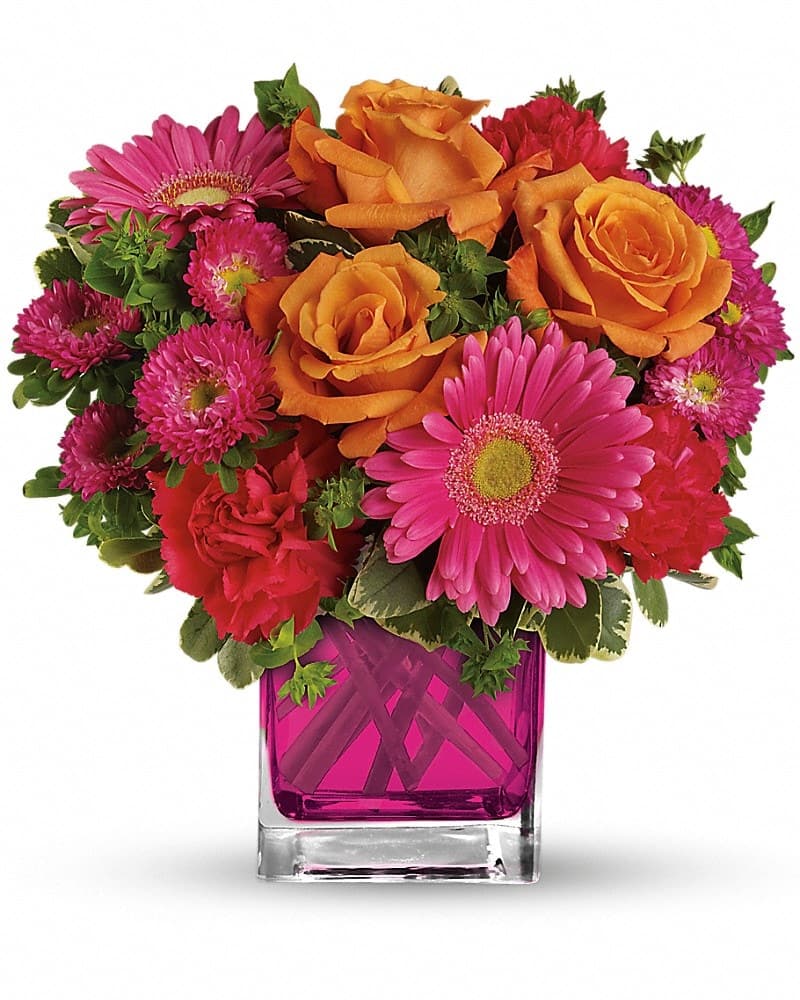
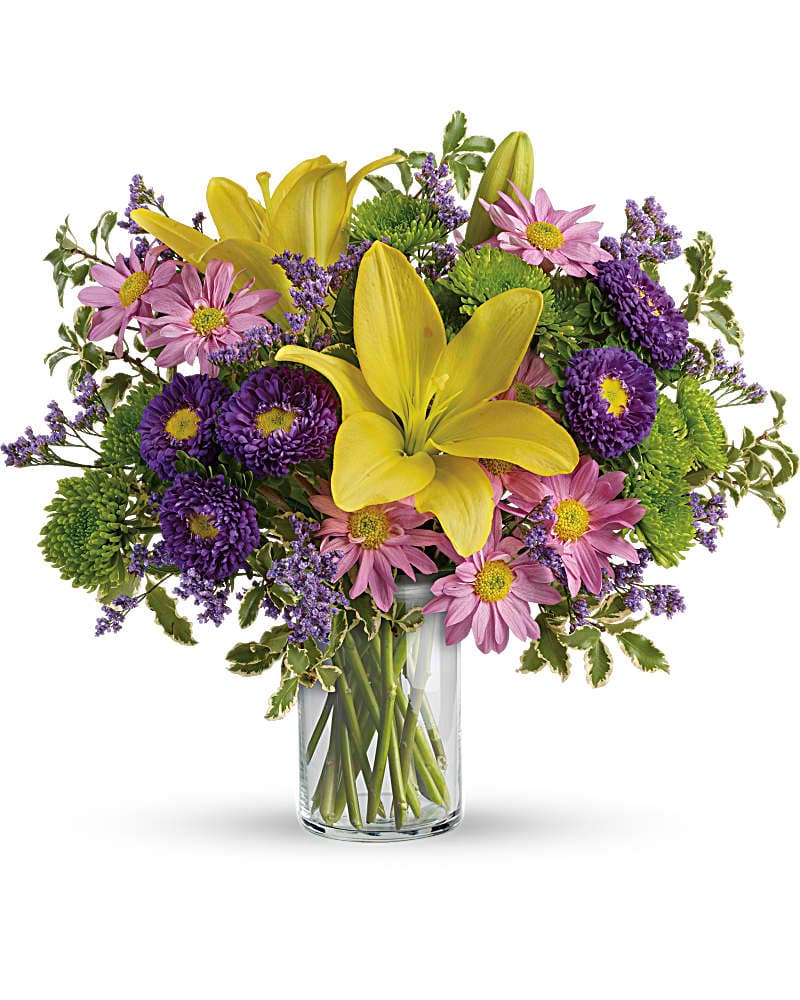
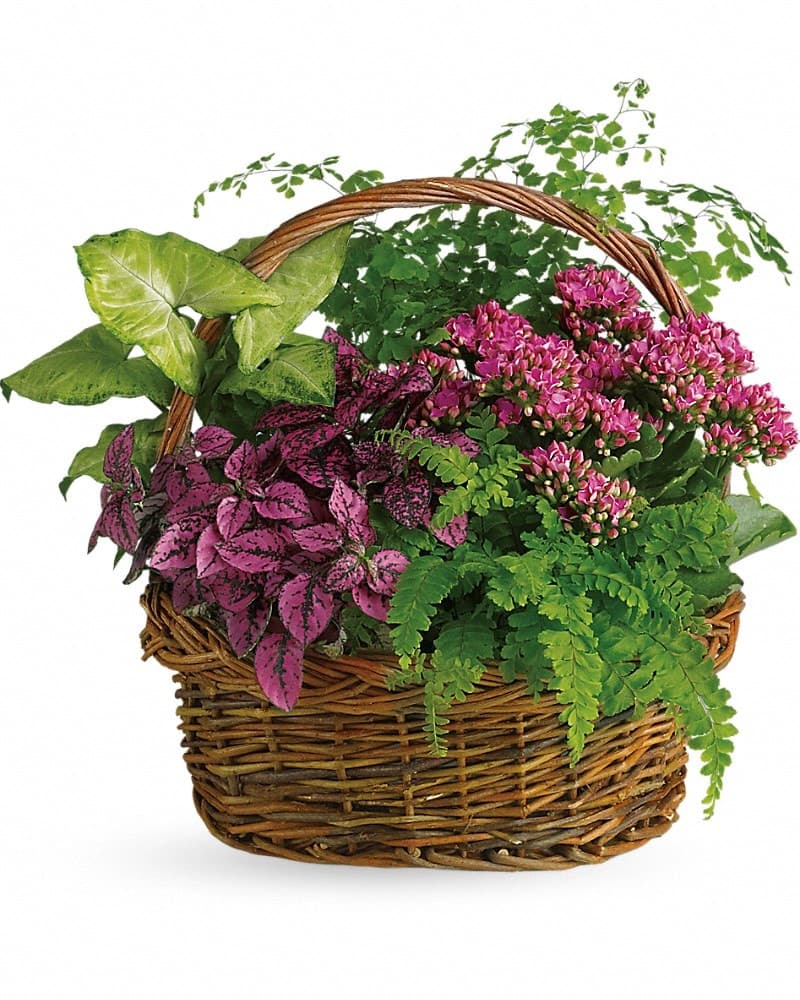
Nurses on these two campuses send back the same short list of things week after week, and the shops here design around that list long before anybody brings it up. Lilies are the standing objection. The pollen marks a gown and a bedsheet and does not wash out, the scent reaches the hallway, and in a room where somebody is partway through chemotherapy it is the first stem a nurse lifts out of the vase — so treat the cancer and infusion areas, transplant patients and the surgical floors as no-lily, no-pollen, nothing fragrant, by default rather than by exception. Potting soil is the second objection, and it is the soil rather than the plant that the unit minds: for a patient whose blood counts are down, a live plant becomes a homecoming present instead of a bedside one. Intensive care is normally a no-flowers unit in both systems, and anything sent up to it comes back down in the same elevator; the useful alternative is putting it into the hands of whoever is sitting in the family waiting area. Post-surgical and maternity rooms are the forgiving ones and take nearly whatever you send. The build that clears every door in this city is deliberately plain — carnations, spray roses, alstroemeria, lisianthus and a gerbera or two with a little statice, kept low, in a heavy-bottomed vessel that will not go over when somebody swings a tray table around. If you are unsure, say so when you order and the shop will telephone the unit before it starts cutting.
Three things go wrong on this grid, in roughly that order of frequency. First, the name and the room. Neither hospital will look up a patient from a first name, and if that patient has opted out of the directory the desk cannot confirm to a driver that they are even in the building — so an order carrying a surname and nothing else parks at an information desk until a relative happens past it. Get three facts from the family first: which hospital, which unit, which room number. Missing any one of the three, the better decision is the house plus a mobile number. Second, the length of the stay. Stays here are short, and out-of-town families shorten them further by driving the patient home the hour they are released — so flowers that land on release day ride forty miles to Mondovi or Bloomer jammed against a seat belt and arrive looking like they lost a fight. Surgery yesterday and a likely release tomorrow means booking the house two days out. Third, the card. It gets read in a bed, in the afternoon, by somebody who slept badly. Leave the encouragement slogans out and put one specific thing in writing instead: the fishing opener, a grandchild's game, coffee at the kitchen table once this is behind them.