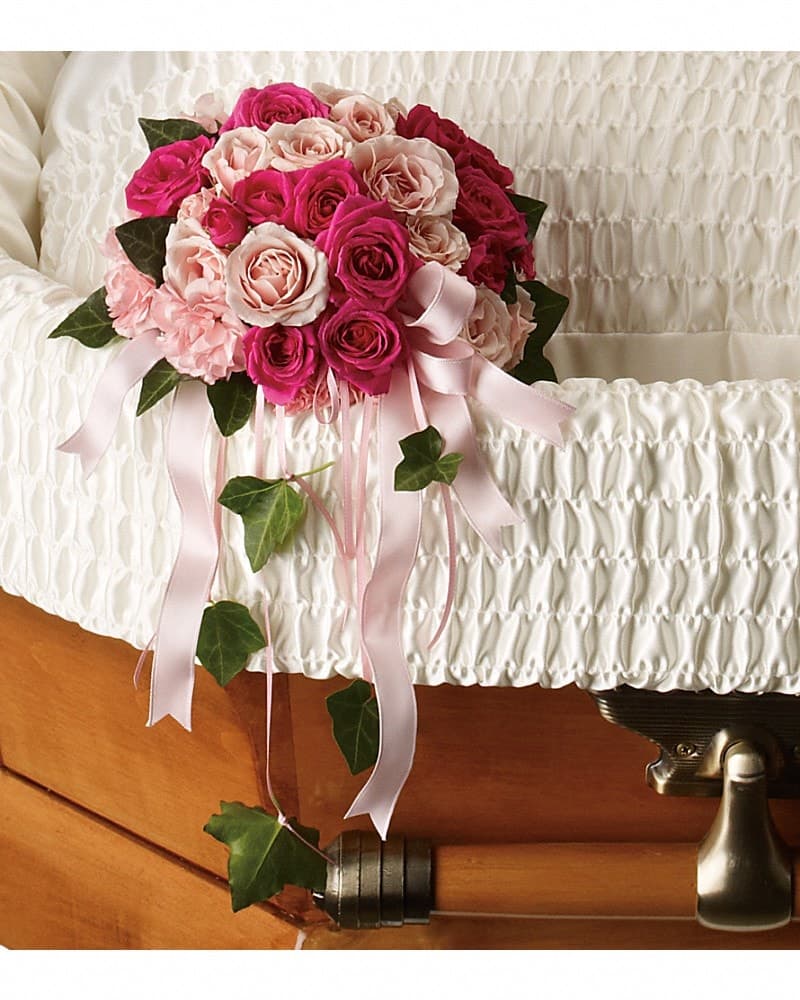
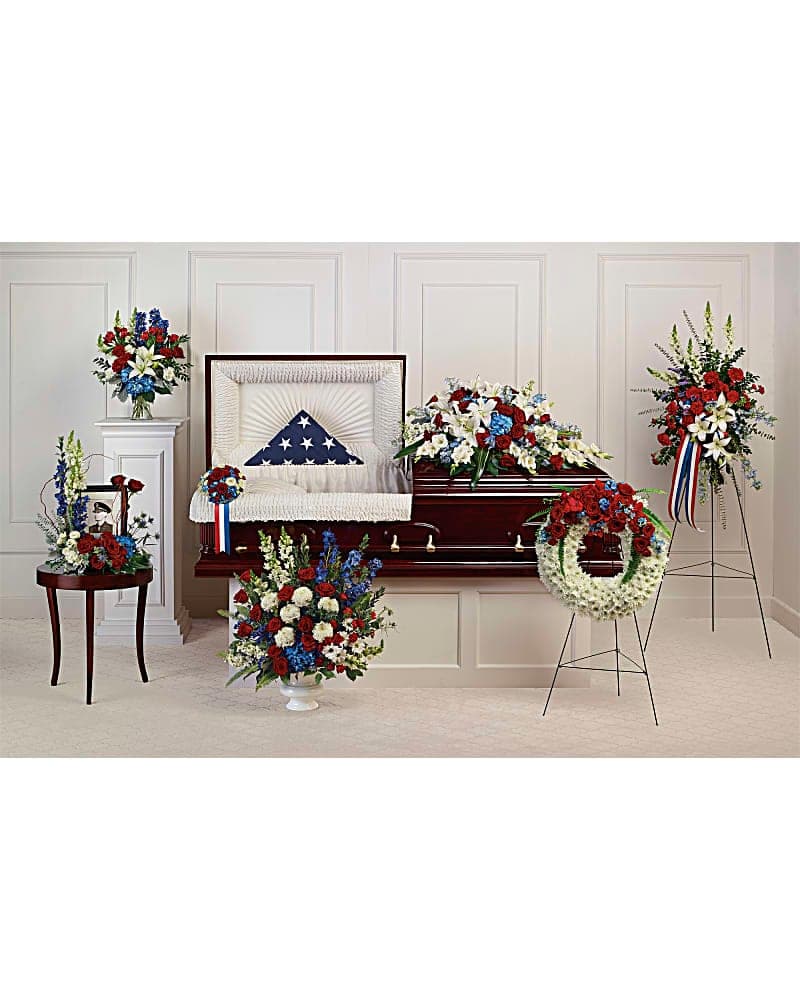
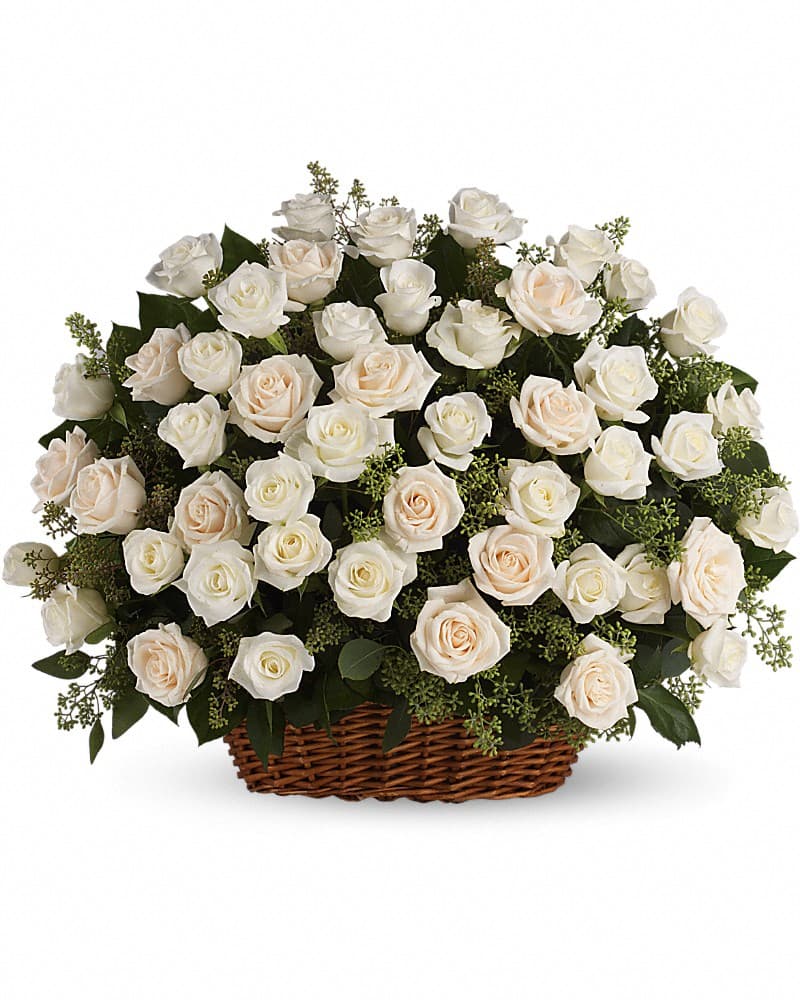
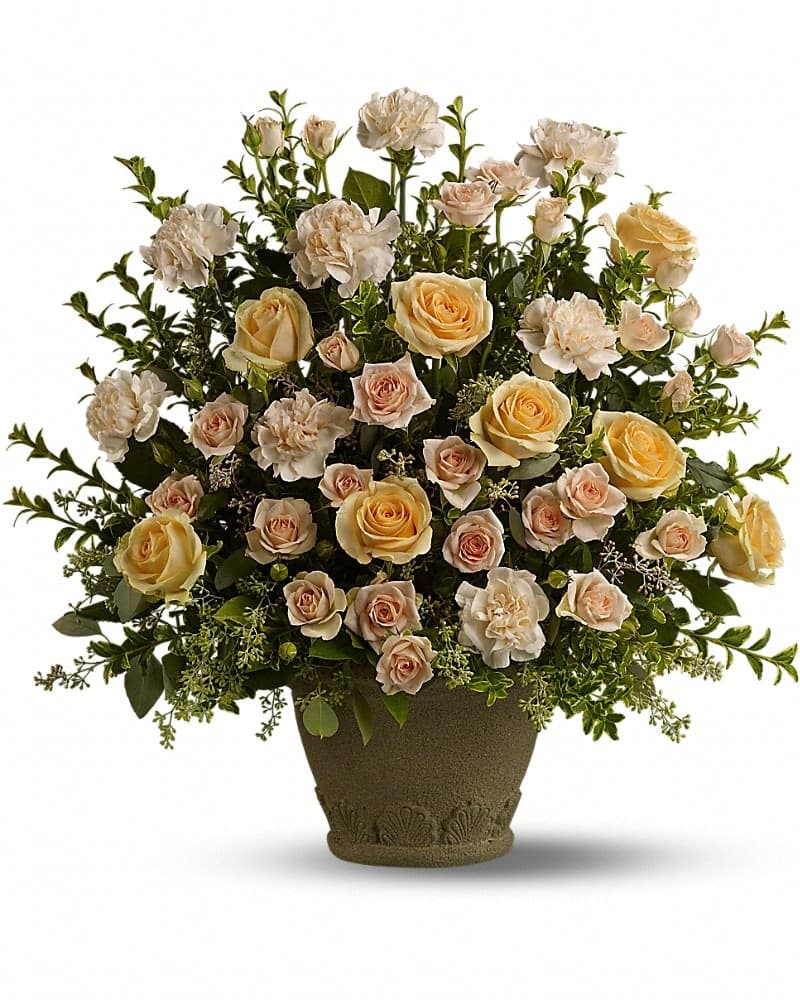
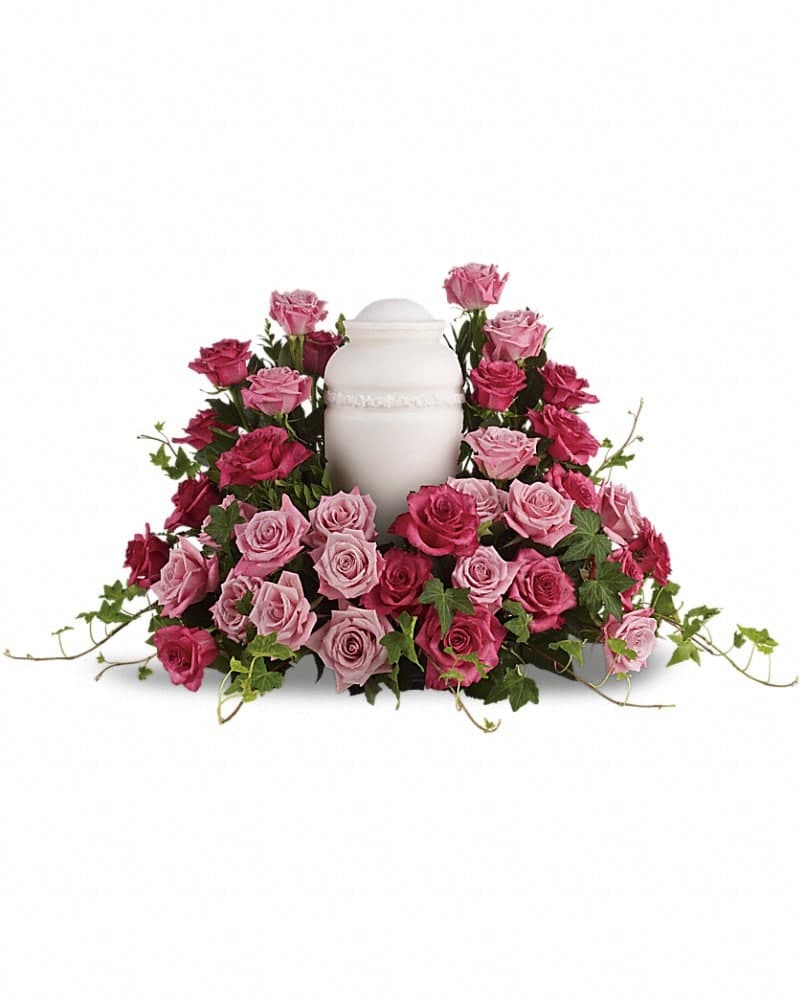
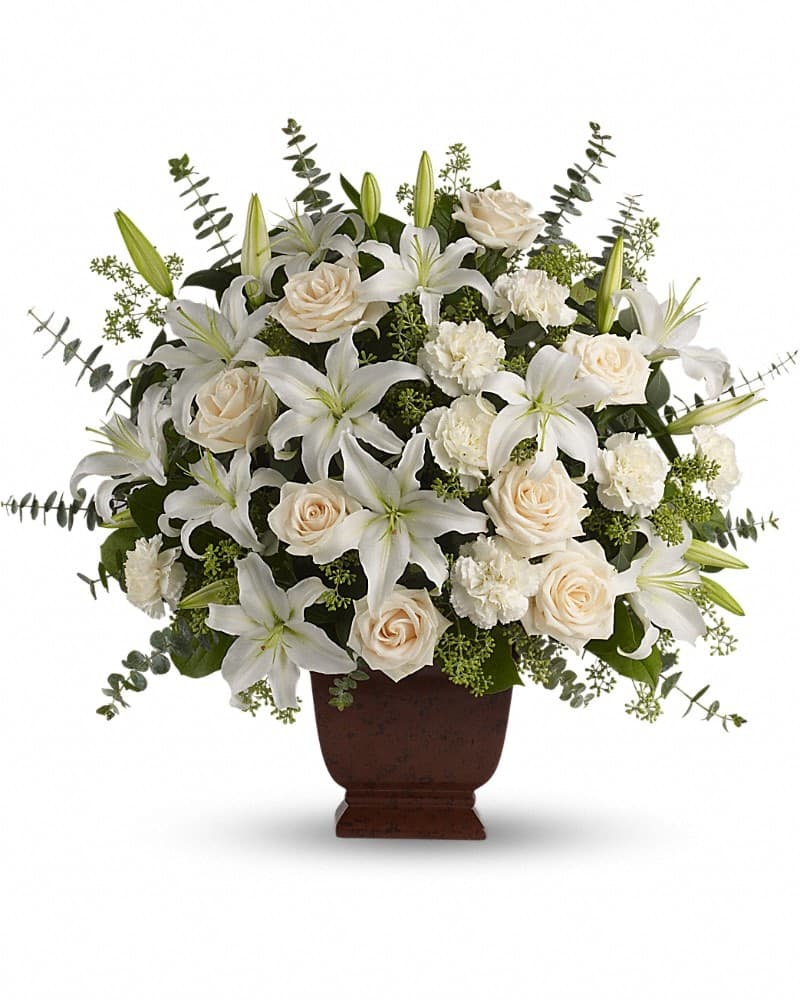
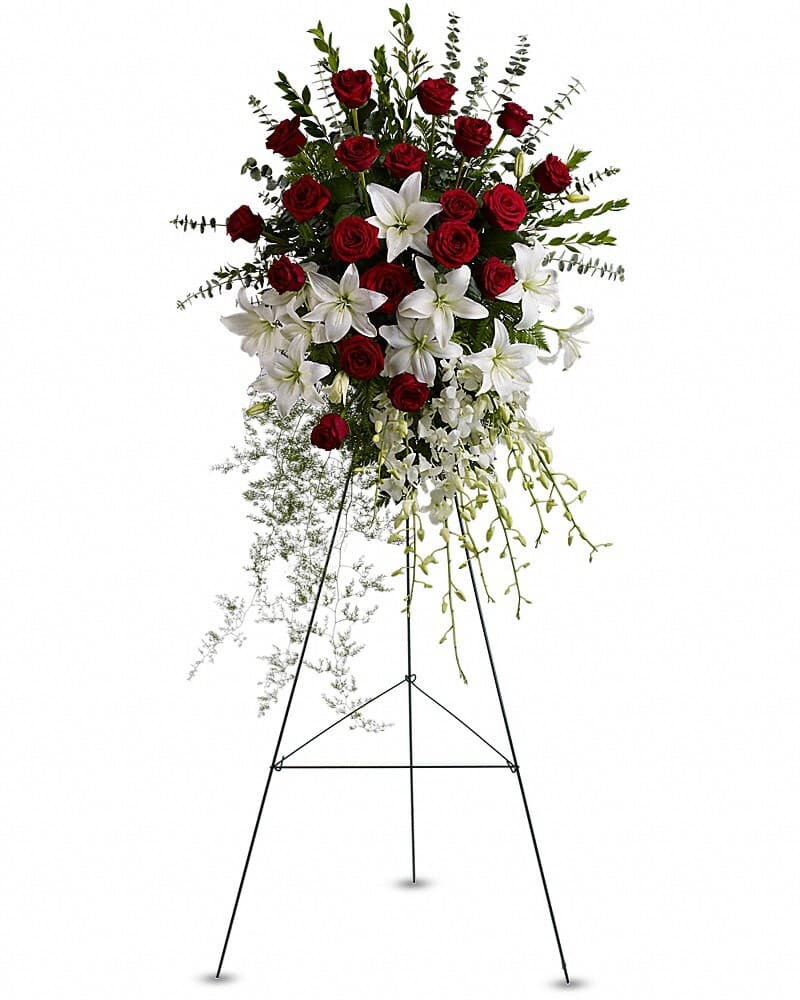
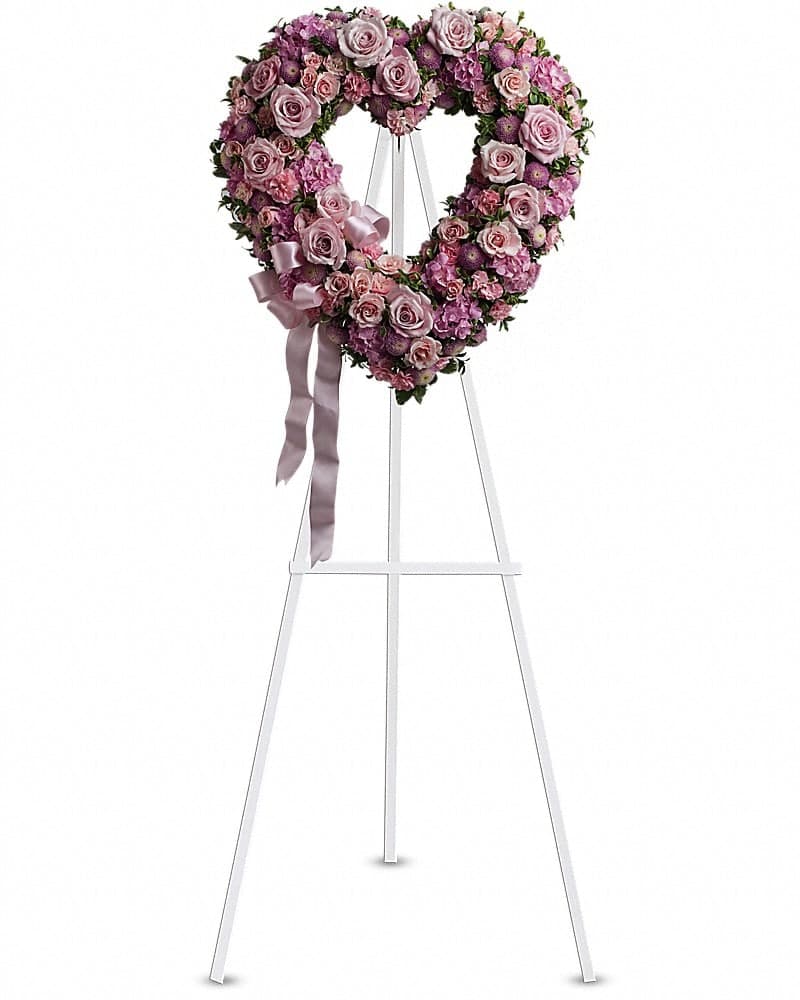
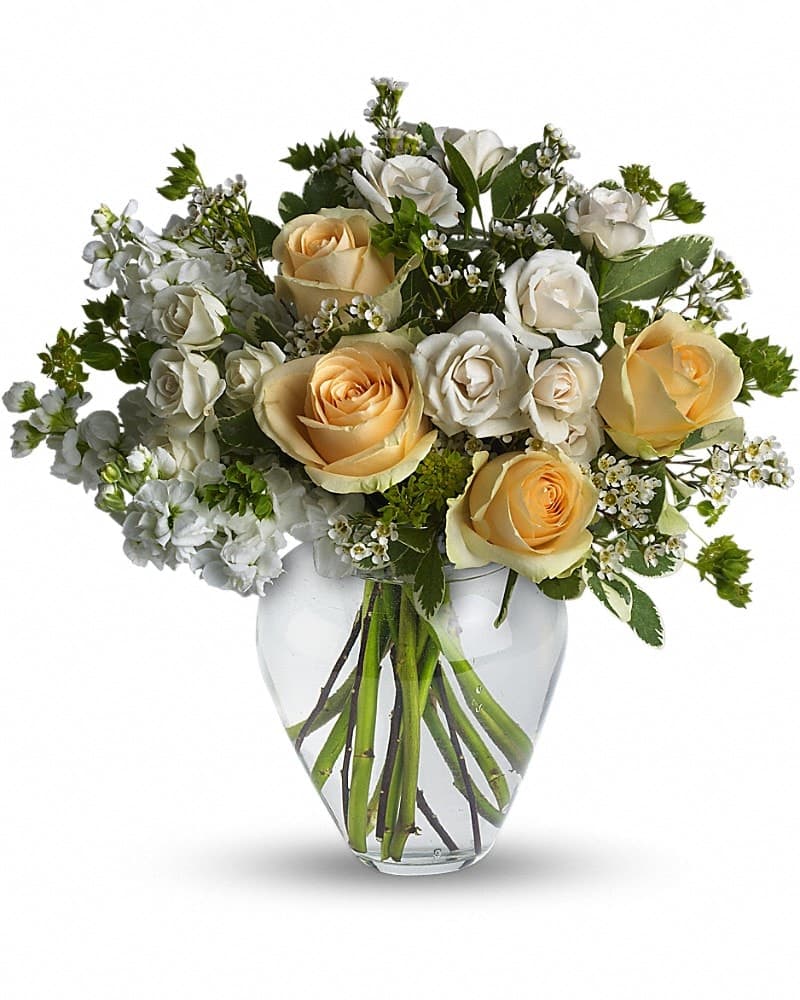
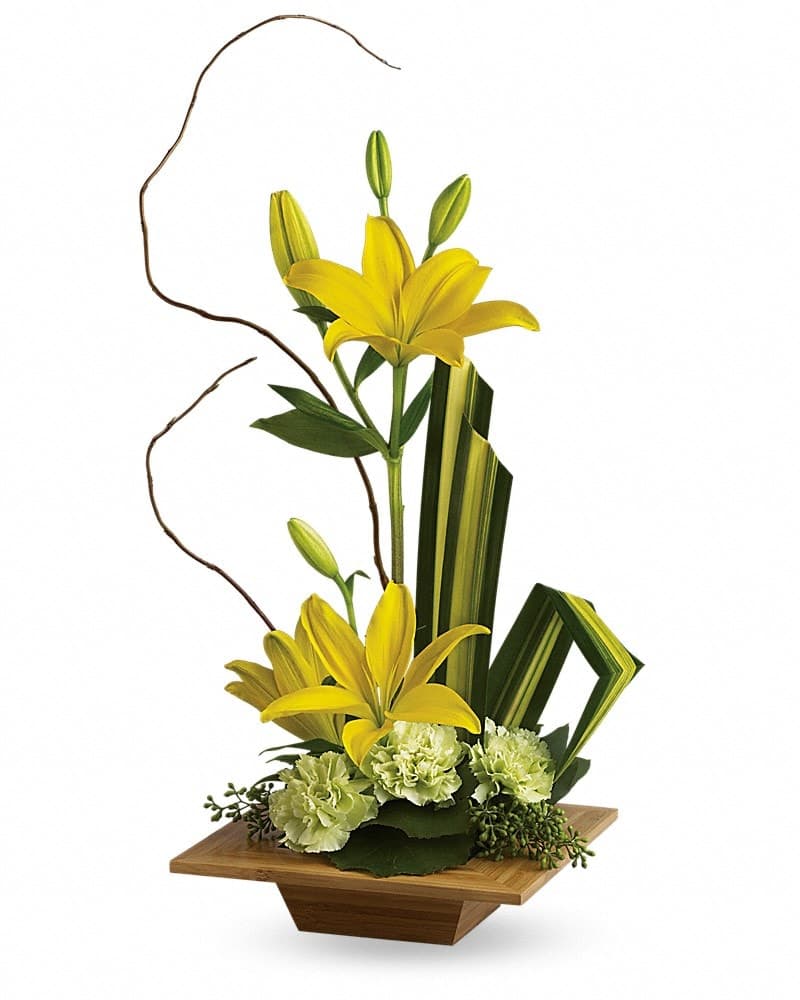
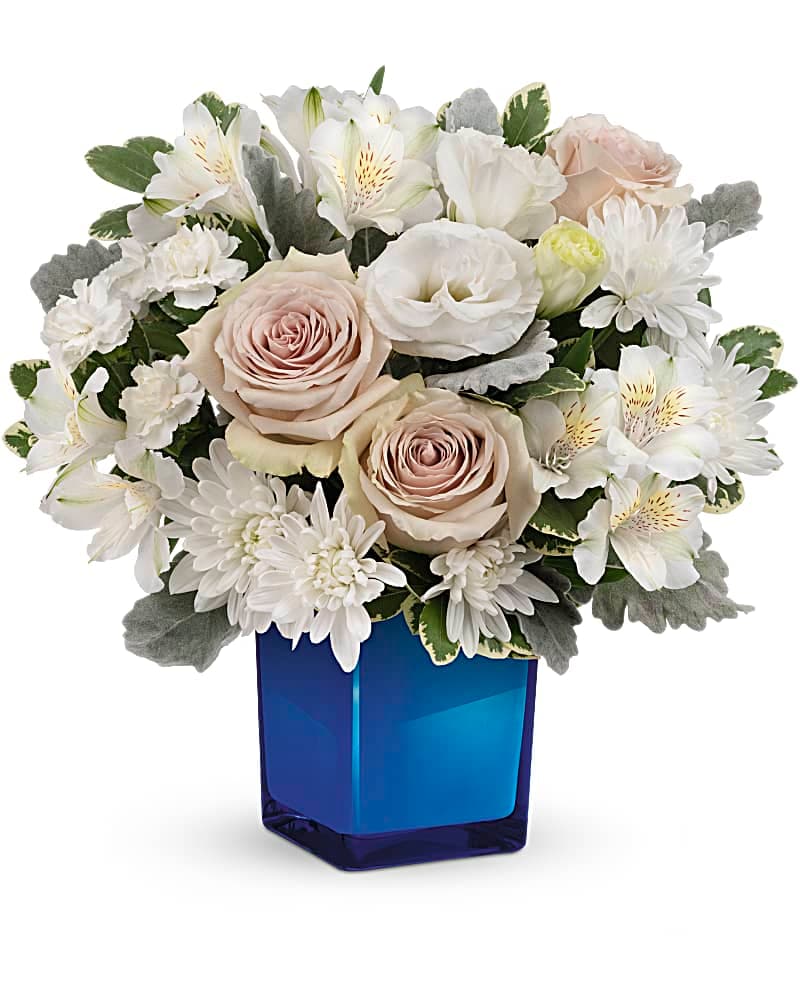
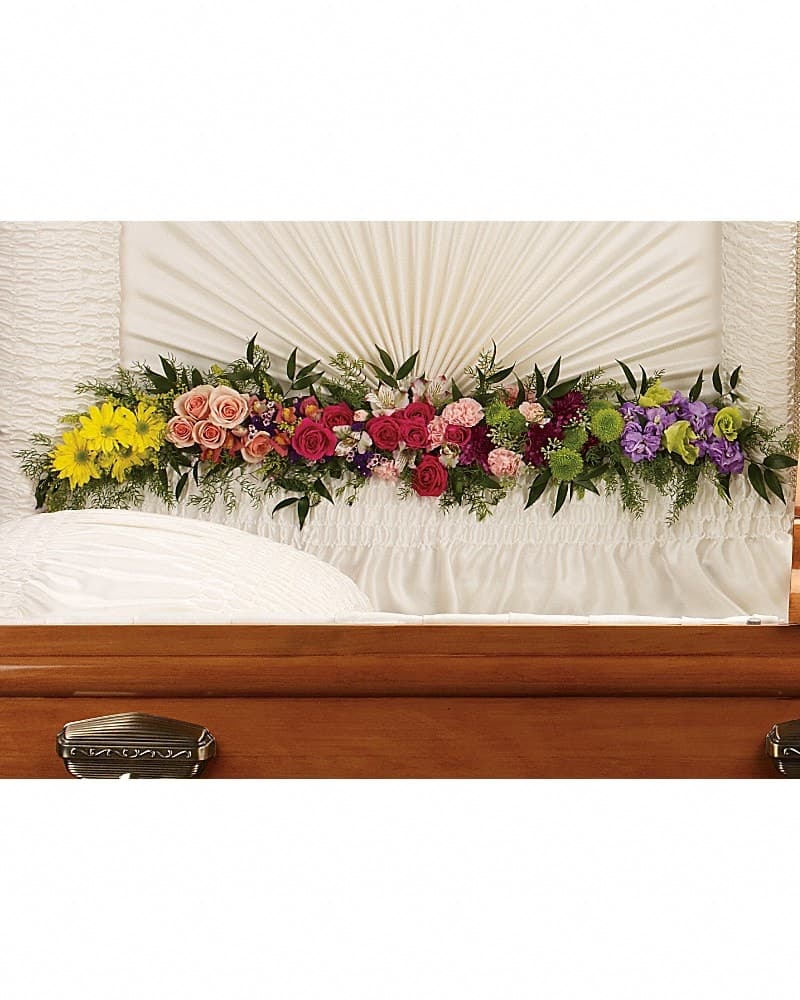
The hardest part of sending sympathy flowers to Durham is not choosing them; it is landing them in a window that is usually shorter than a business day. A Durham visitation is commonly a two-hour block the evening before the service, and the chapel wants arrangements standing in the room before the family arrives to receive people — not during. So the first question a studio here asks is never "what would you like" but "where and when is the visitation." Hall-Wynne Funeral Service on West Main Street, Clements Funeral & Cremation Services, and Scarborough & Hargett Celebration of Life Center — the last of these carrying a lineage that goes back to 1906 and stands among the oldest Black-owned businesses in the state — each run their own intake rhythm, and the same is true of Walker's Funeral Home over in Chapel Hill, a historically Black chapel serving the Orange County side of the radius. Give us the funeral home, the name of the deceased as it appears on the notice, and the hour the visitation opens. If the service is tomorrow morning, order tonight or by mid-morning at the latest; if the service is this afternoon and the family is already at the chapel, the honest answer is often to send to the house tomorrow instead, when the room is empty and nobody has eaten.
Durham's burial geography is unusually legible. Maplewood Cemetery on Kent Street, just south of Duke's East Campus, is the historic municipal burying ground and still the city's most common graveside destination, with the Duke family among its interments. Beechwood Cemetery on Fayetteville Street is the historic African American cemetery on the Hayti side of the Durham Freeway, and it carries a weight in this city that a visitor will not read off a map — Hayti was a self-contained Black business and church district before urban renewal and the freeway cut through it, and a great many Durham families have four generations in that ground. The Old Chapel Hill Cemetery beside the UNC campus serves the western edge of the radius. Graveside deliveries are their own discipline: cemeteries do not hold flowers for a service that has not started yet, so a graveside piece has to arrive in a tight band before the procession and often needs a stake or an easel rather than a vase. Tell us if the arrangement is going to the graveside rather than the chapel and the studio will build it to stand in grass and wind instead of on a carpeted table.
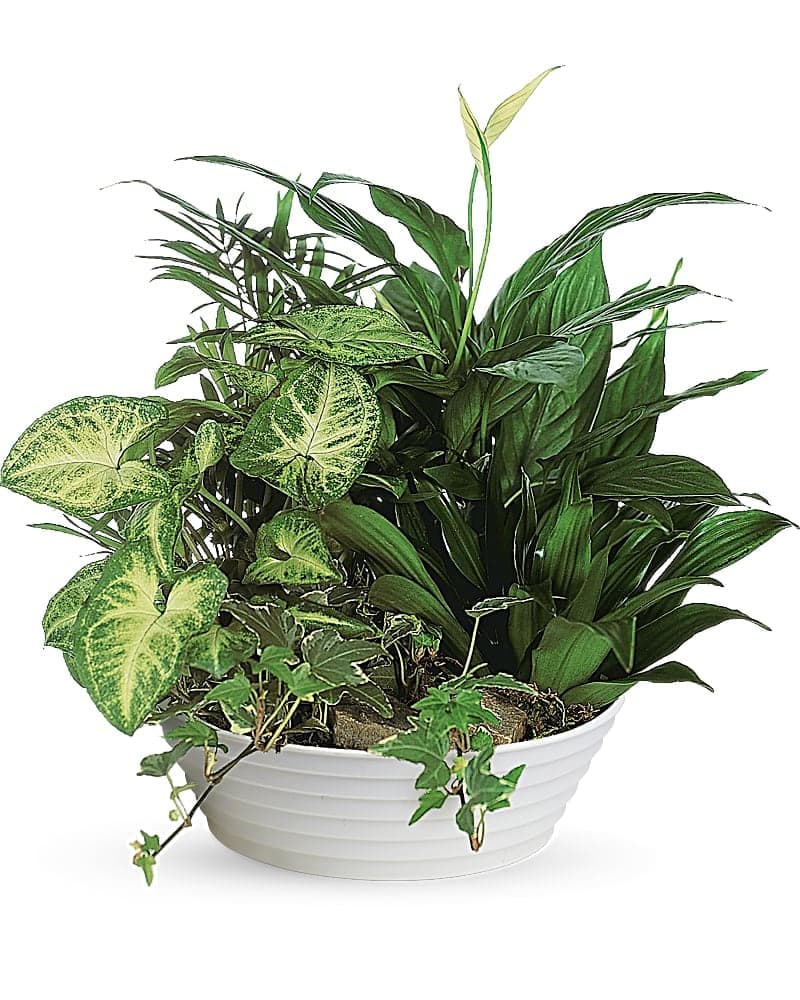
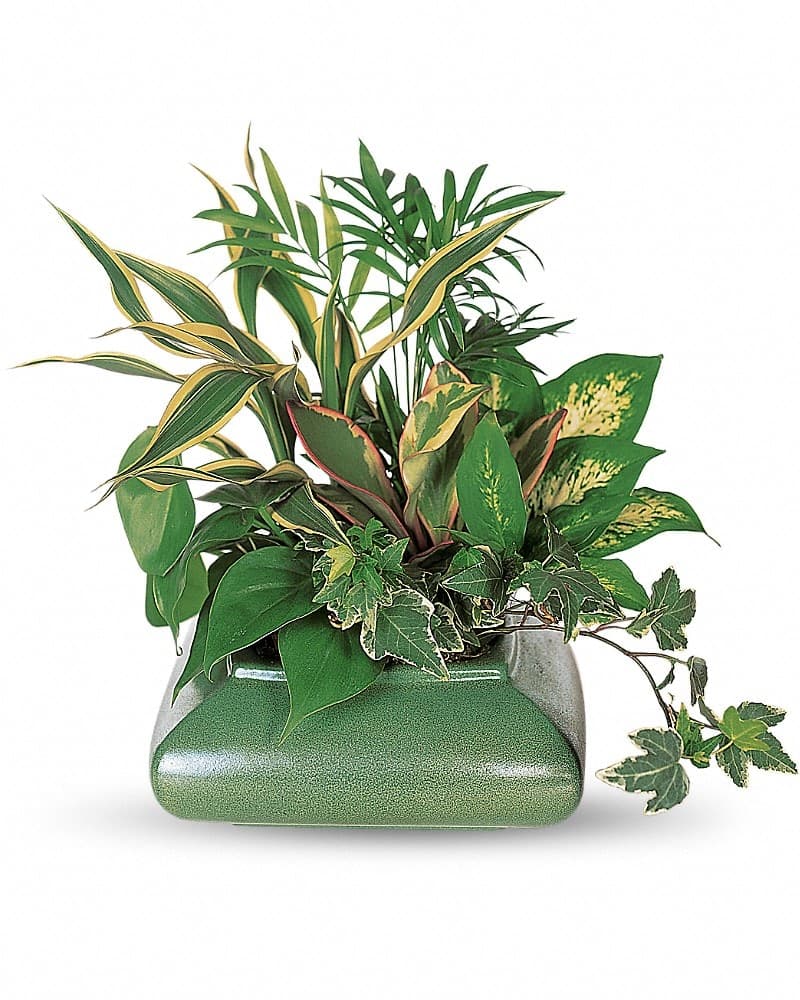
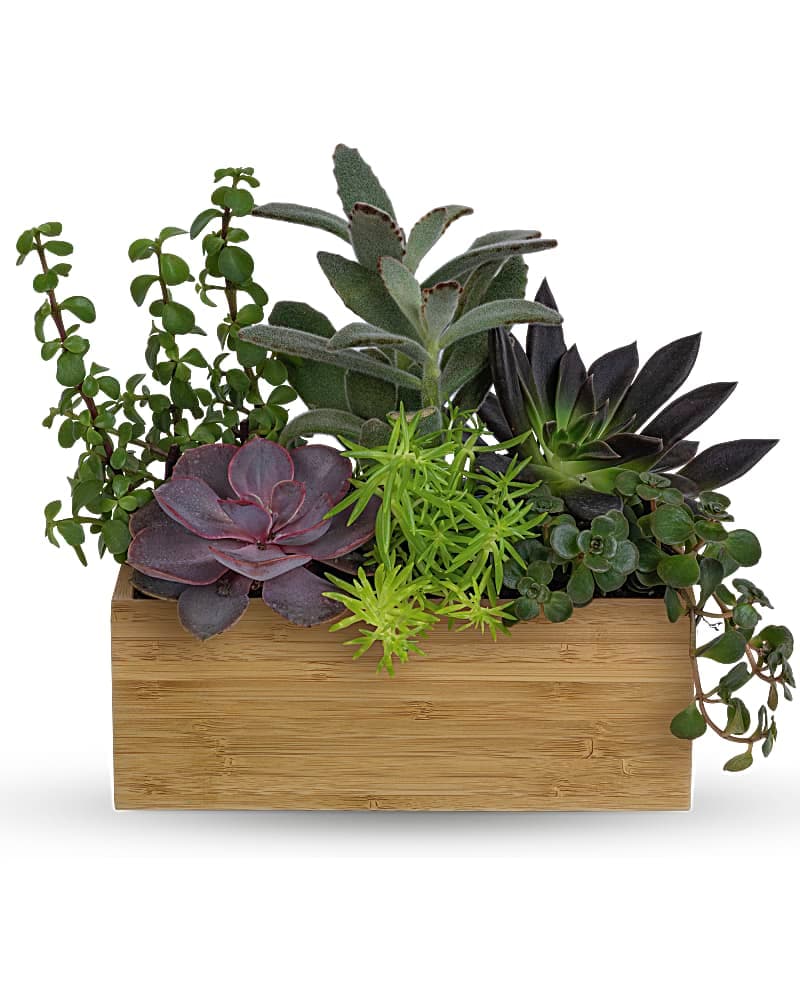
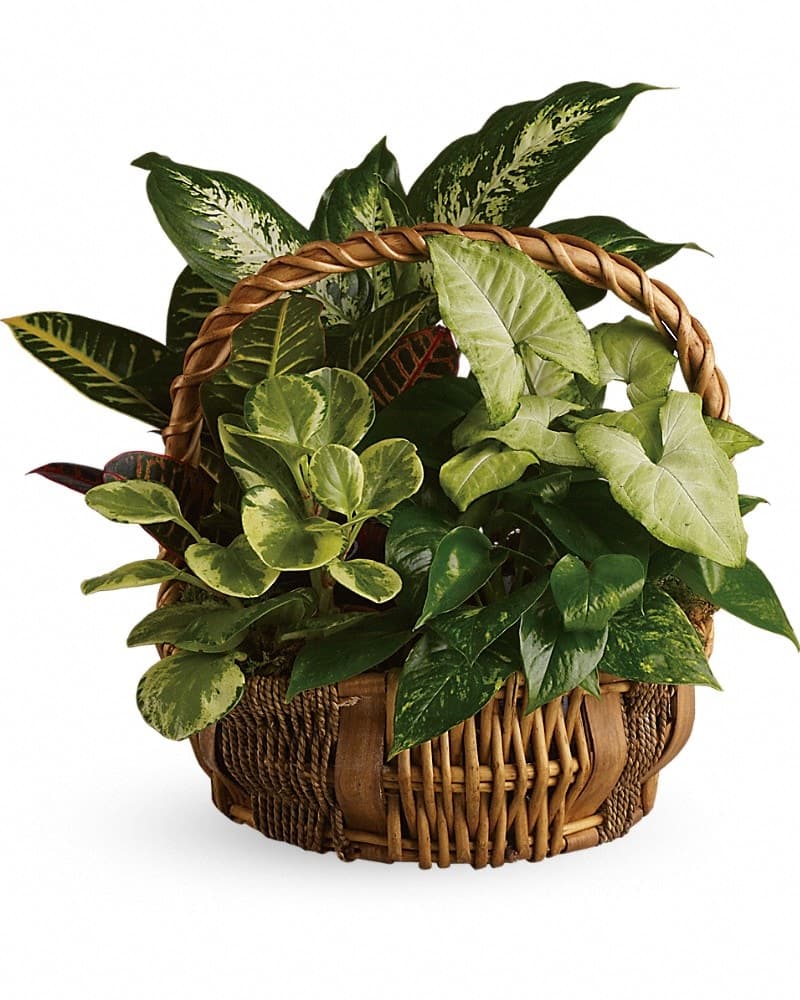
Church services matter as much as chapels here. Duke Chapel on West Campus hosts memorial services for university figures and for Durham families with long Duke ties, and it has its own protocol for what may be placed where — the studio coordinates with the chapel office rather than walking flowers into the nave. The Hayti and Fayetteville Street corridor holds the congregations that carry the largest share of Durham's funerals: White Rock Baptist Church, Mount Vernon Baptist Church, and St. Joseph's AME Church, whose original Hayti building survives as the Hayti Heritage Center. Immaculate Conception Catholic Church on Chapel Hill Street and Holy Cross Catholic Church handle Catholic funeral Masses, where standing sprays and casket work follow the parish's direction and the family often asks that arrangements move from the church to the grave. Three traditions in the county commonly ask for something other than flowers, and we would rather say so than sell you something unwelcome: at Judea Reform Congregation and Beth El Synagogue, flowers are not customary at a Jewish funeral, and the appropriate gesture is a plant or food sent to the shiva house or a donation in the person's memory; Muslim families at Durham's mosques generally hold a prompt janazah without floral tribute, and a meal or a visit to the family home carries more; Hindu families in the Triangle, many of whom gather at the Hindu Society of North Carolina in Morrisville, follow rites where garlands and specific flowers are chosen by the family rather than sent by guests. Ask the family, or ask us, and we will tell you plainly.