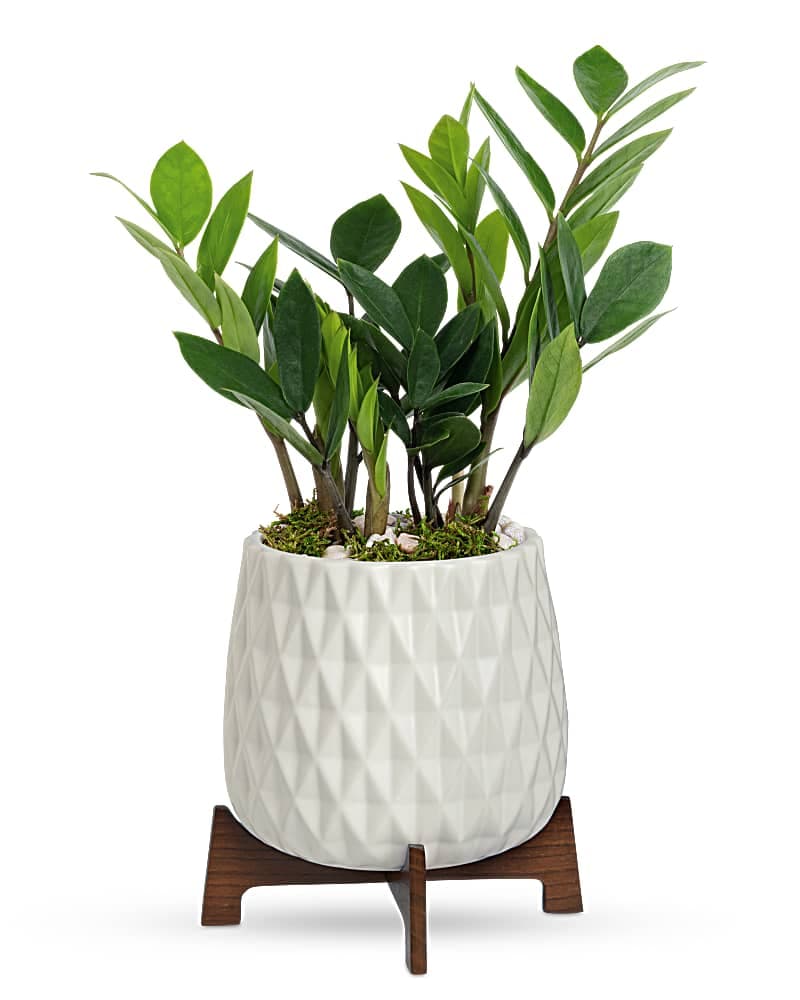
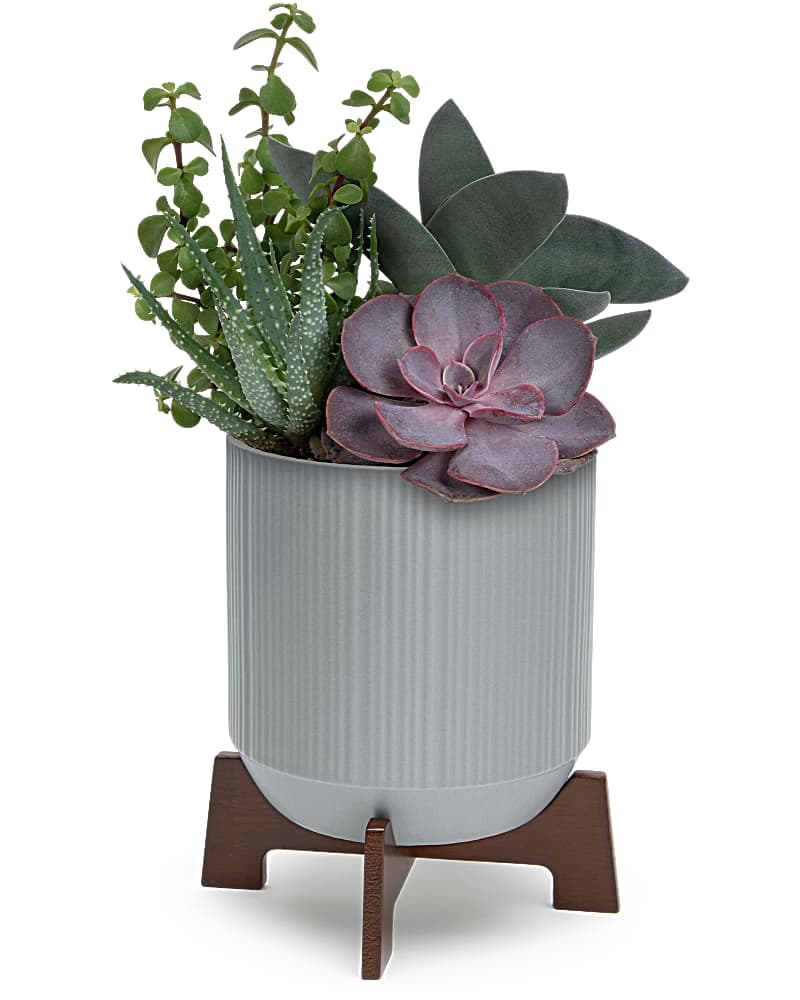
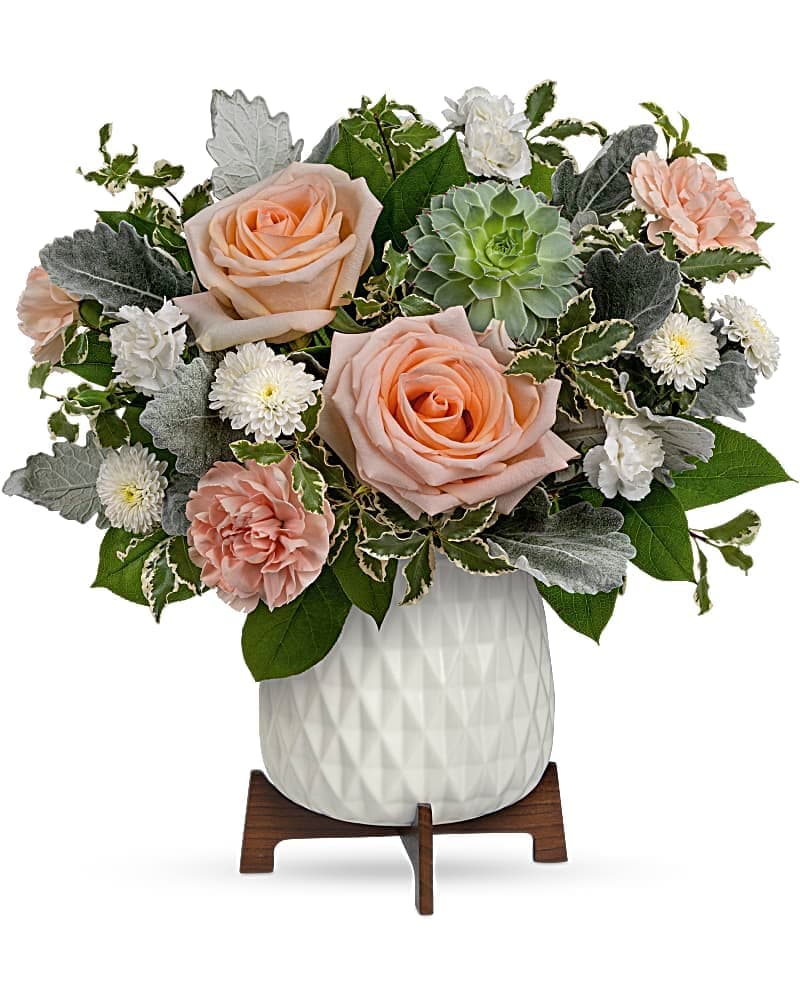
Dublin is one of the few Columbus suburbs with a hospital of its own, and it sits where the delivery map already runs: OhioHealth Dublin Methodist Hospital, on Hospital Drive just off Emerald Parkway in 43016, opened in 2008 and now carries the city's inpatient, surgical and maternity volume. Dublin Springs, the behavioral-health hospital on the same drive, sits beside it — and the two buildings need almost opposite arrangements, which is the whole lesson of this page. A get-well bouquet is not a generic object. Dublin Methodist's medical-surgical rooms have narrow windowsills and a tray table already crowded with a water jug and a phone, so the piece that works is compact, self-supporting and stable in a car. Dublin Springs, like behavioral-health units everywhere, restricts glass, wire, ribbon and anything that can be taken apart, so our default there is a non-glass vessel with no hardware — and if the unit says no flowers at all, the honest answer is to send to the family's house instead of arguing with a policy that exists for a reason. Tell us the patient's full name, the room and the unit. Hospital front desks and nursing stations route by name, and the single most common reason a get-well delivery fails in Dublin is a gift note that says only a first name.
Most recovery does not happen in a hospital, which is why the majority of Dublin get-well deliveries go to houses. After a knee replacement or a cardiac procedure, the patient is home in 43016 or 43017 within days and then spends six weeks in a chair by a window — and that is the room a bouquet actually does work in. Rehabilitation and skilled-nursing stays follow the same logic: those facilities generally accept deliveries at a front desk and hold them for staff to carry in, so give us the facility name, the patient's full name and the room if you have it, and expect a desk handoff rather than a doorstep. Two categories of recipient get forgotten. The first is the caregiver — the spouse driving back and forth to Riverside Methodist twice a day, the adult child who moved into the spare room in Wyandotte Woods for a month. Nobody sends them anything, and they are the person most likely to cry over a bouquet. The second is the long illness. The get-well flowers arrive in week one, en masse, and then nothing comes in month three, which is when the treatment schedule has become routine and the visitors have thinned out. A delivery in April for something that started in January is not late; it is the only one that arrives when the calendar is empty. On care: hospital rooms are warm and dry, so a room arrangement wants its water topped up every day rather than every other day, and the vessel goes home with the patient — one more reason to keep it small enough to fit on a car seat between a discharge folder and a pillow. If you are unsure whether a floor will accept anything at all, order and say so in the notes; the studio will call the unit before it builds.