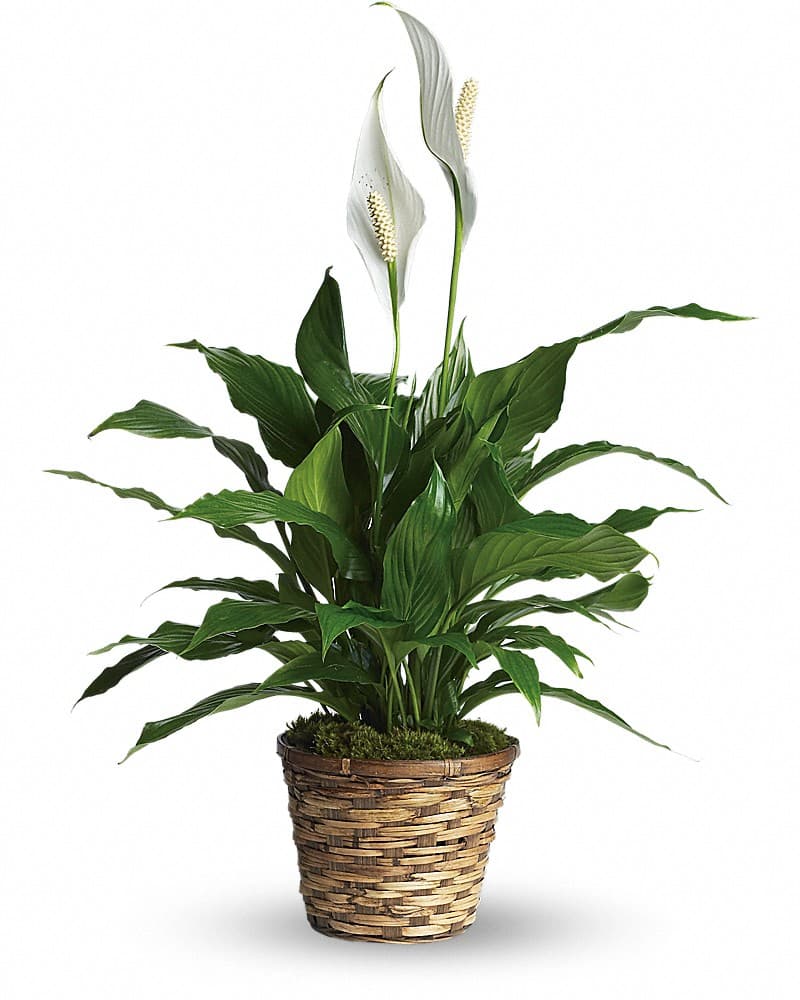
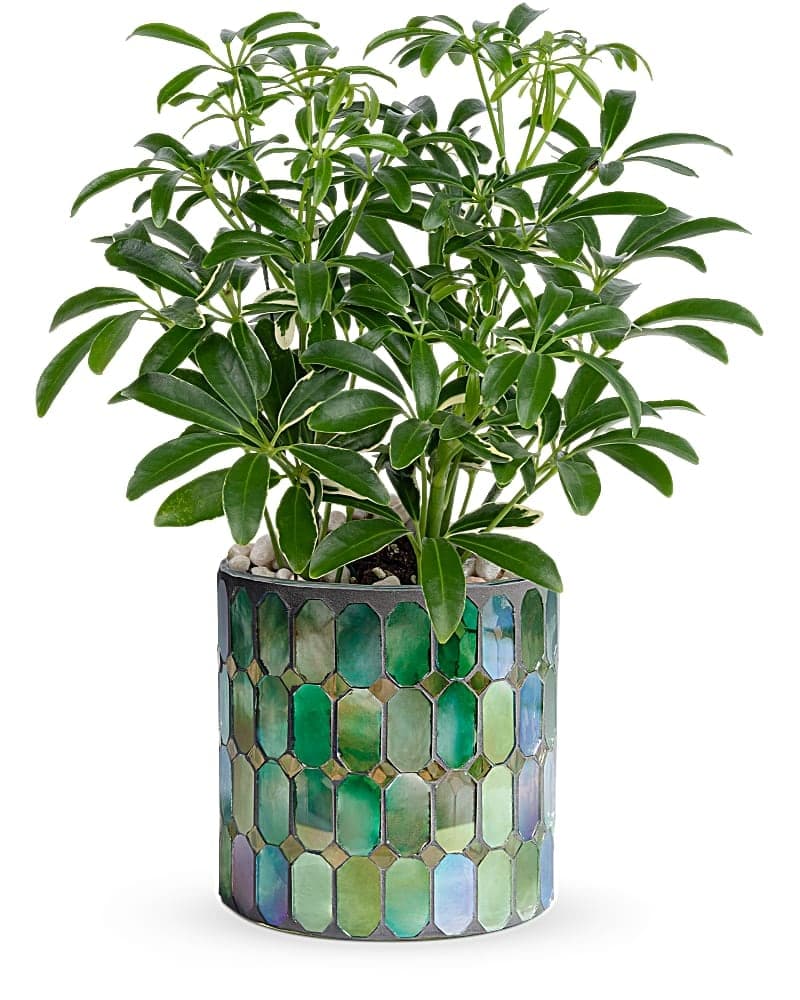
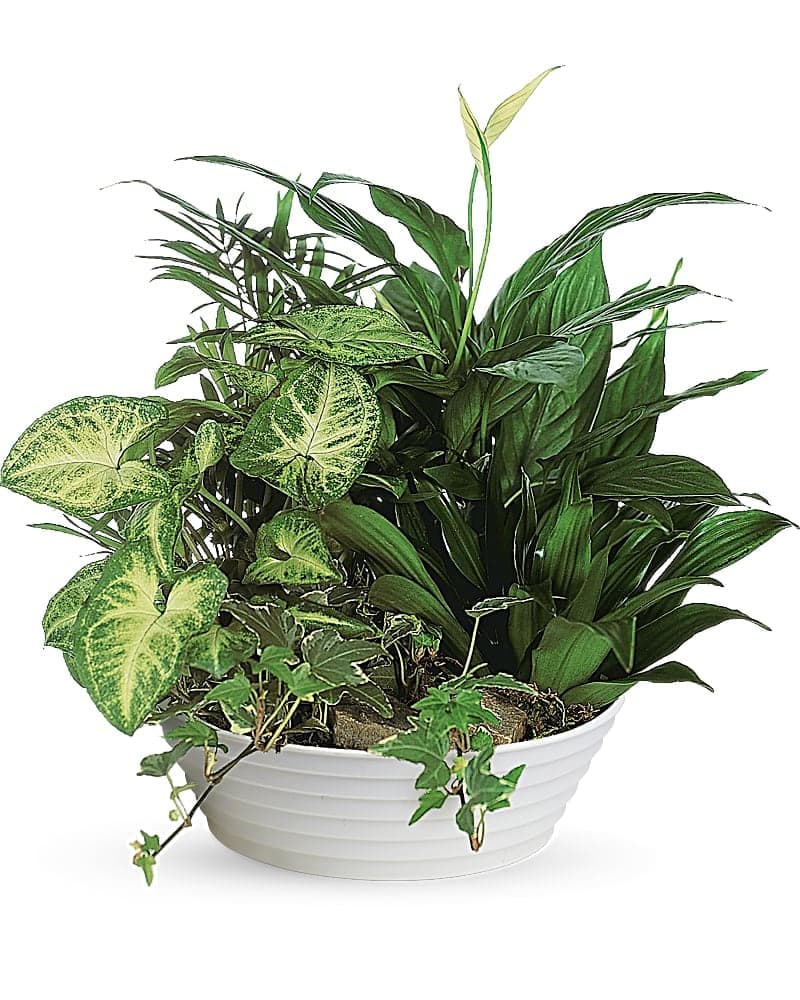
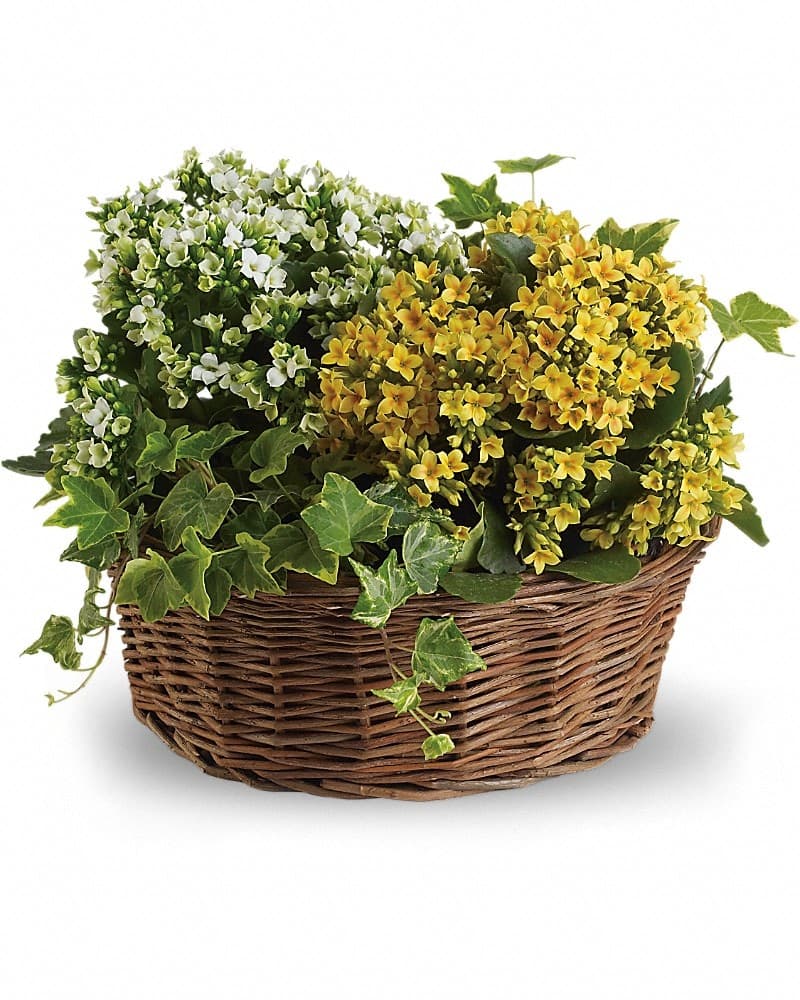
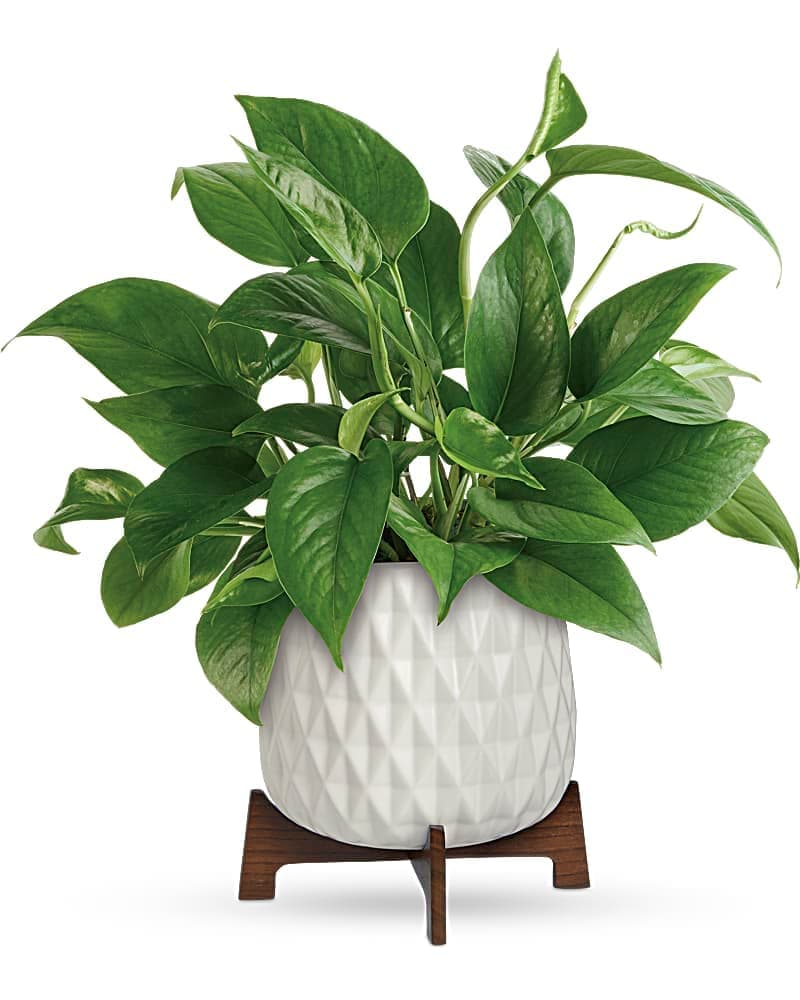
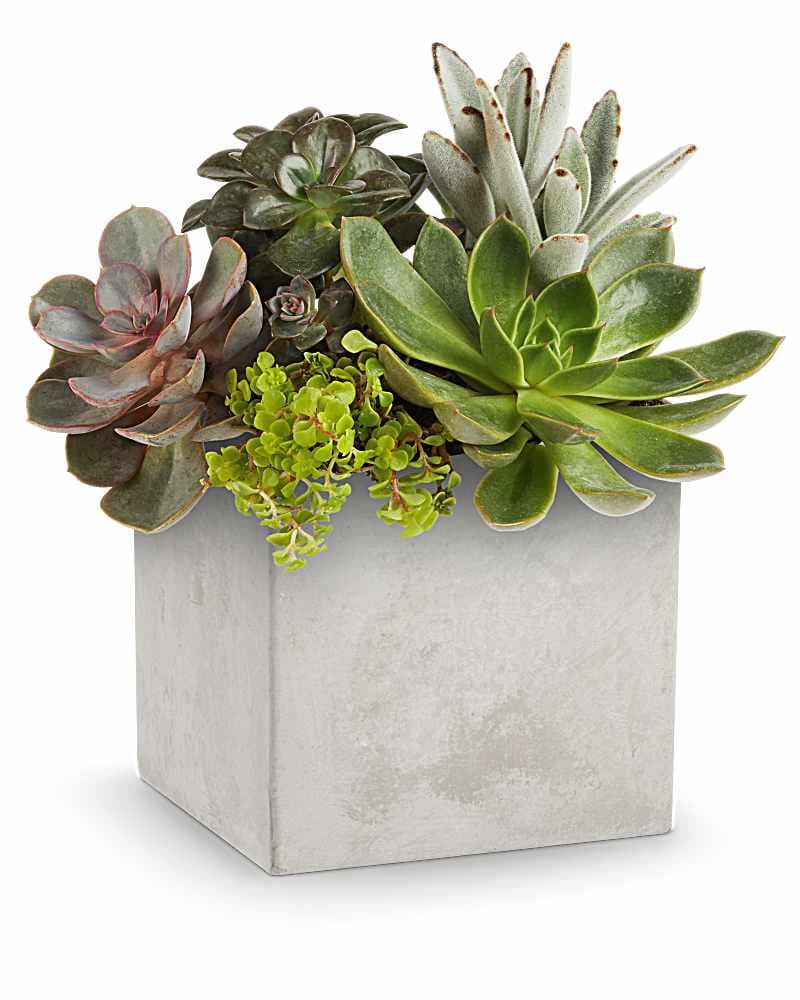
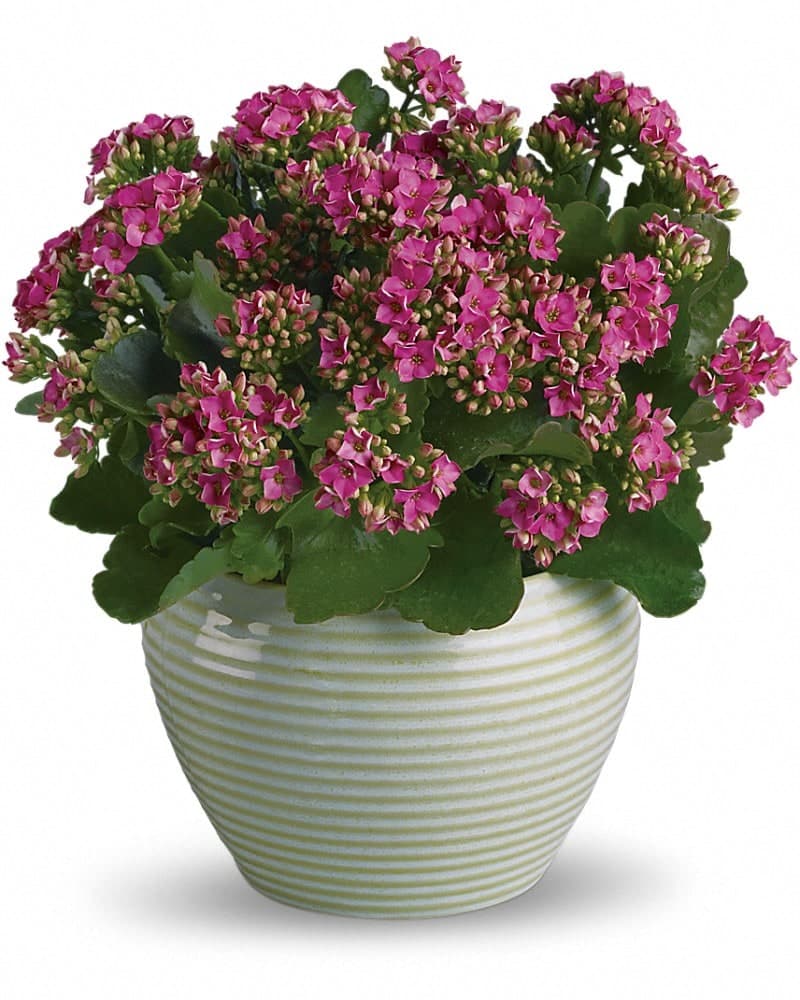
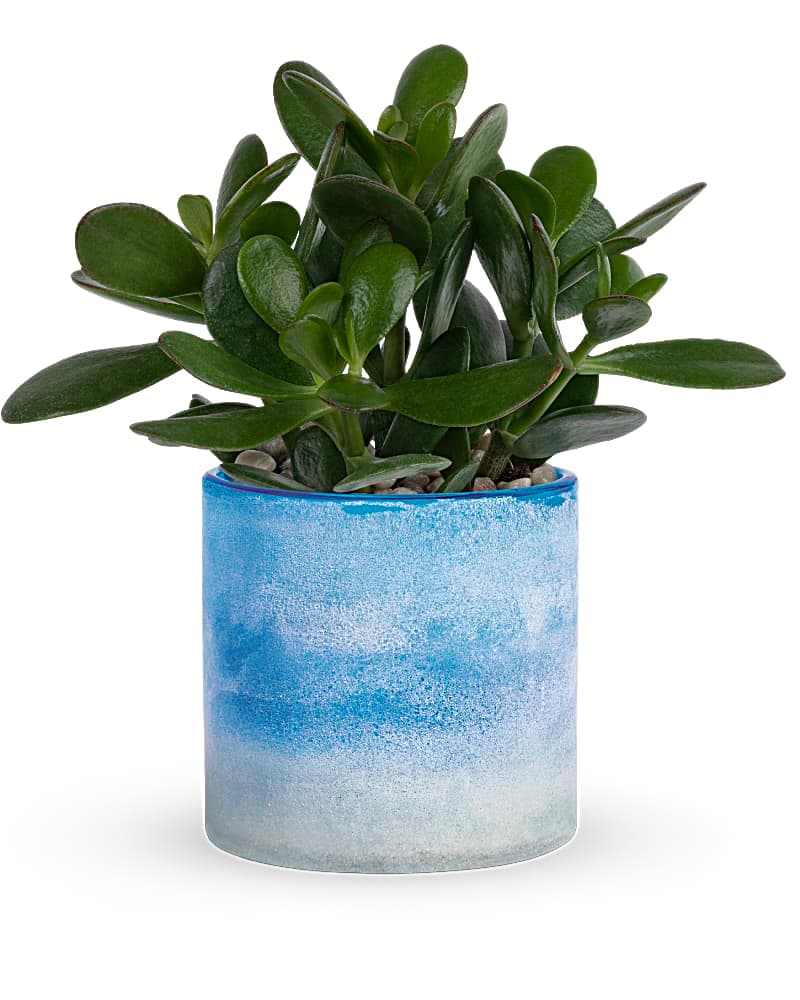
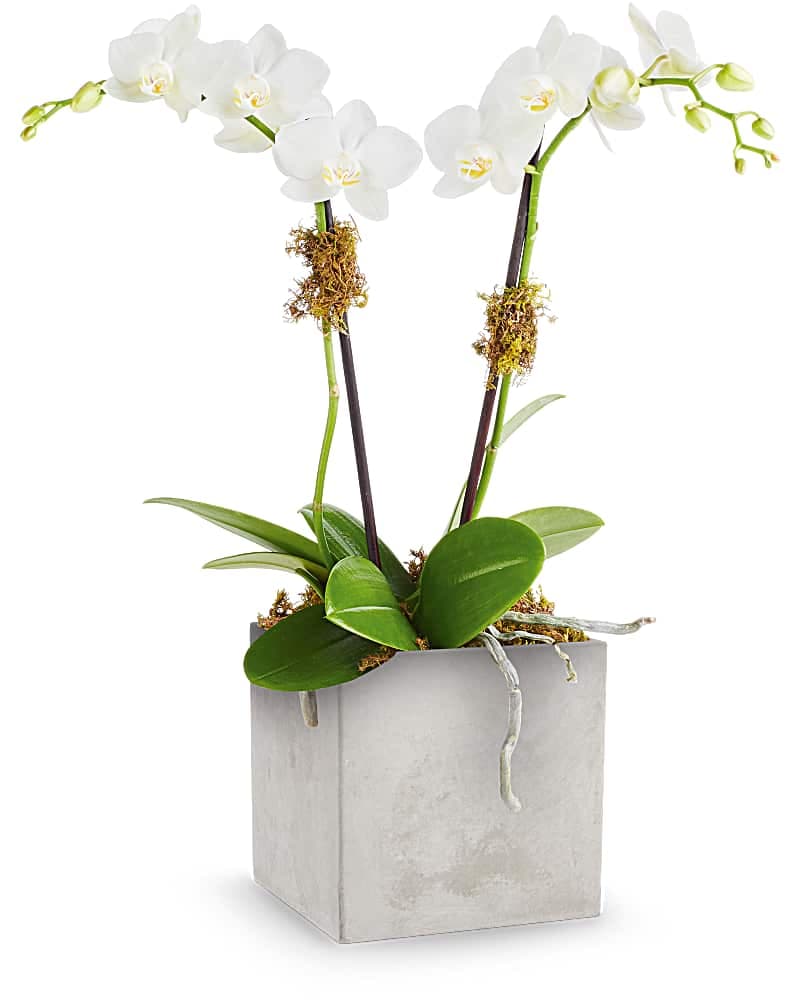
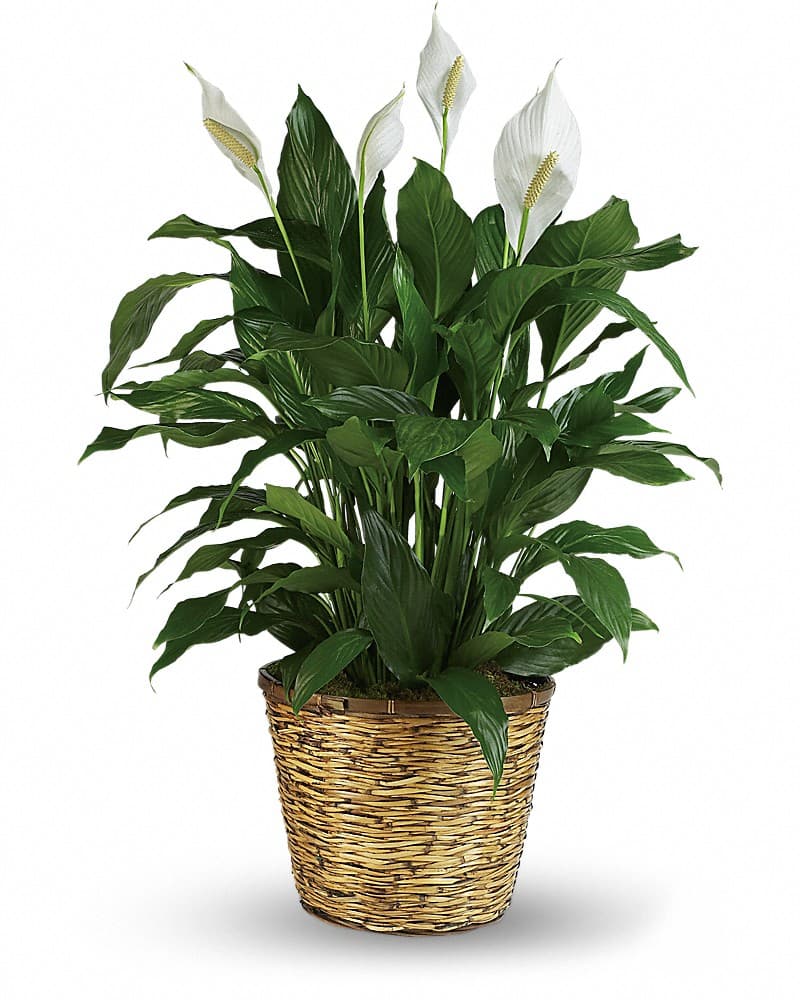
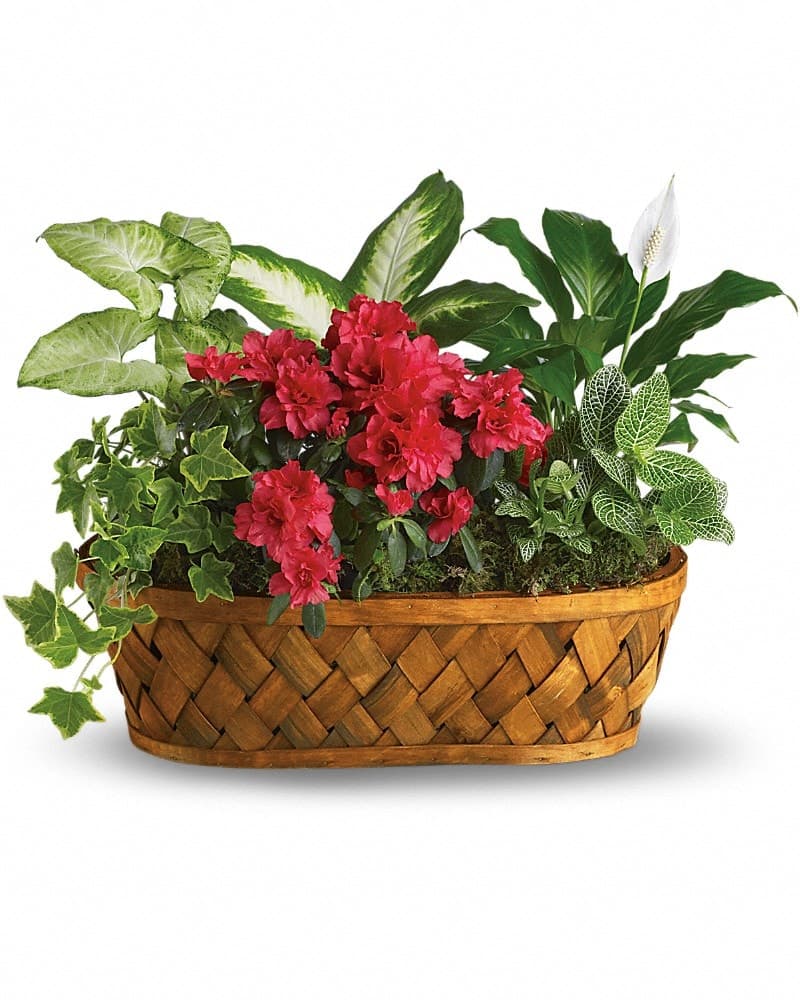
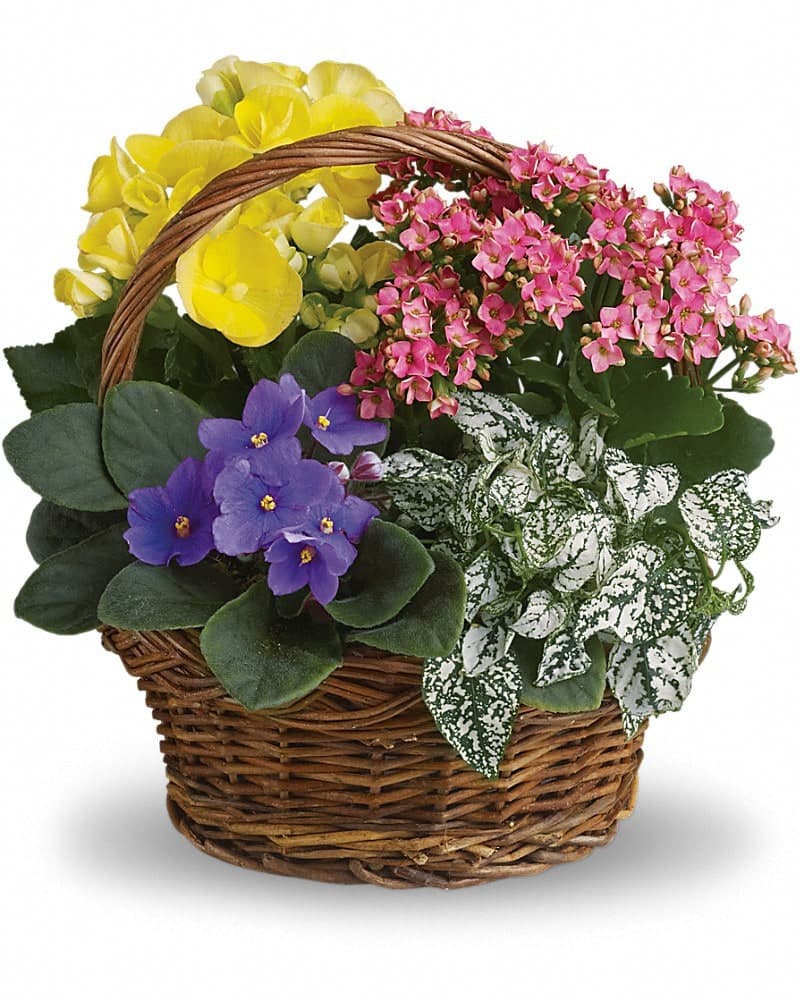
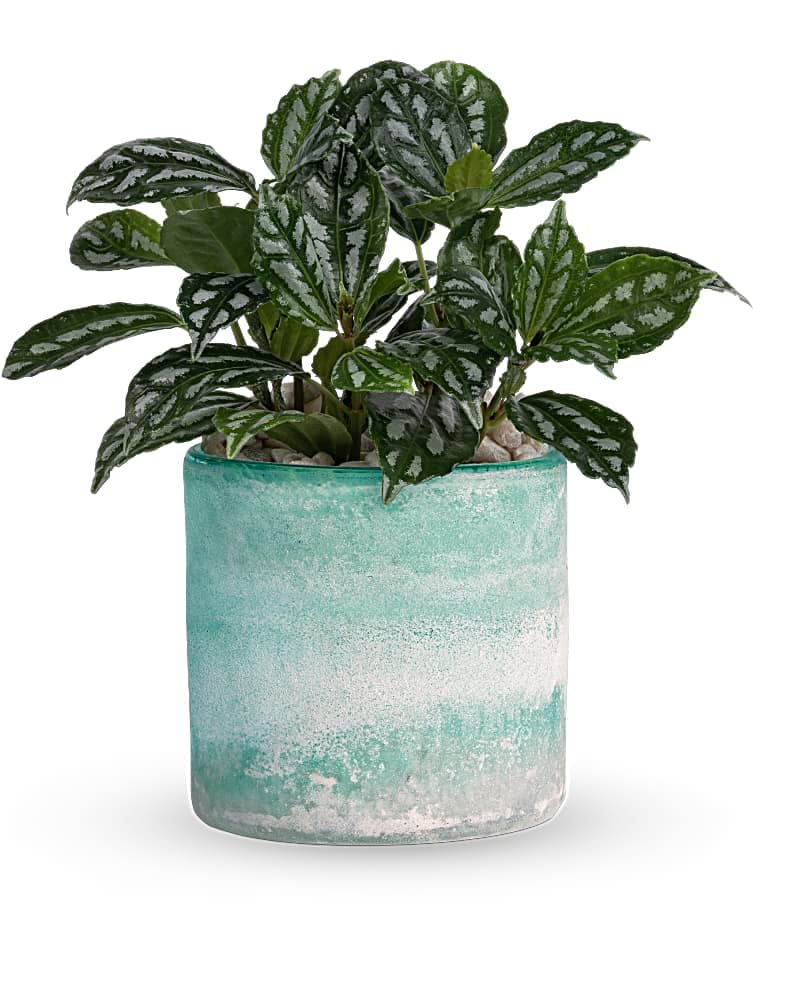
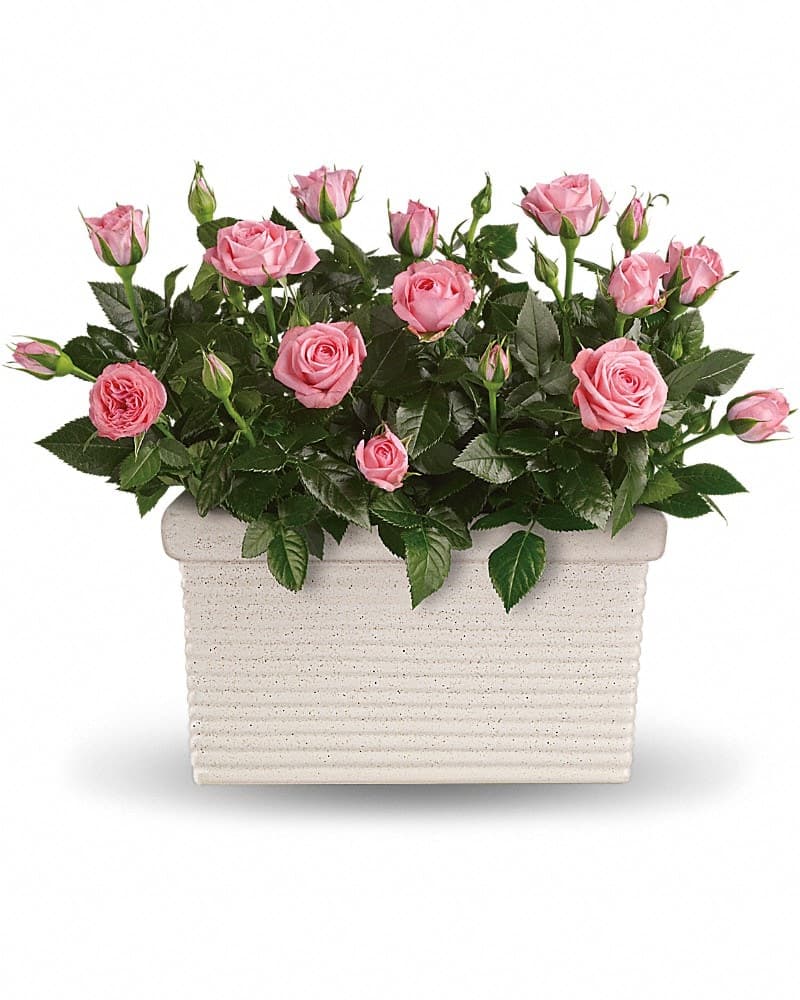
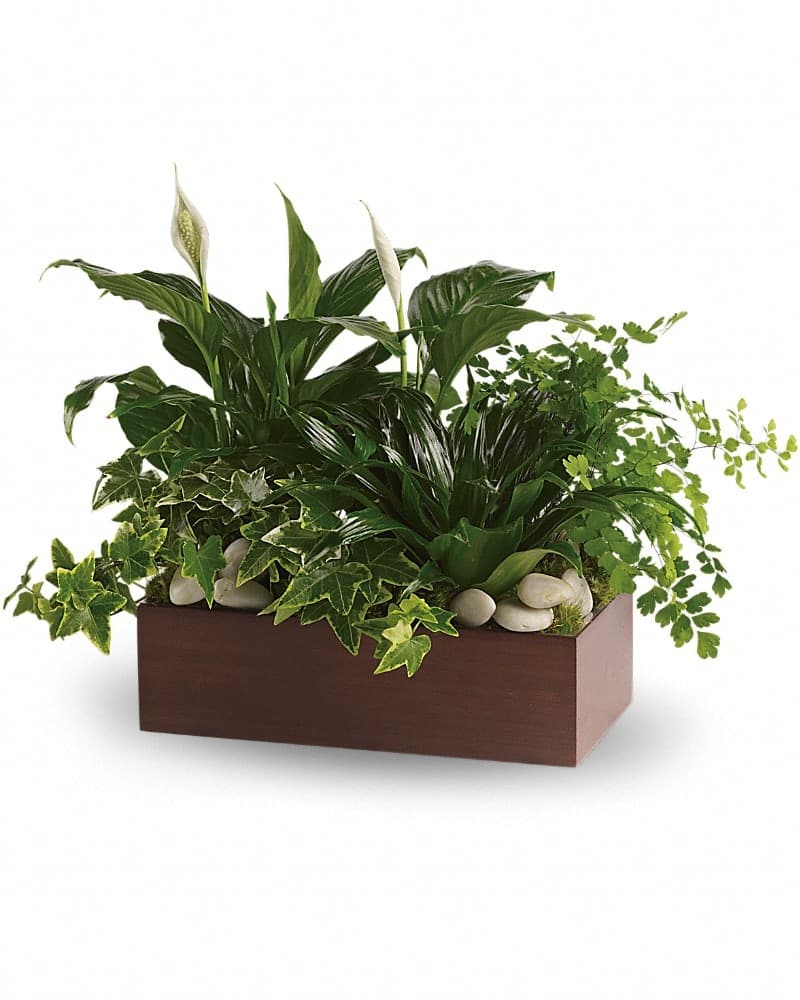
In most American cities the first sympathy question is what to send. In Dearborn the first question is whether to send flowers at all, and answering it honestly is the most useful thing a florist here can do. The 2020 census made Dearborn the first Arab-majority city in the United States, and a large share of the funerals held in this city follow Islamic practice: the janazah prayer, then burial, usually within about a day of death. There is no multi-evening visitation to fill with standing sprays, and floral tributes are generally not the custom — at the Islamic Center of America at 19500 Ford Road, the largest mosque in North America, at the American Moslem Society on Dix in the south end, which has served the Dix and Vernor neighborhood since the 1930s and is among the oldest continuously operating mosques in the country, and at the Karbalaa Islamic Educational Center on Warren Avenue, what arrives for the family is food, coffee and dates, and what is offered instead of flowers is a donation. The condolence gathering afterward runs about three days, often at a hall or at the family home, and that is where a physical gift belongs: a green plant, a fruit or pastry tray, or a standing order of coffee for a house that is receiving fifty people a day. If you are not sure which tradition the family follows, say so on your order. The shop will ask rather than guess, and if the answer is that flowers are not appropriate, we will tell you that instead of selling you an arrangement.
The other half of Dearborn's funeral calendar looks like the rest of Wayne County, and it runs to weekday viewings and Saturday services. Howe-Peterson Funeral Home on Michigan Avenue in west Dearborn, with its second chapel in Taylor, is the long-standing local house and the address most Dearborn Christian families name first. Divine Child Parish on Silvery Lane, with its school and high school on the same block, handles a large share of west Dearborn funeral Masses. St. Sarkis Armenian Apostolic Church on Ford Road serves the city's Armenian community, whose funeral customs welcome floral tributes. Out in the ring the routing is straightforward: Molnar Funeral Homes in Wyandotte and Southgate cover Downriver along the corridor Floral Designs Ofsouthgate already drives from 13354 Dix Toledo Road; Harry J. Will covers Livonia, Redford and Wayne, which is Cardwell Florist and French's Flowers territory on Plymouth and Five Mile; the Detroit services held at James H. Cole Home for Funerals, on West Grand Boulevard since 1919, and at Swanson Funeral Home on West McNichols are quick runs for Detroitunique Flowers on Wyoming Street and Brittani's Flowers on Meyers Road. For Jewish families the names are Ira Kaufman Chapel on West Nine Mile in Southfield — the same road Flowers Byblumz sits on at 522 E Nine Mile in Ferndale — Dorfman Chapel in Farmington Hills, and Hebrew Memorial Chapel in Oak Park.
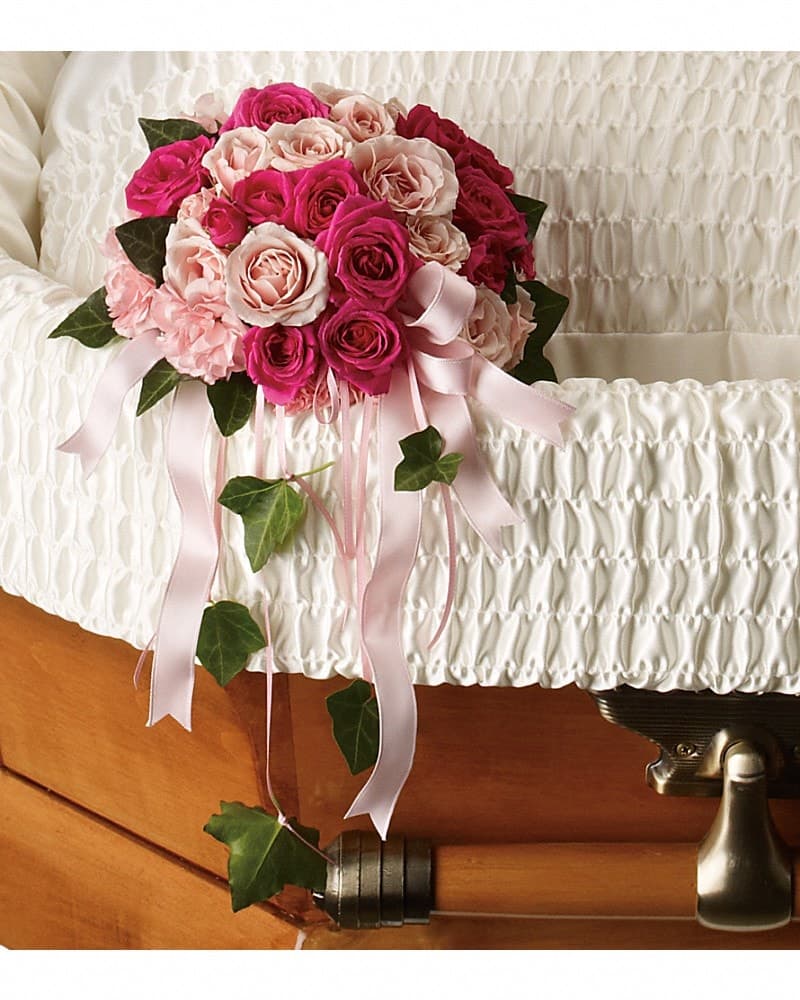
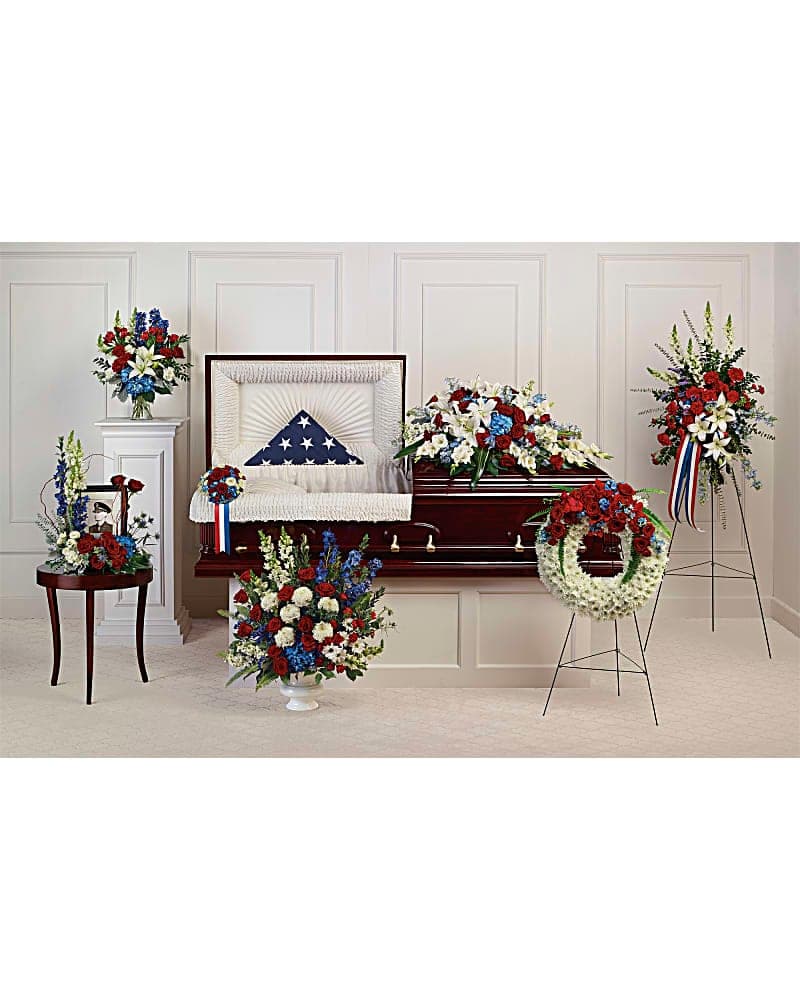
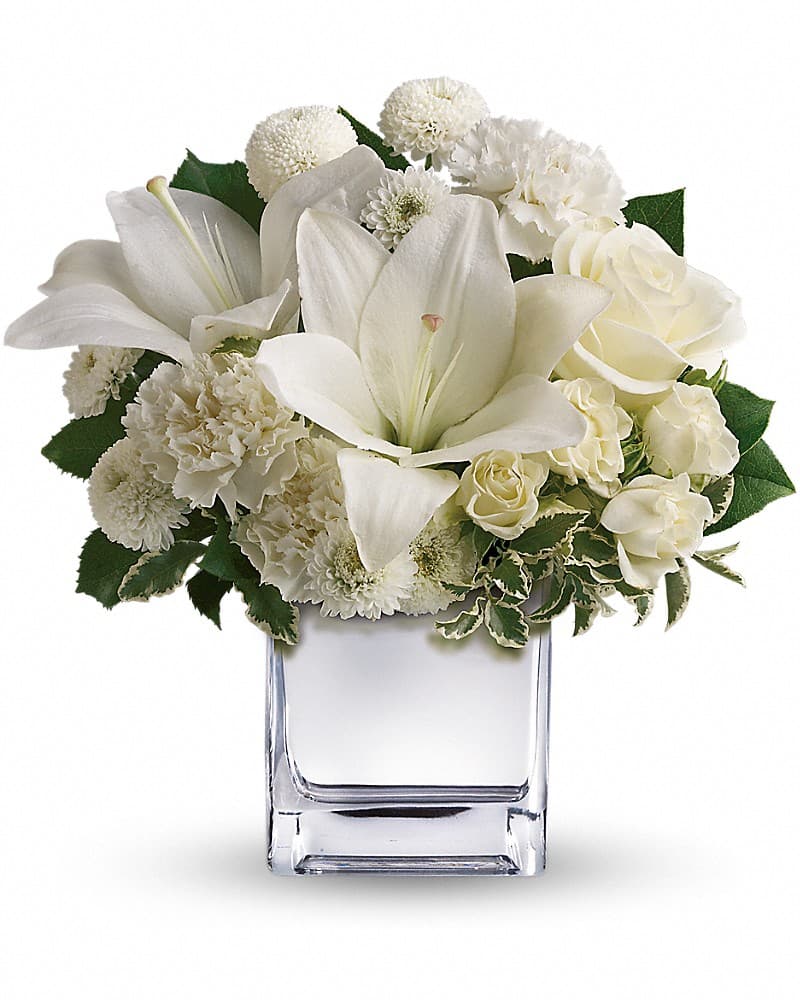
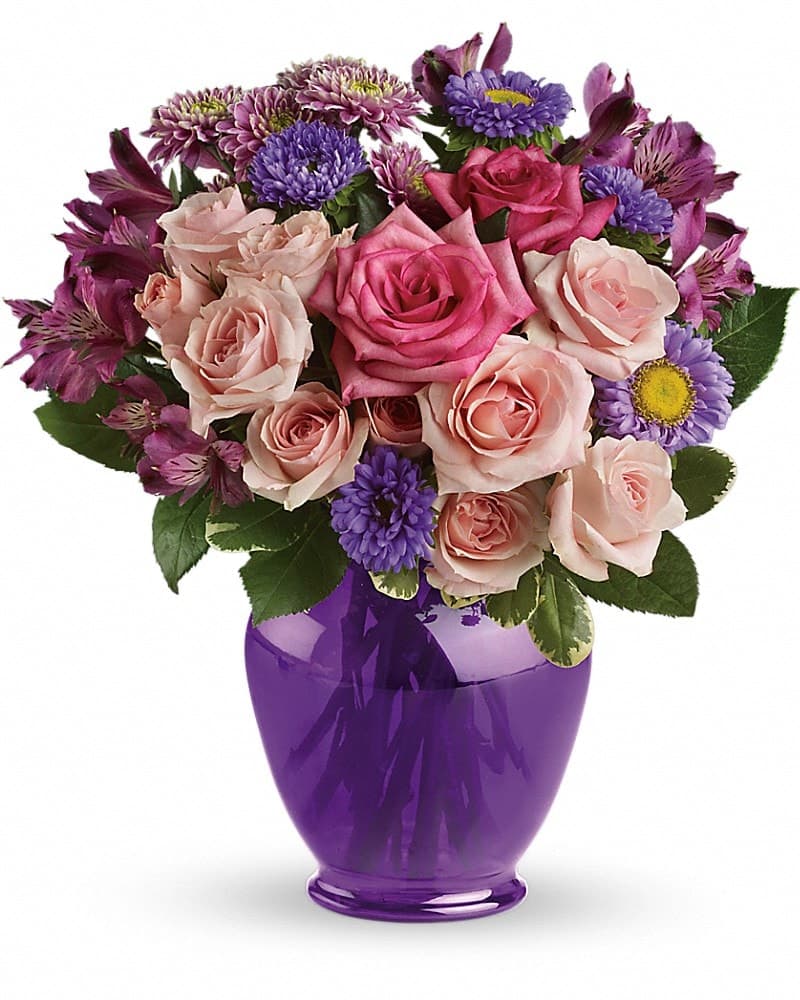
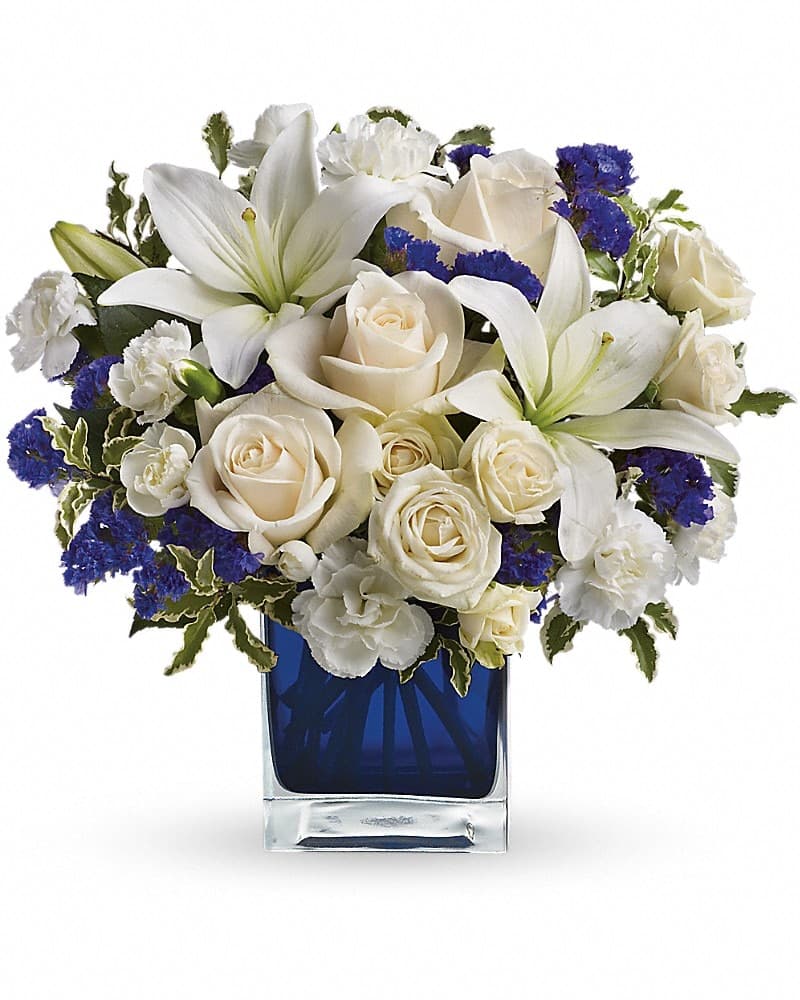
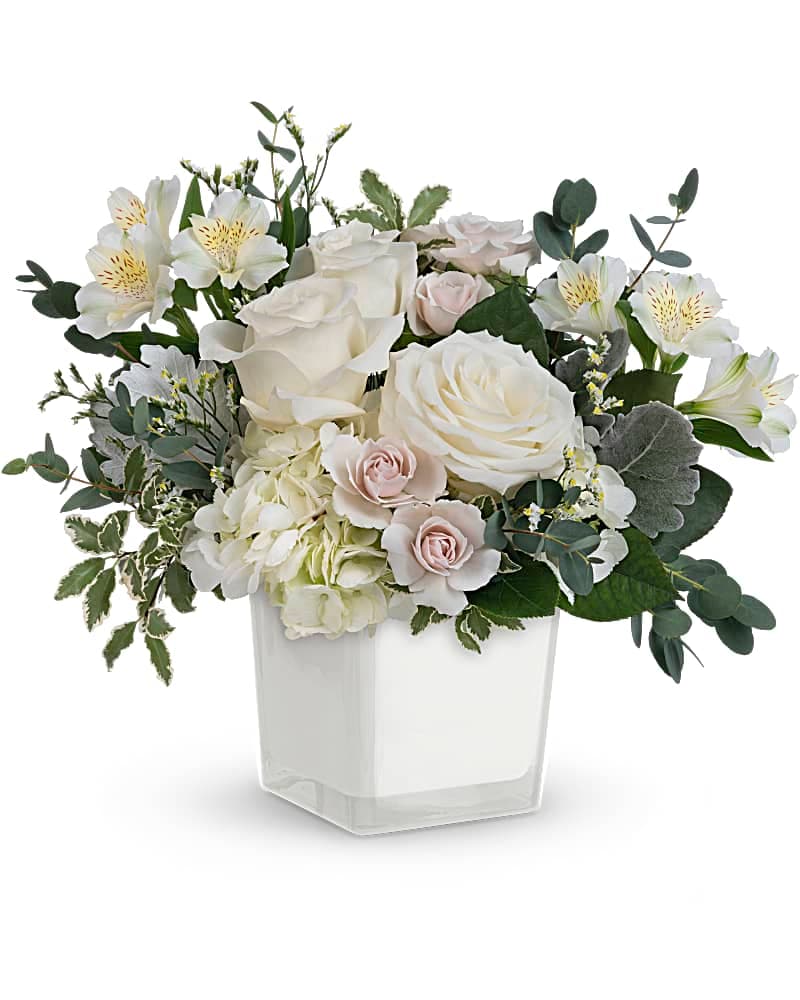
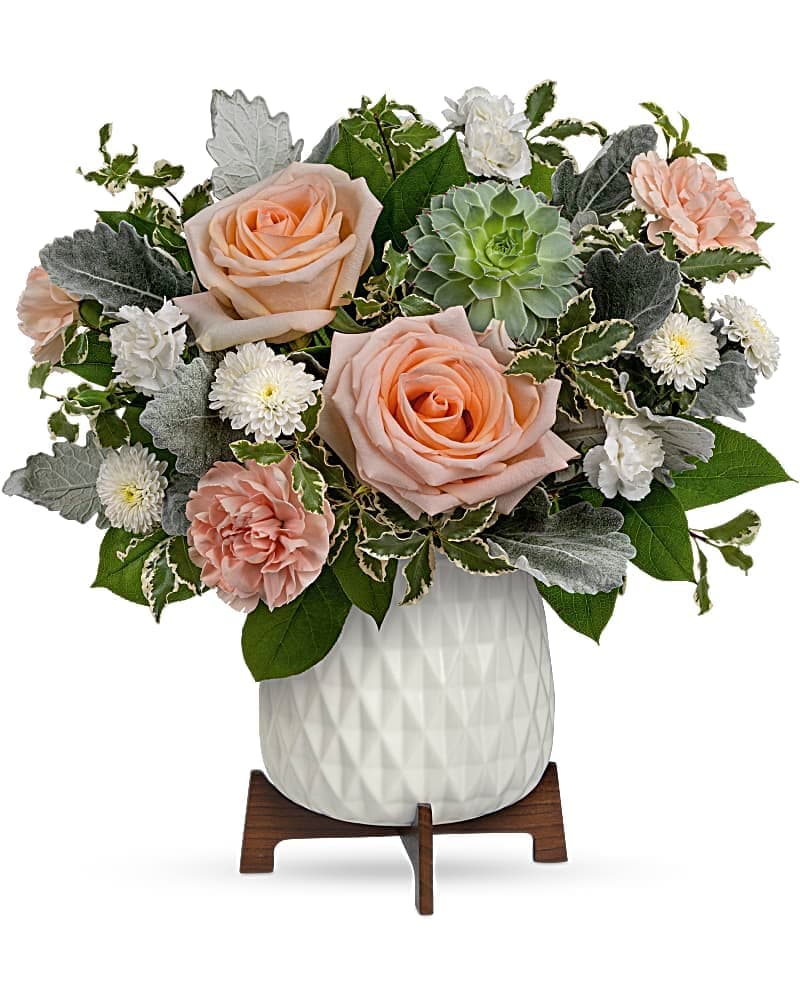
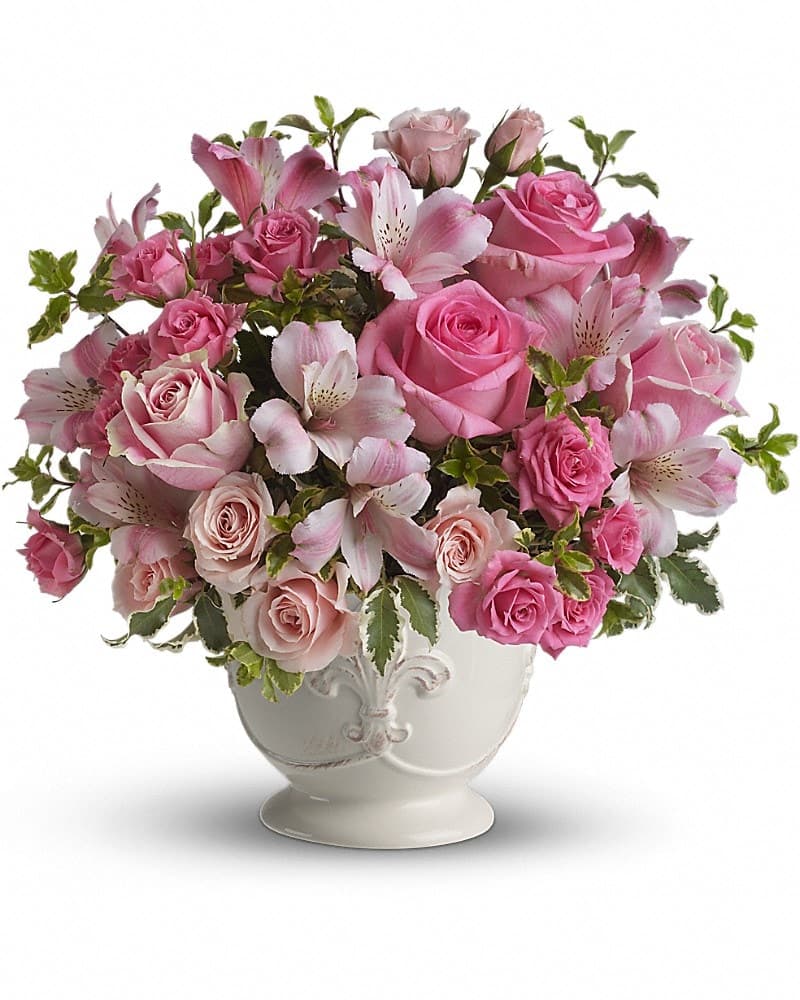
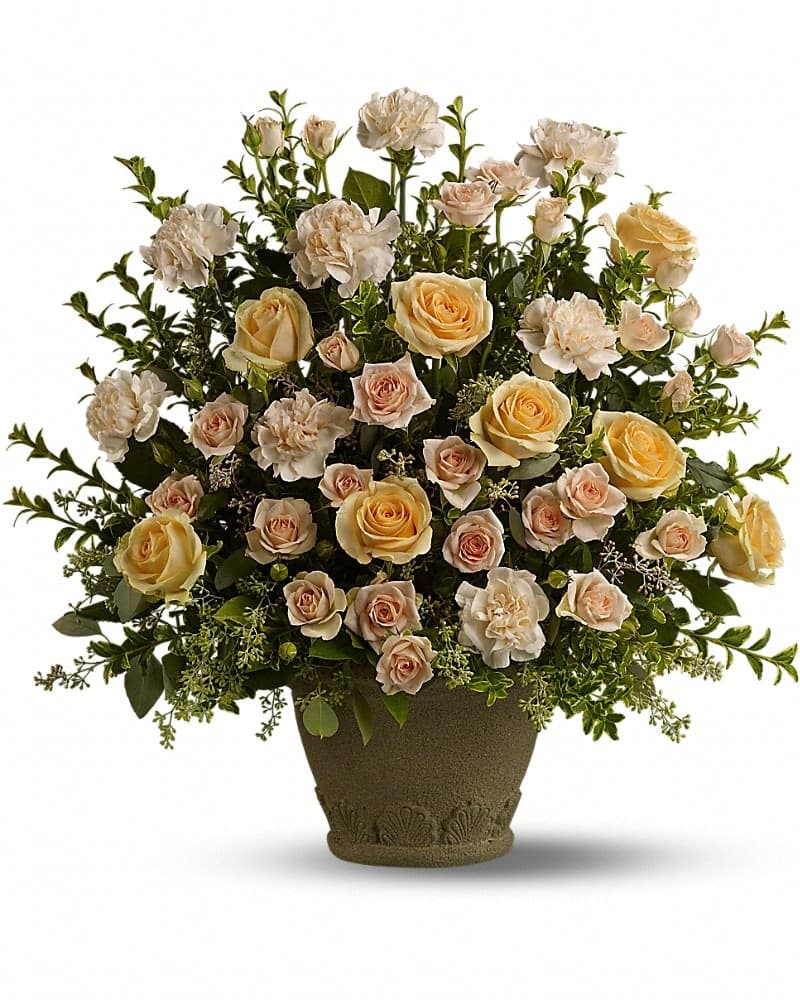
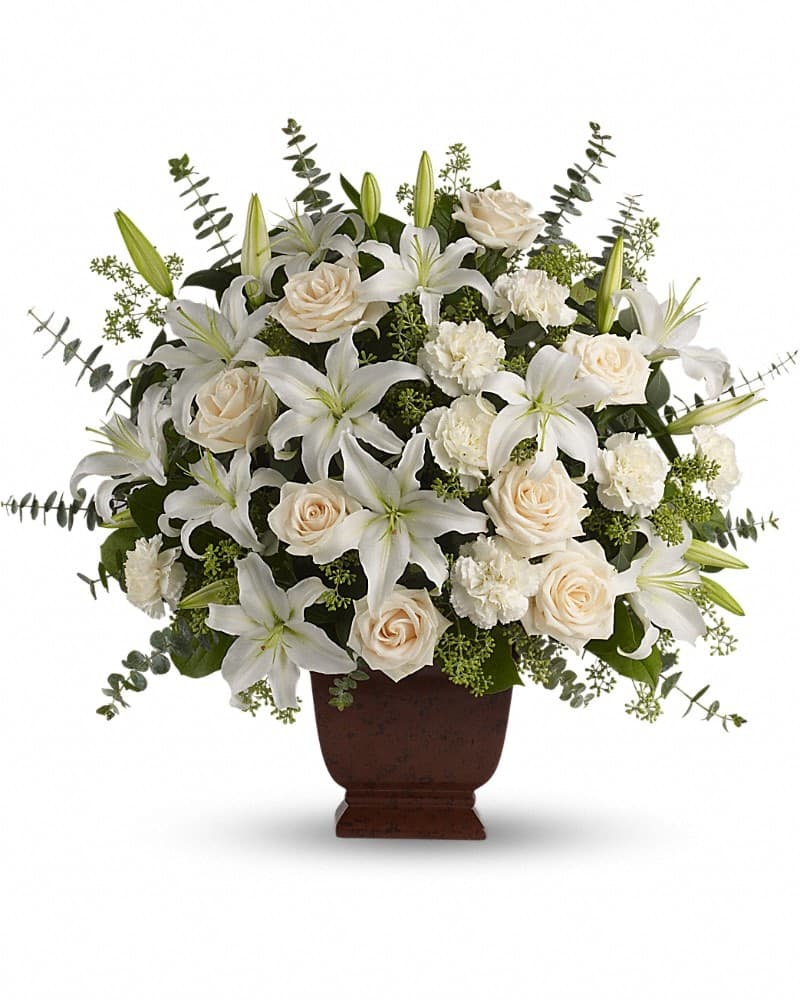
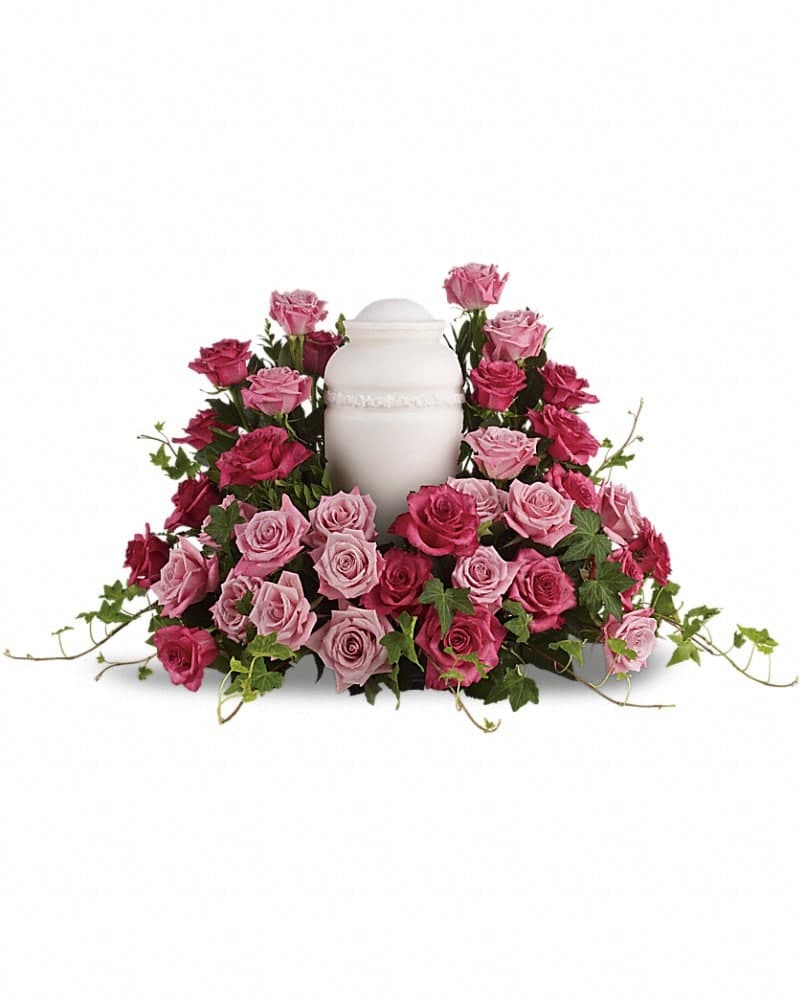
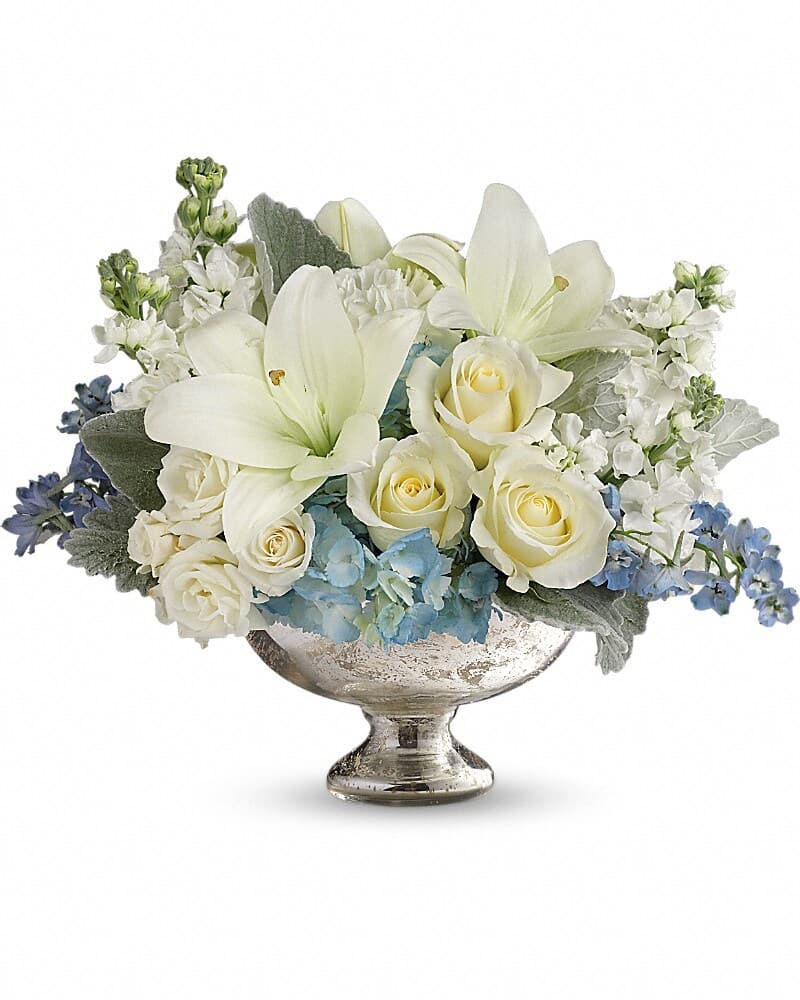
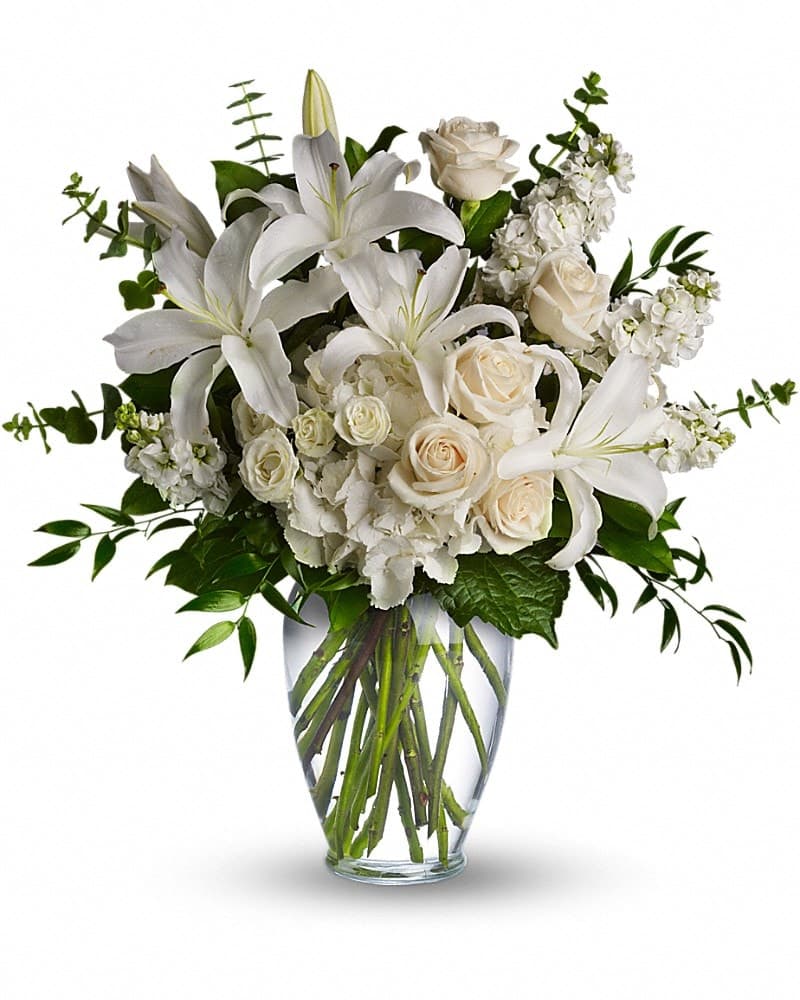
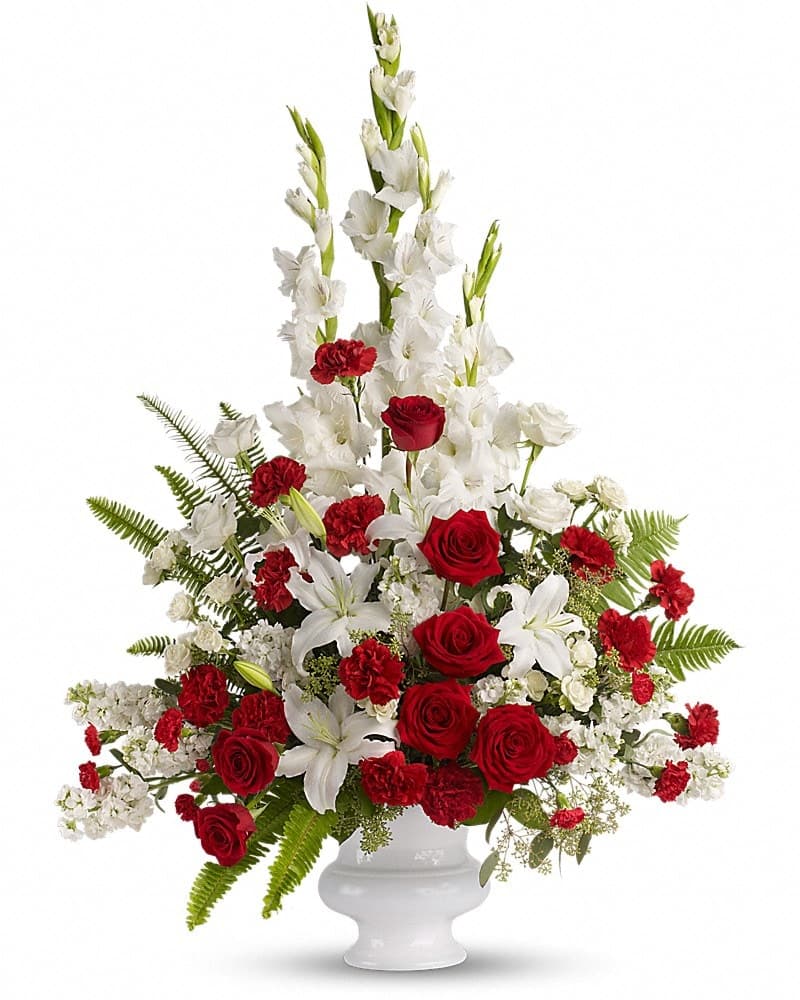
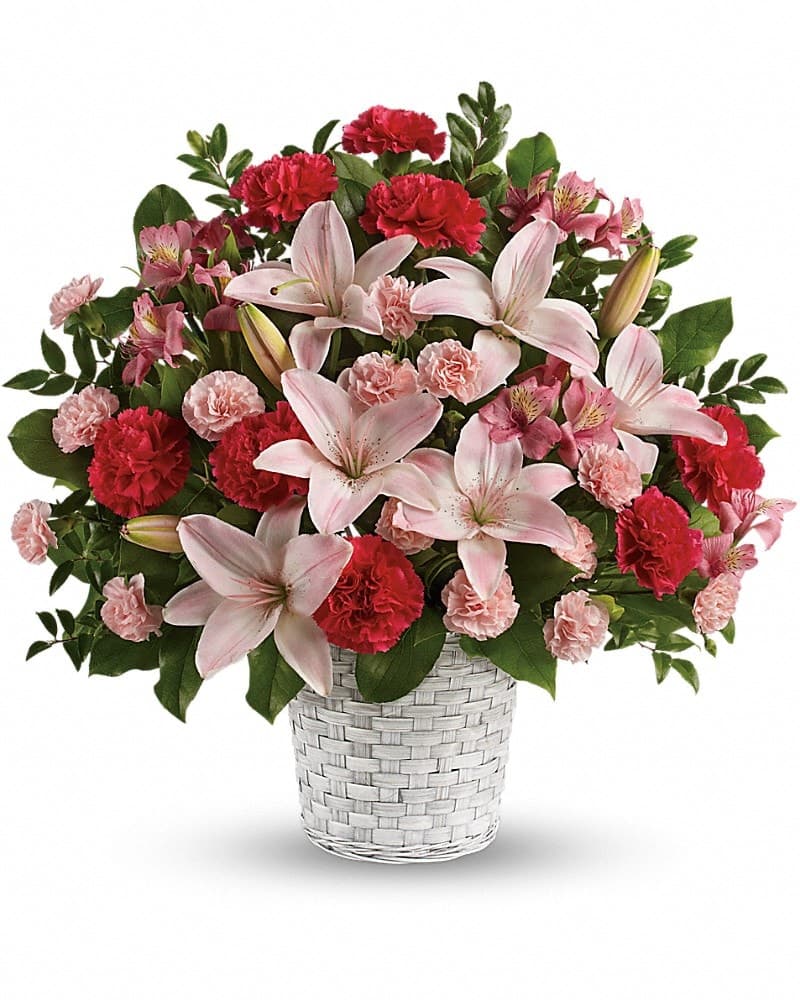
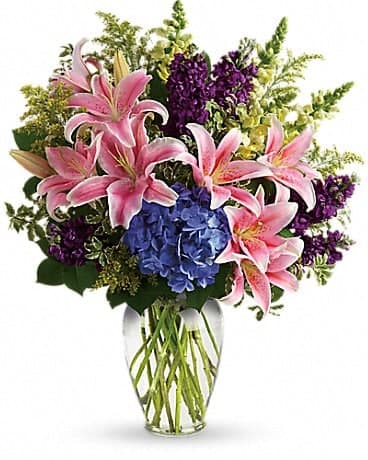
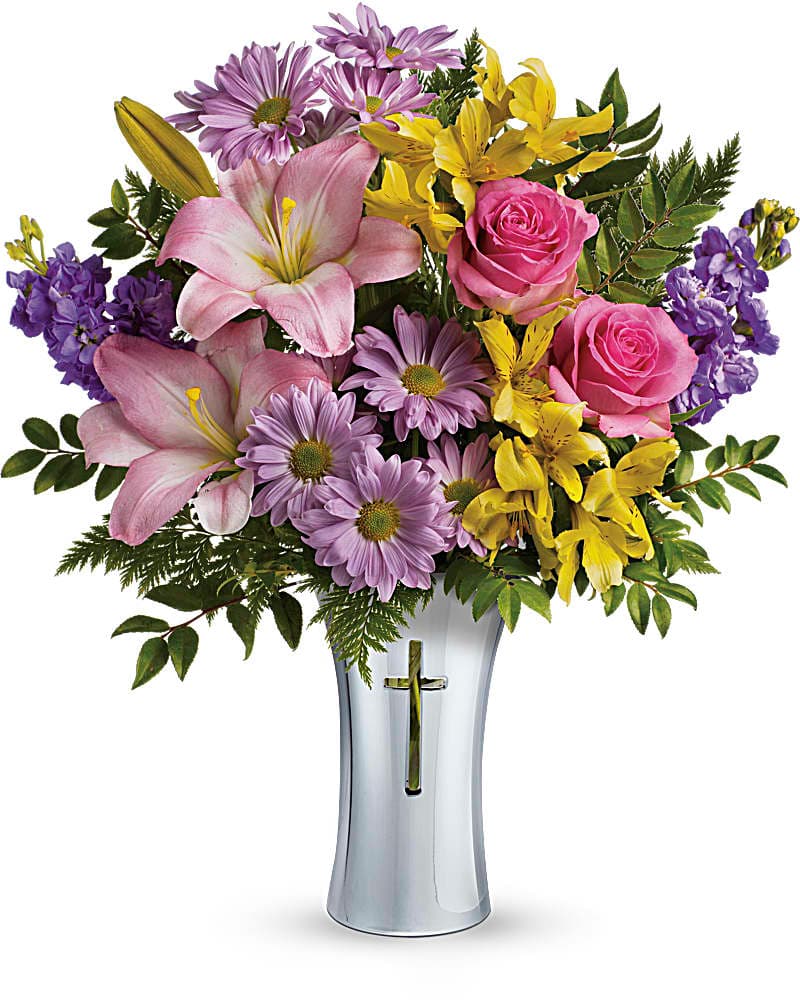
What to send, by tradition, as plainly as we can put it. At a Catholic or Protestant service here, sprays, easel pieces, wreaths and casket work are expected, and the director places them; none of those appear in the price band on this page, because each is cut to the size of the room and the casket and priced when you ask. For an Armenian Apostolic family — St. Sarkis on Ford Road — or an Orthodox Christian one, floral tributes are welcome and the design vocabulary sits close to the Catholic one. For a Jewish family, the chapel and the grave are not where flowers belong: the traditional gesture is a donation, and the physical one that works is a plant or a fruit basket carried to the shiva house during the week of mourning. One call to Ira Kaufman, Dorfman or Hebrew Memorial settles what the family would rather have. For a Muslim family here — the city, the Heights, the south end — the burial will very likely be finished before any arrangement could reach it, and what the household actually needs is food through the condolence days and a green plant once the visitors thin out. None of this is our invention; it is what the chapels and the mosques on this grid say themselves, and it is the whole difference between a gift that comforts a family and one that quietly embarrasses them.