Dearborn's main hospital has changed its name three times in a generation and not moved an inch, which is worth knowing before you type an address. The 600-bed campus on Oakwood Boulevard is Corewell Health Dearborn Hospital today; it spent years as Beaumont Hospital, Dearborn, and before that it was Oakwood Hospital, which is still what most people in this city call it out loud. Put the current name on the delivery and you are fine; if a family member tells you the patient is "at Oakwood," that is the same building, a mile and a half from the 48126 centroid and across the boulevard from The Henry Ford museum campus. The city's second medical address is Henry Ford Medical Center-Fairlane on Hubbard Drive, and it is a different kind of place: an outpatient and specialty center rather than an inpatient hospital, so there is no room to deliver to. An infusion or imaging appointment there lasts a few hours and ends with the patient driving home — flowers for someone being treated at Fairlane go to the house, not to the center. Getting that one distinction right saves more failed get-well deliveries in Dearborn than every floor rule combined.
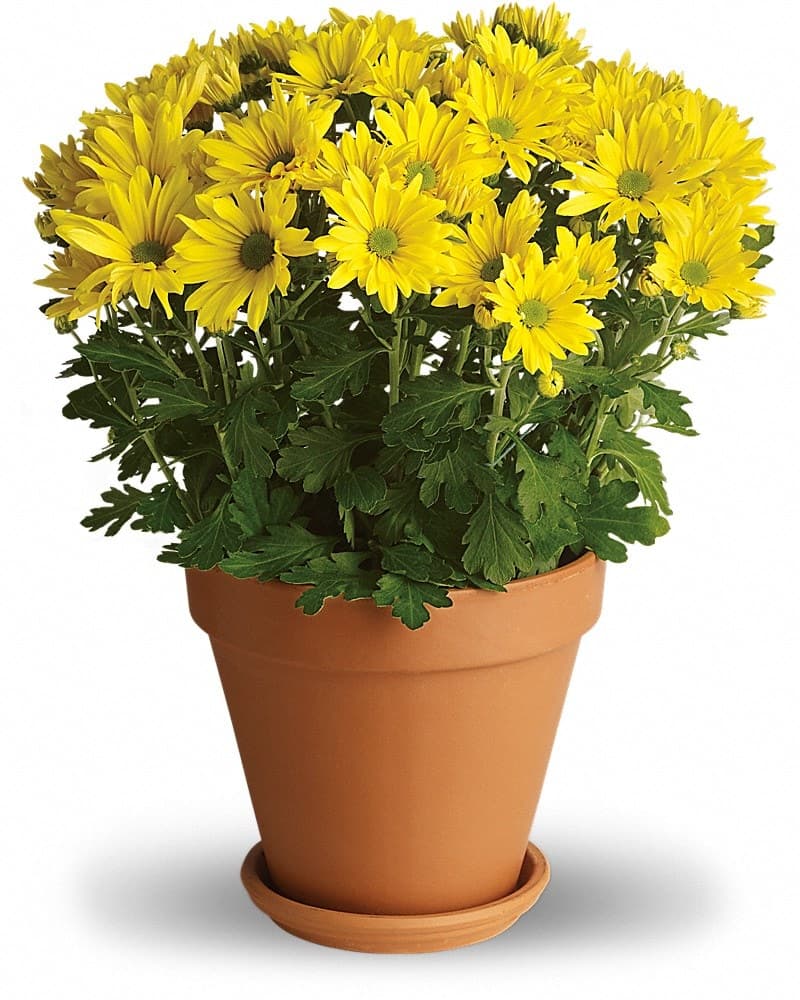
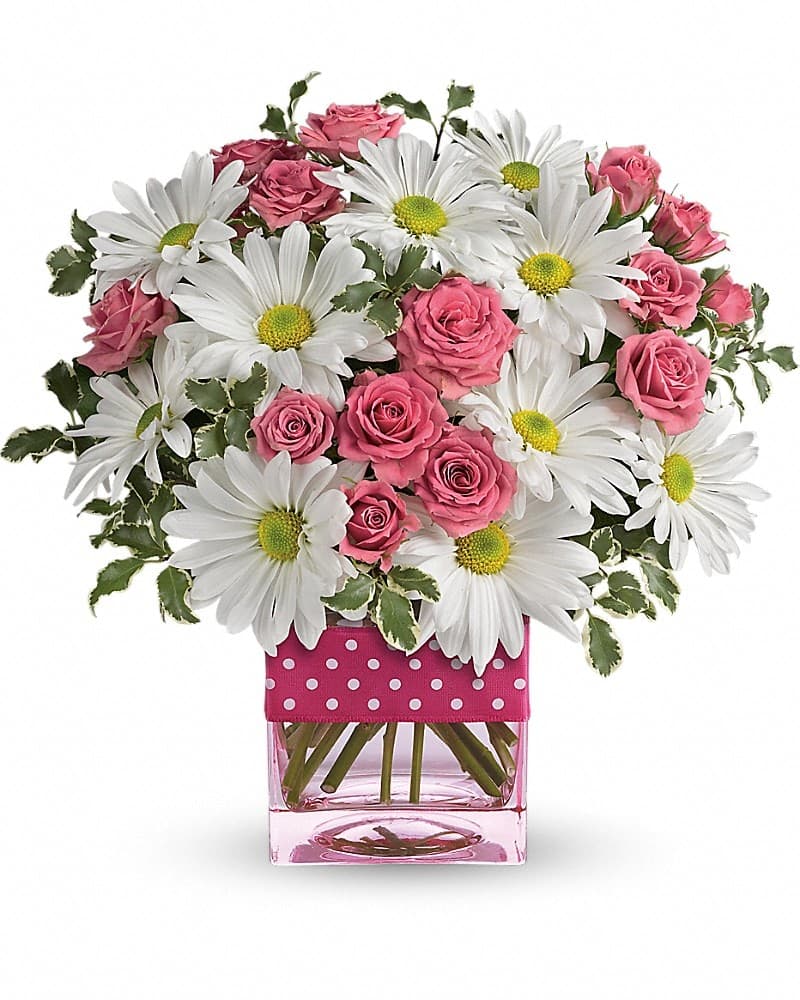
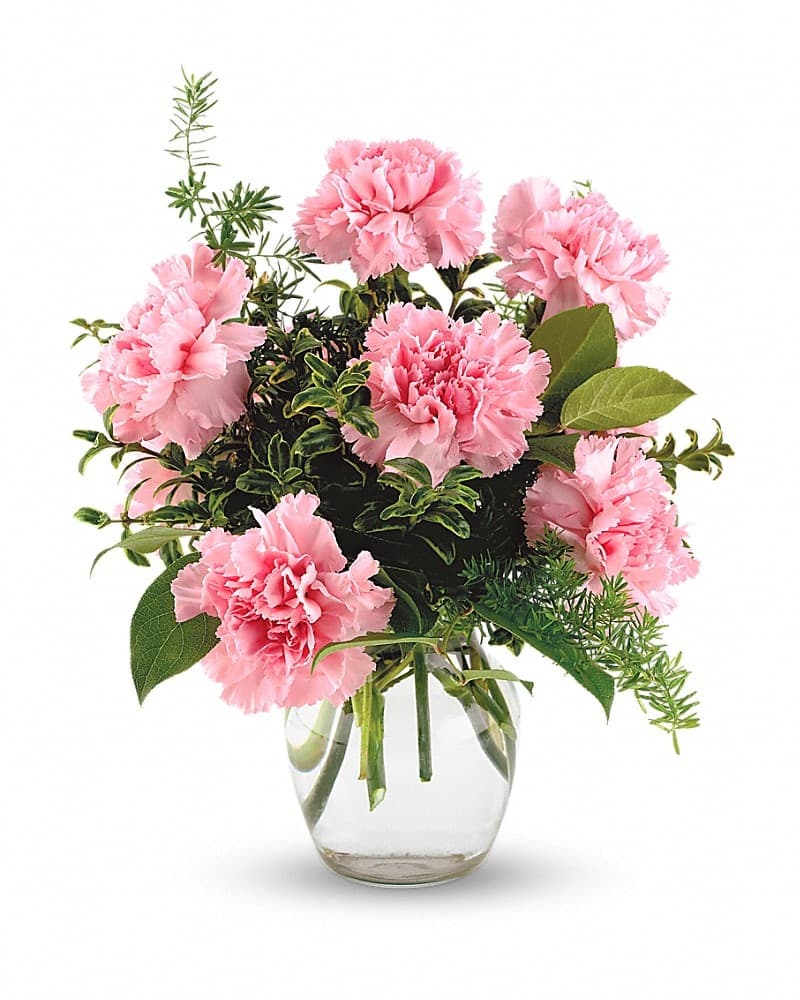
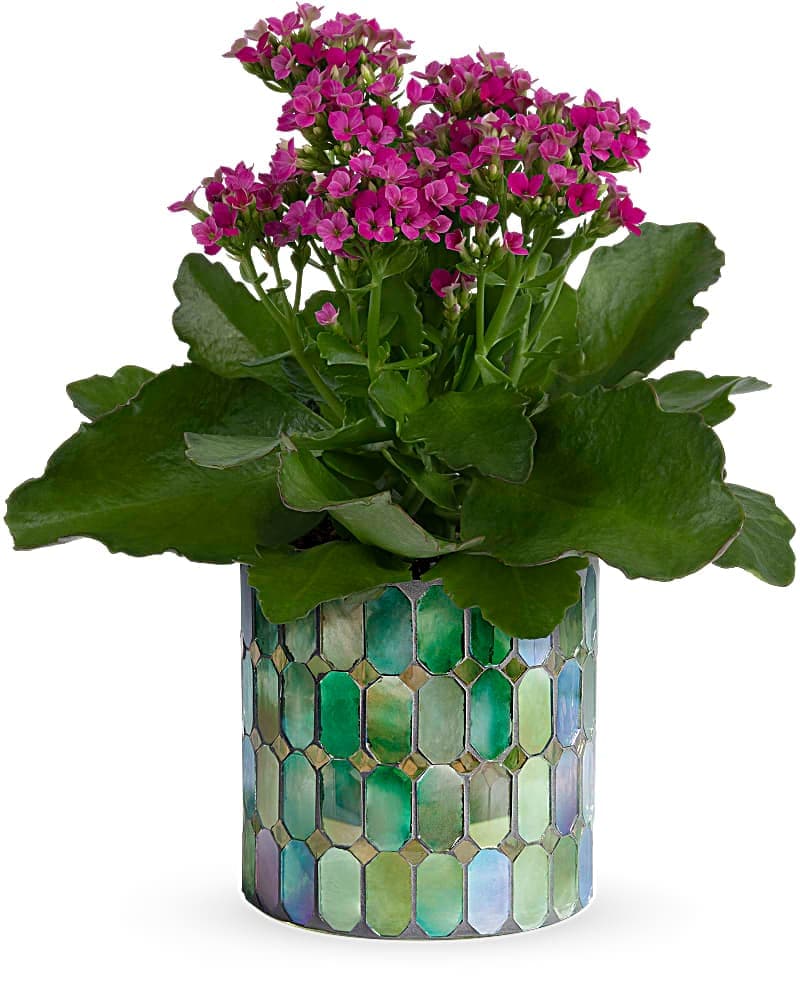
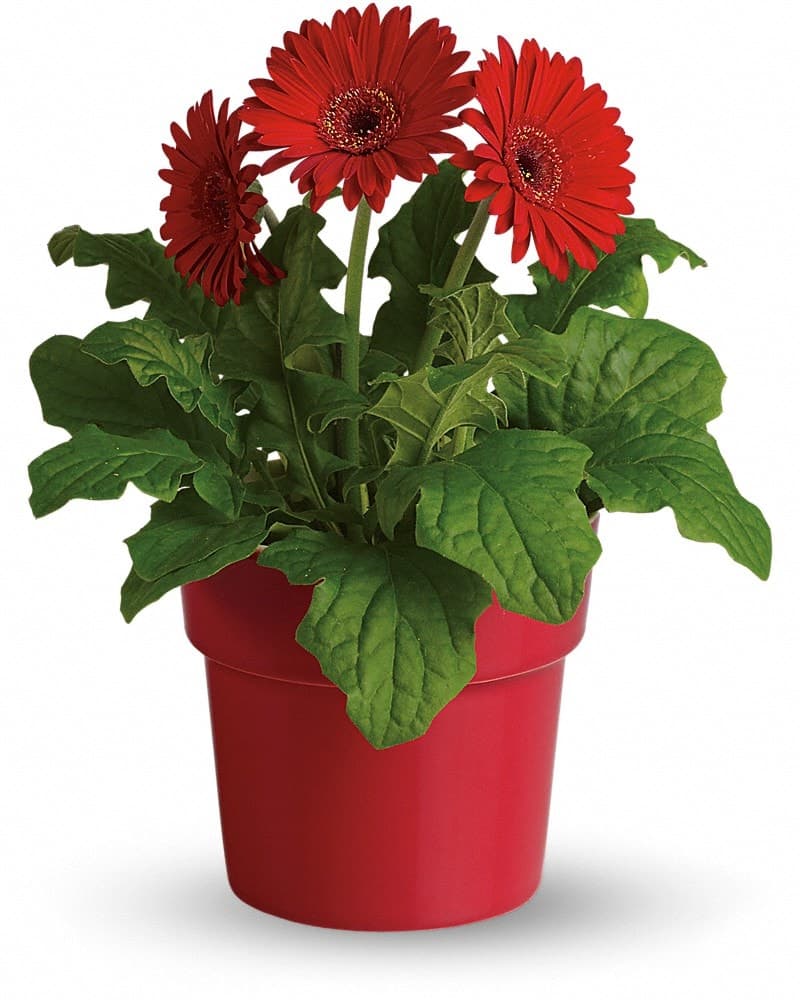
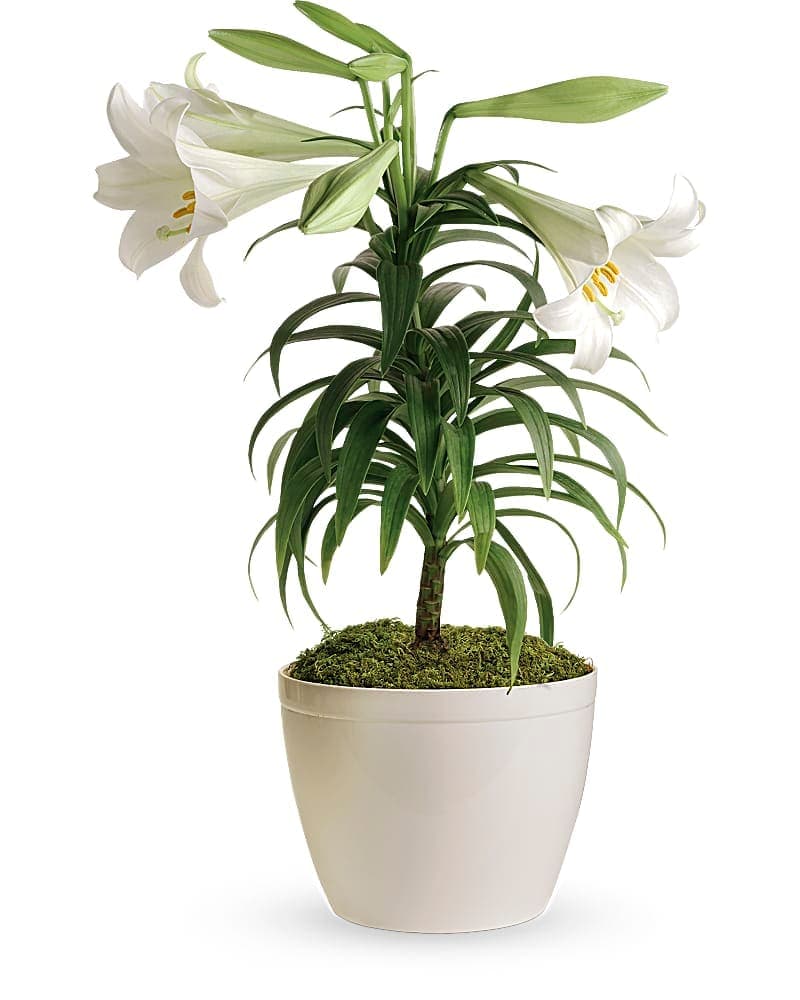
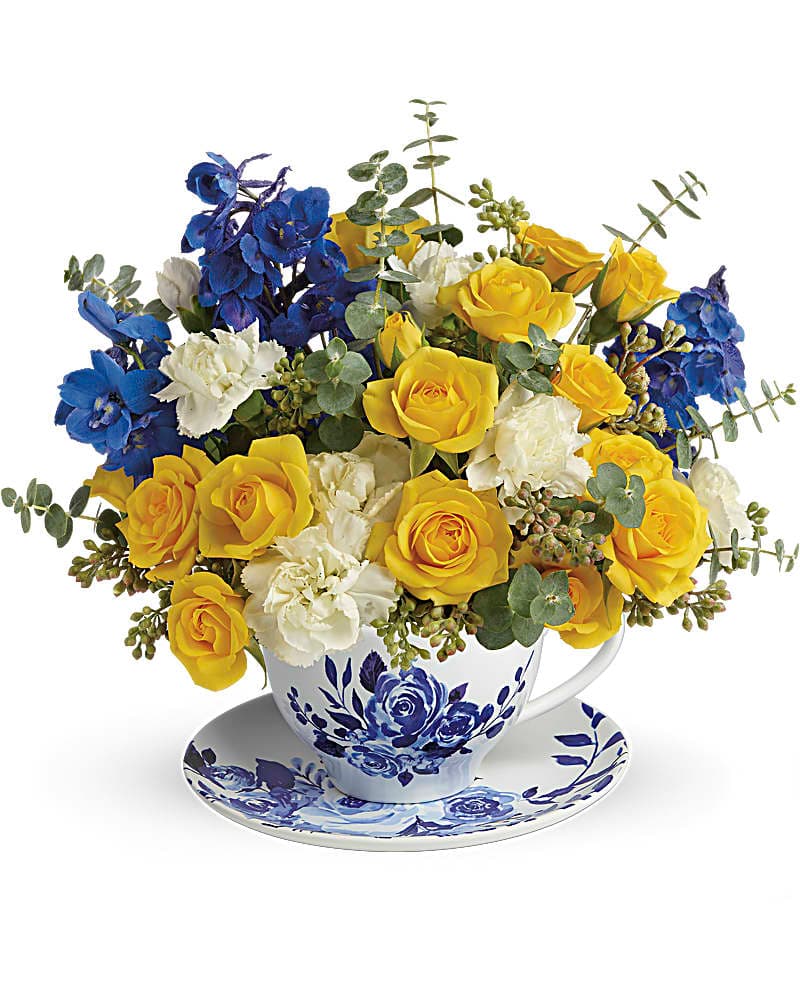
What actually gets refused at a hospital door is predictable, and a florist who has been doing this for twenty years builds around it without being asked. Lilies are the problem flower — the pollen stains everything it touches, the scent carries down a corridor, and in a room shared with a patient on chemotherapy it is the first thing a nurse removes. Expect the oncology, infusion and transplant units at Karmanos, and the cancer and surgical floors on Oakwood Boulevard, to refuse a lily outright, turn down anything that drops pollen, and want nothing with a scent on it. Potted plants with live soil are the second problem: for a patient whose counts are down, soil is a source of spores, so a plant is a discharge gift rather than a bedside gift. Intensive care, burn and neuro units across all of these systems are generally flower-free as a matter of policy, and the honest route is a lobby or nursing-station hand-off to the family instead of an arrangement that has to be carried straight back out. Children's Hospital of Michigan adds one more rule: latex is out entirely, balloons included, and the newborn unit will normally accept nothing — send to the parents' house, or ask them whether a lounge drop is allowed. Maternity and general post-surgical floors are the most permissive rooms in the metro and take almost anything. What passes everywhere on this grid: alstroemeria, lisianthus, spray roses, carnations and gerbera with solidago and a little greenery, built low, in a vessel that will not shatter when a tray table gets bumped.
Two things about hospital rooms in this city change the design brief, and neither of them is on a policy sheet. The first is the crowd. In Dearborn a hospital admission brings visitors in numbers — parents, siblings, aunts, cousins, the whole floor of a family arriving in shifts — and a room that has eight people standing in it has no surface left. A tall pedestal arrangement gets moved to the floor, then to a windowsill, then knocked over. What survives is low, wide and heavy-bottomed, sitting on the tray table or the windowsill and staying there. Ask for a low build and a weighted vessel and the gift lasts the whole stay. The second is food, and it matters more here than anywhere. The obvious gift for a sick friend in this community is a tray from a Warren Avenue bakery — but during Ramadan, a daylight food delivery is the wrong call even though illness exempts a patient from the fast, because the family sitting around the bed is usually still fasting and nobody will touch it until sunset. Flowers work where food does not, which is exactly why get-well volume on this grid climbs during Ramadan. If you want a card message in Arabic, write out the exact text and we will hand-write it as given; our shops copy what you send rather than translating it.