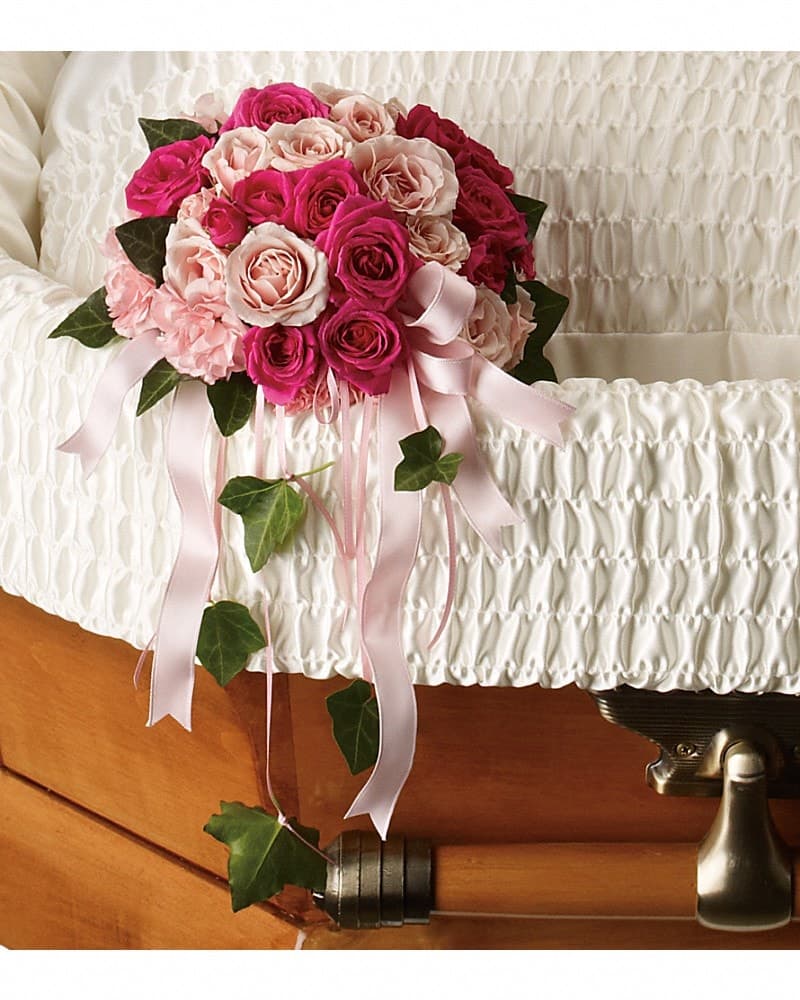
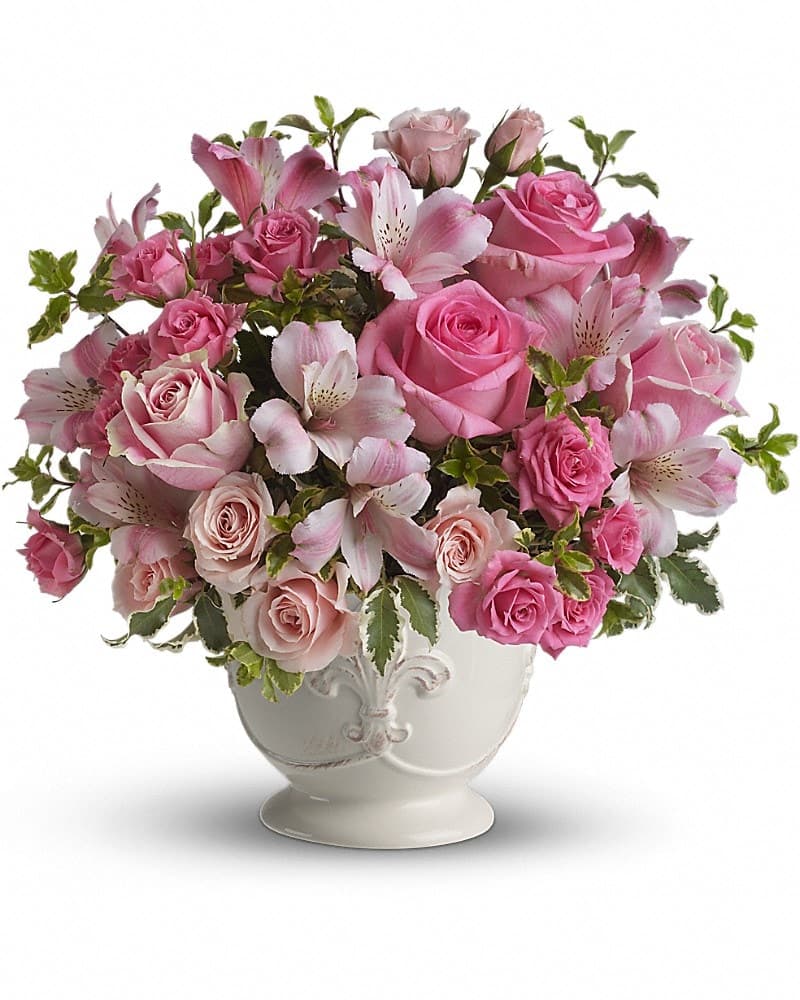
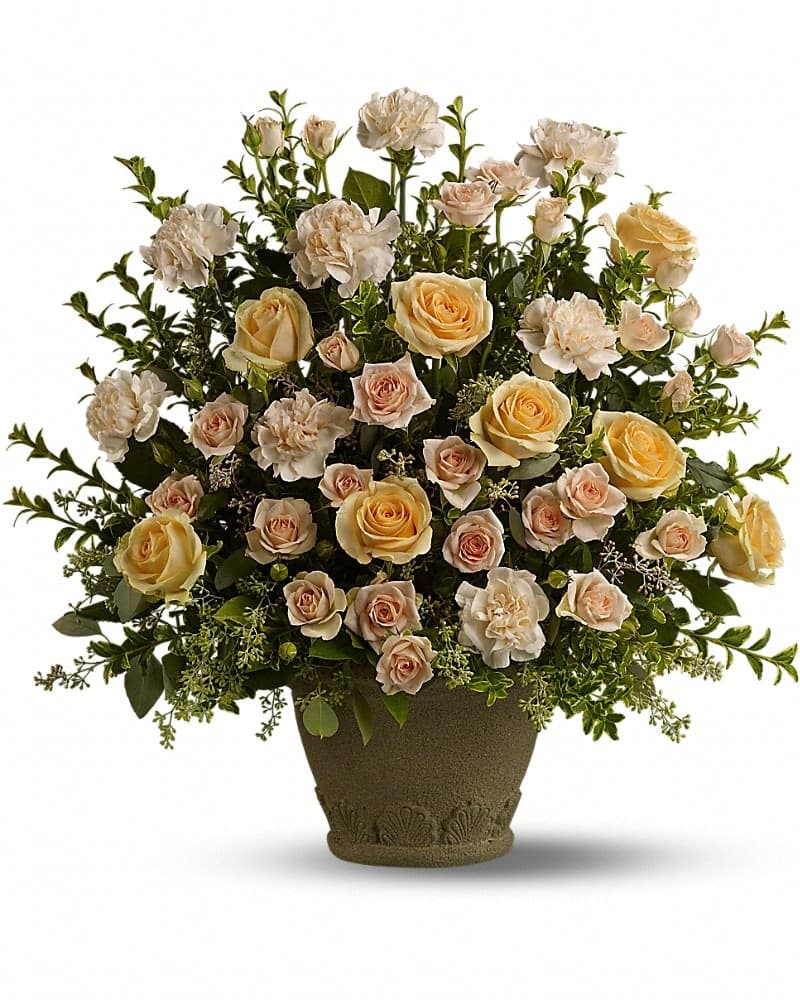
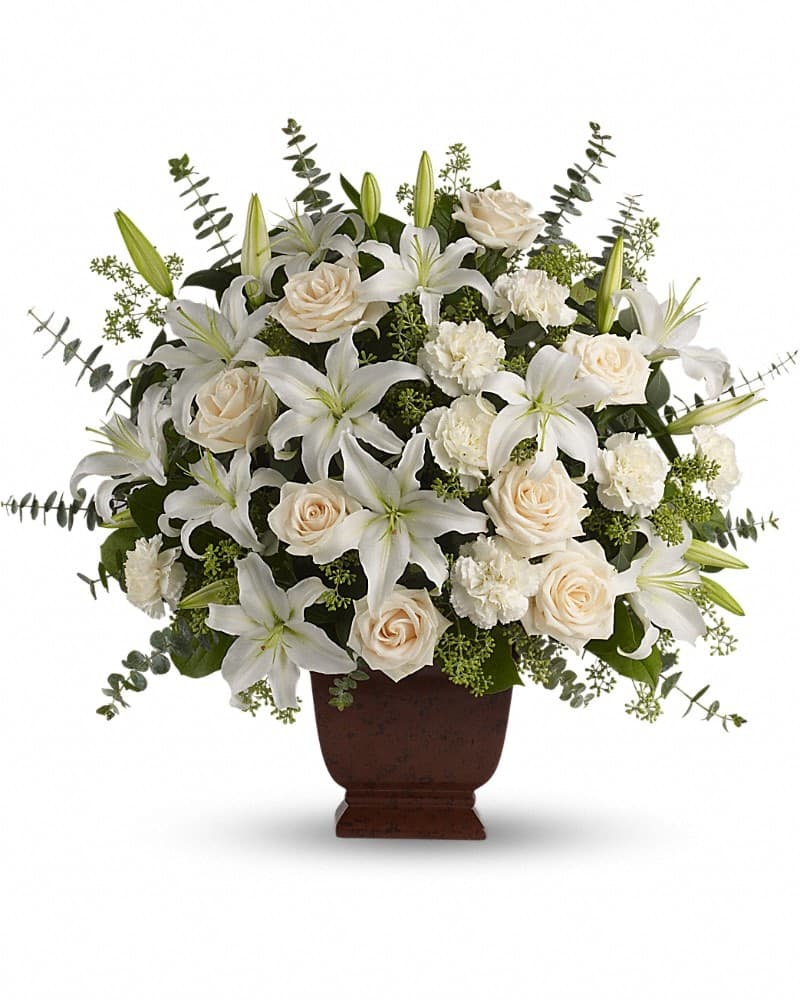
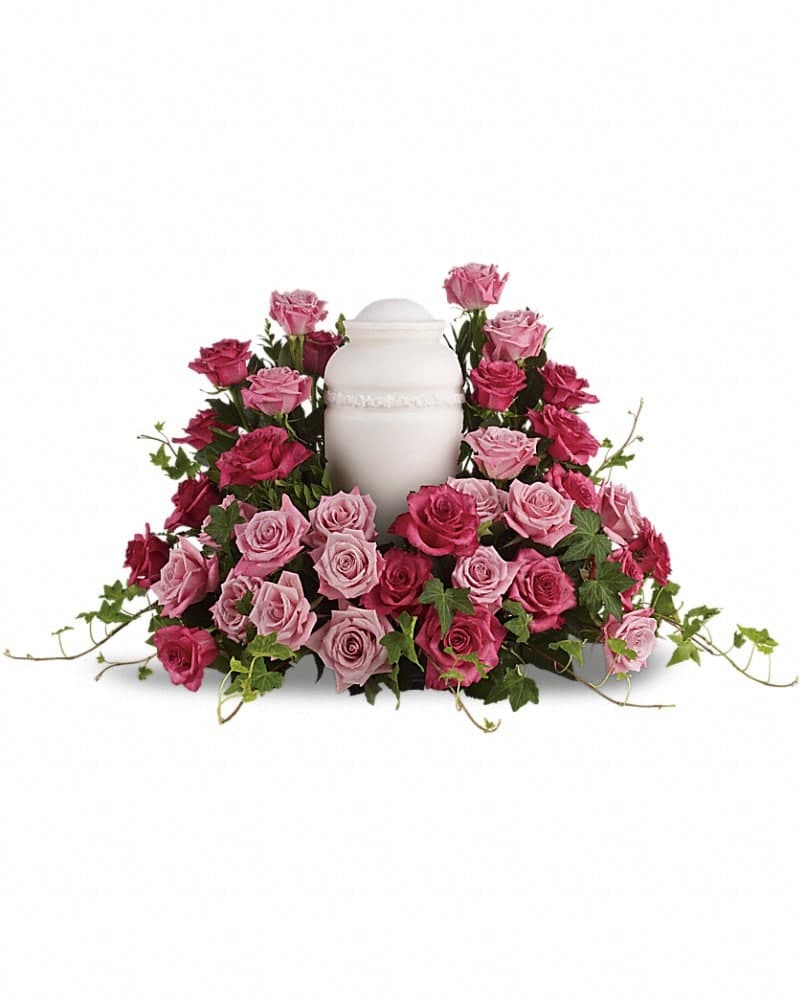
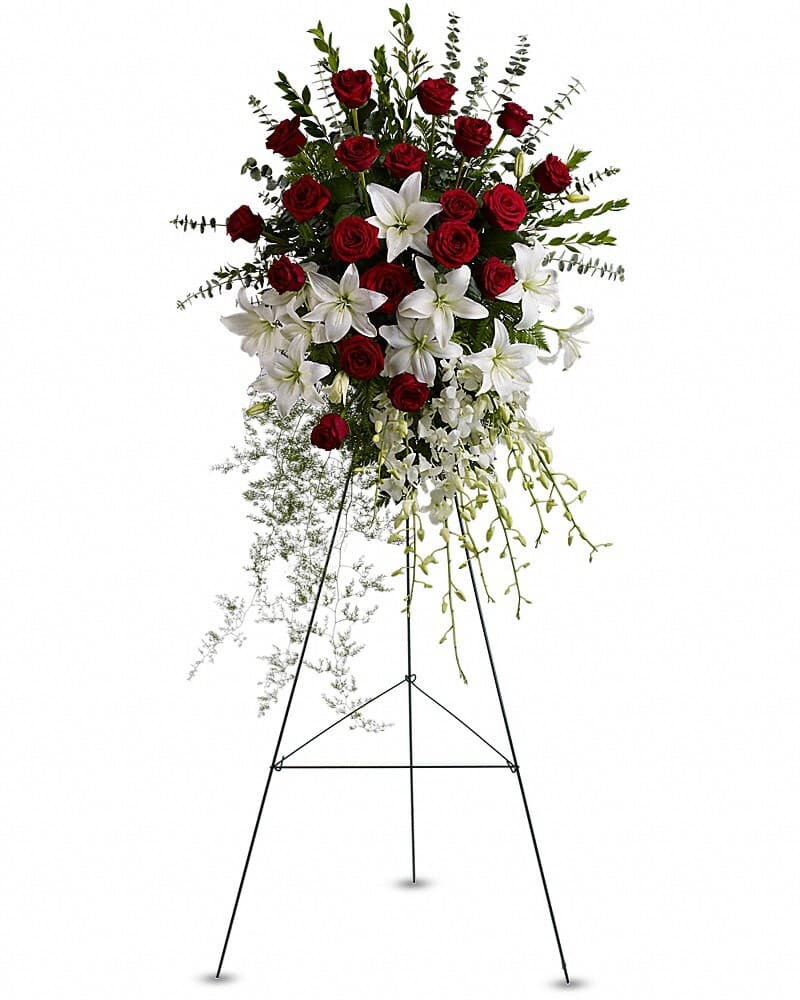
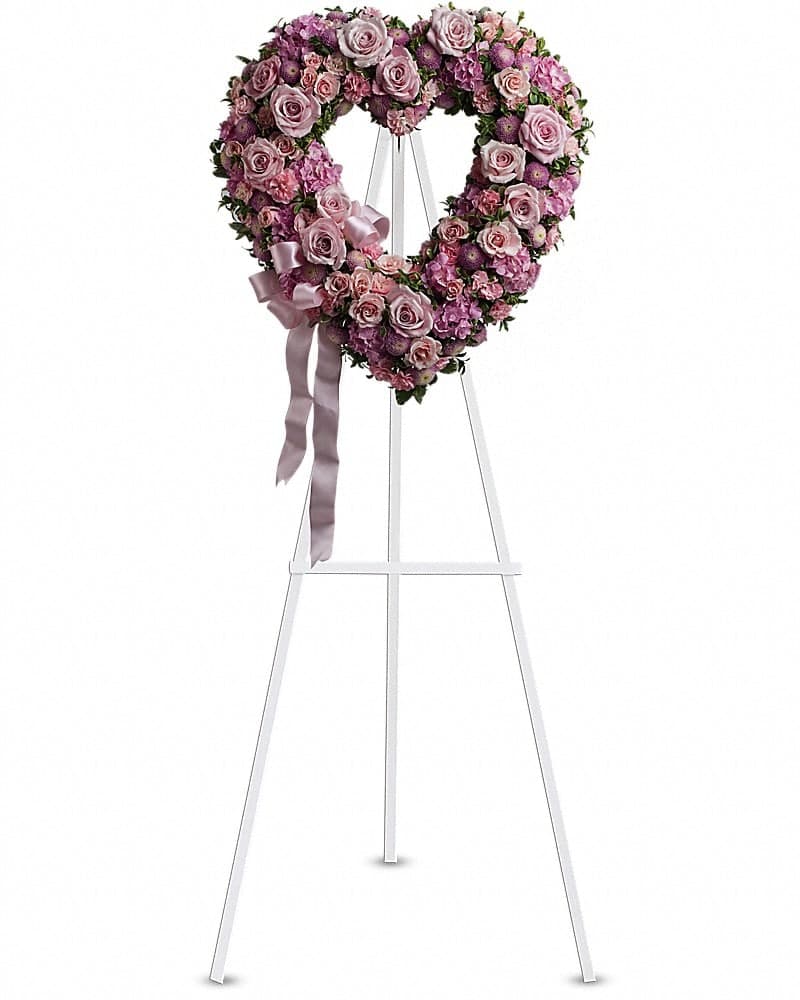
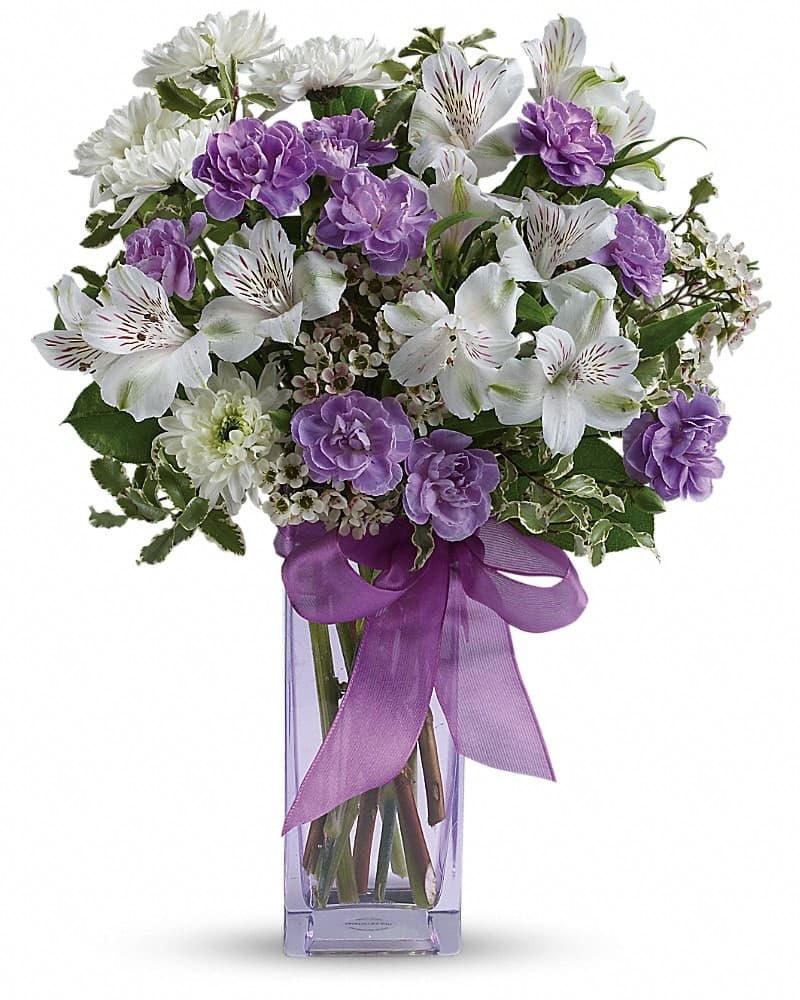
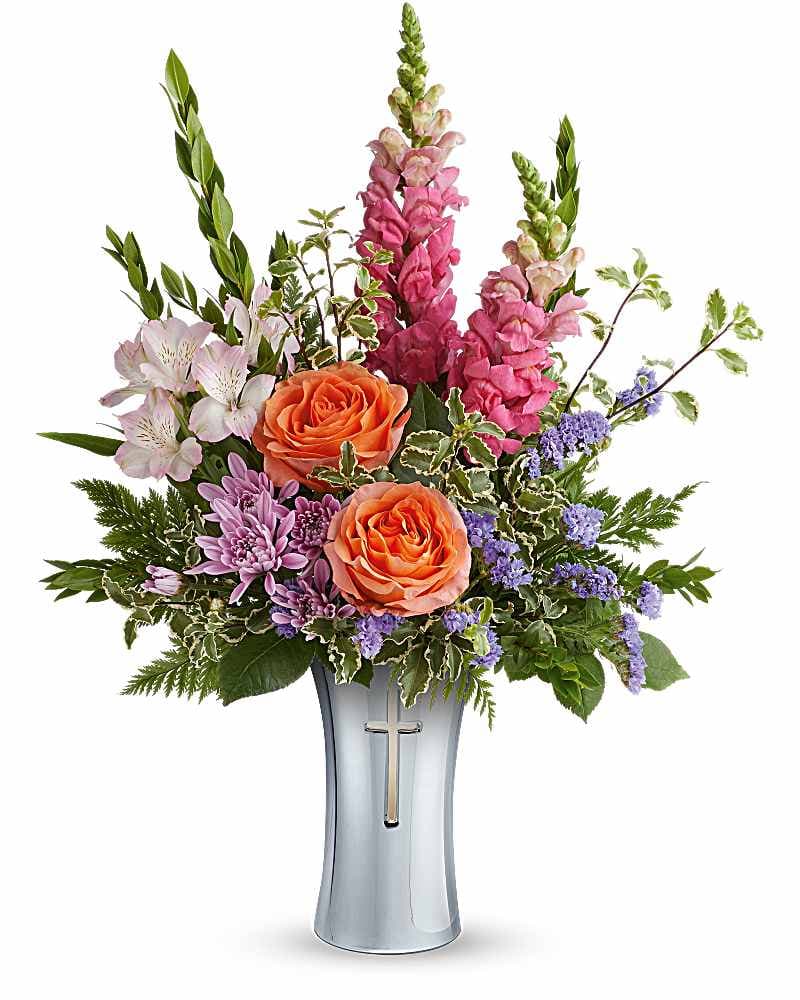
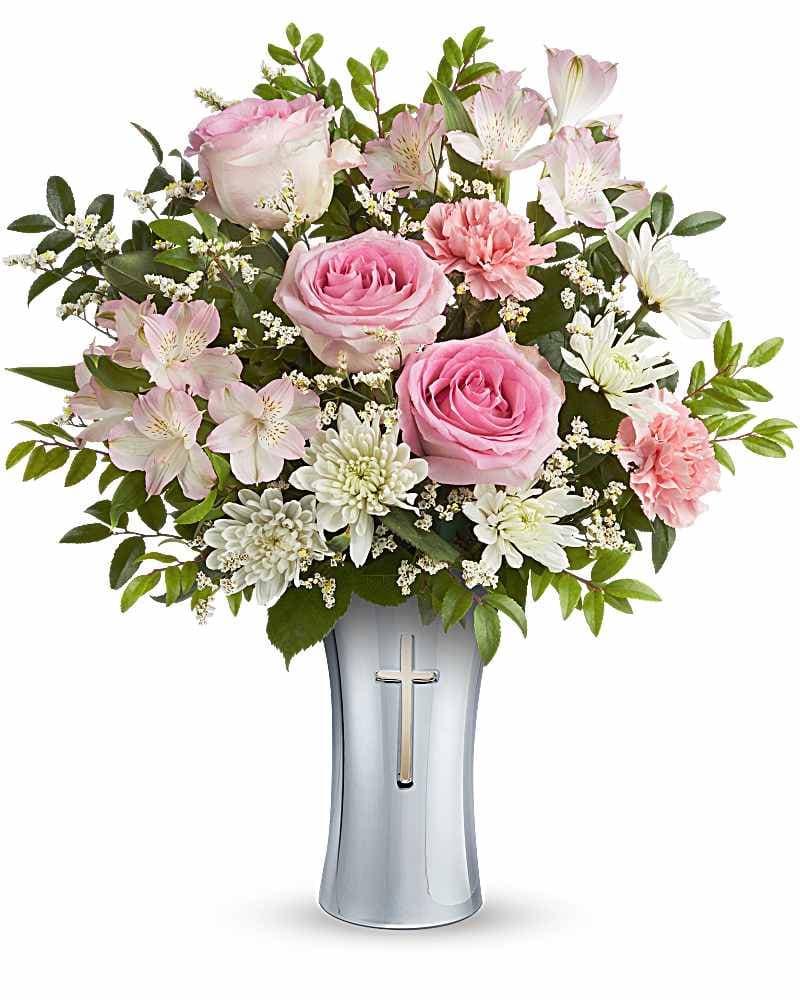
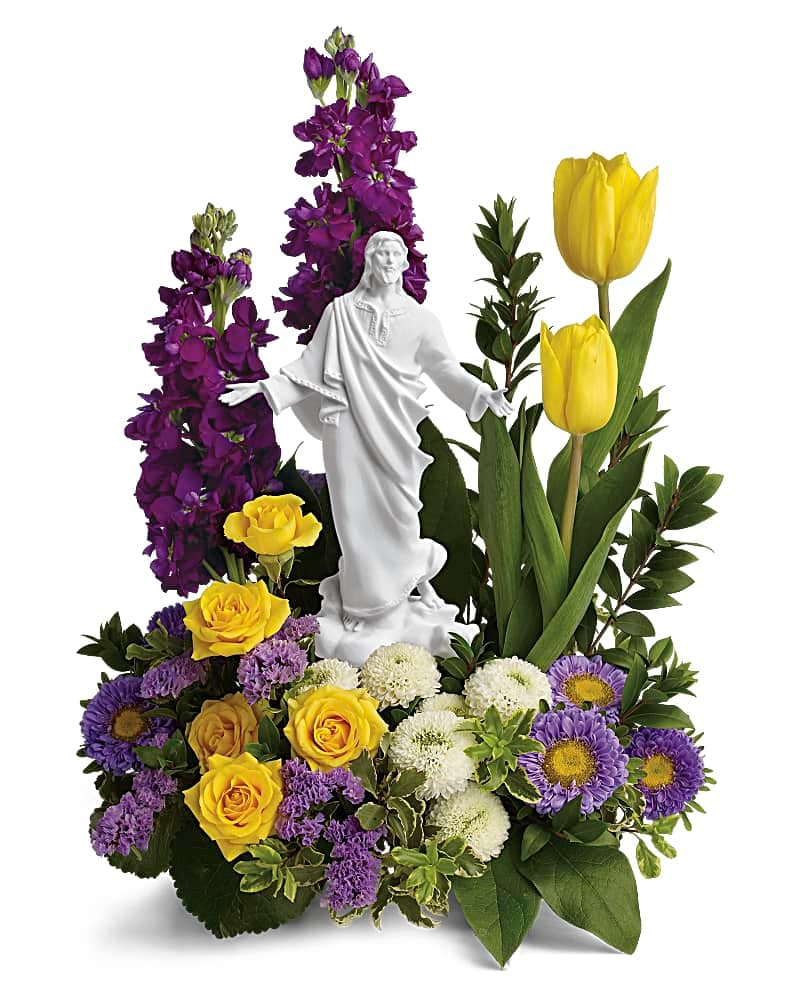
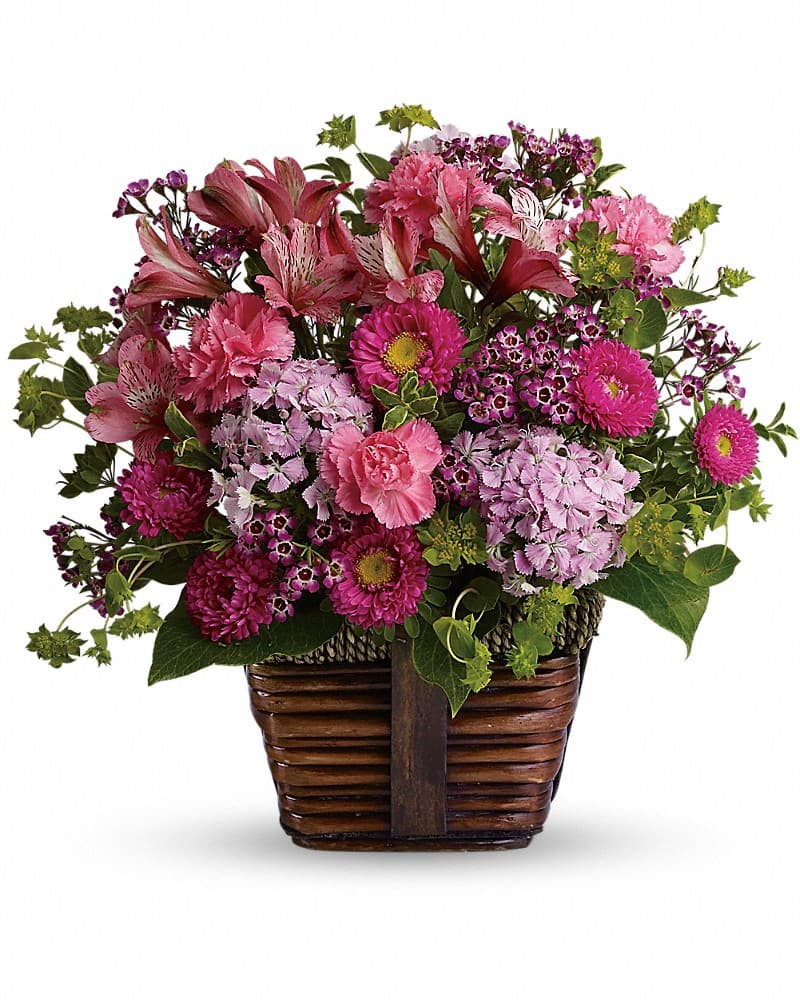
Sympathy is the one occasion in Clinton Township where the destination is almost never a house. It is a chapel with a two-hour visitation block, or a cemetery with a service scheduled to the quarter hour, and the entire order lives or dies on timing rather than on design. The township's own burial grounds are three, and they sit on three different roads. Resurrection Cemetery on Clinton River Road in 48038 is the Catholic ground, and it happens to share that road with Vanmaele Florist — the same two-lane stretch, a short run either direction. Clinton Grove Cemetery on Cass Avenue is the historic one, dating to the middle of the nineteenth century, with the older township and Mount Clemens families in it. Cadillac Memorial Gardens East sits on Groesbeck Highway in 48036, a memorial park with flat markers and its own rules about what can be set at a grave. The chapels spread out along the same grid: Kaul Funeral Home and Gendernalik Funeral Home both on Garfield Road inside the township, Wujek-Calcaterra & Sons on Schoenherr Road in Sterling Heights, Faulmann & Walsh Golden Rule Funeral Home on Utica Road in Fraser, Bagnasco & Calcaterra on East Fifteen Mile Road in Sterling Heights, and the Mount Clemens chapels a few minutes down Cass and Gratiot from the county-seat blocks. Two useful geographic facts: Kraatz Flowers at 301 Cass Avenue is on the same avenue as Clinton Grove and minutes from the Mount Clemens chapels, and Sam's Florist at 13480 East Fifteen Mile is on the same road as Bagnasco & Calcaterra. Short runs matter when a spray has to be standing before the family walks in.
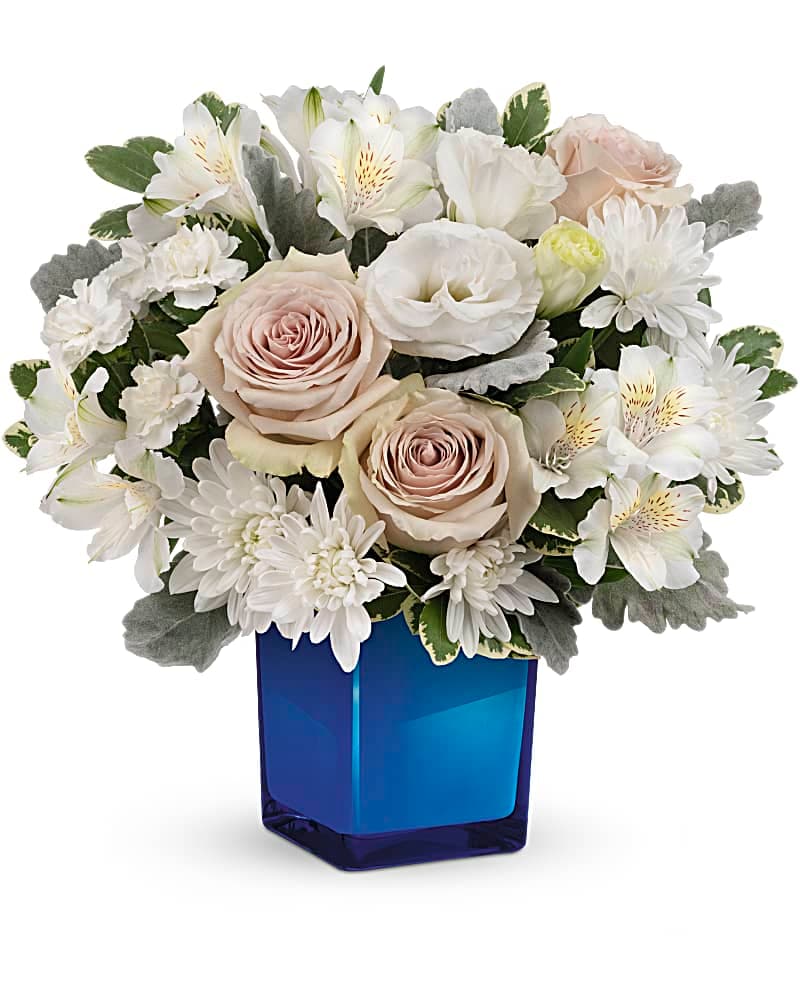
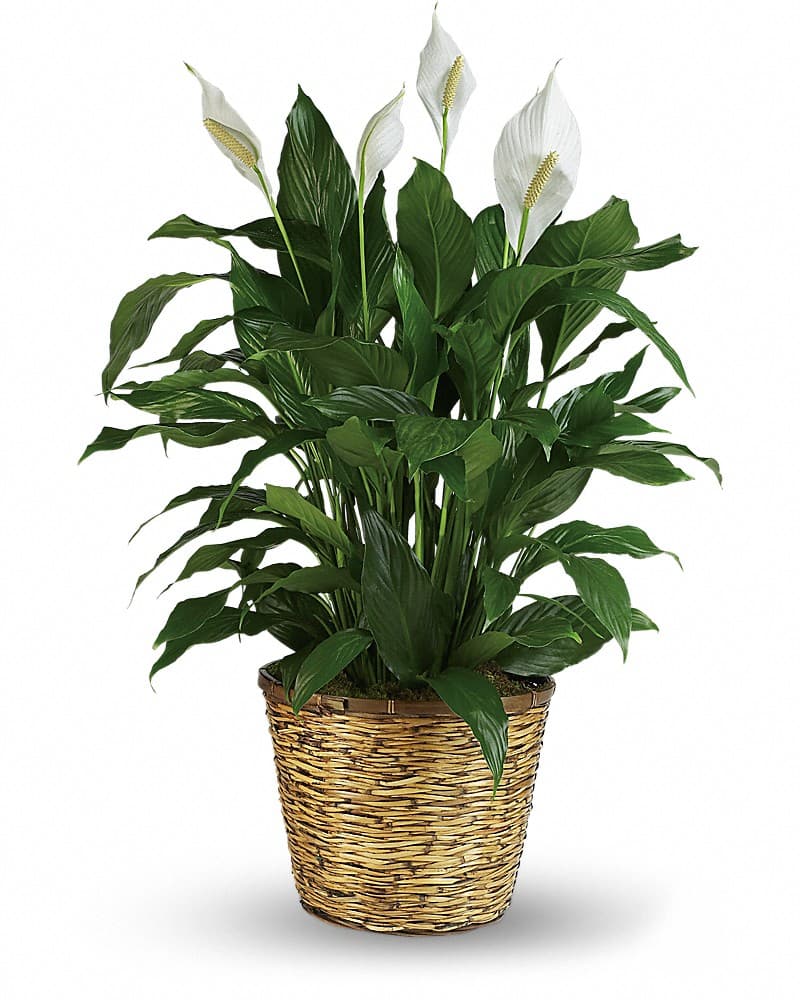
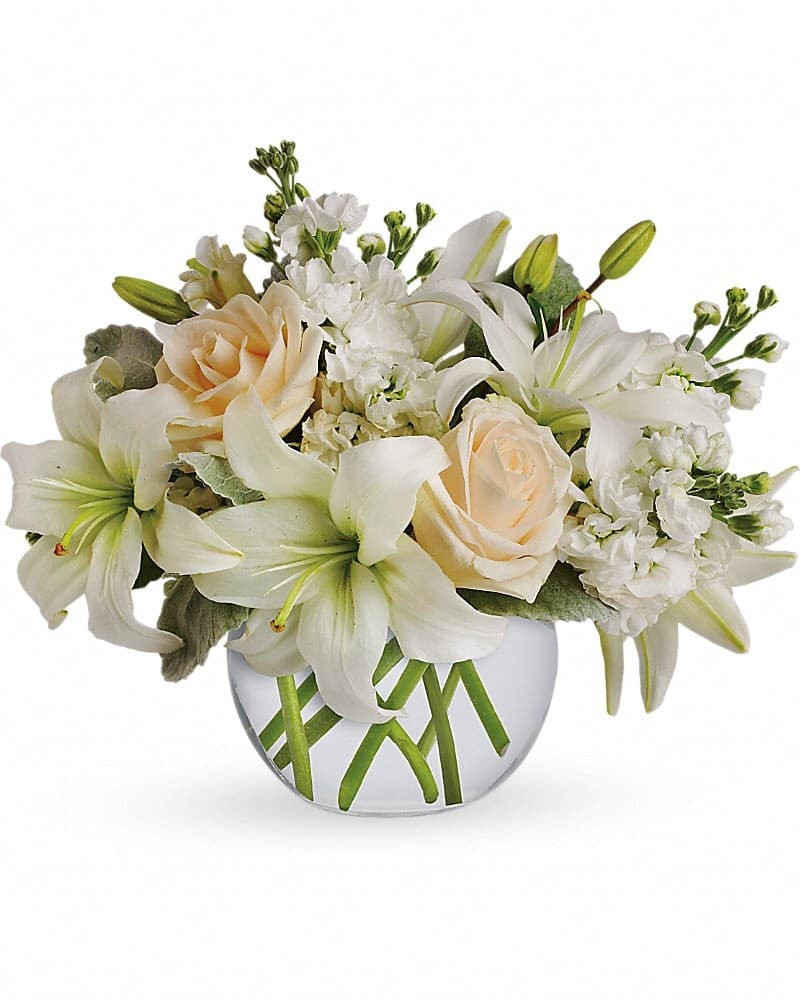
Macomb County's sympathy work is unusually multicultural for a suburb, and the tradition changes what you should send. Polish-American Catholic families are a large presence across Warren, Sterling Heights and the township, and the pattern is a full visitation with standing easel sprays and a casket piece from the immediate family, plus vased arrangements sent by friends and coworkers. Italian-American Catholic families follow a similar shape, often with a heavier floral presence at the chapel. Chaldean and Assyrian Catholic families — one of the largest such communities in the United States, concentrated in the Sterling Heights and Shelby Township corridor next door — hold large, well-attended services where floral volume is expected and arrangements frequently travel from the chapel to the church to the cemetery in one day, so a sturdy build matters more than a delicate one. Albanian, Macedonian and other Eastern Orthodox families in the same corridor often favor standing arrangements and wreaths, with the service anchored at the parish rather than at the funeral home. Ukrainian families around Warren's Ryan Road parish corridor keep their own conventions. For any of these, the single most useful thing you can do is tell the studio which tradition and which building: a designer who knows the service is Chaldean and moving to a cemetery in the afternoon builds differently than one who assumes a single-room visitation. If the family has asked for donations in lieu of flowers, a small vased arrangement to the home after the service is the respectful alternative rather than a chapel piece.